
Authoritarian parenting is a style that evokes strong feelings and varied opinions across cultures. By exploring its nuances, we gain insights into how different societies shape their parenting practices and the implications for children. Read Interesting article: Navigating Authoritative and Authoritarian Parenting Styles
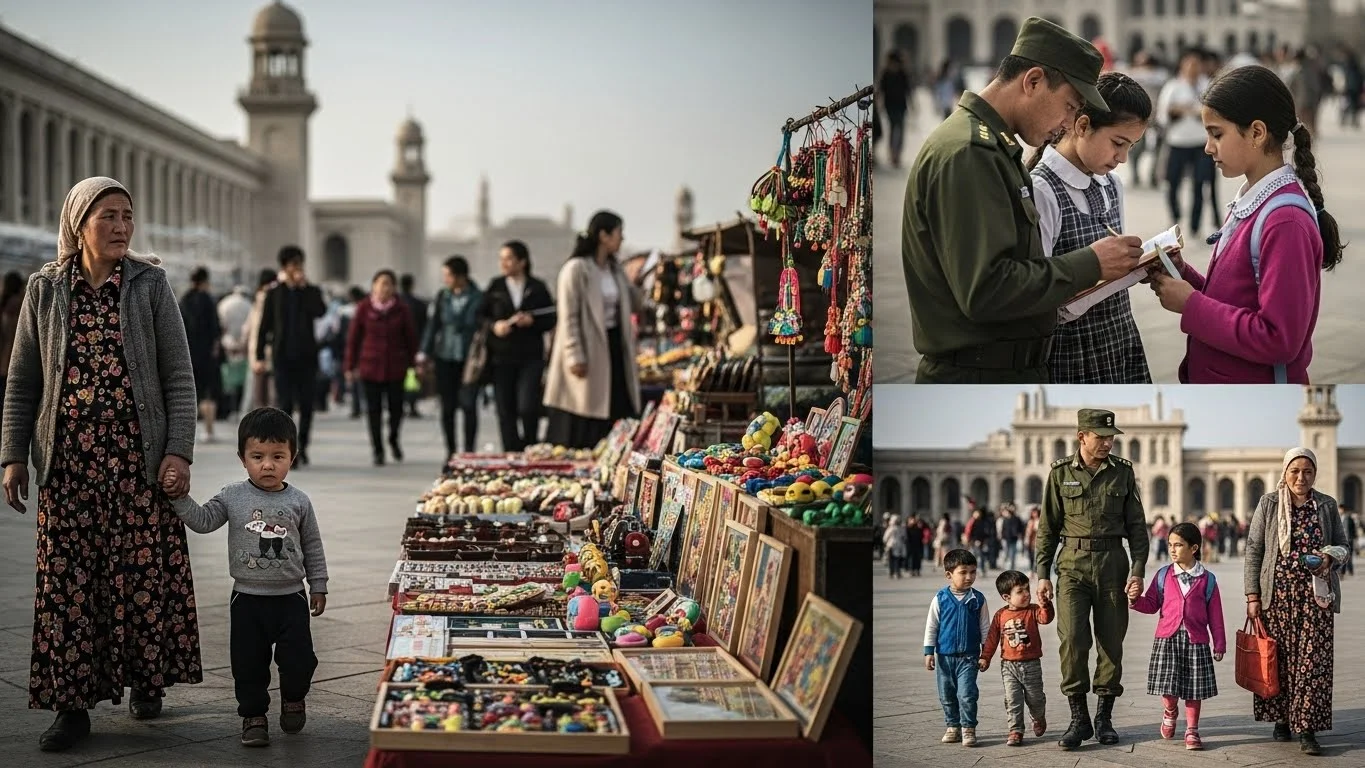
Understanding Authoritarian Parenting Styles
Definition of Authoritarian Parenting
Authoritarian parenting is characterized by high demands and low responsiveness. As a parent, I’ve often wondered how this style shapes not just my children’s behavior but their emotional well-being. In authoritarian households, parents enforce strict rules and expect obedience without much warmth or nurturing. The focus is primarily on discipline and control, leaving little room for a child’s input. This style can often lead to children feeling pressured to meet their parents’ expectations, sometimes at the cost of their own individuality.
Key Characteristics of Authoritarian Parenting
From my observations and experiences, the key characteristics of authoritarian parenting include the following:
- Strict Rules: Parents set firm expectations and do not tolerate deviations. I remember a friend who grew up in such an environment; she often felt like she was walking on eggshells.
- Limited Flexibility: There’s little room for negotiation or discussion. This can create a rift between parents and children, as I’ve seen in several families I’ve known.
- High Expectations: Parents expect their children to excel without considering the stress it may cause. I once spoke to a parent who shared how their child felt immense pressure to be perfect.
- Low Emotional Support: There’s often a lack of emotional warmth and validation. It’s heartbreaking to see children who feel they must earn affection through achievements.
- Use of Punishment: Discipline is often harsh, focusing more on punishment than guidance. I’ve seen this lead to resentment rather than respect.
Differences Between Authoritarian and Other Parenting Styles
Understanding authoritarian parenting helps to distinguish it from other styles, particularly authoritative, permissive, and uninvolved parenting. Authoritative parenting, which I believe is often seen as the ideal, combines high expectations with emotional support and open communication. For me, it feels more balanced, allowing children to thrive while also feeling loved and understood. Read Interesting article: Understanding Authoritative vs. Authoritarian Parenting Styles
On the other hand, permissive parenting is much more lenient, with parents who are more of a friend than a figure of authority. I’ve noticed that while this can foster creativity and independence, it can also lead to lack of structure. Uninvolved parenting, characterized by neglect, is another style that contrasts sharply with authoritarian parenting. In my experience, children in uninvolved settings often struggle the most, feeling lost without guidance.
In summary, while authoritarian parenting emphasizes control and discipline, other styles offer a spectrum of engagement and support that can significantly affect a child’s development and emotional health.
Cultural Perspectives on Authoritarian Parenting
Authoritarian Parenting in Eastern Cultures
When I think of parenting styles globally, Eastern cultures come to mind, where the influence of traditional values often shapes authoritarian practices.
China: The Influence of Confucianism
In China, Confucian values play a significant role in parenting. I’ve learned that respect for authority and the importance of education are deeply ingrained in the culture. Parents often push their children to excel academically, believing that this hard work leads to success and respect in society. This perspective can feel overwhelming for children, but many parents see it as a way of preparing them for a competitive world. I’ve spoken to several Chinese families who emphasize the importance of discipline, sometimes at the expense of emotional connection.
Japan: The Importance of Discipline
In Japan, I’ve noticed that the concept of discipline is also prevalent. Japanese parents often teach their children to respect societal norms and authority figures. This cultural emphasis can manifest in parenting styles that prioritize obedience and conformity. I remember reading about how, in schools, children are taught to follow strict rules and work collaboratively, reflecting the societal values they are raised with. While this creates a strong sense of community, it can also suppress individuality, something I think about often when witnessing the pressures faced by youth in Japan.
Authoritarian Parenting in Western Cultures
Shifting focus to Western cultures, I’ve discovered that authoritarian parenting takes on different nuances.
United States: The Balance of Authority and Autonomy
In the United States, there’s often a unique blend of authoritarian and authoritative styles. While many parents employ strict rules, they also value their children’s opinions and encourage autonomy. I’ve seen this balance in my own neighborhood, where parents expect good grades but also ask their kids about their interests and passions. This approach can help children feel valued while still emphasizing accountability.
Eastern Europe: Historical Context and Traditions
In Eastern Europe, the legacy of historical hardship has influenced parenting styles significantly. I’ve talked with families from countries like Poland and Hungary, where authoritarian practices are sometimes seen as a means of survival. Parents emphasize discipline and obedience, often stemming from a history of political upheaval and societal instability. It’s fascinating—and somewhat heartbreaking—to see how these historical contexts shape parenting philosophies and the future of the children growing up in these environments.
Authoritarian Parenting in Middle Eastern Cultures
As I explore parenting styles in Middle Eastern cultures, I find a rich tapestry woven with tradition and societal norms.
Parenting in Traditional Islamic Families
In traditional Islamic families, I’ve found that parenting can often reflect the values of the community and religious teachings. Authoritarian parenting may be prevalent, with a strong emphasis on obedience and respect for elders. I’ve seen this in families where children are taught to adhere strictly to societal expectations, which can be both a source of strength and a point of conflict for the younger generation.
Impact of Societal Norms and Values
In many Middle Eastern cultures, societal norms heavily influence parenting styles. It’s interesting how these traditions can sometimes clash with the evolving values of youth today. I’ve spoken to young adults who feel torn between their parents’ expectations and their desire to forge their own paths.
Authoritarian Parenting in African Cultures
Looking at African cultures, I’ve noticed that family dynamics and community play a significant role in shaping parenting styles.
Role of Extended Family and Community
In many African societies, the extended family often participates in raising children. I’ve seen how this communal approach can sometimes lean toward authoritarian methods, where children are expected to respect not just their parents but all elders. This creates a strong sense of belonging but can also lead to challenges as children grow and seek their own identities.
Cultural Traditions and Their Influence
Various cultural traditions across Africa influence how children are raised. From my experience, in some communities, strict adherence to customs and practices is essential. While this can impart valuable lessons in respect and responsibility, it can also foster a sense of pressure that I’ve witnessed in several families.
Impacts of Authoritarian Parenting Styles
Psychological Effects on Children
Reflecting on my experiences and observations, I’ve realized that authoritarian parenting can lead to significant psychological impacts on children. The strict nature of this style often shapes how children see themselves and their place in the world. They may grow up feeling a constant need to prove themselves, which can create a cycle of stress and anxiety.
Long-term Emotional Consequences
From what I’ve learned, children raised in authoritarian households may struggle with emotional regulation later in life. I spoke with a close friend who shared how their upbringing left them feeling anxious and inadequate, often doubting their abilities. This resonates with studies indicating that such children may be more prone to mental health issues, including depression and anxiety. I can’t help but think how different their lives might have been if they’d received more emotional support and understanding during their formative years.
Impact on Self-esteem and Independence
Self-esteem is another area where the repercussions of authoritarian parenting become evident. I’ve observed that children who grow up under strict rules often develop a fear of failure. They might excel academically but struggle to make independent decisions. For instance, I remember a colleague whose child, despite being brilliant, hesitated to express their opinions in class. They felt their voice wasn’t valued at home, which stunted their confidence. This lack of autonomy can hinder their ability to think critically and make choices, making it essential for parents to strike a balance between guidance and freedom.
Social Implications of Authoritarian Parenting
Just as authoritarian parenting affects emotions, it also significantly impacts children’s social interactions. I’ve seen this play out in various settings, from playgrounds to classrooms, where the influence of parenting styles is evident.
Influence on Peer Relationships
Children raised in authoritarian households often find it challenging to form healthy relationships with their peers. They might be overly compliant, struggling to assert themselves or make friends. I remember a child in my neighborhood who was raised in an authoritarian environment; their interactions often felt forced, and they had difficulty navigating social norms. This can lead to isolation, as they may fear rejection or conflict. The absence of social skills nurtured in a more supportive environment can leave these children feeling lonely.
Effects on Academic Performance
Interestingly, while authoritarian parenting can lead to high academic achievement due to strict expectations, it doesn’t always guarantee a love for learning. I’ve encountered students who excelled in tests but viewed school as a source of stress rather than joy. They were often so focused on meeting external expectations that they lost the intrinsic motivation to explore and learn. This pressure can create a superficial understanding of subjects, where grades become the primary goal rather than a genuine interest in knowledge. I think about how crucial it is for parents to cultivate a love for learning, emphasizing that education should be about growth rather than just performance.
Comparative Analysis of Authoritarian Parenting Styles
Cross-Cultural Studies and Findings
As I delve deeper into the subject, I’ve come across various studies comparing authoritarian parenting styles across cultures. It’s fascinating how different societies interpret and implement these styles based on their unique values and norms. For instance, research suggests that while authoritarian parenting may be more prevalent in certain cultures, the outcomes can vary dramatically. I’ve noticed that in some cultures, children might adapt better to strict parenting due to societal expectations, while in others, the same approach may lead to rebellion and conflict. Read Interesting article: Navigating Authoritarian vs. Authoritative Parenting Styles
Similarities and Differences in Parenting Outcomes
I think it’s crucial to understand both the similarities and differences in parenting outcomes across different backgrounds. In many cultures, children raised with strict discipline tend to respect authority and adhere to societal rules. However, this respect may come at the cost of creativity and self-expression. I remember reading about how children from cultures that emphasize collectivism might react differently to authoritarian parenting compared to those from more individualistic societies, where personal achievement is prioritized. It’s a reminder that while the effects of parenting styles can be profound, context matters tremendously.
Challenges and Criticisms of Authoritarian Parenting
Global Shifts Towards Authoritative Styles
In recent years, I’ve observed a notable shift towards more authoritative parenting styles, emphasizing a balance of discipline and emotional support. I see this as a positive development, where parents are increasingly aware of the importance of nurturing their children’s emotional health alongside their academic achievements. It’s heartening to witness parents advocating for open communication and understanding, fostering environments where children can thrive both personally and academically.
Critiques from Child Development Experts
Child development experts have also raised concerns about the long-term implications of authoritarian parenting. Through my exploration of various articles and discussions, I’ve learned that many professionals advocate for parenting approaches that prioritize emotional intelligence and resilience. They argue that children need to feel secure in their relationships with their parents to develop into well-rounded individuals. This perspective aligns with my belief that fostering a nurturing environment can lead to better outcomes in both mental health and social interactions.
Resources for Understanding Authoritarian Parenting
Books on Parenting Styles
If you’re interested in diving deeper into this subject, I highly recommend exploring books that discuss parenting styles and their implications on child development. Titles like “The Whole-Brain Child” by Daniel J. Siegel and Tina Payne Bryson offer valuable insights into nurturing a child’s emotional and intellectual growth. I’ve found it enlightening to read about different perspectives and strategies that can help parents balance authority with love.
Research Articles and Journals
Research articles can also provide a wealth of information on the effects of various parenting styles. I often turn to journals like “Child Development” or “Developmental Psychology” for studies that examine the long-term consequences of authoritarian parenting. These resources have significantly shaped my understanding of the nuances involved in child-rearing practices.
Parenting Workshops and Support Groups
Lastly, attending parenting workshops or joining support groups can be incredibly beneficial. Engaging with other parents and experts can provide practical strategies for navigating the challenges of parenting. I’ve personally found these groups to be a great source of support, where we share experiences and learn from each other, ultimately fostering a more positive parenting journey.
Understanding Authoritarian Parenting Styles
Definition of Authoritarian Parenting
Authoritarian parenting is a style that places a heavy emphasis on obedience and discipline while minimizing warmth and emotional connection. As I’ve explored this topic, I’ve come to see how this approach often stresses compliance over individuality. In authoritarian households, the parent’s authority is rarely questioned, and children are expected to follow rules without input or discussion. This lack of flexibility can create a dynamic where children learn to prioritize pleasing their parents above understanding their own desires and feelings. I think this is important to consider as we look at how children develop their own identities in these environments.
Key Characteristics of Authoritarian Parenting
There are several key characteristics that define authoritarian parenting. From my observations, these traits consistently emerge:
- Control and Monitoring: Parents often closely monitor their children’s activities and behaviors. This level of oversight can feel stifling, as I’ve seen with some friends who expressed a desire for more freedom to explore their interests.
- Little Emotional Expression: Authoritarian parents tend to be less expressive of love and affection. I remember feeling a sense of distance when visiting such families, where warmth was often replaced by sternness.
- Reliance on Obedience: Obedience is a core expectation. Children learn quickly that compliance is valued, which can lead to them suppressing their own opinions. I’ve witnessed this firsthand; it often creates a lack of assertiveness in later life.
- Punishment as a Teaching Tool: Rather than guiding children through mistakes, punishment is frequently used as a corrective measure. I know a few individuals who felt that punishment overshadowed any lessons learned, leading to bitterness rather than understanding.
Differences Between Authoritarian and Other Parenting Styles
When I compare authoritarian parenting to other styles, particularly authoritative, I notice distinct contrasts. Authoritative parenting combines high expectations with emotional support and open dialogue. I’ve seen families where this approach leads to children who are confident and articulate, easily expressing their thoughts and feelings. In contrast, permissive parenting is often too lenient, allowing children to dictate their own rules without the necessary boundaries. This can result in a lack of discipline, which I believe is essential for growth. Then there’s uninvolved parenting, which can lead to neglect, leaving children without the guidance they need. It’s evident to me that while every style has its merits and pitfalls, finding a middle ground is often the most beneficial path for children’s development.
Cultural Perspectives on Authoritarian Parenting
Authoritarian Parenting in Eastern Cultures
As I dive deeper into cultural influences on parenting, Eastern cultures provide a fascinating backdrop. The traditional values prevalent in these societies often shape the way parenting practices are structured.
China: The Influence of Confucianism
In China, the legacy of Confucianism significantly impacts parenting. I’ve learned that respect for authority and a strong emphasis on education are not just ideals but expectations. Parents often instill discipline in their children, pushing them to excel academically. This can lead to immense pressure, as I’ve seen with families where children feel their worth is directly tied to their achievements. Although this drive can foster success, I often wonder about the emotional toll it takes on the younger generation.
Japan: The Importance of Discipline
Similarly, in Japan, the value placed on discipline is striking. Children are taught from a young age to adhere to societal rules and norms. I remember reading stories about how children are expected to demonstrate collective responsibility, learning to work collaboratively from an early age. This focus creates a cohesive society, but it can also stifle individual expression. I think about how challenging it must be for children to navigate their identities when conformity is heavily emphasized.
Authoritarian Parenting in Western Cultures
Transitioning to Western cultures, the nuances of authoritarian parenting shift significantly. Here, the blend of strictness with an emphasis on independence creates a unique dynamic.
United States: The Balance of Authority and Autonomy
In the United States, I’ve noticed a mix of authoritative and authoritarian styles. Many parents maintain strict rules but also value their children’s opinions, allowing for a dialogue that fosters autonomy. In my neighborhood, I see parents expecting high academic performance while also encouraging their kids to explore their interests. This balance seems crucial for developing well-rounded individuals, and I believe it contributes to a healthier family dynamic.
Eastern Europe: Historical Context and Traditions
In Eastern Europe, I’ve spoken with families who view authoritarian parenting through the lens of historical hardship. Countries like Poland and Hungary have faced challenges that influence how parents approach discipline and obedience. This historical context shapes not only parenting styles but also how children perceive authority. It’s quite profound to see how deeply these societal factors can influence family dynamics and expectations.
Authoritarian Parenting in Middle Eastern Cultures
Exploring Middle Eastern cultures reveals a rich tapestry of traditional values that significantly impact parenting.
Parenting in Traditional Islamic Families
In many traditional Islamic families, I’ve observed that parenting practices often reflect community values and religious teachings. Authoritarian styles may prevail, emphasizing obedience and respect for elders. I’ve seen children raised in environments where adherence to societal norms is paramount, leading to a strong sense of community but also creating friction when children seek independence.
Impact of Societal Norms and Values
These societal norms can create conflict for younger generations, who may feel torn between traditional expectations and modern aspirations. I’ve had conversations with young people who express a desire to carve their own paths, often struggling with the weight of their parents’ expectations.
Frequently Asked Questions
What is authoritarian parenting?
Authoritarian parenting is characterized by high demands and low responsiveness, emphasizing strict rules and obedience without much warmth or nurturing.
What are the key characteristics of authoritarian parenting?
Key characteristics include strict rules, limited flexibility, high expectations, low emotional support, and reliance on punishment rather than guidance.
How does authoritarian parenting differ from authoritative parenting?
Authoritative parenting combines high expectations with emotional support and open communication, providing a more balanced approach compared to the control and discipline emphasized in authoritarian parenting.
What cultural influences shape authoritarian parenting in Eastern cultures?
In Eastern cultures like China and Japan, traditional values such as respect for authority and discipline significantly influence parenting practices, often leading to high academic pressures and conformity.
How does authoritarian parenting manifest in Western cultures?
In Western cultures, particularly the United States, there may be a blend of authoritarian and authoritative styles, where strict rules coexist with an emphasis on children’s autonomy and opinions.
What are the psychological effects of authoritarian parenting on children?
Children raised in authoritarian households may experience significant psychological impacts, including stress, anxiety, and difficulties in emotional regulation, leading to potential mental health issues later in life.
How does authoritarian parenting affect children’s self-esteem and independence?
Children from authoritarian backgrounds may develop a fear of failure, excel academically but struggle with independent decision-making, and often find it hard to express their opinions.
What are the social implications of authoritarian parenting?
Authoritarian parenting can hinder children’s ability to form healthy relationships with their peers, making them overly compliant and leading to feelings of isolation.
What shifts are occurring in parenting styles globally?
There is a noticeable shift towards more authoritative parenting styles that emphasize balancing discipline with emotional support, recognizing the importance of nurturing children’s emotional health.
What resources are available for understanding authoritarian parenting?
Resources include books like “The Whole-Brain Child,” research articles in journals such as “Child Development,” and parenting workshops or support groups that provide practical strategies and community support.