
The postpartum period can be both beautiful and challenging, filled with new joys and unexpected struggles. It’s essential for new moms to understand the reality of this time and debunk the myths that often surround it. Read Interesting article: Unraveling Labor Myths: Truths Every Parent Should Understand
Understanding Postpartum: The Basics
What is the Postpartum Period?
The postpartum period is generally defined as the time following the birth of a baby, lasting up to six weeks but sometimes extending beyond that as the body and mind adjust to the new role of motherhood. I remember feeling a mix of excitement and anxiety after my baby arrived. It was overwhelming to think about all the changes I was about to experience. This phase is crucial as it marks the transition into motherhood, both physically and emotionally.
Physical Changes After Birth
After giving birth, our bodies go through a myriad of changes that I found both fascinating and sometimes difficult to cope with. For starters, my body needed to heal from childbirth. This meant dealing with everything from soreness and swelling to hormonal fluctuations. I noticed my body shape changed significantly, and the weight I gained during pregnancy didn’t just vanish overnight. I learned that it’s entirely normal for it to take time for our bodies to return to a pre-pregnancy state, if they ever do completely.
On top of that, many new moms experience physical symptoms like uterine contractions as the body works to return to its non-pregnant size. I remember the unexpected cramping that occurred after breastfeeding, which was a reminder that my body was still very much in recovery mode. Additionally, issues such as incontinence or pelvic pain can arise, which aren’t often discussed openly. Understanding these physical changes helped me realize that I wasn’t alone in what I was experiencing.
Emotional Changes After Birth
Alongside the physical changes, emotional shifts are also a significant part of the postpartum experience. I remember being surprised by the waves of emotions I faced, ranging from joy and love to anxiety and sadness. The postpartum period can bring about feelings of inadequacy or being overwhelmed, which I later realized are quite common. I found that discussing these feelings with friends and family helped me feel more at ease.
It’s important to recognize that many new mothers experience what is often referred to as the “baby blues.” This typically occurs within the first few weeks after delivery and can include mood swings, irritability, and crying spells. In my case, some days I felt like I was on top of the world, while other days I struggled to get out of bed. It was a rollercoaster of emotions that I was not fully prepared for.
However, if feelings of sadness or anxiety persist beyond a few weeks, it can be a sign of postpartum depression (PPD), which affects about 1 in 7 women. In my journey, I discovered that recognizing when I might need help was crucial. I learned that it’s okay to seek support, whether through friends, family, or professionals. Understanding these emotional changes has been a vital part of my experience as a new mom.
Common Postpartum Myths Debunked
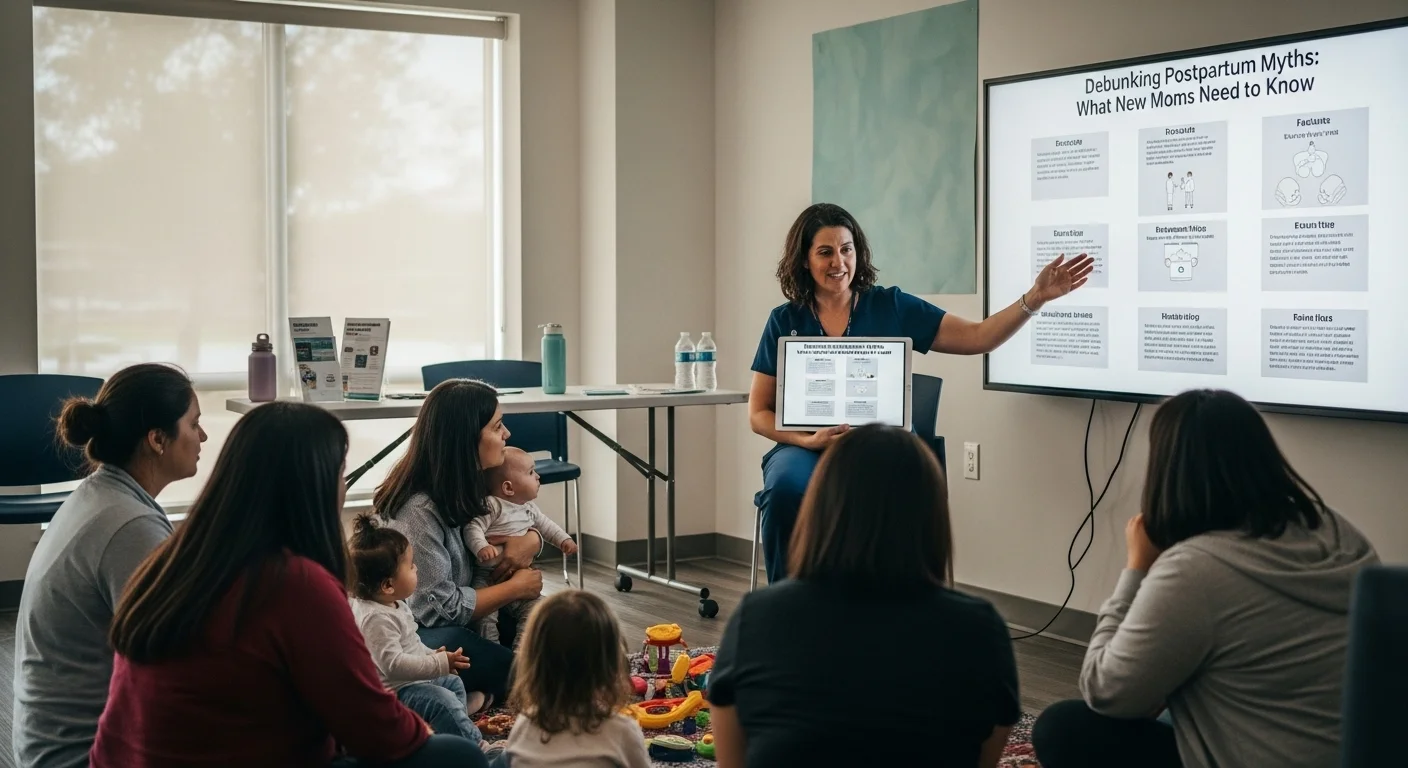
Myth 1: Postpartum Depression is Rare
This myth couldn’t be further from the truth. I was surprised to learn that postpartum depression affects a significant number of new mothers. It’s easy to think that such feelings of sadness and anxiety are abnormal, but the reality is that many women experience them. Understanding this fact helped me feel more connected to other moms who were going through similar struggles.
Myth 2: New Moms Shouldn’t Exercise
When I first became a mom, I thought I needed to take it easy and avoid exercise altogether. However, I found that gentle movement can actually aid in recovery. I started with walking and gradually incorporated more exercises as I felt stronger. It’s essential to listen to our bodies and consult health professionals about safe activities during recovery. Read Interesting article: Labor and Delivery Myths: Debunking Common Misconceptions
Myth 3: Breastfeeding is Easy for Everyone
For some, breastfeeding comes naturally, but my experience was different. I faced challenges that I hadn’t anticipated, from latching issues to physical discomfort. It’s important to recognize that breastfeeding is a learning process for both mom and baby, and it’s okay to seek help if needed.
Myth 4: You Will Instantly Bond with Your Baby
While many moms do feel an immediate connection, that wasn’t my experience. I learned that bonding can take time, and that’s perfectly normal. It’s okay to not feel an instant rush of love; nurturing that bond can develop gradually as we get to know our little ones.
Myth 5: It’s Normal to Feel Overwhelmed All the Time
While feeling overwhelmed can be a part of new motherhood, it shouldn’t be a constant state. I found it helpful to take breaks, ask for help, and practice self-care. It’s vital to recognize when these feelings become unmanageable and to seek support from loved ones or professionals.
Postpartum Mental Health
Signs of Postpartum Depression
Recognizing the signs of postpartum depression (PPD) can be challenging, especially when you’re in the thick of new motherhood. I remember feeling a deep sense of fatigue that went beyond the usual tiredness that comes with caring for a newborn. There were days I just couldn’t shake off the heaviness in my heart. For many, like myself, the signs can manifest in various ways, including persistent sadness, feelings of hopelessness, or irritability. I found myself crying for what felt like no reason, and simple tasks became monumental challenges. The reality is that PPD can look different for everyone, which makes it crucial to be aware of how these feelings can affect our daily lives.
Along with emotional changes, I noticed physical symptoms that accompanied my emotional state, such as changes in appetite and sleep disturbances. Sometimes, I’d lay awake at night, replaying the day’s events in my mind, unable to find rest. I learned that these signs were not just part of being a new mom, but something that needed attention and care. If you’re experiencing similar feelings, it’s important to trust your instincts and acknowledge that these emotions are valid and deserving of support.
Postpartum Anxiety and Other Disorders
While PPD is often discussed, postpartum anxiety is another common condition that deserves attention. I experienced moments of intense worry about my baby’s health and safety. Every little sound would send my heart racing, and I would find myself spiraling into a cycle of ‘what-if’ scenarios. I learned that postpartum anxiety can be just as debilitating as depression, often characterized by excessive worry, restlessness, and even panic attacks.
There are also other postpartum mood disorders, such as postpartum obsessive-compulsive disorder (OCD) and postpartum psychosis, which, while less common, can be very serious. I remember hearing stories about these conditions and realizing how important it was to pay attention to my mental health. I think it’s vital that we talk openly about these experiences so that new moms don’t feel isolated or ashamed of what they’re going through. Seeking help for anxiety or obsessive thoughts is just as important as addressing depression.
When to Seek Help
Deciding when to seek help can be daunting. In my case, I waited longer than I should have to reach out for support. I thought I could handle it on my own, hoping that the fog would lift. But I eventually realized that asking for help is a sign of strength, not weakness. If you’re feeling overwhelmed, or if your feelings of sadness and anxiety last for weeks and interfere with daily life, it’s time to talk to someone. Whether it’s a friend, family member, or a healthcare provider, having someone to share your experience with can be incredibly relieving.
In my experience, many healthcare providers now screen for postpartum mood disorders during routine checkups in the months following birth. I found this proactive approach reassuring, as it opened the door for conversations I might not have initiated on my own. It’s crucial to remember that you don’t have to navigate this journey alone. There’s no shame in seeking therapy or joining support groups; these can provide a safe space to process your feelings and connect with others who truly understand what you’re going through.
Physical Recovery After Childbirth
Understanding the Healing Process
Physical recovery after childbirth is another aspect that can’t be overlooked. I remember feeling like I was supposed to bounce back right away, but I quickly learned that healing isn’t a race. It’s a process that varies for each woman. Our bodies have gone through a monumental change, and it takes time to adjust. From my experience, understanding the healing process helped me set realistic expectations. I embraced the fact that it was okay to take things slow. I found it helpful to focus on small victories, whether it was making it through the day without pain or simply taking a shower.
Healing can also depend on the type of delivery we had. I had a vaginal delivery, and while it felt like a relief in many ways, I still had to manage discomfort as my body recovered. For those who have had a cesarean section, recovery might be more extensive, with specific care and restrictions. Listening to our bodies and acknowledging our limits can be incredibly beneficial during this time.
Common Physical Challenges (e.g., Incontinence, Pain)
As I navigated my recovery, I encountered some challenges I wasn’t expecting. For instance, I experienced occasional incontinence, which was both surprising and embarrassing. It’s a common issue, yet it’s rarely talked about. I realized that many women face similar struggles, and it’s important to address these openly. I found pelvic floor exercises helpful, and seeking advice from a physical therapist made a world of difference. These professionals can provide guidance on exercises that can strengthen those muscles and improve our confidence.
Pain, whether from the healing of an episiotomy or general soreness, can also linger for some time. It’s crucial to communicate openly with healthcare providers about any discomfort. I learned that managing pain effectively can significantly improve our quality of life during this transitional period.
Importance of Pelvic Floor Health
The importance of pelvic floor health became clear to me as I progressed through my postpartum recovery. I hadn’t realized how much of a role it plays not just in childbirth but also in our overall well-being. I started incorporating pelvic floor exercises into my daily routine, and I was amazed at the difference it made. Not only did it help with incontinence, but it also improved my core strength and stability. I believe that prioritizing pelvic floor health is essential for every new mom. It’s a conversation worth having with healthcare providers, as they can offer personalized advice and resources.
Nutrition and Lifestyle Adjustments
Importance of a Balanced Diet
As I went through my postpartum journey, I quickly realized how crucial nutrition is during this time. I remember feeling so exhausted and depleted, and I often turned to quick snacks that didn’t really nourish me. However, I learned that a balanced diet can significantly impact our energy levels, mood, and overall recovery. I started focusing on whole foods—lots of fruits, vegetables, whole grains, and lean proteins. These foods not only helped me feel better physically but also mentally.
I found it helpful to plan meals ahead of time, especially in those early weeks when we were adjusting to life with a newborn. Prepping healthy snacks, like cut-up veggies and hummus or overnight oats, made it easier to grab something nutritious when I was in a rush. I also made sure to stay hydrated, which is often overlooked but essential for recovery, especially if breastfeeding. Drinking enough water helped me feel more energized and alert, which was a game-changer during those sleepless nights.
Managing Sleep Deprivation
Sleep deprivation was another challenge I faced that no one could truly prepare me for. The early days with a newborn can feel like a blur of sleepless nights and chaotic days. At first, I fought against the new sleep schedule, trying to get back to what I thought was “normal,” but I learned that embracing this new rhythm was key. I decided to take naps whenever I could, even if they were short, just to catch up on rest.
We also implemented a few strategies that helped manage sleep deprivation. For example, my partner and I took turns caring for our baby during the night. This was a huge relief! I remember how refreshing it felt to have a few hours of uninterrupted sleep, even if it was just a couple of times a week. I also found that creating a calming bedtime routine for myself helped me wind down and prepare for those precious moments of sleep, even if they were short-lived.
Safe Exercise Options for New Moms
When I finally felt ready to move my body after birth, I was eager yet cautious. I learned that it’s essential to approach postpartum exercise with care. Initially, I started with gentle activities like walking and stretching. I enjoyed taking my baby on walks in the stroller, which allowed me to get some fresh air and light exercise while bonding with my little one.
As I built up my strength, I gradually incorporated more structured workouts. I found that postpartum fitness classes—either online or in-person—were incredibly supportive. They focused on rebuilding core strength and pelvic floor health, which I realized were so important after giving birth. I loved being in a community of other new moms who shared similar experiences, and we encouraged each other as we navigated our fitness journeys together. Read Interesting article: Busting Labor Myths: What Every Expecting Parent Should Know
Listening to my body was crucial. Some days I felt great, while others I needed to take it easy. I learned that it’s perfectly okay to modify exercises based on how I was feeling. Incorporating movement into my day became a source of joy rather than added pressure, and I cherished those moments as part of my self-care routine.
Support Systems for New Moms
The Role of Partners and Family
Having a strong support system is vital during the postpartum period, and I was fortunate to have my partner and family rally around me. I remember how comforting it was to have someone to share the load with, whether it was preparing meals, taking care of the baby, or simply being there to listen when I needed to talk. I learned early on that asking for help wasn’t a sign of weakness; it was a necessity.
My partner played a crucial role in my postpartum recovery. We made it a point to communicate openly about our feelings and needs. I felt more secure knowing that we were a team, tackling this new adventure together. Family members also offered their support, whether it was through phone calls, visits, or helping with household chores. I realized that accepting help from those around us can reduce stress and foster a sense of community, which is so beneficial during this transitional phase.
Finding Community Support Groups
I discovered that joining a community support group for new moms was one of the best decisions I made. It was refreshing to connect with other women who were going through similar experiences. We shared our challenges and triumphs, and it was reassuring to know I wasn’t alone in my feelings. I found a local group that met weekly, and it quickly became a cherished part of my routine.
These gatherings provided a safe space to discuss everything from breastfeeding struggles to sleep deprivation. I felt empowered by the collective wisdom of the group and appreciated the sense of camaraderie. If you haven’t already, I highly recommend looking for local support groups or even online communities where you can connect with other new moms. It’s amazing how much comfort can come from knowing you have people who truly understand what you’re going through.
Professional Help: Therapists and Counselors
In my journey, I realized that seeking professional help is a vital part of postpartum care. While talking to friends and family is helpful, therapists and counselors can offer specialized support for mental health. I found that having someone to talk to who understood postpartum issues brought me immense relief. They provided tools and strategies that helped me navigate anxiety and feelings of being overwhelmed.
Many therapists specialize in maternal mental health, making it easier to find the right person to help. I learned to prioritize this part of my well-being, and I found that it made a significant difference in my overall outlook. If you’re feeling stuck or need someone to talk to, I encourage you to consider reaching out to a professional. It’s a step towards healing that is well worth taking.
Frequently Asked Questions
What is the postpartum period?
The postpartum period is generally defined as the time following the birth of a baby, lasting up to six weeks but sometimes extending beyond that as the body and mind adjust to the new role of motherhood.
What physical changes can new moms expect after childbirth?
New moms can experience a variety of physical changes, including soreness, swelling, hormonal fluctuations, changes in body shape, and symptoms like uterine contractions, incontinence, and pelvic pain.
What emotional changes are common in the postpartum period?
Emotional changes can include waves of joy, anxiety, sadness, and feelings of inadequacy. Many new mothers experience what is often referred to as the “baby blues,” which can involve mood swings and irritability.
What is postpartum depression (PPD) and how common is it?
Postpartum depression is a condition that affects about 1 in 7 women after giving birth, characterized by persistent sadness, feelings of hopelessness, and irritability. It is crucial to recognize and seek help for these feelings.
What are some common myths about postpartum experiences?
Common myths include the belief that postpartum depression is rare, that new moms shouldn’t exercise, that breastfeeding is easy for everyone, that bonding with the baby is instant, and that feeling overwhelmed is normal all the time.
When should a new mom seek help regarding her mental health?
A new mom should seek help if she feels overwhelmed, or if feelings of sadness and anxiety last for weeks and interfere with daily life. It’s important to talk to someone, whether it’s a friend, family member, or healthcare provider.
How can physical recovery after childbirth vary?
Physical recovery can vary based on the type of delivery (vaginal or cesarean) and individual healing processes. It’s important to set realistic expectations and listen to the body during recovery.
What role does nutrition play during the postpartum period?
Nutrition is crucial during the postpartum period as a balanced diet can significantly impact energy levels, mood, and recovery. Focusing on whole foods and staying hydrated is essential for new moms.
How can new moms manage sleep deprivation?
New moms can manage sleep deprivation by taking naps whenever possible, creating a calming bedtime routine, and sharing nighttime responsibilities with partners to ensure some uninterrupted sleep.
What support systems are beneficial for new moms?
Support systems that are beneficial include partners and family members who can help with daily tasks, community support groups for shared experiences, and professional help from therapists or counselors specializing in maternal mental health.