
Decoding food labels can feel overwhelming, especially for parents trying to make healthy snack choices for their kids. With so many options, let’s simplify things and learn to read these labels like pros!
Understanding Food Labels: An Overview
The Importance of Food Labels for Parents
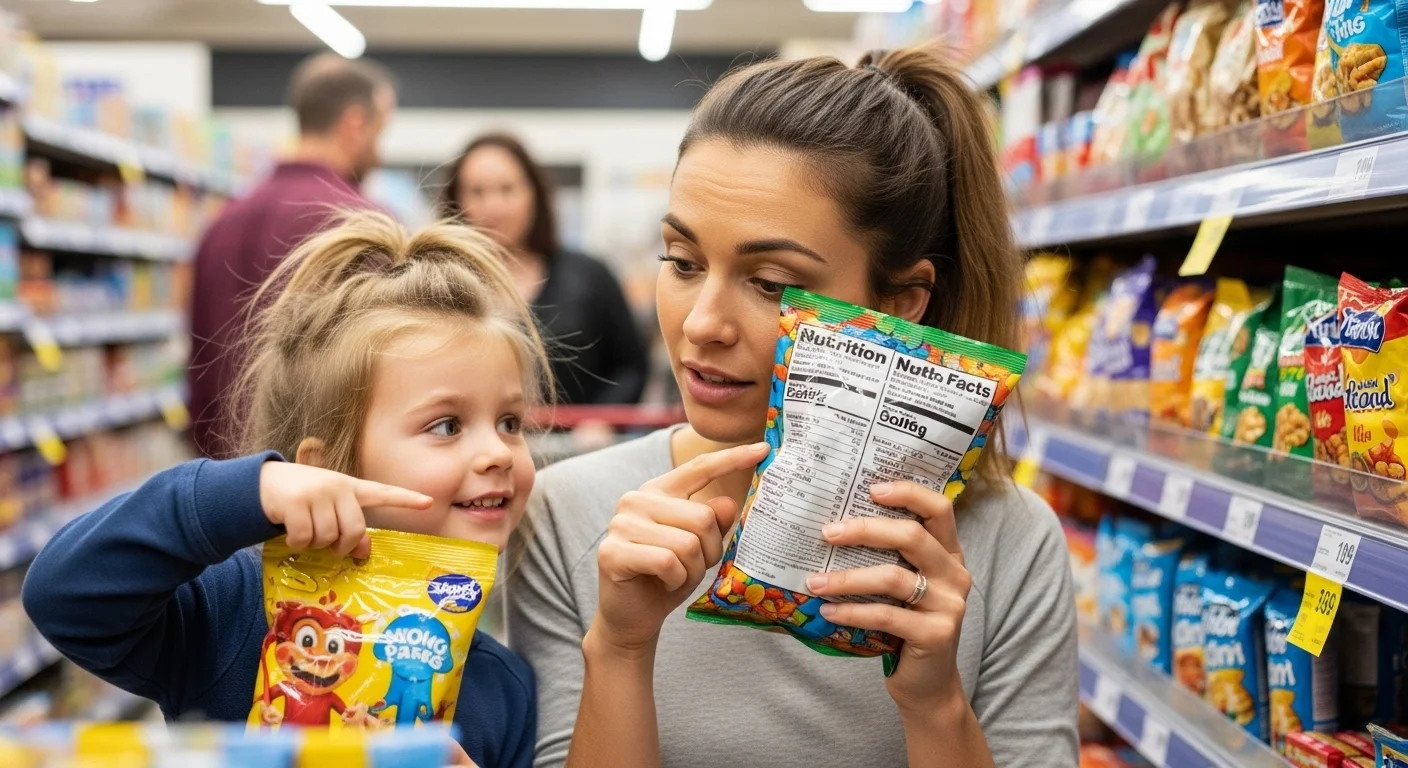
When I first started shopping for snacks for my kids, I quickly realized that food labels are more than just fancy designs on packaging. They tell a story about what’s inside the box or bag. As parents, we want the best for our children, and understanding food labels can make a huge difference in their health. I remember standing in the grocery aisle, trying to decipher the small print on various snacks, feeling confused about what was actually healthy. Through trial and error, I learned to pay attention to these labels to make informed choices. Food labels help us identify which snacks are nutritious and which ones are just marketing gimmicks. Read Interesting article: 10 Healthy Snack Alternatives for Kids on the Go
How Food Labels Impact Healthy Snacking Choices
Food labels impact our decisions in a big way. I’ve noticed that when I take the time to understand what I’m buying, it changes my entire shopping experience. Instead of mindlessly tossing snacks into the cart, I now look for options that align with my children’s nutritional needs. I’ve learned to identify foods that provide essential nutrients rather than empty calories. For instance, when my kids ask for something sweet, I now gravitate toward snacks with whole ingredients, rather than those loaded with sugar and additives. This has also sparked conversations with my kids about why certain snacks are better than others, helping them develop healthy eating habits from a young age. Read Interesting article: Easy and Affordable Kid-Friendly Snacks on the Go
Key Components of Food Labels
Nutritional Facts Panel
The nutrition facts panel is the heart of the food label. I often find it helpful to start here when evaluating a snack. This section breaks down the calories, fats, carbohydrates, proteins, and other critical nutrients per serving. It can seem daunting at first, but I’ve learned to focus on a few key areas. For example, I always check the total sugars and dietary fiber. A snack that has more fiber and less sugar is usually a better choice. When I see a product that has a high amount of sugars but low fiber, I often put it back on the shelf.
Ingredients List
The ingredients list is another vital part of food labels. I make it a habit to read this list every time I buy a new product. The ingredients are listed in order, from the most to the least abundant. I prefer snacks that have whole foods listed at the top. If I see a long list of unpronounceable ingredients or additives, I tend to avoid those snacks. I’ve found that choosing snacks with recognizable ingredients makes me feel more confident in what I’m giving my kids. For instance, I love finding snacks that contain real fruits, nuts, or whole grains, as they are usually more nutritious and filling.
Serving Size and Servings Per Container
Serving size can be tricky. I used to overlook this part of the label, but it’s crucial. The serving size tells you how much of the product is considered one serving, and that can greatly affect the nutritional information. For example, if a snack has 200 calories per serving, but the package contains four servings, I need to be mindful of how much I’m actually eating—or giving to my kids. I’ve learned that portion control is essential, especially when it comes to snacks, so understanding serving sizes has helped me make better choices for my family.
Daily Value Percentages
Daily value percentages are another key aspect of the nutrition label. These percentages show how much a nutrient in a serving contributes to a daily diet based on a 2,000-calorie diet. I typically aim for snacks that have 10% or more of the daily value for fiber or vitamins—I’ve found that these snacks are usually more nutritious. Conversely, I try to avoid snacks with high percentages of saturated fats, sodium, or added sugars. This simple rule of thumb has guided many of my choices and helped me keep my kids’ diets balanced and healthy.
Common Nutritional Terms Explained
Calories and Macronutrients
When I began to pay closer attention to food labels, one of the first concepts I encountered was calories and macronutrients. Calories are a measure of energy, and understanding how they fit into my family’s diet was eye-opening. I’ve learned that not all calories are created equal. For instance, a snack that packs in 200 calories from whole foods will keep my kids fuller longer than 200 calories from processed snacks. I’ve noticed that focusing on macronutrients—carbohydrates, proteins, and fats—helps me choose snacks that not only satisfy hunger but also provide necessary fuel for my kids’ activities. I often aim for a balanced intake of these macronutrients, which makes me feel more confident about the snacks I’m selecting for my family.
Vitamins and Minerals
Vitamins and minerals are essential for growth and development, especially for kids. I remember feeling overwhelmed by the long list of vitamins and minerals on the nutrition label, but I realized it’s crucial to know what they are and why they matter. For example, I look for snacks that include vitamin D and calcium for bone health, or iron for energy. Often, I find that snacks with whole ingredients naturally contain a variety of these nutrients. I recommend thinking of food as fuel; when I choose snacks rich in vitamins and minerals, I feel like I’m setting my kids up for success, both physically and mentally.
Added Sugars vs. Natural Sugars
One of the biggest lessons I’ve learned is to differentiate between added sugars and natural sugars. Added sugars are those that manufacturers include during processing, while natural sugars come from whole foods like fruits. When I look at a label, I focus on the total sugars, and then I scan the ingredients list. If I see “high fructose corn syrup” or “sucrose,” I know to be cautious. I try to gravitate toward snacks that have minimal or no added sugars. In my experience, snacks that come from whole fruits are not only healthier but also more satisfying for my kids. Plus, it’s a win-win when I can offer them something sweet that’s also nutritious!
Trans Fats and Saturated Fats
Fats are another area where I’ve had to learn the ropes. Not all fats are bad; in fact, healthy fats can be beneficial. However, trans fats, which are often found in fried and processed foods, are ones I steer clear of. I remember being shocked to find out how many snacks contained trans fats, even those that seemed “healthy.” I always check the label for “0 grams trans fat” and try to limit saturated fats as well. I often choose snacks that contain unsaturated fats, such as those from nuts or avocados. It’s amazing how understanding these types of fats has changed the way I shop and ultimately what I put in my kids’ bodies.
Identifying Healthy Snacks
Whole Grains vs. Refined Grains
Finding healthy snacks often comes down to understanding grains. Whole grains are packed with fiber and nutrients, while refined grains have been stripped of many of their beneficial qualities. I used to think any snack labeled “whole grain” was a good option, but then I learned to read the ingredients list closely. If the first ingredient isn’t a whole grain, I usually put it back. Snacks made with whole grains like oats, brown rice, or quinoa keep my kids fuller and give them sustained energy. I’ve discovered that making this simple switch has had a noticeable impact on their energy levels throughout the day.
Understanding Food Additives and Preservatives
Another area I’ve become more aware of is food additives and preservatives. I used to overlook these ingredients, thinking they were harmless, but I’ve learned that some can be concerning, especially for growing kids. I make it a point to choose snacks with fewer additives, and I’ve found that the more natural the snack, the better I feel. For example, I’ve switched to snacks with minimal processing, like dried fruits or homemade granola bars. It’s a little more effort, but it’s worth it to know exactly what my kids are consuming.
Organic vs. Non-Organic Snacks
The debate between organic and non-organic snacks was something I grappled with for a while. Initially, I thought organic snacks were always the better option. However, I’ve learned that it’s essential to look beyond the label. I assess the entire product—ingredients, nutritional value, and how it fits into my kids’ diet. For instance, I often choose organic when it comes to fruits and vegetables, but I’m more flexible with packaged snacks if they meet my other criteria for health. I believe in making informed choices without getting too caught up in labels.
Allergen Information
Finally, allergen information is something I’ve had to be particularly mindful of. I have friends whose kids have food allergies, and I’ve learned the importance of keeping an eye out for common allergens like nuts, dairy, and gluten. I remember a time when I inadvertently bought a snack that contained nuts, which could have been a serious problem. Now, I always double-check the allergen section on the label as part of my shopping routine. I recommend making this a habit, especially if your kids have known allergies or sensitivities. It creates a safer environment for everyone!
Decoding Claims on Food Packaging
What Does ‘Healthy’ Mean?
One of the most confusing things I’ve encountered while shopping is the term “healthy.” It’s everywhere on packaging, but what does it truly mean? I remember the first time I saw a snack labeled as “healthy” and thought, “Great! This must be a good choice.” But after reading the label, I realized it might not be as nutritious as it seemed. In my experience, “healthy” is often a marketing term that can be misleading. To me, it’s essential to look beyond the label and examine the nutrition facts and ingredients. If a snack claims to be healthy but is loaded with sugar or artificial ingredients, I know it’s not the right fit for my family.
Low-Fat, Low-Sugar, and Other Health Claims
Health claims like “low-fat” and “low-sugar” often caught my attention when I was trying to make healthier choices. However, I learned that these claims can be tricky. For instance, a snack might be low in fat but high in sugar, which isn’t a great trade-off. I remember purchasing a so-called low-fat yogurt that tasted fantastic but was packed with added sugars. I felt deceived. Now, I’ve trained myself to scrutinize these claims by looking at the overall nutritional profile rather than getting swayed by buzzwords. I believe it’s crucial to focus on whole foods that provide natural fats and sugars rather than processed alternatives, which often contain added chemicals.
Understanding ‘Natural’ and ‘Clean’ Labels
The terms “natural” and “clean” can also be puzzling. I used to think that if a product said it was “natural,” it was automatically a good choice. But I learned that the FDA doesn’t have a strict definition for “natural,” which can lead to confusion. I now look for snacks that not only claim to be natural but also have a short ingredients list that I can easily recognize. When I see “clean” on a label, I take it as a hint to investigate further. I’ve found that snacks with minimal processing and recognizable ingredients make me feel more secure about what I’m feeding my kids. This approach has helped me make smarter choices and instilled confidence in my decisions.
Tips for Choosing Healthy Snacks
Reading Labels Effectively
Learning to read labels effectively has been a game-changer for me. I developed a routine that helps me navigate the aisles with confidence. First, I always check the nutrition facts panel to see how it fits into my kids’ daily diet. I focus on key nutrients like fiber and protein. Then, I turn to the ingredients list and search for whole foods. I’ve found that keeping it simple with a mental checklist makes label reading less overwhelming. I remind myself to look for recognizable ingredients, avoid unneeded additives, and check for added sugars. This method has transformed my shopping experience, and I feel empowered to make healthier choices for my family.
Making Smart Choices at the Grocery Store
When I step into the grocery store, I try to stick to the perimeter where fresh produce, meats, and dairy usually reside. I’ve noticed that the center aisles often house more processed snacks that can be misleading. My strategy is to plan ahead by making a list of healthy snacks I want to buy. I also take the time to compare products, looking not just at the price but at the nutritional value as well. I’ve found that taking a few extra minutes can lead to better snack choices. Sometimes, I even bring my kids along and have them help pick out fruits or nuts, turning shopping into a fun and educational experience.
How to Involve Kids in Healthy Snack Choices
One of the best things I’ve done is involve my kids in the process of choosing healthy snacks. I believe that when they take part in the decisions, they’re more likely to enjoy what we bring home. I’ve started asking them for their input on snacks they’d like to try, which has led to some delightful discoveries! We’ve experimented with making our own granola bars and smoothies, which has been a fun family activity. I also teach them about reading labels, so they understand why we choose certain snacks and avoid others. This hands-on approach not only empowers them but also helps foster lifelong healthy eating habits.
Popular Healthy Snack Options for Kids
Fruits and Vegetables
Fruits and vegetables are my go-to snacks for my kids. They’re packed with vitamins, minerals, and fiber, and I love that they come in so many varieties. Fresh fruit like apple slices, berries, or orange segments are easy to grab and eat on the go. I also enjoy prepping veggie sticks like carrots, cucumber, and bell peppers, paired with hummus or yogurt dip. I remember the first time my kids tried dipping their veggies in hummus; they loved it! It’s amazing how presenting these foods in fun ways can make a significant difference in their willingness to try them.
Nuts and Seeds
Nuts and seeds have become staples in our snack routine. They are great sources of healthy fats, protein, and energy. I often pack small portions of almonds, walnuts, or sunflower seeds for my kids’ lunches or as an after-school snack. I love that they can be both satisfying and nutritious. However, I also keep an eye on portion sizes since they can be calorie-dense. I’ve found that mixing nuts with dried fruits creates a delicious trail mix that my kids can’t resist!
Whole Grain Snacks
Whole grain snacks are another favorite in our household. I’ve swapped out regular crackers for whole grain options, and I often choose products made with oats or brown rice. Whole grain popcorn is a hit during movie nights, and I’ve even tried making my own granola bars with oats, honey, and nuts. It’s been a fun way to get creative in the kitchen while ensuring my kids enjoy healthy snacks. I feel good knowing they are getting the benefits of whole grains while satisfying their snack cravings! Read Interesting article: Make These Quick DIY Healthy Snacks for Kids’ Lunchboxes
Dairy and Dairy Alternatives
Dairy products like yogurt and cheese are also part of our healthy snacking routine. I prefer yogurt with live cultures and minimal added sugars. I love finding varieties that have fruit mixed in naturally. Cheese sticks or slices are easy for my kids to grab, and they provide a good source of protein and calcium. For those who are lactose intolerant or prefer dairy alternatives, I’ve noticed that almond or oat milk can be a great option as well. I’ve seen my kids enjoy smoothies made with these alternatives, so it feels good to provide variety while still focusing on nutrition.
Frequently Asked Questions
1. Why are food labels important for parents?
Food labels help parents identify which snacks are nutritious and which ones are just marketing gimmicks. Understanding these labels can make a significant difference in children’s health.
2. What should I focus on when reading the nutritional facts panel?
When evaluating a snack, it’s helpful to check the total sugars and dietary fiber. A snack with more fiber and less sugar is usually a better choice.
3. How can serving size affect my snack choices?
The serving size indicates how much of the product is considered one serving, which can greatly impact the nutritional information. It’s essential to be mindful of how much you’re actually consuming.
4. What are daily value percentages, and why are they important?
Daily value percentages show how much a nutrient in a serving contributes to a daily diet based on a 2,000-calorie diet. Aim for snacks that have 10% or more of the daily value for fiber or vitamins.
5. How can I differentiate between added sugars and natural sugars?
Added sugars are those included during processing, while natural sugars come from whole foods like fruits. It’s advisable to focus on snacks with minimal or no added sugars.
6. What should I look for in the ingredients list?
Always read the ingredients list, which is ordered from most to least abundant. Prefer snacks with whole foods listed at the top and avoid those with long lists of unpronounceable ingredients or additives.
7. How can I involve my kids in choosing healthy snacks?
Involve your kids by asking for their input on snacks they’d like to try. This hands-on approach empowers them and helps foster lifelong healthy eating habits.
8. What are some popular healthy snack options for kids?
Popular healthy snack options include fruits and vegetables, nuts and seeds, whole grain snacks, and dairy or dairy alternatives.
9. What is the significance of trans fats and saturated fats in snacks?
Trans fats are harmful and often found in fried and processed foods, while healthy fats can be beneficial. It’s essential to choose snacks with “0 grams trans fat” and limit saturated fats.
10. How can I make smart choices at the grocery store?
Stick to the perimeter of the store where fresh produce, meats, and dairy are usually located. Plan ahead by making a list of healthy snacks and compare products based on nutritional value.