
Decoding food labels can feel overwhelming, especially as a parent trying to make healthy choices for your child. Let’s break it down together and make sense of what these labels really mean!
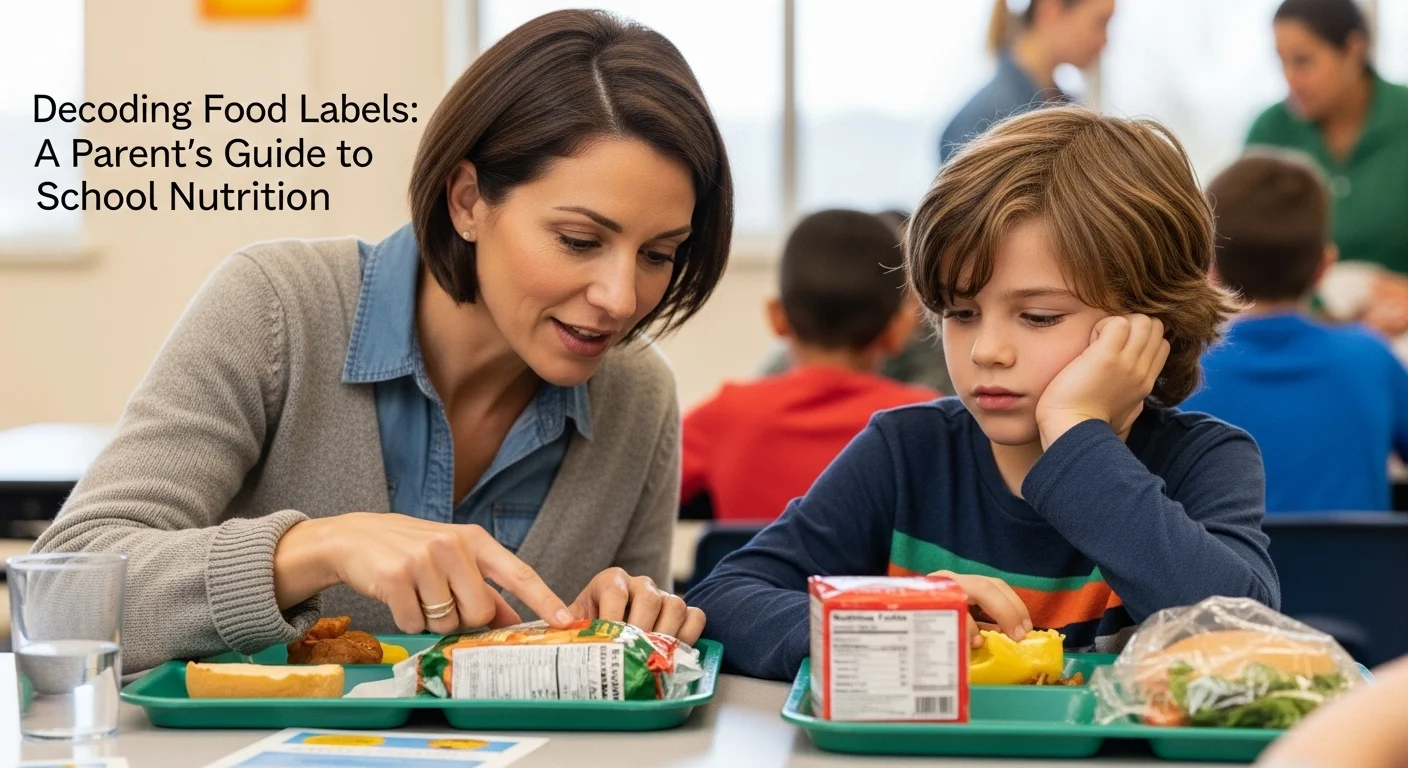
Understanding Food Labels
What Are Food Labels?
Food labels are like a window into the contents of what we’re feeding our kids. They provide essential information about the nutritional value of food products, helping us make informed choices. These labels typically include details such as serving size, calories, nutrients, and ingredients. I remember when I first started paying attention to food labels; it was like discovering a hidden language. What I realized is that these labels can guide us in picking healthier options for our children.
The Importance of Food Labels for Parents
As parents, we want the best for our children, especially when it comes to their nutrition. I know how easy it is to grab something quick and not think twice about what’s inside. That’s where food labels come in. They help us compare products and make choices that align with our family’s dietary needs. For instance, I often find myself checking the sugar content in cereals and snacks. It’s surprising how many popular brands are loaded with added sugars! By reading labels, we can ensure our kids are getting the right balance of nutrients and avoiding excessive unhealthy ingredients.
Food labels also serve as a way to educate our kids about what they consume. I’ve found that involving my children in reading labels has sparked their curiosity about food. They start asking questions like, “What does this mean, Mom?” or “Why is there so much sugar in this?” It’s a fantastic opportunity to teach them about nutrition and help them develop healthy habits early on. Read Interesting article: Decoding Food Labels: A Parent’s Guide to Healthy Snacks
Key Components of Food Labels
Nutritional Information
The nutritional information section is where the magic happens. It tells you the amount of calories, fats, proteins, carbohydrates, and various vitamins and minerals present in a serving of the food. When I first started paying attention to this, I was shocked to see how many calories were in certain snack foods I thought were healthy. For example, some granola bars can contain as much sugar as a candy bar! Understanding this section helps us steer clear of deceptive marketing and truly assess what we’re feeding our kids.
Ingredients List
Next up is the ingredients list. This is where we need to read carefully. Ingredients are listed in descending order by weight, meaning the first few ingredients make up the bulk of the product. I’ve learned to look for whole foods at the top of the list, like whole grains or real fruits. If I see a long list of ingredients filled with chemicals and unrecognizable names, I usually put it back on the shelf. I feel that if I can’t pronounce an ingredient, maybe I don’t want it in my child’s body.
Allergen Information
Allergen information is crucial, especially if your child has food allergies. Most labels will highlight common allergens like peanuts, tree nuts, dairy, soy, and gluten. I remember when my child developed a nut allergy; I became hyper-aware of this section. It’s a lifesaver to have this information right on the label, ensuring I can make safe choices for my family without worrying about unexpected allergens.
Serving Size vs. Portion Size
Understanding the difference between serving size and portion size can be tricky. Serving size is determined by the manufacturer and is what the nutritional information is based on. However, portion size is what we actually eat. I’ve caught myself thinking a snack bag is a single serving, only to find out it contains two or three servings! It’s important to keep this in mind to avoid overeating. I often measure out snacks in bowls for my kids so they can get used to what a healthy portion looks like.
Daily Value Percentages
Daily value percentages on food labels can be incredibly helpful when evaluating how a food fits into our daily diet. They represent how much a nutrient in a serving contributes to a daily diet, based on a 2,000-calorie diet. I find it useful to aim for foods that are high in fiber, vitamins, and minerals while keeping an eye on those that are high in added sugars and saturated fats. I encourage my kids to choose snacks that provide a good percentage of their daily value for nutrients, which reinforces the habit of choosing healthier foods. Read Interesting article: Creating a Balanced Diet Plan for Your School-Aged Child
Common Nutritional Terms to Know
Organic vs. Non-Organic
When it comes to food labels, one term I often see is “organic.” This word can carry a lot of weight for parents like us who are trying to make healthier choices. Organic foods are produced without synthetic pesticides, herbicides, or fertilizers, and they also avoid genetically modified organisms (GMOs). I remember the first time I made the switch to organic fruits and vegetables for my kids; I felt like I was doing my part to keep them safe from harmful chemicals. However, organic products can come with a higher price tag, so I’ve learned to prioritize which items are most important to buy organic. For instance, items on the “Dirty Dozen” list, which include fruits and vegetables with higher pesticide residues, are often worth the investment for me.
Whole Grains
Another term that crops up frequently is “whole grains.” This label signifies that the grain still contains all parts of the grain kernel: the bran, germ, and endosperm. I’ve found that choosing whole grain products—like bread, pasta, and cereal—provides more fiber and nutrients compared to their refined counterparts. When I first started looking for whole grains, I made a habit of scanning the ingredient list. If “whole wheat” or “whole grain” is one of the first ingredients listed, I know I’m making a better choice. My kids have even started to prefer whole grain bread now, which is a win in my book!
Trans Fats and Saturated Fats
The terms “trans fats” and “saturated fats” can be confusing, but they’re crucial to understand. Trans fats are often found in processed foods and are known to increase the risk of heart disease. I remember reading about how unhealthy these fats can be and started avoiding them like the plague. On the other hand, saturated fats, while still something to consume in moderation, are naturally found in foods like meat and dairy. I’ve learned to look for labels that say “0 grams of trans fat,” which gives me peace of mind. We try to limit saturated fats too, opting for healthier fats from sources like nuts, avocados, and olive oil.
Sugar Content and Added Sugars
Ah, sugar—the sneaky culprit! I can’t tell you how many times I’ve been shocked to find how much sugar is hidden in foods marketed as “healthy.” When I first started checking the sugar content on labels, I realized that many products contain added sugars, often listed under various names like high fructose corn syrup or cane sugar. I’ve learned to look for products with little to no added sugars, especially for my kids’ snacks. Even though some foods can be naturally sweet, like fruits, it’s the added sugars that we really need to watch out for. If I see that sugar is one of the first few ingredients, I usually pass on it.
Vitamins and Minerals
Lastly, let’s talk about vitamins and minerals. It’s great to see labels that highlight these nutrients. I often look for foods that are high in vitamins A, C, D, calcium, and iron, especially for my children’s growth and development. These nutrients play a vital role in their health, and I feel it’s important to encourage them to choose foods that boost their nutrient intake. For instance, when buying cereal, I always opt for brands that are fortified with essential vitamins and minerals. It feels good to know I’m helping my children get the nutrition they need for their busy little bodies!
Understanding School Nutrition Standards
USDA School Meal Guidelines
When it comes to our children’s nutrition at school, I often find myself leaning on the USDA School Meal Guidelines. These guidelines are designed to ensure that meals served in schools are nutritious and meet certain standards. I remember feeling relieved when I discovered that schools must provide a variety of fruits, vegetables, whole grains, and low-fat dairy options. This means that even if we’re busy, I can trust that my kids are getting balanced meals during the school day. The guidelines also set limits on saturated fat, trans fat, and sodium, which gives me peace of mind knowing schools are making healthier choices for our children.
Nutrition Standards for Snacks and Beverages
It’s not just the main meals that matter; snacks and beverages served in schools are also governed by specific nutrition standards. I was surprised to learn that many schools now limit the availability of sugary drinks and unhealthy snacks. Instead, they offer healthier options, like water, 100% fruit juices, and low-fat yogurt. I find it encouraging that schools are making an effort to promote better eating habits. This also means that when my kids are grabbing a snack at school, there’s a higher chance they’re choosing something nutritious rather than a candy bar or soda.
Food Labeling Requirements in Schools
Food labeling is crucial in schools, just like at the grocery store. I learned that schools must provide clear information about the nutritional content of the food they serve. This means that kids can see what they are eating and understand the nutritional value. I’ve noticed that my children have started to pay attention to these labels at school, which is a great habit! Schools often include details on calories, fat, and sugar, helping kids make informed choices. I believe these practices not only help them in school but also empower them to make healthier choices outside of the cafeteria.
Reading Food Labels Effectively
Decoding Serving Size and Calories
Reading food labels effectively starts with understanding serving sizes and calories. I often remind myself that a serving size is not necessarily the amount I eat. It’s important to pay attention to this because the calories and nutrients are based on that specific serving. For instance, I frequently find that a small bag of chips may list a single serving as only 15 chips, but when I pour it into a bowl, I can easily eat half the bag! Keeping track of serving sizes helps me manage portion control and ensures my kids are getting the right amount of food. I’ve started using measuring cups and food scales to help my kids visualize appropriate portion sizes.
Interpreting Nutritional Claims (e.g., “Low Fat,” “High Fiber”)
Navigating nutritional claims can be tricky. Terms like “low fat” or “high fiber” can be misleading if we don’t look deeper. I remember being excited about a “low-fat” yogurt, only to find out it was loaded with added sugars. I’ve learned to read beyond the claims and check the ingredients list and nutritional information. My advice is to be skeptical of health claims and always look at the whole picture. If a product is high in sugar but markets itself as “low fat,” it might not be as healthy as it seems.
Identifying Hidden Sugars and Fats
Hidden sugars and fats are something I’ve come to watch for closely. I can’t tell you how many times I’ve looked at a product thinking it was healthy, only to find out it contains multiple forms of sugars, like syrup or honey, listed under different names. I’ve learned to become a label detective! I now scan the ingredient list for terms like “sucrose,” “high fructose corn syrup,” or “agave nectar.” Similarly, I check for any unhealthy fats. Understanding these hidden ingredients can make a world of difference in the choices we make for our kids.
Making Healthy Choices for Your Child
Choosing Nutritious Snacks
When it comes to snacks, I’ve discovered that planning ahead is key. I prefer to stock up on nutritious snacks that my kids actually enjoy. For example, I often opt for yogurt, fresh fruits, and whole-grain crackers. I’ve also started making homemade energy bars with oats, nut butter, and a bit of honey. It’s satisfying to see my kids reach for these healthier options instead of chips or cookies. I’ve found that if they are involved in the snack-making process, they are more likely to eat what we prepare together. Making it a fun family activity not only encourages healthy eating but also creates lasting memories. Read Interesting article: Quick Nutritious Snacks for School-Aged Children on a Budget
Balancing Meals with Food Labels
Balancing meals is another area where food labels come into play. I’ve learned to create meals that are colorful and include a variety of food groups. For instance, when I make a stir-fry, I check the labels of the sauces I use to ensure they aren’t packed with sugar or sodium. I also encourage my kids to fill half their plates with fruits and vegetables. This habit reinforces the importance of balanced nutrition, and they enjoy experimenting with different flavors and textures. It’s amazing how a little guidance can help them make healthier choices without feeling deprived!
Involving Kids in Label Reading
Involving my kids in reading food labels has turned out to be a fun and educational activity. I remember one grocery trip where I challenged them to find snacks with the least amount of sugar. They were excited to participate and even surprised by what they discovered. I feel that this practice not only teaches them to be mindful consumers but also helps them develop critical thinking skills regarding their food choices. It’s rewarding to see them take an interest in nutrition and make healthier decisions on their own!
Practical Tips for Parents
Creating a Healthy Shopping List
One of the best strategies I’ve adopted in our household is creating a healthy shopping list before heading to the grocery store. It helps me stay focused and avoid impulse buys that don’t align with our family’s health goals. I usually sit down with my kids and ask them what healthy snacks or meals they’d like to try. Together, we brainstorm ideas and write them down. This not only teaches them about planning and nutrition but also makes them more excited about the food we’ll be eating. I find that when they have a say in what goes on the list, they’re more likely to eat what we buy. Plus, it’s a fun family activity that we all enjoy!
Using Apps and Tools for Food Labeling
In this digital age, I’ve discovered that there are several apps and tools available that make understanding food labels easier. I personally love using apps that allow me to scan barcodes and get instant nutritional information. These tools can help us quickly identify healthy options and compare products while we’re still in the grocery store. I remember the first time I used one of these apps; I was amazed at how much information I could gather in just a few seconds! It has definitely made my shopping trips more efficient and informative, and my kids find it entertaining, too. It feels like we’re on a little scavenger hunt for healthy foods!
Encouraging Healthy Eating Habits at Home
At home, I try to create an environment that encourages healthy eating habits. I’ve found that keeping healthy snacks visible and accessible on the kitchen counter makes a big difference. When my kids can grab a piece of fruit or a handful of nuts easily, they’re more likely to choose those options over processed snacks. I also make it a point to involve them in cooking meals. Cooking together not only teaches them valuable skills but also fosters a sense of pride in the food they eat. I often hear them say, “I helped make this!” and it makes them more likely to enjoy it. These little changes can have a significant impact on their relationship with food and nutrition.
Common Misconceptions About Food Labels
Natural vs. Organic: What’s the Difference?
A common misconception I’ve encountered is the difference between “natural” and “organic” labels. Many people assume that if a product is labeled “natural,” it’s healthier, but that’s not always the case. I learned that “natural” doesn’t have a strict definition and can include ingredients that aren’t necessarily good for us. In contrast, “organic” has specific guidelines and means that the food is grown without synthetic pesticides or fertilizers. I always advise checking for the USDA organic seal if you’re looking for truly organic food. It gives me peace of mind that I’m making the best choices for my kids.
Understanding ‘Fat-Free’ and ‘Sugar-Free’ Labels
Another label that often confuses me is “fat-free” or “sugar-free.” I used to think these were automatically healthy choices, but I’ve learned to dig a little deeper. Many fat-free products compensate for the lack of fat with added sugars or artificial ingredients, which can be just as unhealthy. I’ve found that sometimes, a small amount of healthy fat is better than a fat-free option loaded with sugar. I recommend reading the entire label rather than just focusing on one claim. This approach has helped me make much more informed decisions for my family’s diet.
Resources for Further Information
Government and Educational Websites
There’s a wealth of information available through government and educational websites that can help us navigate food labels. I often refer to the USDA and FDA websites for guidelines and resources on nutrition. They provide valuable insights into food labeling and dietary recommendations. These sites are a great starting point for parents looking to educate themselves further about what’s best for their kids.
Books and Guides on Nutrition
I’ve found that reading books and guides on nutrition has been incredibly helpful. There are many great resources out there that break down complex nutritional information into easy-to-understand language. I particularly enjoy books that focus on family nutrition and practical tips for busy parents. They offer ideas that I can incorporate into our daily meals and snacks, making it easier to stay on track with healthy eating.
Nutrition Workshops and Community Programs
Lastly, I recommend checking out local nutrition workshops and community programs. I’ve participated in a few classes that focused on label reading and healthy cooking, and they were both informative and fun. Seeing other parents in the same boat makes me feel less alone in this journey. Plus, it creates a sense of community around healthy eating, which I believe is so important. Sharing experiences and tips with others has amplified my learning and has motivated me to stay committed to making healthier choices for my family.
Final Thoughts
Decoding food labels is a journey that I think every parent can benefit from. It empowers us to make informed choices for our kids and fosters healthy eating habits that can last a lifetime. By understanding the key components of food labels, we can navigate the aisles with confidence and ensure that our children are getting the best nutrition possible. I encourage you to take the time to learn about food labels and involve your kids in the process. Together, we can create a healthier future for our families, one label at a time!
Frequently Asked Questions
What are food labels?
Food labels provide essential information about the nutritional value of food products, including details such as serving size, calories, nutrients, and ingredients. They help parents make informed choices about what to feed their children.
Why are food labels important for parents?
Food labels help parents compare products and make choices that align with their family’s dietary needs. They also serve as an educational tool, allowing parents to teach their children about nutrition and healthy eating habits.
What key components should I look for on food labels?
The key components of food labels include nutritional information (calories, fats, proteins, carbohydrates, vitamins, and minerals), ingredients list, allergen information, serving size, and daily value percentages.
What is the difference between serving size and portion size?
Serving size is determined by the manufacturer and is the basis for the nutritional information, while portion size is the actual amount that a person eats. Understanding this difference is important to avoid overeating.
What does ‘organic’ mean on food labels?
‘Organic’ refers to foods produced without synthetic pesticides, herbicides, or fertilizers, and without genetically modified organisms (GMOs). Organic products can be more expensive, so it’s beneficial to prioritize which items to buy organic.
What are trans fats and saturated fats?
Trans fats are unhealthy fats often found in processed foods and can increase the risk of heart disease. Saturated fats are naturally found in foods like meat and dairy, and should be consumed in moderation. It’s advisable to look for products labeled as having ‘0 grams of trans fat.’
How can I identify added sugars on food labels?
Added sugars can be identified on food labels by looking for terms like high fructose corn syrup, cane sugar, or syrup. Checking the ingredients list for sugar listed among the first few ingredients can help avoid products with high sugar content.
What are the USDA School Meal Guidelines?
The USDA School Meal Guidelines ensure that meals served in schools are nutritious and include a variety of fruits, vegetables, whole grains, and low-fat dairy options. They also set limits on saturated fat, trans fat, and sodium.
How can I effectively read food labels?
Effective reading of food labels involves understanding serving sizes, checking nutritional claims, and identifying hidden sugars and fats. It’s important to look beyond the claims and examine the entire label for a complete understanding of the product.
What resources are available for learning more about food labels?
Resources include government and educational websites (like USDA and FDA), books and guides on nutrition, and local nutrition workshops and community programs that focus on label reading and healthy cooking.