
Traveling with kids can be a wonderful adventure, but it often comes with its fair share of challenges, including tantrums. Understanding these emotional outbursts can help us navigate through our journeys with a bit more ease. For parents looking to enhance their travel experiences, unlocking your travel potential with these learning platforms can provide valuable insights.
Understanding Tantrums: The Basics
What are Tantrums?
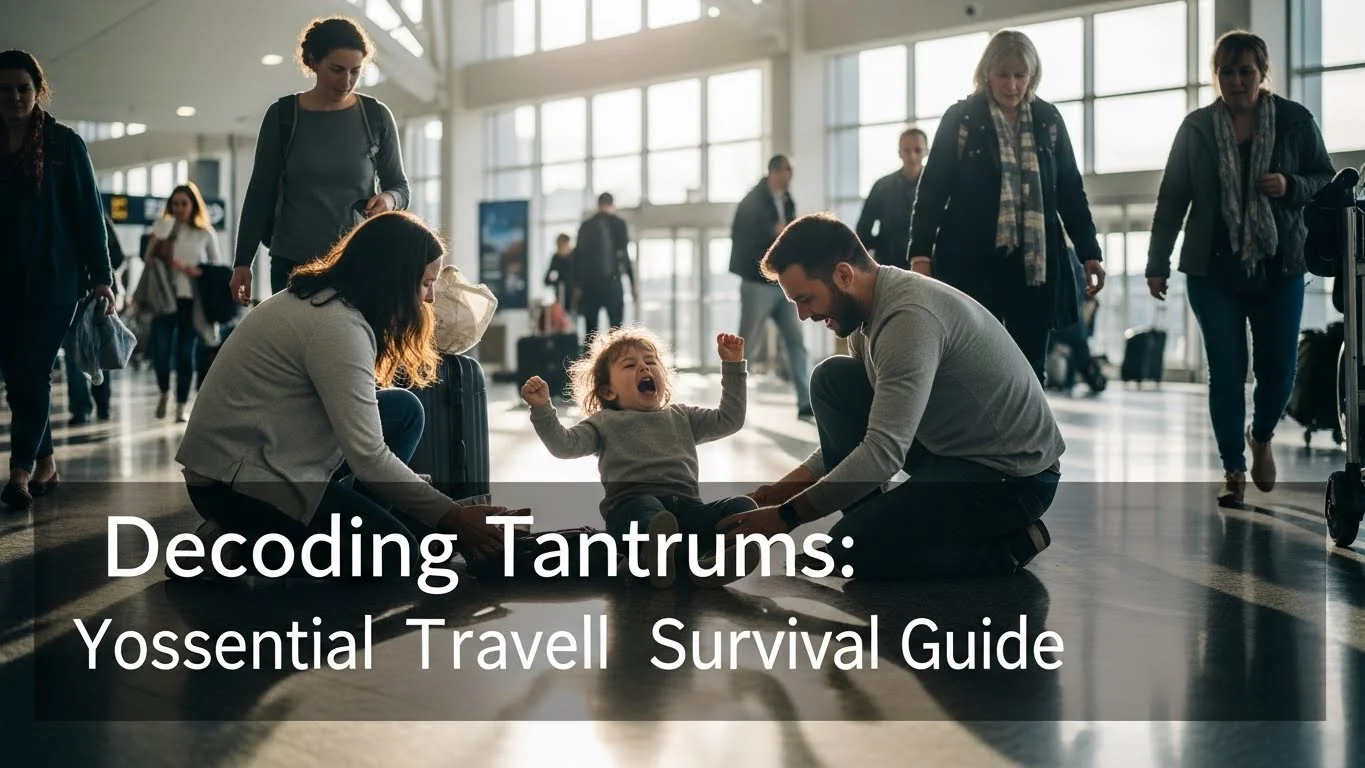
Tantrums are those intense emotional outbursts that many children experience, often characterized by crying, screaming, and even physical aggression. I remember the first time my child had a tantrum in a public place; it felt like the world had paused, and all eyes were on us. They can happen for a variety of reasons, from frustration to fatigue, and are most common in toddlers and preschoolers. It’s important to realize that tantrums are a normal part of child development, and most kids go through this phase.
Common Triggers for Tantrums in Children
From my experience, tantrums can be triggered by many different factors. Here are some common ones I’ve noticed:
- Hunger: Kids can become irritable when they’re hungry, which can lead to sudden outbursts.
- Tiredness: If they haven’t had enough sleep, kids often have a lower tolerance for stress.
- Frustration: Simple tasks that are too difficult can lead to feelings of inadequacy.
- Overstimulation: Too much noise or activity can overwhelm them, especially in new environments.
- Change in routine: Kids thrive on routine, and any disruption can lead to anxiety and tantrums.
Being aware of these triggers helped me anticipate potential outbursts, especially when traveling. For more tips on how to prepare for travel, check out the destination guide for nut allergy-friendly backpacking routes.
Age Groups Most Affected
Generally, tantrums peak between the ages of 1 and 3, but they can continue into preschool years. I’ve seen that as children approach kindergarten, many start to develop better communication skills, which can help reduce the frequency of tantrums. I often remind myself that these outbursts are normal, but understanding the age-related developmental milestones can provide a clearer picture of what to expect. As parents, we need to be patient and recognize that this phase is just a part of growing up.
Preparing for Travel: Strategies to Minimize Tantrums
Choosing the Right Destination
When planning a trip, I’ve learned that selecting a family-friendly destination can make all the difference. Places that offer child-friendly activities, parks, and attractions can keep kids engaged and happy. For instance, I remember visiting a theme park that had dedicated play areas for younger children, which offered my kids a chance to release some energy and have fun. I recommend researching destinations that cater to families, as this can significantly reduce the chances of tantrums.
Timing Your Trip: Best Ages for Travel
Based on my own experiences, certain ages are easier for traveling. I found that traveling when my kids were around 4 to 6 years old was more enjoyable than when they were younger. At this age, they could express their feelings better and were more adaptable to new experiences. It’s vital to consider your child’s temperament and readiness when planning your trip. If you can wait until they are a little older, it might save you from a lot of stress.
Planning Activities Suitable for Kids
While planning our trips, I always aim to include activities that cater to my children’s interests. I remember a vacation we took to a beach resort where they had sandcastle-building contests and kid-friendly snorkeling. These activities not only entertained them but also provided opportunities for bonding as a family. When choosing activities, I recommend mixing in downtime with more energetic outings. This balance can help maintain their mood and energy levels throughout the trip.
Packing Essentials for Tantrum Management
Preparation is key to minimizing tantrums while traveling. I always pack a small bag of essentials that can help manage potential outbursts. Here’s what I consider essential:
Comfort Items and Distractions
Bringing along familiar comfort items, like a favorite stuffed animal or blanket, can provide reassurance in new surroundings. I also pack small toys or books that can serve as distractions during downtime or waiting periods.
Snacks and Nutrition
Hunger can lead to cranky kids, so I never leave home without a stash of healthy snacks. I often pack things like granola bars, fruit snacks, and crackers. Keeping their energy levels stable with nutritious snacks has always helped prevent tantrums related to hunger. In my experience, taking the time to plan meals and snacks ahead of time can make all the difference, especially on long travel days.
During the Journey: Managing Tantrums Effectively
Traveling by Air
Flying can be one of the most challenging ways to travel with kids, and I’ve certainly felt that pressure during our family trips. The confined space and unpredictability of air travel can easily lead to tantrums. However, I’ve discovered several strategies that can help us navigate this situation more smoothly.
Tips for Flights
One of the best tips I can share is to plan our flights around nap times. For my kids, flying during their usual nap time helped them sleep through a large part of the journey. I also make sure to pack a surprise bag of new toys or activities. I remember one flight where I brought along a small puzzle and a coloring book that kept them entertained for hours. Other times, I’ve downloaded apps or shows on a tablet, which can be a lifesaver. Just make sure to bring headphones!
Handling Layovers
Layovers can be tricky, especially if we’re stuck in a busy airport. I’ve learned that it’s essential to scope out kid-friendly areas in advance. Most airports have play areas or family rooms that can allow my kids to release some energy. I also keep snacks handy to avoid those hunger-triggered meltdowns. During our last trip, I found a cozy spot in the terminal where the kids could run around for a bit before our next flight, and it genuinely made a difference.
Traveling by Car
Road trips can be a fun bonding experience, but they also come with their own set of challenges. I’ve had my fair share of “Are we there yet?” moments, which can lead to frustration and tantrums if not managed well.
Keeping Kids Engaged on Long Drives
What I’ve found helpful is creating a travel playlist with their favorite songs or audiobooks. Singing along to familiar tunes always lifts our spirits. I also plan regular stops so they can stretch their legs and explore a bit. On one memorable trip, we stopped at a quirky roadside attraction that ended up being a highlight of the journey. Having activities like travel games or scavenger hunts can also keep their minds engaged and distracted during long stretches on the road.
Traveling by Train or Bus
Train and bus travel can be a fantastic option for families, as they tend to be less stressful than flying and can provide a unique experience. However, I’ve learned that even this mode of transport can lead to tantrums if we’re not prepared.
Making the Most of Public Transport
When we travel by train, I make sure to bring along a small bag of activities to keep the kids engaged. Coloring books, small travel games, and even a few snacks can go a long way. I also try to get seats near the window, as watching the scenery change can be a captivating experience for them. I remember one train ride where we saw beautiful landscapes, and it turned into an impromptu lesson about nature and geography. This kind of engagement can turn a potentially boring trip into an educational adventure.
On Arrival: Handling Tantrums in New Environments
Setting Up a Familiar Space
Once we arrive at our destination, I’ve found that creating a familiar space can help reduce tantrums. When we unpack, I let the kids set up their area with their comfort items. Bringing a favorite blanket or stuffed animal can make a hotel room or rental home feel more like home.
Establishing Routines While Traveling
Maintaining some sort of routine can be really beneficial. I try to keep meal times and bedtimes consistent with what we would normally do at home. This helps my kids feel secure, which can minimize outbursts. I often involve them in planning our daily schedule, allowing them to have a say in activities. When they feel included in the decision-making, it often leads to a more positive attitude.
Identifying Overstimulation Triggers
Traveling can be overwhelming, and I’ve learned to be on the lookout for signs of overstimulation. Crowded places, loud noises, or even just a busy schedule can lead to meltdowns. I’ve found that taking a break in a quiet area can help us all recharge. Sometimes, just stepping outside for some fresh air or finding a less crowded corner can work wonders.
Effective Communication Techniques with Children
Using Emotion Coaching
One of the most valuable tools I’ve discovered for handling tantrums is emotion coaching. I try to validate my kids’ feelings by acknowledging their emotions. For example, if they’re upset about something, I’ll say, “I can see you’re really frustrated right now.” This helps them feel heard and understood, which can sometimes calm them down.
Setting Realistic Expectations
Before we embark on any trip, I make it a point to set realistic expectations for both my kids and myself. I talk about what to expect during our travels and the types of activities we’ll do. This way, they have a clear idea of the day ahead, and it helps limit surprises that could result in tantrums.
Positive Reinforcement Strategies
Whenever I see my kids handling a challenging situation well, I make sure to praise their efforts. I’ve learned that positive reinforcement can encourage them to continue behaving well. A simple, “I’m so proud of how you handled that,” goes a long way. I also use reward systems, like stickers or small treats, to motivate them during our travels.
When Tantrums Occur: Immediate Action Steps
Staying Calm: Techniques for Parents
When a tantrum strikes, I have found that my own calmness can make a significant difference. In the heat of the moment, it’s easy to feel overwhelmed and frustrated. I remind myself to take a deep breath and maintain my composure. I’ve learned that my children can sense my emotions and my reactions; if I remain composed, it often helps to soothe them. I try to speak softly and avoid raising my voice, which tends to escalate the situation. Sometimes, simply crouching down to their level and making eye contact can help create a moment of connection, allowing them to feel understood rather than confronted.
Safe Spaces: Where to Take a Break
Finding a safe space to regroup is essential when tantrums occur. I’ve noticed that removing my child from the overwhelming environment can provide immediate relief. If we’re in a crowded area, I try to find a quieter spot, whether it’s a nearby park bench or a less busy corner of the venue. If we’re traveling, I look for family lounges in airports or child-friendly areas at attractions. I remember a time we were at a museum, and my child began to have a meltdown. We stepped outside for a few minutes, where the fresh air and open space calmed both of us down significantly. Sometimes all it takes is a little change of scenery to reset our moods.
Distraction Techniques that Work
One of my go-to strategies during a tantrum is to distract my child with something engaging. I’ve found that redirecting their attention can be incredibly effective. Sometimes I’ll pull out a favorite toy or book, or start a game of “I Spy” to shift their focus away from what was upsetting them. I’ve also used funny stories or silly faces to lighten the mood. I recall a time when my daughter was upset in a restaurant, and I started making animal sounds, which not only distracted her but also made her giggle. It’s amazing how quickly a simple distraction can turn things around.
Post-Travel: Reflecting on the Experience
Debriefing with Your Child
After a trip, I find it helpful to sit down with my kids and talk about our experiences. I’ve learned that reflecting on the journey can help them process any challenges they faced, including tantrums. I ask them what their favorite parts were and if anything made them feel upset. This conversation not only helps them articulate their feelings but also prepares us for future travels. I remember discussing a particularly challenging trip where my son shared how he felt overwhelmed at the airport. Acknowledging his feelings and discussing ways to handle similar situations next time made him feel empowered.
Learning from Tantrum Experiences
Every tantrum is a learning opportunity, both for my children and myself. I’ve taken the time to analyze what led to the outbursts and how we managed them. I keep a mental note of what worked and what didn’t. For instance, I learned that my child might need more downtime than I initially thought. This reflection helps us adjust our travel plans in the future. I also remind myself that it’s okay not to have a perfect trip. We’re all learning and growing together, and sometimes those difficult moments can lead to the best stories later on.
Strategies for Future Travels
With each trip, I find new strategies to implement for smoother travels. I continuously adapt our packing list based on what we’ve learned. For example, I might pack extra snacks or bring more engaging activities for the kids. I’ve also started to involve my children more in the planning process, allowing them to choose some of the activities. This involvement has made them more invested in the trip and less prone to tantrums. I believe that every journey is a chance to build resilience and adaptability, both for them and for me.
Resources and Support for Parents
Books and Guides on Tantrums
One of the best resources I’ve found for understanding and managing tantrums is reading about child development and behavior. Books like “The Whole-Brain Child” by Daniel J. Siegel and Tina Payne Bryson helped me gain insights into my children’s emotional needs. I also enjoy “No-Drama Discipline,” which offers practical strategies for handling difficult moments. These resources have been invaluable in helping me navigate the emotional landscape of parenting, especially during travel.
Online Communities and Support Groups
Connecting with other parents has been a great source of support for me. I’ve found online communities, like parenting forums and social media groups, where parents share their experiences with tantrums and travel. It’s comforting to know I’m not alone in this journey. I appreciate hearing different perspectives and tips from other parents who have faced similar challenges. These communities can offer a wealth of advice and encouragement.
Professional Help: When to Seek Guidance
While I believe most tantrums are a normal part of childhood, I’ve also learned that there are times when seeking professional guidance is necessary. If tantrums become frequent or severe, I think it’s essential to consult a pediatrician or child psychologist. They can help rule out any underlying issues and provide strategies tailored to your child’s unique needs. I reached out for help during a particularly difficult phase with my child, and the insights I gained were truly beneficial. It’s okay to ask for help when we need it; sometimes, an outside perspective is just what we need to navigate parenting’s ups and downs.
Frequently Asked Questions
What are tantrums?
Tantrums are intense emotional outbursts that many children experience, often characterized by crying, screaming, and physical aggression. They can be triggered by various factors such as frustration, fatigue, or overstimulation and are a normal part of child development.
What are common triggers for tantrums in children?
Common triggers for tantrums include hunger, tiredness, frustration, overstimulation, and changes in routine. Being aware of these triggers can help parents anticipate potential outbursts, especially during travel.
At what age do tantrums typically peak?
Tantrums generally peak between the ages of 1 and 3, but they can continue into preschool years. As children approach kindergarten and develop better communication skills, the frequency of tantrums often decreases.
What strategies can help minimize tantrums while traveling?
To minimize tantrums while traveling, parents can choose family-friendly destinations, plan activities suitable for kids, pack essential comfort items and snacks, and maintain a routine that resembles home life.
How can parents manage tantrums during air travel?
To manage tantrums during air travel, parents can plan flights around nap times, pack surprise bags with new toys or activities, and scope out kid-friendly areas in airports for layovers.
What are some effective techniques for handling tantrums?
Effective techniques for handling tantrums include staying calm, finding a safe space to regroup, and using distraction techniques to redirect a child’s attention away from what is upsetting them.
How can parents help children process experiences after a trip?
After a trip, parents can help children process experiences by debriefing and discussing their favorite parts and any challenges faced, including tantrums. This conversation can prepare them for future travels.
When should parents seek professional help for tantrums?
Parents should seek professional help if tantrums become frequent or severe. Consulting with a pediatrician or child psychologist can help rule out underlying issues and provide tailored strategies for the child’s needs.
What resources are available for parents dealing with tantrums?
Resources for parents include books on child development and behavior, such as “The Whole-Brain Child” and “No-Drama Discipline,” as well as online communities and support groups where parents can share experiences and advice.
How can positive reinforcement be used to manage tantrums?
Positive reinforcement can be used by praising children for handling challenging situations well and using reward systems, like stickers or small treats, to motivate them during travels.