
Backpacking with kids can be an incredible adventure, filled with fun, exploration, and learning. One key to enjoying the outdoors is having a solid meal plan that keeps everyone fueled and happy! For tips on a budget-friendly approach, check out Backpacking on a Budget: Family Meal Planning Essentials.

Understanding Backpacking with Kids
The Benefits of Backpacking with Children
Backpacking with kids is not just about reaching the destination; it’s about creating lasting memories together. I’ve found that spending time in nature fosters a sense of adventure and discovery. Kids learn to appreciate the environment, develop problem-solving skills, and build resilience. The shared experience of hiking and cooking together strengthens our family bonds. I remember one trip when my children spotted a deer for the first time. Their excitement was contagious and made every ounce of effort worthwhile.
Challenges of Meal Planning in the Outdoors
Meal planning while backpacking with kids comes with its own set of challenges. For starters, kids have different nutritional needs compared to adults, and they can be picky eaters. I’ve experienced the frustration of packing what I thought were kid-friendly meals, only to find half of it uneaten. Another challenge is the limited space and weight constraints of our gear. Balancing nutrition, taste, and convenience can feel overwhelming, but with a little preparation, it’s entirely doable. For more insights, you might want to read Smart Toddler Meal Planning for Family Backpacking Trips.
Essential Gear for Meal Planning
Backpacking Cooking Equipment
Choosing the right cooking equipment is crucial for a successful trip. I recommend a lightweight backpacking stove, which can be a game-changer. It’s easy to set up and boils water quickly, allowing for a variety of meals. Pots and pans should be compact and made of durable materials. I’ve learned that having a multi-use pot can save space and weight. Additionally, a portable cutting board and a knife are handy for meal prep. Don’t forget a reliable lighter or waterproof matches; I can’t tell you how many times I’ve almost forgotten that essential item!
Food Storage Solutions
Keeping food fresh and safe is another important consideration. After trying various methods, I found that using resealable, lightweight bags is my favorite solution. They take up less space than containers and can be used to portion out meals. For perishables, I like using insulated bags to keep things cool for longer. I also invested in some reusable containers that are BPA-free and lightweight. It’s amazing how much easier it is to keep things organized when everything has its place.
Kid-Friendly Utensils and Containers
When it comes to utensils, I’ve learned that lightweight and easy-to-handle options are best. Collapsible bowls and spoons are perfect for little hands and easy to pack. I also recommend colorful, fun designs to make mealtime more appealing for kids. This can turn a simple meal into an enjoyable experience. My kids love their personalized utensils, and it gives them a sense of ownership over their meals, making them more likely to eat what’s prepared.
Meal Planning Basics for Backpacking
Understanding Nutritional Needs for Kids
Kids need more calories per pound than adults because they’re growing and often on the move. I focus on high-energy foods that are also nutritious. Whole grains, healthy fats, and plenty of fruits and vegetables are essential. I learned the hard way that incorporating protein is vital, too; it helps keep everyone full longer. For instance, I always pack nut butter or cheese for extra protein, and it’s a hit with my kids!
How to Create a Balanced Backpacking Menu
When creating a backpacking menu, I like to think in categories: breakfast, lunch, dinner, and snacks. Each meal should contain a balance of carbohydrates, proteins, and fats. I try to include familiar favorites to keep my kids happy. Planning meals around ingredients that can be used in multiple dishes also helps reduce waste and weight. For example, using quinoa in a salad and as a side dish means I don’t have to carry two different grains.
Portion Sizes for Children vs. Adults
Understanding portion sizes is key, especially when it comes to kids. I’ve found that kids typically eat about half the amount an adult would eat. This means I can often make one meal for the whole family by adjusting the portions. I recommend packing smaller servings for them and letting them ask for more if they’re still hungry. It not only saves space but also teaches them to listen to their bodies. Plus, I don’t want to carry extra food if I don’t need to!
Easy Meal Ideas for Backpacking with Kids
Breakfast Options
Overnight Oats
One of my go-to breakfast options is overnight oats. They’re simple to prepare ahead of time and can be customized to suit everyone’s tastes. I like to mix rolled oats with water or milk and add some chia seeds for extra nutrition. Before our trip, I portion out the oats in resealable bags, adding dried fruits and nuts for flavor. When we wake up in the morning, all we need to do is add hot water and let it sit for a few minutes. The kids love the creamy texture, and I feel good knowing they’re starting their day with a healthy meal.
Granola and Dried Fruit
Granola is another fantastic breakfast choice. I often pack homemade granola, which allows me to control the ingredients. It’s easy to throw in a bag and pair with powdered milk for a quick meal. Adding a handful of dried fruit like apricots or raisins can make it even more delicious. My kids enjoy mixing the granola with yogurt when we’re at camp, turning it into a little treat. It’s such a simple way to keep breakfast exciting and nutritious!
Instant Pancakes
If my kids are in the mood for something a little more indulgent, I whip up some instant pancakes. I prepare the dry ingredients at home, combining flour, baking powder, and sugar, then store them in a resealable bag. In the morning, all I need to do is add water to the mix, and we’re ready to cook. I love the smell of pancakes wafting through the campsite, and my children savor each bite, especially when we top them with maple syrup or fresh berries.
Lunch Options
Peanut Butter and Jelly Wraps
For lunch, peanut butter and jelly wraps are a classic that my kids always enjoy. I spread peanut butter and jelly on whole wheat tortillas, roll them up, and slice them into bite-sized pieces. They’re easy to pack, portable, and require no cooking. We often take these on our hikes, and they provide a great energy boost. Plus, I love that they’re mess-free—perfect for little hands!
Trail Mix and Jerky
Another lunch favorite is trail mix paired with jerky. I usually make our trail mix at home, mixing nuts, seeds, dried fruits, and a few chocolate chips for a sweet touch. Jerky is a great source of protein and can keep hunger at bay. I’ve noticed that having a variety of snacks keeps the kids excited about lunchtime, and they enjoy picking out their favorite components from the mix.
Veggies and Hummus
Veggies and hummus are not only healthy but also a fun way to get more nutrients. I chop up carrots, celery, and bell peppers before the trip and pack them in a small container. For the hummus, I use a lightweight, resealable bag that I can easily squeeze out. This meal is a hit with my kids, and I love that it’s a refreshing option, especially on warm days. Plus, it’s a great way to introduce them to new flavors and textures!
Dinner Options
Pasta with Pesto
Pasta with pesto is a favorite dinner option in our family. I cook the pasta at the campsite and mix it with store-bought or homemade pesto. It’s quick, satisfying, and doesn’t require many ingredients. I often pack some grated cheese in a small container to sprinkle on top. My kids love it, and it’s easy to control portions. I often find myself enjoying the warm, comforting meal while sitting under the stars.
One-Pot Rice and Beans
One-pot meals are fantastic for backpacking because they minimize cleanup. I love making a simple rice and beans dish. I prepare the rice in advance and pack it in a resealable bag. At camp, I just need to boil water, add the rice, canned beans, and some spices. It’s hearty, filling, and I can sneak in some veggies as well if I have room. My kids enjoy mixing everything together, and it’s a great chance for them to experience the joy of cooking.
Freeze-Dried Meal Packs
On days when I want to keep things super easy, I rely on freeze-dried meal packs. These meals are lightweight and only require hot water to prepare. I’ve discovered a variety of flavors that my kids love, from mac and cheese to chicken teriyaki. It’s a huge hit, especially after a long day of hiking. The best part is that they’re quick to make, so we can enjoy more family time around the campfire.
Snacks and Treats
Energy Bars
For snacks, energy bars are a lifesaver. I often make my own, combining oats, honey, nut butter, and whatever mix-ins my kids prefer—chocolate chips, dried fruit, or nuts. They’re easy to pack and provide a quick energy boost during our hikes. Plus, making them together at home can be a fun bonding activity!
Fruit Leather
Fruit leather is another snack my kids can’t get enough of. I like to make it from pureed fruits at home, then dehydrate it. It’s a tasty and healthy way to satisfy their sweet cravings on the trail. The kids love the chewy texture, and it feels like a treat without the added sugars found in store-bought options.
Popcorn
Lastly, popcorn is a great light snack. I often pack it in a resealable bag and bring along a small pot for popping over the camp stove. It’s a fun activity to do together in the evening, and the kids love to watch it pop. It makes for a cozy night under the stars, and I feel good knowing we’re keeping it simple and entertaining!
Tips for Preparing Meals in the Field
Prepping Ingredients at Home
One of the best things I’ve learned about meal preparation for backpacking trips is to do as much as possible at home. It saves time and makes cooking at the campsite a breeze. For instance, I like to chop vegetables, measure out spices, and mix dry ingredients in advance. I remember one trip where I prepped a stir-fry mix at home, and it made dinner feel like a gourmet meal instead of a last-minute scramble. Packing ingredients in labeled resealable bags not only keeps everything organized but also makes it easy to grab what I need when it’s time to cook.
Cooking with Kids: Involving Them in Meal Prep
Involving my kids in the cooking process has made our trips even more enjoyable. I’ve found that when they help prepare meals, they are more excited to eat them. On our last outing, my children helped me assemble our overnight oats. They loved pouring the oats, adding the berries, and even choosing their favorite toppings. It became a fun activity rather than just a chore! Plus, it teaches them valuable skills and fosters a sense of responsibility. I feel it’s important for them to learn how to prepare their own meals, even if it’s just in the great outdoors.
Safety Tips for Cooking Outdoors
Cooking outdoors comes with its own set of safety considerations, and I’ve learned a few lessons the hard way. First, always keep a safe distance from the cooking stove to prevent burns. I like to set up a designated cooking area away from where the kids play. Another tip is to have a first aid kit handy just in case someone gets a little too close to the heat. I also make sure to keep the food covered to protect it from insects and animals. It’s crucial to teach the kids that while being in nature is amazing, we need to respect it and stay safe while cooking. By emphasizing safety, I feel we can enjoy our meals without worry.
Storing and Carrying Food Safely
Choosing the Right Food Containers
When it comes to food storage, I’ve discovered that not all containers are created equal. I prefer using lightweight, durable containers that won’t break easily. My favorite are the BPA-free, stackable containers that help save space in our packs. I also use resealable bags for items like trail mix or snacks, which makes them easy to carry and access. On one trip, I made the mistake of using flimsy containers, and they ended up leaking all over my backpack. Now, I always double-check that my containers are sturdy and seal well before packing.
Keeping Food Fresh on the Trail
Keeping food fresh while backpacking can be a challenge, especially in warmer weather. I’ve found that packing a small cooler or insulated bag for perishables is incredibly helpful. For example, I usually bring along cheese and yogurt, which my kids love. I pack them in insulated bags with ice packs to prolong their freshness. On hikes, I try to plan our meals so that we consume perishable items first. I’ve learned through experience that it’s best to eat the more perishable foods, like fresh fruits and veggies, earlier in the trip. That way, we avoid any unpleasant surprises later! For additional tips, consider checking out Budget-Friendly Meal Planning for Kids During Travel.
Dealing with Food Waste
No one likes to waste food, especially when we’re out in nature. I’ve realized that planning meals that use similar ingredients can help minimize waste. For instance, if I pack a head of broccoli for one meal, I’ll plan another meal that also incorporates broccoli, ensuring that we use it all up. I also bring along a small bag for any leftover scraps. At the end of our trip, I make sure to pack out anything we didn’t consume. Teaching my kids about Leave No Trace principles has not only made them more aware of our impact on nature but has also turned waste management into a fun challenge!
Special Considerations for Dietary Restrictions
Gluten-Free Options
When we have friends join us who are gluten-free, I’ve learned to be mindful of their dietary needs. There are plenty of gluten-free options available that work great for backpacking. I often pack quinoa instead of pasta and use corn tortillas instead of flour ones. I also read labels carefully to ensure snacks like granola don’t contain gluten. My kids enjoy gluten-free pizza made with cauliflower crust, and it’s a fun meal to prepare at the campsite. Adapting recipes to accommodate everyone allows us to enjoy meals together without anyone feeling left out.
Vegetarian and Vegan Meals
Including vegetarian and vegan options in our meal plan has been a rewarding experience. I’ve found that meals like lentil stew or chickpea salads are filling and nutritious. On one trip, we made a hearty vegetable and bean chili that everyone loved. I usually pack canned beans, which are easy and quick to prepare. My kids enjoy helping to season the chili, and it’s a great opportunity to explore different flavors. Making meals inclusive not only expands our culinary horizons but also teaches my kids the importance of accommodating others’ dietary needs.
Nut-Free Snack Ideas
For families with nut allergies, I’ve learned to be extra cautious about snacks. I make sure to pack nut-free energy bars and snacks to keep everyone safe. Sunflower seeds are a great protein alternative, and I often include them in our trail mix. I also make a batch of rice cakes topped with sunflower butter and banana slices, which my kids enjoy. It’s important to have delicious options that everyone can enjoy, and it makes the trip much more enjoyable for all involved!
Frequently Asked Questions
What are the benefits of backpacking with kids?
Backpacking with kids fosters a sense of adventure, appreciation for the environment, problem-solving skills, and resilience. It also strengthens family bonds through shared experiences like hiking and cooking together.
What are some challenges of meal planning while backpacking with kids?
Meal planning can be challenging due to kids’ different nutritional needs, their pickiness, and the limited space and weight constraints of backpacking gear. Balancing nutrition, taste, and convenience can feel overwhelming.
What cooking equipment is essential for backpacking?
Essential cooking equipment includes a lightweight backpacking stove, compact pots and pans made of durable materials, a portable cutting board, a knife, and a reliable lighter or waterproof matches.
How can I store food safely while backpacking?
Using resealable, lightweight bags for food storage is recommended. For perishables, insulated bags can help keep food cool longer. It’s also beneficial to invest in BPA-free, reusable containers for organization.
What are some kid-friendly meal ideas for breakfast while backpacking?
Kid-friendly breakfast options include overnight oats, homemade granola with dried fruit, and instant pancakes prepared with dry ingredients mixed at home.
What are some easy lunch options for kids while hiking?
Easy lunch options include peanut butter and jelly wraps, trail mix paired with jerky, and veggies with hummus, all of which are portable and require little to no cooking.
What are some quick dinner options for backpacking?
Quick dinner options include pasta with pesto, one-pot rice and beans, and freeze-dried meal packs that only require hot water for preparation.
How can I involve kids in meal preparation while backpacking?
Involving kids in meal prep can be done by letting them help assemble meals, such as overnight oats, or by allowing them to choose toppings. This fosters excitement about eating and teaches valuable skills.
What should I consider for dietary restrictions while meal planning for backpacking?
For dietary restrictions, consider gluten-free options like quinoa and corn tortillas, vegetarian meals like lentil stew, and nut-free snacks such as sunflower seeds and rice cakes topped with sunflower butter.
How can I reduce food waste while backpacking?
To reduce food waste, plan meals that use similar ingredients, pack out any leftover scraps, and teach kids about Leave No Trace principles to encourage awareness of our impact on nature.
Traveling with toddlers can be both an adventure and a challenge. One of the biggest hurdles is managing meals on a budget while keeping your little ones happy and healthy. For more insights, check out Budget-Friendly Toddler Meal Planning for Traveling Families.
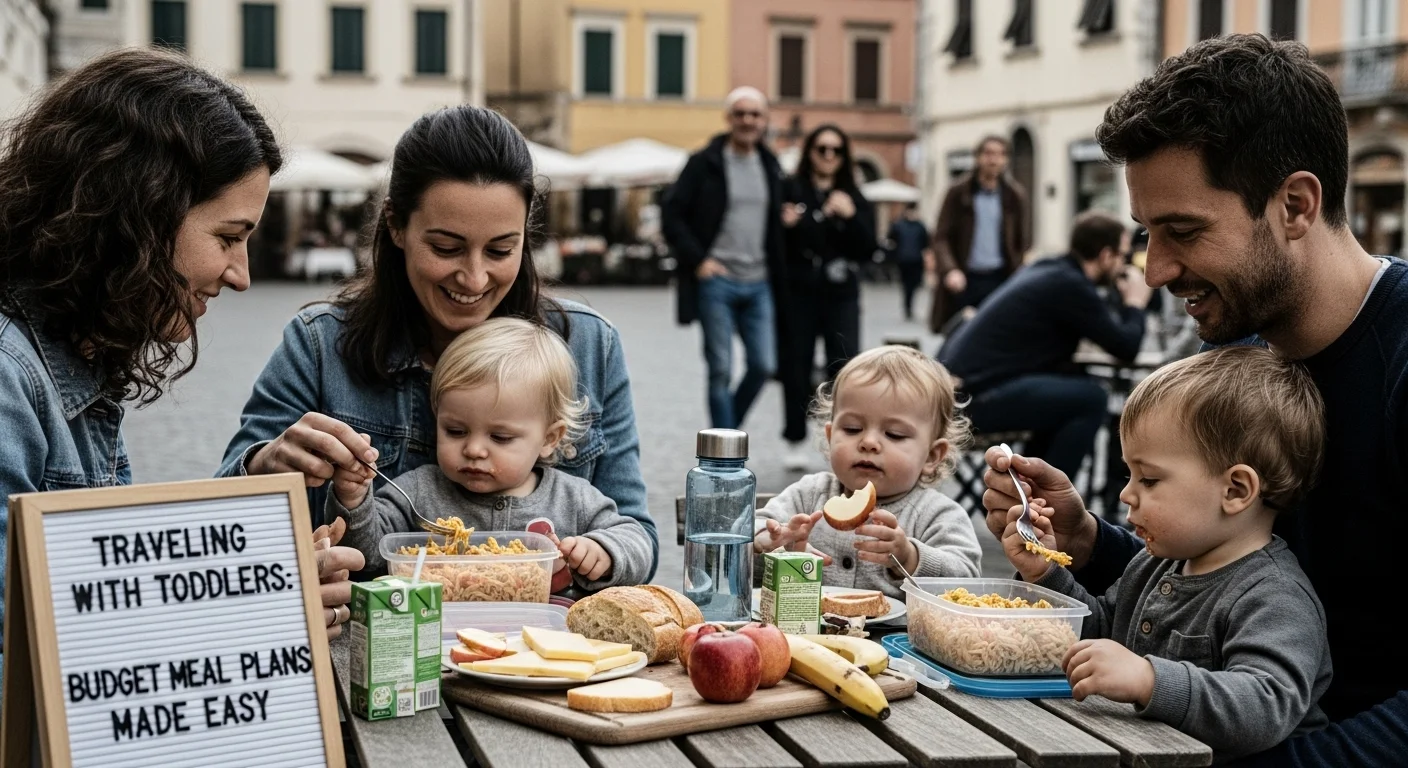
Understanding the Challenges of Traveling with Toddlers
As a parent, I know firsthand that traveling with toddlers is a whole different ballgame. Their needs can be unpredictable, and keeping them fed and content is crucial for a smooth trip. When I first started traveling with my little one, I quickly realized that meal planning was not just helpful; it was essential. Let’s explore some common concerns and why meal planning should be a part of our travel strategy.
Common Concerns for Parents
There are so many things to think about when traveling with toddlers. What if they don’t like the food? What if they get hungry at an inconvenient time? I remember one trip where my child refused to eat anything but macaroni and cheese. I spent way too much time worrying about finding kid-friendly food that fit into our budget. As I spoke to other parents, I found out that these concerns were pretty common.
Additionally, many parents fear that dining out will blow their budget. Eating out with toddlers can be expensive, and I found that restaurant meals often came with hidden costs, like drinks and sides that I hadn’t accounted for. It can feel overwhelming, but it doesn’t have to be that way.
Why Meal Planning is Essential
From my experience, meal planning becomes vital when traveling with toddlers for several reasons. First, it saves money. When I took the time to plan meals ahead of our trip, I found that I could avoid expensive last-minute decisions. Second, it reduces stress. Knowing what we were going to eat and where we could find it helped me feel more prepared and less frazzled.
Moreover, meal planning allows you to cater to your toddler’s preferences and dietary needs. I learned that packing easy-to-eat snacks was a lifesaver during long car rides or flights. I’ve noticed that having healthy options available helped keep my child satisfied and happy, which made our travels far more enjoyable. For more meal ideas, you can refer to Healthy Meal Plans for Expecting Moms on a Budget.
Budgeting for Meals While Traveling
Once I understood the importance of meal planning, the next question was how to budget for our meals. Setting a meal budget can feel daunting, but it doesn’t have to be. Here’s how I managed to keep our food expenses in check.
Estimating Costs: What to Expect
Estimating meal costs while traveling can vary widely based on your destination. I found that in some cities, a simple meal can range from $10 to $20 per person, while in others, it can skyrocket. When planning, I recommend researching the average dining costs in the area we’re visiting. Websites and apps that highlight local dining prices became a handy resource for me. Understanding these costs helped me set realistic expectations.
How to Set a Meal Budget for Your Family
Establishing a meal budget doesn’t have to be complicated. I usually look at our overall travel budget and allocate a specific percentage for food, typically around 15-20%. For example, if our total budget for the trip is $1,000, I’d set aside $150-$200 for meals. It’s crucial to remember that some days might be more expensive than others, especially if we plan on dining out for a special meal. I also recommend keeping a small cushion in your budget for unexpected treats or snacks.
Finding Affordable Dining Options
After setting a budget, the next step is finding affordable dining options. I’ve discovered that local eateries, food trucks, and casual dining restaurants can be excellent choices for families. Not only do they often offer lower prices, but they can also provide a more authentic experience. I recall a family trip where we stumbled upon a small diner that served the best breakfast for a fraction of the cost of a bigger chain restaurant. It became a favorite spot, and we ended up returning several times!
Additionally, I like to check out online reviews and local food blogs. They often highlight hidden gems that are budget-friendly and kid-approved. Plus, I’ve learned that many restaurants offer kids’ menus, which can save us a lot of money. I always look for places that provide generous portions and healthy options, which kept my little one happy without breaking the bank.
Traveling with toddlers can be a delightful experience if we take the time to plan our meals wisely. By understanding the challenges and budgeting for meals, we can ensure that our trips become cherished memories, filled with fun and delicious food. In the next sections, I’ll share some effective meal planning strategies that have worked wonders for my family during our travels.
Meal Planning Strategies for Traveling Families
Creating a Flexible Meal Plan
When I think about meal planning for our travels, the word “flexible” pops into my mind. I’ve learned that while it’s important to have a plan, it’s equally vital to stay adaptable. Kids can be unpredictable, and sometimes they might not be in the mood for what I had planned. I usually start by creating a rough outline of our meals for each day, but I leave some space for spontaneity. For instance, if we find a quaint café while exploring, I’ll be open to swapping a planned dinner for a lunch out. This way, I’m not stuck to a rigid schedule, and it keeps the experience exciting for everyone.
One approach I found helpful is to group meals into themes. For example, I might designate one day for “taco night” where we can mix and match ingredients easily and another day for something simple like sandwiches or wraps. This strategy not only makes meal prep more manageable but also gives the kids something to look forward to each day. Plus, it sparks conversations about what they’d like to try!
Incorporating Local Cuisine on a Budget
One of the joys of traveling is experiencing the local food culture. I believe it’s important to introduce my toddler to new flavors and dishes, even if we’re trying to stick to a budget. I typically research affordable local specialties that we can incorporate into our meal plan. For example, if we’re visiting a coastal town, I’ll look for seafood options that are not only budget-friendly but also fresh and delicious.
I remember visiting New Orleans and discovering that we could find great po’boys at a local market for a fraction of the cost of a restaurant. Involving my toddler in these experiences can be a real treat. I encourage them to help pick out local fruits or snacks at a market, which makes them excited about the meals we’ll prepare together. This way, we’re not just saving money; we’re also creating lasting memories around food.
Utilizing Grocery Stores and Markets
One of my favorite strategies is to take full advantage of grocery stores and local markets while traveling. I’ve realized that shopping at these places can save us a lot of money, and it’s often a fun adventure. When we arrive at our destination, I usually plan a grocery run to stock up on essentials. I like to grab items like bread, cheese, and deli meats for quick sandwiches, along with some fresh fruits and veggies that can be eaten as snacks.
Visiting local markets can be a highlight of our trip. I’ve found that many markets offer affordable, ready-to-eat meals, which can be a lifesaver for busy days. For instance, during a trip to Italy, we picked up fresh pasta and homemade sauces from a local vendor. We cooked them up in our accommodation, and it felt like a restaurant-quality meal, all while staying within budget. If your destination has a farmer’s market, make it a point to stop by. You can often find delicious, seasonal ingredients that can inspire your meals.
Snacks and Quick Meals for Toddlers
Let’s face it, toddlers have a knack for getting hungry at the most inconvenient times. To keep our trips smooth, I always pack a variety of snacks. I’ve learned that having healthy options on hand can be a total lifesaver. I usually prepare small bags with things like trail mix, granola bars, sliced fruits, and cheese sticks. Not only do these snacks keep my little one satisfied, but they also help avoid those pricey convenience store purchases.
In addition to snacks, I like to think about quick meals that can be made on the go. One of my go-to quick meals is wraps. I can fill them with anything from turkey and cheese to hummus and veggies. They are easy to prepare, mess-free, and perfect for little hands. If we’re on a longer journey, I’ll even pack a small cooler with yogurt and cut-up fruits. It’s all about keeping our meals simple and manageable while still being nutritious.
Meal planning while traveling with toddlers doesn’t have to be a daunting task. By creating a flexible meal plan, embracing local cuisine, utilizing grocery stores, and preparing quick meals and snacks, we can navigate our adventures with ease. In the next section, I’m excited to share some specific meal options that have worked well for my family, ensuring that we stay within budget while satisfying our taste buds.
Types of Meals to Consider
Breakfast Ideas on a Budget
Breakfast is often called the most important meal of the day, and I couldn’t agree more, especially when traveling with toddlers. When we’re on the go, I like to keep breakfast simple, nutritious, and budget-friendly. One of my go-to options is oatmeal. I can easily pack instant oatmeal packets, and all I need is hot water to prepare them. I often bring along some dried fruits or nuts for a little extra flavor and nutrition.
Pancakes are another favorite in our family. I discovered that I can make pancake batter ahead of time and store it in a squeeze bottle. This way, when we have access to a griddle or a stovetop, I can whip up fresh pancakes in no time. Pairing pancakes with fresh fruit or yogurt can make for a delightful morning meal without breaking the bank.
Another breakfast idea I love is yogurt parfaits. I typically buy a few cups of yogurt and layer them with granola and berries. This not only looks appealing but also provides a balanced meal. I find that having a few easy breakfast options keeps our mornings stress-free and gives us the energy we need for a busy day of exploring.
Lunch Options That Are Easy to Prepare
For lunch, I always aim for meals that are quick to prepare and easy to eat on the go. Sandwiches and wraps are my top choices. I can customize them based on what my toddler likes, whether it’s turkey and cheese or hummus with veggies. I’ve learned that using pita bread instead of regular sandwich bread can make for a fun twist and is easy for little hands to hold.
Another great option is bento boxes. I love packing small portions of various foods like cheese cubes, crackers, sliced veggies, and deli meats. This way, my toddler feels like they have a fun meal to explore, and I can keep it healthy. Plus, it adds variety to our lunch without requiring much effort.
On days when we’re visiting parks or attractions, I often prepare simple salads. I can mix pre-washed greens with proteins like grilled chicken or beans, and toss in some fruits or nuts for added flavor. Packing these lunches in reusable containers keeps everything fresh and makes clean-up a breeze.
Dinner Choices for Family-Friendly Dining
Dinner is when I like to get a bit more adventurous while still being budget-conscious. One meal I often prepare is stir-fried rice. I can use leftover veggies and proteins from our previous meals, making it a great way to minimize waste. Plus, it’s a one-pan dish that cooks quickly, which is perfect for when my toddler is getting impatient.
Another option I find appealing is pasta. I can cook a big batch and pair it with a simple tomato sauce or olive oil and garlic. I like to sneak in some veggies or protein, such as ground turkey or chickpeas, to make it a well-rounded meal. This is not only easy to prepare but also a hit with my little one.
When we have access to a grill, I love grilling skewers with a mix of vegetables and meats. It’s a fun and interactive way to eat, and the colorful presentation usually excites my toddler. We can make it even more enjoyable by letting them help assemble the skewers, making them feel involved in the cooking process.
Healthy Snack Ideas for Toddlers
Traveling can be filled with unexpected moments of hunger, so having healthy snacks on hand is a must. I always pack a variety of options that are easy to carry. Some of my favorites include cut-up fruits like apples or bananas, which are not only nutritious but also easy for toddlers to eat. I often add a small container of peanut butter for dipping, which they love!
Veggie sticks are another great choice. Carrots, cucumbers, and bell peppers can be prepped ahead of time and stored in snack bags. I like to pair them with hummus or yogurt dip. I’ve noticed that presenting healthy snacks in fun shapes or colorful packaging can encourage my toddler to try them.
Granola bars are a staple in our travel snacks. I prefer to choose those with minimal sugar and wholesome ingredients. They’re portable and can be a great source of energy during our adventures. Additionally, I like to keep some whole grain crackers handy; they’re easy to munch on and can be paired with cheese or turkey slices.
Through my experiences, I’ve found that meal planning for our travels, especially with toddlers, doesn’t have to be overwhelming. By incorporating simple, budget-friendly meals and snacks, we can keep our family nourished and happy throughout our journeys.
Travel-Friendly Cooking Equipment
Must-Have Gear for Meal Prep
When it comes to traveling with toddlers, having the right cooking equipment can make a world of difference. I’ve learned that packing a few essential items can save time, money, and help me whip up meals quickly. One of my favorite items is a compact cutting board. It’s lightweight and can be used for everything from slicing fruits to prepping sandwiches. Pairing it with a good knife is essential; I always pack a small, versatile chef’s knife for precise cutting.
I also recommend investing in a portable blender. Whether it’s for smoothies or pureed meals, a blender can come in handy, especially for toddlers who may be picky eaters. I remember blending up fresh fruit smoothies during a trip to the beach, and my little one loved it! Additionally, a small set of reusable containers is a must. They are perfect for packing snacks and leftovers, and I appreciate how they can keep everything organized in my travel bag.
Portable Cooking Solutions
For those who enjoy cooking while on the road, portable cooking solutions are fantastic. I’ve found that a small electric skillet is a game-changer. It heats up quickly and can be used for a variety of meals, from scrambled eggs to stir-fry. When we traveled to a cabin last summer, I made pancakes for breakfast every morning with it, which was a hit with the kids.
If you’re staying in a place with limited cooking facilities, consider a travel kettle. It’s perfect for boiling water for instant oatmeal or making tea. I also like to carry a small cooler. It helps keep perishables fresh and can hold fruits, veggies, and dairy items. I’ve noticed having a cooler made all the difference in maintaining our healthy eating habits while traveling.
Storing and Preserving Food While Traveling
Understanding how to store and preserve food is vital, especially with toddlers in the mix. I’ve learned to always pack resealable bags and airtight containers. They are excellent for keeping snacks fresh and preventing spills. On a recent trip, I prepped some homemade trail mix and stored it in a resealable bag, which was perfect for on-the-go munching.
Another tip I picked up is freezing meals before the trip. If you have a cooler, freezing items like soup or pasta can help keep other foods cold. Plus, they act as ice packs! When we traveled to the mountains, I had a batch of homemade vegetable soup frozen, and it turned out to be a comforting dinner after a long day of hiking.
Dining Out with Toddlers: Tips and Tricks
Choosing Family-Friendly Restaurants
Eating out can be tricky with toddlers, but I’ve discovered a few strategies that help make dining out more enjoyable. One of my go-to tips is to look for family-friendly restaurants. These places usually have kids’ menus, high chairs, and even play areas, which can keep little ones entertained. I often ask locals for recommendations or search online for restaurants known for being family-oriented.
Another aspect I find helpful is checking the restaurant’s atmosphere. I prefer places that are casual and not overly formal. It makes me feel more relaxed about my toddler potentially making a mess or being a bit loud. I remember one restaurant where they even provided crayons and coloring sheets, which was a huge hit!
How to Manage Toddler Mealtime Behavior
Managing a toddler’s behavior during mealtime can be challenging, but I’ve learned a few tactics that really help. First, I try to set expectations before we arrive. I explain to my little one what we’ll be doing and that we need to sit at the table until everyone is finished. I’ve also found that having small distractions, like a favorite toy or a snack, can keep them engaged while waiting for food.
It’s helpful to order their meals first, so they get something to munch on while we wait for our food. I typically choose items that are easy to eat and not too messy. And if things do get a little chaotic, I remind myself that it’s all part of the adventure. Keeping a positive attitude can make a world of difference!
Using Apps to Find Budget-Friendly Dining Options
In this digital age, I can’t stress enough how helpful apps can be when traveling with toddlers. I often use restaurant apps that allow me to compare prices, read reviews, and even check out menus beforehand. This way, I can find budget-friendly dining options that cater to our family’s needs.
One app I particularly enjoy is Yelp. It provides great insights into local eateries, and I can filter results based on family-friendly features. I’ve also used apps that offer discounts or deals for kids’ meals, which can save us some money. Finding a good place to eat has become much easier and more enjoyable, allowing us to focus on the fun of exploring new places together.
Sample Budget Meal Plans for Various Destinations
City Breaks: Budget Meal Plans in Urban Areas
When visiting cities, I often plan meals around local markets and budget-friendly eateries. Breakfast could be yogurt and fresh fruit from a nearby market. For lunch, sandwiches from a deli, and for dinner, I might choose a local pizza place where kids usually eat free on certain nights. This keeps things affordable while allowing us to explore the city’s cuisine.
Beach Vacations: Simple Meal Ideas by the Shore
At the beach, I love preparing simple meals that require minimal cooking. Breakfast could be smoothies made with yogurt and frozen fruit, lunch could be wraps with deli meats and veggies, and for dinner, I might grill some fish or shrimp. Packing a picnic for the beach is also a favorite; I can include fresh fruits, cheese, and crackers, making it easy to eat while enjoying the sun.
Road Trips: Easy Snacks and Meals on the Go
Road trips require quick and easy meals. I usually prepare a cooler filled with sandwiches, cut veggies, and fresh fruits. Snacks like granola bars and trail mix are a must. I’ve also learned to pack some rice cakes and nut butter, which make a filling and nutritious snack while on the road.
Resources for Budget Meal Planning
Websites and Apps for Meal Planning
There are so many fantastic resources out there to help with meal planning. Websites like Budget Bytes offer creative and affordable recipes, and meal planning apps can keep everything organized. I find that using these tools makes it much easier to stay on budget without sacrificing quality or nutrition. For detailed meal plans, check out Budget-Friendly Healthy Meal Plans for Pregnancy Nutrition.
Books and Guides for Family Travel
Over the years, I’ve come across numerous books that focus on family travel and budget meal planning. These guides often provide valuable insights and meal ideas tailored for traveling families. I love flipping through them for inspiration before a trip, and I always find something new to try.
Community Forums and Support Groups
Joining community forums and support groups can also be incredibly helpful. I’ve connected with other traveling parents who share their tips and tricks, which has enriched my travel experiences. There’s something comforting about knowing that we’re all navigating similar challenges, and sharing ideas keeps us all motivated.
Final Thoughts
Traveling with toddlers can be one of the most rewarding experiences, especially when we take the time to plan our meals effectively. From budgeting to utilizing local resources, each step ensures that our family adventures are filled with joy and delicious food. I’ve learned that with a little preparation and creativity, we can enjoy our travels without compromising on health or happiness. It’s all about making memories, sharing new experiences, and enjoying the journey together as a family.
Frequently Asked Questions
What are some common concerns for parents traveling with toddlers?
Common concerns include worries about toddlers not liking the food, getting hungry at inconvenient times, and the potential for dining out to blow the budget. Many parents also struggle with finding kid-friendly food that fits their budget while traveling.
Why is meal planning important when traveling with toddlers?
Meal planning is essential because it saves money, reduces stress, and allows parents to cater to their toddler’s preferences and dietary needs. It helps parents feel more prepared and ensures that healthy options are available during the trip.
How can parents budget for meals while traveling?
Parents can budget for meals by estimating meal costs based on their destination, allocating a specific percentage of their overall travel budget for food (typically 15-20%), and keeping a small cushion for unexpected treats or snacks.
What are some affordable dining options to consider while traveling?
Affordable dining options include local eateries, food trucks, and casual dining restaurants. Many restaurants offer kids’ menus, which can save money. Checking online reviews and local food blogs can help find budget-friendly and kid-approved places to eat.
What strategies can families use for meal planning while traveling?
Families can create a flexible meal plan that allows for spontaneity, incorporate local cuisine within budget, utilize grocery stores and markets for fresh ingredients, and prepare quick meals and snacks for toddlers.
What are some budget-friendly breakfast ideas for traveling families?
Budget-friendly breakfast ideas include oatmeal, pancakes made from pre-prepared batter, and yogurt parfaits with granola and berries. These options are simple, nutritious, and easy to prepare while on the go.
What quick lunch options are easy to prepare for toddlers?
Quick lunch options include sandwiches and wraps customized to toddlers’ preferences, bento boxes with small portions of various foods, and simple salads packed in reusable containers for easy transport.
How can parents manage toddler behavior during mealtime at restaurants?
To manage toddler behavior, parents can set expectations before arriving, provide small distractions like toys or snacks, order the toddler’s meal first, and maintain a positive attitude even if things get chaotic.
What cooking equipment is recommended for traveling families?
Recommended cooking equipment includes a compact cutting board, a good knife, a portable blender for smoothies, reusable containers for snacks and leftovers, and a small electric skillet for cooking a variety of meals.
What resources can help with budget meal planning while traveling?
Resources include websites and apps for meal planning, family travel books and guides with meal ideas, and community forums or support groups where traveling parents can share tips and experiences.
Traveling with toddlers can be a delightful adventure, but keeping them nourished with healthy snacks can be a challenge. Let’s explore some easy DIY snack ideas that are perfect for little ones on the go!

Understanding the Nutritional Needs of Toddlers
When we think about toddlers and their nutrition, it’s essential to remember that their bodies are growing rapidly. As parents, we want to ensure they get the right nutrients for healthy development. My journey into understanding toddler nutrition started when I noticed my little one was particularly picky, and I wanted to make sure she had the best fuel for her busy days.
Essential Nutrients for Growth
Toddlers need a mix of nutrients to support their growth and development. Some of the key players include:
- Proteins: These are the building blocks for muscles. I often include lean meats, beans, and dairy in her meals.
- Fruits and Vegetables: Packed with vitamins and minerals, these are essential for overall health. I’ve found that colorful options often entice my toddler.
- Whole Grains: Foods like oatmeal and whole-grain bread provide energy and fiber. I love to make mini sandwiches using whole-grain bread for her snacks.
- Dairy: Good for bone health, I try to incorporate yogurt and cheese into her diet.
Understanding these essential nutrients helps me choose the right snacks when we’re on the move. I’ve learned to look for options that balance these nutrients, ensuring she gets what she needs, especially during travel when choices can be limited. Delicious Toddler Meals: Planning on a Budget While Traveling has also helped me in meal planning.
Portion Sizes for Toddlers
Another thing I’ve discovered is that portion sizes for toddlers are quite different from adults. I remember the first time I packed snacks for a trip and overdid it, only to find a lot of uneaten snacks. Typically, a serving size for a toddler is much smaller than what we might expect. A good rule of thumb is to offer about a quarter of an adult portion. For instance, if I’m packing fruit, I might cut an apple into small wedges instead of giving her half a fruit. I’ve noticed that smaller, manageable-sized snacks allow her to eat at her own pace without feeling overwhelmed.
Benefits of DIY Snacks for Toddlers
Making snacks at home has been a game changer for me as a parent. I’ve experienced so many benefits that I want to share with you!
Healthier Ingredients
One of the biggest advantages of DIY snacks is knowing exactly what goes into them. I have control over the ingredients, which means I can avoid added sugars and preservatives that are often found in store-bought snacks. For example, when I make my own granola bars, I use oats, honey, and nuts—simple, wholesome ingredients that I feel good about giving to my toddler.
Cost-Effectiveness
Let’s face it—snacks can add up, especially when you have little ones who seem to eat non-stop. I’ve found that making snacks at home is much more budget-friendly. Buying ingredients in bulk and preparing them myself means I can save money while also ensuring my child eats nutritious food. Plus, it’s a fun activity to involve the whole family in snack prep! Budget-Friendly Toddler Meal Planning for Traveling Families has great ideas on managing food costs.
Customization for Allergies and Preferences
Every child is unique, and I’ve learned that it’s essential to cater to my toddler’s tastes and any dietary restrictions. Making snacks at home allows me to customize recipes to fit her needs. For instance, she has a slight aversion to certain textures, so I can tweak recipes to make them more appealing to her. By experimenting with different flavors and textures, we can create snacks that are both tasty and nutritious.
Easy DIY Healthy Snack Ideas
Now that we understand the importance of nutrition and the benefits of DIY snacks, let’s dive into some easy ideas that are perfect for toddlers while traveling!
Fruits and Vegetables
Fruit Kabobs
Fruit kabobs are a fun way to encourage toddlers to eat more fruit. I like to use a mix of berries, melon, and grapes on small skewers. Not only are they colorful and visually appealing, but they’re also easy to handle. My daughter loves picking her own fruit pieces off the stick, and it makes snack time feel like a mini celebration!
Veggie Sticks with Hummus
Cutting up veggies like carrots, cucumbers, and bell peppers into sticks makes them more fun to eat. Pairing them with a small container of hummus is a great way to add protein. I’ve noticed that my daughter is more willing to try new vegetables when they’re presented this way. It’s a simple, healthy option that we often take along on road trips.
Grain-Based Snacks
No-Bake Granola Bars
No-bake granola bars are super easy to make and customize! I usually mix oats, honey, peanut butter, and whatever add-ins we have on hand, like dried fruit or chocolate chips. They’re chewy and satisfying, and they hold up well during travel. I love making a big batch and cutting them into squares for quick grab-and-go snacks.
Whole Grain Crackers with Cheese
Pairing whole grain crackers with cheese is another winner in our household. I often slice cheese into fun shapes or use cheese sticks for an easy snack that provides good nutrition. This combo is filling and perfect for keeping my toddler satisfied during longer car rides.
Protein-Packed Options
Peanut Butter Banana Bites
These bites are a favorite! I slice bananas and spread a little peanut butter between two slices to create a mini sandwich. They’re rich in protein and potassium, making them a great energy booster. I’ve found they also help keep my toddler’s energy levels stable during our travels.
Mini Turkey and Cheese Roll-Ups
Another quick option is rolling up slices of turkey with cheese. I sometimes add a small amount of mustard for a bit of flavor. These roll-ups are not only easy to prepare but also provide a good balance of protein and healthy fats. They’re a hit with my little one, especially when we’re on the go!
Dessert-Inspired Snacks
Yogurt Parfaits
Yogurt parfaits are a delicious way to sneak in some probiotics and fruit. I layer yogurt with fresh fruit and a sprinkle of granola in a small container. This snack feels like dessert, but it’s packed with nutrients. I love how I can easily swap fruits based on what we have at home.
Homemade Fruit Popsicles
On hot days, homemade fruit popsicles are a refreshing treat! I blend up fruit with a bit of yogurt and pour it into molds. It’s a fun activity, and I appreciate knowing exactly what goes into them. My daughter loves them, and they’re a healthy alternative to store-bought frozen treats.
These easy DIY snacks not only help keep my toddler satisfied during our travels but also provide the nourishment she needs to stay happy and energetic. By focusing on healthy ingredients and fun presentations, I’ve found that snack time can be both enjoyable and nutritious for us on the go!
Preparing Snacks for Travel
When we’re gearing up for a family trip, preparing snacks ahead of time has become a crucial part of my planning. I’ve discovered that having a variety of healthy snacks ready to go not only keeps my toddler satisfied but also makes the journey a lot more enjoyable for everyone involved. Here are a few tips I’ve found helpful in preparing snacks for travel.
Storage Solutions for Freshness
Keeping snacks fresh while traveling is essential. I remember the first time I packed snacks for a road trip, and by the time we reached our destination, everything was a bit squished and unappetizing. To prevent this, I started using airtight containers and resealable bags for different snacks. For example, I keep cut fruits in a small container with a tight lid to avoid browning and maintain freshness. Another tip I’ve found useful is to include ice packs in our cooler bag. This keeps items like yogurt and cheese at a safe temperature, ensuring they’re ready to eat when hunger strikes.
Portable Snack Containers
Having the right containers makes all the difference. I’ve invested in some small, compartmentalized containers that are perfect for packing a variety of snacks without them touching each other. It allows me to create a little snack buffet for my toddler, with different textures and flavors to choose from. For instance, I might pack some yogurt in one section, fruit in another, and a few whole grain crackers in another. This setup not only keeps things organized but also makes snack time feel a bit like a fun picnic!
Prepping Ahead of Time
Prepping snacks ahead of time has been a lifesaver for me. I usually dedicate some time the day before our travels to whip up a batch of snacks. I’ll make things like no-bake granola bars and fruit popsicles, and I even slice veggies and portion out hummus. By doing this, I avoid the chaos of last-minute packing and ensure I have a variety of healthy options ready to go. I’ve found that when snacks are prepared in advance, it reduces stress and allows us to focus on enjoying our time together on the road.
Tips for Keeping Snacks Healthy on the Go
While traveling, it can be easy to reach for convenience snacks that may not be the healthiest options. I’ve learned a few strategies to keep our snack choices both healthy and satisfying.
Reading Labels While Shopping
Before heading out on a trip, I always take a moment to read labels when shopping for snacks. I look for options that are low in added sugars and high in fiber and protein. It’s surprising how many snacks marketed for kids are loaded with sugar or artificial ingredients. By being mindful of labels, I can make informed choices that align better with our nutrition goals. I want to set a good example for my toddler, and knowing what we’re eating helps me do just that.
Choosing Low-Sugar Options
I’ve found that keeping sugar intake low during travel is crucial for maintaining my toddler’s energy levels. Instead of sugary granola bars or candy, I opt for fruit-based snacks or homemade treats. For instance, I love making energy bites with oats, nut butter, and a touch of honey. These bites are naturally sweet and provide sustained energy without the sugar crash. I’ve noticed that when we stick to lower-sugar options, my little one is happier and more focused throughout our journey.
Incorporating Variety to Avoid Boredom
Another strategy I use is introducing a variety of snacks to keep things interesting. I remember a long road trip when my daughter got tired of the same snacks, leading to a bit of fussiness. Since then, I’ve made it a point to include different types of snacks each time we travel. I mix fruits, veggies, grains, and proteins, so she has something new to munch on at each stop. Sometimes, I even surprise her with a new snack she hasn’t tried before, which adds excitement to our travel snack routine!
Snack Time Safety Considerations
Safety is always a priority when it comes to snacks, especially for toddlers. I’ve learned a few important considerations to keep in mind while traveling.
Avoiding Choking Hazards
One of my biggest concerns while traveling is ensuring that the snacks I provide are safe for my toddler to eat. I’ve become very mindful about the sizes and types of snacks I pack. For example, I always cut grapes and cherry tomatoes in half to prevent choking hazards. It’s essential to pay attention to the texture and size of the snacks, so I opt for softer options or cut harder foods into smaller pieces. This way, I can relax a bit more during our travels, knowing I’ve taken steps to keep snack time safe.
Allergy Awareness
If you’re traveling with your toddler and they have food allergies, it’s vital to plan ahead. I always carry a list of safe snacks that my child can eat, and I make sure to read labels carefully. I try to pack snacks that are free from common allergens, so we don’t have to worry about cross-contamination during our travels. I’ve learned to communicate with restaurants and snack vendors as well, so I can ensure that we’re making safe choices on the go.
Engaging Toddlers in Snack Preparation
Involving my toddler in the snack preparation process has been a delightful experience. Not only does it make her more excited about the snacks, but it also teaches her valuable skills.
Simple Tasks for Little Hands
I love finding ways to include my little one in the kitchen. Simple tasks like washing fruits, stirring mixtures, or even placing ingredients into the blender are perfect for her age. I’ve noticed that when she helps prepare the snacks, she’s much more eager to try them. For instance, when we made our yogurt parfaits together, she felt proud to layer the yogurt and fruits, and she enjoyed eating something she had helped create!
Teaching Healthy Eating Habits
By engaging my toddler in snack prep, I’m also teaching her about healthy eating habits. We talk about the benefits of various ingredients and why we choose certain snacks over others. I think this hands-on approach helps her understand food in a fun and interactive way. She mimics what I do and starts expressing her preferences, which I believe is a great step in building her independence around food.
Fun Snack Ideas for Road Trips
As we gear up for our next adventure, I can’t help but think of all the fun snack ideas that keep our road trips exciting!
Travel-Friendly Snack Packs
Creating travel-friendly snack packs has become a fun tradition for us. I usually dedicate a small bag for each family member, filled with their favorite snacks. These packs make it easy for everyone to grab something when they feel hungry, and I love how it keeps the car organized. I might include a mix of her favorite homemade granola bars, some fruit, and a few veggie sticks. It’s a simple way to ensure we have healthy options at our fingertips.
Interactive Snack Games for Kids
I’ve also come up with some interactive snack games that make our road trips more enjoyable. One of our favorites is the “Snack Scavenger Hunt.” I create a list of snacks we’re bringing and take turns finding and eating them while we drive. It adds an element of fun to snack time and keeps my toddler engaged. Plus, it’s a great way to pass the time on long stretches of road!
Understanding the Nutritional Needs of Toddlers
Essential Nutrients for Growth
As I delved deeper into toddler nutrition, I discovered just how vital certain nutrients are for their development. I learned that toddlers require a balanced diet rich in vitamins, minerals, and other essential components. I remember feeling overwhelmed by all the information out there, but I found that focusing on a few key nutrients made it easier to plan meals and snacks.
For instance, iron is crucial for toddlers as it supports their cognitive development. I often incorporate iron-rich foods like fortified cereals, beans, and even spinach into her meals. I also learned about the importance of healthy fats for brain development, which is why I include foods like avocados and nut butters in her snacks. It’s fascinating how all these elements play a role in her growth, and I feel more confident knowing that I’m supporting her health with my food choices.
Portion Sizes for Toddlers
Understanding portion sizes has been a significant part of my learning journey. It can be quite surprising to see how little toddlers need compared to adults. I’ve found that using smaller plates helps me serve appropriate portions without overwhelming her. For example, when I offer her a small handful of grapes or a few carrot sticks, she can focus on enjoying her food without feeling pressured to finish a large serving. This approach has helped cultivate a positive relationship with food.
Another tip that worked well for us is to use a variety of snacks throughout the day rather than a few large ones. I’ve discovered that spreading out snack times keeps her energy levels stable and makes mealtime less stressful. Plus, it gives her the chance to explore different flavors and textures without getting bored.
Benefits of DIY Snacks for Toddlers
Healthier Ingredients
One of the standout benefits of making our snacks at home is the ability to choose healthier ingredients. When I whip up snacks, I often opt for whole foods that I can feel good about serving. For instance, instead of reaching for pre-packaged cookies, I’ve started to make oatmeal cookies from scratch using ripe bananas and oats. The difference is remarkable! Not only are they healthier, but they also taste better, and I love the fact that I can tweak the recipes to include whatever I have on hand.
Another favorite in our house is homemade veggie chips. I simply slice up sweet potatoes or kale, toss them in a little olive oil, and bake them until crispy. Seeing my daughter munch on these instead of store-bought chips gives me peace of mind knowing she’s enjoying a nutritious snack.
Cost-Effectiveness
As a parent, budget is always a consideration, especially with toddler snacks. I’ve found that making snacks at home not only tastes better but also saves us money. Buying ingredients in bulk has been a game changer. For example, purchasing oats, nuts, and dried fruits in bulk allows me to create various snacks without breaking the bank. I remember the first time I made a big batch of energy balls; not only did we have snacks for the week, but I was also able to share them with friends and family without feeling guilty about spending too much!
Customization for Allergies and Preferences
Every child is unique, and I’ve learned how important it is to customize snacks to fit my toddler’s preferences and any dietary restrictions she may have. For example, she loves chocolate, so I’ve found a way to incorporate it into healthy snacks by using dark chocolate chips in my granola bars. It’s a small tweak, but it makes a big difference in her willingness to try new foods.
Additionally, if I know she’s not a fan of certain textures, I can easily adjust recipes to create something she’ll enjoy. I’ve even used a food processor to blend fruits and veggies into smoothies, which has opened up a world of tasty options for her. It’s empowering to know that I can create snacks tailored to her liking while still being nutritious!
Easy DIY Healthy Snack Ideas
Fruits and Vegetables
Fruit Kabobs
Fruit kabobs are not only a colorful snack but also easy to prepare. I like to involve my daughter in choosing which fruits to include. We often use a mix of her favorites—strawberries, pineapple, and kiwi. It’s a fantastic way to keep her engaged, and I love how it turns snack time into a fun, interactive experience.
Veggie Sticks with Hummus
When it comes to veggies, I’ve learned that presentation matters. Cutting veggies into fun shapes or sticks makes them more appealing. Pairing them with hummus has been a game changer for us; it adds flavor and a bit of protein. I noticed my daughter is more likely to munch on raw veggies when she has a tasty dip to accompany them.
Grain-Based Snacks
No-Bake Granola Bars
No-bake granola bars have quickly become a household favorite. They’re incredibly versatile, and I often let my daughter choose the add-ins. Sometimes we go for dried cranberries and almonds, while other times we might add chocolate chips for a little fun. I appreciate that I can whip up a batch in no time, and they make for a perfect snack at home or on the go.
Whole Grain Crackers with Cheese
This combo is a staple in our snack rotation. Whole grain crackers paired with cheese can be a delightful treat. I love to slice the cheese into fun shapes or let her assemble her own little cracker stacks. It’s simple, satisfying, and keeps her full during those long outings.
Protein-Packed Options
Peanut Butter Banana Bites
Peanut butter banana bites have become a go-to for us! They’re incredibly easy to make, and my daughter loves helping me assemble them. We slice bananas and spread peanut butter between two slices, creating little sandwiches. It’s a fun way to combine fruit and protein, making it a perfect energy booster during our travels.
Mini Turkey and Cheese Roll-Ups
Another quick and nutritious option is mini turkey and cheese roll-ups. I simply roll turkey slices with cheese and secure them with a toothpick, making them easy for my daughter to grab. It’s a satisfying snack that provides the protein she needs while keeping her energy levels up during our adventures.
Dessert-Inspired Snacks
Yogurt Parfaits
Yogurt parfaits are a delightful way to incorporate probiotics and fruit into our snacks. I layer yogurt with fresh fruits and a sprinkle of granola, making it feel like dessert! I love how easy it is to switch up the fruits based on what we have available. It’s a tasty treat I feel good about serving.
Homemade Fruit Popsicles
On hot days, we enjoy making homemade fruit popsicles. It’s a fun activity to blend fruits with yogurt, pour them into molds, and freeze. My daughter can’t get enough of these refreshing treats, and it gives me peace of mind knowing exactly what’s in them!
Frequently Asked Questions
What are some essential nutrients that toddlers need for growth?
Toddlers need a mix of nutrients including proteins, fruits and vegetables, whole grains, and dairy. Proteins support muscle growth, fruits and vegetables provide essential vitamins and minerals, whole grains offer energy and fiber, and dairy is important for bone health.
How can I determine the appropriate portion sizes for my toddler?
A good rule of thumb for toddler portion sizes is to offer about a quarter of an adult portion. For example, cutting an apple into small wedges instead of giving half a fruit helps manage their intake without overwhelming them.
What are the benefits of making DIY snacks for toddlers?
DIY snacks allow parents to control the ingredients, making them healthier by avoiding added sugars and preservatives. They are also cost-effective, customizable for allergies and preferences, and can involve the whole family in snack preparation.
Can you provide an example of a fun and healthy snack for toddlers?
Fruit kabobs are a great option. They are colorful and visually appealing, and toddlers can enjoy picking their own fruit pieces off the stick, making snack time feel like a mini celebration.
What are some easy DIY snack ideas for traveling with toddlers?
Some easy DIY snack ideas include no-bake granola bars, peanut butter banana bites, yogurt parfaits, and veggie sticks with hummus. These snacks are portable, nutritious, and can be prepared in advance.
How can I keep snacks fresh while traveling?
Using airtight containers and resealable bags helps keep snacks fresh. Including ice packs in a cooler bag can also maintain the right temperature for items like yogurt and cheese.
What strategies can I use to keep snack options healthy on the go?
Reading labels while shopping for snacks, choosing low-sugar options, and incorporating a variety of snacks can help maintain healthy choices during travel. This prevents boredom and keeps energy levels stable.
What safety considerations should I keep in mind for toddler snacks while traveling?
It’s important to avoid choking hazards by cutting food into appropriate sizes and shapes. Additionally, being aware of any food allergies and packing safe snacks is crucial for travel safety.
How can I engage my toddler in snack preparation?
Involving toddlers in snack preparation can be done through simple tasks like washing fruits or stirring mixtures. This not only makes them more excited to try the snacks but also teaches them about healthy eating habits.
What are some interactive snack ideas for road trips?
Creating travel-friendly snack packs for each family member and playing snack-related games, such as a “Snack Scavenger Hunt,” can make road trips more enjoyable and engaging for toddlers.
As a backpacker and snack enthusiast, I’ve learned that finding the right snacks can make or break an adventure. If you’re looking for tasty, budget-friendly, dairy-free options for your next trek, you’ve come to the right place! Read Interesting article: 10 Budget-Friendly Healthy Snacks for School Kids

Understanding Dairy-Free Diets
What is a Dairy-Free Diet?
A dairy-free diet eliminates all dairy products, which include milk, cheese, yogurt, and butter. I remember when I first tried going dairy-free; it felt overwhelming. But as I researched, I found that many people choose this lifestyle for various reasons, including lactose intolerance, allergies, or simply personal preference. For me, it was a blend of health and ethical considerations that made me decide to cut dairy out of my diet.
Benefits of Dairy-Free Eating
Transitioning to a dairy-free diet can lead to several benefits. Personally, I noticed a significant improvement in my digestive health. Many people report increased energy levels and clearer skin as well. Plus, you open yourself up to a world of delicious alternatives. I’ve found that the variety of flavors and textures available in dairy-free foods keeps my meals exciting. You might not think about it, but eliminating dairy can also lead to more plant-based eating, which is often healthier for both you and the planet.
Common Dairy Alternatives
There are plenty of fantastic dairy alternatives out there. I often use almond milk in my smoothies or coconut yogurt when I’m in the mood for something creamy. Nutritional yeast is one of my favorite pantry staples—it’s cheesy and packed with nutrients, perfect for sprinkling on popcorn or pasta. There’s also a variety of nut-based cheeses that mimic the texture of regular cheese without the dairy. I love experimenting with these alternatives to find what suits my taste buds best!
Why Choose Snacks for Backpacking?
Importance of Nutritional Snacks on the Trail
When I’m out on the trail, I’ve learned that snacks are not just treats; they’re essential fuel. A good hiking snack should provide energy, protein, and some healthy fats to keep us going. I always pack snacks that are not just tasty but also nutritious, ensuring that I have the stamina for those long hikes. I remember one trip where I didn’t plan my snacks well, and I felt sluggish by midday. Now, I prioritize wholesome snacks to avoid that dreaded fatigue. Read Interesting article: Explore Allergy-Friendly Snacks: Safe Choices for Kids
Weight and Space Considerations
Backpacking requires careful packing. I always think about weight and space when choosing snacks. Somehow, I’ve developed a knack for picking snacks that are compact yet filling. For instance, I prefer foods that don’t take up too much room in my backpack, like small packets of nut butter or lightweight energy bars. I’ve learned to double-check the weight of everything I pack because every ounce matters when carrying my gear for miles.
Budgeting for Snacks While Backpacking
Backpacking can be a budget-friendly adventure, but snacks can quickly add up. I’ve been there—spending a fortune on pre-packaged snacks. Now, I set a budget for my snacks before heading out. I recommend looking for items on sale or buying in bulk, especially for trail mixes or dried fruits. Planning ahead allows us to enjoy our adventures without breaking the bank. I often make a list of my favorite snack options and stick to it to avoid impulse buying. Read Interesting article: Budget-Friendly Allergy Snacks for Happy, Healthy Kids
Top Dairy-Free Snacks for Backpacking
Nut Butter Packs
Nut butters are one of my go-to snacks. I love the convenience of single-serve nut butter packs; they’re easy to carry and provide a great source of protein. I often pair them with apple slices or whole grain crackers. On a recent hike, I had a peanut butter pack with a banana, and it was pure bliss! They keep me full and energized, perfect for those long stretches on the trail.
Trail Mix Combinations
Making trail mix is like creating your own little adventure in a bag. I’ve experimented with various combinations, throwing in nuts, seeds, dried fruits, and even a few dairy-free chocolate chips. It’s a great way to customize your snack based on what you love. I remember a hike when I packed a spicy trail mix with jalapeño-seasoned nuts, and it was a fantastic pick-me-up! Plus, trail mix is lightweight and can easily be stored in a resealable bag.
Energy Bars and Protein Bars
Energy bars are another great option. I’ve tried various brands and flavors, and I always look for those with clean ingredients. Some protein bars are dairy-free and provide a solid energy boost. I often pack a couple for a quick snack during lunch breaks or when I need an extra push uphill. Keep an eye out for bars that include whole foods and avoid those with too much added sugar.
Dried Fruits and Vegetables
Dried fruits and veggies are packed with flavor and nutrition. I love having dried mango or apricots on hand; they’re sweet and satisfying, and a handful can lift my spirits when I’m feeling tired. Similarly, I’ve discovered kale chips and beet chips as crunchy, tasty snacks. They make a great alternative to chips without the guilt.
Popcorn and Rice Cakes
For a light and crunchy snack, popcorn is a fantastic choice. I often pop my own at home and season it with a bit of nutritional yeast for a cheesy flavor. It’s a fun snack to munch on while taking in the views. Rice cakes are also a favorite of mine. They’re light, versatile, and can be topped with nut butter or eaten plain.
Chickpea Snacks
Chickpea snacks have recently found their way into my backpack. Roasted chickpeas are crunchy, high in protein, and come in various flavors. I particularly enjoy the spicy ones for a little kick. They’re a great option to munch on while hiking and keep me feeling satisfied.
Jerky Alternatives
If you love jerky but want to avoid meat or dairy, there are some fantastic plant-based jerky options available. I’ve tried various flavors made from mushrooms or soy, and they offer a chewy texture with tons of flavor. It’s a hearty snack that can really hit the spot when I’m craving something savory.
Homemade Dairy-Free Snack Ideas
No-Bake Energy Bites
No-bake energy bites have become one of my favorite snacks to prepare before a trip. They’re super easy to make and can be customized with whatever ingredients I have on hand. I usually start with rolled oats as the base, then mix in nut butter, a sweetener like maple syrup or agave, and some add-ins like chia seeds, hemp seeds, or chocolate chips. I remember the first time I made these; I was amazed at how quickly they came together! After mixing everything, I simply roll them into small balls and store them in the fridge. They’re perfect for grabbing on the go and give me that quick energy boost when I need it most on the trail.
DIY Trail Mix Recipes
Creating your own trail mix is a fun and rewarding experience. I love experimenting with different combinations to keep things exciting. One of my go-to mixes includes raw almonds, dried cranberries, pumpkin seeds, and a sprinkle of dark chocolate. Another time, I made a tropical mix with cashews, dried pineapple, and coconut flakes that felt like a little vacation in a bag! The best part is that I can control the ingredients, ensuring everything is dairy-free and packed with nutrients. I always make sure to batch-prep a few bags so I have plenty for multiple hikes.
Homemade Granola Bars
Granola bars are another staple in my backpack. I used to buy them pre-packaged, but I found making my own is not only more economical, but also allows me to avoid any hidden dairy ingredients. For my homemade bars, I combine oats, nut butter, honey, and whatever extras I’m in the mood for—think nuts, chocolate chips, or dried fruit. After mixing everything well, I press the mixture into a lined baking dish and let it set in the fridge. Once firm, I cut them into bars and store them in an airtight container. They hold up great on the trail and provide a satisfying crunch!
Buying Tips for Dairy-Free Snacks on a Budget
Where to Shop for Dairy-Free Snacks
When I’m on the hunt for dairy-free snacks, I like to explore both big grocery stores and local health food stores. I’ve discovered that stores like Trader Joe’s often have a fantastic selection of budget-friendly dairy-free options, from nut milks to snack bars. I also enjoy visiting farmers’ markets where I can find fresh produce and homemade snacks. It’s a win-win because I support local vendors while discovering delicious new treats. I recommend keeping an eye out for sales or discounts, especially on staples like nuts and dried fruits, which can be quite pricey.
How to Compare Prices
Price comparison has become a bit of a game for me. I always check the unit price on the shelf tags to see if I’m getting the best deal. Sometimes, I’ve found that buying in bulk can save me money in the long run, especially for items I use frequently, like nuts or seeds. I also keep an eye on online retailers; sometimes they have better prices than local stores. I usually jot down prices in my phone as I shop, so I can refer back to them later when I’m planning my next adventure.
Reading Labels for Hidden Dairy Ingredients
Reading labels became a crucial skill for me once I went dairy-free. I’ve learned that dairy can hide under various names, like casein or whey, which can be tricky. I can’t count how many times I picked up a seemingly dairy-free snack only to find out it contained hidden ingredients. Now, I always make it a habit to scan the ingredient list and look for certified dairy-free labels. This extra step ensures that I stay true to my dietary choices while still enjoying tasty snacks.
Meal Planning for Backpacking Trips
Creating a Snack Plan
Meal planning is a game-changer for me when it comes to backpacking. I take the time to create a detailed snack plan that includes not just what I’ll eat, but when I’ll eat it. I usually map out my days, factoring in how long I’ll be hiking and when I’ll need a pick-me-up. This helps me avoid the dreaded mid-hike snack panic when I realize I didn’t pack enough. I often pack a mix of quick snacks for energy bursts and more filling ones for longer breaks.
Balancing Snacks and Meals
I’ve found that balancing snacks and meals is key to keeping my energy levels stable. On long hikes, I aim for a mix of both—like having a hearty lunch followed by lighter snacks throughout the day. My favorite trick is to pair protein-rich snacks with some carbs to keep me fueled. For instance, I might have a nut butter pack with an apple for a perfect balance. This combo helps me feel satisfied and ready to tackle the next stretch of the trail!
Portion Control for Long Hikes
Portion control has been something I had to learn the hard way. I remember one hike where I packed way too many snacks, thinking I’d be extra hungry. Instead, I ended up feeling sluggish from all that food. Now, I portion out my snacks into bags or containers so I know exactly how much I have for each day. This method not only prevents overeating but also helps me keep track of what I have left. It’s made my backpack feel lighter, and I can enjoy my snacks without the worry of running out!
Storing and Carrying Snacks
Best Practices for Packing Snacks
Packing snacks properly can make all the difference on a backpacking trip. I usually opt for resealable bags or containers that are lightweight and won’t crush easily. I’ve learned to pack my heavier snacks at the bottom of my backpack and lighter ones on top so that they’re easily accessible. I also like to keep a small pouch or bag for my daily snacks so I can grab it without digging through everything. This little organization hack has saved me time and frustration on the trail!
Containers and Ziplock Bags
Using the right containers is essential for keeping snacks fresh. I often rely on sturdy Ziplock bags, which are great for portioning and easy to seal. I’ve tried reusable snack containers, and while they’re eco-friendly, I find that they can take up more space in my pack. For items like trail mix, I’ll use a larger bag and divide it into smaller portions for each hiking day. This method allows me to enjoy my favorite snacks without worrying about them getting crushed.
Keeping Snacks Fresh on the Trail
Keeping snacks fresh is crucial, especially in warmer weather. I’ve experienced the disappointment of reaching for a chocolate bar only to find it melted into a gooey mess! To avoid this, I usually pack my chocolate and other delicate items in the middle of my backpack where they’re better insulated. I also consider the temperature of the area I’ll be hiking in; if it’s going to be hot, I might skip packing chocolate altogether. Instead, I’ll opt for sturdier snacks like nuts or energy bars that can handle the heat.
Health Considerations for Backpackers
Allergy Awareness
Being mindful of allergies is super important when hiking with friends or family. I always check in with my hiking companions about any dietary restrictions before planning our snacks. If someone has a nut allergy, for instance, I make sure to pack alternatives that everyone can enjoy. I remember a trip where I brought a peanut butter-based snack, and it turned out one of my friends was allergic. Since then, I’ve made it a point to keep everyone’s needs in mind when packing.
Hydration and Snack Pairings
Hydration goes hand in hand with snacking. I’ve noticed that sometimes I mistake thirst for hunger, especially during long hikes. I always carry a water bottle and make a point to hydrate regularly. I also like to pair my snacks with water-rich foods, like fruits, to help keep me hydrated. For instance, having dried fruits along with my trail mix not only offers energy but also adds a bit of moisture to my snack time!
Listening to Your Body: When to Eat
Listening to my body has been a lesson learned over many hikes. I’ve realized that I need to pay attention to signs of fatigue or hunger rather than sticking to a rigid snack schedule. Sometimes, I might need a snack earlier than planned, and that’s okay! I’ve found that eating small amounts frequently helps keep my energy up, so I stay attentive to how I feel. I think being flexible with my eating habits on the trail has made my experiences much more enjoyable.
Frequently Asked Questions
What is a dairy-free diet?
A dairy-free diet eliminates all dairy products, including milk, cheese, yogurt, and butter. Many people choose this lifestyle for reasons such as lactose intolerance, allergies, or personal preference.
What are some benefits of a dairy-free diet?
Transitioning to a dairy-free diet can lead to improved digestive health, increased energy levels, and clearer skin. It also introduces a variety of flavors and textures in food, often promoting more plant-based eating.
What types of snacks are recommended for backpacking?
Recommended snacks for backpacking include nut butter packs, trail mix, energy and protein bars, dried fruits and vegetables, popcorn, rice cakes, chickpea snacks, and plant-based jerky alternatives.
How can I budget for snacks while backpacking?
To budget for snacks, set a spending limit before your trip, look for items on sale, buy in bulk, and create a list of your favorite snack options to avoid impulse purchases.
What are no-bake energy bites?
No-bake energy bites are easy-to-make snacks that typically consist of rolled oats, nut butter, a sweetener, and various add-ins like seeds or chocolate chips. They provide a quick energy boost and are portable for hiking trips.
How can I keep snacks fresh while backpacking?
To keep snacks fresh, pack them in sturdy Ziplock bags or lightweight containers, store chocolate and delicate snacks in the middle of your backpack, and consider the temperature when choosing snacks to avoid melting.
What should I consider regarding allergies when packing snacks?
It’s important to be aware of any dietary restrictions of your hiking companions. Always check with them about allergies and pack alternatives that everyone can enjoy to ensure a safe snacking experience.
How can I compare prices when shopping for dairy-free snacks?
Compare prices by checking the unit price on shelf tags, considering bulk purchases for frequent items, and looking at online retailers for potentially better prices. Jotting down prices while shopping can help with future planning.
What is a good strategy for portion control on long hikes?
To manage portion control, pack snacks into bags or containers so you know exactly how much you have for each day. This prevents overeating and helps you keep track of remaining snacks, making your backpack lighter.
How can I listen to my body regarding snack timing on the trail?
Listening to your body involves paying attention to signs of hunger and fatigue rather than sticking to a strict schedule. Eating small amounts frequently helps maintain energy levels, allowing for a more enjoyable hiking experience.
Traveling can be an adventure, but it often makes healthy eating feel like a challenge. I’ve discovered that with a bit of planning, enjoying nutritious breakfasts on a budget is entirely possible, no matter where you find yourself! Read Interesting article: 10 Budget-Friendly Breakfast Ideas for Adventurous Families
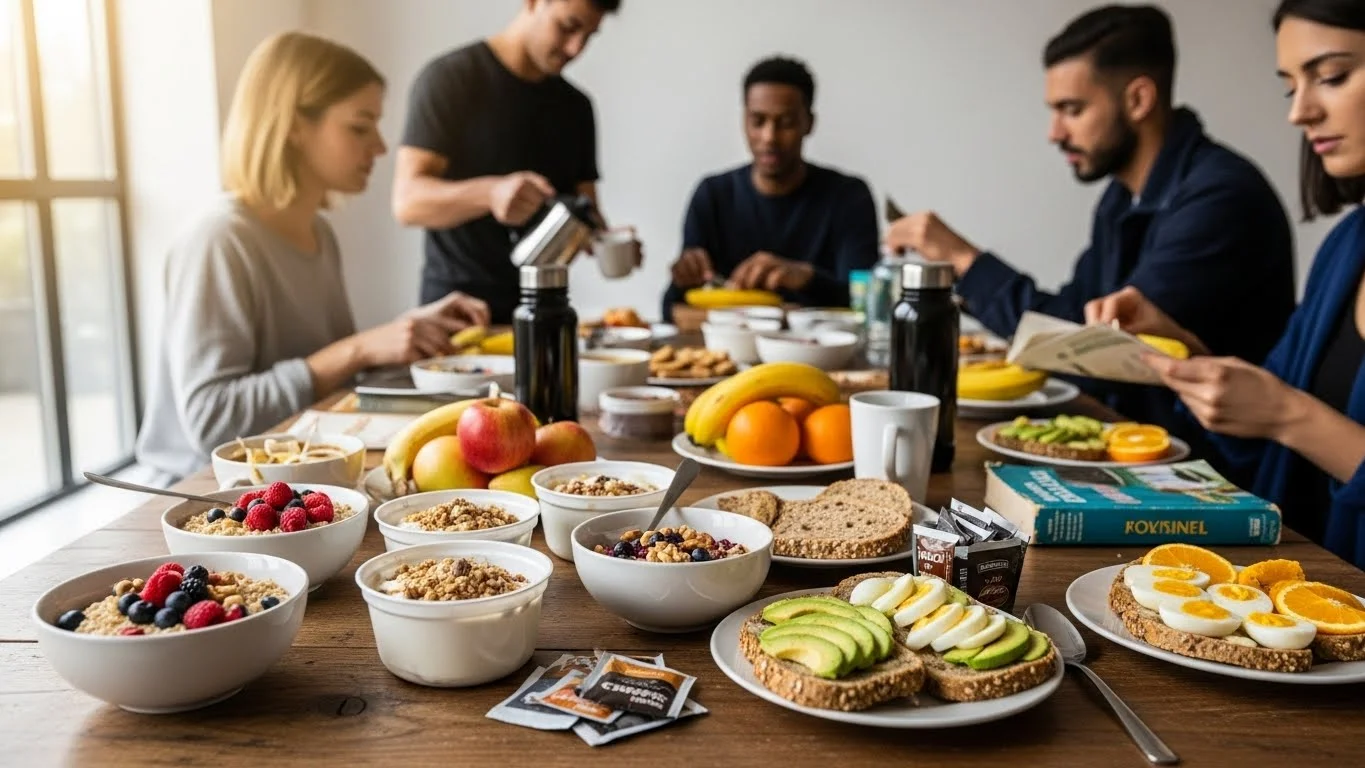
Understanding Healthy Breakfast Options
What Constitutes a Healthy Breakfast?
A healthy breakfast is one that fuels your body and sets a positive tone for the day. I believe it should include a good balance of protein, healthy fats, and carbohydrates. For me, this means incorporating foods that provide energy and keep me satisfied until lunch. Think eggs, whole grains, fruits, and yogurt. Each of these components plays a crucial role in providing essential nutrients, keeping our energy levels stable, and enhancing our mood. I remember when I first started focusing on my breakfast choices; the difference it made in my day was incredible.
The Importance of Breakfast for Travelers
As a frequent traveler, I’ve learned that breakfast is vital, especially when you’re exploring new destinations. It’s the first meal that can energize you for a day filled with sightseeing or adventures. I’ve often felt sluggish when I skipped breakfast or opted for something unhealthy. A wholesome breakfast helps me stay focused and keeps my spirits high while navigating through new experiences. It’s like giving my body the fuel it needs to fully enjoy the journey ahead.
Budget-Friendly Breakfast Ingredients
Affordable Proteins: Eggs, Yogurt, and More
When it comes to protein, eggs are my go-to. They’re not only nutritious but also incredibly versatile. I can scramble, boil, or even make an omelet with whatever veggies I have on hand. Yogurt is another fantastic option, especially if you can find it in larger containers. I usually opt for plain yogurt; I can add fruits or granola to make it more exciting. These proteins are not only filling but also budget-friendly, which is a big win for travelers like us!
Fruits and Vegetables on a Budget
Fruits and vegetables can often be a bit pricey, depending on where you are. However, I’ve found that buying seasonal produce can save you a lot of money. Bananas, apples, and oranges are typically affordable and easy to transport. For veggies, I love snacking on carrots or cucumbers, which can be eaten raw and are refreshing as well. I also look out for local markets while traveling; sometimes you can find great deals on fresh produce that can make your breakfast colorful and nutritious.
Whole Grains: Oats, Bread, and Rice
Whole grains are essential for a healthy breakfast, providing much-needed fiber for digestion. Oats are one of my favorites because they’re inexpensive, filling, and can be prepared in various ways. I often make overnight oats in a jar—super convenient for busy mornings. Whole-grain bread is another staple I can’t live without, especially for toast topped with avocado or eggs. And if I’m feeling adventurous, I might even use leftover rice from dinner to make a savory breakfast bowl. There are so many options!
Nut Butters and Seeds: Cost-Effective Superfoods
Nut butters, like almond or peanut butter, add a dose of healthy fats and protein to my breakfast. I love spreading them on whole-grain toast or mixing them into my smoothies. They’re usually available in small, travel-friendly packets, making them ideal for on-the-go eating. Seeds like chia and flax are also budget-friendly and can boost the nutritional profile of any meal. I often sprinkle them on my oats or yogurt. They might seem small, but their impact on our health is significant!
Quick and Healthy Breakfast Ideas for Travelers
Overnight Oats: Perfect for On-the-Go
Overnight oats have become one of my favorite breakfast solutions while traveling. I simply combine rolled oats with yogurt or milk and add whatever toppings I have—fruits, nuts, or honey. Then I leave it in the fridge overnight and grab it in the morning. It’s filling, delicious, and I can customize it based on what I have available.
Breakfast Wraps: Easy to Prepare and Pack
Breakfast wraps are another fantastic option that I often rely on. It’s as simple as taking a whole-grain tortilla and filling it with scrambled eggs, veggies, and a bit of cheese. I can make them in advance, wrap them up, and take them along. They’re easy to eat on the go and can be varied based on local ingredients. I’ve enjoyed some delicious combinations while traveling!
Fruit and Yogurt Parfaits: A Layered Delight
Fruit and yogurt parfaits are not only visually appealing but also super easy to prepare. I usually layer yogurt with fruits and granola in a portable container. It makes for a refreshing breakfast, and the combination of textures is delightful. Plus, it’s a great way to use up any leftover fruits I have from the market.
Homemade Smoothies: Blend and Go
When I have access to a blender, smoothies become my best friend. I throw in whatever fruits I find, a handful of spinach, some yogurt or milk, and maybe a spoonful of nut butter. It’s a quick and nutritious breakfast that I can drink while heading out to explore. I love how adaptable smoothies are; I can change the ingredients based on what I have on hand.
Hard-Boiled Eggs: A Protein Punch
Hard-boiled eggs are a travel staple for me. I make a bunch at the beginning of my trip and keep them in the fridge. They’re a fantastic source of protein and can be eaten alone or added to salads or wraps. Plus, they’re portable, so I can take them with me for a quick snack during the day.
Where to Find Budget Ingredients While Traveling
Local Markets and Grocery Stores
I’ve always found that local markets and grocery stores are treasure troves for budget-friendly ingredients. When I’m exploring a new city, I love to wander through these markets. They give me a chance to experience the local culture and find fresh produce at reasonable prices. I remember one trip to Barcelona where I stumbled upon a bustling market filled with vibrant fruits, fresh bread, and local cheeses. Not only did I save money, but I also got to taste some unique local flavors. I recommend checking out the neighborhoods where locals shop; you might find some hidden gems that are both affordable and delicious. Read Interesting article: Top 10 Budget-Friendly Meal Ideas for Families with Kids
Convenience Stores: Surprisingly Good Options
It might sound a bit surprising, but I’ve found that convenience stores can also hold some great options for quick and healthy breakfast ingredients. When I was in Japan, I discovered a range of onigiri (rice balls) and yogurt cups that made for a great breakfast on the go. Many convenience stores offer fresh fruits, nut bars, and even salads. I usually take a few minutes to explore the aisles when I stop at a convenience store because you never know what nutritious snacks you might find that won’t break the bank!
Farmers’ Markets: Fresh and Affordable
If you have the chance, visiting farmers’ markets is one of the best ways to find fresh and affordable ingredients while traveling. I love supporting local farmers and artisans, and I’ve often found that their prices are reasonable compared to typical grocery stores. Plus, the quality of the produce is often outstanding. I remember visiting a farmers’ market in California where the strawberries were so sweet and juicy—they were a highlight of my trip! I recommend checking the market schedules online or asking locals where to find them. It’s a fantastic way to gather fresh ingredients for your breakfast while experiencing the local community.
Tips for Meal Prep While Traveling
Investing in Portable Kitchen Tools
Over the years, I’ve learned that having a few portable kitchen tools can make meal prep much easier while traveling. A good-quality travel knife, a cutting board, and a portable blender can turn any kitchen into a meal prep haven. I always carry a reusable container for leftovers and a small cooler bag to keep my ingredients fresh. When I was in Thailand, I used a blender to whip up smoothies with fresh fruits I bought at the market, which made breakfast both quick and nutritious. Investing in these tools is worth it for anyone who wants to maintain healthy habits on the road!
Batch Cooking for Convenience
Batch cooking is a game-changer for me when I travel. On days when I have a bit more time, I like to prepare larger quantities of meals that I can easily portion out for breakfast over the next few days. For instance, I often make a big batch of overnight oats or a vegetable frittata that can last for several mornings. This not only saves me time but also ensures I have healthy options ready when I’m short on time. I learned this trick during a week-long trip where my breakfast was stress-free, and I had more time to enjoy my mornings. Read Interesting article: Budget-Friendly Toddler Meal Planning for Traveling Families
Storing and Preserving Ingredients Safely
Knowing how to store and preserve ingredients safely is vital when you’re on the go. I always keep an eye on expiration dates, especially for dairy products and fresh produce. If I buy something perishable, I make sure to use it within a few days. I also learned the importance of proper storage methods; for instance, keeping fruits like bananas out of the fridge helps them stay fresh longer, while berries can be stored in the fridge to extend their shelf life. I’ve had my fair share of food waste while traveling, but being mindful of storage has significantly cut down on that.
Healthy Breakfasts Around the World
Popular Breakfasts in Different Cultures
One of my favorite aspects of traveling is discovering how different cultures approach breakfast. For instance, when I visited Mexico, I was introduced to chilaquiles—a delicious dish made with tortilla chips, salsa, and topped with eggs. In Italy, a simple breakfast of espresso and a cornetto (Italian croissant) was a delightful way to start the day. I love trying local breakfasts because they often inspire new ideas for my own meals. It’s amazing how much a culture’s breakfast can reflect its lifestyle and values!
How to Adapt Local Foods to Be Healthy and Budget-Friendly
Adapting local foods to fit a healthy and budget-friendly breakfast is something I’ve gotten better at over time. For example, in France, I learned to enjoy a simple omelet filled with fresh herbs and vegetables instead of more indulgent pastries. When I was in Vietnam, I swapped out the traditional banh mi for a whole-grain version, adding plenty of fresh veggies and a protein source. I believe that with a little creativity, you can enjoy the flavors of local cuisine while still sticking to healthy eating habits. Plus, it’s a fun challenge to experiment with local ingredients!
Managing Dietary Restrictions on a Budget
Gluten-Free Options without Breaking the Bank
Dealing with dietary restrictions can feel daunting, especially while traveling. I’ve had friends who are gluten-free, and I’ve watched them navigate different cuisines and locations. One thing I’ve learned is that gluten-free doesn’t have to mean expensive. For breakfast, I always recommend sticking to whole foods. Eggs are naturally gluten-free, and I’ve often made breakfast bowls loaded with veggies and topped with avocado. Quinoa is another great option; not only is it gluten-free, but it’s also packed with protein. I remember finding a local market that sold quinoa and fresh produce for a great price, allowing my friend to whip up delicious, budget-friendly meals. Additionally, many places offer gluten-free oats, which can be turned into oatmeal with fruits or nuts. It’s all about finding those simple ingredients that keep costs low while still being safe for your dietary needs.
Vegetarian and Vegan Breakfast Ideas
As someone who occasionally dabbles in vegetarian and vegan meals, I’ve discovered that there are endless possibilities for plant-based breakfasts that won’t put a dent in your wallet. Smoothies are my go-to, as I can toss in frozen fruits, leafy greens, and a plant-based milk. Plus, it’s a great way to use up leftover produce! I often make peanut butter banana toast on whole-grain bread, which is both filling and nutritious. Another favorite is chia pudding—just mix chia seeds with almond milk and let it sit overnight. By the morning, it’s a delightful, pudding-like texture. I remember trying this in a little café in Bali, where they topped it with fresh mango and coconut. It was a simple yet satisfying breakfast that inspired me to recreate it while traveling. When you’re focusing on vegetarian or vegan options, just remember to load up on veggies and fruits, which are often cheaper at local markets.
Low-Sugar and Low-Carb Breakfasts
Managing sugar intake can be tricky, especially with all the tempting pastries I see while traveling. I’ve learned to look for low-sugar options that still satisfy. Overnight chia seed pudding is a favorite of mine. It’s naturally low in sugar and gives a nice dose of fiber. Oatmeal can also be made low-sugar by opting for whole oats and sweetening it naturally with fruits like berries or slices of banana instead of sugar. I’ve also enjoyed egg muffins, which I batch cook using eggs, veggies, and cheese. They’re low-carb and super convenient to grab on busy mornings. I once made a big batch before a trip, and they saved me from reaching for unhealthy snacks during the day. The key is to focus on whole, unprocessed foods, which can usually be found at reasonable prices while traveling.
Common Mistakes to Avoid
Underestimating Meal Prep Time
When I first started meal prepping while traveling, I thought I could whip up breakfast in no time. I quickly learned that underestimating meal prep time can lead to rushed mornings and unhealthy choices. I now give myself a good amount of time to plan my breakfasts for the week. For instance, I try to set aside an hour or so on my first day in a new location to prepare some meals. Whether it’s chopping veggies for egg muffins or mixing up overnight oats, taking the time upfront saves me from stress later in the week. One time, I forgot to allocate enough time and ended up grabbing a sugary pastry instead of the healthy breakfast I had planned. That was a lesson learned! Now, I make it a priority to factor in meal prep time into my travel schedule.
Ignoring Local Ingredient Availability
Another mistake I’ve made is not considering the availability of local ingredients. When traveling, I get excited about trying new recipes but sometimes forget that I might not find all the ingredients I usually use at home. I remember a trip to Italy where I wanted to make a breakfast burrito, but I couldn’t find certain spices and wraps. Instead, I learned to embrace local flavors and adapt my meals. I ended up making a delicious frittata with local cheeses and fresh herbs instead, and it became one of my favorite breakfasts of the trip! So, I recommend always checking out local markets and asking locals about staple ingredients that can fit into your healthy breakfast plans.
Overlooking Nutritional Balance
It’s easy to focus on just one aspect of nutrition and overlook balance when planning breakfasts. I’ve done this myself, getting too caught up in avoiding carbs or focusing solely on protein. What I learned is that a balanced breakfast includes a mix of protein, healthy fats, and carbohydrates. For instance, when I make my overnight oats, I try to include yogurt (for protein), nuts (for healthy fats), and oats (for carbs). This balance keeps me satisfied longer and helps maintain my energy throughout the day. I once made the mistake of having only fruit for breakfast, and I found myself hungry an hour later! Now, I make it a point to think about balance and variety in my meals, which has greatly improved my travel experience.
Frequently Asked Questions
What constitutes a healthy breakfast?
A healthy breakfast includes a good balance of protein, healthy fats, and carbohydrates, such as eggs, whole grains, fruits, and yogurt. These components provide essential nutrients and help maintain energy levels throughout the day.
Why is breakfast important for travelers?
Breakfast is vital for travelers as it energizes them for a day of exploring. Skipping breakfast or choosing unhealthy options can lead to sluggishness, while a wholesome breakfast helps maintain focus and boosts spirits during adventures.
What are some budget-friendly protein options for breakfast?
Budget-friendly protein options include eggs and yogurt. Eggs are versatile and can be prepared in various ways, while plain yogurt can be enhanced with fruits or granola for added flavor and nutrition.
How can travelers find affordable fruits and vegetables?
Travelers can find affordable fruits and vegetables by buying seasonal produce and visiting local markets. Fruits like bananas, apples, and oranges are usually budget-friendly, and local markets often offer fresh produce at reasonable prices.
What are some quick and healthy breakfast ideas for travelers?
Quick and healthy breakfast ideas include overnight oats, breakfast wraps made with whole-grain tortillas, fruit and yogurt parfaits, homemade smoothies, and hard-boiled eggs. These options are filling and can be prepared in advance or on the go.
Where can travelers find budget ingredients while on the road?
Travelers can find budget ingredients at local markets, grocery stores, convenience stores, and farmers’ markets. These places often offer fresh, affordable options and allow travelers to experience local culture.
What are some tips for meal prep while traveling?
Tips for meal prep while traveling include investing in portable kitchen tools, batch cooking meals for convenience, and knowing how to store and preserve ingredients safely to minimize food waste.
How can travelers adapt local foods to be healthy and budget-friendly?
Travelers can adapt local foods by focusing on whole foods and making healthier versions of traditional dishes. For example, swapping out indulgent pastries for omelets or using whole grains in local recipes can create nutritious meals.
What are some low-sugar and low-carb breakfast options?
Low-sugar and low-carb breakfast options include overnight chia seed pudding, oatmeal sweetened with fruits, and egg muffins made with veggies and cheese. These meals are nutritious and help manage sugar intake while traveling.
What common mistakes should travelers avoid when planning breakfasts?
Common mistakes to avoid include underestimating meal prep time, ignoring local ingredient availability, and overlooking nutritional balance. It’s important to plan ahead, adapt to local offerings, and ensure meals are well-rounded for optimal energy and satisfaction.
Traveling with picky eaters can be a challenge, but it doesn’t have to be a nightmare. With the right tips and strategies, you can make mealtime enjoyable for everyone on your trip! Read Interesting article: Traveling with Toddlers: Inspiring Creative Play on a Budget
Understanding Picky Eating: What Parents Need to Know
Picky eating is a common phase many children go through, and as parents, it often feels like we’re navigating a minefield when it comes to food. I remember the days of wrestling with my kids over what to put on their plates. It can be stressful, especially when traveling, but understanding the roots of picky eating helps us tackle it head-on.

Common Reasons for Picky Eating
There are several reasons why kids can be picky eaters. One of the most common is a sensitivity to certain textures or flavors. I learned this the hard way when my son flat-out refused to try anything mushy, making mealtime a constant battle. Many children also prefer familiar foods, which can create anxiety when they encounter new dishes, especially in foreign places.
Another factor is developmental. Kids are naturally curious, and as they grow, their tastes evolve. I found that my daughter, who was once a fan of macaroni and cheese, suddenly decided she was too grown up for it. This transition is entirely normal, but it can leave parents feeling bewildered. It’s also worth noting that sometimes, picky eating can be a reflection of a child’s desire for control. They may feel empowered when they can say ‘no’ to food choices.
Identifying Your Child’s Food Preferences
Understanding your child’s food preferences can feel like a scavenger hunt. I recommend keeping a food diary to track what they enjoy and what they dislike. By noting their reactions to different foods, I discovered that my children were open to trying variations of dishes they already liked. For instance, if they loved plain pasta, I introduced them to pasta with butter and cheese first, before moving on to sauces.
Another helpful tip is to involve your kids in meal planning. When I let my children pick a few meals for our trip, they were more excited to eat. This involvement not only made them feel included but also helped me understand their preferences better. It’s a win-win situation!
The Psychological Impact of Picky Eating on Travel
Traveling can be a thrilling adventure, but when you have picky eaters in tow, it can also be stressful. I’ve found that picky eating can lead to anxiety for both parents and kids. I remember our family vacation to Italy when I worried about what my kids would eat. Would they survive on pizza alone? Or would they starve in a country known for its pasta and seafood?
It’s essential to keep in mind that being a picky eater can be more than just food preferences. It can affect a child’s social interactions and experiences when dining out. I observed that when my kids were comfortable with the food options, they were more willing to engage with the dining experience, which ultimately led to more enjoyable family meals. After all, food is often a big part of cultural experiences when we travel.
To ease the pressure, I’ve learned to approach meals with a sense of humor and openness. I remind myself that it’s okay if my child doesn’t want to try something new; I can always fall back on familiar choices. Embracing this mindset made our travels much more relaxed and enjoyable.
As parents, our goal is to create positive experiences around food, especially while traveling. Understanding the roots of picky eating equips us to navigate mealtimes better, ensuring that we not only fill our kids’ bellies but also create lasting memories. In the next section, we’ll dive into how to plan your trip with your picky eaters in mind, making it easier to cater to their needs while exploring new places.
Planning Your Trip: Preparing for Picky Eaters
When I started planning trips with my picky eaters, I quickly realized that a little preparation could make all the difference. It’s not just about the destination; it’s about making sure our meals are enjoyable and stress-free. Here are some strategies I found helpful when preparing for travel with picky eaters.
Choosing Family-Friendly Destinations
Choosing a destination that caters to families can significantly ease the food-related stress of traveling. I remember our trip to a beach town where kid-friendly restaurants were abundant. From fun-themed diners to pizza places, my kids felt right at home. I think it’s essential to pick a location that offers a variety of dining options. Places with a reputation for welcoming families often have menus tailored to younger tastes, like burgers, chicken tenders, and, of course, pizza.
Additionally, I like to explore destinations known for their diverse food landscape. This way, if my kids aren’t thrilled about one meal, there are plenty of alternatives nearby. I also found that some areas have local festivals or markets, which can be a fun way to explore food without the pressure of a sit-down meal. It also gives kids the chance to see food being made, which sometimes piques their interest.
Researching Local Cuisine Options
Before heading out, I always do a bit of research on local cuisine options. I’ve found that knowing what to expect can ease anxiety for both me and my kids. For instance, I remember looking up a city’s most popular dishes before our trip to Thailand. I learned that many dishes could be customized. This information empowered me to assure my kids that they could avoid anything they didn’t want. Knowing about local dishes also allowed me to peek at local restaurants’ menus online, which helped me prepare my kids for what they might find.
Moreover, discussing the food culture in a fun way helped get my kids excited. I’d show them pictures of the foods we might encounter, and together, we’d talk about what might be fun to try. This not only creates anticipation but also gives them a sense of control over their choices.
Finding Kid-Friendly Restaurants
Once we arrive at our destination, I make it a priority to find kid-friendly restaurants. I often rely on apps or websites that specialize in family-friendly dining. I’ve discovered gems that offer not only a welcoming atmosphere but also menus that cater to picky eaters. For me, a restaurant with options like simple pasta dishes, grilled cheese, or even breakfast served all day is a safe bet.
I also appreciate restaurants that allow for customization. I remember finding a burger joint where kids could build their own burgers. My son loved being able to choose his toppings, and I think it made him more willing to try something new. Involving my kids in the decision-making process has been a game changer. It gives them a sense of ownership over their meals and helps reduce anxiety about unfamiliar foods. Read Interesting article: Feeding on the Road: Introducing Solids for Traveling Families
Creating a Flexible Itinerary
Flexibility is key when it comes to traveling with picky eaters. I’ve learned that it’s best not to over-schedule our days. Instead, I create a loose itinerary that allows for spontaneous food adventures. For example, if we find a local bakery while strolling through a neighborhood, we can pop in for a quick snack instead of sticking rigidly to a meal plan.
During our last trip, we had a day planned to visit several museums, but my kids were getting hungry and cranky. It occurred to me that we could take a detour to a well-reviewed café I had found online. We ended up having the best sandwiches and pastries, and I noticed how much happier my kids were afterward. They were more engaged and excited to continue our exploration. This experience taught me that sometimes the best moments come from being open to change.
Another aspect of flexibility is budgeting for meals. I usually allocate a bit more for dining than I think we’ll need. This way, if we stumble upon an exciting restaurant that’s a bit pricier, we can indulge without guilt. Keeping meal times flexible and light-hearted has contributed to making our family trips enjoyable.
Planning for picky eaters involves a balance between preparation and spontaneity. By choosing the right destinations, researching local foods, finding family-friendly restaurants, and allowing for a flexible schedule, we can create memorable experiences that satisfy all our appetites. In the next section, we’ll cover the essentials to pack for picky eaters so we can ensure our travels are smooth and enjoyable. Read Interesting article: Traveling on a Budget: Emotional Skills for Toddlers
Before You Go: Packing Essentials for Picky Eaters
As I prepare for our family trips, I’ve learned that packing smart can make a huge difference, especially when it comes to feeding my picky eaters. It’s all about finding that balance between familiar comforts and the excitement of exploring new cuisines. Here are some essentials I always make sure to include in our travel bags.
Snacks and Familiar Foods to Bring
One of my top tips is to pack a variety of snacks that my kids already love. I usually include items like granola bars, fruit snacks, and their favorite crackers. I remember one trip when I didn’t pack enough snacks, and it turned into a mini-crisis at the airport. My kids were getting hungry and cranky, and it took forever to find something they would eat. Now, I make it a point to fill our snack bag with plenty of familiar foods to keep the peace.
Additionally, I sometimes bring along small containers of their favorite cereals or even some pre-portioned snacks. Having these on hand not only helps to stave off hunger but also gives my kids a sense of security. They know they can have something they like, even if the local food options are a bit daunting. I also find that packing a few treats can be a great way to reward them for trying new things during meals.
Portable Dining Gear
Another essential I’ve come to appreciate is portable dining gear. I always pack reusable utensils, plates, and cups that are lightweight and easy to carry. There have been times when we’ve found ourselves in a situation without kid-friendly dining options, and having our own gear made it possible for us to eat wherever we were. I remember a picnic in a park where we pulled out our gear, and my kids had a blast eating their sandwiches on a blanket, feeling like we were having a mini adventure.
These items not only make it easier to enjoy meals on the go but also encourage my kids to feel more comfortable and in control. Plus, using their own plates and utensils often makes them more open to trying new foods, since they feel like they’re part of the process.
Travel-Friendly Cooking Tools
If our trip involves staying somewhere with a kitchen, I always make sure to bring a few travel-friendly cooking tools. A small, compact cutting board and a versatile knife can be a lifesaver when preparing quick meals. I also pack a portable blender for making smoothies or purees, which has been a hit with my kids. During one of our trips, I blended some fruits and yogurt together for a quick breakfast, and my kids loved it!
Additionally, I often bring a few basic spices and seasonings in small containers. Having these on hand allows me to customize meals to suit my kids’ tastes, making even the simplest ingredients more appealing. I’ve found that a sprinkle of cinnamon on oatmeal or a dash of garlic powder on roasted veggies can work wonders.
Lastly, I make sure to have some food storage bags or containers with me. They’re perfect for leftovers or for packing snacks for day trips. When we’re out exploring, it’s nice to have something to store any uneaten food for later, preventing waste and ensuring my kids always have something to munch on.
Overall, packing the right essentials can significantly reduce stress and enhance our travel experiences. By bringing familiar snacks, portable dining gear, and simple cooking tools, I feel more prepared to face our mealtime challenges, allowing us to focus on enjoying our adventures together. Next, we’ll dive into how to navigate food choices during our trip, ensuring that everyone can find something they love, even while exploring new places.
During Your Trip: Navigating Food Choices
How to Communicate Dietary Preferences
Once we’re on our trip, I’ve learned the importance of clearly communicating my kids’ dietary preferences. Whether it’s to a waiter at a restaurant or a vendor at a market, being straightforward about what my kids like and dislike makes a big difference. I usually start by gently explaining that my children can be picky eaters and that they prefer certain dishes. This way, the staff is often more understanding and willing to help. I remember a time when we were in a bustling market in Barcelona. I told the vendor about my son’s aversion to spicy food, and they recommended a milder dish that my son ended up loving. That experience showed me how effective clear communication can be.
Another strategy I use is to translate or write down a few key phrases in the local language. Simple phrases like “No spicy” or “Without sauce” can be incredibly helpful. I often use apps or printouts to have on hand, which not only helps my kids feel more comfortable but also reassures them that we’re being proactive about their food choices.
Encouraging Trying New Foods in a Fun Way
Encouraging my kids to try new foods can be a delicate balance. I’ve found that presenting new dishes in a fun, engaging manner often helps lower their defenses. For instance, I like to turn trying something new into a game. During our family trip to Japan, I created a little challenge: we each picked a dish we’d never had before and shared it with the group. It was amazing to watch my son, who is usually hesitant, try sushi for the first time just because it was part of a fun family activity. I think involving them in the process helps them feel more in control, which makes them more willing to step out of their comfort zones.
Another tactic that worked well for us is to take a “taste test” approach. When we visit a new restaurant, I order a few dishes to share at the table. This way, my kids can take small bites of various options without feeling pressured to finish a whole plate. Sometimes, they surprise me by enjoying something they initially turned their noses up at, simply because they were curious enough to try a bite. Plus, this method allows us to bond and discuss what we like or dislike about each dish, making mealtime a fun family experience instead of a chore.
Managing Meals on the Go: Quick and Easy Options
Traveling often means we’re on the go, and I’ve learned to plan for quick and easy meal options that cater to my picky eaters. When my kids were younger, I found that it’s crucial to have portable meals ready to grab when we’re out sightseeing. I often pack sandwiches, wraps, or even quesadillas that they can eat while walking. Having something familiar and easy to consume helps keep their energy up without the fuss.
We also discovered that having a stash of easy-to-eat fruits like apples, bananas, or even cut-up veggies in our bag can be a lifesaver. These snacks are not only healthy but also simple to munch on while we’re exploring. During one of our trips, we had a spontaneous hiking adventure, and my kids were thrilled to have apple slices to fuel them along the way. It eased any potential hunger meltdowns, which I’ve learned can happen at the worst moments!
Additionally, I’ve found that local grocery stores can be a treasure trove of quick meal options. Visiting a local market not only gives us a glimpse into the culture but also allows us to pick up items that appeal to my kids. Whether it’s yogurt, cheese, or even ready-made sandwiches, these can be great alternatives to sit-down meals, especially when we’re pressed for time.
Dealing with Unexpected Situations
Handling Food Allergies and Intolerances
Traveling with children who have food allergies or intolerances requires extra caution. I remember the first time we faced this challenge during a trip to Mexico. My daughter has a dairy intolerance, and I quickly learned that communication is key. It’s vital to research local dishes and ingredients that might not be obvious. I always carry allergy cards that describe her intolerance in the local language to ensure that restaurant staff can help us navigate the menu safely. This proactive approach has saved us from potential mishaps and has made dining out much less stressful.
What to Do When Food Options Are Limited
Sometimes, we find ourselves in situations where food options are limited, and that’s when I remind myself to be adaptable. I’ve learned that it’s okay to adjust our plans. If a restaurant doesn’t have anything my kids will eat, I don’t hesitate to pivot and look for alternatives. I recall a day in a remote town when we couldn’t find anything on the menu that appealed to my kids. We ended up at a small grocery store and assembled a picnic lunch from the items we found. It turned out to be one of the most memorable meals we had, complete with laughter and sharing stories. This experience taught me that flexibility can lead to delightful surprises.
Keeping Calm During Mealtime Meltdowns
Despite all the planning, there will be times when mealtime meltdowns happen. I’ve had my fair share of moments when my kids just didn’t want to eat or try what was served. I’ve learned that staying calm and patient is crucial. Instead of escalating the situation, I try to keep the atmosphere light. Sometimes, I’ll suggest a silly game or make jokes to ease the tension. I’ve found that my kids respond better when they don’t feel pressured. And if all else fails, I remind myself that it’s okay for them to skip a meal here and there if they’re truly not interested. After all, traveling is about the experience, not just the food.
Post-Trip: Reflecting on the Experience
Discussing What Worked and What Didn’t
Once we return home from our travels, I like to have a family discussion about what worked and what didn’t regarding food choices. I think it’s important to reflect on our experiences together. We often sit down with a cozy meal and share our favorite moments. I encourage my kids to express what they enjoyed and what they might want to try differently next time. This open dialogue helps reinforce their confidence in trying new foods and prepares us better for future trips.
Encouraging Open-Mindedness About Food After Travel
After our adventures, I also make it a point to encourage my kids to keep an open mind about food. We often revisit dishes we encountered on our trip and recreate them at home. This process not only brings back fond memories but also gives them a chance to experiment in the kitchen. I’ve seen how excited they become when they realize they can help make a dish they once hesitated to try. This has been a fantastic way to foster their culinary curiosity and helps them develop a more adventurous palate!
Final Thoughts
Traveling with picky eaters definitely comes with its challenges, but it’s also an opportunity for growth, both for them and for us as parents. By understanding their preferences, preparing thoughtfully, and maintaining flexibility, we can create memorable experiences that extend beyond just food. I believe that travel has the power to broaden our horizons, and even picky eaters can find joy in discovery. Remember to embrace the journey, laugh through the challenges, and celebrate the small victories along the way. Each trip becomes a unique adventure, and I wouldn’t trade those moments for anything.
Frequently Asked Questions
What are some common reasons for picky eating in children?
Common reasons for picky eating include sensitivity to certain textures or flavors, preference for familiar foods, developmental changes in taste, and a desire for control over food choices.
How can parents identify their child’s food preferences?
Parents can identify their child’s food preferences by keeping a food diary to track what their child enjoys and dislikes, and by involving their kids in meal planning to better understand their tastes.
What strategies can help ease the stress of traveling with picky eaters?
Strategies include choosing family-friendly destinations, researching local cuisine options, finding kid-friendly restaurants, and creating a flexible itinerary that allows for spontaneous food adventures.
What should parents pack for picky eaters when traveling?
Parents should pack familiar snacks, portable dining gear, and travel-friendly cooking tools to ensure their picky eaters have comforting and convenient food options available during the trip.
How can parents communicate dietary preferences while traveling?
Parents can communicate dietary preferences by clearly explaining their children’s likes and dislikes to restaurant staff and using translated phrases in the local language to ensure understanding.
What are some fun ways to encourage kids to try new foods?
Encouraging kids to try new foods can be done through games, such as creating challenges to try new dishes, or using a taste test approach where kids can sample small bites of various options without pressure.
How can parents manage meals on the go for picky eaters?
Parents can manage meals on the go by preparing portable meals like sandwiches or wraps, carrying easy-to-eat fruits and snacks, and visiting local grocery stores for quick meal options.
What should parents do if food options are limited during their trip?
If food options are limited, parents should remain adaptable, consider adjusting plans, and look for alternatives, such as assembling a picnic from grocery store items.
How can parents handle mealtime meltdowns with picky eaters?
To handle mealtime meltdowns, parents should stay calm and patient, keep the atmosphere light, and remind themselves that it’s okay if kids skip a meal if they’re not interested.
What should parents reflect on after a trip with picky eaters?
After a trip, parents should discuss what worked and what didn’t regarding food choices, encourage open-mindedness about food, and recreate dishes from their travels to foster culinary curiosity.
Traveling with kids can be a whirlwind of excitement and adventure, but it can also pose challenges when it comes to keeping their diets balanced. I’ve found that ensuring my kids eat healthy while on the go makes a world of difference in their energy levels and mood.
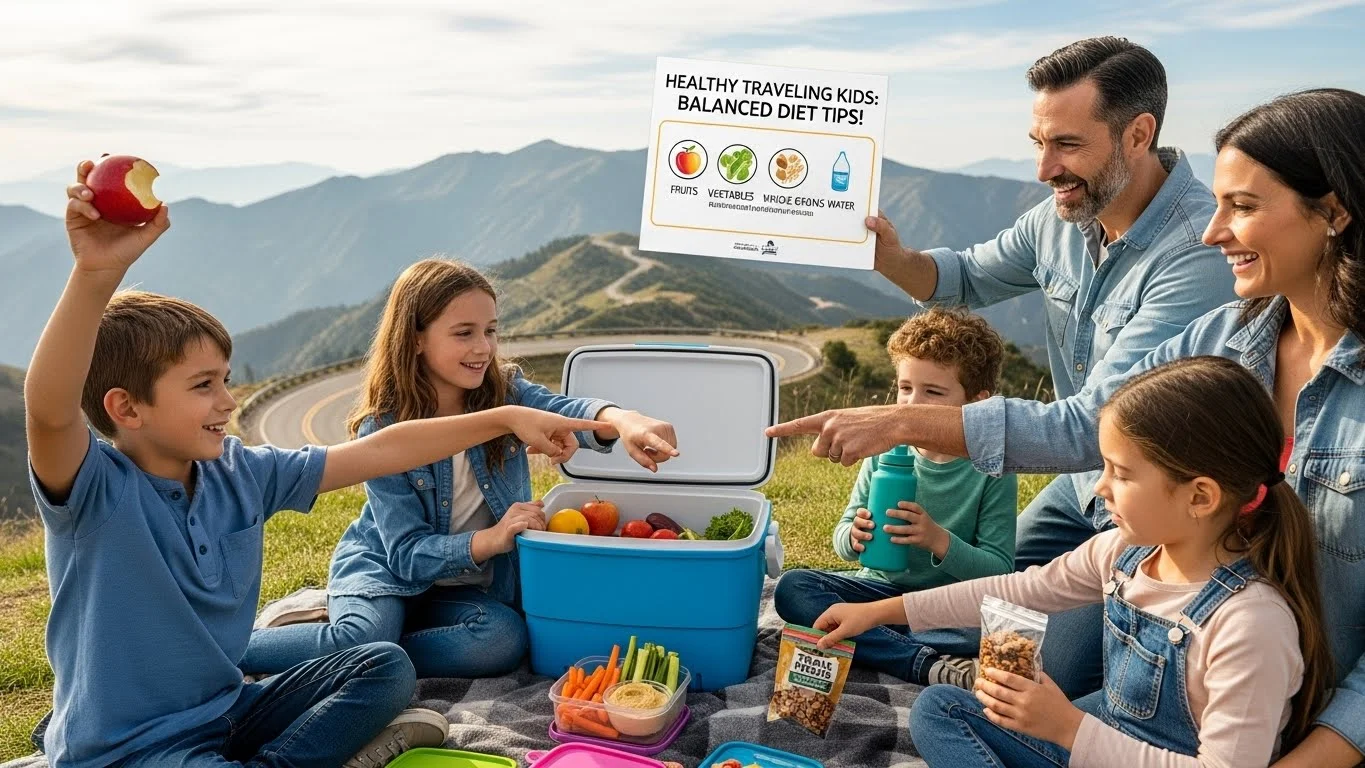
Understanding the Importance of a Balanced Diet for Kids
When I think about a balanced diet for kids, I remember all those times I packed lunches for school or planned meals for family trips. A balanced diet isn’t just about eating fruits and veggies; it’s about ensuring that kids get the right mix of nutrients their growing bodies need. This includes proteins, carbohydrates, fats, vitamins, and minerals. Each of these components plays a crucial role in their overall health and development. Essential Nutrients: Balanced Diet Tips for Kids can provide further insights into this topic.
What Constitutes a Balanced Diet?
A balanced diet generally includes a variety of foods from different food groups. I always aim to incorporate:
- Fruits and Vegetables: These are packed with vitamins, minerals, and fiber. They help support immune function and digestion.
- Proteins: Sources like lean meats, dairy, legumes, and nuts are essential for growth and development.
- Whole Grains: Foods such as brown rice, whole grain bread, and oats provide energy and keep kids feeling full longer.
- Healthy Fats: Avocados, nuts, and olive oil are great for brain health and energy.
Balancing these components makes every meal nutritious and satisfying. I remember creating colorful plates for my kids, which not only looked appealing but also made them more eager to eat. It’s all about setting a good foundation for their health.
Why Nutrition Matters for Traveling Children
When we travel, I notice my kids can become more susceptible to fatigue and mood swings. I realized that maintaining a balanced diet is even more crucial during these times. Nutrition plays a significant role in keeping their energy levels up, especially when we’re exploring new places. I’ve seen firsthand how a day full of travel can drain their energy if they haven’t eaten well. A nutritious meal can help them stay active and engaged instead of cranky and tired.
Additionally, traveling can expose kids to new foods and eating habits. While it’s exciting, it can also mean they might not get the nutrients they need if they indulge too much in junk food or sugary snacks. I’ve found that sticking to a balanced diet while on the go helps avoid those inevitable meltdowns and keeps our adventures enjoyable. For more tips on feeding your toddler on a budget, check out Top Tips for Balanced Diets: Feeding Your Toddler on a Budget.
Essential Nutrients for Growing Kids
Proteins: Building Blocks of Growth
Proteins are essential for growth, and I always try to include a source of protein in every meal for my kids. Whether it’s grilled chicken, fish, beans, or yogurt, protein helps repair tissues and build muscles. During our last family trip, I made sure to pack some protein-rich snacks like hard-boiled eggs and nut butter packets. They were perfect for keeping energy levels high during our long hikes.
Carbohydrates: Energy for Active Adventures
Carbohydrates provide quick energy, which my kids need when we’re out exploring. I prefer whole grains, as they keep our energy levels steady. On our last trip, I packed whole-grain wraps filled with turkey and veggies. Not only were they delicious, but they also kept the kids fueled up for the day. I learned that having a good mix of carbs helps avoid the dreaded “sugar crash” that sugary snacks can cause.
Healthy Fats: Brain Development and Energy
Healthy fats are vital for brain development, especially in growing kids. I often include avocados, nuts, or seeds in our meals. When we traveled to the beach last summer, I made sure to pack a trail mix with nuts and dried fruits. It was a great snack for the kids, keeping them energized and satisfied during our beach days. I’ve noticed that when they consume healthy fats, their mood seems to improve, and they can concentrate much better on our activities.
Vitamins and Minerals: Boosting Immunity
Traveling exposes kids to new environments and germs, so it’s essential to support their immune systems. I focus on incorporating a colorful array of fruits and vegetables to ensure they get enough vitamins and minerals. For example, during our road trips, I often pack berries and baby carrots for snacks. These not only taste great but also provide necessary nutrients. I remember a time when my kids were able to fend off a cold during a trip simply because they were getting the right vitamins. Additionally, for insights into supporting your child’s cognitive development, see Essential Tips for Supporting Your Child’s Cognitive Development.
Planning Healthy Meals on the Go
Creating Balanced Meal Plans for Trips
Whenever we set out on a trip, I find that having a meal plan really helps keep our eating habits on track. I like to sit down a few days before our departure and brainstorm what meals will work best during our travels. I try to consider where we’ll be going and what kinds of foods will be available. For instance, if we’re heading to the beach, I’ll plan for light, refreshing meals that won’t weigh us down in the heat.
One strategy that’s worked well for me is to prepare a mix of homemade meals and snacks that I can easily pack. I often make things like quinoa salad with veggies and chickpeas or wraps with lean protein and lots of colorful veggies. I also make sure to include some portable options like snack-sized containers of yogurt or hard-boiled eggs. This way, we have nutritious meals ready to go, and I don’t have to rely solely on whatever we can find on the road.
Another tip is to involve the kids in this planning process. I’ve noticed that when they help choose meals, they’re often more excited to eat healthy options. We discuss different recipes and let them pick their favorites, which not only empowers them but also makes them more likely to try new foods.
Snacks that Pack Nutritional Punch
Snacks are crucial for keeping our energy levels up while traveling, especially for my kids. I’ve learned the hard way that a day of sightseeing can quickly turn into a disaster if I don’t have healthy snacks on hand. I love preparing a variety of snacks that are not only nutritious but also fun to eat. Some of my go-to options include:
- Homemade Trail Mix: I mix nuts, seeds, dried fruits, and a bit of dark chocolate for a sweet touch. It’s perfect for giving my kids a quick energy boost without the sugar crash.
- Fruit Kabobs: I cut up different fruits and let the kids assemble their own kabobs. It’s a fun way to get them involved, and they love eating something they’ve created themselves.
- Veggie Sticks and Hummus: Carrot and cucumber sticks with a small container of hummus make for a crunchy, satisfying snack that’s packed with nutrients.
- Energy Bites: I whip up energy bites using oats, nut butter, and honey. They’re simple to make, and my kids can munch on them throughout the day.
Having these snacks readily available not only helps maintain their energy but also keeps them away from less healthy options that might be tempting when we stop at convenience stores or fast food places.
Incorporating Local Foods into Your Diet
One of the joys of traveling is experiencing local cuisines. I believe that introducing my kids to different foods can be a wonderful way to learn about cultures and traditions. However, I try to balance this with our goal of eating healthily. When we visit a new place, I make it a point to seek out local markets or restaurants that offer fresh, locally sourced meals.
For example, during our trip to Italy, we explored local farmers’ markets where we found amazing fresh fruits and vegetables. We bought some fresh mozzarella and basil, which we used to create a simple Caprese salad. The kids loved it, and it was a great way to enjoy the local flavors while keeping our meal balanced.
I also try to encourage my kids to be adventurous eaters. I remind them that trying new foods can be exciting, and I’ve noticed that they often surprise themselves with what they enjoy. We’ve tried everything from exotic fruits to local dishes in different regions, and it can be a fun experience to share together.
Healthy Eating Tips When Traveling
Making Smart Choices at Restaurants
Eating out is a big part of traveling, and I’ve learned that making smart choices at restaurants can significantly impact my kids’ nutrition. I remember our last trip when we stumbled upon a local diner. The kids were excited about the menu, which was filled with classic comfort foods. Instead of letting them order everything fried or smothered in cheese, I suggested we share a few different dishes. This way, we could enjoy a variety of flavors while keeping things balanced. I often look for places that offer healthier options, like salads or grilled items. When we order, I encourage my kids to choose a side of vegetables or a fruit cup instead of fries. I find that when they see me making thoughtful choices, they are more inclined to do the same. Plus, sharing meals can lead to fun conversations about what we like and don’t like, and it makes the whole dining experience feel more communal. One handy tip I’ve discovered is to check the restaurant’s menu online before we arrive. This helps all of us know what to expect and allows us to make decisions ahead of time. I try to highlight a few healthier options that we can choose from, so the pressure of making a quick decision while hungry doesn’t lead us down the wrong path.How to Read Nutrition Labels While Traveling
When we’re on the road, I find myself grabbing snacks from convenience stores or local markets. That’s when understanding how to read nutrition labels becomes important. I remember a time when I picked up a seemingly healthy snack bar for my kids, only to discover it was loaded with added sugars and preservatives. Since then, I’ve made it a point to teach my kids how to read labels. I focus on a few key areas: the serving size, the amount of added sugars, and the types of fats. I explain to my kids that if we see a long list of ingredients with hard-to-pronounce names, it’s usually better to put it back. Instead, I look for snacks that are high in fiber and protein while being low in sugar. When we’re at a store, we often make a game out of finding the best snack options. I’ll ask them to help me look for items that have whole grains or are minimally processed. This not only makes shopping more engaging but also teaches them valuable skills for making healthy choices in the future.Staying Hydrated: Importance of Water Intake
Staying hydrated while traveling is something I can’t emphasize enough. I’ve seen how dehydration can affect my kids’ energy levels and mood. To encourage them to drink enough water, I always carry reusable water bottles. This way, we can refill them throughout the day, whether we’re at a park or exploring a city. I’ve found that sometimes, kids aren’t always in tune with their thirst, especially when they’re busy having fun. I remind my kids to take regular water breaks, especially during hot days or after physical activities. We make it a routine to stop and drink water before we head out to our next adventure. I also like to mix things up by adding slices of fruits like lemons or berries to their water. It’s a simple trick that makes hydration feel a bit more exciting. I notice that when water has a little flavor, they’re more likely to drink it. On a few occasions, I’ve even tried coconut water or homemade fruit-infused water as a treat. It’s a fun way to keep them hydrated while providing some additional nutrients, too!Dealing with Picky Eaters While Traveling
Strategies to Encourage Healthy Eating
Traveling with picky eaters can be a challenge, and I’ve had my share of experiences with kids who aren’t always excited about trying new foods. One approach that has worked for me is to involve them in the decision-making process. I’ve found that when they feel included, they’re more willing to at least taste what’s on their plate. For instance, before a trip, I often sit down with my kids to discuss meals we might have. We look at different cuisines from the places we’ll visit, and I invite them to pick a few dishes they’d like to try. This not only helps them feel more invested but also opens up conversations about various ingredients. Another tactic I use is to create a “try-it” plate. This is where we put a small amount of new or unfamiliar foods alongside their favorites. It reduces the pressure to eat everything and makes trying something new feel less intimidating. I remember our visit to a taco stand; my kids were hesitant about trying fish tacos. So, I made a deal—if they tried a bite, they could choose a dessert afterward. They ended up loving the tacos and forgot all about the dessert!Involving Kids in Meal Choices and Preparation
I’ve discovered that involving my kids in meal preparation can significantly change their attitudes toward food. Even when we’re traveling, I try to find opportunities to let them help out in the kitchen. If we’re staying somewhere with a kitchen, I’ll ask them to assist in planning a meal or prepping ingredients. During our stay in a rental home, we decided to make homemade pizzas one night. I laid out a variety of toppings, from veggies to different cheeses. The kids loved creating their own personal pizzas, and I was amazed at how many vegetables they piled on! Cooking together not only reinforces healthy eating habits but also creates wonderful family memories. When we’re on the road, I also encourage them to help out by picking snacks or making simple sandwiches. It’s a great way to teach them about nutrition, portion sizes, and the importance of balance while eating. The more involved they are, the more likely they are to embrace healthier choices.Travel-Safe Foods: What to Pack
Non-Perishable Snacks for Road Trips
When it comes to packing snacks for our road trips, I’ve learned that having a stash of non-perishable options is key. These snacks not only keep well without refrigeration, but they’re also easy to access during long drives. I often fill my snack bag with items like whole grain crackers, nut butter packets, and popcorn. One of my favorites is packing some granola bars. I’ve found many brands that offer lower sugar options, which are great for keeping the energy levels steady without the sugar crash. Another go-to is dried fruit, like apricots or apple slices. They’re chewy and sweet, which my kids love, plus they give a nice boost of vitamins. I also like to bring along some trail mix, which I prepare in advance. Mixing nuts, seeds, and a small amount of dark chocolate makes for a delicious and satisfying snack. The kids can munch on it whenever they feel peckish, and it provides a good mix of protein and healthy fats to keep them energized.Safe Foods for Air Travel
Air travel can be a bit trickier when it comes to snacks. I remember our first family flight where I thought I could just buy snacks at the airport. What a mistake! I quickly realized that the options were limited and often unhealthy. Now, I’m much more prepared. I always pack easy-to-carry snacks like baby carrots, apple slices, and whole-grain crackers in small, resealable bags. These are not only healthy but also manageable for little hands. I also bring along cheese sticks or mini yogurt containers, as they hold up well during the flight. I’ve found that when packing snacks, it’s best to avoid anything that might make a mess or has strong odors. This means steering clear of foods like tuna salad or anything too crumbly. I also recommend packing an extra snack in your carry-on just in case there are delays or unexpected hunger pangs.Balancing Treats and Indulgences
Understanding Moderation
Traveling often means indulging in local treats, and I’ve learned that it’s all about balance. I remember a trip to a theme park where my kids were eager to try every sugary snack in sight. Instead of saying no outright, I decided to implement a rule about moderation. We’d pick one treat a day to share as a family. This approach not only allowed them to enjoy something special but also taught them about making choices. We would all decide together, which made it a fun family activity. Their excitement over a shared funnel cake or a scoop of local ice cream was so much more rewarding than if they had eaten those things every day.Making Healthier Choices During Treat Times
When we do indulge, I try to encourage healthier versions of treats. For example, if we’re at a fair, I’ll suggest the fruit stands or frozen yogurt instead of fried dough. Just because we’re traveling doesn’t mean we can’t look for healthier options. I also remind my kids that it’s okay to enjoy sweets, but they can also choose items that are less processed. I’ve found that offering them a choice between a delicious fruit smoothie or a candy bar often leads them to make a better choice. They’re more aware of the healthier alternatives, and it’s a great way to enjoy treats without going overboard.Engaging Kids in Healthy Eating Habits
Fun Ways to Explore Nutrition Together
Engaging my kids in learning about nutrition has been a joyful experience. I often turn grocery shopping into a mini-adventure, where we explore different fruits and vegetables. I’ll ask them to pick out one new item to try each week. This not only expands their palate but also sparks their curiosity about where food comes from. We’ve had fun experimenting with recipes at home, turning it into a game where they can create their own dishes. Whether it’s a smoothie challenge or a pizza-making night, involving them in the kitchen makes healthy eating exciting. They take pride in what they’ve helped prepare, and it encourages them to make healthier choices.Incorporating Physical Activity with Healthy Eating
I think one of the best ways to reinforce the importance of healthy eating is by pairing it with physical activities. During our trips, I make it a point to incorporate something active, like hiking or biking. I’ve noticed that when my kids are physically engaged, they’re more inclined to make healthier food choices. After a day of exploring, we often talk about how good it feels to be active and how nutritious meals fuel that energy. This connection helps them understand the relationship between what we eat and how we feel. I feel that it’s essential to foster a love for both good food and an active lifestyle, as it sets the stage for healthy habits in the future.Final Thoughts
From my experiences traveling with my kids, I’ve learned that maintaining a balanced diet on the go doesn’t have to be stressful. It’s all about planning, creativity, and involving the kids in the process. By focusing on nutritious options, making smart choices, and incorporating local foods, we can enjoy our journeys without sacrificing our health. I believe that fostering healthy eating habits now sets the foundation for a lifetime of wellness. Embracing the adventure of trying new foods and making mindful choices becomes a part of the journey itself. As our family continues to explore new places, I look forward to sharing more flavors, experiences, and memories together.Frequently Asked Questions
What is a balanced diet for kids while traveling?
A balanced diet for kids while traveling includes a variety of foods from different food groups, such as fruits and vegetables, proteins, whole grains, and healthy fats. This ensures they receive the right mix of nutrients necessary for their growth and development.
Why is nutrition important for kids during travel?
Nutrition is crucial for kids during travel because it helps maintain their energy levels and mood. A balanced diet can prevent fatigue and crankiness, making family adventures more enjoyable.
What are some essential nutrients for growing kids?
Essential nutrients for growing kids include proteins (for growth and muscle repair), carbohydrates (for energy), healthy fats (for brain development), and vitamins and minerals (to boost immunity).
How can I plan healthy meals for trips with kids?
Planning healthy meals for trips involves brainstorming meal options a few days before departure, preparing a mix of homemade meals and snacks, and involving kids in the process to increase their excitement about healthy eating.
What are some healthy snack ideas for traveling with kids?
Healthy snack ideas for traveling with kids include homemade trail mix, fruit kabobs, veggie sticks with hummus, and energy bites made with oats and nut butter. These snacks provide nutrition and help maintain energy levels.
How can I incorporate local foods into my kids’ diet while traveling?
You can incorporate local foods into your kids’ diet by seeking out local markets or restaurants that offer fresh, locally sourced meals. Encourage kids to try new foods and engage in the experience of exploring different cuisines.
What strategies can I use to encourage picky eaters to try new foods while traveling?
To encourage picky eaters to try new foods while traveling, involve them in meal planning, create a “try-it” plate with small portions of new foods alongside favorites, and offer incentives like choosing a dessert after trying a new dish.
How can I make smart choices at restaurants while traveling?
To make smart choices at restaurants while traveling, look for healthier options on the menu, share dishes to try a variety of flavors, and encourage kids to choose sides of vegetables or fruit instead of fries.
What are some tips for reading nutrition labels on snacks while traveling?
When reading nutrition labels on snacks while traveling, focus on serving size, added sugars, and types of fats. Look for snacks that are high in fiber and protein while being low in sugar, and avoid items with long ingredient lists of hard-to-pronounce names.
How can I ensure my kids stay hydrated while traveling?
To ensure kids stay hydrated while traveling, carry reusable water bottles, remind them to take regular water breaks, and add slices of fruits like lemons or berries to their water for a fun twist.