
Physical bonding with your newborn is one of the most beautiful experiences of parenthood. Engaging in simple activities can create a lasting connection that benefits both you and your baby. Read Interesting article: Top 10 Fun Physical Bonding Activities for Newborns
Understanding Physical Bonding
What is Physical Bonding?
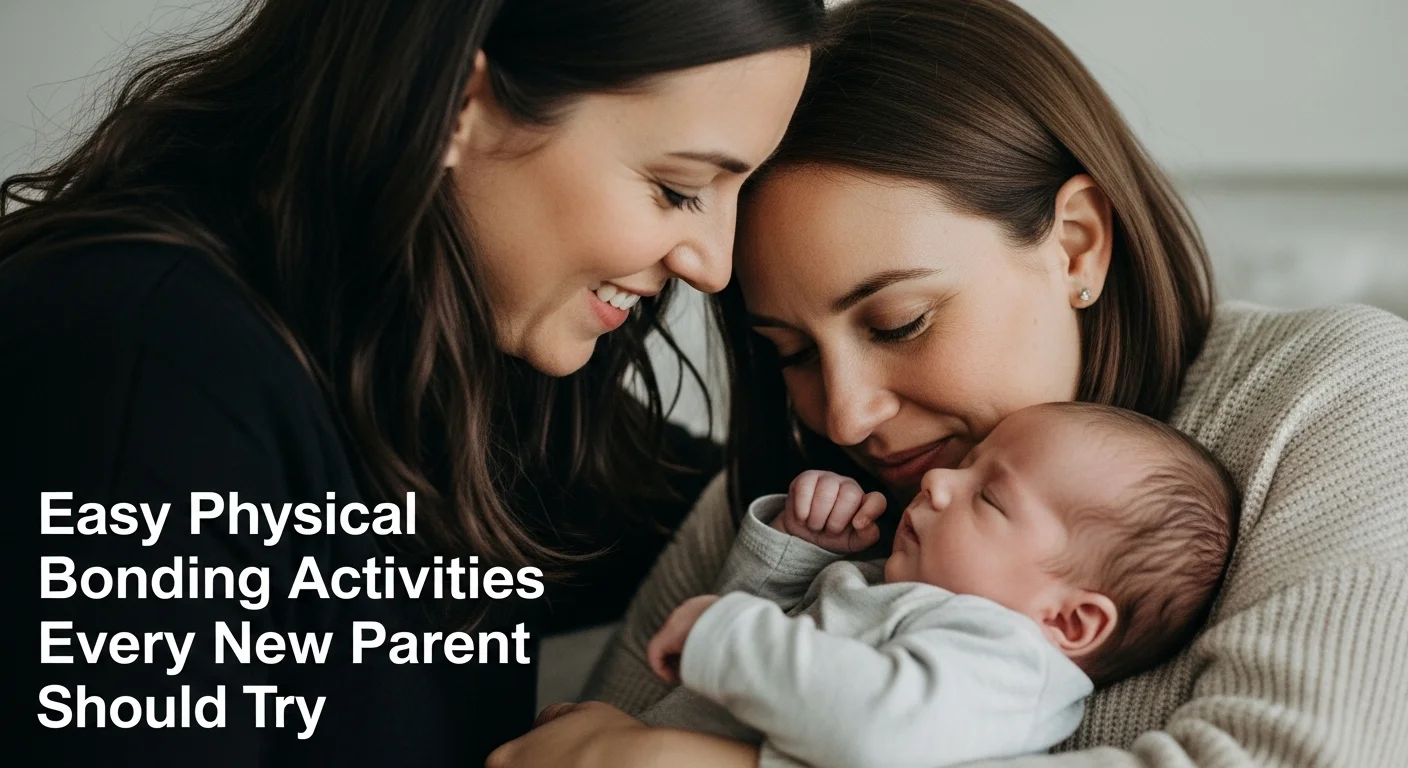
When I first became a parent, I quickly learned that physical bonding goes beyond just holding my baby. It involves any activity that creates a close physical and emotional connection between us. This can include cuddling, skin-to-skin contact, or simply being close enough for my baby to feel my warmth. Each moment spent together helps to establish trust and security, which is vital for their development.
Why is Physical Bonding Important for New Parents?
Physical bonding is crucial for new parents because it helps us feel more connected to our little ones. I remember those first few sleepless nights, feeling overwhelmed and unsure. But as I held my newborn close, I began to notice how our bond deepened with every cuddle. This closeness not only reassured my baby but also comforted me, reminding me that we were in this together. As new parents, we often face a whirlwind of emotions—joy, fear, exhaustion—but engaging in bonding activities can help ground us in this new reality. Read Interesting article: Create Lasting Memories: Physical Bonding with Your Baby
Benefits of Physical Bonding for Infants
Research shows that physical bonding has numerous benefits for infants. I found that when I spent time in close contact with my baby, I could see how it positively impacted their mood and behavior. Here are some key benefits I’ve come across:
- Emotional Security: Physical bonding helps babies feel safe and secure. When they are held close, they can sense their caregiver’s heartbeat, which can be soothing and calming.
- Better Sleep: I noticed that my baby slept better after skin-to-skin contact. This closeness can help regulate their sleep patterns and improve overall rest.
- Enhanced Development: Studies suggest that physical bonding can aid in cognitive and motor development. The more we interact with our babies, the more they learn and grow.
- Stronger Immune System: Physical closeness may also boost a baby’s immune system, helping them fend off illnesses as they grow.
In my experience, these early bonding moments set the stage for healthy attachment and interaction as my child grew older. It’s like planting a seed that blossoms into a strong relationship over time.
Essential Bonding Activities for New Parents
Skin-to-Skin Contact
One of the most effective bonding activities I tried was skin-to-skin contact. This practice involves holding your naked baby against your bare chest, which not only feels incredible but also has amazing benefits. I remember the first time I did this; my baby curled up against me, and we both felt a wave of warmth and peace. This simple act can help regulate your baby’s temperature, heart rate, and even their breathing. I recommend making skin-to-skin contact a part of your daily routine, especially during those early weeks.
Babywearing Techniques
Babywearing became a game-changer for me. Not only did it free up my hands, but it also allowed for constant closeness with my baby. I’ve tried various carriers, and I found that each has its unique benefits. Wearing my baby while I did household chores or took walks not only soothed them but also helped me feel connected and engaged with my surroundings. Plus, it’s a great way to bond while keeping them safe and secure. I suggest exploring different styles to find what feels best for both you and your baby. Read Interesting article: Top Emotional Bonding Techniques for Newborns on the Go
Gentle Massage for Baby
Giving my baby a gentle massage was another bonding activity that I truly cherished. I learned a few simple techniques online, and it turned out to be a delightful experience for us both. I would lay my baby on a soft blanket and use gentle motions to massage their arms, legs, and back. This not only helped with their digestion but also allowed me to communicate love and affection through touch. I felt like I was nurturing our bond each time I did this, and I could see my baby responding positively to the warmth of my hands.
Co-Sleeping Guidelines and Benefits
Co-sleeping is a topic that can spark many opinions, but for me, it was a natural choice. Having my baby close at night provided an extra layer of comfort for both of us. I made sure to follow safe co-sleeping guidelines, such as keeping the sleep surface firm and ensuring that there were no loose bedding or pillows. I found that co-sleeping not only made nighttime feedings easier but also enhanced our bond as we drifted off to sleep together. I felt reassured knowing my baby was right there, and I believe it created a sense of security for them as well.
Interactive Playtime
As my baby grew, I discovered the joys of interactive playtime. Simple activities like playing peek-a-boo or exploring different textures with toys kept my little one engaged and excited. I loved watching their eyes light up with every new discovery. I believe that play is an essential part of bonding, as it encourages laughter, joy, and communication. Finding ways to engage with my baby through play allowed us to create shared experiences that strengthened our relationship.
Creative Ways to Enhance Bonding
Partnered Activities: Teamwork in Parenting
As I navigated the early stages of parenthood, I quickly discovered that bonding doesn’t just happen between me and my baby—it can also involve my partner. We found that engaging in partnered activities helped strengthen our relationship while also enhancing our bond with our little one. Whether it was taking turns during diaper changes or sharing the joy of bath time, working together made us feel like a team. One of our favorite activities was singing lullabies together while rocking our baby to sleep. I think it’s amazing how a shared experience can create a loving atmosphere, enveloping our child in warmth and affection. I encourage other parents to find ways to partner up; it not only nurtures your child but also solidifies your bond as a couple.
Incorporating Music and Singing
Music has an incredible way of connecting us, and I found that incorporating it into our daily routine was a delightful way to bond with my baby. I remember softly singing nursery rhymes while I changed diapers or fed my little one. The sound of my voice seemed to captivate my baby, and I loved watching their eyes widen with curiosity. I also discovered that playing gentle music in the background while we engaged in skin-to-skin contact or during playtime created a calming atmosphere. I believe that music can soothe not only the baby but also us as parents, helping to ease any stress we might be feeling. I recommend finding songs that resonate with you and your family, as it can truly add to those precious bonding moments.
Storytime: Building Connections through Reading
Reading to my baby became one of the most cherished parts of our routine. Even though they were tiny and couldn’t understand the words, I could see their interest as I animatedly turned the pages of colorful picture books. I loved how it was a special time for us to cuddle up together, sharing a world of imagination. I found that the rhythm of my voice and the interaction of pointing at pictures created an engaging experience. Over time, I noticed that my baby started to respond differently, cooing and reaching for the books. This simple act of reading not only fostered our bond but also set the stage for a love of storytelling that I hope will carry on as they grow. I recommend picking a few classics and making storytime a regular part of your day.
When to Start Bonding Activities
Bonding in the First Few Days
The initial days after my baby’s arrival were filled with a whirlwind of emotions. I realized that it was crucial to start bonding activities right from the beginning. Holding my newborn for skin-to-skin contact as soon as possible was a game-changer. I learned that even those first few hours together could lay the foundation for a strong emotional bond. I remember the overwhelming love I felt as I cradled my baby close to my chest, feeling their tiny heartbeat against mine. Starting these bonding activities early helped establish trust and familiarity, making the transition into parenthood a little smoother for us.
Recognizing Baby’s Cues for Bonding
As I spent more time with my baby, I learned to recognize their cues and signals for wanting to bond. Whether it was their little sighs, reaching out for me, or turning their head towards my voice, I discovered that these cues were their way of communicating. I found that responding to these signals not only strengthened our bond but also helped me feel more confident as a parent. It was a reminder that my baby was actively engaged in our relationship, and I loved being there to meet their needs. I believe that paying attention to these cues can help any parent forge a deeper connection with their child.
Adapting Activities as Baby Grows
As my baby began to grow, I realized that our bonding activities needed to evolve too. What worked during the newborn stage might not be as effective as they became a curious toddler. I found joy in adapting our routines—transitioning from gentle rocking to playful dance parties in the living room. I noticed that incorporating their interests, like colorful toys or playful songs, made our time together even more special. I think it’s important to keep experimenting and discovering new ways to bond with your child as they grow, and it’s a wonderful journey of exploration for both of us.
Challenges New Parents May Face
Overcoming Physical and Emotional Barriers
Like many new parents, I faced my share of challenges when it came to bonding. There were days when exhaustion took over, and I felt distant from my baby. I learned that it was okay to acknowledge those feelings. I found that even small acts, like taking a deep breath and focusing on my baby’s smile, could help me reconnect. It’s important for new parents to give themselves grace and understand that bonding can be a process. There were moments of doubt, but I learned to embrace the imperfections and recognize that every little effort counts.
Managing Stress and Fatigue
Stress and fatigue are often part of the parenting journey, and I definitely felt those waves crashing over me at times. I found it crucial to carve out small moments for myself when I could, whether it was a quick walk outside or a hot cup of tea. When I took care of my own well-being, I noticed how much more present I could be with my baby. I encourage fellow parents to prioritize self-care, as it can significantly impact the quality of our bonding moments. A well-rested and calm parent can create an environment that feels safe and loving for their child.
Seeking Support: Friends, Family, and Professionals
I realized that asking for support was essential. Whether it was leaning on family members for help or joining a local parenting group, connecting with others who were experiencing similar challenges made a world of difference. Sharing my feelings and experiences with others helped me gain perspective and reassurance. I believe that building a support network is crucial for new parents, as it not only provides practical help but also fosters a sense of community during such a transformative time.
Safety Considerations for Bonding Activities
Safe Practices for Skin-to-Skin Contact
When I first learned about skin-to-skin contact, I was excited to start, but I also wanted to ensure I was doing it safely. This practice is not just about the emotional connection; safety is paramount, especially with a fragile newborn. I made sure to follow a few simple guidelines. First, I always kept my baby in a position where I could see their face and ensure that they could breathe easily. I remember using a soft blanket to support them and prevent any slips. It’s also important to create a comfortable environment, so I chose a warm room with minimal distractions. The joy of that skin-to-skin moment is amplified when I knew my baby was safe and sound, and I believe that setting up a secure space made those bonding sessions even more special.
Choosing the Right Baby Carrier
Babywearing was a wonderful bonding experience for me, but I quickly realized not all carriers are created equal. I found myself overwhelmed with options, but I eventually learned to prioritize safety and comfort. I made sure to choose a carrier that provided proper support for my baby’s hips and spine. The first time I tried a wrap carrier, I was nervous about getting it right, but I practiced with a doll before putting my baby in. I found that carriers with adjustable straps were great for ensuring a snug fit. It felt reassuring knowing that my baby was safe and secure while I went about my day. I recommend trying out different styles and consulting with experienced parents or babywearing groups to find what works best for you and your little one.
Monitoring Baby’s Comfort During Activities
As I engaged in various bonding activities, I learned that paying attention to my baby’s comfort was key. Whether we were doing skin-to-skin contact, babywearing, or gentle massages, I made it a point to watch for signs that indicated whether my baby was happy and relaxed or if they needed a break. For example, if my baby started fidgeting or fussing during a massage, I would pause and check if they needed a diaper change or just a little more cuddling. I learned that being attuned to their needs not only enhanced our bonding experience but also built their trust in me as their caregiver. Creating a nurturing environment where my baby felt comfortable made those moments together more enjoyable for both of us.
Resources for New Parents
Books on Bonding with Your Baby
As I embarked on my parenting journey, I wanted to deepen my understanding of bonding. I discovered several books that became invaluable resources. One of my favorites was “The Attachment Parenting Book” by William Sears and Martha Sears. It offered practical advice and insights on how to build a strong emotional connection with my baby. Another gem I found was “The Happiest Baby on the Block” by Harvey Karp, which helped me understand my baby’s needs and how to soothe them effectively. I believe that reading these books not only equipped me with knowledge but also provided reassurance during those early days filled with uncertainties.
Online Communities and Support Groups
I found immense support in online communities where I could connect with fellow new parents. Platforms like Facebook and Reddit have groups dedicated to parenting, where I could share experiences, ask questions, and receive advice. Joining these groups felt like finding a village of people who understood the joys and challenges of parenting. I remember sharing my struggles with sleep deprivation and receiving countless encouraging responses and tips. Engaging in these communities created a sense of belonging and reminded me that I wasn’t alone on this journey.
Consulting Pediatricians for Guidance
Throughout my parenting experience, I found that consulting with our pediatrician was an essential part of feeling confident in my parenting decisions. Each visit provided an opportunity to ask questions about bonding, developmental milestones, and safety practices. I remember a particular visit when I was concerned about my baby’s sleeping patterns. Our pediatrician gave me valuable insights on safe sleep practices and reassured me that every baby is different. I believe that having a trusted pediatrician to turn to not only eased my worries but also helped me make informed choices that benefited my baby’s development and our bond.
Frequently Asked Questions
What is physical bonding with a newborn?
Physical bonding goes beyond just holding the baby; it involves any activity that creates a close physical and emotional connection, such as cuddling, skin-to-skin contact, or simply being close to feel each other’s warmth.
Why is physical bonding important for new parents?
Physical bonding helps new parents feel more connected to their baby, offering reassurance during overwhelming moments. It fosters trust and security, which are vital for the baby’s development.
What are some benefits of physical bonding for infants?
Benefits of physical bonding for infants include emotional security, better sleep, enhanced cognitive and motor development, and a stronger immune system.
What is skin-to-skin contact and its benefits?
Skin-to-skin contact involves holding a naked baby against your bare chest. It helps regulate the baby’s temperature, heart rate, and breathing while creating a warm and peaceful bonding experience.
How can babywearing be beneficial for bonding?
Babywearing allows for constant closeness with the baby while freeing up the parent’s hands. It can soothe the baby and helps the parent feel more connected to their surroundings.
What are some recommended bonding activities for new parents?
Recommended bonding activities include skin-to-skin contact, babywearing, gentle massage, co-sleeping, interactive playtime, incorporating music and singing, and reading during storytime.
When should bonding activities start after the baby’s arrival?
Bonding activities should start as early as possible, ideally within the first few days after the baby’s arrival, to lay the foundation for a strong emotional bond.
How can parents recognize their baby’s cues for bonding?
Parents can recognize their baby’s cues through signals such as sighs, reaching out, or turning their head towards their voice, indicating a desire for connection and bonding.
What challenges might new parents face in bonding with their baby?
New parents may face challenges such as exhaustion, stress, and feelings of distance from their baby. Acknowledging these feelings and seeking support can help overcome these barriers.
What safety considerations should be taken for bonding activities?
Safety considerations include ensuring proper positioning during skin-to-skin contact, choosing a safe and comfortable baby carrier, and monitoring the baby’s comfort during bonding activities.