
Finding snacks that are both fun and nutritious for kids can be a challenge, but plant-based options offer an exciting solution! Let’s explore the world of plant-based snacks that will delight your little ones while keeping them healthy. Read Interesting article: 10 Delicious Plant-Based Snacks Your Kids Will Love
Understanding Plant-Based Snacks
What Are Plant-Based Snacks?
Plant-based snacks are foods made primarily from plants. This includes fruits, vegetables, grains, nuts, seeds, and legumes. I remember the first time I introduced my kids to snacks that were not only delicious but also packed with nutrients. It felt like a win-win! These snacks can be simple and fun to prepare, making them perfect for our busy lives. Whether it’s fresh fruit or a homemade granola bar, plant-based snacks can easily fit into any dietary preference.
Benefits of Plant-Based Snacks for Kids
In my experience, plant-based snacks offer numerous benefits for children. First and foremost, they are typically lower in saturated fats and sugars, making them a healthier alternative to processed snacks. When my kids munch on these snacks, I feel good knowing that they are fueling their bodies with wholesome ingredients. Additionally, these snacks can help develop healthy eating habits early on. I’ve noticed that when my kids enjoy fruits and veggies, they are more likely to choose them as snacks in the future.
Moreover, plant-based snacks can enhance energy levels and improve concentration. I’ve seen how a quick snack of apple slices or carrot sticks can give my kids the boost they need to focus on homework or playtime. These snacks are also great for promoting digestive health, thanks to their high fiber content. It’s a relief to know that I’m supporting their growth and development with every bite they take!
Nutritional Value of Plant-Based Ingredients
One of the things I love about plant-based snacks is their rich nutritional profile. For example, fruits like bananas and berries are not only sweet but also packed with vitamins and antioxidants. I remember making fruit smoothies with my kids, blending together spinach, bananas, and berries. They loved it, and I loved knowing they were getting a healthy dose of nutrients!
Vegetables are equally impressive. Carrots, for instance, are rich in beta-carotene, which is great for eye health. Whenever we make veggie sticks, I try to include a variety of colors. It’s not just visually appealing, but I also know they’re getting different vitamins and minerals. Nuts and seeds are excellent sources of protein and healthy fats. When we make snacks like energy balls, I often include chia seeds or flaxseeds for an extra nutritional punch.
Whole grains also play a crucial role in plant-based snacks. They provide essential nutrients and help keep kids full. I’ve experimented with different whole grains, like oats and quinoa, in various recipes. Not only do they taste great, but they also contribute to a balanced diet. It’s exciting to realize how diverse and nutritious plant-based ingredients can be!
Fun and Easy Plant-Based Snack Ideas
Fruity Snacks
Fruit Kabobs
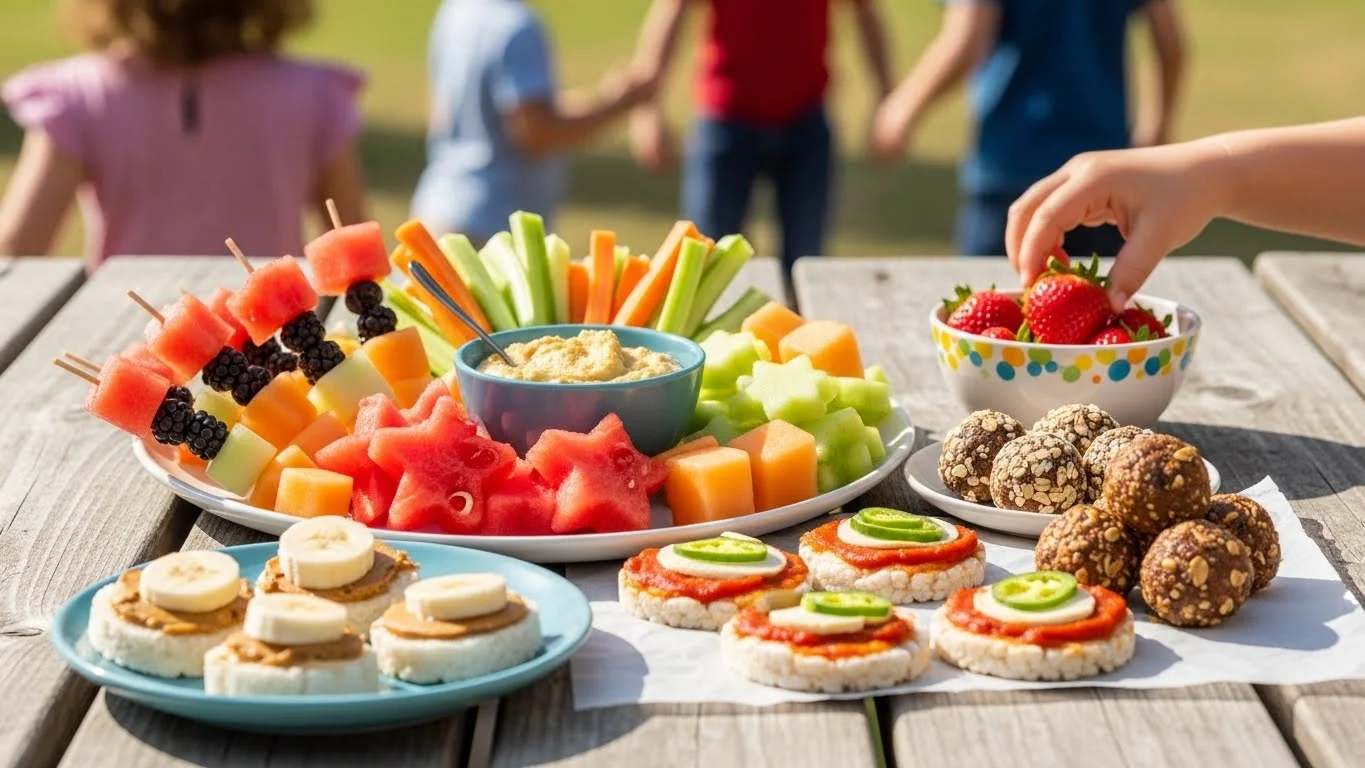
Fruit kabobs are one of my favorite snacks to prepare with my kids. We gather a mix of colorful fruits like strawberries, grapes, and melon. Then, we take turns skewer the pieces onto sticks. It’s a fun activity that gets the kids involved, and they love the chance to create their own snack. Not to mention, these vibrant kabobs look fantastic on the table!
Banana Oatmeal Cookies
Banana oatmeal cookies are another hit in our house. I usually mash ripe bananas and mix them with oats, a dash of cinnamon, and sometimes add a handful of dark chocolate chips. Baking together creates great memories, and my kids can’t resist the smell of warm cookies fresh out of the oven! Plus, they’re a healthier option, which is always a win.
Veggie Snacks
Veggie Sticks with Hummus
Veggie sticks with hummus have become a staple snack for us. I like to cut up a variety of veggies—carrots, cucumbers, and bell peppers—and serve them with a side of homemade or store-bought hummus. My kids love dipping, and it’s a great way to get them to eat their vegetables without any fuss!
Stuffed Mini Peppers
Stuffed mini peppers are not only adorable but also super nutritious. I fill them with a mixture of quinoa, black beans, and a sprinkle of cheese (or nutritional yeast for a vegan option). It’s a fun recipe that the kids can help with, and they love popping these little bites in their mouths!
Nut Butter Delights
Apple Slices with Almond Butter
Apple slices with almond butter are a classic snack in our home. The sweetness of the apple combined with the creamy nut butter creates a perfect balance. I often slice up apples, and we take turns spreading almond butter on top. It’s both a delicious and satisfying snack that fuels our day.
Peanut Butter Energy Balls
Peanut butter energy balls are a fun snack that we make together often. I mix together oats, peanut butter, honey, and a few chocolate chips, then roll them into bite-sized balls. Not only are they easy to prepare, but they also make for a great grab-and-go snack for busy days!
Whole Grain Treats
Homemade Granola Bars
Homemade granola bars are a fantastic way to control what goes into our snacks. I usually combine oats, nuts, seeds, and a bit of honey, press them into a pan, and let them set in the fridge. My kids love helping to choose their favorite ingredients, and it feels great knowing exactly what’s in each bar!
Popcorn Seasoned with Nutritional Yeast
For a crunchy, savory snack, I often prepare popcorn seasoned with nutritional yeast. It adds a cheesy flavor without any dairy, and my kids can’t get enough of it! Making popcorn is a fun activity, and then we can experiment with different seasonings. It’s a simple yet satisfying snack that always hits the spot.
Involving Kids in Snack Preparation
Simple Recipes Kids Can Help With
Getting my kids involved in snack preparation has been one of the best decisions I’ve made. It not only makes them more excited about what they eat, but it also teaches them valuable skills. One simple recipe we love is making fruit smoothies. I set out a variety of fruits, like bananas, berries, and spinach, and let them choose their favorites. They take turns adding the ingredients to the blender, and I handle the blending part. It’s so much fun to watch them get creative with their combinations, and they love seeing the colorful smoothie come to life!
Another easy snack we enjoy making together is yogurt parfaits. We layer plant-based yogurt, granola, and fresh fruit in clear cups. My kids love choosing what goes in their parfait, and it turns into a mini art project. It’s amazing to see how they take pride in their creations, and they often come up with unique combinations that I wouldn’t have thought of!
Teaching Kids About Healthy Ingredients
I believe that involving kids in the kitchen is also a great opportunity to teach them about healthy ingredients. While preparing snacks, I often share little tidbits about the benefits of what we’re using. For example, when we’re making energy balls, I explain the role of oats in providing energy and how nut butter is a source of healthy fats. I feel this knowledge helps them make better food choices later on.
We even have fun with it by playing a game where they guess the nutritional benefits of different foods. It’s like a mini quiz that keeps them engaged and helps them remember the information. I’ve noticed that when they understand what they’re eating, they are much more likely to enjoy those foods! Plus, they feel empowered to ask for healthy snacks instead of junk food.
Fun Presentation Ideas for Snacks
Presentation can make a huge difference, and I’ve learned that making snacks visually appealing can excite my kids about eating them. One of my favorite ideas is to use cookie cutters to shape fruits and veggies into fun designs. For example, I’ll cut watermelon into star shapes or cucumbers into hearts. It’s simple, but it transforms a regular snack into something special.
Another idea I love is creating a “snack board.” I arrange a variety of plant-based snacks on a large platter or wooden board, including fruits, veggies, and nuts. The kids love picking and choosing what they want, and it feels like a fun picnic right at home! I’ve even seen them invite their friends to join in and share a snack board during playdates, which feels like a win for socializing and healthy eating.
Storage and Serving Suggestions
Best Practices for Storing Plant-Based Snacks
How we store our plant-based snacks has a big impact on their freshness and taste. I’ve learned that it’s essential to keep snacks organized and easily accessible. For fruits and veggies, I like to prep them in advance by washing and chopping, then storing them in clear containers in the fridge. Seeing them all ready to go makes it easier for my kids to grab a healthy snack when they’re hungry.
For homemade treats like granola bars or energy balls, I store them in airtight containers. I find that keeping them in the fridge helps maintain their freshness, and they can last longer that way. It’s like having a little stash of joy waiting for us whenever we need a snack!
When making larger batches, I also recommend freezing some of these snacks. For instance, if we make a big batch of banana oatmeal cookies, I freeze half of them. This way, we can enjoy them later on, and they taste just as good after thawing. It’s a great way to ensure we always have a nutritious snack on hand, even on busy days.
Creative Serving Ideas for Kids
Serving snacks in creative ways can make a big difference in how excited my kids are to eat them. One idea I love is using small, colorful bowls or plates for individual servings. It makes everything feel special and personalized. I also like to incorporate fun utensils, like tiny forks or skewers, to make the experience interactive.
Another fun serving idea is to create “snack stations.” I set out various snacks in separate bowls, allowing my kids to mix and match their favorites. It’s like a mini buffet that encourages them to explore different flavors and textures. They love the independence of choosing what goes on their plate, and it’s a great way for them to discover new combinations they might not have tried otherwise.
Lastly, I’ve found that themed snacks can spark excitement. For instance, we have “Taco Tuesdays” where we make little veggie tacos using lettuce leaves or mini whole grain tortillas. It’s a fun twist on a classic meal that they eagerly anticipate every week. It’s amazing how a little creativity can turn snack time into a joyous occasion!
Addressing Common Concerns
Are Plant-Based Snacks Sufficient for Kids’ Nutrition?
As a parent, I’ve often wondered if plant-based snacks provide enough nutrition for my kids. I’ve learned that with the right choices, they can absolutely meet their nutritional needs. I focus on including a variety of fruits, vegetables, whole grains, nuts, and seeds in their snacks. This way, they get a well-rounded intake of essential nutrients.
I’ve consulted with nutritionists and researched the topic, and it’s clear that plant-based diets can support healthy growth and development. It’s all about balance and ensuring that we incorporate different food groups to meet their dietary needs. I feel reassured knowing that as long as I’m mindful about their meals and snacks, they can thrive on a plant-based diet.
Managing Allergies with Plant-Based Snacks
Food allergies can be a real concern, and I’ve had to navigate this with my kids. Plant-based snacks offer great flexibility, but it’s crucial to be cautious about allergenic ingredients. For instance, we avoid peanuts and tree nuts at home due to allergies. Instead, we focus on other sources of protein like sunflower seed butter or soy-based options. Read Interesting article: Explore Allergy-Friendly Snacks: Safe Choices for Kids
When preparing snacks for playdates or gatherings, I always check with parents about any allergies. I find that having a few allergy-friendly snacks on hand, like fruit skewers or seed-based energy balls, ensures that everyone can enjoy snack time together. It’s important to create inclusive environments where all kids feel safe and included, especially when it comes to food!
Balancing Plant-Based Snacks with Other Food Groups
While I love plant-based snacks, I also recognize the importance of a balanced diet that includes other food groups. I’ve learned to combine plant-based snacks with protein sources and healthy fats to create well-rounded options. For instance, pairing apple slices with nut butter not only satisfies a sweet craving but also provides healthy fats and protein.
During meal planning, I try to include a mix of food groups at every meal and snack. I find that this approach helps my kids feel fuller and more satisfied. It’s all about variety and making sure they get a taste of everything, from grains to proteins to healthy fats. I believe this balance encourages them to enjoy a wider range of foods and develop healthy eating habits for the long run.
Resources for Parents
Recommended Cookbooks and Blogs
One of the best ways I’ve found to learn about plant-based snacks is through cookbooks and blogs dedicated to healthy eating. There are so many amazing resources out there! A couple of my favorite cookbooks include “The Plant-Based Cookbook” by Dr. John McDougall and “Plant Over Processed” by Michelle Cehn. These books not only provide delicious recipes but also offer insights into the benefits of a plant-based diet.
In addition to cookbooks, I love exploring blogs like “Minimalist Baker,” which features simple, quick recipes that use minimal ingredients. I remember flipping through the blog with my kids, and we would pick out new recipes to try together. It’s entertaining and educational at the same time! Another blog I enjoy is “Oh She Glows,” which focuses on wholesome plant-based meals and snacks. The recipes are family-friendly and often come with beautiful photos that inspire creativity in the kitchen. Read Interesting article: Top Dairy-Free Snacks for Budget Backpacking Adventures
Online Communities and Support Groups
Being part of a community can make a world of difference when it comes to healthy eating. I’ve discovered various online groups where parents share tips, recipes, and support for plant-based living. Facebook groups like “Plant-Based Families” offer a wealth of information and a space to ask questions. It’s reassuring to connect with others who share similar goals and challenges in raising healthy eaters.
Another fantastic resource is Instagram, where I follow plant-based influencers and nutritionists. Their posts often include quick snack ideas, meal prep tips, and motivation to keep our family’s plant-based journey exciting. I find myself inspired by the creativity of others, and it sparks ideas for our own meals and snacks!
Educational Materials on Plant-Based Diets
Understanding the nutritional aspects of a plant-based diet is essential for making informed choices. I’ve come across various educational materials that explain the benefits of different plant-based foods. Websites like the “American Dietetic Association” provide credible information about how to ensure kids get all the nutrients they need from a plant-based diet. I often reference these sites when I want to double-check information or learn something new.
There are also fun resources like children’s books that introduce the concept of healthy eating and plant-based foods. One of my kids’ favorites is “The Very Hungry Caterpillar” by Eric Carle, which showcases various fruits and veggies in a fun story. I think instilling an appreciation for healthy food early on can be incredibly beneficial, and these stories help make that connection.
Additionally, I’ve found educational videos and documentaries on platforms like YouTube that explain the science behind plant-based eating and its impact on health. Watching these together as a family can spark great conversations about nutrition and inspire us to try new foods.
Frequently Asked Questions
What are plant-based snacks?
Plant-based snacks are foods made primarily from plants, including fruits, vegetables, grains, nuts, seeds, and legumes. They can be simple and fun to prepare, making them suitable for busy lifestyles.
What are the benefits of plant-based snacks for kids?
Plant-based snacks are typically lower in saturated fats and sugars, helping to promote healthy eating habits. They can enhance energy levels, improve concentration, and support digestive health due to their high fiber content.
Can plant-based snacks provide sufficient nutrition for kids?
Yes, plant-based snacks can meet kids’ nutritional needs if a variety of fruits, vegetables, whole grains, nuts, and seeds are included. With the right choices, they can support healthy growth and development.
What are some fun and easy plant-based snack ideas?
Some fun and easy plant-based snack ideas include fruit kabobs, banana oatmeal cookies, veggie sticks with hummus, stuffed mini peppers, apple slices with almond butter, peanut butter energy balls, homemade granola bars, and popcorn seasoned with nutritional yeast.
How can I involve kids in snack preparation?
Kids can be involved in snack preparation by allowing them to choose ingredients, help with blending or mixing, and creating their own snacks like fruit smoothies or yogurt parfaits. This not only excites them about food but teaches valuable skills.
What are some creative serving ideas for plant-based snacks?
Creative serving ideas include using colorful bowls for individual servings, setting up snack stations for mixing and matching favorites, and themed snacks like “Taco Tuesdays” to keep snack time engaging.
How should plant-based snacks be stored?
Plant-based snacks should be stored in clear containers in the fridge for easy access. Homemade treats like granola bars or energy balls should be kept in airtight containers, and larger batches can be frozen for later enjoyment.
How can I manage food allergies with plant-based snacks?
To manage food allergies, it’s essential to avoid allergenic ingredients and focus on alternative protein sources. Always check with parents about allergies when preparing snacks for gatherings to ensure everyone can enjoy snack time safely.
What resources are available for parents interested in plant-based diets?
Parents can explore cookbooks like “The Plant-Based Cookbook” and “Plant Over Processed,” as well as blogs like “Minimalist Baker” and “Oh She Glows.” Online communities, educational materials, and children’s books about healthy eating are also valuable resources.
How can I teach kids about healthy ingredients?
Involving kids in the kitchen allows for teaching moments about healthy ingredients. Sharing information about the nutritional benefits of foods while preparing snacks can help them understand what they’re eating and encourage healthier food choices.