
Switching to a vegan lifestyle can feel overwhelming, especially when trying to feed a family on a budget. But don’t worry! With some simple tips and tricks, you can create delicious vegan meals that everyone will love without breaking the bank. Read Interesting article: 10 Budget-Friendly Vegan Meals for Kids That They’ll Love
Understanding Vegan Cooking Basics
What is Vegan Cooking?
Vegan cooking is all about creating meals without any animal products. That means no meat, dairy, eggs, or honey. I remember when I first started exploring vegan recipes; I was surprised by the variety of flavors and ingredients available. It’s not just about replacing meat with tofu; it’s about discovering how to use fruits, vegetables, grains, legumes, and nuts in exciting ways. The beauty of vegan cooking is that it encourages creativity in the kitchen. You can experiment with spices, herbs, and cooking methods to create satisfying and flavorful meals.
Benefits of Vegan Meals for Families
In my experience, shifting to vegan meals has numerous benefits for families. First off, vegan meals can be healthier, packed with nutrients from whole foods. I’ve noticed that my family has more energy and feels better overall since we started incorporating more plant-based dishes into our meals. Additionally, vegan cooking can be budget-friendly. Plant-based ingredients like beans, lentils, and grains are often less expensive than meat and dairy products, making it easier to feed a family without overspending. Plus, cooking vegan meals can help instill a sense of responsibility towards the environment in our kids, as plant-based diets typically have a smaller carbon footprint. Read Interesting article: Guide to Vegan Nutrients: Boost Your Child’s Health
Common Misconceptions About Vegan Diets
There are quite a few misconceptions about vegan diets that I’ve come across. One of the biggest is that vegan food is bland or boring. I can assure you, that’s far from the truth! Vegan cooking can be vibrant and full of flavor. Another misconception is that vegan meals are always complicated or time-consuming. I’ve learned that many delicious vegan recipes can be prepared in 30 minutes or less, making them perfect for busy families. Lastly, some people believe that a vegan diet is expensive. While this can sometimes be true with specialty vegan products, sticking to whole foods can actually save money in the long run.
Budget-Friendly Vegan Ingredients
Essential Pantry Staples
When I began my vegan cooking journey, I quickly realized that having a well-stocked pantry made a huge difference. Here are some essential staples I always keep on hand:
- Grains: Brown rice, quinoa, oats, and whole wheat pasta are great bases for many meals.
- Legumes: Canned or dried beans, lentils, and chickpeas provide protein and fiber.
- Nuts and Seeds: Almonds, chia seeds, and flaxseeds are perfect for snacks or adding to recipes.
- Herbs and Spices: A variety of herbs and spices can elevate any dish and keep meals exciting.
- Plant-based Oils: Olive oil and coconut oil are useful for cooking and dressings.
These pantry staples can be the backbone of countless meals, allowing for a variety of flavors and cuisines without needing to spend a lot.
Affordable Fresh Produce
Fresh produce is essential in vegan cooking, and I’ve learned to prioritize what’s in season and on sale. Seasonal fruits and vegetables tend to be more affordable and taste better. For example, I love using carrots, zucchini, and sweet potatoes in the fall, while summer is all about ripe tomatoes and fresh herbs. I recommend visiting local grocery stores or farmers’ markets to find fresh produce at lower prices. Sometimes, I even buy in bulk when I find a great deal, then freeze extras for later use.
Plant-Based Proteins on a Budget
When it comes to proteins, I’ve found that beans, lentils, and tofu are not only cost-effective but incredibly versatile. For example, cooking a big pot of lentil soup is not only filling but also a great way to stretch a dollar. Tofu can be marinated and added to stir-fries or salads, and beans can be tossed into tacos or made into hearty chili. These options allow us to have protein-rich meals without spending too much.
Cost-Effective Grains and Legumes
In my experience, grains and legumes are the heroes of budget-friendly vegan cooking. Buying dried beans and lentils in bulk can significantly cut costs. I often soak and cook a big batch on the weekends, then use them throughout the week in different meals. Quinoa, while slightly more expensive than rice, offers additional protein and can be prepared in similar ways. Using a combination of grains and legumes not only adds variety but also ensures that we get a balanced meal.
Meal Planning for Vegan Family Meals
The Importance of Meal Planning
When I first started on this vegan journey, I quickly learned that meal planning is one of the best tools I could have in my kitchen. It’s not just about saving money; it’s about saving time and reducing stress during busy weekdays. I remember those hectic evenings when I’d scramble to figure out what to cook for dinner. It often ended up being unhealthy takeout because I didn’t have a plan. Now, with a meal plan in place, I can look forward to cooking and enjoy the experience. Plus, it helps me use up the ingredients I’ve already bought, minimizing waste.
Creating a Weekly Meal Plan
Creating a weekly meal plan has become a fun little ritual for my family and me. I set aside time each weekend to sit down with a notepad and some cookbooks or online recipes. I first check what ingredients I already have and then decide on meals based on those. I usually aim for a mix of different cuisines and types of dishes to keep things interesting. For instance, I might plan a hearty lentil stew for one night, a stir-fried veggie bowl for another, and taco night with black beans and colorful toppings. I also make sure to include a couple of easy snacks like hummus and veggies or fruit smoothies. By planning ahead, I have everything I need at hand, which makes cooking so much more enjoyable!
Batch Cooking and Freezing Meals
Batch cooking has been a game-changer for us. There are several recipes that I love to prepare in larger quantities. For example, I often cook a big pot of chili or vegetable soup and then portion it out into containers to freeze. On days when I don’t feel like cooking, I can just pull something out of the freezer, heat it up, and enjoy a wholesome meal in no time. I remember the first time I did this; I was amazed at how much time and effort it saved during a busy week. Not only does it ensure we have healthy meals ready to go, but it also helps me stick to our budget because I can buy ingredients in bulk. If I have leftover veggies or grains from one meal, I’ll often incorporate them into the next batch cooking session. It feels good to know that I’m making the most out of everything I buy.
Easy Vegan Recipes for Family Meals
One-Pot Vegan Dishes
One-pot meals are my absolute favorite for family dinners. They’re simple, quick to prepare, and minimize cleanup—just my style! A go-to recipe is a one-pot quinoa and black bean casserole. I sauté some onions, garlic, and whatever veggies I have on hand, add quinoa, black beans, and spices, then let it simmer. It’s packed with protein, filling, and everyone loves it. Plus, the leftovers taste even better the next day! I often encourage my kids to help with this dish; they love adding their favorite spices, and it’s a great way to get them involved in cooking.
Quick Vegan Pasta Recipes
Pasta nights are always a hit in our house! A quick vegan pasta dish that I adore is a simple garlic and olive oil spaghetti. I cook the pasta, then toss it with sautéed garlic, spinach, and cherry tomatoes. A sprinkle of nutritional yeast gives it that cheesy flavor without the dairy. I’ve even experimented by adding roasted vegetables or different legumes to the mix, making it a flexible recipe. My kids love picking out what veggies to add, which helps them feel more connected to the meal.
Simple Vegan Stir-Fries
Stir-fries are another easy option that you can whip up in no time. I often use whatever vegetables are about to go bad in the fridge. I toss them with some tofu or tempeh, a splash of soy sauce, and serve it over rice or quinoa. It’s a fantastic way to keep meals varied and reduce food waste. I find that the more colorful the dish, the more my kids want to try it. Sometimes, I’ll let them pick the veggies for the stir-fry, making it an enjoyable choice for everyone.
Family-Friendly Vegan Soups
Soups are a hearty staple in our home, especially during colder months. I love making a big pot of vegetable curry soup, packed with coconut milk, chickpeas, and a medley of vegetables. It’s filling and comforting, and the spice levels can be adjusted to suit everyone’s taste. Soup is also a great way to sneak in extra nutrition. I often serve it with crusty bread or homemade vegan biscuits, which makes the meal feel even more special. Plus, it’s simple to double the recipe and have leftovers for lunch the next day!
Delicious Vegan Desserts
Even though we focus on healthy meals, I still believe in treating ourselves! I love to make vegan desserts that are simple yet delicious. One of my favorites is banana oat cookies; they require just ripe bananas, oats, and a sprinkle of cinnamon. My kids enjoy mashing the bananas, and I find that it’s a fun activity for them. Another treat I often prepare is chia seed pudding, which I can flavor with cocoa powder or fresh fruits. It’s not only delicious but also a great way to sneak in some healthy fats. This makes dessert something we all look forward to after dinner!
Cooking Techniques for Budget Vegan Meals
Using Leftovers Wisely
One of the best lessons I’ve learned in my vegan cooking journey is how to make the most out of leftovers. Often, I find myself with extra veggies, grains, or beans after a meal, and instead of letting them go to waste, I’ve discovered creative ways to incorporate them into new dishes. For instance, if I have leftover quinoa, I might toss it into a salad or use it as a base for a veggie bowl the next day. Sometimes, I even blend leftover roasted vegetables into a creamy soup or puree for a sauce. By thinking outside the box, we can create delicious meals while saving money and reducing waste.
Creative Substitutions in Recipes
Cooking vegan is all about flexibility, and I’ve found that making substitutions can be both fun and economical. If a recipe calls for a specific ingredient that I don’t have on hand, I often look for alternatives. For example, if a recipe requires coconut milk that’s a bit pricey, I might use blended silken tofu with a splash of plant-based milk instead. Or, if I’m out of chickpeas for a hummus recipe, I sometimes substitute with white beans or even cooked carrots for a unique twist! These swaps not only save money but also allow me to experiment with different flavors and textures in my cooking.
Cooking in Bulk
Cooking in bulk has become a staple in our home. There’s something incredibly satisfying about making a large pot of chili or a big batch of pasta sauce that can be enjoyed throughout the week. When I know I’ll have a busy week ahead, I dedicate a few hours to prepare meals in larger quantities. This not only saves time but also helps me stick to my budget as I can buy ingredients in bulk. Plus, with a freezer stocked with homemade meals, I can easily pull something out on days when I don’t feel like cooking. It’s a win-win situation that makes meal prep a breeze!
Shopping Tips for Budget Vegan Cooking
Where to Buy Affordable Vegan Ingredients
Finding affordable vegan ingredients has been quite the adventure for me. I’ve learned that certain stores often have better prices than others. For everyday staples like grains and beans, I usually head to bulk stores or discount grocery chains. Buying in bulk has saved me a significant amount of money over time. I also love checking out local co-ops or health food stores, especially when they have sales or discounts on items like nuts and seeds. It’s amazing how much I can save by shopping around and comparing prices!
Seasonal Shopping for Fresh Produce
One of my favorite strategies for saving on fresh produce is shopping seasonally. I remember my first summer after going vegan; I discovered how much I could get from my local farmers’ market. The produce tasted better and was often less expensive than what I’d find in the grocery store. Now, I pay attention to what’s in season, and I try to plan my meals around those fruits and vegetables. This not only helps with cost but also encourages me to try new recipes and flavors based on what’s available. It’s a refreshing way to keep our meals exciting and diverse!
Utilizing Local Farmer’s Markets
Visiting local farmers’ markets has become a cherished weekend ritual for my family. There’s something special about connecting with the people who grow our food. I love chatting with local farmers about their produce and learning about their growing practices. Plus, I often find deals on organic and fresh fruits and veggies that can be hard to come by in stores. Occasionally, farmers offer discounts for bulk purchases, which allows me to stock up and save even more. I’ve noticed that the quality and taste of the food are usually far superior to what I find in grocery stores, making it a worthwhile investment!
Involving the Family in Vegan Cooking
Cooking Together as a Family Activity
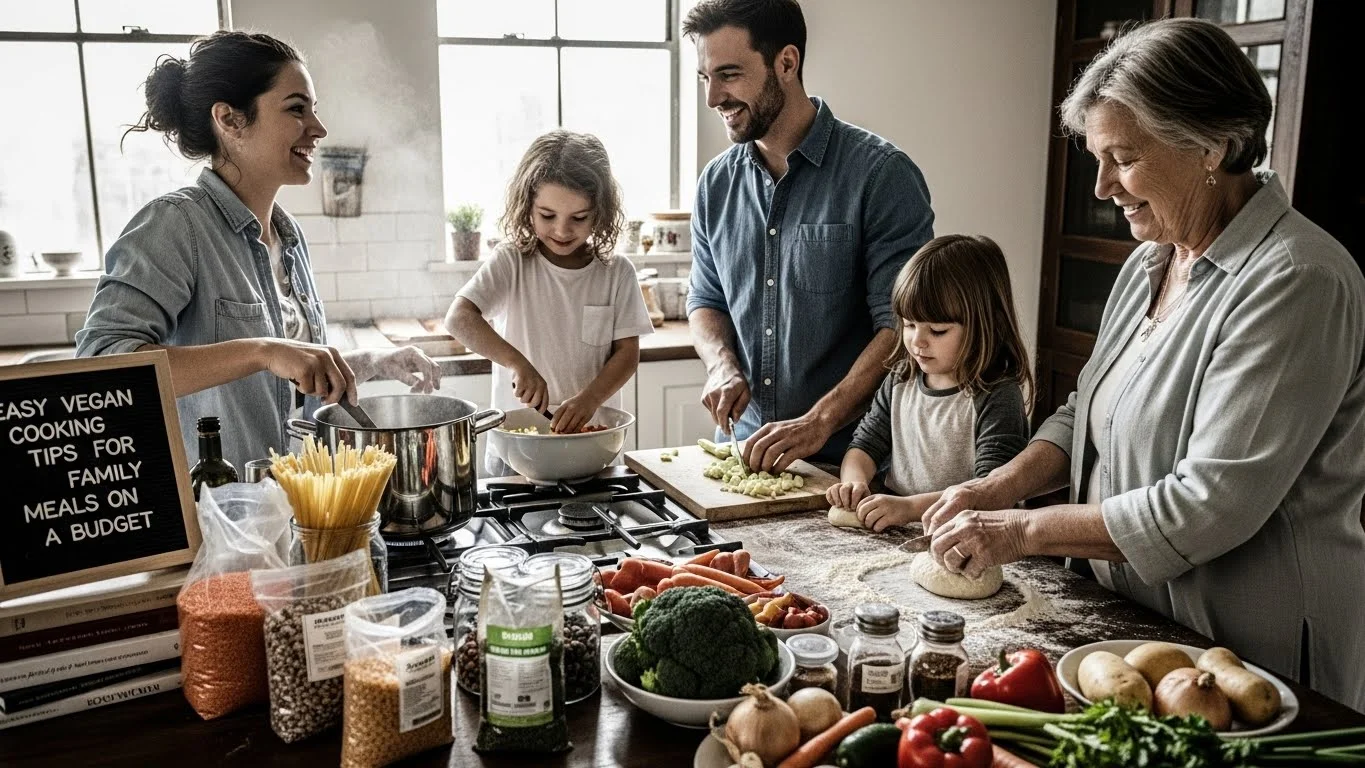
Involving my family in the cooking process has added a whole new level of enjoyment to our meals. I remember the first time my kids helped me make a vegan pizza; they loved choosing their favorite toppings and getting their hands messy with dough. It turned into not just a meal, but a fun family activity. Now, we often have “cooking nights” where everyone gets to contribute to dinner. This not only teaches my kids valuable cooking skills but also creates wonderful memories. Plus, when they’ve helped prepare the meal, they’re more likely to try new foods!
Teaching Kids About Nutrition
As we cook together, I take the opportunity to teach my kids about nutrition and the benefits of plant-based ingredients. For instance, I explain where certain foods come from and how they benefit our bodies. I think it’s essential for them to understand that what we eat can impact our health and the environment. I’ve seen their curiosity grow as they ask questions and engage in conversations about food. It’s rewarding to know that they’re learning valuable lessons that will stay with them as they grow.
Encouraging Kids to Choose Vegetables
Getting my kids excited about vegetables has been a joyful challenge! I’ve found that letting them choose what vegetables to include in our meals makes all the difference. During our weekly meal planning session, I present them with options and let them pick their favorites. Whether it’s adding colorful bell peppers to a stir-fry or selecting greens for a salad, their involvement makes them more eager to eat what they’ve chosen. I’ve noticed that when they feel a sense of ownership over the meal, they’re more likely to try new things and enjoy a variety of flavors. It’s all about making the experience fun and engaging!
Frequently Asked Questions
What is vegan cooking?
Vegan cooking is about creating meals without any animal products, including meat, dairy, eggs, or honey. It encourages creativity by using a variety of fruits, vegetables, grains, legumes, and nuts.
What are the benefits of vegan meals for families?
Vegan meals can be healthier, packed with nutrients from whole foods, and can help families feel more energetic. They are also budget-friendly, as plant-based ingredients are often less expensive than meat and dairy. Additionally, vegan cooking promotes environmental responsibility.
What are some common misconceptions about vegan diets?
Common misconceptions include the belief that vegan food is bland, complicated, or expensive. In reality, vegan meals can be vibrant, flavorful, and many can be prepared in 30 minutes or less. Sticking to whole foods can also be cost-effective.
What are essential pantry staples for vegan cooking?
Essential pantry staples include grains (like brown rice and quinoa), legumes (such as beans and lentils), nuts and seeds (like almonds and chia seeds), herbs and spices, and plant-based oils (such as olive oil and coconut oil).
How can I find affordable fresh produce for vegan cooking?
Prioritize seasonal fruits and vegetables, which tend to be more affordable and tasty. Visit local grocery stores or farmers’ markets, and consider buying in bulk when you find great deals.
What are some easy vegan recipes for family meals?
Easy vegan recipes include one-pot quinoa and black bean casserole, garlic and olive oil spaghetti, vegetable stir-fries, hearty soups like vegetable curry soup, and simple desserts like banana oat cookies or chia seed pudding. Read Interesting article: Vegan Nutrition Tips for Healthy Kids: A Parent’s Guide
How can meal planning help with vegan family meals?
Meal planning saves money, time, and reduces stress during busy weekdays. It allows you to use up ingredients you already have, minimizing waste, and ensures that you have everything you need for varied and enjoyable meals.
What are some tips for cooking on a budget?
Cooking on a budget can be achieved by buying grains and legumes in bulk, planning meals around seasonal produce, and utilizing leftovers creatively. Cooking in bulk and freezing meals also helps save time and money.
How can I involve my family in vegan cooking?
Involve your family by having them help with meal preparation, which makes cooking a fun activity. Teach them about nutrition, and allow them to choose vegetables for meals, which encourages them to try new foods.
Where can I buy affordable vegan ingredients?
Look for affordable vegan ingredients at bulk stores, discount grocery chains, local co-ops, and health food stores. Shopping seasonally at farmers’ markets can also yield better prices and fresher produce.