
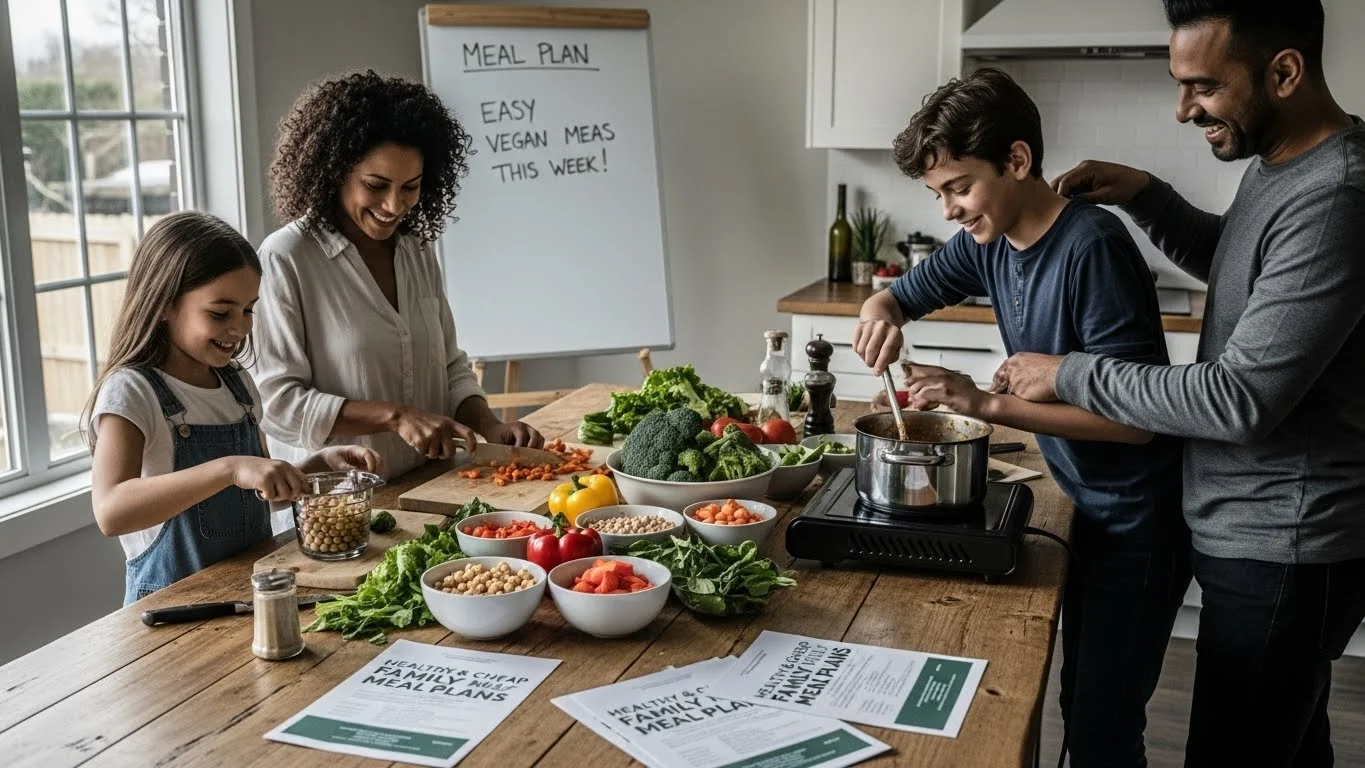
If you’re looking for simple, delicious ways to feed your family healthy vegan meals without breaking the bank, you’re in the right place. Let’s dive into easy vegan meal planning that’s nutritious and budget-friendly! Read Interesting article: Ultimate Vegan Meal Planning for Families on a Budget
Understanding Vegan Meal Planning
What is Veganism?
Veganism, for me, has always been more than just a diet; it’s a lifestyle choice that excludes all animal products. This means no meat, dairy, or eggs. Instead, I focus on a wide variety of plant-based foods. I remember when I first made the switch, it felt a bit overwhelming, but once I got the hang of it, I found it liberating. I loved exploring different cuisines that I hadn’t tried before, all while feeling good about my health and the planet.
Benefits of a Vegan Diet
Adopting a vegan diet offers a multitude of benefits. First and foremost, I noticed improvements in my energy levels and overall health. Research shows that a plant-based diet can lower the risk of chronic diseases, like heart disease and diabetes. I’ve also experienced better digestion and clearer skin since making these changes. Beyond personal health, I feel a sense of purpose knowing that my dietary choices contribute to animal welfare and environmental sustainability. Read Interesting article: How to Ensure Proper Nutrition for Vegan Children
Cost-Effectiveness of Veganism
One of the biggest misconceptions I encountered was that veganism is expensive. In my experience, it can actually be quite the opposite! Focusing on whole foods, like grains, beans, and seasonal vegetables, can drastically reduce grocery bills. I remember when I started meal prepping and shopping for bulk items; my savings were significant. Veganism doesn’t require fancy processed foods or specialty items. It’s all about getting back to basics and making smart choices.
Essential Ingredients for Vegan Meal Plans
Whole Grains
Whole grains are a staple in my kitchen. They are not only affordable but also filling and nutritious. I love cooking with brown rice, quinoa, and whole grain pasta. I often make a big batch of quinoa at the beginning of the week, which I can use in salads, bowls, or as a side dish. Whole grains provide essential nutrients and are an excellent source of fiber, which keeps us all satisfied.
Legumes and Beans
Legumes are another fantastic ingredient that I include in every meal plan. Beans, lentils, and chickpeas are incredibly versatile and can be used in soups, stews, or even salads. They are packed with protein and fiber, and honestly, they’re one of the most cost-effective sources of nutrition. On busy nights, I love whipping up a quick chili with canned beans and whatever veggies I have on hand.
Fruits and Vegetables
I’ve learned that incorporating a rainbow of fruits and vegetables not only enhances the flavor of our meals but also boosts their nutritional value. Seasonal produce is usually cheaper and tastes better. I often visit local farmer’s markets to find fresh fruits and veggies. My kids love snacking on fresh fruit, and I’ve found that if I keep colorful options available, they are more likely to reach for healthy snacks.
Nuts and Seeds
Nuts and seeds are my go-to for healthy fats and snacks. I love adding almonds or sunflower seeds to salads for crunch, and nut butter is a staple in our house for smoothies and on toast. While they might seem pricey upfront, a little goes a long way. Buying in bulk helps lower costs, too!
Plant-Based Proteins
Plant-based proteins are essential for a balanced vegan diet. I enjoy trying different types of tofu, tempeh, and seitan. They can be marinated and cooked in various ways, keeping meals exciting. I remember the first time I made a stir-fry with marinated tofu; it was a hit with my family! These proteins not only add flavor but also help us feel fuller for longer.
Herbs and Spices
Herbs and spices are game-changers in vegan cooking. They can transform simple ingredients into something incredible. I find that experimenting with different herbs can elevate my cooking. Fresh basil, cilantro, garlic, and ginger are some of my favorites. I often grow my own herbs on the windowsill, which makes it even more accessible and economical.
Creating an Easy Vegan Meal Plan
Assessing Family Preferences
When I started meal planning, I quickly realized how important it was to consider everyone’s tastes in my family. I made a simple list of our favorite foods and recipes that everyone enjoyed, which helped me build a solid foundation for our meal plan. I remember asking my kids what they liked and didn’t like, and it turned out to be a fun activity. This not only made them more excited about the meals but also encouraged them to try new things. Involving everyone in the planning process can be a game-changer, and I think it helps foster a sense of community around our meals.
Setting a Budget
Setting a budget was eye-opening for me. I used to just grab whatever looked good at the store, but that led to unnecessary spending. Now, I sit down each week and decide how much I want to spend on groceries. I look at sales and plan around what’s on offer. This process has helped me become more mindful of what I buy and allows me to stretch our dollars further. I often find that planning meals around what’s on sale not only helps us save money but also inspires creativity in the kitchen. I’ve learned to embrace what’s available rather than what I initially thought I needed.
Choosing Recipes
Once I know our family preferences and budget, the next step is choosing recipes. I love browsing through cookbooks or websites for new ideas. I have a few go-to vegan blogs that I adore, and I often flip through my favorite cookbooks for inspiration. I recommend picking a mix of simple and slightly more complex recipes to keep things interesting. I try to select meals that can be prepared in bulk or that use similar ingredients to minimize waste. This approach not only saves time but also makes grocery shopping easier since I can buy in bulk for multiple meals.
Meal Prep Techniques
Now comes the fun part: meal prep! I’ve found that dedicating a couple of hours each week to meal prep saves me time and stress during the busy weekdays. One of my favorite techniques is batch cooking. I prepare large quantities of grains, beans, and roasted vegetables that I can easily mix and match throughout the week. I also love making sauces and dressings in advance. When everything is prepped, I can quickly assemble meals or snacks, making it so much easier to stick to our meal plan. I remember the first time I made a big batch of veggie chili; not only did it feed us for days, but it also made for quick lunches and dinners!
Sample Weekly Vegan Meal Plans
Family-Friendly Vegan Meal Plan (7 Days)
To give you an idea of how a weekly meal plan might look, I’ve put together a sample for a family-friendly vegan week. This plan includes breakfast, lunch, dinner, and snacks for each day, making it easy to follow and adapt as needed.
Day 1: Breakfast, Lunch, Dinner, Snacks
- Breakfast: Oatmeal topped with bananas and almond butter.
- Lunch: Quinoa salad with black beans, corn, and avocado.
- Dinner: Stir-fried tofu and mixed vegetables over brown rice.
- Snacks: Apple slices with peanut butter.
Day 2: Breakfast, Lunch, Dinner, Snacks
- Breakfast: Smoothie with spinach, banana, and almond milk.
- Lunch: Hummus wraps with cucumbers, carrots, and mixed greens.
- Dinner: Lentil soup with crusty bread.
- Snacks: Trail mix with nuts and dried fruit.
Day 3: Breakfast, Lunch, Dinner, Snacks
- Breakfast: Chia pudding with berries.
- Lunch: Leftover lentil soup with a side salad.
- Dinner: Vegetable curry served with quinoa.
- Snacks: Carrot sticks with guacamole.
Day 4: Breakfast, Lunch, Dinner, Snacks
- Breakfast: Vegan pancakes topped with maple syrup and fruit.
- Lunch: Chickpea salad sandwich.
- Dinner: Pasta with marinara sauce and roasted vegetables.
- Snacks: Rice cakes with almond butter.
Day 5: Breakfast, Lunch, Dinner, Snacks
- Breakfast: Smoothie bowl with granola and fresh fruit.
- Lunch: Quinoa bowl with roasted sweet potatoes and kale.
- Dinner: Vegan tacos with lentils, avocado, and salsa.
- Snacks: Homemade popcorn.
Day 6: Breakfast, Lunch, Dinner, Snacks
- Breakfast: Overnight oats with chia seeds and nuts.
- Lunch: Vegetable sushi rolls.
- Dinner: Stuffed bell peppers with rice and black beans.
- Snacks: Fresh fruit or energy balls.
Day 7: Breakfast, Lunch, Dinner, Snacks
- Breakfast: Tofu scramble with spinach and tomatoes.
- Lunch: Leftover stuffed bell peppers.
- Dinner: Veggie burger with sweet potato fries.
- Snacks: Dark chocolate and nuts.
This sample meal plan can easily be adjusted based on what my family enjoys or what’s in season. I find having a plan in place not only helps me save money but also makes sure we always have nutritious meals at the ready!
Budget-Friendly Shopping Tips
Buying in Bulk
One of the best discoveries I made on my vegan journey was the value of buying in bulk. When I first started, I was hesitant to invest in large quantities of food, fearing it might go to waste. However, I learned that purchasing staples like grains, legumes, nuts, and seeds in larger amounts can significantly lower costs. I remember my first trip to a bulk store; I filled my bags with quinoa, lentils, and oats, and I was amazed at how much I saved. Plus, it’s great to have these essentials on hand for quick meals or snacks throughout the week!
Seasonal Produce
Shopping for seasonal fruits and vegetables has been a game-changer for my grocery budget. I’ve found that the prices drop dramatically when produce is in season, and it tastes so much better too! For instance, I love incorporating fresh tomatoes and zucchini in the summer, while root vegetables like carrots and sweet potatoes are perfect for fall. I often check local farmers’ markets or grocery store flyers to see what’s in season. Not only does this approach save money, but it also encourages creativity in my cooking as I experiment with whatever is available.
Store Brands vs. Name Brands
When I first started shopping for vegan ingredients, I was drawn to name brands, thinking they were higher quality. However, I discovered that many store brands offer the same quality at a fraction of the price. I’ve switched to store brands for items like canned beans, rice, and even plant-based milk. The savings really add up! I recommend doing a little taste test to find store brands that work for you. You might be surprised at how much you enjoy them—and how much money you can save!
Using Coupons and Discounts
In my experience, using coupons and looking for discounts can make a huge difference in our grocery bills. I started checking grocery store apps and websites for digital coupons and special offers. Sometimes, I even find deals on products I use regularly, like vegan cheese or plant-based proteins. I also keep an eye out for discounts on items nearing their expiration date, especially when it comes to canned goods or frozen fruits and veggies. These can usually be frozen for later use, so it’s a win-win situation!
Quick and Easy Vegan Recipes for Families
One-Pot Meals
One-pot meals are my savior on busy days. They are not only simple to prepare, but they also mean less cleanup, which I love. I often whip up a big pot of vegetable stew or a hearty chili, which can be made with whatever veggies and beans I have on hand. I remember one hectic evening when I threw together a chickpea curry with spinach, coconut milk, and spices, letting it simmer while I helped the kids with their homework. The entire family enjoyed it, and I felt accomplished for using just one pot!
30-Minute Recipes
Having a few 30-minute recipes on hand is essential for our family. After a long day, the last thing I want to do is spend hours in the kitchen. One of our favorites is a quick vegetable stir-fry. I simply toss whatever veggies I have in the fridge with some tofu or tempeh and a flavorful sauce. It’s always a hit, and I can have dinner ready in no time. I often find myself searching for more quick recipes that can be made in under half an hour. They help keep our meals interesting without sacrificing time.
Freezer-Friendly Options
Having freezer-friendly meals saved me countless times, especially on those chaotic nights when cooking feels impossible. I love preparing large batches of soups, stews, or even burritos that I can freeze for later. I remember the first time I made a big batch of veggie chili and packed it into individual containers for the freezer. It became a lifesaver for our family on days when I didn’t have the energy to cook. Just pop a container in the fridge to thaw the night before, and you’ve got a delicious, homemade meal ready to go!
Kid-Friendly Snacks
Finding quick, healthy snacks for my kids has always been important, and I’ve discovered that they actually enjoy a lot of vegan options! I love preparing energy balls made from oats, nut butter, and a touch of maple syrup. They are super easy to make and perfect for after-school snacks. Additionally, I keep cut-up veggies and hummus on hand for quick munching. It’s amazing how much my kids enjoy snacking on things like carrot sticks or apple slices when they’re easily accessible. I’ve learned that having healthy options readily available encourages them to make better choices.
Addressing Common Concerns about Vegan Diets
Protein Sources in a Vegan Diet
One of the biggest concerns I hear about vegan diets is protein intake. I remember when I first switched to plant-based eating, I worried about getting enough protein to meet my needs. But as I learned more, I discovered that there are plenty of plant-based protein sources available. Foods like lentils, chickpeas, tofu, tempeh, and quinoa are rich in protein. I also enjoy adding nuts and seeds to my meals. For example, incorporating hemp seeds into smoothies or salads has become a favorite way to boost protein content. I feel empowered knowing I can meet my protein needs without animal products.
Nutritional Balance
Maintaining a balanced diet is crucial, and I’ve found that being mindful of different nutrients helps me stay on track. I make sure to incorporate a variety of foods to get all the vitamins and minerals I need. For instance, I focus on dark leafy greens for calcium and iron, and I include fruits like oranges or strawberries for vitamin C. Sometimes, I even add a B12 supplement to my routine because it’s harder to find in plant foods. I believe that staying informed and understanding nutritional requirements has made my journey smoother and more enjoyable. Read Interesting article: Top Tips for Meeting Vegan Children’s Nutritional Needs
Feeding Picky Eaters
As a parent, I know the struggle of feeding picky eaters. I’ve been there! My kids can be finicky about trying new foods. To tackle this, I’ve found that involving them in meal prep makes a huge difference. I let them pick out fruits and vegetables at the store or even help me cook. When they feel included, they’re often more willing to try what we make together. I’ve discovered that presenting foods in fun and creative ways, like making colorful fruit kabobs or veggie wraps, can spark their interest. It’s a journey, but with patience, I’ve seen them become more adventurous with their food choices.
Meal Variety and Avoiding Monotony
One of the challenges I faced was keeping our meals exciting. I learned that diversifying our meals can be fun! I love exploring different cuisines—Mexican, Indian, Mediterranean—you name it! It helps to try new recipes regularly, and I often have themed nights to shake things up. For example, I might have “Taco Tuesday” with various toppings or “Stir-Fry Saturday” where we mix and match veggies and sauces. It’s amazing how a little creativity can turn the same ingredients into something new! I think embracing variety is key to keeping our meals enjoyable.
Tools and Resources for Vegan Meal Planning
Meal Planning Apps
Technology has made meal planning even easier for me. I love utilizing meal planning apps to organize my recipes and create shopping lists. Apps like Mealime or Paprika have been game-changers. I can browse recipes, save my favorites, and quickly generate grocery lists. This saves me time and helps me stay organized during busy weeks. I appreciate having everything in one place, making the whole process less stressful and more efficient.
Cookbooks and Online Resources
Cookbooks have always been my go-to for inspiration. Over the years, I’ve built a collection of vegan cookbooks that I frequently turn to. They not only provide recipes but also helpful tips for meal prep and ingredient substitutions. Additionally, I love browsing vegan food blogs and YouTube channels for fresh ideas. The vegan community is rich with resources, and I often find myself discovering new favorites that make my meal planning even more exciting.
Community Support and Forums
Joining vegan communities and forums has connected me with others who share similar values and goals. I’ve learned so much from their experiences and tips. Whether it’s a Facebook group or a Reddit forum, having a support system can be incredibly motivating. I often share my own ideas and ask for advice on certain meals or challenges I face. It’s comforting to know that I’m not alone on this journey and that we can uplift and inspire each other.
Final Thoughts
Transitioning to a vegan lifestyle has been a fulfilling experience for me, filled with learning and growth. I’ve discovered that meal planning doesn’t have to be overwhelming; it can be a joyful and creative process. By focusing on wholesome ingredients, involving my family, and taking advantage of helpful tools, I’ve made it work for our household. Whether you’re new to veganism or looking to improve your meal planning, I encourage you to embrace this journey. It’s about finding what works for you and your loved ones, making it not just a diet, but a sustainable and enjoyable way of life.
Frequently Asked Questions
What is veganism?
Veganism is a lifestyle choice that excludes all animal products, including meat, dairy, and eggs, and focuses on a wide variety of plant-based foods.
What are the benefits of adopting a vegan diet?
Adopting a vegan diet can lead to improvements in energy levels, lower risk of chronic diseases, better digestion, clearer skin, and a sense of purpose related to animal welfare and environmental sustainability.
How can veganism be cost-effective?
Veganism can be cost-effective by focusing on whole foods like grains, beans, and seasonal vegetables, which can help significantly reduce grocery bills compared to processed or specialty items.
What are essential ingredients for vegan meal planning?
Essential ingredients include whole grains, legumes and beans, fruits and vegetables, nuts and seeds, plant-based proteins, and herbs and spices.
How do I create an easy vegan meal plan?
To create an easy vegan meal plan, assess family preferences, set a budget, choose recipes based on those preferences and budget, and use meal prep techniques like batch cooking.
What does a sample weekly vegan meal plan include?
A sample weekly vegan meal plan includes a variety of meals for breakfast, lunch, dinner, and snacks, such as oatmeal, quinoa salad, stir-fried tofu, and vegetable curry, among others.
What are some budget-friendly shopping tips for vegan ingredients?
Budget-friendly shopping tips include buying in bulk, shopping for seasonal produce, choosing store brands over name brands, and using coupons and discounts.
How can I prepare quick and easy vegan meals for my family?
Quick and easy meals can include one-pot meals, 30-minute recipes, freezer-friendly options, and kid-friendly snacks that are simple to prepare and require minimal cleanup.
How do I address common concerns about protein intake in a vegan diet?
To address concerns about protein intake, include a variety of plant-based protein sources such as lentils, chickpeas, tofu, tempeh, and quinoa in your meals.
What resources can assist with vegan meal planning?
Helpful resources for vegan meal planning include meal planning apps, cookbooks, online blogs, and community support forums that provide recipes, tips, and motivation.