
Family trips are a wonderful opportunity for bonding, but they can also bring out defiance in children. Understanding how to manage this behavior effectively can transform your travel experience into something joyous and memorable. For more insights, consider Mastering Behavior Management: Travel Strategies for Parents.
Understanding Defiance in Children
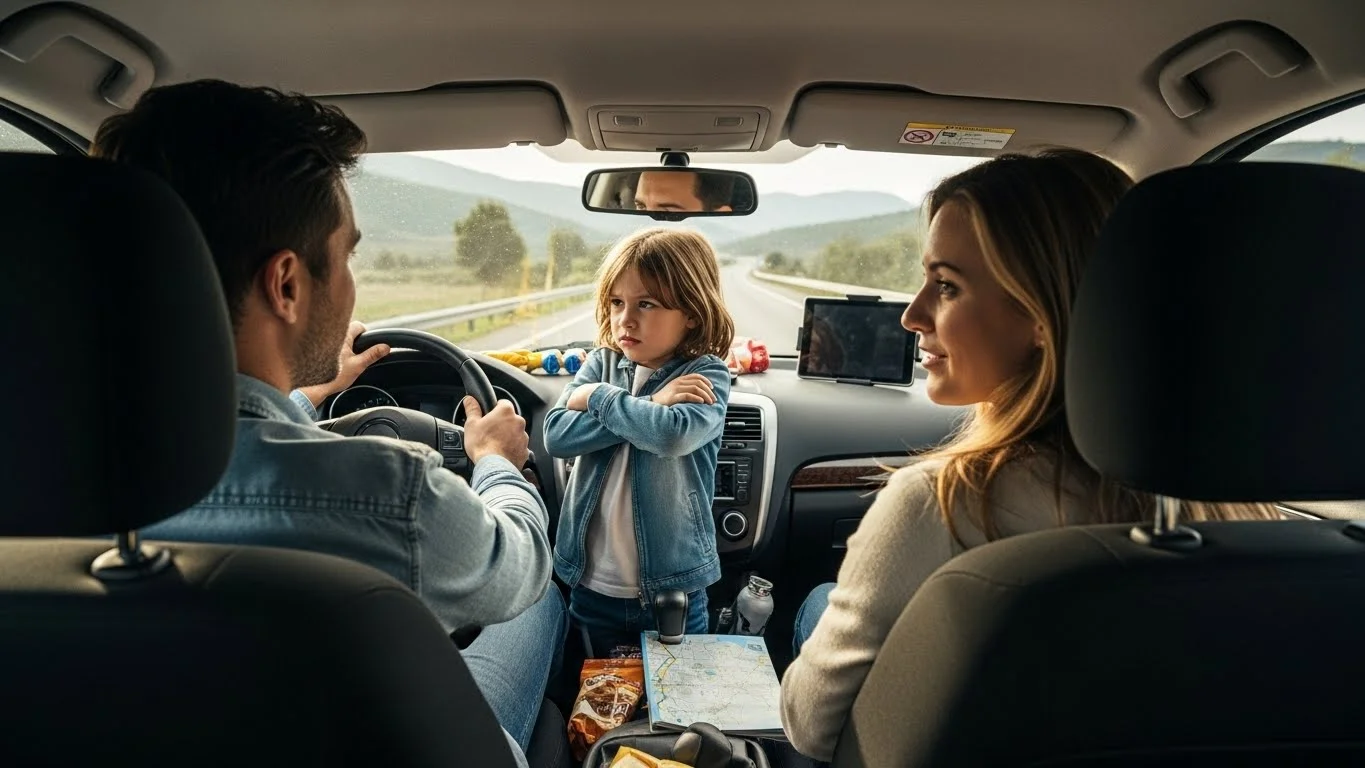
Defiance in children can be frustrating, especially when you’re trying to enjoy a family trip. I remember a time when my kids decided that they simply wouldn’t cooperate during a long drive. It’s moments like these that make it essential to understand the underlying reasons behind their behavior. By grasping the psychology of defiance, we can better prepare ourselves and our kids for smoother travels.
The Psychology Behind Defiant Behavior
Defiance is often a child’s way of asserting their independence. I’ve seen my kids push back when they feel their choices are limited. They want to express their opinions and feel in control, even when it’s about something as simple as what snacks to bring. Understanding that this behavior stems from a natural developmental stage can help us approach it with compassion rather than frustration. I’ve learned that when I acknowledge their feelings and involve them in decisions, it often diffuses the defiance before it escalates.
Common Triggers of Defiance During Travel
Traveling introduces new environments and experiences that can be overwhelming for kids. I’ve noticed that fatigue, hunger, and boredom are three major triggers for defiance during our family trips. When we’re on the road, I try to keep an eye on everyone’s energy levels and ensure we take breaks to stretch and refuel. Kids can also be sensitive to new places, so I’ve found it helpful to talk with them about what to expect. By addressing these triggers ahead of time, I can minimize the chances of a meltdown.
Preparation Strategies for Family Trips
Preparation is key to avoiding defiance while traveling. I’ve discovered that laying the groundwork before a trip can make a world of difference. Here are some strategies that have worked for my family, including setting clear travel boundaries.
Setting Expectations Before the Trip
Before hitting the road, we have family meetings to discuss the trip. I encourage my kids to share their thoughts and what they’re looking forward to. Together, we create a list of expectations. This includes how we’ll behave and what activities we plan to do. By setting clear expectations, my kids feel included and empowered, which reduces the likelihood of defiance. They know what to expect, and I find they are less likely to act out when they feel prepared.
Creating a Family Travel Agreement
To make things even more structured, my family and I came up with a travel agreement. It’s a simple document that outlines our commitments to each other during the trip. We include things like “We will ask politely for breaks” and “We will support each other if someone is feeling overwhelmed.” Signing it together feels like a fun family ritual, and it reinforces a sense of teamwork. I’ve found that when my kids are part of the agreement process, they take the commitments more seriously.
Choosing Destinations with Kid-Friendly Activities
Choosing the right travel destination can also make a huge difference. I’ve learned that opting for places with kid-friendly activities keeps everyone engaged and less likely to act out. For instance, we recently visited a national park with hiking trails, picnic areas, and even a junior ranger program. The more entertained and stimulated my kids are, the less likely they are to defy authority. I recommend researching destinations that offer a variety of experiences for all ages to keep the entire family happy.
As we continue this journey of understanding defiance and preparing for family trips, I find that proactive strategies create a more harmonious atmosphere. It’s all about setting the right tone before we embark on our adventures, ensuring that we all feel heard and excited about what lies ahead. With these strategies, I truly believe we can turn potential challenges into opportunities for connection and fun.
Behavior Management Techniques During Travel
Even with the best preparation, we sometimes face the reality of defiance during our trips. I’ve learned that having a few effective behavior management techniques up our sleeves can help keep our family dynamics smooth and enjoyable. Here are some strategies that have really worked for us, including navigating learning disabilities while traveling.
Positive Reinforcement Strategies
One technique that I swear by is positive reinforcement. Instead of focusing solely on what my kids shouldn’t do, I make a point to acknowledge and praise them for the good behavior I want to see. For instance, when they follow our travel agreement or help out without being asked, I make sure to highlight their efforts. It could be as simple as saying, “I really appreciate how you said ‘please’ when you asked for a snack!” I’ve noticed that this kind of encouragement not only boosts their confidence but also motivates them to continue making good choices. It’s amazing how a little praise can foster a cooperative spirit, turning potential defiance into teamwork.
Effective Communication Techniques
Communication is another vital tool in our family travel toolbox. I’ve found that clear and calm communication can diffuse a lot of tense moments. When my kids begin to exhibit defiant behavior, I try to engage them in a conversation rather than react with frustration. I might say, “I can see you’re feeling upset. Can you tell me what’s bothering you?” This approach invites them to express their feelings, and I’ve noticed it opens up a dialogue that leads to understanding. By validating their emotions, I find that they are more receptive to discussing how we can work through the situation together. It’s a win-win because both sides feel heard.
Using Natural Consequences
Sometimes, I believe in the power of natural consequences. If my kids refuse to wear their jackets when it’s chilly, for example, I let them experience the discomfort of being cold. While this might sound harsh to some, I’ve found that it helps them learn from their choices in a very tangible way. After a short while, they usually come to me, asking for their jackets. It’s a gentle way of teaching them responsibility without me having to get into a battle of wills. I’ve seen how experiencing the outcome of their choices encourages them to think twice before defying us next time.
Implementing Time-Outs and Breaks
When things get particularly heated, I’ve resorted to using time-outs and breaks. This isn’t about punishment but more about creating a moment for everyone to cool down. If tensions rise, I might suggest, “Let’s take a five-minute break to regroup.” During this time, we can sit quietly or do some deep breathing exercises. I’ve noticed that stepping away from the situation often helps us all gain perspective, and it provides my kids the chance to calm down and reflect on their behavior. When we return to the conversation, we usually have a clearer mindset and can work through the issue together.
Engaging Activities to Redirect Attention
During travel, keeping our kids engaged can make a tremendous difference in their behavior. I’ve discovered that having a variety of activities on hand is a game changer, especially during long car rides or waits at the airport.
Interactive Games for the Journey
One of my favorite ways to keep the mood light is by playing interactive games while we travel. Simple games like “I Spy,” “20 Questions,” or the classic “Would You Rather?” not only keep everyone entertained but also encourage teamwork. I remember a road trip when we played “I Spy” for hours, and it turned into a delightful bonding experience. These games help distract from the monotony of travel and turn potential restlessness into engaging fun. I highly recommend keeping a list of games handy for your trips.
Involving Children in Trip Planning
Involving my kids in the trip planning has also proven to be beneficial. I’ve learned that when they have a say in our itinerary, they’re more invested in what we’re doing. We might sit down together and look at the places we’ll visit or the activities available. I encourage them to pick a few spots they’re excited about. This inclusion empowers them, and I’ve noticed they tend to be more cooperative and less defiant when they feel like they have a stake in the adventure.
Utilizing Technology Wisely
While I try to keep screen time balanced, I find that technology can be a helpful tool during travel. I’ve downloaded a few educational apps and fun games that can keep my kids engaged for a while. We also use audiobooks to make long drives feel shorter and more enjoyable. There’s something about losing ourselves in a story that captivates the entire family. Plus, it becomes a shared experience we can talk about later. Just remember to set some boundaries to keep technology from taking over the entire trip!
By implementing these behavior management techniques and engaging activities, I’ve seen a noticeable improvement in our family’s travel experiences. It’s all about being proactive and finding strategies that promote cooperation and connection among us. With a little planning and creativity, we can make our family trips smoother and more enjoyable for everyone involved.
Maintaining Consistency in Discipline
While I’ve shared several strategies to manage defiance during travel, I’ve learned that maintaining consistency in discipline is equally crucial. It’s not just about having a plan but also about sticking to it. I’ve found that kids thrive in environments where they know what to expect. Here are some insights I’ve gathered on keeping discipline steady while we’re on our family adventures.
Establishing Clear Boundaries
Before embarking on any trip, I find it helpful to establish clear boundaries. During our family meetings, we discuss what behaviors are acceptable and what aren’t, ensuring everyone understands the limits. For instance, we agree that shouting in the car is a no-go, while asking for a break is perfectly fine. I emphasize that these boundaries apply no matter where we are, whether at a rest stop, a theme park, or in a hotel room. My experience tells me that when kids know the rules, they feel more secure, which often leads to better behavior.
When we’re on the road, I make a point to remind them of these boundaries regularly. Sometimes, it’s as simple as saying, “Remember our agreement about being polite when asking for things?” This gentle reminder reinforces our expectations and helps keep everyone on track. I’ve noticed that when I consistently uphold these boundaries, my kids are less likely to push back against them.
Using Consistent Consequences for Defiance
Consistency in consequences is another area where I’ve seen significant improvements in behavior. I make it clear that if they cross the established boundaries, there will be consequences, and these consequences should be predictable. For instance, if they refuse to participate in agreed-upon activities, we may skip the next fun stop. I remember a time when my youngest insisted on refusing to wear their shoes at a park. I told them that if they didn’t want to wear shoes, they wouldn’t be able to join us on the playground. They quickly decided to put them on when they realized they would miss out on the fun.
Consistency doesn’t mean being harsh. I try to keep the consequences reasonable and related to the behavior. If they’re misbehaving during a family dinner, the consequence might be that they have to help clean up afterward. I’ve found that when consequences are logical and fair, my kids are much more willing to accept them without much fuss.
Dealing with Unexpected Challenges
Despite our best efforts, unexpected challenges can still arise, and it’s essential to be prepared for those moments. I’ve had my fair share of surprises during family trips, and I’ve learned that how we handle these situations can either lead to chaos or calm. Here are some strategies I rely on to navigate those unexpected bumps in the road.
Handling Meltdowns in Public Places
Meltdowns are bound to happen at some point, especially in public settings where kids may feel overwhelmed. I remember one trip when my son had a complete breakdown in the middle of a crowded museum. It was embarrassing, but I quickly realized that reacting with anger or frustration wouldn’t help. Instead, I calmly kneeled down to his level and asked what was bothering him. It turned out he was overstimulated and needed a break.
In situations like this, I find that stepping away from the crowd can work wonders. I suggest finding a quiet corner or stepping outside for some fresh air. Taking a moment to regroup often helps my kids calm down and regain control. I’ve found that once they’re in a more comfortable space, they’re much more willing to talk about their feelings and find a solution together.
Emergency Strategies for High-Stress Situations
Sometimes, the unexpected can escalate into high-stress situations. When we find ourselves in these moments, I rely on a couple of emergency strategies. For instance, I keep a small bag of calming items handy, like fidget toys, stress balls, or even coloring books. I’ve found that these little distractions can help my kids redirect their energy and focus on something calming rather than the stressor at hand.
I also have a few deep breathing exercises up my sleeve. When tensions rise, I might say, “Let’s take a big breath together.” We all inhale deeply and exhale slowly. I’ve noticed that even doing this as a family can bring down stress levels significantly. It turns what feels like a chaotic moment into an opportunity to connect and refocus. In those high-stress situations, I remind myself that it’s okay to take a step back and breathe, both for my kids and myself.
By maintaining consistency in discipline and preparing for unexpected challenges, I’ve not only improved our travel experiences but also helped my kids develop the skills they need to navigate their emotions. It’s a journey, and I believe we’re all learning and growing together as a family through each adventure.
Post-Trip Reflection and Learning
Discussing What Went Well and What Didn’t
After a trip, I find it incredibly helpful to sit down with my family and talk about our experiences. I remember one vacation in particular where we encountered a lot of challenges, but we also had some amazing moments. By discussing what went well and what didn’t, we can celebrate our successes and learn from the difficult parts. This reflection helps us appreciate the fun times while acknowledging any bumps we hit along the way. I usually ask open-ended questions like, “What was your favorite part of the trip?” and “What do you think we could do differently next time?” This way, everyone feels included in the conversation, and we often uncover valuable insights together.
Encouraging Kids to Share Their Feelings
I’ve found that encouraging my kids to express their feelings about the trip is vital. They often have unique perspectives that I might not have considered. I remember one time when my daughter was upset about a particular activity we missed, and talking about it allowed her to express her disappointment constructively. I try to create an environment where my kids feel comfortable sharing their emotions, whether they’re happy, sad, or even frustrated. By validating their feelings, I show them that it’s okay to express how they felt during our adventures, which helps them process their experiences better.
Planning Improvements for Future Trips
We also take time to brainstorm improvements for our future travels. It’s a collaborative effort, and I’ve noticed that when my kids contribute ideas, they feel a sense of ownership over our family trips. For instance, if they suggest incorporating more breaks into our itinerary or picking destinations with more hands-on activities, I make sure to take those suggestions seriously. This approach not only empowers them but also teaches them to think critically about what works and what doesn’t. Plus, it makes the planning process for our next adventure a shared responsibility, which I believe enhances our family bond.
Final Thoughts
Family trips can be a delightful adventure, filled with precious memories and valuable lessons, but they also come with their fair share of challenges. Through understanding defiance, preparing strategically, and maintaining consistency in discipline, I feel we can create a nurturing environment for our kids. Each journey we take together is an opportunity for growth—not just for them but for us as parents too. I’ve learned that a little patience, a lot of communication, and a sprinkle of fun can make all the difference in transforming potential conflicts into cherished moments. In the end, it’s about embracing the journey, with all its ups and downs, and enjoying the time we spend together as a family.
Frequently Asked Questions
What is defiance in children during family trips?
Defiance in children during family trips is often a way for them to assert their independence. It can manifest as refusal to cooperate or resistance to authority, especially when they feel their choices are limited.
What are common triggers of defiance in children while traveling?
Common triggers of defiance during travel include fatigue, hunger, and boredom. New environments can also overwhelm kids, making them more sensitive and prone to acting out.
How can parents prepare to minimize defiance during trips?
Parents can prepare by setting expectations before the trip, creating a family travel agreement, and choosing destinations with kid-friendly activities. This proactive approach helps kids feel included and empowered.
What is a family travel agreement?
A family travel agreement is a simple document that outlines commitments and behaviors expected from each family member during the trip, such as asking politely for breaks and supporting each other.
How can parents use positive reinforcement to manage defiance?
Parents can use positive reinforcement by acknowledging and praising good behavior, which encourages children to continue making positive choices and fosters a cooperative spirit.
What communication techniques can help during defiance?
Effective communication techniques include engaging children in conversation when they exhibit defiant behavior, validating their feelings, and inviting them to express what is bothering them.
What are natural consequences, and how can they be used?
Natural consequences involve allowing children to experience the results of their choices, such as feeling cold if they refuse to wear a jacket. This teaches them responsibility in a tangible way without conflict.
What strategies can be used to handle meltdowns in public places?
When dealing with meltdowns in public, parents can calmly remove the child from the stimulating environment, find a quiet place to regroup, and engage in conversation to address the child’s feelings.
Why is post-trip reflection important for families?
Post-trip reflection is important as it allows families to discuss what went well and what didn’t, encouraging kids to share their feelings and brainstorm improvements for future trips, which fosters a sense of ownership and collaboration.
How can technology be used wisely during family trips?
Technology can be used wisely by incorporating educational apps, games, and audiobooks to keep kids engaged during travel, while ensuring that screen time is balanced and does not dominate the trip.