
Traveling is one of life’s greatest joys, but it often comes with challenging conversations. Whether planning a trip or navigating new cultures, effective communication can make or break our travel experiences. For more insights on effective communication strategies, check out Effective Communication: Harnessing Positive Reinforcement Strategies.
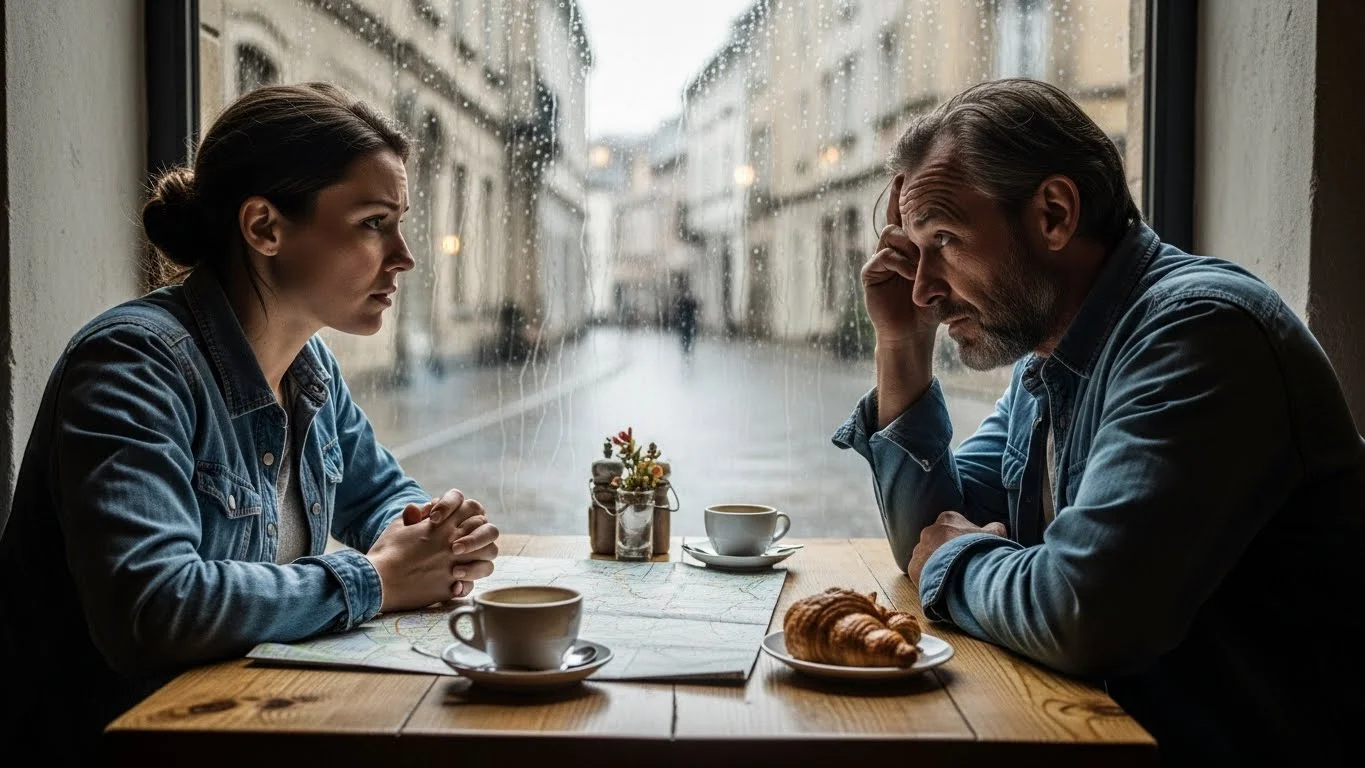
Understanding the Importance of Communication in Travel
When I think about my travel experiences, I realize that communication has been at the heart of each adventure. From planning trips with friends to interacting with locals, effective communication shapes our travel experiences in profound ways. I’ve found that being clear and open in our discussions can lead to smoother journeys, more enjoyable experiences, and even stronger relationships with our travel companions.
The Role of Communication in Travel Experiences
Communication is more than just exchanging words; it’s about understanding and connecting with others. During my travels, I’ve noticed that good communication can enhance our experiences significantly. For instance, when I was in Italy, I remember struggling with the menu in a small restaurant. The waiter noticed my confusion and took the time to explain the dishes, sharing stories behind the food. That simple act of effective communication turned a meal into a memorable experience, allowing me to appreciate the culture more deeply.
Moreover, open dialogues with travel companions can help set expectations and avoid misunderstandings. I’ve traveled with friends who had different ideas about what to see and do. By discussing our preferences early on, we found common ground and crafted a plan that everyone enjoyed. This collaborative approach not only made the trip more enjoyable but also strengthened our friendship. For additional tips on effective communication, consider reading Unlock Positive Reinforcement: Tips for Effective Communication.
Common Communication Barriers in Travel
Despite the importance of communication, I’ve encountered several barriers that can complicate conversations while traveling. One significant barrier is language differences. I remember being in a bustling market in Thailand, trying to bargain for souvenirs. I didn’t speak Thai, and the vendor didn’t speak English. We both attempted to communicate through gestures and a few words, but it was challenging. Misunderstandings can arise easily, leading to frustration on both sides.
Cultural differences also play a role in communication barriers. Each culture has its norms and expectations regarding conversation styles. For example, when I visited Japan, I learned that directness can sometimes be seen as rude. This cultural nuance prompted me to pay attention to non-verbal cues and adjust my approach. I found it fascinating but also challenging to navigate these differences while trying to connect with people.
Another barrier is emotional tension. Travel can be stressful, and when plans go awry, emotions can run high. I remember a time when a delayed flight caused a heated discussion among my travel group. Everyone was tired and frustrated, and our communication became fraught with tension. I had to step back and encourage a calm discussion about our options, which helped diffuse the situation and allowed us to come together as a team again.
Types of Difficult Conversations Travelers Encounter
Discussing Travel Plans with Friends and Family
When planning a trip, it’s common to face disagreements about destinations, accommodations, and activities. I’ve found that discussing travel plans with friends or family can be like a balancing act. Everyone has different priorities and expectations, and it’s essential to voice those openly. I remember a trip I planned with my sister where we both had different ideas about what an ideal vacation would look like. By sharing our thoughts and being willing to compromise, we eventually crafted an itinerary that satisfied us both. This experience taught me that it’s vital to approach these discussions with an open mind and a willingness to listen.
Navigating Language Barriers with Locals
Language barriers can be daunting, but I’ve learned that there are creative ways to communicate. When I traveled to Spain, I didn’t know much Spanish, but I utilized translation apps and even learned a few key phrases before my trip. This preparation helped me connect with locals in a more meaningful way. I found that even trying to speak their language, even if it was imperfect, opened doors to warmer interactions. People appreciate the effort, and it often leads to richer conversations.
Handling Cultural Differences and Misunderstandings
Cultural misunderstandings can lead to awkward situations, but they can also be learning opportunities. I once inadvertently offended a local by not adhering to their customs during a meal. After realizing my mistake, I approached the situation with humility, apologized, and asked questions about their traditions. This opened up a dialogue that not only clarified my misunderstanding but enriched my understanding of their culture. It reminded me that communication is a two-way street; being open to learning can transform potential cringe-worthy moments into opportunities for connection.
Addressing Safety Concerns with Travel Companions
Safety is always a priority while traveling, and it can be tough to bring up concerns without sounding overly cautious. I recall a trip where I felt uneasy about the area we were staying in. Instead of keeping my feelings to myself, I chose to express my concerns to my travel companions. We discussed our safety strategies and made adjustments based on our collective feelings. This experience reinforced the idea that open communication about safety not only ensures our well-being but also builds trust among travel partners. For those interested in setting boundaries effectively, I recommend looking into Mastering Effective Communication: Setting Boundaries with Kids.
Strategies for Effective Communication
Active Listening Techniques
One of the most valuable skills I’ve developed while traveling is active listening. I remember a time during a group tour in Peru when our guide was sharing fascinating stories about the history of Machu Picchu. Instead of zoning out or thinking about what I wanted to say next, I made a conscious effort to really listen. I focused on his words, nodding along, and asking follow-up questions when he paused. This not only enriched my understanding of the site but also built rapport with our guide. Active listening helps us connect with others on a deeper level and shows that we value their insights. I believe that by being fully present in conversations, we can enhance our travel experiences significantly.
Using Clear and Simple Language
When communicating while traveling, I’ve learned that keeping language clear and simple is crucial. Sometimes, I catch myself using complicated phrases or slang, thinking it might impress others. However, I’ve noticed that this can lead to confusion, especially with non-native speakers. During a trip to Greece, I made it a point to use straightforward language when asking locals for directions. I remember how one vendor in Athens looked relieved when I simply asked, “Where is the Acropolis?” instead of trying to embellish my request with extra details. This approach made it easier for them to understand me, and I was able to get to where I wanted to go without any misunderstandings.
Non-Verbal Communication and Body Language
Non-verbal cues can sometimes speak louder than words. I’ve experienced this firsthand during trips to countries where English isn’t widely spoken. For instance, while in Morocco, I learned a lot about the locals through their body language and facial expressions. A friendly smile or a thumbs-up can go a long way in breaking down barriers. I remember a moment in a crowded souk when I was trying to barter for a scarf. The vendor’s warm smile made me feel welcomed, and my cheerful demeanor encouraged a playful negotiation. By paying attention to these non-verbal signals, I found that I could communicate effectively without needing a shared language.
Employing Technology for Translation and Communication
In this digital age, technology can be a traveler’s best friend when it comes to communication. I’ve relied on translation apps during my journeys to bridge language gaps. When I visited Japan, I downloaded an app that allowed me to take pictures of menus and signs to get translations instantly. It was a game-changer! I remember feeling empowered when I ordered sushi without having to guess what I was getting. While technology isn’t a perfect solution, it can significantly enhance our ability to connect with locals and navigate foreign environments. I always recommend downloading a translation app before a trip; it’s a handy tool that can save you from awkward situations.
When to Have Difficult Conversations
Timing: Choosing the Right Moment
Finding the right time for difficult conversations is something I’ve learned to prioritize. I remember a situation during a camping trip with friends. We were all exhausted after a long day of hiking, and tensions were rising over meal preparations. Instead of addressing the disagreements that evening, I suggested we wait until the next day when everyone was well-rested and calmer. This decision made a huge difference. When we sat down for breakfast, we discussed our concerns openly and found solutions together. Timing can transform a potentially heated argument into a constructive dialogue.
Setting the Scene for Constructive Dialogue
The environment where a conversation takes place can greatly impact its outcome. I’ve found that choosing a comfortable, relaxed setting can create a more open atmosphere for discussion. On one trip, I needed to bring up a sensitive topic regarding shared expenses with my travel group. Instead of doing it in front of everyone at a busy restaurant, I suggested a quiet café where we could talk more privately. This setting allowed us to communicate openly without distractions, and we ended up reaching a solution that everyone was happy with. I believe that creating the right environment can foster understanding and facilitate better communication.
Tips for Navigating Difficult Conversations
Staying Calm and Composed
During stressful situations, I’ve learned the importance of staying calm. I recall a time when plans in Paris went awry, and emotions were high among my travel companions. Instead of letting the frustration bubble over, I focused on maintaining a calm demeanor. I took a deep breath, reminded everyone of the fun we were having, and suggested we regroup to find a solution. This approach not only helped to de-escalate tensions but also encouraged others to express their feelings more constructively. Staying calm can set a positive tone for discussions, allowing everyone to feel heard.
Being Open to Compromise and Solutions
Compromise is essential in any group travel situation. I remember a road trip where we had different opinions on our next destination. Instead of insisting on my preference, I opened the floor for suggestions and actively listened to everyone’s ideas. By being flexible and willing to find a middle ground, we created an itinerary that included everyone’s interests, making the trip more enjoyable for all. Embracing compromise showed me that it’s not just about getting my way; it’s about creating shared experiences that strengthen our bonds.
Using ‘I’ Statements to Express Feelings
When discussing feelings and concerns, I’ve found that using ‘I’ statements can prevent defensiveness and promote understanding. For example, instead of saying, “You always want to do what you want,” I learned to express it as, “I feel left out when our plans don’t consider everyone’s preferences.” This slight change in wording can open up a dialogue instead of starting a conflict. By focusing on my feelings rather than blaming others, I’ve been able to address issues more effectively and foster a sense of collaboration among my travel companions.
Real-Life Scenarios and How to Handle Them
Disagreements on Itinerary Choices
Disagreements about what to do on a trip can be a common source of tension. I remember a time when my friends and I planned a weekend getaway, and we had differing ideas about how to spend our days. Some wanted to explore historical sites, while others were eager to relax on the beach. Instead of letting this disagreement fester, I suggested we each write down our top three activities. This way, everyone felt heard, and we could find overlaps in our preferences.
To my surprise, we discovered that two of the activities were shared interests. By combining our ideas, we created an itinerary that included a mix of exploration and relaxation. This experience taught me that addressing itinerary disagreements early, with a spirit of collaboration, can lead to a well-rounded trip that satisfies everyone’s interests. It’s all about finding common ground and being open to new experiences.
Addressing Financial Concerns Among Travelers
Money can be a sensitive topic, especially when traveling in groups. I’ve been in situations where sharing expenses became a source of stress among friends. For instance, during a trip to the mountains, we rented a cabin and shared meals, but we never discussed how we would split costs upfront. I noticed some friends hesitating to speak up about their discomfort with how much they were contributing.
To tackle this, I initiated a conversation about our shared expenses. I suggested we create a group fund for meals and activities, where everyone could contribute a set amount. This way, no one felt overwhelmed, and we could keep track of our spending easily. This approach not only alleviated financial tension but also fostered a sense of fairness. I believe that discussing financial matters openly can prevent misunderstandings and help everyone enjoy their travels without worry.
Dealing with Unexpected Changes or Delays
Unexpected changes can throw a wrench into any travel plan. I vividly recall a trip to New York when our flight was delayed due to a storm. Initially, frustration swept over our group, and I could feel tensions rising. Instead of allowing despair to take over, I suggested we find a cozy café in the airport and make the best of the situation. We ordered coffee and shared stories, which lightened the mood significantly.
During this downtime, we even brainstormed alternative activities we could do once we finally arrived. By reframing the situation as an opportunity for connection rather than a setback, we all felt more at ease. I learned that how we handle unexpected changes can set the tone for the rest of our trip. It’s essential to stay adaptable and focus on maintaining a positive outlook, even when things don’t go as planned.
Resources for Improving Communication Skills
Books and Online Courses
If you’re looking to enhance your communication skills, I highly recommend exploring books and online courses. I’ve found that books like “Crucial Conversations” and “Nonviolent Communication” provide invaluable insights on how to navigate difficult discussions. These resources taught me techniques to express myself clearly and listen actively.
There are also numerous online platforms offering courses on effective communication, conflict resolution, and cultural sensitivity. I enrolled in a course on Coursera that helped me understand different communication styles across cultures, which has been incredibly beneficial during my travels. Investing time in these resources can pay off immensely by making our travel experiences more enjoyable and fulfilling.
Apps for Language Translation and Learning
In today’s tech-savvy world, there are countless apps that can aid in language translation and learning. I’ve used Duolingo to pick up basic phrases before trips, which made me feel more confident when interacting with locals. When I traveled to South America, Google Translate became my go-to tool. The app’s ability to translate text and speech in real-time was a game changer, enabling me to navigate conversations with ease.
Additionally, apps like HelloTalk connect you with native speakers for language exchange. I’ve had wonderful conversations with locals through this platform, improving my language skills while making new friends. Using these tools not only enhances communication but also enriches our travel experiences by allowing us to connect more deeply with the places we visit.
Workshops and Group Discussions on Effective Communication
Participating in workshops and group discussions can also be a fantastic way to develop communication skills. I attended a workshop on effective communication during a travel expo, and it provided practical strategies for handling difficult conversations. Sharing experiences with other travelers helped me realize that we all face similar challenges, and discussing them in a supportive environment was empowering.
Look for local community centers or organizations that offer workshops focusing on communication skills or cultural awareness. Engaging in these activities can not only enhance our personal skills but also help build a community of like-minded travelers who share a passion for effective communication.
Frequently Asked Questions
What is the significance of communication in travel?
Communication is essential in travel as it shapes our experiences, enhances interactions with locals, and strengthens relationships with travel companions. Effective communication can lead to smoother journeys and more enjoyable experiences.
How can language barriers affect travel experiences?
Language barriers can complicate conversations and lead to misunderstandings, causing frustration. Travelers may struggle to communicate their needs or understand others, which can hinder interactions and the overall travel experience.
What are some strategies to overcome language barriers when traveling?
Travelers can use translation apps, learn key phrases before trips, and rely on non-verbal communication like gestures and body language to bridge language gaps and enhance interactions with locals.
How can cultural differences impact communication while traveling?
Cultural differences can create misunderstandings due to varying norms and expectations regarding conversation styles. Being aware of these differences and adapting communication styles can help prevent awkward situations and foster better connections.
What techniques can improve communication during group travel?
Techniques such as active listening, using clear and simple language, and employing ‘I’ statements can enhance communication in group settings by promoting understanding and reducing defensiveness.
How should travelers address safety concerns with their companions?
Travelers should express their safety concerns openly and discuss strategies with their companions. This fosters trust and ensures that everyone feels comfortable and secure during the trip.
What role does timing play in difficult conversations while traveling?
Choosing the right moment for difficult conversations can greatly impact their outcome. Discussing issues when everyone is calm and in a relaxed environment can lead to more constructive dialogues and resolutions.
What are some common types of difficult conversations travelers might encounter?
Common difficult conversations include discussing travel plans with friends and family, addressing financial concerns, handling disagreements about itinerary choices, and navigating unexpected changes or delays.
How can travelers use technology to enhance communication?
Travelers can use technology, such as translation apps, to facilitate communication and understand local languages better. These tools can help in navigating conversations and avoiding misunderstandings.
What resources are available for improving communication skills for travelers?
Resources for improving communication skills include books like “Crucial Conversations,” online courses on effective communication and cultural sensitivity, and workshops that focus on communication techniques and group discussions.