
Dealing with tantrums can be overwhelming, but effective communication can make a significant difference. Here are some insights to help you navigate those challenging moments with ease and understanding. Read Interesting article: Mastering Communication: Handle Tantrums Like a Pro
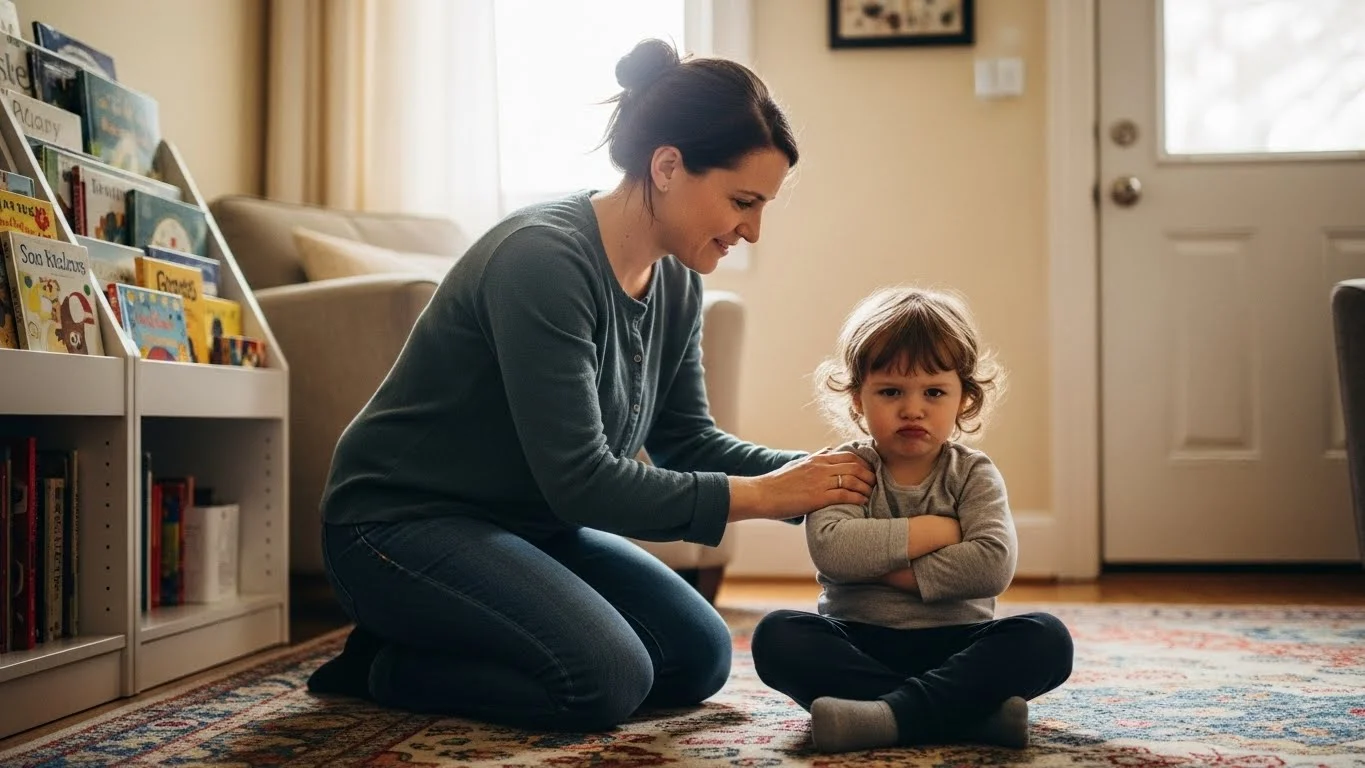
Understanding Tantrums: Causes and Types
When I first encountered tantrums, I often felt helpless and frustrated, not knowing how to handle the situation. Understanding the underlying causes and types of tantrums has been a game-changer for me. I realized that tantrums are a natural part of childhood development, often signaling that a child is struggling with emotions or situations they can’t fully comprehend.
Common Triggers of Tantrums
Tantrums can be triggered by various factors. In my experience, I’ve noticed that hunger, tiredness, and frustration are the top culprits. For example, when my child skips a nap or skips meals, it’s almost like a ticking time bomb. Other triggers can include changes in routine, feeling overwhelmed, or even wanting something they can’t have. I learned to pay close attention to these signals, which helped me anticipate and reduce the occurrences of tantrums.
Types of Tantrums: Emotional vs. Frustration
I’ve found that tantrums generally fall into two categories: emotional and frustration tantrums. Emotional tantrums often come out of strong feelings like sadness or fear. I remember a time when my child was upset after a scary movie, and the tears just flowed. On the other hand, frustration tantrums occur when a child feels powerless or unable to express themselves. For instance, when my child was trying to build a tower and it kept falling, frustration took over, and the tantrum erupted. Recognizing which type of tantrum is happening can guide how we respond and help in calming the situation.
The Importance of Effective Communication
Effective communication is the foundation for managing tantrums. I’ve realized that connecting with my child during these moments can change the entire outcome. When we hear each other, we build a stronger bond, which is essential for emotional development.
Building Trust Through Communication
Establishing trust is crucial, and I have found that being open and honest with my child builds that trust. When I talk to my child about their feelings, I notice a shift in their behavior. One approach that worked for me is to create a safe space where my child feels comfortable expressing themselves. I often say, “It’s okay to feel upset; I’m here to listen.” This simple acknowledgment helps them feel valued and understood, even when emotions are running high.
Active Listening Techniques
Active listening has been another powerful tool in my communication toolbox. When my child is upset, I try to put aside my distractions and focus entirely on what they’re saying. I nod, maintain eye contact, and repeat back what I hear to show that I understand. For example, “I can see you’re really frustrated because your toy broke.” This not only makes them feel heard but also helps me to assess the situation better. I’ve seen how active listening can greatly de-escalate a tantrum, allowing my child to calm down more quickly. Read Interesting article: Handling Tantrums: Tips for Toddlers to Teens
Prevention Strategies for Tantrums
While I know tantrums are inevitable, I’ve found that there are ways to prevent them from becoming frequent occurrences. Prevention strategies have been crucial for our family dynamic.
Setting Clear Expectations
One effective strategy is setting clear expectations. I found that when I clearly outline what’s going to happen during the day, it helps my child feel secure and reduces anxiety. For instance, before going to the store, I explain what we will do and what behavior I expect. I often say, “We’ll only be in the store for 30 minutes, and you can pick one snack.” These clear guidelines help to minimize surprises that could lead to a meltdown.
Creating a Calm Environment
Creating a calm environment has also made a noticeable difference. In my home, we’ve established a routine that includes quiet time and moments of relaxation. I remember setting up a cozy reading nook where my child could retreat when feeling overwhelmed. This area, filled with their favorite books and soft pillows, has become a safe haven for them. When I notice signs of agitation, I suggest we take a break in that space, which allows us both to breathe and reset.
Communication Techniques During a Tantrum
When a tantrum strikes, it can feel like chaos has taken over. I remember the first time I experienced one of my child’s explosive outbursts in a public place. I felt like all eyes were on me, and my mind raced trying to figure out what to do. Over time, I discovered that specific communication techniques can be incredibly effective during these heated moments. I believe that how we communicate during a tantrum can either escalate the situation or help to calm it down.
Using Simple Language
During a tantrum, I’ve learned that using simple, clear language is vital. Kids are often overwhelmed by their emotions, making it hard for them to process complex sentences or abstract concepts. I try to keep my words straightforward and to the point. When my child is upset, I might say, “I see that you are upset. Let’s take a deep breath together.” This approach not only reduces confusion but also provides a sense of structure amidst the chaos. I’ve noticed that simple phrases like “I’m here” or “Let’s calm down” can be more effective than lengthy explanations.
Staying Calm and Composed
Staying calm myself is another technique I’ve found essential. I remember a time when my child was having a meltdown over a minor issue, and I felt the urge to react with frustration. Instead, I took a deep breath and focused on maintaining my composure. I realized that my emotional state greatly influences my child’s behavior. When I’m calm, it seems to create a ripple effect. I try to speak in a soft tone and maintain a relaxed body language. This way, my child starts to mirror that calmness, which helps to de-escalate the situation more quickly. I often remind myself, “I set the tone,” which encourages me to stay grounded.
Validating Feelings and Emotions
Validating my child’s feelings during a tantrum has been another key strategy. I’ve learned that simply acknowledging their emotions can make a world of difference. When my child is upset, I might say, “I see that you’re really angry because you can’t have that toy right now.” This acknowledgment doesn’t mean I agree with their reaction, but it shows that I understand their feelings. I’ve found that this validation helps my child feel heard, which can cut through some of the intensity of their emotions. It’s as if I’m offering them a lifeline during a storm of feelings.
Post-Tantrum Communication: Reflection and Learning
Once the storm has passed, I believe it’s essential to reflect on what happened and encourage my child to learn from the experience. This post-tantrum communication has become a valuable part of our routine. I’ve seen how discussing these moments can foster understanding and growth. Read Interesting article: Mastering Tantrums: A Guide for Every Age Group
Discussing What Happened
After a tantrum, I take some time to talk with my child about what just happened. I find it helpful to approach this conversation in a calm environment, away from any distractions. I might say, “Can we talk about what made you so upset earlier?” This open-ended question invites my child to share their thoughts and feelings. I remember one time when my child opened up about feeling overwhelmed after a long day at school. This moment of reflection helped us both understand the underlying causes of the tantrum and what we could do differently next time. I think it’s important to help them make connections between their feelings and their actions.
Encouraging Emotional Expression
Encouraging my child to express their emotions has been a vital part of our post-tantrum discussions. I’ve found that helping them articulate their feelings not only promotes emotional intelligence but also helps to prevent future outbursts. I often say, “It’s okay to feel angry or sad. Let’s find a better way to show those feelings.” We’ve worked together on identifying different emotions and how to express them in healthy ways. For instance, we’ve created a “feelings chart” that helps my child point out what they’re feeling. This practice allows us to address emotions before they escalate into another tantrum. I’ve seen how empowering my child to own their feelings leads to a greater understanding of themselves.
Tools and Resources for Parents and Caregivers
As I navigated through the ups and downs of dealing with tantrums, I realized how valuable it was to seek out tools and resources that could support me. I believe that having the right resources can make a significant difference in our parenting journey.
Books on Effective Communication
One of my favorite resources has been books on effective communication with children. I stumbled upon a few titles that have shaped my approach significantly. For example, “How to Talk So Kids Will Listen & Listen So Kids Will Talk” became my go-to guide. This book offers practical advice and relatable anecdotes that helped me rethink how I communicate with my child. I recommend checking out parenting sections at your local bookstore or library to find titles that resonate with you.
Workshops and Support Groups
I also found that attending parenting workshops and support groups was a game-changer. It was comforting to hear from other parents who faced similar challenges. These gatherings provided practical strategies and a sense of community. I remember one workshop focused on tantrum management, where we practiced role-playing different scenarios. This hands-on experience gave me the confidence to apply what I learned in real-life situations. I encourage parents to look for local resources or online forums where they can connect with others and share their experiences.
When to Seek Professional Help
As much as I wish I could handle every tantrum on my own, there are times when seeking professional help becomes necessary. It’s important to recognize that some behaviors may indicate deeper issues. I’ve had moments where I felt overwhelmed and uncertain about whether my child’s tantrums were just typical behavior or something more serious.
Signs of Frequent or Severe Tantrums
In my journey as a parent, I’ve learned to look for specific signs that suggest it might be time to seek help. Frequent tantrums, especially if they occur multiple times a day, can be a red flag. I remember a period when my child would have meltdowns over the smallest things, sometimes lasting for over an hour. It was exhausting for both of us. If you notice that your child’s tantrums are escalating in intensity, becoming more frequent, or lasting longer than usual, it might be worth considering professional guidance.
Another sign that I found helpful to consider is whether the tantrums are affecting your child’s daily life. For instance, if your child struggles to engage in school or social situations due to their emotional outbursts, it might indicate a need for support. I noticed that my child was becoming increasingly withdrawn after tantrums, and it worried me. Recognizing these patterns can help us decide when it’s time to involve a professional.
Finding a Child Psychologist or Counselor
If you feel that it’s time to seek help, finding the right child psychologist or counselor is crucial. I remember feeling apprehensive about this step; I wanted the best for my child but wasn’t sure where to start. I recommend reaching out to your pediatrician for recommendations, as they often have a network of trusted professionals. They can help guide you in finding someone who specializes in child development and emotional regulation.
When searching for a therapist, I found it helpful to consider their approach to treatment. Some focus on cognitive-behavioral techniques, while others may use play therapy, which can be particularly effective for younger children. I learned that finding a therapist who resonates with both you and your child is essential. It’s okay to meet with a few different professionals before making a decision—trust your instincts as a parent.
In my experience, once we started working with a child psychologist, I felt a sense of relief. The therapist provided us with strategies tailored to our child’s needs, which in turn made navigating tantrums much easier. I remember how validating it felt to have a professional acknowledge what we were going through and offer support. It reminded me that asking for help is not a sign of failure but rather a proactive step toward better emotional health for my child.
It’s important to keep in mind that seeking professional help is not an indication of poor parenting. It’s a sign that we care deeply about our child’s well-being and want to provide them with the best resources available. I believe that having that extra support can be incredibly beneficial, both for our children and for us as parents.
Final Thoughts
Reflecting on my journey with tantrums, I realize that every child is unique, and what works for one may not work for another. Embracing this understanding has been crucial for me as a parent. I’ve learned that patience, empathy, and a willingness to adapt are vital in navigating these emotional storms. It’s okay to feel challenged and overwhelmed sometimes; we are all doing our best.
As I look back, I feel grateful for the moments of connection that emerged from the chaos. Those tough times often led to beautiful discussions, deeper understanding, and growth—for both my child and me. I think it’s essential to celebrate the small victories along the way. Whether it’s a successful conversation after a tantrum or simply recognizing a trigger before it escalates, every step counts.
In my experience, having the right tools and resources at our disposal makes this parenting journey a bit easier. Books, workshops, and support groups have provided me with fresh insights and encouragement. I recommend seeking out these resources, as they can truly empower us to handle tantrums more effectively.
Ultimately, I believe that we can turn tantrums into opportunities for teaching and learning. By cultivating a supportive environment and encouraging open communication, we help our children develop emotional intelligence and resilience. I’ve seen how this approach not only benefits my child but also strengthens our relationship.
Remember, seeking help when needed is not a sign of weakness, but a brave step toward ensuring our children get the support they deserve. Trust your instincts as a parent, and don’t hesitate to reach out for guidance. We’re all in this together, navigating the ups and downs of parenting, and that shared experience can make all the difference.
As we move forward, let’s embrace the challenges of tantrums with compassion and understanding. I know that with love and patience, we can guide our children through these tough moments and help them emerge stronger on the other side.
Frequently Asked Questions
What are the common triggers of tantrums in children?
Common triggers of tantrums include hunger, tiredness, frustration, changes in routine, feeling overwhelmed, and wanting something they can’t have.
What are the two main types of tantrums?
The two main types of tantrums are emotional tantrums, which arise from strong feelings like sadness or fear, and frustration tantrums, which occur when a child feels powerless or unable to express themselves.
How can effective communication help manage tantrums?
Effective communication is essential for managing tantrums as it helps to connect with the child, build trust, and create a stronger bond, which is crucial for emotional development.
What is an important technique for active listening during a tantrum?
An important technique for active listening during a tantrum is to focus entirely on what the child is saying, maintain eye contact, and repeat back what you hear to show understanding.
How can setting clear expectations help prevent tantrums?
Setting clear expectations helps a child feel secure and reduces anxiety by outlining what will happen during the day, minimizing surprises that could lead to a meltdown.
What strategies can parents use during a tantrum?
Strategies include using simple language, staying calm and composed, and validating the child’s feelings to help de-escalate the situation.
What should parents do after a tantrum?
After a tantrum, parents should take time to discuss what happened in a calm environment and encourage their child to express their emotions, fostering understanding and emotional intelligence.
When should parents consider seeking professional help for tantrums?
Parents should consider seeking professional help if tantrums are frequent, severe, last longer than usual, or if they affect the child’s daily life and social interactions.
How can parents find the right child psychologist or counselor?
Parents can find the right child psychologist or counselor by reaching out to their pediatrician for recommendations and considering the therapist’s approach to treatment, ensuring they resonate with both parent and child.
What resources can help parents deal with tantrums effectively?
Resources that can help include books on effective communication with children, parenting workshops, and support groups that offer practical strategies and a sense of community.