
Disciplining a toddler on the go can feel like a challenging juggling act. With their boundless energy and curiosity, parents often need effective strategies to guide their little ones in a positive direction. Let’s explore some insights and techniques that can help. Read Interesting article: Top 5 Discipline Strategies for Traveling with Toddlers
Understanding Toddler Behavior
Developmental Stages of Toddlers
As I’ve navigated the exciting yet often unpredictable world of toddlerhood, I’ve learned that understanding the developmental stages of toddlers is crucial. Typically, toddlers range from ages one to three, and during this time, they undergo significant physical, cognitive, and emotional growth. They begin to develop their own personalities, test boundaries, and express independence. I remember my daughter, for instance, asserting her newfound independence by insisting on choosing her own clothes. It was adorable but often challenging when she picked mismatched outfits!
In these early stages, toddlers are also learning to communicate and socialize. They might not yet fully understand the consequences of their actions, and that’s where our role as parents comes in. We need to provide guidance while allowing them to explore their surroundings. I found that recognizing these developmental milestones helped me respond with more empathy when my toddler threw a tantrum or refused to listen.
Common Behavioral Challenges
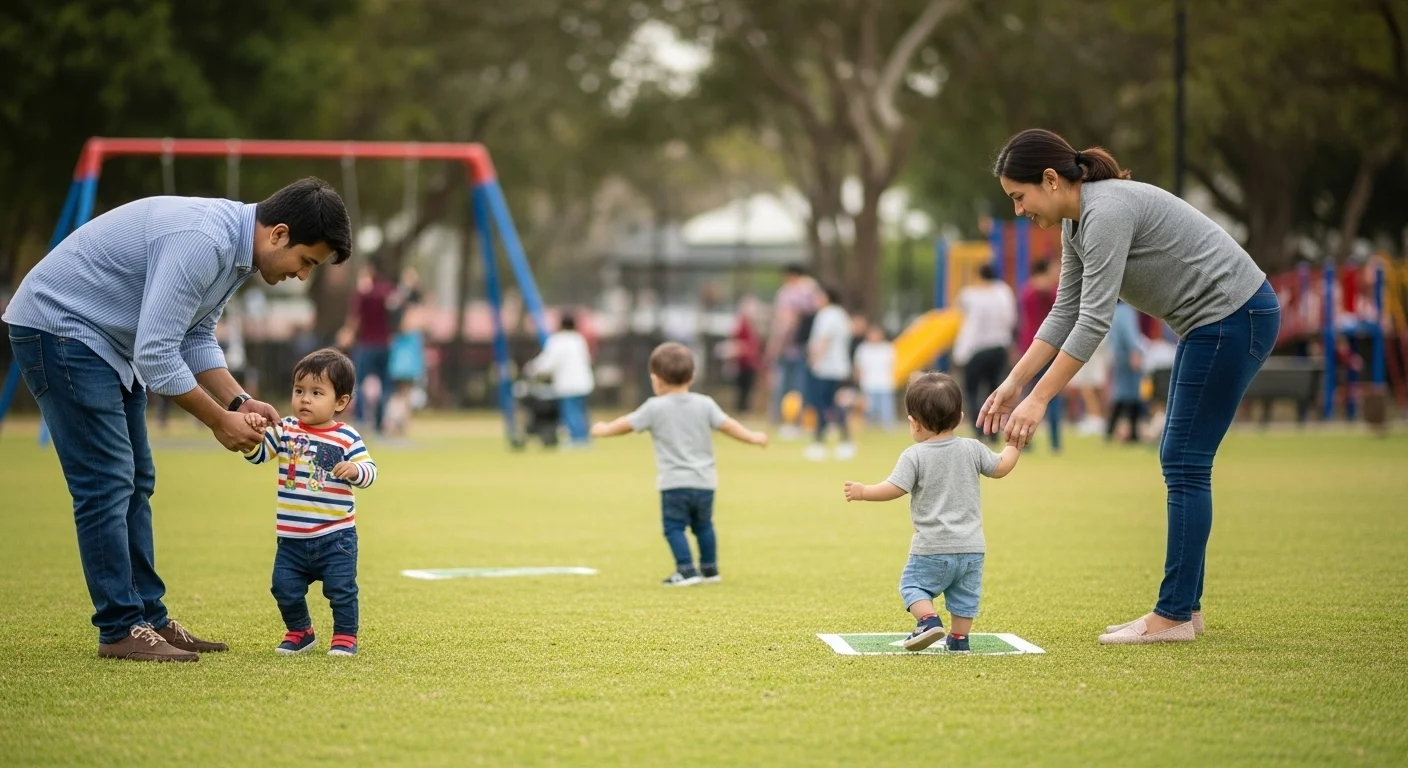
With this newfound independence comes a suite of behavioral challenges. Many parents, including myself, have faced situations where our toddlers refuse to share, throw tantrums, or seem overly defiant. For example, I remember a time at the park when my son decided he wanted to climb a slide for the tenth time, despite my warnings about safety. His determination was impressive, yet it left me feeling frustrated and anxious.
Understanding that these behaviors are normal, albeit frustrating, helped me approach discipline with more patience. It’s important to remind ourselves that toddlers are still learning how to navigate their feelings and the world around them. They often express frustration through crying or acting out, which can be challenging when we’re out and about. But recognizing these common challenges can help us prepare better for those situations.
Importance of Discipline in Early Childhood
Setting Boundaries and Expectations
One thing I’ve learned over the years is that discipline isn’t about punishment but rather about teaching. Setting boundaries and expectations provides toddlers with a framework they can understand. I recall the first time I clearly communicated a rule to my child before heading out—“We hold hands in the parking lot.” It was a simple yet effective statement that allowed my toddler to know what was expected of him.
Establishing these boundaries helps create a sense of security. When kids know what behaviors are acceptable, they can navigate their environment with more confidence. I’ve seen firsthand how following through with these guidelines leads to less confusion and more positive experiences during outings, making them enjoyable for both of us. Read Interesting article: Essential Pregnancy Exercises for a Smooth Backpacking Adventure
Building a Foundation for Future Behavior
Effective discipline lays the groundwork for future behavior. I’ve come to realize that the lessons my toddlers learn now will shape their responses and choices as they grow older. For example, consistently reinforcing the importance of sharing and taking turns has helped my children develop empathy and social skills. I vividly remember a playdate where my son, after weeks of practice, finally offered his toy to a friend without hesitation. It was a proud moment for me!
When we practice discipline through love and consistency, we are helping our toddlers build a moral compass. They start to understand the importance of respect, kindness, and accountability. I believe that these early lessons are vital, not just for immediate behavior, but for helping them develop into responsible and caring individuals.
Effective Discipline Strategies
Positive Reinforcement Techniques
One of the most effective strategies I’ve discovered is positive reinforcement. Celebrating good behavior has been a game changer for me. Instead of focusing solely on what my toddlers do wrong, I began to highlight what they do right. When my daughter shared her toys without being prompted, I would say, “I’m so proud of you for sharing! That was really nice!” Her smile told me that my words meant something, and it encouraged her to repeat that behavior.
This technique doesn’t just work for sharing; it can be applied to various situations, from using polite words to following rules. I’ve noticed that the more we celebrate positive actions, the more they become ingrained in our daily routines. It creates a positive atmosphere, making discipline feel less like a chore and more like a collaborative effort.
Time-Outs: When and How to Use Them
Time-outs can be a useful discipline strategy when used appropriately. I’ve found that they work best when I stay calm and explain the reason for the time-out. It isn’t about punishment; it’s a moment to calm down and regroup. I remember one particular instance when my son hit a friend during playtime. Instead of reacting in anger, I calmly took him aside and said, “Let’s take a break and talk about what happened.” This approach helped him understand the impact of his actions without feeling ashamed.
For time-outs to be effective, I’ve learned that they should be brief—about one minute for each year of age. This way, they don’t feel like a long sentence, and it allows for a more meaningful conversation afterward. It’s important to follow up with a discussion about feelings and appropriate behavior, helping toddlers learn and grow from the experience.
Redirecting Attention to Prevent Misbehavior
Redirecting attention has become one of my go-to strategies for preventing misbehavior. I’ve discovered that when I notice my toddler starting to engage in something risky or inappropriate, diverting their attention to a more acceptable activity can work wonders. For instance, if I see my daughter heading toward the fragile vase on the table, I might say, “Hey, let’s color together!” This not only keeps her safe but also encourages creativity.
This technique has taught me the power of distraction, especially during outings. When my kids get restless in a grocery store, I often point out colorful items or encourage them to help find things on the shopping list. It keeps them engaged and minimizes the chances of tantrums or unwanted behavior.
Using Natural Consequences for Learning
Finally, I’ve found that allowing natural consequences to occur can be a powerful learning tool. For example, if my son refuses to wear his jacket on a chilly day and ends up feeling cold, he learns firsthand the importance of dressing appropriately. These moments can be tough for us as parents, watching them experience discomfort, but I believe they’re crucial for teaching responsibility.
By allowing them to face the natural outcomes of their choices, my children learn valuable lessons without me needing to impose additional consequences. It’s a gentle reminder that their decisions carry weight in the real world, and it helps them develop critical thinking skills as they grow. Read Interesting article: Essential Vitamins for a Healthy Pregnancy Journey
Setting Clear and Consistent Rules
One of the key elements of effective discipline is establishing clear and consistent rules. I’ve found that when my toddlers know the rules, they feel more secure and are less likely to test boundaries. For instance, we created a simple set of house rules together: “We use inside voices at home,” and “We put our toys away when we’re done.” I involved my children in this process, which not only empowered them but also made it easier for them to remember the rules since they had a hand in creating them.
Consistency is equally important. If we say that certain behaviors are unacceptable, we need to stick to those rules every time. I remember a moment when I allowed my daughter to skip her nap because we had company over. It was fun at the time, but it backfired when she became overly tired and cranky later. That experience taught me that even when it seems easier to bend the rules occasionally, it’s crucial to maintain consistency for the sake of their understanding and our sanity!
Discipline Strategies for Toddlers on the Go
Planning Ahead for Outings
When heading out with toddlers, I’ve learned that a little planning goes a long way. Before we embark on any outing, I take a moment to prepare both myself and my children. For example, I try to anticipate potential challenges we might face, like the excitement of a new environment or the risk of overstimulation. I’ve found that discussing our plans in advance helps my kids know what to expect. I’ll say, “We’re going to the park, and we’ll have to wait our turn for the swings.” This sets the tone and makes it easier for them to manage their expectations.
Additionally, packing snacks and activities can help keep them engaged and prevent meltdowns. I often bring along a small toy or a book that we can enjoy together while waiting. Keeping my kids busy has made outings much more enjoyable for all of us, reducing the chances of misbehavior.
Using Visual Aids and Cues
Visual aids have proven to be incredibly helpful in my parenting journey. I discovered that using pictures or simple charts can help convey rules and expectations. For instance, I created a “going out” checklist with images, like a picture of a car, a snack, and a book. We go through it together before leaving the house, which not only adds an element of fun but also reinforces what we need to bring along and what behavior is expected.
In public settings, I sometimes point to signs or use physical cues to prompt my toddler’s behavior. If we’re in a restaurant, I might gesture to a “quiet” sign to remind them to use their inside voices. These visual cues act as gentle reminders and help my children understand how to behave in different scenarios.
Maintaining Calm in Public Settings
As much as I try to prepare, there are moments when things don’t go as planned, especially in public. I’ve found that maintaining a calm demeanor can make a significant difference. When my kids sense my anxiety or frustration, it can escalate their misbehavior. I’ve learned to take deep breaths and remind myself to stay composed, even when faced with a situation that feels overwhelming.
If my toddler starts to act out, I often kneel down to their level, make eye contact, and calmly remind them of our agreed-upon behavior. I might say, “Remember, we use our quiet voices here.” This approach not only helps me stay calm but also gives my child a sense of reassurance amidst the chaos.
Incorporating Active Play into Discipline
Incorporating active play into discipline is another technique that has worked wonders for us. When my toddlers are restless or misbehaving, I’ve found that engaging them in some physical activity can help redirect their energy. For example, I might say, “Let’s have a race to the other side of the park!” This not only gets them moving but also shifts their focus away from any frustration.
Active play can also be a great way to reinforce positive behavior. After we’ve practiced sharing or waiting for our turn, we might go outside for a game of tag. This way, they associate good behavior with fun activities, making it more likely they will repeat those behaviors in the future.
Engaging in Role Play to Teach Appropriate Behavior
Role play has been a fantastic way for me to teach my children appropriate behavior in different situations. I’ve found that acting out scenarios allows them to practice responses and understand expectations. For instance, if we have a playdate coming up, I might set up a mock scenario where they have to share toys or take turns. I’ll play the role of their friend, and we’ll go through the motions together.
This technique not only helps my toddlers learn how to navigate social situations, but it also allows them to explore their feelings in a safe space. I often notice that after these role-playing sessions, my kids feel more confident when faced with real situations, which makes a significant difference in their behavior.
Communication Techniques with Toddlers
Using Simple Language
One of the most effective communication techniques I’ve adopted is using simple language. Toddlers are still mastering their vocabulary, so I’ve found that keeping my instructions clear and concise helps them understand better. Instead of saying, “Please be careful when you’re playing near the stairs,” I might say, “Stairs are for climbing up and down carefully.” This phrasing is direct and gives them a specific action to focus on. I think it’s amazing how just a few words can make a big difference in their comprehension.
During our daily routines, I try to use short phrases that convey what I want them to do. For example, when it’s time to clean up, I say, “Let’s put the toys in the box!” instead of a longer explanation. I’ve noticed that my children respond more positively when the instructions are easy to follow. It’s become a fun little game for us, and they often repeat the phrases back, which shows me they’re absorbing the lessons!
Modeling Appropriate Behavior
I’ve learned that one of the best ways to teach toddlers is by modeling the behavior I want to see. Kids are like little sponges, soaking up everything around them, including our actions. I remember one instance where I was on the phone, and my daughter asked me to help her with a puzzle. Instead of saying, “Just a minute,” I paused and said, “I need to finish this call, and then I’ll help you.” This showed her that it’s important to communicate and be respectful of others’ time.
By demonstrating patience, kindness, and respect, I feel like I’m instilling those values in my children. Whether it’s using polite language or demonstrating how to share with others, I try to embody those principles in our everyday interactions. It’s a constant reminder for me that my actions speak louder than words, and I’m proud to see my children begin to mimic these behaviors in their interactions with friends and family.
Encouraging Expressive Communication
Encouraging my toddlers to express their feelings and thoughts has been crucial in our communication journey. I’ve realized that when they articulate what they’re feeling, it helps them process their emotions better. For instance, during a meltdown, I might say, “I see you’re upset. Can you tell me why?” This not only validates their feelings but also teaches them how to express themselves verbally instead of resorting to tantrums.
To facilitate this kind of communication, I often use emotion charts or storybooks that discuss feelings. When my kids identify how they’re feeling—whether it’s happy, sad, or frustrated—they start to connect those emotions to words. I’ve noticed that this practice not only helps reduce their frustrations but also fosters a deeper connection between us, as they begin to feel understood and supported.
When to Seek Professional Help
Recognizing Signs of Behavioral Disorders
As a parent, it can be tough to navigate the line between typical toddler behavior and signs of something more serious. I’ve learned that it’s important to keep an eye out for certain red flags. If I noticed my child consistently displays extreme behavior—like frequent aggression, severe tantrums that last for long periods, or an inability to focus—I would take those signals seriously.
From my experience, it’s wise to trust my instincts. If I felt that a behavior was beyond typical developmental challenges, I wouldn’t hesitate to consult with a professional. Early intervention can make a significant difference, and getting the right support can be a game changer for both the child and the family. I’ve heard stories from friends who sought help and were able to navigate their challenges with newfound strategies and resources.
Consulting Child Psychologists or Behavioral Specialists
When I decided it was time to consult a child psychologist, it felt daunting at first. However, I’ve come to realize that these professionals can provide invaluable insights and techniques tailored to my child’s needs. They can offer strategies to manage certain behaviors that might be concerning and help create a more supportive environment.
In my search for help, I found it beneficial to ask questions and discuss my observations with the specialist. They often encouraged me to keep a journal of my child’s behaviors and interactions, which allowed us to identify patterns and triggers together. I discovered that collaborating with a professional can be empowering, and it reassured me that I wasn’t alone in this journey. Seeking help when needed is a courageous step, and it can lead to a more harmonious family dynamic.
Parenting Resources and Support
Books and Literature on Toddler Discipline
I’ve always been a fan of reading, and diving into books about toddler discipline has been eye-opening for me. I’ve found that many authors share practical strategies and relatable stories that make the challenges of parenting feel less isolating. Some of my favorites include “The Whole-Brain Child” by Daniel J. Siegel and Tina Payne Bryson, which offers insights into how a child’s brain develops and how to use that knowledge in discipline.
Another book that resonated with me is “No-Drama Discipline,” which emphasizes understanding the child’s perspective while setting boundaries. Reading these books not only gives me new tools but also reassures me that I’m not alone in navigating the ups and downs of toddlerhood. I love discussing these books with other parents to share insights and gather new ideas for our parenting toolkit!
Online Communities and Forums
Connecting with other parents online has been another fantastic resource for me. I’ve found that forums and social media groups dedicated to parenting offer a wealth of shared experiences and advice. It’s comforting to hear how others handle similar challenges, and I often come away with practical tips that I can implement right away.
In these communities, I feel a sense of camaraderie as we share our triumphs and struggles. Whether it’s a quick question about a specific behavior or simply needing encouragement, these groups have provided a supportive environment where I know I can reach out and find help when I need it. It’s reassuring to see that we’re all in this together, and it strengthens my resolve to find the best ways to guide my toddlers.
Workshops and Parenting Classes
Attending parenting workshops has also been incredibly beneficial for my growth as a parent. I’ve found that these sessions provide practical strategies, expert advice, and the opportunity to connect with other parents facing similar challenges. A recent workshop on “Mindful Parenting” opened my eyes to how being present can enhance my interactions with my children, making discipline feel more intentional.
These classes often cover a variety of topics, from effective communication techniques to understanding child development, and they provide a safe space to ask questions and share experiences. I’ve come away from each session feeling more empowered and equipped to handle the ups and downs of toddler discipline. Plus, it’s a wonderful way to meet other parents in my community who are on this journey with me!
Frequently Asked Questions
What are the typical developmental stages of toddlers?
Toddlers typically range from ages one to three, during which they undergo significant physical, cognitive, and emotional growth. They begin to develop their own personalities, test boundaries, and express independence.
What are some common behavioral challenges faced by parents of toddlers?
Common behavioral challenges include refusing to share, throwing tantrums, and being overly defiant. These behaviors are normal as toddlers learn to navigate their feelings and the world around them.
How can parents set boundaries and expectations for toddlers?
Parents can set boundaries by clearly communicating rules, such as “We hold hands in the parking lot.” Establishing these guidelines helps create a sense of security and understanding for toddlers.
What is the role of positive reinforcement in toddler discipline?
Positive reinforcement involves celebrating good behavior, which encourages toddlers to repeat those actions. Highlighting what they do right creates a positive atmosphere around discipline.
When should time-outs be used as a discipline strategy?
Time-outs can be effective when used calmly and briefly, ideally about one minute for each year of age. They serve as a moment for toddlers to calm down and regroup rather than as a punishment.
How can redirecting attention help prevent misbehavior?
Redirecting attention involves diverting a toddler’s focus to a more acceptable activity when they start to engage in risky or inappropriate behavior. This can help keep them safe and engaged in positive actions.
What are natural consequences, and how can they be used in toddler discipline?
Natural consequences occur when toddlers face the outcomes of their choices, such as feeling cold when not wearing a jacket. Allowing these experiences can teach responsibility and critical thinking skills.
How can planning ahead for outings benefit parents and toddlers?
Planning ahead helps parents anticipate potential challenges and communicate expectations to their toddlers. Discussing plans in advance and packing snacks or activities can reduce the chances of misbehavior during outings.
What is the benefit of using visual aids and cues in toddler discipline?
Visual aids, such as pictures or charts, help convey rules and expectations clearly. They serve as gentle reminders that can reinforce appropriate behavior in different scenarios.
When should parents seek professional help for their toddlers’ behaviors?
Parents should consider seeking professional help if they notice extreme behaviors, such as frequent aggression or severe tantrums that last for long periods. Trusting one’s instincts and consulting a professional can provide valuable support and insights.