
Traveling with toddlers can feel like a thrilling adventure filled with unpredictability. With the right discipline strategies, we can make these journeys enjoyable for everyone involved. Traveling with Toddlers: Discipline Made Easy and Fun!
Understanding Toddler Behavior While Traveling
The Developmental Stages of Toddlers
Understanding toddler behavior starts with recognizing their developmental stages. Toddlers, typically aged one to three, are in a phase where they are learning to assert their independence but still heavily rely on us for guidance. I remember when my child first began to express desires, often with a loud “no” or a dramatic fall to the floor. It’s important to understand that this behavior is normal. They are learning about boundaries and what they can or cannot do in the world around them.
During this stage, toddlers are also developing their language skills, which can lead to frustration when they cannot express their thoughts or feelings. I’ve noticed that when my little one is tired or overwhelmed, their ability to communicate diminishes, and that’s when tantrums can erupt. So, I learned that patience and understanding are crucial in these moments.
Common Behavioral Challenges on the Road
Traveling introduces a host of new challenges. Whether it’s a long car ride or a flight, the change of environment can trigger anxiety and discomfort in our toddlers. I’ve found that some common issues include restlessness, boredom, and irritability. For example, during our last road trip, my toddler got fidgety after an hour and started asking, “Are we there yet?” repeatedly. It was a reminder that they thrive on routine and can struggle with extended periods of stillness.
Another challenge I’ve faced is dealing with sleep disruptions. New surroundings can make it hard for toddlers to settle down. I remember a trip where my child insisted on sleeping only in their crib, leading to several sleepless nights for all of us. Recognizing these behavioral challenges helps us prepare better and respond effectively when they arise.
Importance of Consistency in Discipline
One key takeaway I’ve learned is the importance of consistency in discipline, especially while traveling. Toddlers thrive on predictability and routine. When we’re at home, we can establish clear rules and routines, but on the road, it’s easy to let things slide. However, I’ve found that sticking to our established rules even when traveling makes a big difference. It gives toddlers a sense of security in an otherwise chaotic environment.
For instance, we always have a rule about screen time, and I’ve made it a point to adhere to that rule while traveling. I’ve noticed that when we maintain consistency, my child responds more positively, knowing what to expect. It’s about finding that balance between flexibility and sticking to our guidelines, which can be a bit of a juggling act!
Preparation Before Traveling
Setting Expectations with Your Toddler
Before we even step out the door, I make it a priority to set expectations with my toddler. I’ve learned that talking about the trip, what we’ll do, and what behavior is expected helps them mentally prepare. I usually say things like, “We’re going to visit Grandma! It will be so much fun, but sometimes we might have to wait, and that’s okay.” This simple communication helps to reduce anxiety and sets the stage for better behavior.
Visual aids can also be helpful. I once created a simple picture chart of our travel day, highlighting each step from packing up to getting on the plane. It’s amazing how a little preparation can make the journey smoother. I’ve found that involving my child in the process, like letting them help pack their favorite toy, makes them feel more in control and excited about the adventure.
Choosing Family-Friendly Destinations
Choosing the right destination can dramatically affect our travel experience. I’ve realized that family-friendly places with activities geared toward toddlers make a world of difference. For instance, we once chose a beach resort with a children’s club, allowing my toddler to engage with other kids while we relaxed. It was a win-win!
When planning, I also consider the facilities available. Are there parks, playgrounds, or kid-friendly restaurants nearby? These small details can turn a potentially stressful trip into a memorable adventure. I recommend doing some research ahead of time and reading reviews to find places that cater to families. Traveling with Toddlers: Inspiring Creative Play on a Budget
Packing Essentials for Discipline and Comfort
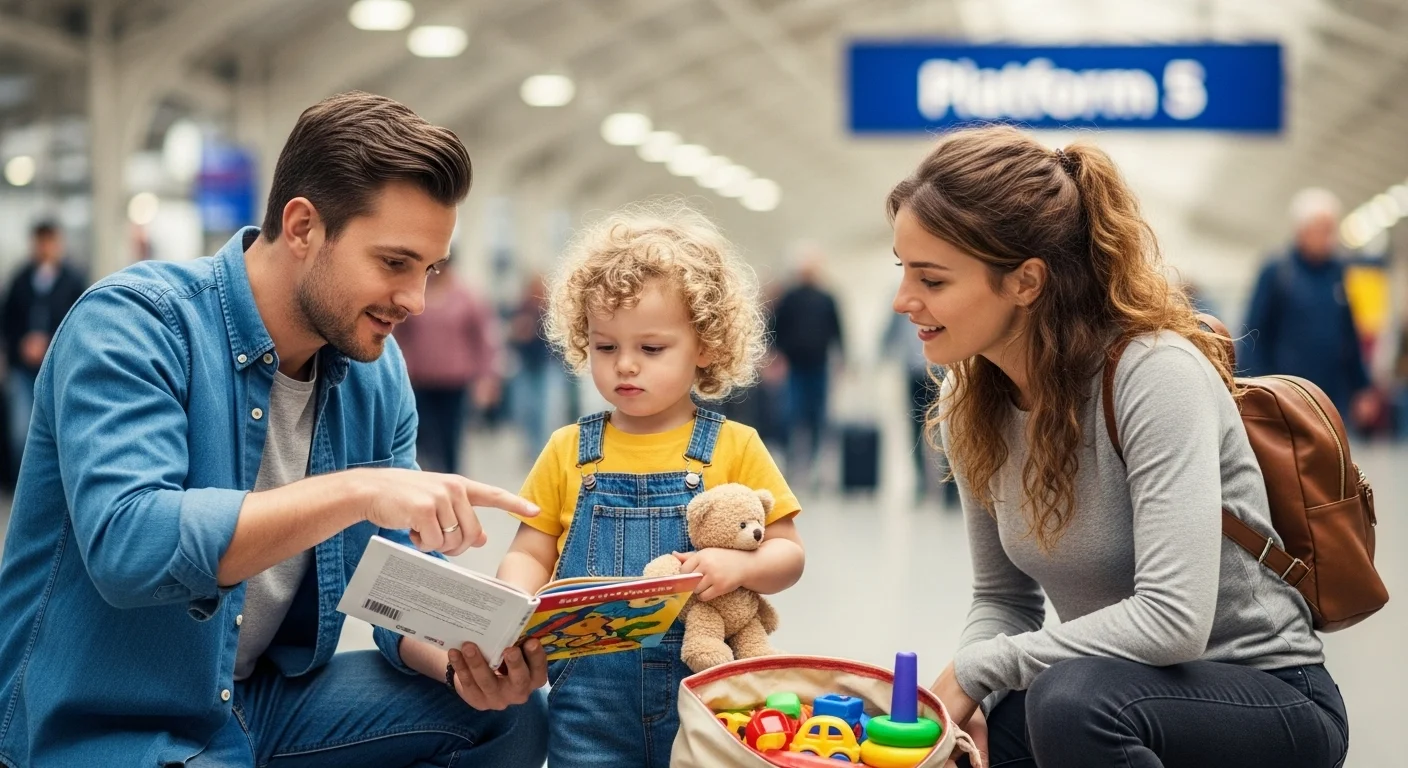
Packing wisely for the trip can also set us up for success. I’ve learned the hard way that forgetting comfort items can lead to chaos. I always bring a familiar blanket or stuffed animal for my toddler, which helps them feel secure in unfamiliar settings. Additionally, I pack snacks that they love, as I’ve noticed that hunger can lead to meltdowns. Having a variety of healthy snacks on hand has saved me more than once!
I also make sure to include some quiet activities, like coloring books or small toys, in my bag. These can be lifesavers during long waits or travel delays. The key is to think ahead and prepare for our toddler’s needs while embracing the unpredictability that comes with travel. It’s all part of the adventure!
Effective Discipline Strategies During Travel
Positive Reinforcement Techniques
One strategy I’ve found particularly effective while traveling is the use of positive reinforcement. It’s amazing how a little praise can go a long way. I’ve noticed that when my toddler behaves well, acknowledging their good behavior can encourage them to continue acting positively. For instance, during our last flight, my child sat quietly and played with their toy for a good stretch of time. I made sure to say, “I’m so proud of you for being so calm and patient!” This kind of affirmation makes them feel good about their actions and motivates them to repeat that behavior in the future.
I’ve also tried creating a simple reward system while traveling. I’d bring along a small sticker chart and explain that for every hour of good behavior, they would earn a sticker. Once the chart was filled, we would celebrate with a small treat or extra playtime at our destination. I’ve noticed that this gives them something to work towards, which can be a powerful motivator.
Using Distractions to Manage Meltdowns
Let’s be honest, travel can be overwhelming for toddlers. I’ve experienced the dreaded meltdown moment when my little one was just too tired or overstimulated. In these situations, I’ve learned that distractions can be my best ally. When I feel a tantrum brewing, I quickly shift my toddler’s focus to something else. Sometimes, it’s as simple as pointing out interesting things outside the window during a car ride or playing a quick game of “I Spy.”
During our last trip, I packed a small bag of surprises—new coloring books, snacks, or even a couple of new toys. When my toddler started to fidget and fuss, pulling out something new and fun often did the trick. I’ve found that keeping a little stash of distractions reduces stress for both of us, as it gives my child something to focus on instead of what’s bothering them.
Establishing a Routine While Traveling
Maintaining some semblance of routine while traveling has been essential for us. I’ve learned that even when we’re on the go, sticking to familiar patterns can provide comfort to my toddler. For example, I try to keep consistent meal times and bedtime routines, even if we’re in a hotel or visiting family. I remember one trip where we managed to keep bedtime rituals, like reading a story and singing a lullaby, and it made a significant difference in how well my child adjusted to the new environment.
I also find that incorporating familiar activities into our travel schedule helps. If my toddler usually has quiet time after lunch at home, I try to carve out that same time during our travels. It doesn’t have to be rigid, but just having those little pockets of familiarity can help ease any anxiety and keep their behavior in check.
Setting Clear Boundaries and Rules
Before embarking on any trip, I firmly believe in establishing clear boundaries and rules with my toddler. I make it a point to communicate what is expected of them during our travels. For instance, I tell them that we will use our “inside voice” while waiting and remind them that we need to stay close to mom and dad in busy places. This clarity gives them a sense of direction and helps avoid confusion.
To reinforce these rules, I often remind my child of them during our journey. If they start to wander off or get too loud, I gently remind them of the expectations we set before the trip. I’ve noticed that when I consistently reinforce these boundaries, my child is more likely to stay within them. It’s all about setting them up for success while also being flexible when needed. After all, we’re in this together!
Traveling by Different Modes of Transportation
Air Travel: Tips for Airport and In-Flight Discipline
Flying can be one of the most stressful parts of traveling with toddlers, but I’ve picked up a few tricks along the way that help make the experience smoother. First, I always prepare for airport security by talking to my child about what to expect. I explain that we’ll be walking through metal detectors and that it’s important to stay close to me. Having that discussion helps ease any anxiety and gives them a sense of control.
During the flight, I find it’s helpful to have a mix of activities ready. My toddler loves storybooks and coloring, so I ensure to pack a small selection. I also download a few episodes of their favorite shows to watch on the tablet. I remember one flight where I strategically timed activities to align with their energy levels; we did quiet activities after takeoff when they were still excited, but as they got tired, we shifted to calming stories. Observing their mood and adjusting our plans accordingly has proven invaluable.
Road Trips: Keeping Toddlers Engaged and Calm
Road trips have their own set of challenges, but I’ve found ways to keep my toddler entertained and engaged. One of my favorite strategies is to schedule regular stops. I’ve learned that breaking up long stretches of driving with breaks for stretching, playing, or even a short walk can work wonders. During our last road trip, we made a point to stop at fun rest areas or parks, which offered a chance for my toddler to burn off some energy.
In addition to stopping, I like to create a travel playlist with their favorite songs and sing along. I’ve discovered that this not only keeps them engaged but also makes for a fun bonding experience. We even play games like counting cars of a specific color or looking for landmarks. It turns the journey into an exciting adventure rather than just a means to an end.
Train Travel: Making the Journey Enjoyable
Train travel offers a unique experience, and I’ve embraced it as a chance for adventure. I love how trains allow for more movement, which can be a great relief for toddlers. I encourage my child to walk around the train car, look out the windows, and observe the scenery. We make the experience interactive by discussing what we see outside. It’s a wonderful opportunity to engage them in conversation and make the journey educational.
While on the train, I also pack some small, quiet toys and books. The key is to have activities that don’t require a lot of space, as train seating can be limited. I remember one trip where my child became fascinated with a small puzzle, and it kept them entertained for a significant portion of the ride. Making the most of train travel means not just the destination but enjoying the journey itself!
Managing Tantrums and Emotional Outbursts
Identifying Triggers for Tantrums
One of the biggest challenges I’ve faced while traveling with my toddler is understanding what triggers their tantrums. I’ve learned that certain situations can create emotional outbursts, especially in unfamiliar settings. For example, I noticed that my child tends to get upset when they’re overly tired or hungry. It’s like a switch flips, and suddenly, we’re in the thick of a tantrum. I remember one trip where we had a long delay at the airport, and my toddler started to throw a fit because it was past their usual snack time. This taught me the importance of being proactive about their needs.
Additionally, sensory overload can be a major contributor to meltdowns. Crowded places, loud noises, and bright lights can overwhelm little ones. During our last airport experience, I noticed my child getting antsy as we waited near the busy gate. To manage this, I’ve started to pay attention to the environment and try to minimize overstimulating factors whenever possible. By recognizing these triggers ahead of time, I can plan accordingly and reduce the chances of a meltdown.
Calming Techniques for On-the-Go Situations
When faced with a potential tantrum, I’ve found that having calming techniques on hand can be incredibly beneficial. One method that works well for my toddler is deep breathing. I often model this by taking deep breaths myself and encouraging my child to join in. I say something simple like, “Let’s take a big breath together!” It’s amazing how just a few deep breaths can help both of us feel more centered in a chaotic moment.
Another technique I love is using a calming corner or space. If we find ourselves in a situation where my toddler is on the verge of a meltdown, I try to find a quiet spot, even if it’s just a corner of the airport. We take a moment to sit quietly and talk about how they’re feeling. I ask questions like, “What’s bothering you?” This not only helps them articulate their feelings but also gives them a chance to decompress. I’ve noticed that these little breaks can make all the difference in restoring calmness.
How to Handle Public Outbursts Gracefully
It’s a reality that sometimes tantrums will happen in public, and I’ve had my fair share of those moments! I remember one instance where my toddler decided to throw a fit right in the middle of a crowded restaurant. It was embarrassing, but I quickly realized that staying calm was the key. I took a deep breath and gently removed my child from the situation. We stepped outside for a moment to talk about what had happened and why it’s important to use our words instead of yelling.
In these moments, I’ve learned that it’s important not to show frustration or anger. Instead, I focus on validating my child’s feelings, saying things like, “I know you’re upset. It’s okay to feel that way.” This approach seems to help them feel understood, and often, the tantrum subsides quicker than if I reacted with irritation. I also find that offering some comfort, like a hug or holding their hand, can help soothe the situation. It’s all about maintaining that connection and reminding them that I’m there for support, no matter the circumstance.
Incorporating Play and Learning into Travel
Choosing Educational Activities During Travel
I’ve discovered that combining travel with educational activities can turn long journeys into enriching experiences. For instance, I often bring along a selection of travel-themed books that introduce my toddler to different cultures or landmarks we might see. I vividly remember reading a book about trains while riding one, and it sparked so much excitement in my child. They loved pointing out things mentioned in the story as we traveled! This not only keeps them engaged but also fosters a love for learning about the world.
Additionally, I’ve found that interactive activities, such as travel games, can be great learning tools. Simple games like “20 Questions” or “Guess the Animal” encourage critical thinking and creativity while also providing entertainment. We even play a version of “I Spy” where we look for colors or shapes based on what we see outside. It’s a fun way to keep our minds active during travel, and I’ve noticed it helps to build their observational skills, too!
Using Travel as a Learning Experience
Traveling presents unique opportunities for hands-on learning, and I embrace every chance to make it educational. For example, while visiting a new city, I often take the time to explain the history behind the landmarks we see. I remember visiting a historic site and sharing stories about its significance, which captivated my toddler’s imagination. It’s rewarding to see their eyes light up with curiosity as they absorb new information.
Another way to enrich the travel experience is by encouraging my child to ask questions about the places we visit. I prompt them with ideas like, “What do you think this building was used for?” or “Why do you think people come here?” This not only promotes critical thinking but also makes them feel involved in the exploration process. We’re learning together as a family, and it creates lasting memories that go beyond the destination.
Engaging Your Toddler with Travel Journals or Games
One of my favorite activities to make travel more engaging is creating a travel journal with my toddler. I give them a small notebook where they can draw pictures, stick in tickets, or write down new words they learn during our trips. This not only serves as a keepsake but also encourages them to reflect on their experiences. I’ve witnessed my child become excited about documenting our adventures, and it sparks creativity and communication skills.
In addition to the journal, I also bring along some portable games and puzzles that can be played during downtime. Whether it’s a small travel-sized board game or a simple card game, these activities can help pass the time in transit and reinforce social skills like turn-taking and teamwork. It’s all part of making the journey engaging and fun while nurturing a sense of exploration and wonder.
Frequently Asked Questions
What are some common behavioral challenges toddlers face while traveling?
Common behavioral challenges include restlessness, boredom, irritability, and sleep disruptions. These issues can arise due to a change in environment and extended periods of stillness.
How can parents prepare their toddlers before traveling?
Parents can set expectations by discussing the trip, what activities will occur, and what behavior is expected. Using visual aids, such as picture charts, can also help toddlers mentally prepare for the journey.
Why is consistency in discipline important while traveling with toddlers?
Consistency in discipline gives toddlers a sense of security in an otherwise chaotic environment. Maintaining established rules, such as screen time limits, helps children respond positively during travel.
What strategies can be used to manage tantrums during travel?
Distractions can be effective in managing tantrums. Shifting a toddler’s focus to interesting sights or using new toys can help redirect their attention away from the source of frustration.
How can parents keep toddlers engaged during road trips?
Parents can keep toddlers engaged by scheduling regular stops for stretching and play, creating a travel playlist, and playing interactive games such as counting cars or looking for landmarks.
What calming techniques can help prevent tantrums on the go?
Calming techniques, such as deep breathing exercises and finding quiet spaces to talk about feelings, can help prevent tantrums and restore calmness during stressful situations.
What types of educational activities can be incorporated into travel?
Travel-themed books and interactive games can provide educational value. For instance, reading about local landmarks or playing games that encourage critical thinking can make the journey enriching.
How can parents involve toddlers in the travel experience?
Parents can involve toddlers by encouraging them to ask questions about places visited, creating travel journals for drawing and documenting experiences, and engaging in discussions about their observations during the trip.
What should parents pack to ensure their toddler’s comfort during travel?
Parents should pack familiar comfort items, such as blankets or stuffed animals, along with favorite snacks and quiet activities like coloring books or small toys to help ensure their toddler’s comfort during travel.
What are some tips for flying with toddlers?
Preparing toddlers for airport security, packing a mix of activities, and timing activities according to their energy levels during the flight can help create a smoother flying experience.