
Every parent wants their child to succeed, yet figuring out how to encourage that success can be challenging. I’ve discovered that effective positive reinforcement strategies can make a world of difference in helping kids thrive. Read Interesting article: Transform Behavior with Positive Reinforcement in Parenting
Understanding Positive Reinforcement
Definition of Positive Reinforcement
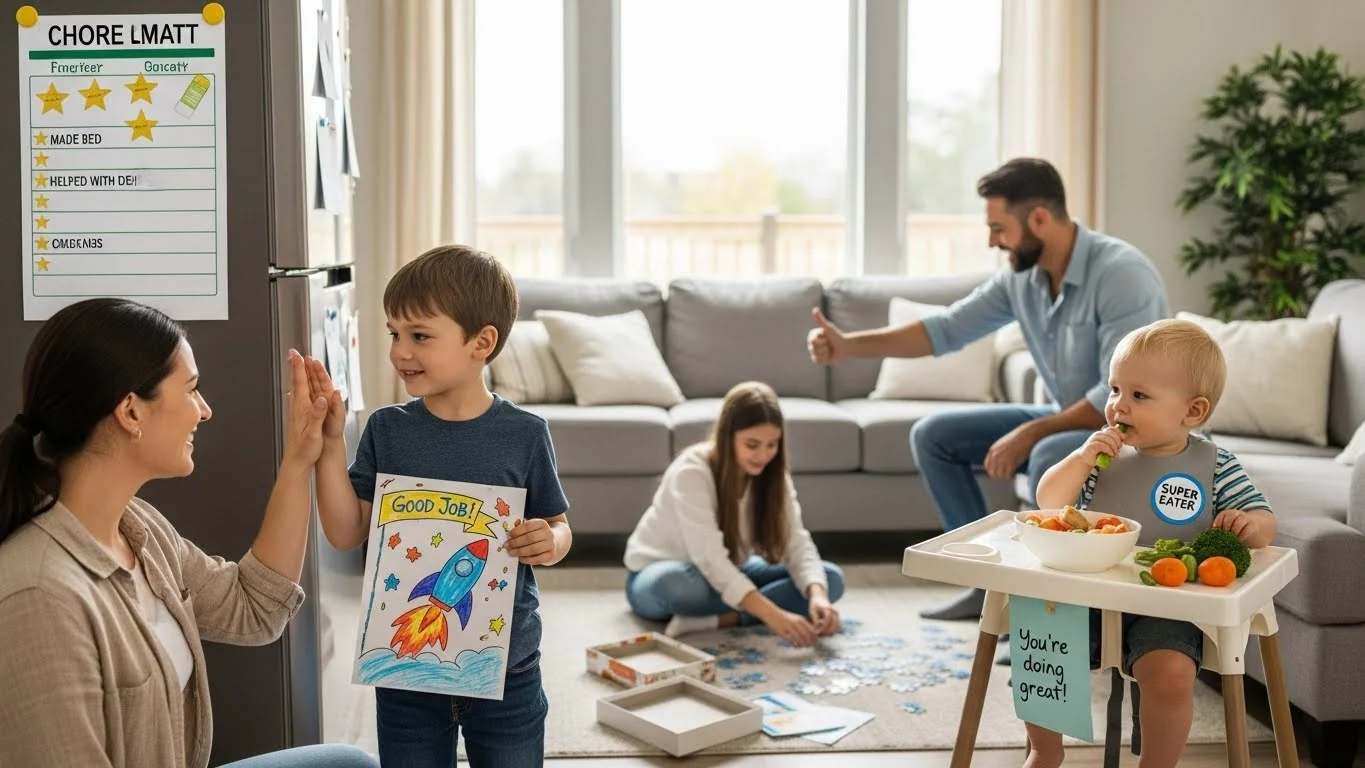
Positive reinforcement is a technique used to encourage desired behaviors by providing rewards or incentives. It’s about recognizing and celebrating the good things our children do, rather than solely focusing on what they might be doing wrong. I remember when my son first learned to tie his shoes; instead of just saying, “Good job,” I decided to make a big deal out of it—giving him a special sticker and a high-five. That moment wasn’t just about the shoe-tying; it was about showing him that his efforts were valued.
Benefits of Positive Reinforcement in Child Development
The benefits of positive reinforcement go beyond immediate rewards. From my experience, it fosters a sense of self-esteem and confidence. Children who receive positive feedback are more likely to try new things and take on challenges. They develop a growth mindset, believing that their efforts can lead to success. I’ve seen my kids flourish when they receive encouragement, whether it’s from me, a teacher, or their peers. This nurturing environment helps them understand that their actions have positive consequences, which can lead to better decision-making as they grow older. For more insights, you can check out Unlocking Positive Discipline: 5 Key Reinforcement Techniques.
How Positive Reinforcement Works: The Science Behind It
Understanding the science behind positive reinforcement has helped me apply it more effectively. The concept is rooted in behavioral psychology, where B.F. Skinner’s research shows that behaviors followed by positive outcomes are more likely to be repeated. This means that when we reward our kids for good behavior—whether it’s completing a chore or helping a sibling—they are more likely to repeat those actions in the future. I often remind myself that it’s not just about the reward; it’s about creating a positive association with the behavior we want to encourage. Watching my daughter clean her room without prompting after she earned praise for her previous efforts has shown me just how powerful this can be.
Key Positive Reinforcement Strategies
Verbal Praise and Encouragement
One of the simplest yet most effective strategies is verbal praise. I love giving my kids specific compliments, like “You did an amazing job on that math test!” or “I’m so proud of how you helped your friend!” This specific acknowledgment helps them understand what they did right. I think verbal encouragement builds a strong emotional connection between us. There’s something special about seeing their faces light up when they realize their efforts have been recognized. I’ve noticed that they often strive to earn that praise again, which reinforces positive behavior.
Reward Systems and Charts
Creating a reward system or chart can be an engaging way to promote positive behavior. I remember implementing a sticker chart for my kids when they were learning to read. For every book they finished, they earned a sticker. Once they collected ten stickers, they received a small prize, like a trip to the ice cream shop. This not only motivated them to read more but also turned it into a fun family activity. We would celebrate their achievements together, which strengthened our bond and made the learning process enjoyable.
Quality Time as a Reward
Sometimes, the best reward isn’t a tangible item but quality time spent together. I’ve found that dedicating time to do something my kids enjoy—like playing a game or going for a walk—can be incredibly rewarding for them. After a week of good behavior, we might have a movie night complete with popcorn and their favorite film. It’s about creating memories and showing them that their good behavior leads to quality moments with family, reinforcing their desire to keep up the positive actions.
Incorporating Play and Fun Activities
Integrating play into the reinforcement process is essential. I often use fun activities as rewards for good behavior. For instance, if my kids complete their chores without fussing, we’ll spend the afternoon at the park or have a game night. This not only encourages them to engage in positive behavior but also creates an atmosphere of fun. I’ve learned that it doesn’t always have to be serious; sometimes, a little play can lead to the most profound lessons.
Setting Achievable Goals and Milestones
Setting achievable goals is a powerful tool in positive reinforcement. When we create realistic and attainable milestones for our kids, it gives them something to strive for. I remember working with my daughter on her reading skills. We set a goal for her to read five books in a month. Each time she reached a milestone, we celebrated with a small reward, like a new book or a special outing. Achieving these goals boosts their confidence and encourages them to set higher goals in the future. It’s empowering to see them take ownership of their achievements.
Types of Rewards and Reinforcement
Intrinsic vs. Extrinsic Motivation
When we talk about positive reinforcement, it’s essential to understand the difference between intrinsic and extrinsic motivation. Intrinsic motivation comes from within the child. It’s that personal satisfaction or joy they feel when they achieve something. I remember my daughter, who would get lost in her art projects. The happiness she experienced while painting wasn’t driven by any reward; it was just her passion shining through. Extrinsic motivation, on the other hand, involves external rewards—like praise, stickers, or treats. I’ve seen both types of motivation work wonders, but I think it’s crucial to strike a balance. By recognizing the value of intrinsic motivation, we can help our kids enjoy the process of learning and growing, rather than just focusing on the rewards. I believe fostering this internal drive leads to more sustainable success in the long run.
Material Rewards: What Works Best?
Material rewards can be an effective way to reinforce positive behavior, especially for younger children. I’ve found that small, tangible rewards—like toys, stickers, or treats—can serve as great incentives. However, it’s important to choose rewards that resonate with your child. For instance, my son loves dinosaurs, so I’d often use dinosaur-themed stickers to celebrate his achievements. I’ve learned that the most effective material rewards are those that align with their interests. But I also remind myself not to overdo it; I want my kids to appreciate the rewards and understand their value. Too many material rewards can lead to entitlement, so I try to limit them and pair them with other forms of reinforcement.
Experiential Rewards: Creating Memories
Experiential rewards can be some of the most cherished moments in a child’s life. I’ve discovered that offering experiences—like a day at the zoo or a trip to the amusement park—can create lasting memories. After my daughter accomplished her reading milestone, we took a special trip to the local aquarium. The joy on her face was priceless, and we both walked away with a beautiful memory. These kinds of rewards not only celebrate their achievements but also strengthen our family bond. I think it’s so important to create experiences that your children will remember fondly, as these moments become part of their life story.
Social Reinforcement: Fostering Relationships
Social reinforcement is another powerful tool that often gets overlooked. It involves using social interactions—like praise from peers, family, or even mentors—to reinforce positive behavior. I’ve seen how my kids respond to compliments from their friends; it lights them up in a way that parental praise sometimes can’t. I remember when my son helped a classmate with a project, and his teacher recognized him in front of the whole class. The pride he felt was palpable, and it motivated him to continue being helpful. I believe this kind of social reinforcement not only boosts their self-esteem but also fosters a sense of community. Encouraging my kids to celebrate each other’s successes has been a beautiful lesson in empathy and support.
When to Implement Positive Reinforcement
Identifying Key Moments for Reinforcement
Timing can make all the difference when it comes to positive reinforcement. I’ve learned that identifying key moments—like when my child completes a difficult task or behaves well in a challenging situation—can maximize the effectiveness of reinforcement. For example, if my son shares his toys with a friend, that’s a moment worth celebrating! I try to be mindful of these instances and offer immediate praise or rewards. During these moments, it’s crucial to highlight what they did right, so they understand the connection between their behavior and the positive reinforcement.
Using Positive Reinforcement for New Skills
When my kids are learning new skills, I make it a point to use positive reinforcement generously. I remember when my daughter was learning to ride a bike. Each time she pedaled without falling, I’d cheer her on and celebrate those small victories. It’s essential to create a supportive environment during these learning phases. I found that this encouragement not only boosts their confidence but also makes them more willing to practice and improve. I believe that by reinforcing their efforts, we help them embrace the learning process, which can sometimes be tough.
Addressing Behavioral Challenges with Reinforcement
Positive reinforcement can also be a helpful strategy when addressing behavioral challenges. There were times when my son struggled with sharing or following rules during playdates. Instead of focusing solely on the negative behaviors, I decided to reinforce the moments when he did share or cooperated with others. By acknowledging and rewarding those positive actions, I’ve seen him become more aware of his behavior, and he gradually started to change. I think it’s essential to show kids what to do rather than just highlighting what not to do. This approach has helped me shift the focus to positive behaviors and fostered a more harmonious environment.
Common Mistakes to Avoid
Overuse of Rewards
One of the biggest pitfalls I’ve encountered in using positive reinforcement is overusing rewards. It’s easy to get caught up in the excitement of celebrating achievements, but I’ve learned that giving too many rewards can dilute their value. For example, if I handed out treats for every small task, my kids might start to expect something for every little effort. I remember a time when I offered a toy for every chore completed. Soon enough, the excitement wore off, and they weren’t as motivated. I realized that it’s essential to reserve tangible rewards for significant accomplishments so that they remain meaningful and special. Finding a balance is crucial; I try to mix up rewards and use compliments or experiential rewards as alternatives to keep the motivation fresh.
Inconsistency in Reinforcement
Consistency is vital when it comes to positive reinforcement. I’ve experienced firsthand how inconsistent responses can confuse my kids. For example, if I praise my son for sharing his toys one day but overlook it the next, he may not understand what behavior I want to encourage. We’ve all had those busy days where we forget to acknowledge the good things happening around us, but I’ve learned that maintaining a consistent approach helps reinforce the behaviors I want to see. I try to keep a mental note of key moments to celebrate and ensure that I respond consistently, which strengthens their understanding of expected behaviors.
Neglecting Individual Differences Among Children
Every child is unique, and what works for one might not work for another. I’ve seen this in my own home; my children respond differently to various forms of reinforcement. My daughter, for instance, thrives on verbal praise and recognition, while my son is more motivated by tangible rewards. It took me a while to recognize these differences, but once I did, I adjusted my approach. I recommend paying attention to how your children react to different methods of reinforcement. By tailoring strategies to fit their personalities, we can create a more effective and supportive environment for their growth.
Measuring Success and Progress
Tracking Behavioral Changes Over Time
Measuring the success of positive reinforcement strategies is crucial for understanding what works and what doesn’t. I’ve found that keeping a simple log of my children’s behaviors can help me track their progress over time. For example, I might jot down instances of my son sharing or my daughter completing her homework without fuss. This not only allows me to see improvements but also helps me identify patterns in their behavior. It’s rewarding to look back and see how far they’ve come, and it gives me a clearer picture of which reinforcement methods are most effective.
Adjusting Strategies Based on Outcomes
After tracking behaviors, I’ve learned the importance of being flexible with my strategies. Sometimes, a method that worked well for a while may lose its effectiveness. I remember using a sticker chart that initially excited my kids, but over time, their enthusiasm waned. When I noticed this shift, I took it as an opportunity to switch things up. We transitioned to a system where they could choose their reward after collecting a certain number of stickers, which reignited their interest. Being open to adjusting our approach has helped keep things engaging and foster ongoing motivation.
Involving Kids in Their Own Progress Tracking
One of the most empowering things I’ve done is involve my kids in tracking their progress. I found that when they take ownership of their achievements, they feel more invested in their efforts. Together, we created a visual chart where they could mark off their milestones. I noticed that they were more motivated to reach their goals when they could see their progress in a tangible way. It also sparked conversations about what they wanted to achieve next. I believe that involving them in this process not only boosts their confidence but also helps them understand the connection between their actions and the positive outcomes.
Real-Life Examples and Case Studies
Successful Implementation in Home Settings
In my own home, I’ve seen incredible success with positive reinforcement techniques. For instance, after implementing a simple chore chart, my children became more responsible in completing their tasks. I remember the first week we tried it; they were excited to check off their chores each day, and as a result, our home felt much more organized. The pride they took in their achievements motivated them to continue contributing positively, which made a noticeable difference in our family dynamic.
Positive Reinforcement in Educational Environments
Schools also recognize the power of positive reinforcement. I’ve spoken to teachers who implement similar strategies in their classrooms. For example, one teacher I know uses a “kindness jar” where students can add a marble for acts of kindness. Once the jar is filled, the class earns a fun activity. This approach not only reinforces positive behavior but also builds a sense of community and teamwork among the students. Hearing these examples from educators reminded me that positive reinforcement can have a far-reaching impact beyond just the home.
Feedback from Parents and Educators
Connecting with other parents and educators has been invaluable in my journey. I often hear stories about how various families implement positive reinforcement differently, and it inspires me to try new techniques. Some parents share how they use games as a form of reinforcement, while others focus on experiential rewards like family outings. I believe that gathering feedback and learning from each other helps us refine our approaches, making the process of raising children even more rewarding. Additionally, I found some useful strategies in Traveling with Toddlers: Smart Discipline Strategies to Use.
Frequently Asked Questions
What is positive reinforcement?
Positive reinforcement is a technique used to encourage desired behaviors by providing rewards or incentives. It involves recognizing and celebrating the good things children do, rather than focusing solely on their mistakes.
How does positive reinforcement benefit child development?
The benefits of positive reinforcement include fostering self-esteem and confidence, encouraging children to try new things, and helping them develop a growth mindset. Children who receive positive feedback are more likely to engage in positive behaviors and improve their decision-making skills.
What are some effective positive reinforcement strategies?
Effective positive reinforcement strategies include verbal praise and encouragement, reward systems and charts, quality time as a reward, incorporating play and fun activities, and setting achievable goals and milestones.
What is the difference between intrinsic and extrinsic motivation?
Intrinsic motivation comes from within the child and involves personal satisfaction or joy in achieving something, while extrinsic motivation involves external rewards, such as praise or treats. A balance between both is essential for sustainable success.
How can parents track their children’s behavioral changes over time?
Parents can track behavioral changes by keeping a simple log of their children’s behaviors. This helps in monitoring progress and identifying patterns in behavior, which can inform the effectiveness of reinforcement strategies.
Why is consistency important in positive reinforcement?
Consistency is vital because inconsistent responses can confuse children about what behaviors they should continue. Maintaining a consistent approach reinforces the expected behaviors and helps children understand the connection between their actions and positive outcomes.
What are some common mistakes to avoid when using positive reinforcement?
Common mistakes include overusing rewards, being inconsistent in reinforcement, and neglecting individual differences among children. It’s important to find a balance and tailor strategies to each child’s unique personality and needs.
How can experiential rewards benefit children?
Experiential rewards, such as trips or special activities, create lasting memories and strengthen family bonds. These rewards celebrate achievements and contribute to positive emotional experiences for children.
What role does social reinforcement play in positive behavior?
Social reinforcement involves using social interactions, such as compliments from peers or teachers, to encourage positive behavior. This type of reinforcement can boost a child’s self-esteem and foster a sense of community.
How can parents involve their children in tracking their own progress?
Parents can involve their children by creating visual charts where they can mark off their milestones. This helps children take ownership of their achievements and motivates them to reach their goals by making the connection between their actions and positive outcomes.