
Talking to our children can feel like a daunting task at times, but it’s essential for their growth. By using effective strategies, we can create meaningful conversations that help our kids feel heard and understood. For more insights on how to support children’s development, consider checking out A Guide to Balanced Nutrition for School Children.
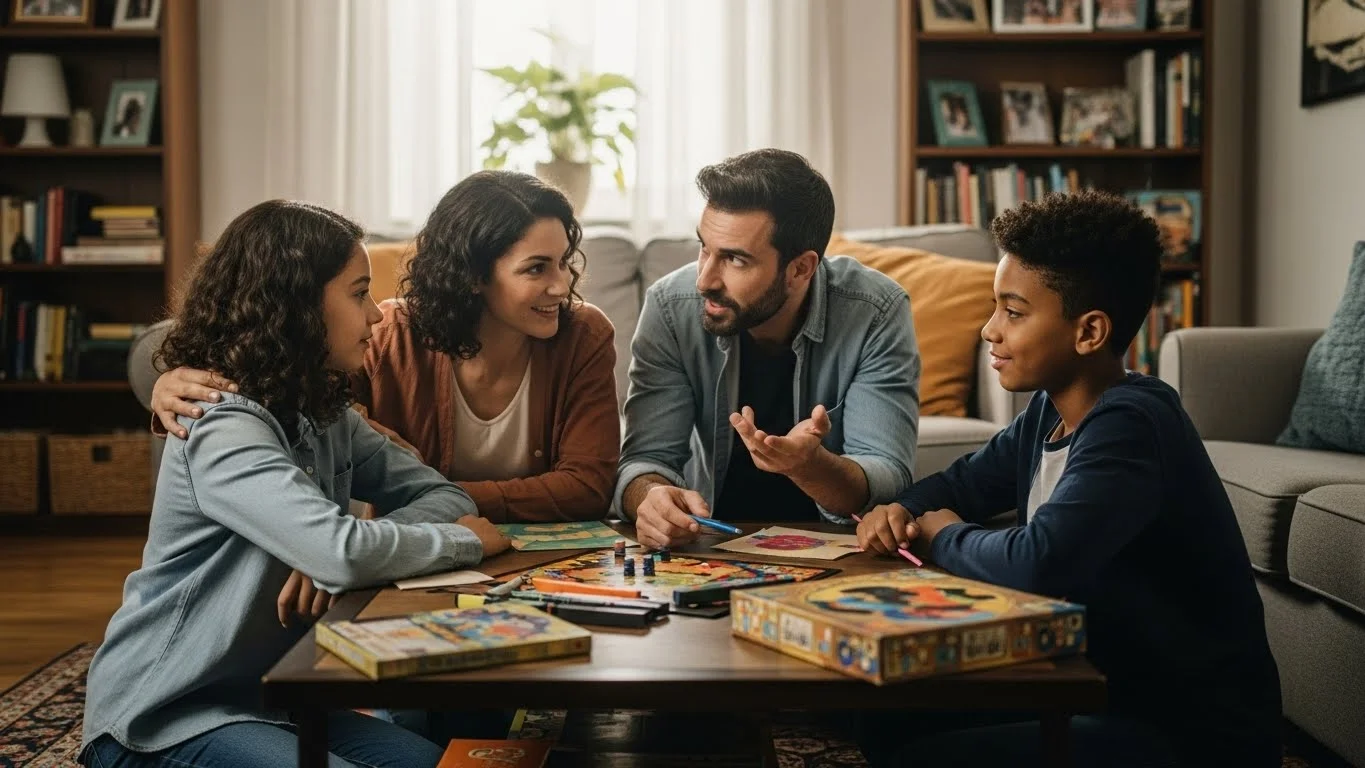
Understanding the Importance of Communication with Children
When I became a parent, I quickly realized that communication was at the heart of everything. I noticed that how I spoke to my children shaped their understanding of the world and their place in it. The importance of communication cannot be overstated; it’s a fundamental building block for a healthy parent-child relationship.
The Role of Communication in Child Development
From my experience, I’ve seen how effective communication plays an integral role in child development. Early on, infants respond to the tones of our voices and facial expressions, laying the groundwork for emotional bonds. As they grow, children start to recognize words and phrases, and they begin to develop their language skills. I remember being amazed when my toddler began to mimic phrases I used, which made me realize that my words were shaping their vocabulary and social skills. If you’re interested in tracking the progress of your child’s language development, you might find Tracking Your Toddler’s Language Development Milestones Easily helpful.
Moreover, communication helps children understand their emotions and the emotions of others. As they learn to articulate their thoughts and feelings, they become more empathetic. I’ve found that the more I encourage my kids to express themselves, the more they understand their emotions, which is crucial for their emotional intelligence.
Benefits of Open Dialogue
There are countless benefits to maintaining an open dialogue with children. For one, it fosters trust. When I listen to my kids without judgment, I notice they are more likely to come to me with their problems or questions. This trust creates a safe space for them to express themselves freely. I’ve seen firsthand how this openness can lead to deeper conversations as they grow older.
Additionally, open communication cultivates problem-solving skills. When I ask my children about their day-to-day experiences, I encourage them to think critically and reflect on their actions. This practice has helped them tackle challenges independently. I believe that teaching kids how to express their thoughts also lays the groundwork for healthy relationships outside our family.
Effective Communication Strategies
To foster meaningful conversations, I’ve learned that adopting effective communication strategies is vital. Here are a few that have worked wonders for my family. For those interested in enhancing family dynamics while traveling, Mastering Communication: Backpacking with Young Children offers great tips.
Active Listening Techniques
Active listening is perhaps one of the most impactful strategies I’ve embraced. It’s not just about hearing what my children say; it’s about being present in the moment. When my kids share something, I put away distractions—like my phone or the TV—and focus entirely on them. I nod, maintain eye contact, and respond appropriately to show that I genuinely care about what they’re saying. I think this practice has made my children feel valued and respected.
Using Age-Appropriate Language
Another key strategy is using language that fits their age. I remember when my daughter was about four, she would often get frustrated when I used words that were too complex. I learned that breaking down my language to fit her understanding made a world of difference. For younger kids, I use simple words and phrases, while I engage in more complex discussions with my older children. Tailoring my language keeps them engaged and encourages them to participate in the conversation.
Non-Verbal Communication Cues
Non-verbal cues are another area I’ve focused on. Our body language, facial expressions, and tone of voice can convey so much more than words. I’ve noticed that when I use a warm tone and smile, my kids respond more positively. Similarly, I try to be aware of my body language. When I’m relaxed and open, my children feel more comfortable sharing their thoughts. They can sense when I’m genuinely interested, which strengthens our bond.
Encouraging Expression of Feelings
I truly believe that encouraging my children to express their feelings is one of the best gifts I can give them. I often ask them how they feel about specific events or situations. I remember a time when my son was upset about a friend at school. I made it a point to ask him about his feelings, and he opened up about his frustrations. It helped him process his emotions and feel validated. I try to make it clear that all feelings are okay, and that it’s important to talk about them. This has led to more meaningful discussions about emotions within our family.
Creating a Safe Environment for Conversations
I’ve found that creating a safe environment is crucial for encouraging open communication with my children. When they feel secure and comfortable, they’re more likely to share their thoughts and feelings with me. Here are some strategies I’ve used to build that safe space.
Setting Aside Quality Time
One of the most effective ways I’ve discovered to foster communication is by setting aside dedicated quality time. I remember when life got busy with work and activities, I could sense my kids were feeling a bit distant. So, I decided to carve out regular family time, free from distractions. Whether it’s a weekly family game night or simply a walk in the park, these moments allow us to connect genuinely. During these times, I encourage my kids to speak freely about anything on their minds, and I’ve noticed how much more open they are when they know we have set aside that time just for us.
Choosing the Right Setting
The setting in which we communicate can make a big difference. I’ve realized that some conversations are better suited for specific environments. For instance, I’ve found that talking during a car ride can be incredibly effective. It’s a relaxed setting where my kids don’t feel the pressure of direct eye contact, which can sometimes make them more comfortable opening up. I also try to create a cozy corner in our home with pillows and soft lighting where we can sit together and chat. Having a welcoming space makes a huge difference in how willing they are to share.
Building Trust and Rapport
Trust is the foundation of any strong relationship, and I’m dedicated to building that trust with my children. I make it a point to keep my promises and follow through on commitments. If I say I’ll be at a school event or help with a project, I ensure I do so. This consistency shows my kids that I value them and their commitments, which in turn encourages them to trust me with their thoughts and feelings. I also share my experiences, both good and bad, which helps them see me as a relatable person rather than just an authority figure. I think this vulnerability helps to deepen our connection.
Strategies for Different Age Groups
As my children grow, I’ve learned that communication needs to adapt to fit their developmental stages. Each age group has its unique challenges and opportunities for connection. Here’s how I approach conversations with different age groups.
Talking to Infants and Toddlers
With infants and toddlers, the communication is less about words and more about engagement. I’ve found that talking to my little ones throughout the day, even when they can’t respond with full sentences, is essential. I narrate our activities, describe what we’re doing, and use lots of facial expressions. I remember the joy on my daughter’s face when I would sing silly songs or play peek-a-boo. Even at such a young age, they respond with laughter and smiles, making it a delightful experience for both of us. This early interaction lays the groundwork for language development.
Engaging Preschoolers in Conversation
Once my kids reached preschool age, I noticed they were bursting with questions and curiosity. I try to match their excitement by engaging them in conversations about their interests. I often ask open-ended questions about their day or favorite stories. I remember a time when my son became fascinated with dinosaurs; I made it a point to learn alongside him. We’d explore books and watch documentaries together, which prompted countless discussions about these prehistoric creatures. This not only nurtured his curiosity but also deepened our bond.
Communicating with School-Aged Children
As my children entered school, their social worlds expanded, and communication became more complex. I’ve found that regular check-ins about their day at school help to keep the lines of communication open. I ask specific questions about their friends and what they learned. Sometimes, I even use humor to lighten the mood and encourage sharing. I recall a time when my daughter had a tough day, and I made a joke that made her laugh. That broke the ice, and she opened up about her struggles. I think humor can be a powerful tool to diffuse tension and promote dialogue.
Discussing Topics with Teenagers
Communicating with teenagers can feel like navigating a minefield at times. They are developing their independence, and I’ve learned that giving them space is just as important as engaging them. I try to approach conversations with an open mind, asking for their opinions on various subjects, from school to social issues. I remember a late-night talk with my son about his future plans, and instead of telling him what I thought he should do, I asked what he wanted. It opened up such a rich dialogue that made him feel respected and considered. I believe that validating their opinions fosters a deeper connection.
Handling Difficult Conversations
Discussing Emotions and Mental Health
When it comes to discussing emotions and mental health with my children, I’ve learned that it’s essential to create a space where they feel safe to share. I remember the first time my daughter approached me, expressing feelings of sadness. I realized then that discussing these topics isn’t always easy, but it is so necessary. I try to be open and approachable, making it clear that it’s okay to talk about difficult feelings. I often share my own experiences with emotions, so they understand that everyone has ups and downs. I find that normalizing these discussions helps reduce any stigma they might feel about expressing their own feelings.
I make it a point to ask my kids how they are feeling regularly, not just when they seem upset. This has helped them become more aware of their emotions and more comfortable sharing them with me. I’ve found that using simple check-in phrases like “How are you feeling today?” or “What’s been on your mind?” invites them to open up. It’s all about showing them that their feelings are valid and that they can talk to me whenever they need to.
Addressing Bullying and Peer Pressure
Bullying and peer pressure are topics I know can be tough for children to navigate. I remember when my son came home one day, visibly upset after a rough encounter with a classmate. Instead of jumping straight into advice or solutions, I chose to listen first. I let him share the story in his own words, and I could see the relief on his face as he expressed his frustration. This moment taught me the value of listening before reacting.
After he finished talking, I gently asked questions to guide him in thinking about the situation. I wanted him to reflect on how he felt and how he might handle it differently next time. I believe that empowering them to think through these challenges not only helps them feel supported but also strengthens their resilience. I’m always there to reassure them that they can come to me about anything, and I remind them that they are never alone in facing difficult situations.
Talking About Changes (Divorce, Moving, etc.)
Life is full of changes, and I’ve found that discussing them openly with my kids can help ease their worries. I remember when we moved to a new city; I sensed my children’s apprehension about leaving their friends behind. Instead of brushing off their concerns, I sat down with them to talk about the move. We discussed what excited them about the new house and school while acknowledging their sadness at leaving their old life. This balance is crucial for helping them process their feelings.
I also encourage them to voice their fears and uncertainties, reminding them that it’s perfectly normal to feel anxious during transitions. Together, we created a plan for how to stay connected with old friends, like scheduling regular video calls and planning visits. This proactive approach helped them see that while change is difficult, it can also lead to new adventures and experiences.
Encouraging Critical Thinking and Problem Solving
Asking Open-Ended Questions
I’ve discovered that asking open-ended questions significantly encourages my children to think critically and express their opinions. Instead of just asking them if they had a good day, I might say, “What was the best part of your day and why?” This way, they have the opportunity to elaborate rather than just give a one-word answer. I’ve noticed that when I ask these types of questions, it often leads to deeper conversations.
For example, when my daughter was upset about not getting picked for a team, I asked her how she felt about it and what she thought she could do next time. This approach helped her process her emotions and think about potential solutions, reinforcing her problem-solving skills. I believe that helping them articulate their thoughts not only boosts their confidence but also teaches them to navigate challenges more effectively.
Promoting Independent Thought
Another strategy I employ is promoting independent thought. I want my children to feel that their opinions matter, so I often involve them in family decisions. Whether it’s choosing a weekend activity or deciding on dinner, I make it a habit to ask for their input. I remember one time when we were planning our family vacation; I encouraged each child to suggest a destination. This not only made them feel valued but also sparked discussions about why they chose those places, allowing us to explore their interests further.
Encouraging independent thought goes beyond just family decisions. I often challenge them to think critically about news stories or issues that arise in conversations. I might say something like, “What do you think about this situation? How might different people feel?” This practice helps them understand that there are multiple perspectives and encourages them to think outside the box. I’ve seen how this fosters their confidence in sharing their ideas and opinions, preparing them for future conversations and debates.
Using Technology to Enhance Communication
Apps and Tools for Family Communication
In our tech-savvy world, I’ve found that using technology can actually enhance communication within our family. There are so many apps and tools designed to help families connect and share. For instance, we started using a family calendar app that allows everyone to keep track of events and activities. This way, my kids feel included and aware of what’s happening. I remember when we used to struggle with keeping track of everyone’s schedules, but now it’s so much easier, and it opens up more opportunities for conversations about our plans.
We’ve also tried using messaging apps for quick check-ins during the day, especially when I’m out and about. It’s nice to send a simple text to my kids, asking how their day is going. I’ve noticed that these small messages can spark bigger conversations later when we’re all together. I feel that technology, when used wisely, can bridge the gap and keep the lines of communication open, even when we’re busy.
Setting Boundaries for Screen Time Discussions
While technology can be helpful, I’ve learned that it’s equally important to set boundaries around screen time. I try to have honest conversations with my kids about the potential impacts of excessive screen use. I remember one time when my daughter was glued to her tablet for hours. I decided to sit down with her and discuss how it made her feel and what she was missing out on—like playing outside or engaging in family activities. This led to a family agreement on screen time limits, which we all felt good about.
We’ve established tech-free zones in our home, especially during meals and family times. I believe these boundaries help us focus on one another without distractions. It’s been refreshing to see how these discussions around technology have also led to deeper, more meaningful conversations about priorities and values as a family. We’ve learned to appreciate the moments together, without screens getting in the way.
Common Mistakes to Avoid
Overreacting to What Children Say
One mistake I’ve made—and one I’ve seen other parents make—is overreacting when children share something concerning. When my kids come to me with a problem, my instinct is often to react with strong emotions, whether it’s anger, worry, or sadness. I’ve realized that this can shut down communication. I remember a time when my son expressed some anxiety about a test. Instead of responding with immediate concern, I took a deep breath and encouraged him to tell me more about his feelings. This approach helped him feel safe and understood.
Making Assumptions About Their Feelings
Another pitfall is making assumptions about how my children feel or what they think. I’ve learned the hard way that it’s essential to ask them directly instead of jumping to conclusions. For example, my daughter once seemed upset about a friend’s behavior, and I assumed it was because she was being bullied. When I finally asked her about it, she explained that she was confused but not hurt. This taught me the importance of letting them express themselves fully before jumping in with my own interpretations. Listening allows me to better understand their unique perspectives.
Failing to Follow Up on Conversations
I’ve also noticed that sometimes I fail to follow up on earlier conversations. When my kids share something important, it’s crucial for me to revisit those topics later. For instance, if my son tells me about a difficult day, I try to check in on it later to see how he’s doing. This shows him that I care and that his feelings matter. It reinforces the idea that our conversations are ongoing and that he can always come back to me with new thoughts or feelings. I believe this consistency strengthens our bond and builds trust.
Resources for Further Learning
Books on Parenting and Communication
If you’re looking to dive deeper into effective communication, I highly recommend exploring books on parenting and communication. Some of my favorites include “How to Talk So Kids Will Listen & Listen So Kids Will Talk” by Adele Faber and Elaine Mazlish, which offers practical tips and insights into connecting with children. Another great read is “The Whole-Brain Child” by Daniel J. Siegel and Tina Payne Bryson, which helps parents understand how to nurture their child’s development through communication.
Online Courses and Workshops
There are also many online courses and workshops available that focus on parenting and communication skills. I’ve participated in a few webinars that provided valuable strategies for handling tough conversations. Websites like Coursera or even local community centers often host sessions that can be beneficial for parents looking to enhance their skills.
Support Groups and Forums
Lastly, engaging with support groups and forums can be incredibly helpful. I’ve joined parenting groups on social media where parents share their experiences and advice. These communities can provide a wealth of knowledge and support, reminding us that we’re not alone in this parenting journey. Hearing from others who face similar challenges has made me feel more connected and empowered.
Final Thoughts
Communication with our children is a journey that evolves as they grow. By being intentional about how we connect, we can foster an environment where our kids feel safe to express themselves. Each conversation is an opportunity to strengthen our bond and instill values that will guide them through life. I believe that with patience, understanding, and the right strategies, we can navigate the challenges of parenting while nurturing our children’s growth and development. Embrace the journey, and don’t hesitate to reach out for support along the way. Our efforts to communicate effectively today will impact their lives for years to come.
Frequently Asked Questions
What is the importance of communication with children?
Communication is crucial for a healthy parent-child relationship, shaping children’s understanding of the world and their place in it. It serves as a fundamental building block for their growth and development.
How does effective communication impact child development?
Effective communication plays a vital role in child development by helping children recognize words, develop language skills, and understand their emotions and the emotions of others, which enhances their emotional intelligence.
What are the benefits of maintaining an open dialogue with children?
Open dialogue fosters trust, encourages problem-solving skills, and creates a safe space for children to express themselves freely. This openness can lead to deeper conversations as they grow older.
What are some effective communication strategies for talking with children?
Some effective strategies include active listening, using age-appropriate language, paying attention to non-verbal cues, encouraging the expression of feelings, and creating a safe environment for conversations.
How can I create a safe environment for communication with my children?
Creating a safe environment involves setting aside quality time for conversations, choosing the right setting for discussions, and building trust and rapport by keeping promises and sharing experiences.
What approaches should I take when communicating with different age groups?
For infants and toddlers, engage through simple words and facial expressions. With preschoolers, ask open-ended questions about their interests. For school-aged children, conduct regular check-ins, and with teenagers, provide space while encouraging dialogue about their opinions.
How can I handle difficult conversations, such as discussing emotions or mental health?
To handle difficult conversations, create a space for open dialogue, normalize discussions about feelings, and regularly check in with your children about their emotions to help them feel validated and comfortable sharing.
What are some common mistakes to avoid when communicating with children?
Common mistakes include overreacting to what children say, making assumptions about their feelings, and failing to follow up on conversations to show that their thoughts and emotions are valued.
Are there resources available for further learning about parenting and communication?
Yes, there are books like “How to Talk So Kids Will Listen & Listen So Kids Will Talk” and “The Whole-Brain Child,” as well as online courses, workshops, and support groups that provide valuable insights into effective communication with children.
How can technology enhance communication within families?
Using family communication apps and tools, such as a family calendar or messaging apps for quick check-ins, can help families stay connected and facilitate conversations, but it is also important to set boundaries around screen time.