
Meal planning can feel overwhelming, especially for busy families juggling school schedules and daily activities. But with the right strategies, it can become a simple and enjoyable part of our routine. Let’s dive into effortless meal planning tailored for families like ours.
Understanding Meal Planning for Busy Families
What is Meal Planning?
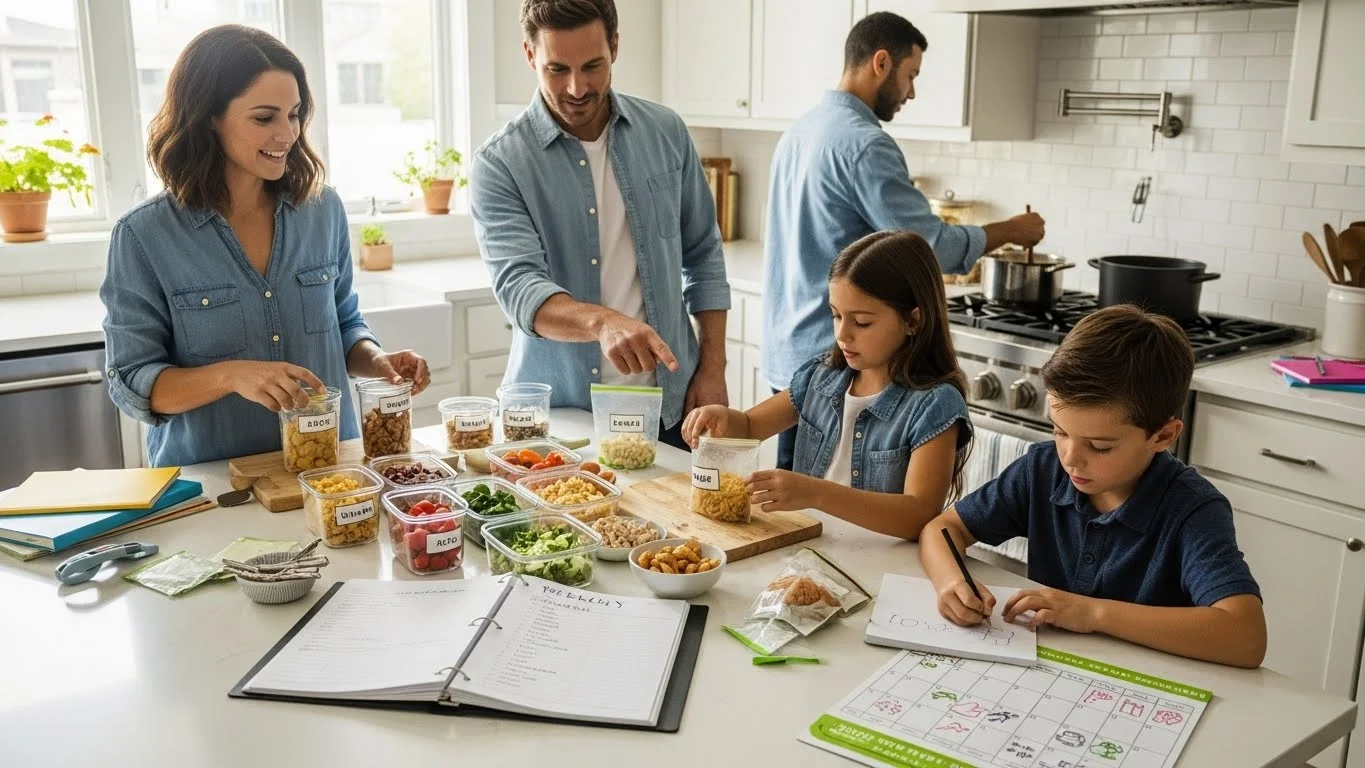
Meal planning, at its core, is the process of deciding what meals to prepare over a specific period. For my family, this usually means planning out our week’s dinners and school lunches. I find that having a clear idea of what we’re eating not only saves time during the week but also cuts down on the stress of last-minute meal decisions. It allows us to streamline our grocery shopping, ensuring we buy only what we need. In a way, meal planning becomes a form of organization that brings a sense of calm to our often chaotic lives. For more insights, check out Smart Meal Planning for School-Aged Kids on a Budget.
Benefits of Meal Planning for Families with School Kids
When I started meal planning, I quickly realized the numerous benefits that it brought to our busy family life. First and foremost, it saves time. Knowing what to cook each night means fewer trips to the grocery store and less time spent pondering what to prepare. This gives us more time to spend together as a family, whether it’s cooking, enjoying a meal, or relaxing after dinner.
Another significant benefit is the cost savings. By planning our meals, we can make smarter grocery purchases and reduce food waste. I found that when I shop without a plan, I often buy items that end up unused or spoiled. Additionally, meal planning allows us to incorporate healthier options into our diets, which is essential for growing kids. I can ensure we have a balance of proteins, grains, and plenty of fruits and vegetables, making it easier to meet our family’s nutritional needs. For more ideas, see Top 10 Budget-Friendly Meal Ideas for Families with Kids.
Common Challenges in Meal Planning for Busy Families
Of course, meal planning isn’t without its challenges, and I’ve faced quite a few along the way. One of the biggest hurdles I’ve encountered is the time it takes to plan meals and create grocery lists. With our hectic schedules filled with school, sports, and other activities, dedicating time to meal planning can feel daunting. I also struggled with picky eaters in my household, which made it difficult to create a plan that everyone could agree on. This often led to frustration and sometimes resulted in reverting to takeout, defeating the purpose of meal planning altogether.
Another challenge is staying consistent. I’ve had weeks where my meal plan went out the window because of unexpected events, like a late practice or a surprise playdate. It’s easy to derail from the plan, and when that happens, it can feel like a setback. I’ve learned that the key lies in flexibility and finding creative solutions to these common problems.
Essential Meal Planning Strategies
Creating a Weekly Meal Schedule
One of the most effective strategies I’ve found is creating a weekly meal schedule. It sounds simple, but it makes a world of difference in our household. I usually sit down on Sunday afternoons to plan the week ahead. I grab a notebook or use my phone to jot down meals for the week, considering our family’s activities. For example, if I know we have a soccer practice on Tuesday evening, I’ll plan for a quick meal that can be ready in 30 minutes or less, like stir-fried vegetables and chicken.
I love to include a variety of meals to keep things interesting. By planning a mix of different proteins and cuisines, I can ensure that we’re not stuck eating the same thing every week. After creating the schedule, I hang it on our fridge. It’s a visual reminder for everyone, and I’ve noticed that it reduces the “What’s for dinner?” questions that always seem to pop up at the worst times!
Incorporating Family Preferences and Dietary Needs
Another important aspect of meal planning is considering everyone’s preferences and dietary needs. I’ve learned that it’s crucial to involve my kids in the planning process. I often ask them to pick one meal they’d like to have each week. This not only gives them a sense of ownership but also reduces the chances of a meal being met with groans and complaints.
We also have some dietary needs to consider, like my daughter’s aversion to certain vegetables. Instead of forcing her to eat something she doesn’t like, I look for alternative options or methods of preparation that might make it more appealing. For instance, if she doesn’t like raw broccoli, I’ll roast it with a bit of olive oil and garlic. It’s all about finding a balance that keeps our meals delicious and inclusive for everyone.
Utilizing Leftovers Effectively
Leftovers are a game changer in our meal planning. Instead of viewing them as a burden, I embrace them as a way to reduce cooking time and minimize waste. For instance, if I make a big batch of chili or pasta, I’ll plan to serve it on two different nights. The first night, we enjoy it fresh, and then I’ll repurpose the leftovers into something new. The chili could become a topping for baked potatoes, and the pasta could be mixed into a salad.
I find that getting creative with leftovers not only saves time but also encourages my family to try new combinations. Plus, it feels great to know that we’re not wasting food and making the most out of what we’ve prepared.
Batch Cooking and Freezing Meals
Batch cooking has truly transformed my meal planning experience. On days when I have a little extra time, I cook larger portions of meals and freeze them for later. This works especially well for soups, stews, and casseroles. I remember the first time I tried batch cooking; I made a huge pot of vegetable soup and divided it into portions to freeze. On those particularly hectic days when I forgot to plan, I could just pull a container out of the freezer, heat it up, and voilà—dinner was served!
Freezing meals has been a lifesaver, especially when unexpected events come up. I recommend labeling the containers with the date and contents so that we can easily grab what we need. Not only does this save time, but it also ensures we have healthy homemade meals on hand, which is so much better than resorting to takeout.
Time-Saving Meal Prep Techniques
Grocery Shopping Tips for Busy Parents
Grocery shopping can feel like a chore, but I’ve discovered some tips that help streamline the process. One of my favorites is creating a grocery list based on the meal plan. I categorize the list by sections of the store, like produce, dairy, and meats. This way, I can move through the store more efficiently and avoid backtracking.
Another tip I’ve learned is to shop with a purpose. I try to avoid shopping when I’m hungry because that’s when I tend to make impulse buys. Sticking to my list not only helps me stay on budget but also keeps our meal plan intact.
Using Convenience Foods Wisely
While I love to cook from scratch when I can, I also believe in the power of convenience foods. Pre-cut vegetables, rotisserie chicken, and frozen grains can save a ton of time on busy nights. I’ve learned to embrace these options without feeling guilty. For example, if I’m making a stir-fry, I might use pre-cut veggies and add some fresh chicken. It’s a great way to keep dinner healthy yet quick. I’ve found that using convenience foods strategically can help us maintain our meal planning without sacrificing nutrition.
Prepping Ingredients in Advance
Prepping ingredients in advance has been a fantastic time-saver in our home. On the weekends, I try to chop vegetables, marinate proteins, or even cook grains in bulk, so they’re ready to go during the week. I often dedicate an hour or two to this prep work, and it pays off immensely when I’m scrambling to get dinner on the table after a long day.
Having prepped ingredients makes it so much easier to whip up meals quickly. For instance, if I’ve already chopped onions, peppers, and garlic, I can toss them in a pan, add some spices, and have a delicious stir-fry ready in no time. It’s all about making those weeknight dinners less stressful!
Choosing Quick-Cook Recipes
Lastly, I make sure to keep a collection of quick-cook recipes on hand. These are my go-to meals that can be prepared in 30 minutes or less. Dishes like quesadillas, sheet pan dinners, and one-pot pastas have become staples in our home. I’ve discovered that having a few of these recipes in my back pocket makes it easier to stick to our meal plan, even when life gets hectic.
When I try a new recipe that fits the quick-cook criteria, I keep it in a special folder. This way, I can easily reference it when I’m in a pinch. I believe that having a repertoire of easy meals takes the pressure off and allows our family to enjoy dinner together, no matter how busy our day has been.
Kid-Friendly Meal Ideas
Healthy Lunchbox Ideas for School
When it comes to packing lunches for my kids, I like to keep things simple yet nutritious. I’ve discovered that a well-packed lunch can make all the difference in their day. One of my go-to ideas is the classic bento box. I fill it with a variety of foods, including whole-grain wraps with turkey and cheese, fresh fruit, and maybe a little treat like a small cookie or yogurt. This way, they get a balanced meal that keeps them energized throughout the school day.
I also enjoy making DIY lunchables using whole-grain crackers, sliced cheese, and lean meats. It’s a fun way for the kids to assemble their lunches, and they love having a little bit of choice in what they eat. I’ve found that if they’re involved in the process, they’re more likely to eat everything instead of letting it come back home uneaten!
Easy Dinner Recipes for Busy Weeknights
After a long day, I want to get dinner on the table quickly, but I also want it to be something everyone will enjoy. One of my favorite go-to recipes is a one-pan chicken and vegetable bake. I simply toss chicken thighs with a mix of seasonal veggies like bell peppers and zucchini, drizzle with olive oil, season it all, and bake it in the oven. It’s delicious, and the best part is that there’s minimal cleanup!
Another easy dinner idea is tacos. I set up a taco bar with seasoned ground turkey or beef, toppings like lettuce, tomatoes, cheese, and guacamole. The kids love customizing their own tacos, and I love that it’s a quick meal. Plus, if we have any leftovers, they’re great for lunch the next day!
Fun and Nutritious Snacks
Snacks are a crucial part of our day, especially after school. I try to keep things healthy but fun. I often whip up homemade trail mix with nuts, dried fruit, and a sprinkle of dark chocolate chips. It’s a hit with my kids and gives them the energy boost they need for homework or playtime.
Another favorite is fruit kabobs. I let my kids choose their favorite fruits like strawberries, grapes, and melon, and we put them on skewers together. It’s a fun activity, and they love munching on them. My secret ingredient? A little yogurt dip on the side—a nutritious addition that makes snacking feel special.
Involving Kids in Meal Preparation
Getting my kids involved in the kitchen has been one of the best decisions I’ve made. Not only does it lighten my load, but it also teaches them valuable skills. I often assign them small tasks, like washing vegetables or stirring sauces, depending on their ages. I remember the first time I taught my youngest to make scrambled eggs; the smile on their face when they successfully flipped an egg was priceless!
We set aside time on weekends to try new recipes together. I let them pick a dish they’d like to make, and we work as a team. This not only creates great family memories but also encourages them to be adventurous eaters. They are more likely to eat what they’ve helped to prepare, and I think it gives them a sense of pride in their cooking skills.
Tools and Resources for Effective Meal Planning
Meal Planning Apps and Tools
In this digital age, I’ve found that there are so many helpful apps that make meal planning a breeze. One of my favorites is a meal planning app that allows me to input recipes and generate grocery lists automatically. It saves me so much time, and I love that I can access it on-the-go. Whether I’m at the grocery store or sitting in a waiting room, I can quickly check what I need.
Another tool I rely on is a shared calendar app with my family. It helps us coordinate activities and plan meals around our busy schedules. I find it especially useful to sync our meal plan with the calendar, so everyone knows what’s for dinner, and we can avoid last-minute surprises.
Printable Meal Planning Templates
If you’re like me and love pen and paper, printable meal planning templates are fantastic. I love to print out a blank weekly planner and fill it in with our meals for the week. It gives me a chance to physically write things down, which helps me remember what we have planned. Plus, it’s a fun activity to do with the kids; they can help choose meals and write them down.
Sometimes, I’ll even create a visual chart with pictures of the meals to hang on our fridge. This way, the kids can easily see what’s coming up for dinner, and it adds a colorful touch to our kitchen!
Family Recipe Collections
Over the years, I’ve accumulated a collection of family recipes that I cherish. I’ve started a family recipe book that includes not only our favorite meals but also notes about what my kids love most about each dish. This resource has become a treasured keepsake, and it also serves as a guide for meal planning.
I encourage my kids to add their own favorite recipes as they grow older. It’s a great way to pass down our culinary traditions, and who knows? They might even surprise me with their own creations one day!
Staying Flexible with Your Meal Plan
Adjusting Plans for Unexpected Events
Life happens, and I’ve learned that being flexible with our meal plan is just as important as creating one in the first place. Whether it’s an unexpected invitation to a friend’s house or a last-minute change in our routines, it’s essential to be adaptable. I remember one evening when we were all set for a homemade pizza night, but then the kids had a last-minute school event. Instead of tossing our plans aside in frustration, I quickly adjusted by preparing a make-your-own pizza kit for the kids to enjoy at the event. This way, we still had the fun of pizza night, just in a different format! I’ve found that having a few backup options in mind helps me pivot without feeling stressed.
Revisiting and Revising Weekly Plans
As our schedules change and the kids’ activities vary, I’ve realized the importance of regularly revisiting our meal plans. I often take a moment each week to reflect on what worked, what didn’t, and how we can improve. For instance, there are weeks where we might have too many heavy meals planned, and I’ll want to adjust by adding lighter options. I also try to keep an eye on what ingredients we have left to use up before they spoil. Revising our plans not only keeps our meals fresh and exciting but also makes me feel more in control of our family’s nutrition.
Creating a Backup Plan for Busy Days
Having a backup plan is a lifesaver on those particularly hectic days. I’ve started to compile a list of super quick meals that can be made with pantry staples or frozen items. Dishes like scrambled eggs and toast, or a simple veggie stir-fry with frozen vegetables and rice, are my go-to options when things get crazy. I also keep a few frozen meals on standby for days when cooking feels impossible. This approach helps me avoid the temptation of takeout and keeps our meal planning on track, even when life throws us a curveball.
Nutrition and Health Considerations
Balancing Macronutrients for Growing Kids
As a parent, I often think about how important it is to provide balanced meals for my growing kids. I try to incorporate a good mix of macronutrients—proteins, fats, and carbohydrates—into our meals. For example, at dinner, I might serve grilled chicken with quinoa and a side of steamed broccoli. I believe that teaching my kids about balance, rather than strict diets, empowers them to make healthier choices on their own. I often talk to them about the different food groups and why our bodies need a variety of nutrients to stay strong and energetic.
Incorporating Fruits and Vegetables
Getting my kids to eat their fruits and vegetables can sometimes feel like a challenge. However, I’ve discovered that incorporating them in creative ways can make a big difference. I often blend spinach into smoothies or add shredded carrots to pasta sauces. I also let the kids help pick out fruits and veggies at the store, which makes them more excited to eat what they’ve chosen. We’ve even started a little garden in the backyard, which has turned into a fun project that encourages them to try new produce they’ve grown themselves!
Understanding Food Allergies and Sensitivities
Understanding any food allergies or sensitivities in our family has been a priority. My daughter has a mild allergy to peanuts, so I make it a point to read labels carefully and educate my kids about safe food choices. This awareness has also prompted me to explore new ingredients and recipes that are allergy-friendly yet delicious. For instance, I’ve found some fantastic nut-free alternatives that we can use in our favorite recipes without compromising on taste. I believe that being informed and proactive about food allergies not only keeps us safe but also opens up new culinary possibilities.
Inspiration and Ideas from Other Families
Success Stories: Real Families and Their Strategies
I’ve always found inspiration in hearing how other families tackle meal planning. There was a time when I attended a local community event where several parents shared their meal prep strategies. One family swore by themed dinner nights, like Taco Tuesdays or Pasta Fridays, which made planning so much simpler and more fun. It’s amazing how a little creativity can spark new ideas! Hearing their success stories motivated me to try out new approaches, and I’ve continued to adapt what works best for our family.
Online Communities and Forums for Support
Joining online communities dedicated to meal planning has been incredibly helpful, too. I love participating in discussions where parents share their tips, recipes, and experiences. These platforms provide a wealth of ideas and support when I’m feeling stuck or overwhelmed. It’s comforting to know that there are others out there navigating similar challenges, and we can lift each other up with encouragement and inspiration.
Cookbooks and Blogs for Meal Planning Inspiration
Whenever I’m looking for fresh meal ideas, I turn to my collection of cookbooks and blogs. There’s something about flipping through pages or scrolling through beautiful food photos that ignites my creativity. I often find recipes that are not only healthy and family-friendly but also easy to adapt for our specific tastes. It’s like a treasure trove of inspiration, and I often find myself trying out a new recipe each week to keep things interesting. For those on a budget, check out Essential Tips for Toddler Meal Planning on a Budget.
Final Thoughts
Meal planning has truly transformed our family life. It has allowed me to take control of our meals, reduce stress, and create more opportunities for quality time together. While challenges undoubtedly arise, I’ve learned that flexibility and creativity are key. By incorporating strategies that work for us and keeping communication open with my kids, we’ve made meal planning a fun and rewarding part of our routine. I hope these tips inspire you to embark on your own meal planning journey, making it not just a task, but an enjoyable family experience.
Frequently Asked Questions
What is meal planning?
Meal planning is the process of deciding what meals to prepare over a specific period, typically a week. It helps save time and reduces stress by providing a clear idea of what to eat, streamlining grocery shopping, and ensuring only necessary items are purchased.
What are the benefits of meal planning for families with school kids?
Meal planning saves time, reduces food waste, and allows families to incorporate healthier options into their diets. It enables smarter grocery purchases and provides more time for family activities, such as cooking and enjoying meals together.
What challenges might busy families face in meal planning?
Common challenges include the time required to plan meals and create grocery lists, accommodating picky eaters, and maintaining consistency amidst unexpected events that can disrupt meal plans.
How can families create an effective weekly meal schedule?
Families can create a weekly meal schedule by sitting down weekly to plan meals, considering family activities, and incorporating a variety of meals to keep things interesting. Hanging the schedule on the fridge can serve as a visual reminder for everyone.
How can leftovers be utilized effectively in meal planning?
Leftovers can be embraced as a way to reduce cooking time and minimize waste. They can be repurposed into new meals, such as using leftover chili as a topping for baked potatoes or mixing leftover pasta into a salad.
What are some time-saving meal prep techniques for busy parents?
Time-saving techniques include creating a grocery list based on the meal plan, using convenience foods wisely, prepping ingredients in advance, and choosing quick-cook recipes that can be prepared in 30 minutes or less.
What are some healthy lunchbox ideas for school kids?
Healthy lunchbox ideas include bento boxes filled with whole-grain wraps, fresh fruit, and treats, as well as DIY lunchables made with whole-grain crackers, sliced cheese, and lean meats, providing a balanced meal while allowing kids to have some choice.
How can kids be involved in meal preparation?
Involving kids in meal preparation can include assigning them small tasks, such as washing vegetables or stirring sauces, and setting aside time on weekends to try new recipes together, fostering valuable cooking skills and creating family memories.
What tools and resources can help with effective meal planning?
Helpful tools for meal planning include meal planning apps that generate grocery lists, shared calendar apps for coordinating activities, printable meal planning templates, and family recipe collections to track favorite meals.
How can families adjust their meal plans for unexpected events?
Flexibility is essential; families can adapt meal plans by having backup options for quick meals, revisiting plans regularly to reflect on what worked, and keeping a list of super quick meals that can be made with pantry staples or frozen items on hand.