
Traveling abroad with children can be thrilling, but it also requires careful planning for the unexpected. Emergency preparedness is essential to ensure our little ones stay safe and secure, no matter where we find ourselves. Read Interesting article: Family Travel Safety: Must-Have Emergency Kits Explained
Understanding Emergency Preparedness When Traveling with Children
Definition of Emergency Preparedness
Emergency preparedness means being ready for unforeseen situations that could disrupt our plans or endanger our family. It’s about thinking ahead and having a plan in place before we even step foot in a foreign country. When I first started traveling with my kids, I quickly realized that simply packing their favorite toys wasn’t enough. I needed to consider potential emergencies and how we would respond together. From natural disasters to medical emergencies, it’s crucial to have a comprehensive plan that includes our children.
Importance of Emergency Preparedness for Families
The importance of emergency preparedness can’t be overstated, especially when it comes to our children’s safety. I remember our trip to Costa Rica. We were hiking through a lush rainforest when an unexpected storm rolled in. The sky darkened, and the wind picked up. In that moment, I was thankful for the emergency plan I had created with my family. We knew where to go to find shelter and how to communicate if we got separated. Having those plans in place gave me peace of mind, allowing us to enjoy our adventure while knowing we could handle the unexpected.
Assessing Risks and Threats Abroad
Natural Disasters
Natural disasters can vary greatly depending on where we travel. Earthquakes, hurricanes, floods, and wildfires are just a few examples that can occur in different regions of the world. I learned this firsthand while visiting Japan, a country known for its seismic activity. I made sure to educate myself on the local emergency procedures and to identify safe locations, like designated shelters. This knowledge helped me feel more secure and allowed me to teach my children what to do in case of an earthquake. Understanding the specific risks of our destination is key to ensuring we’re ready for anything.
Health Emergencies
Health emergencies can arise anywhere, and traveling abroad can expose our families to illnesses we might not encounter back home. I remember feeling anxious about potential health issues when we traveled to Southeast Asia. I researched common diseases in the area and made sure our vaccinations were up-to-date. I also packed a basic first-aid kit with pain relievers, band-aids, and any necessary medications. Knowing how to respond in a health emergency, like finding a local clinic or understanding the symptoms of prevalent illnesses, is vital for our children’s well-being. Read Interesting article: How to Create an Affordable Emergency Kit for Family Trips
Political Instability and Civil Unrest
While planning a trip, it’s wise to check the political climate of our destination. I once canceled a trip to a country experiencing civil unrest after reading travel advisories. I wanted to ensure the safety of my family. If we find ourselves in a place where unrest is occurring, having a plan for safe exit routes and knowing where to seek help can make a huge difference. I believe it’s crucial to stay informed about the current events of the country we are visiting so that we can make educated decisions and keep our children safe.
Crime and Personal Safety
Crime rates can fluctuate from one country to another, and knowing the safest areas to visit is important. I’ve learned to do thorough research beforehand, including reading reviews and travel blogs. For example, during a trip to a bustling city, I discovered which neighborhoods were safe for families and which ones to avoid. Teaching my children about personal safety, such as staying close to me and being aware of their surroundings, is something I prioritize before we head out. Setting clear boundaries and expectations while exploring new places keeps us all focused and safe.
Essential Emergency Preparedness Plans
Creating a Family Emergency Plan
Creating a family emergency plan is one of the best things we can do before traveling. This plan should include everything from escape routes to communication methods. During our last family trip, we sat down together and mapped out what we would do in various scenarios. For instance, we decided on meeting points in case we got separated. I found that involving my kids in the planning made them more aware and responsive in emergencies. When I asked them what they thought was important, they brought up things I hadn’t even considered, which made our plan even better.
Establishing Communication Protocols
When we’re abroad, having a communication protocol is essential. I’ve experienced the panic of losing sight of my kids in a crowded area, and it’s terrifying. Before our trips, we practice how to find each other if we get separated. We also set a specific point to meet if something goes wrong. Having a local SIM card or ensuring we have access to Wi-Fi to communicate via messaging apps is also a part of our plan. I’ve found that knowing how to reach each other gives both me and my kids confidence while exploring.
Identifying Safe Locations and Exits
Identifying safe locations and exits should be a priority. I remember arriving at a hotel in a foreign country and immediately asking the staff about fire exits and emergency procedures. I also showed my kids where to go in case of an emergency. Knowing the layout of our surroundings helps me stay calm and ensures my children know where to go if something happens. It’s a small step, but it can make a huge difference in how we respond in a crisis.
Understanding Local Emergency Services
Before we travel, I make it a point to learn about the local emergency services. Having a list of emergency contacts, including local police, fire departments, and medical facilities, is essential. I found it helpful to keep this information on my phone and also print out a copy to carry with me. Familiarizing myself with how the local services operate has prepared us for any situation, from a minor injury to a more serious incident.
Health and Safety Precautions
Travel Insurance for Families
One of the best decisions I’ve made before traveling with my family is purchasing travel insurance. I remember when we took a trip to Europe; I had done my research and found a policy that covered not just trip cancellations but also medical emergencies. This peace of mind was invaluable. I learned that accidents can happen anywhere, and having insurance can help cover unexpected medical bills or trip interruptions. I recommend looking for plans that specifically cater to families and consider factors like 24/7 emergency assistance and coverage for children’s specific needs. Knowing I had that safety net allowed me to focus on creating lasting memories rather than worrying about what could go wrong.
Vaccinations and Health Precautions
Vaccinations have been a significant part of our travel preparations. Before our last trip to South America, I made an appointment with our pediatrician to discuss any vaccinations we might need. I found it helpful to keep a travel health record for my kids, noting what shots they received and when. It’s essential to stay informed about health risks in the countries we plan to visit. For example, when we traveled to a region known for mosquito-borne illnesses, I packed insect repellent and ensured we wore long sleeves and pants in the evenings. Being proactive about health precautions made me feel better equipped to protect my children while exploring new cultures.
Emergency Medical Resources Abroad
Knowing where to find medical resources in a foreign country is crucial. I always make it a point to research the healthcare system at our destination. On our trip to Thailand, I discovered that many hospitals in tourist areas cater to English-speaking visitors. I saved the contact information for a couple of clinics in my phone, just in case. I also learned about local pharmacies and what over-the-counter medications they offer, which helped me feel more secure. I’ve even kept a list of common symptoms for illnesses that might be prevalent in the region, so I could recognize if my child was feeling unwell. This preparation empowered me and kept my family’s health as a top priority during our travels.
Important Emergency Contacts and Resources
Local Embassy or Consulate Information
Having the contact information for our local embassy or consulate is something I’ve always found essential. On one trip, we faced a minor passport issue that could have escalated into a significant problem without their help. I usually look up the embassy’s address and phone number before we leave home and save that information in my phone. It’s also a good idea to print out the details and keep them in our emergency kit. Knowing we have a place to turn for assistance can make all the difference in a stressful situation, and it reassures my kids that we have support available no matter where we are.
Emergency Contact List
Creating an emergency contact list is another vital step I take before any trip. I include local emergency numbers, like police and fire departments, as well as any important contacts back home. I make sure each family member has a copy of this list, and I keep a digital version on my phone. I remember a time when my child fell and scraped their knee at a park; having a quick way to contact a nearby clinic made it easier to get help. It’s a simple but effective way to ensure everyone knows who to reach out to in case of an emergency.
Travel Apps and Resources for Safety
In today’s tech-savvy world, I find travel apps incredibly helpful for our family’s safety. I’ve downloaded apps that provide real-time information about safety alerts, local emergency services, and even maps. During our last trip, I discovered an app that provided notifications about natural disasters in the area. I also recommend apps that allow us to share our location with each other, so we can easily find one another if we get separated. Having these tools at our fingertips has made traveling with children a lot smoother and more secure. Read Interesting article: Top 5 Emergency Kits for Family Backpacking Adventures
Pack Smart: Emergency Kits for Children
Essentials to Include in an Emergency Kit
When it comes to packing an emergency kit for my kids, I like to keep it simple yet comprehensive. I always pack items like band-aids, antiseptic wipes, and small first-aid supplies. On our recent camping trip, I added a flashlight and extra batteries, which turned out to be a lifesaver when we lost power at night. I think it’s helpful to include a few comfort items too, like a favorite stuffed animal or a small toy. These little touches can make a big difference in helping my kids feel secure during unexpected situations.
Child-Friendly Items to Consider
In addition to essential medical supplies, I’ve learned to include child-friendly items in our emergency kit. I always pack snacks, especially easy-to-carry ones like granola bars or dried fruit. Hunger can make anyone cranky, especially kids, and having something to munch on can help keep spirits high. I also include a small notebook and crayons, so they have something to occupy themselves if we’re waiting for assistance. I believe having familiar items can provide comfort and a sense of normalcy in stressful situations.
How to Customize Kits for Different Destinations
Customizing our emergency kits based on our destination is a strategy I’ve started to adopt. For beach vacations, I pack sunscreen, hats, and swim-safe bandages. When we go hiking, I add snacks and hydration packs. It’s all about being prepared for the specific activities we’ll be doing. I also consider the weather; for colder destinations, I include hand warmers and extra layers in our kits. Tailoring our emergency supplies to fit our travel plans ensures that we’re ready for whatever comes our way.
Teaching Children About Emergency Preparedness
Age-Appropriate Safety Discussions
One of the most rewarding parts of preparing for travel emergencies is having age-appropriate discussions with my kids about safety. I found that the earlier I start these conversations, the better my children understand the importance of being prepared. For instance, with my younger ones, I use simple language and fun examples to explain what to do in case of an emergency. I might say, “If we get separated in a busy place like a market, remember to stay where you are and look for a person in a uniform.” This helps them grasp the concept without feeling overwhelmed. With my older kids, we dive deeper into more serious topics, such as identifying safe spots and recognizing the signs of trouble. I believe it’s essential that they feel empowered to make decisions for themselves, even when we’re in unfamiliar places.
Practicing Emergency Procedures Together
Nothing solidifies knowledge better than practice. I make it a point to run through our emergency procedures as a family before each trip. This might involve role-playing scenarios, such as what to do if someone gets lost or if there’s a sudden need to evacuate a building. I remember one time when we pretended to evacuate our hotel room during a fire drill at home. My kids took it seriously, and it turned into a fun game while reinforcing the importance of staying calm and collected in an actual emergency. Practicing these procedures not only builds their confidence but also strengthens our family bond as we prepare together. I’ve noticed that my children now remind each other of our plans, saying things like, “Remember where we said to meet if we get separated?” That’s a win in my book!
Encouraging Responsible Behavior in Unfamiliar Situations
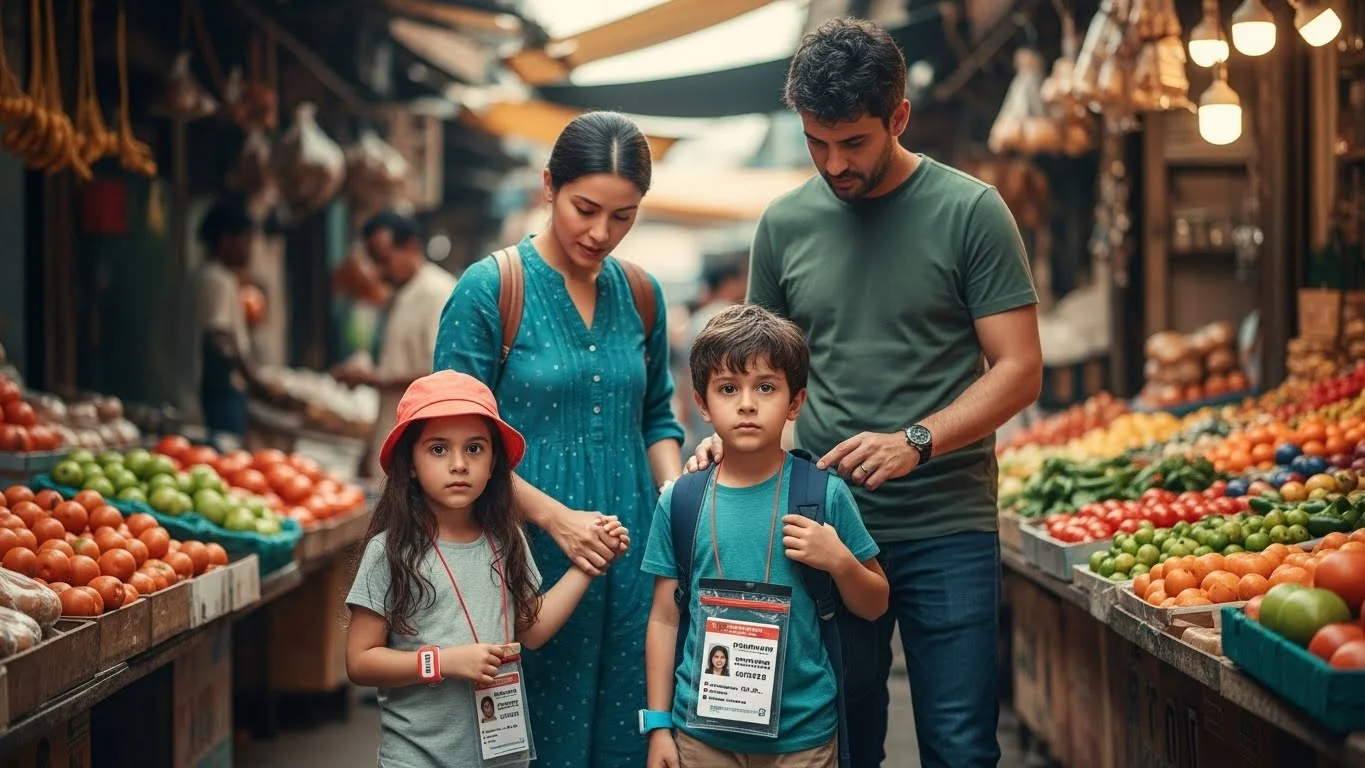
As my kids grow, I try to encourage responsible behavior when we’re out exploring new places. I often remind them to be aware of their surroundings and to trust their instincts. During a recent trip to a bustling market, I noticed my youngest becoming a bit overwhelmed by the crowds. I took that moment to talk to her about what to do if she felt uncomfortable, like finding a nearby shopkeeper to ask for help. I think it’s essential to foster a sense of independence while also ensuring they feel secure. By empowering them to be responsible and aware, they learn vital skills that can help them navigate unfamiliar situations confidently. I often hear my oldest cautioning his siblings to stay close and not wander off, which reassures me that these lessons are sinking in.
Dealing with Emergencies: Practical Tips for Parents
Staying Calm and Collected
When an emergency occurs, it’s natural to feel a surge of panic. I’ve been there, and I know how easy it is to let fear take over. One of the most important lessons I’ve learned is the need to stay calm and collected. During our trip to Mexico, we faced a sudden downpour that flooded the streets. Instead of panicking, I took a deep breath and led my family to a nearby café to wait it out. I realized that my calm demeanor helped my kids feel safe and less anxious. I firmly believe that modeling calmness in stressful situations helps children understand how to handle their feelings, too. It’s a skill I hope they carry with them throughout their lives.
Assessing the Situation
When an emergency arises, taking a moment to assess the situation is crucial. I learned this during a hiking trip when one of my children stumbled and fell. Instead of rushing to help immediately, I paused to evaluate whether the injury was serious. This quick assessment allowed me to determine the best course of action without inadvertently making things worse. I’ve found that teaching my kids to take a moment to observe and think critically in emergencies can help them respond more effectively. I often remind them, “Look around and see what’s happening before you act.” This process of assessing our surroundings can make all the difference when it comes to deciding what to do next.
Making Informed Decisions Quickly
In emergencies, time is often of the essence. I’ve learned the value of making informed decisions quickly, especially when it comes to my children’s safety. When our hotel experienced a minor earthquake while we were visiting California, I had to decide immediately whether to stay indoors or head outside. I quickly recalled the safety protocols I had researched and decided it was best to move away from windows and seek shelter in a doorway until the shaking stopped. I also involved my kids in the decision-making process by asking for their input. This not only helped them feel included but also reinforced their understanding of the importance of quick thinking in emergencies. It’s a lesson I hope they can apply in their own lives moving forward.
Post-Emergency Steps
Checking on Children’s Emotional Well-Being
After an emergency, I always make it a priority to check on my children’s emotional well-being. I’ve found that even small incidents can leave a lasting impression on kids. For instance, after that earthquake, I sat down with my kids to talk about their feelings. I asked questions like, “How did that make you feel?” and “What do you think we could do differently next time?” This open dialogue not only helped them process their emotions but also gave me insight into how they perceived the situation. I believe that validating their feelings is crucial, and it fosters a sense of security knowing they can express themselves without judgment.
Reporting Incidents to Authorities
If ever faced with a serious situation, reporting incidents to the authorities is something I take seriously. I experienced this firsthand when we were on a family trip to Italy. We witnessed an accident at a busy intersection, and I knew we had to report it for everyone’s safety. I had my older child help me find a local police officer to inform them about what we saw. It’s important to teach children the significance of reporting emergencies and being responsible citizens. I usually remind my kids that helping others and being honest about what we see can make a difference in our communities.
Reviewing and Revising Emergency Plans
After returning home, I always take time to review and revise our emergency plans. I like to sit down with my family and discuss what worked well and what we might need to improve. For example, after our trip to Europe, we realized that we could benefit from having a designated “family meeting point” in crowded places. This practice not only helps us fine-tune our approach but also reinforces the importance of being prepared for future adventures. I believe it’s vital to adapt our plans as our children grow and their needs change. By doing so, we ensure that we’re always equipped for whatever comes our way.
Frequently Asked Questions
What is emergency preparedness when traveling with children?
Emergency preparedness means being ready for unforeseen situations that could disrupt travel plans or endanger the family. It involves having a comprehensive plan in place before traveling to ensure safety during emergencies.
Why is emergency preparedness important for families traveling abroad?
The importance of emergency preparedness lies in ensuring children’s safety. Having a plan allows families to respond effectively to unexpected situations, such as natural disasters or medical emergencies, providing peace of mind during travel.
What types of risks should families assess when traveling abroad?
Families should assess risks such as natural disasters (earthquakes, hurricanes), health emergencies (illnesses, vaccinations), political instability (civil unrest), and crime (safety in different neighborhoods) when traveling abroad.
What should a family emergency plan include?
A family emergency plan should include escape routes, communication methods, meeting points in case of separation, and procedures for various emergency scenarios.
How can families establish effective communication protocols while traveling?
Families can establish communication protocols by practicing how to find each other if separated, setting specific meeting points, and ensuring access to local SIM cards or Wi-Fi for communication via messaging apps.
What items should be included in a child’s emergency kit for travel?
An emergency kit for children should include basic medical supplies (band-aids, antiseptic wipes), comfort items (favorite toys), snacks, and activities (notebook and crayons) to help them feel secure during unexpected situations.
How can parents teach children about emergency preparedness?
Parents can teach children about emergency preparedness through age-appropriate discussions, practicing emergency procedures together, and encouraging responsible behavior while exploring new places.
What steps should parents take during an emergency?
During an emergency, parents should stay calm, assess the situation, and make informed decisions quickly, involving their children in the decision-making process to reinforce their understanding.
What should families do after an emergency occurs?
After an emergency, families should check on children’s emotional well-being, report incidents to authorities if necessary, and review and revise their emergency plans to improve for future travels.
Why is travel insurance important for families?
Travel insurance is important for families as it provides coverage for unexpected medical emergencies, trip cancellations, and offers peace of mind during travels, allowing families to focus on making memories rather than worrying about potential problems.