
Backpacking as a family is an adventure full of excitement, exploration, and learning. But let’s be real – it can also be a rollercoaster of emotions. Here are some tips to help us regulate those feelings while we explore the world together! Read Interesting article: Effective Emotional Regulation Tips for Toddlers on the Go
Understanding Emotional Regulation for Families
What is Emotional Regulation?
Emotional regulation is all about how we manage our emotions and responses to various situations. I’ve come to realize that it’s not just about being happy or keeping calm; it’s about recognizing what we feel and choosing how to act on those feelings. When I first started thinking about this concept, I pictured it like a skill we can learn, just like riding a bike or cooking. We can’t control every emotion that pops up, but we can control how we respond to them.
Importance of Emotional Regulation in Family Dynamics
In my experience, emotional regulation plays a vital role in how families interact. When we’re on a budget backpacking trip, the stakes can feel higher. Stressors like travel delays, cramped living conditions, and unexpected expenses can lead to heightened emotions. I’ve seen it firsthand: if one family member is feeling anxious or upset, it can ripple through the entire group, affecting everyone’s mood. That’s why it’s crucial to cultivate emotional awareness and regulation as a family. It helps us support one another and maintain a positive atmosphere, even when things don’t go as planned. Read Interesting article: Backpacking with Kids: Tips for Emotional Regulation on the Road
Challenges of Emotional Regulation While Traveling
Traveling can be a blast, but it also comes with its own set of challenges. I remember a trip where everything that could go wrong, did. We faced long flight delays, missed connections, and stressful negotiations for budget accommodations. Those situations can send our emotions into a tailspin. I found myself snapping at my kids out of frustration, which only escalated the tension. I realized that without a plan for emotional regulation, we were all at risk of letting our feelings take the reins. It’s essential to acknowledge that while we’re excited about our adventures, we also need to be prepared for the emotional ups and downs that come along with them.
Preparing for a Budget Backpacking Trip
Setting Realistic Expectations
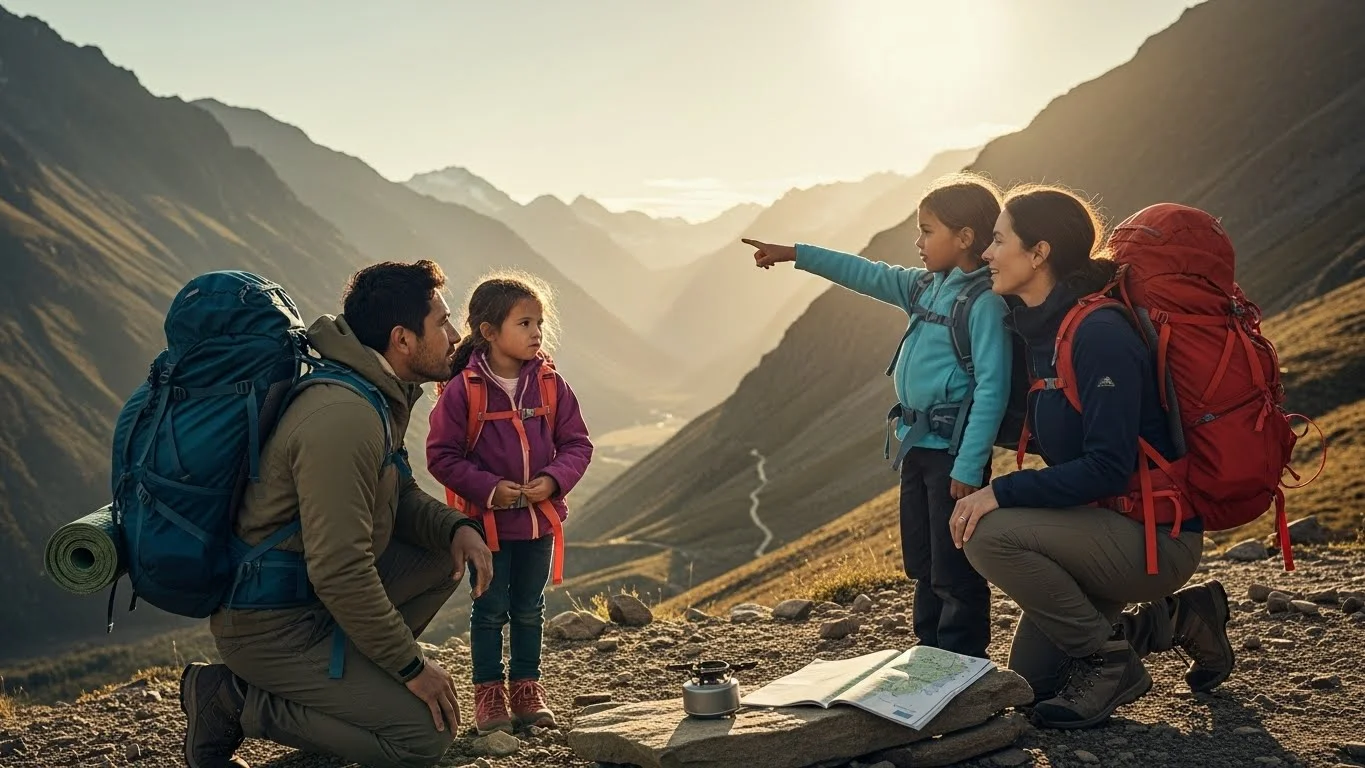
One key to emotional regulation is setting realistic expectations before embarking on our journey. I’ve learned that it’s vital to discuss our plans as a family, making sure everyone knows what to expect. For instance, I remember planning a trek through the mountains with my kids. I envisioned stunning views and happy faces, but I forgot to factor in the fatigue and hunger that would inevitably come along. By openly talking about the challenges we might face, we prepared ourselves emotionally. Now, when we set off on a trip, we remind each other that it’s okay if things don’t go perfectly. We focus on the adventure, not just the destination.
Involving Kids in Trip Planning
Involving my kids in trip planning has been a game-changer for our family. Not only does it help them feel included, but it also gives them a sense of ownership over our adventures. I’ve found that when they have a say in what we do or see, they’re more invested in making it work. Whether it’s picking a hiking trail or choosing a local dish to try, having a role in the planning helps them regulate their emotions when things don’t go as expected. We can brainstorm together, discuss our ideas, and even come up with backup plans if our first choice doesn’t pan out.
Budgeting and Financial Transparency with Children
Budgeting is another essential aspect of our family trips. I’ve learned that being transparent about our finances helps everyone understand the limits we’re working within. When my kids know how much money we have, they’re less likely to feel disappointed if we can’t afford a fancy meal or an expensive activity. I often sit down with them to discuss our budget openly. We talk about how much we can spend on food, activities, and souvenirs. This honesty helps them feel secure and reduces anxiety, which in turn promotes emotional regulation during our adventures.
As I reflect on our past trips, I realize that these emotional regulation strategies have made a world of difference in how we experience our travels. By understanding our emotions and preparing for the challenges ahead, we can turn each trip into a memorable adventure filled with laughter and growth. In the next section, we’ll dive deeper into practical techniques that can help our family navigate the emotional landscape of travel even further. Read Interesting article: Essential Tips for Emotional Regulation in Toddler Travelers
Emotional Regulation Techniques for Families
Mindfulness Practices for Parents and Kids
Incorporating mindfulness practices into our family routine has been incredibly beneficial. I remember the first time we tried a simple breathing exercise before heading out for a day of exploring. We all sat in a circle, closed our eyes, and focused on taking deep, calming breaths. Initially, my kids giggled and fidgeted, but after a few minutes, I noticed a shift. They began to settle down, and it felt like we were all on the same wavelength. Mindfulness helps us stay present, reducing feelings of anxiety about what might happen next. I think it’s essential to find a few minutes each day, whether we’re at home or on the road, to practice being in the moment. This technique has turned out to be a go-to strategy for us, especially during hectic travel days.
Creating a Family Emotion Code
Another technique I stumbled upon is creating a family emotion code. We each picked a color to represent our feelings—green for happy, blue for calm, red for angry, and yellow for anxious. Whenever we’re on a trip and one of us feels overwhelmed, we can simply say, “I’m feeling red right now,” and it opens the door for conversation without pointing fingers. This system has allowed us to communicate our emotions effectively. I remember one trip when my son was feeling particularly anxious about a new activity. By using our color code, he expressed his feelings, and we could address them together. It made him feel heard and validated, which helped ease the tension. I believe that having a fun, visual way to express emotions makes it easier for everyone, especially kids, to articulate how they feel.
Establishing a Routine While Traveling
Having a routine, even while backpacking, has made a world of difference for our family. On one of our trips, we established a simple daily schedule where we included time for meals, activities, and even downtime. I found that knowing what to expect helped everyone feel more secure and less stressed. Kids thrive on routine, and when we travel, it can be easy to let that slip. For us, this means starting the day with breakfast together, followed by a family meeting to discuss the day’s plans. It’s comforting for the children to know what’s next, which reduces anxiety and boosts their confidence. I’ve seen how this small structure leads to smoother transitions, and we enjoy our trips more when we have a basic rhythm to follow.
Healthy Communication Strategies
Healthy communication is crucial for emotional regulation, especially in high-stress situations like traveling. I learned the importance of using “I” statements instead of “you” statements. For example, instead of saying, “You’re making too much noise,” I could say, “I feel overwhelmed when there’s a lot of noise.” This shift has transformed how we interact. It allows each of us to express our feelings without placing blame. I’ve seen this approach diffuse arguments and foster understanding among us. When we’re navigating crowded places or stressful situations, I encourage my family to be open about their feelings and to listen actively to one another. It’s amazing what a little bit of empathy can do to strengthen our bond and regulate our emotions together.
Dealing with Common Travel Stressors
Handling Travel Delays and Cancellations
No one likes to deal with travel delays or cancellations, but they’re often an unavoidable part of the adventure. I remember the first time we faced a significant delay; it felt like the end of the world. My kids were restless and frustrated, and I was on the brink of losing my cool. But I decided to shift our perspective. We turned the wait into an opportunity to explore the airport. We made it a game to find the best snack or take silly photos together. This unexpected fun turned a frustrating situation into a memorable experience. Now, when we face delays, we try to approach them with a sense of curiosity and humor, transforming potential stress into a chance for creativity.
Managing Conflicts Among Family Members
It’s natural for conflicts to arise during family trips, especially when everyone is tired or overwhelmed. I’ve noticed that taking a step back and giving each other space can work wonders. On one trip, my daughter and son had a spat over who got to choose the next activity. Instead of letting the argument escalate, I suggested we take a ten-minute break. During that time, we each reflected on what we wanted and how we could compromise. When we regrouped, we found a solution that worked for everyone. I learned that sometimes a little distance allows us to cool off and think clearly, making it easier to resolve conflicts amicably.
Addressing Homesickness in Kids
Homesickness is another common challenge, and I’ve seen it hit my kids at the most unexpected times, especially during long trips. I remember one particular journey where my son expressed he just missed his room and friends. I realized it was essential to validate his feelings rather than dismiss them. We talked about what he missed and even created a small tradition of writing letters to our friends and family back home. This gave him a sense of connection while we were away. I believe acknowledging homesickness and finding ways to cope with it can help our kids feel more secure and supported. It’s all about nurturing those emotions while encouraging them to embrace the adventure.
Overcoming Cultural Differences and Misunderstandings
Traveling often means encountering cultures that are different from our own, which can lead to misunderstandings. I’ve learned that approaching these situations with an open mind is vital. During one trip abroad, we found ourselves confused about local customs, which led to an awkward moment at a restaurant. Instead of letting embarrassment take over, we laughed about it and asked locals for guidance. I think it’s important to teach my kids that making mistakes is part of learning. By embracing cultural differences and being willing to adapt, we not only grow as individuals but also strengthen our family bond. It’s about creating memories together, even when things don’t go as planned.
Activities to Foster Emotional Connection
Journaling Together During the Trip
One of my favorite activities to foster emotional connection during our trips is journaling together. I remember the first time we tried this; it was during a camping trip. We each had our own notebooks, and each evening, we would gather around the campfire to share what we wrote. The kids loved capturing their thoughts and feelings about the day, whether it was a funny moment or a challenge they faced. I found that journaling not only helped us reflect on our experiences but also opened up conversations about our emotions. By sharing our entries, we learned more about each other and created a deeper bond. Even if it’s just a few sentences, I believe that putting pen to paper can be a great way for all of us to express ourselves and connect on a more meaningful level.
Engaging in Group Games and Challenges
Group games and challenges have become a staple in our family travels. I remember a particularly memorable day when we set out to find geocaches in a new city. We split into teams and raced to solve clues and find hidden treasures. Not only did this bring out our competitive sides, but it also allowed us to work together and communicate effectively. During challenges like these, laughter and teamwork naturally emerge, which helps us bond and manage any stress we might be feeling. I’ve noticed that these fun activities create a positive atmosphere, allowing us to regulate our emotions even when things don’t go as planned. Plus, it’s a great way to explore new places while keeping our spirits high!
Creating a Family Scrapbook
Another way we enhance our emotional connection is by creating a family scrapbook. After each trip, we gather all the pictures, ticket stubs, and little mementos we collected along the way. I love watching my kids get excited as they choose their favorite photos and write captions about their adventures. This collaborative project not only allows us to reflect on our experiences but also serves as a physical reminder of our shared journey. I’ve found that going through these memories together brings up conversations about our feelings during the trip—what we enjoyed, what challenged us, and what we learned. It’s a beautiful way to celebrate our experiences and strengthen our family bond.
Practical Tips for Maintaining Emotional Well-Being
Scheduling Downtime in Your Itinerary
One thing I’ve learned from our travels is the importance of scheduling downtime in our itinerary. It can be tempting to fill every moment with activities, especially when we’re visiting a new place. However, I discovered that taking breaks helps us recharge and prevents emotional burnout. On one trip, we planned a day with no set agenda, allowing us to explore at our own pace. We ended up discovering a lovely park where we could relax, have a picnic, and just enjoy each other’s company. This unscheduled time not only reduced stress but also gave us a chance to connect and reflect on our trip together. Now, we intentionally include downtime in our travel plans, and I believe it’s made a significant difference in our overall well-being.
Finding Family-Friendly Destinations
Choosing family-friendly destinations has been a game-changer for us. I remember the first time we went to a place that had activities geared specifically toward kids. It was a relief to see my children engaged and excited while exploring. Locations with interactive museums, parks, and kid-friendly attractions allow us to enjoy activities that cater to everyone’s interests. I’ve found that when the kids are happy and entertained, it naturally reduces stress for all of us. Plus, those places often offer resources for families, such as family restrooms and play areas, which can ease some of the logistical challenges we face while traveling.
Utilizing Local Resources for Support
While traveling, I’ve learned that utilizing local resources can be incredibly helpful for maintaining our emotional well-being. For instance, many hotels offer family programs or activities that can help us connect and have fun together. I remember staying at a hotel that provided a family movie night in the lobby, complete with popcorn and cozy blankets. It was an unexpected highlight of our trip! Additionally, local visitor centers can offer insights into family-friendly activities and resources. By reaching out for help or suggestions, we can enhance our experience and feel more supported during our travels. I believe that knowing we have options available can alleviate some of the stress that comes with being away from home.
Frequently Asked Questions
What is emotional regulation and why is it important for families?
Emotional regulation refers to how we manage our emotions and responses to various situations. It is crucial for families because it helps maintain a positive atmosphere, supports one another, and enhances interactions, especially during stressful situations like budget backpacking trips.
How can families prepare for emotional challenges while traveling?
Families can prepare by setting realistic expectations, involving children in trip planning, and being transparent about budgeting. Discussing potential challenges beforehand helps everyone emotionally prepare for the ups and downs of travel.
What mindfulness practices can families incorporate during trips?
Families can practice mindfulness by engaging in simple breathing exercises together. Taking a few minutes each day to focus on deep, calming breaths helps everyone stay present and reduce anxiety about upcoming activities.
How does creating a family emotion code help in emotional regulation?
Creating a family emotion code allows family members to express their feelings using colors to represent emotions. This technique facilitates open communication about emotions without assigning blame, making it easier to address feelings and support one another.
What are some effective communication strategies for families while traveling?
Using “I” statements instead of “you” statements is an effective communication strategy. This approach allows family members to express their feelings without placing blame, fostering understanding and empathy among them.
How can families deal with travel delays and cancellations?
Families can handle travel delays by shifting their perspective and turning the wait into an opportunity for creative exploration, such as playing games or finding fun snacks at the airport. This approach transforms frustration into memorable experiences.
What can families do to manage conflicts during trips?
Taking a step back and giving each other space can help manage conflicts. Allowing time for reflection and regrouping often leads to clearer thinking and compromise, making it easier to resolve disagreements amicably.
How can families address homesickness in children while traveling?
Addressing homesickness involves validating children’s feelings and finding ways to cope, such as creating traditions like writing letters to friends and family back home. This helps children feel connected and supported during trips.
What activities can families engage in to foster emotional connection during trips?
Families can foster emotional connections by journaling together, engaging in group games and challenges, and creating a family scrapbook. These activities encourage reflection, teamwork, and shared experiences that strengthen family bonds.
Why is scheduling downtime important during family trips?
Scheduling downtime is important because it prevents emotional burnout and allows families to recharge. Unstructured time helps everyone connect and reflect, making the overall travel experience more enjoyable and less stressful.