
Traveling on a budget can be exhilarating, but it also comes with its own set of emotional challenges. Emotional resilience is the key to navigating these ups and downs, allowing us to embrace every adventure with an open heart. For parents, learning about strategies for emotional regulation while traveling with kids can enhance the experience for the whole family.
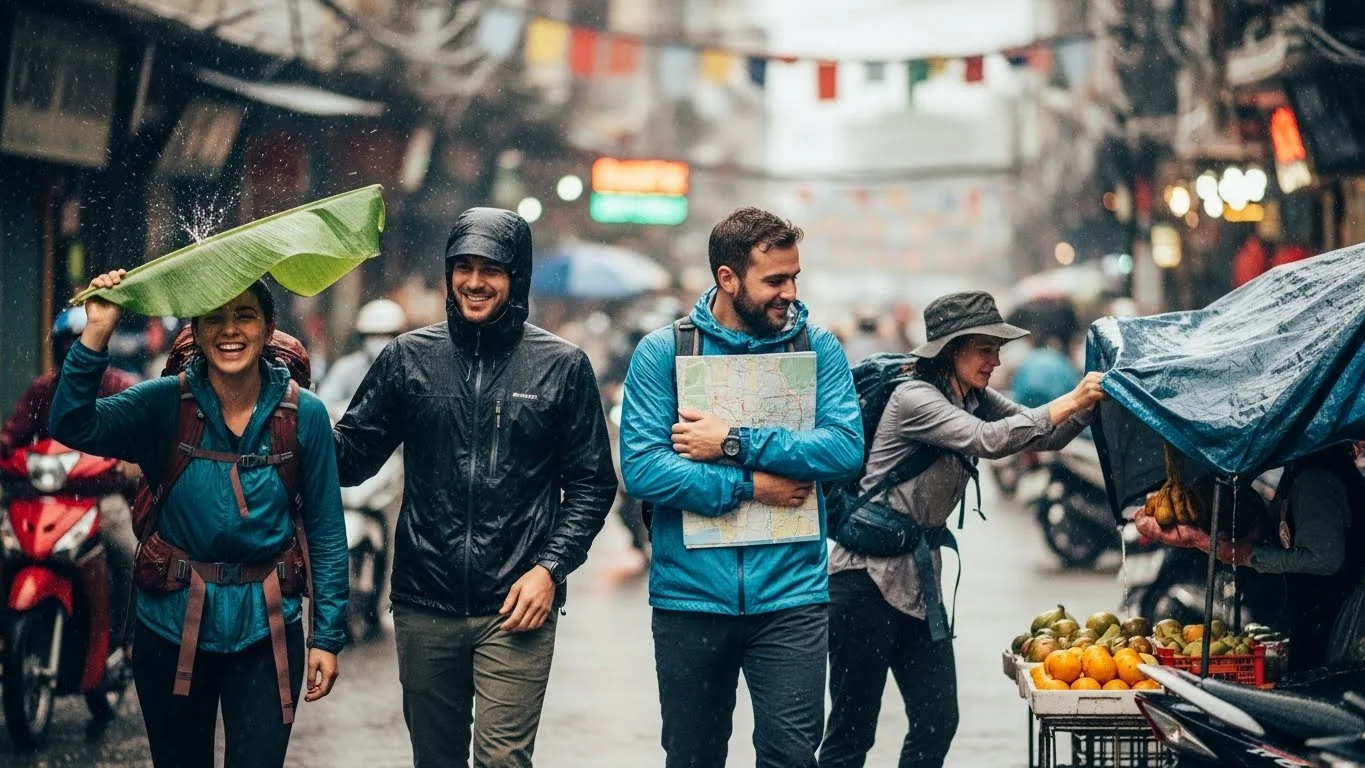
Understanding Emotional Resilience in Travel
Definition of Emotional Resilience
Emotional resilience, to me, is like having an inner strength that helps us bounce back from life’s challenges. When I think about resilience, I picture it as a mental shield that protects us from the negative impacts of stress and adversity. It’s not about avoiding difficulties but rather facing them head-on with a positive mindset. For travelers, this means being able to handle unexpected changes, financial hiccups, or even the simple inconveniences that come with exploring new places. I’ve learned that emotional resilience is built through experiences and self-reflection, which makes it a vital skill for anyone, especially budget travelers.
The Importance of Emotional Resilience for Travelers
As I’ve traveled on a budget, I’ve encountered situations that tested my patience and adaptability. From missing a bus to dealing with language barriers, I quickly realized how crucial emotional resilience is in these moments. It’s the difference between feeling overwhelmed and finding solutions. When we’re emotionally resilient, we are more open to learning from our experiences, and we don’t let setbacks dictate our journey. This mindset helps us to appreciate every moment, whether we are sipping coffee in a bustling market or camping under the stars. In my opinion, emotional resilience helps us savor the thrill of travel rather than merely endure it.
Key Skills for Building Emotional Resilience
Self-Awareness
Developing self-awareness has been one of the most pivotal steps in my travel journey. I remember a time when I felt anxious about staying in a hostel for the first time. It was loud, crowded, and very different from what I was used to. Instead of pushing those feelings aside, I took a moment to acknowledge my discomfort. By understanding what triggered my anxiety, I could take steps to manage it better. Self-awareness allows us to recognize our emotional responses and understand how they affect our experiences. It helps us to become more in tune with our feelings and reactions, making it easier to cope with the inevitable stressors of travel.
Stress Management Techniques
When I discovered stress management techniques, my travel experiences transformed. I learned simple breathing exercises that I could do anywhere—whether on a crowded train or waiting at an airport. These techniques help ground me and bring calmness back into chaotic situations. I also found that physical activities, like walking or practicing yoga, not only boosted my mood but also helped me process my emotions. In stressful moments, I remind myself to take a deep breath and refocus, which has been incredibly effective. I highly recommend finding stress management techniques that resonate with you; they can make a world of difference on the road.
Adaptability and Flexibility
I’ve often heard the saying, “The best-laid plans of mice and men often go awry.” This couldn’t be truer when it comes to traveling. I’ve had my fair share of plans that didn’t go as expected—like when I arrived at a destination only to find my accommodation was double-booked. Instead of panicking, I learned to adapt and be flexible. Embracing spontaneity has led to some of my favorite travel memories, like stumbling upon a local festival or discovering a hidden gem of a restaurant. Being adaptable means accepting that not everything will go as planned, and that’s perfectly okay. It encourages us to remain open-minded and embrace new experiences.
Positive Thinking and Optimism
In my travels, I’ve noticed that maintaining a positive attitude can significantly impact my experiences. There were times when things went wrong—like getting lost in a new city—but instead of feeling defeated, I chose to see it as an adventure. Cultivating an optimistic outlook has helped me turn potential stressors into opportunities for growth. I believe that positive thinking is like wearing a pair of rose-colored glasses; it allows us to see the beauty in every situation, no matter how challenging it may seem. I’ve found that surrounding myself with positive people also enhances this mindset, making every journey feel brighter.
Problem-Solving Skills
Problem-solving is a skill that I’ve honed over time during my travels. Every traveler faces issues, whether it’s a missed flight or a budget that’s tighter than expected. Instead of getting overwhelmed, I’ve learned to approach problems with a solution-oriented mindset. I remember once when I was low on cash while traveling in a foreign country. Rather than panicking, I researched alternative ways to get funds and connected with local friends who could help. This experience taught me that viewing challenges as puzzles to solve rather than roadblocks can lead to creative solutions. Developing these skills not only boosts emotional resilience but also enhances our travel experiences.
How Emotional Resilience Benefits Budget Travelers
Managing Travel Stress on a Budget
Traveling on a budget often means making tough choices, and that can add a layer of stress. I’ve found that having emotional resilience allows me to manage this stress more effectively. When I’m tight on funds, I remind myself that challenges are part of the journey. For example, I once faced a situation where my planned activities were too expensive. Instead of feeling defeated, I took a moment to reassess my options. I discovered free walking tours and local events that not only saved money but also enriched my experience. By being resilient, I learned to focus on what I could control, which helped me enjoy the journey rather than stress over finances.
Overcoming Challenges While Traveling
Challenges are inevitable when traveling, especially on a budget. I recall a time when my travel plans fell through due to a sudden change in transportation schedules. I felt a surge of frustration, but I quickly remembered the importance of resilience. I sought out alternative routes and ended up meeting fellow travelers in the process. These unexpected challenges often turn into the most memorable stories. I’ve learned that resilience doesn’t mean I won’t face problems; it means I’m prepared to tackle them head-on, finding creative solutions while maintaining a positive attitude.
Making the Most of Limited Resources
When budget constraints hit, I’ve discovered that being emotionally resilient helps me maximize my resources. Instead of viewing limitations as setbacks, I see them as opportunities to be resourceful. For instance, when I had to stretch my budget for meals, I started visiting local markets and food stalls. This not only saved me money but also allowed me to experience authentic local cuisine. It’s amazing how a little creativity can turn a seemingly negative situation into a fantastic experience. I believe that emotional resilience encourages us to make the most of what we have, leading to richer travel experiences. Additionally, it helps to understand how to foster emotional growth during travels.
Building Connections with Fellow Travelers
One of the most rewarding aspects of travel is the people we meet along the way. Emotional resilience has helped me connect with fellow travelers even in difficult times. I remember sitting in a hostel, feeling a bit lonely and out of place. Instead of shying away, I decided to reach out and chat with others. This led to new friendships and shared adventures. Resilience has taught me that vulnerability can strengthen connections. In my experience, when we open up about our challenges, we often find common ground, creating a sense of community that enhances our travels.
Practical Tips for Developing Emotional Resilience
Mindfulness and Meditation Practices
Mindfulness and meditation have become essential tools in my journey toward emotional resilience. I used to feel overwhelmed by the hustle and bustle of travel, but incorporating moments of mindfulness helped me stay grounded. I often take a few minutes each morning to meditate, focusing on my breath and setting intentions for the day. This practice has made me more present, allowing me to fully appreciate my surroundings. Whether it’s listening to the sounds of a new city or enjoying a quiet moment with a cup of tea, mindfulness helps me navigate emotional ups and downs with grace.
Journaling Your Travel Experiences
Journaling has been another powerful way for me to build emotional resilience. I’ve kept a travel journal for years, documenting not just my adventures but also my feelings and reflections. Writing about my experiences helps me process emotions and see the bigger picture. I’ve noticed that when I write about challenges I faced, I often uncover lessons learned and growth achieved. It’s like having a personal roadmap of my journey, reminding me how far I’ve come and how resilient I can be. I encourage anyone to try journaling; it can be a therapeutic practice that deepens our travel experiences.
Setting Realistic Expectations
Setting realistic expectations has been a game-changer for me. When I first started traveling on a budget, I often set lofty goals, leading to disappointment when things didn’t go as planned. Now, I approach my travels with a more flexible mindset, acknowledging that not everything will unfold perfectly. I remind myself that it’s okay if I can’t see everything on my list or if I need to change my itinerary. This shift in perspective has made my travels more enjoyable, allowing me to appreciate spontaneous moments that arise along the way.
Engaging in Community and Support Networks
Finding community can be a powerful way to enhance emotional resilience. I’ve joined various travel forums and social media groups where fellow budget travelers share tips and support. Engaging with others who understand the challenges of budget traveling has been incredibly reassuring. Whether it’s sharing budgeting tips or simply listening to someone else’s travel stories, this sense of community helps me feel less alone. I believe that participating in these networks boosts our resilience, reminding us that we are part of a larger shared experience. Additionally, I’ve learned techniques on fostering cognitive skills that can be beneficial during travels.
Common Emotional Challenges Faced by Budget Travelers
Dealing with Unexpected Changes
Unexpected changes are part of the travel experience. I remember a time when my flight was canceled due to weather conditions, leaving me scrambling for alternatives. Initially, I felt a wave of anxiety wash over me; my plans were suddenly up in the air. However, I took a step back and reminded myself that flexibility is key in travel. Instead of succumbing to frustration, I used this time to explore the airport and chat with fellow travelers. We shared stories and tips, which not only lifted my spirits but also turned a stressful situation into an unexpected opportunity for connection. I learned that embracing unexpected changes can lead to new paths and experiences I could have never predicted.
Managing Financial Stress
Budget travel inherently comes with its share of financial stress. There have been moments when I found myself counting pennies, debating whether I could afford that extra meal or activity. I remember one trip where I had to prioritize my spending carefully. During this time, I focused on what truly mattered to me. I made a list of must-do activities and splurged on those while cutting back on less significant expenses. This approach not only alleviated my financial stress but also allowed me to feel empowered in my choices. I realized that financial constraints could actually enhance my creativity, pushing me to seek out free or low-cost experiences that enriched my journey.
Coping with Loneliness or Isolation
Feeling lonely while traveling is a challenge many budget travelers face, especially when exploring new cities alone. I recall a time when I wandered through a beautiful town but felt a pang of isolation as I watched families and groups of friends enjoying each other’s company. Instead of letting it overwhelm me, I sought solace in connecting with others. I joined local meet-up groups and attended events where I could meet fellow travelers. I found that being proactive in reaching out helped me combat loneliness and foster friendships. Those moments of connection reminded me that, even when I’m alone, there are countless opportunities to bond with others on similar journeys.
Navigating Cultural Differences
Traveling to new countries exposes us to diverse cultures, which can be both fascinating and intimidating. I remember stepping into a bustling market in a foreign country where the customs and social norms were vastly different from what I was used to. At first, I felt out of place and unsure of how to engage respectfully. However, I leaned into my curiosity and took the time to observe and learn. By asking questions and being open to understanding the local culture, I found that people appreciated my efforts. This experience taught me that embracing cultural differences can enhance our travels and foster connections that transcend boundaries.
Resources for Enhancing Emotional Resilience
Books on Emotional Resilience
Reading has always been a source of inspiration for me, especially when I want to strengthen my emotional resilience. I’ve found books like “The Resilience Factor” by Karen Reivich and Andrew Shatté particularly helpful. They provide practical insights and strategies for building resilience in various aspects of life, including travel. Another favorite of mine is “Option B” by Sheryl Sandberg, which explores how we can overcome adversity and find joy after setbacks. These reads have not only offered me valuable techniques but have also helped me feel connected to others’ journeys, reminding me that resilience is a universal challenge.
Online Courses and Workshops
In my quest for personal growth, I discovered online courses focused on emotional resilience. Websites like Coursera and Udemy offer a variety of classes covering topics such as mindfulness, stress management, and emotional intelligence. I enrolled in a course on mindfulness practices, which has significantly enhanced my ability to stay centered during travel challenges. These courses provide valuable tools and insights, allowing us to learn at our own pace while equipping us with skills we can apply on the road.
Apps for Mental Well-being
Technology has its perks, especially when it comes to mental well-being. I’ve downloaded a few apps that help me practice mindfulness and manage my stress during travels. Apps like Headspace and Calm offer guided meditations specifically designed for travelers. They have become essential parts of my routine, helping me stay grounded even amidst the chaos of travel. I believe that leveraging technology can be an effective way to enhance our emotional resilience and make our journeys smoother.
Support Groups and Forums for Travelers
Connecting with others who share similar experiences can be incredibly empowering. I’ve joined several online travel forums and Facebook groups where budget travelers exchange tips and support each other. These communities have been invaluable, particularly when I faced challenges on the road. I remember reaching out for advice during a hiccup in my plans, and the responses I received were both reassuring and helpful. I’ve learned that sharing our stories and seeking support can significantly boost our resilience, reminding us that we’re not alone in this journey.
Frequently Asked Questions
What is emotional resilience in the context of travel?
Emotional resilience refers to having an inner strength that helps travelers bounce back from challenges and stressors encountered during their journeys. It involves facing difficulties with a positive mindset rather than avoiding them.
Why is emotional resilience important for budget travelers?
Emotional resilience is crucial for budget travelers as it helps them handle unexpected changes, financial hiccups, and inconveniences. It allows them to find solutions instead of feeling overwhelmed and to appreciate their travel experiences fully.
What are some key skills for building emotional resilience?
Key skills for building emotional resilience include self-awareness, stress management techniques, adaptability and flexibility, positive thinking and optimism, and problem-solving skills. These skills help travelers navigate challenges more effectively.
How can mindfulness and meditation practices enhance emotional resilience?
Mindfulness and meditation practices help travelers stay grounded amid the chaos of travel. Incorporating moments of mindfulness allows them to appreciate their surroundings and navigate emotional ups and downs with greater ease.
What role does journaling play in developing emotional resilience?
Journaling helps travelers process their emotions and document their experiences. By writing about challenges faced, they often uncover lessons learned, which contributes to their emotional resilience and personal growth.
How can budget travelers manage financial stress?
Budget travelers can manage financial stress by prioritizing their spending and focusing on what truly matters to them. This approach can enhance creativity, prompting them to seek out free or low-cost experiences that enrich their journeys.
What are some ways to cope with loneliness while traveling?
To cope with loneliness while traveling, individuals can proactively connect with others by joining local meet-up groups, attending events, or engaging with fellow travelers. This fosters friendships and combats feelings of isolation.
How can travelers navigate cultural differences effectively?
Travelers can navigate cultural differences by observing local customs, asking questions, and being open to understanding the local culture. Embracing these differences can enhance their travel experiences and foster connections.
What types of resources can help enhance emotional resilience?
Resources that can enhance emotional resilience include books on resilience, online courses and workshops focused on mindfulness and stress management, apps for mental well-being, and support groups or forums for travelers.
How can technology aid in managing emotional well-being while traveling?
Technology can aid in managing emotional well-being through apps that offer guided meditations and mindfulness practices, helping travelers stay centered and grounded during their journeys.