
Traveling with toddlers can be a magical experience, especially when we tap into their natural curiosity. By exploring new places, we can teach them empathy in ways that are both fun and meaningful, all while keeping our budget in check. Travel Tips: Building Empathy in Your Toddler on Family Trips can provide additional insights on how to enhance this learning experience.
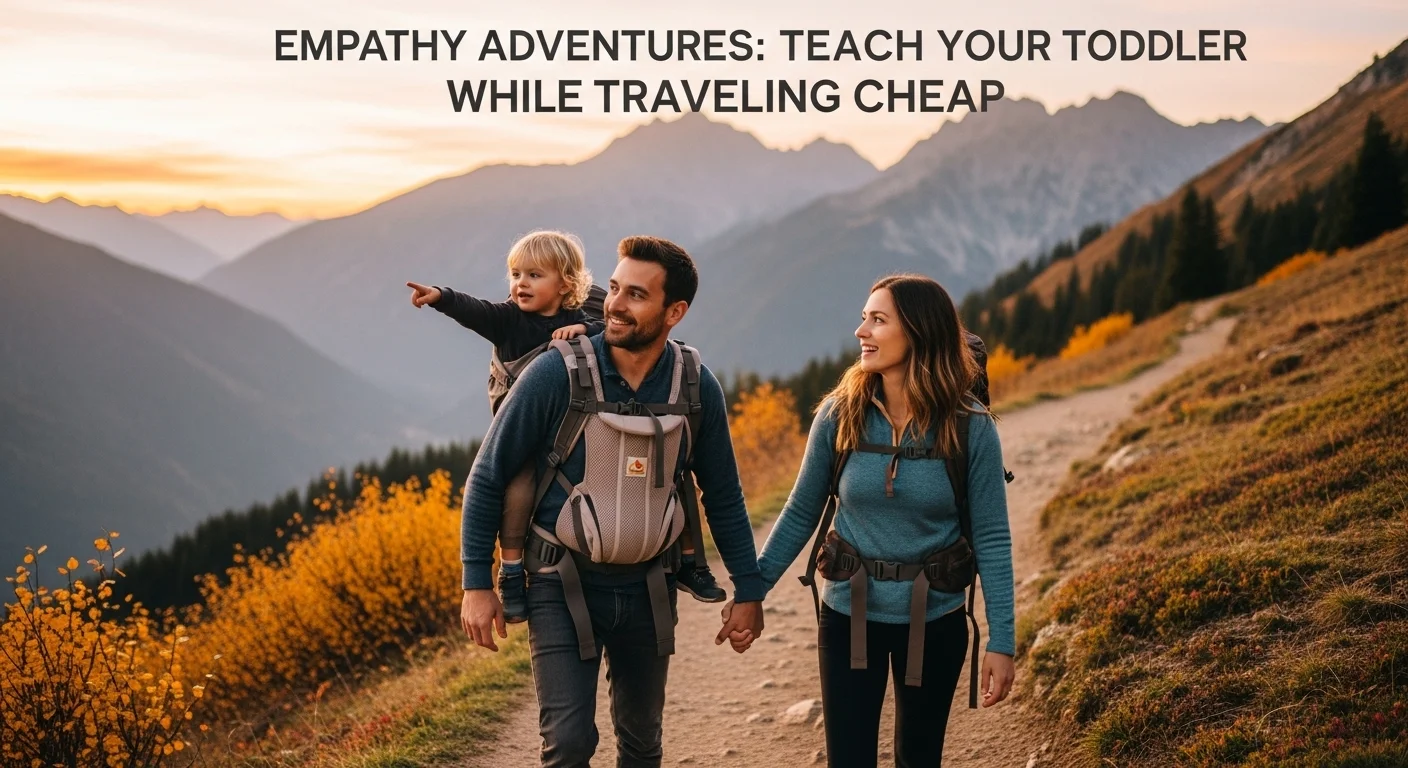
Understanding Empathy in Early Childhood Development
Empathy has become a buzzword in recent years, but what does it really mean for our little ones? From my experience as a parent, I’ve realized that understanding empathy is a cornerstone of raising kind and compassionate children. It’s about recognizing and sharing the feelings of others, which lays the foundation for social skills and emotional intelligence.
What is Empathy?
Empathy, at its core, is the ability to understand and share the feelings of someone else. It’s more than just feeling sorry for someone; it’s about putting ourselves in their shoes. I remember a moment when my toddler, after seeing a friend cry, reached out to comfort them with a hug. It was heartwarming and a clear sign that she understood—at least on some level—their pain. This instinct to connect and respond emotionally is something we can nurture.
The Importance of Empathy for Toddlers
Teaching empathy to toddlers is crucial for many reasons. Firstly, it helps them develop strong relationships with peers. When they can relate to their friends’ feelings, they are more likely to engage in cooperative play and resolve conflicts peacefully. I’ve found that when my child learns to express empathy, she also learns patience and kindness, which are vital in any social setting. Navigating Toddler Emotions: Backpacking Regulation Tips can also help parents manage emotional responses during travel.
Moreover, empathy contributes to a child’s emotional growth. Toddlers are in a stage where their world revolves around their own feelings. By introducing them to the feelings of others, we broaden their perspective. For example, during our travels, I often encourage my daughter to think about how other children in different places might feel about their surroundings or situations. This practice not only builds her emotional intelligence but also prepares her for diverse social interactions in the future.
How Travel Can Foster Empathy
Traveling is one of the best ways to nurture empathy in our kids. Every new destination brings a chance to experience different cultures, lifestyles, and perspectives. I’ve seen firsthand how visiting a new place can spark curiosity and compassion in my toddler. For instance, during a trip to a rural area, we met local families who shared their stories and traditions. My daughter became genuinely interested in their way of life, asking questions and even attempting to mimic some of their customs. This kind of interaction fosters a sense of understanding and appreciation for others.
Moreover, travel exposes children to various social issues and challenges faced by others. When we visited a community that relied heavily on tourism, I explained to my daughter how important it was to respect and support local economies. These discussions not only teach her about the world but also encourage her to think critically and empathetically about her role in it.
One particular experience stands out for me: while visiting a children’s home during our travels, my daughter noticed some kids who were less fortunate than her. I could see her grappling with the idea that not everyone has the same privileges. Instead of brushing over the differences, we talked about how we could help, which led to an impromptu donation of toys and books. This act of giving opened her eyes to the joys of helping others, reinforcing the idea that empathy can lead to positive action.
Incorporating empathy-building experiences into our travel not only enriches our adventures but also strengthens the bond between us. I feel that each trip we take is not just an escape from our routine but also a lesson in compassion, respect, and understanding—a way to teach my toddler that the world is full of diverse feelings and experiences worth exploring.
Ultimately, I believe that the more we travel and expose our children to different cultures and situations, the more empathetic they will become. It’s about creating adventures that are not just fun but also deeply educational, allowing our toddlers to grow into caring and aware individuals. So as we plan our next family journey, I’m excited to think of all the empathetic lessons that await us on the road.
Planning Your Budget-Friendly Travel Adventures
Choosing Affordable Destinations
When it comes to traveling with toddlers, one of the first things I think about is how to keep our adventures budget-friendly. Choosing the right destination can make a huge difference in our travel expenses. I’ve found that there are so many wonderful places that won’t break the bank. For example, national parks often have affordable entrance fees and plenty of free activities for families. I remember our trip to a nearby national park where we enjoyed hiking, picnicking, and spotting wildlife—all without spending much at all.
In our experience, destinations that are close to home can often offer a wealth of experiences. Weekend getaways or road trips to nearby towns can be just as fulfilling as flying across the country. I’ve noticed that sometimes, the adventure lies right in our backyard. Plus, exploring local attractions helps us save on travel costs and gives us more time to enjoy each spot without the rush of a long journey.
Best Times to Travel on a Budget
Timing our trips can be just as important as choosing our destinations. I’ve discovered that traveling during off-peak seasons can save us a significant amount of money. For example, we once visited a popular beach town in late September, when the summer crowds had dispersed, and the prices for accommodations dropped dramatically. Not only did we enjoy a more relaxed atmosphere, but we also found better deals on activities and dining.
Another tip that has worked well for us is to keep an eye out for mid-week travel options. Flights and accommodations are often more affordable when we avoid the busy weekend rush. I remember booking a flight that was $100 cheaper just by flying out on a Tuesday instead of a Saturday. It took a bit of planning, but the savings were worth it!
Finding Low-Cost Accommodations
Accommodations can sometimes be the biggest expense on a trip, but I’ve learned to be creative in finding budget-friendly options. I often turn to vacation rentals, which can offer more space and amenities for families than traditional hotels. We’ve enjoyed cooking some of our meals, which saves money and allows us to bond over family cooking time. I remember one vacation rental we stayed in had a lovely kitchen and a backyard, perfect for evening barbecues.
Additionally, I’ve found that looking for family-friendly hostels or boutique hotels can be a great way to save. Some hostels now offer private family rooms, making them a viable option for those traveling with little ones. We once stayed in a charming hostel that included breakfast and had a play area for kids, which made our mornings easier and more enjoyable.
Transportation Options for Families
Getting around in a new place can also add to our travel expenses, so I’ve become strategic about our transportation choices. Renting a car might seem convenient, but it can add up quickly, especially with fuel and parking. Instead, I often look into public transportation options, which can be a fun adventure for toddlers. I fondly remember riding a bus in a foreign city, where my daughter excitedly pointed out all the new sights she was seeing from the window.
When public transport isn’t an option, I consider using rideshare services or local taxis, especially for shorter distances. It’s been great for our family because it eliminates the hassle of navigating unfamiliar roads, allowing us to focus on enjoying our time together. I’ve also seen families using bicycles in some cities, which not only provides a fun way to explore but also keeps costs low.
Lastly, I’ve found that walking is often the best way to soak in a new city. With toddlers in tow, it may take a bit longer to get from point A to point B, but we often stumble upon hidden gems—like a little playground or a quaint café—that we wouldn’t have noticed otherwise. Each step becomes part of our adventure, making the journey just as memorable as the destination.
By planning our budget-friendly travel adventures carefully, we find ourselves having amazing experiences without the stress of overspending. It’s all about the memories we create together, the laughter we share, and the lessons learned along the way. I can’t wait to see where our next journey will take us!
Educational Activities to Teach Empathy While Traveling
Engaging with Local Cultures
One of the most enriching aspects of travel is the opportunity to engage with local cultures. I’ve noticed that when we immerse ourselves in a new environment, it opens a window for my toddler to see the world through different eyes. For instance, during our visit to a vibrant market in a foreign country, we took time to chat with local vendors. I encouraged my daughter to ask questions about their products and traditions. The look of curiosity on her face was priceless! She began to understand that these were not just items for sale, but pieces of someone’s life and culture.
We made it a point to participate in local customs, whether it was learning a traditional dance or trying our hand at a craft. These experiences not only make our trips memorable but also instill a sense of respect and appreciation for others. I feel that when children see people living different lives, they start to connect on a human level, fostering empathy for those who may be different from them. It’s like planting seeds of understanding that will grow as they do.
Volunteer Opportunities for Families
Volunteering while traveling can be one of the most impactful ways to teach empathy to toddlers. I remember a trip where we participated in a community clean-up event at a local beach. My daughter was initially unsure about picking up trash, but when she saw how excited the locals were about our efforts, her attitude shifted. She started to understand that our small actions could make a big difference in someone else’s environment.
Finding family-friendly volunteer opportunities can be incredibly rewarding. Whether it’s helping at an animal shelter, assisting in a community garden, or participating in a food drive, these experiences teach children the importance of giving back. I’ve found that discussing the reasons behind our volunteer work opens up conversations about different challenges faced by others. These discussions help my toddler connect the dots between our actions and their impact, reinforcing the idea that empathy can lead to positive change.
Storytelling and Sharing Experiences
One of my favorite ways to foster empathy is through storytelling. Stories have a unique ability to transport us into someone else’s life. I often share tales from our travels, weaving in the experiences of the people we met along the way. I remember telling my daughter about a young boy we encountered during our trip who had to walk miles to school every day. Listening to his story helped her realize the privileges we often take for granted.
I also encourage my daughter to share her own stories. We create a little travel journal where she can draw or write about her adventures and the people we’ve met. This process allows her to reflect on her experiences, and I’ve noticed that it helps her articulate her feelings about others. Family storytelling sessions can also be great; we gather around in the evenings and reminisce about our travels, discussing what we learned and how we felt. These moments bring our family closer together and deepen our understanding of empathy.
Interactive Learning: Museums and Workshops
Museums and workshops can be incredible resources for teaching empathy. Many places offer interactive exhibits that focus on different cultures, histories, and social issues. I remember visiting a museum dedicated to human rights advocacy, which had engaging activities for kids. My daughter was able to role-play scenarios that helped her understand the importance of fairness and kindness.
Workshops that involve local artisans or community leaders can also provide hands-on learning experiences. For instance, we once participated in a pottery workshop where the instructor shared stories of their craft’s cultural significance. My daughter was fascinated and began to appreciate the value of traditions passed down through generations. Engaging in these activities allows children to learn not just about others, but also about the importance of preserving diverse cultures, which is a vital part of developing empathy.
By incorporating educational activities into our travels, I feel like we’re not just visiting places; we’re building a richer understanding of the world together. Each experience teaches us valuable lessons about compassion and respect, shaping my toddler into a more empathetic individual. It’s a journey that I cherish deeply, and I’m excited to see how these lessons will influence her as she grows. Top Strategies for Helping Toddlers Regulate Their Emotions can also support parents in navigating these complex feelings.
Practical Tips for Traveling with Toddlers
Packing Essentials for Toddlers
Packing for a trip with toddlers can feel overwhelming at times. I remember my first big trip with my little one; I was terrified I’d forget something crucial! Over time, I’ve learned what essentials to bring that can make our travels smoother. First off, I always pack a sturdy diaper bag filled with snacks, wipes, and a change of clothes. Toddlers can be unpredictable, so it’s better to be prepared!
One item that has become a lifesaver for me is a portable high chair. It folds up easily, and it’s super handy during meal times, especially at restaurants or when we’re picnicking. I also make sure to bring a small blanket or familiar stuffed animal. These little comforts from home can help my child feel secure in new environments, which is especially important when everything around her is unfamiliar.
Don’t forget about entertainment! I always pack a few small toys or activities that my toddler enjoys. Coloring books, small puzzles, or even a tablet loaded with educational apps can help keep her engaged during long travel days. I’ve found that a little planning goes a long way in keeping the mood light and fun, which allows us to enjoy our adventures together.
Keeping Toddlers Entertained During Travel
Keeping toddlers entertained while traveling can be a challenge, but I’ve found a few tricks that work wonders. One of my favorites is to turn travel time into fun learning moments. For example, we play games like “I Spy” or sing songs together while waiting at the airport or during a long car ride. These interactive games not only keep her entertained but also help develop her observation skills and language.
Another method I’ve embraced is engaging my toddler in the journey itself. I encourage her to observe the world around us, whether it’s counting the number of red cars we see or noticing the different types of animals at a rest stop. This not only keeps her occupied, but it also heightens her awareness of her surroundings, fostering curiosity about the world.
During longer travel days, I make sure to schedule breaks where she can run around and blow off steam. I remember one trip where we made a pit stop at a park—what a game changer that was! She was able to climb, slide, and explore for a bit, and it made the rest of the journey so much more pleasant. A little movement can go a long way in keeping toddlers happy!
Health and Safety Considerations
Traveling with toddlers naturally brings health and safety into focus. I make it a priority to keep my child safe and healthy on the road. Before any trip, I consult our pediatrician to make sure we are up to date on vaccinations and to discuss any precautions for the destinations we’ll visit. I also pack a small first aid kit, complete with band-aids, antiseptic wipes, and any medications she might need.
When we arrive at our destination, I try to maintain a consistent routine as much as possible. Toddlers thrive on routine, so I keep meal times and nap times similar to what they would be at home. This consistency helps ease the transition and keeps her from getting too cranky.
I also pay close attention to food and water safety, especially when traveling internationally. I make sure she drinks bottled water and avoid unfamiliar street food until I feel comfortable about the sources. Staying healthy is key to ensuring we have an enjoyable trip!
Creating Lasting Memories and Lessons
Documenting Your Travels: Journals and Photos
One of my favorite parts of traveling is documenting our experiences. I encourage my daughter to keep a travel journal where she can draw pictures and write about our adventures. It not only gives her a creative outlet but also allows her to reflect on what we’ve experienced together. I’ve noticed that this practice helps her remember the lessons we learned along the way.
Photos are another fantastic way to capture our memories. I often take candid shots of my daughter discovering new things, and when we get home, we create a photo album together. Going through the pictures sparks conversations about our travels, reinforcing those memories and the lessons learned about empathy and understanding.
Post-Trip Discussions: Encouraging Reflection
After returning from our trips, I make it a point to sit down with my child and talk about what we experienced. We discuss the people we met, the cultures we encountered, and how those experiences made us feel. These discussions help my daughter process the trip and understand the significance of our interactions. I’ve found that these reflective conversations deepen her comprehension of empathy and compassion.
Incorporating Lessons Learned into Daily Life
Traveling provides a perfect platform for instilling valuable lessons, but I believe it’s essential to carry those lessons into our everyday lives. We try to incorporate acts of kindness and empathy into our daily routines, whether it’s helping neighbors, sharing with friends, or simply being mindful of others around us. I feel that by consistently practicing these values at home, my daughter will carry them with her as she grows.
Final Thoughts
Traveling with toddlers is not just about visiting new places; it’s about nurturing empathy, understanding, and compassion within our little ones. Each trip we take, each interaction we have, and every lesson learned becomes part of their growth. By planning budget-friendly adventures filled with educational activities and meaningful experiences, we create a rich tapestry of memories that shape our children into kind-hearted individuals. I’m grateful for every journey we embark on together and excited for the lessons that await us in the future.
Frequently Asked Questions
What is empathy and why is it important for toddlers?
Empathy is the ability to understand and share the feelings of someone else. It’s crucial for toddlers as it helps them develop strong relationships, engage in cooperative play, and resolve conflicts peacefully. Teaching empathy also fosters patience and kindness in social settings.
How can travel help teach empathy to toddlers?
Traveling exposes toddlers to different cultures, lifestyles, and perspectives, which can spark curiosity and compassion. By interacting with local families and discussing social issues, children learn to understand and appreciate the feelings of others, fostering empathy.
What are some budget-friendly travel tips for families with toddlers?
Families can keep travel expenses low by choosing affordable destinations like national parks, planning trips during off-peak seasons, and looking for low-cost accommodations such as vacation rentals or family-friendly hostels.
What activities can help teach empathy while traveling?
Activities such as engaging with local cultures, volunteering, storytelling, and visiting interactive museums can teach empathy. These experiences help children understand diverse perspectives and the importance of compassion.
What should parents pack for a trip with toddlers?
Parents should pack essentials like a sturdy diaper bag with snacks, wipes, and a change of clothes, a portable high chair, familiar comfort items like a blanket or stuffed animal, and entertainment options such as coloring books or a tablet.
How can parents keep toddlers entertained during travel?
Parents can keep toddlers entertained by playing interactive games, encouraging them to observe their surroundings, and scheduling breaks for physical activity. Engaging in travel-related activities can also heighten their awareness and curiosity.
What health and safety considerations should be taken into account when traveling with toddlers?
Before traveling, parents should consult a pediatrician, pack a first aid kit, maintain a consistent routine for meals and naps, and ensure food and water safety, especially when traveling internationally.
How can families document their travels to enhance empathy learning?
Families can document their travels through journals where children can draw or write about their experiences, and by taking photos to create albums. Discussing these memories after the trip reinforces the lessons learned about empathy.
What are some ways to incorporate lessons learned from travel into daily life?
To incorporate lessons of empathy into daily life, families can practice acts of kindness, share with others, and be mindful of the feelings of those around them. Consistently practicing these values helps reinforce empathy as children grow.
Why is it important to have post-trip discussions with toddlers?
Post-trip discussions help children process their experiences and understand the significance of their interactions. Reflecting on the trip deepens their comprehension of empathy and compassion, reinforcing the lessons learned during the journey.