
Family travel can be an exciting adventure, especially when we empower our toddlers to embrace independence. With the right strategies, we can make travel enjoyable for everyone while helping our little ones grow. For more insights, check out Travel Tips: Encouraging Your Toddler’s Independence While Exploring.
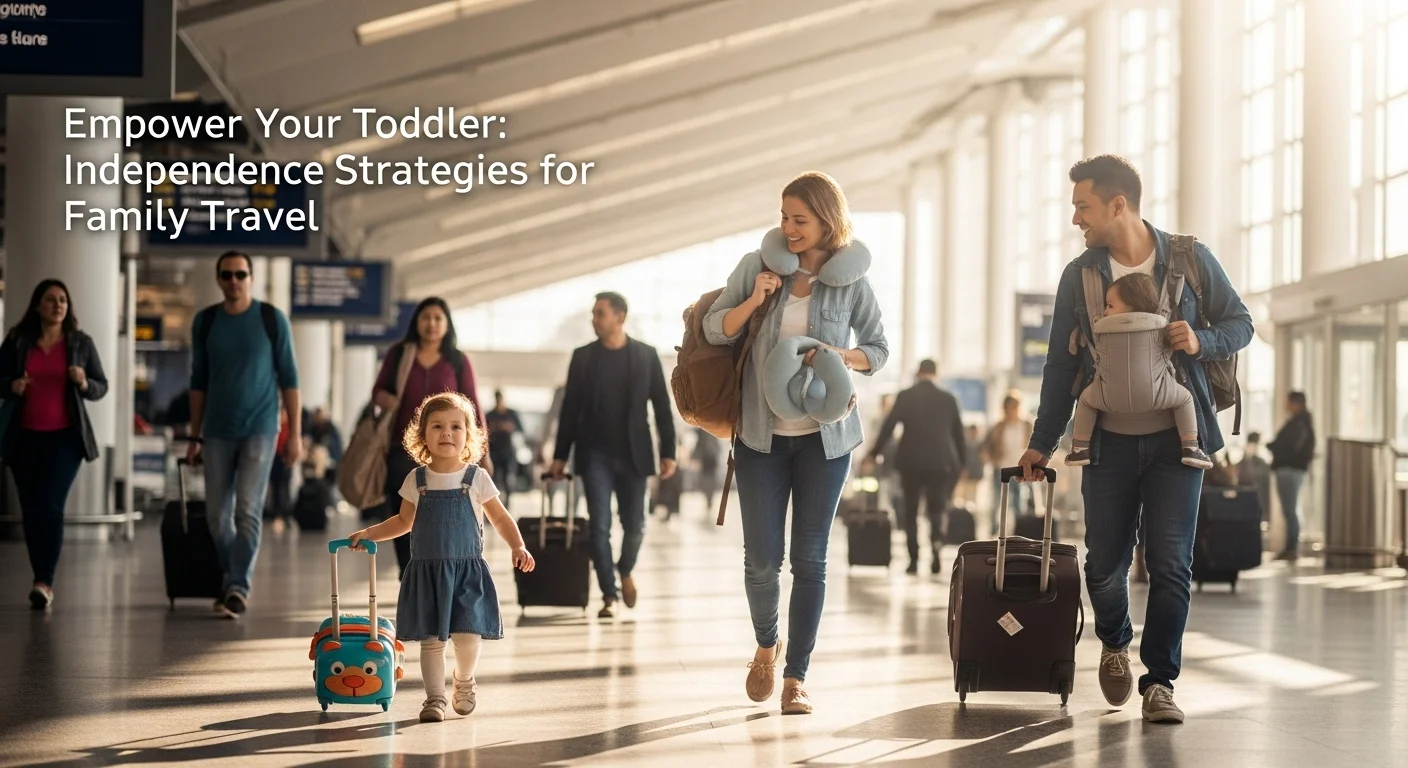
Understanding the Importance of Independence in Toddlers
As a parent, I’ve always believed in the magic of independence. It’s fascinating to watch my toddler explore the world with curiosity and confidence. Fostering independence in toddlers is more than just a parenting trend; it plays a crucial role in their development and shapes how they interact with their environment. When we encourage them to take little steps toward self-sufficiency, we prepare them for bigger challenges ahead.
Benefits of Fostering Independence
One of the most rewarding parts of parenting for me has been witnessing the benefits that come from fostering independence in my toddler. First off, it significantly boosts their self-esteem. When I allow my child to make small choices—like picking out their outfit or deciding which snack to have—they feel empowered. This empowerment translates into confidence, which I believe is vital for their growth.
Moreover, promoting independence enhances problem-solving skills. I remember a time when my toddler struggled to put on their shoes. Instead of jumping in to help immediately, I stepped back and encouraged them to try on their own. It took a bit longer, but seeing them finally succeed was a proud moment for both of us. With each little achievement, they learn to tackle challenges head-on.
Additionally, fostering independence helps establish a sense of responsibility. I’ve noticed that when my child helps with packing their toys for travel or selects their travel gear, they take ownership of their belongings. This sense of responsibility can make the entire family travel experience smoother and more enjoyable.
Developmental Milestones Related to Independence
Understanding the developmental milestones related to independence helped me tailor our experiences to support my toddler’s growth. At around 18 months, many children start to show a desire for autonomy. They begin to assert themselves, and it’s essential to recognize and encourage this behavior. I’ve found that allowing my toddler to make choices during our travels, such as selecting a toy or snack, aligns perfectly with this stage of development.
By age two, toddlers typically become more capable of self-care tasks like dressing and feeding themselves. This is where I learned the importance of packing easy-to-wear clothes and snacks that they can manage independently. I’ve seen how giving them the freedom to choose their clothes makes them excited about getting dressed, and it also gives me a little more time to prepare for our adventures!
As they approach three years old, toddlers often crave more social interaction and exploration. I encourage this by planning playdates with other children during our travels or visiting family-friendly attractions. It’s a wonderful way for them to practice their social skills and gain confidence in new environments.
Preparing for Family Travel with Toddlers
Family travel can be a whirlwind of excitement, but I’ve learned that preparation is key to making the experience enjoyable for everyone. When I plan our travels with my toddler in mind, I ensure that we have a smooth journey and memorable adventures together. For more tips on family travel, see Top Strategies to Foster Independence in Your Toddler Abroad.
Choosing the Right Destination for Your Family
Picking the right destination plays a significant role in our travel experience. I’ve found that choosing places with family-friendly amenities and activities is crucial. Whether it’s a beach where my toddler can play in the sand or a theme park with age-appropriate rides, I prioritize locations that will keep them engaged and entertained. It’s all about striking a balance between what I want to see and what will excite them.
Additionally, considering the travel distance is vital. Long flights or drives can be challenging with toddlers, so I try to keep our travel time reasonable. When we visited a nearby national park, I noticed how much more relaxed everyone was compared to our last long-haul trip. A shorter journey means more energy for exploring!
Traveling During Off-Peak Seasons
Traveling during off-peak seasons has been a game changer for us. I remember our first trip during peak summer, where crowds and long lines tested my patience and my toddler’s mood. Now, I try to plan our trips during off-peak times, like early spring or late fall. This not only saves us money but also allows us to enjoy popular attractions without feeling rushed or overwhelmed.
Planning Age-Appropriate Activities
One of the best pieces of advice I can give is to plan age-appropriate activities. I’ve learned that a packed itinerary can easily lead to meltdowns and frustration, both for me and my toddler. I prioritize activities that are engaging but not overly exhausting. For instance, a visit to a local zoo or an interactive museum can be much more fulfilling than a long day of sightseeing. I also include plenty of downtime to recharge, which makes a world of difference.
Ultimately, family travel is about creating lasting memories, and when I empower my toddler with independence, it enhances our experiences together. By understanding their developmental milestones and preparing thoughtfully for our journeys, we’ve discovered new levels of joy in our adventures.
Packing Essentials for Empowering Independence
Packing for family travel can sometimes feel like a daunting task, but I’ve come to realize that it’s also a fantastic opportunity to foster my toddler’s independence. I’ve learned that when I involve my child in the packing process, it not only makes the task easier for us but also empowers them to take ownership of their belongings.
Creating a Toddler-Friendly Packing List
One of the first things I did was create a toddler-friendly packing list. I remember sitting down with my little one and asking them what they thought they might need for our trip. Together, we came up with a list that included their favorite toys, snacks, and clothes. This not only helped me remember to pack everything, but it also made my toddler feel included in the process. By giving them a say in what goes into the suitcase, I noticed they became more excited about the trip ahead.
When creating the list, I focused on simplicity. I included essential items like diapers, wipes, extra clothes, and comfort items like their favorite blanket or stuffed animal. I also made sure to pack a few age-appropriate toys that could keep them occupied during travel. I found that having familiar items helped my toddler feel more secure in new environments.
Involving Your Toddler in Packing
Involving my toddler in the packing process has been a fun and rewarding experience. I’ve discovered that when my child helps pack their own bag, they become more responsible for their belongings. I let them choose which toys and clothes to bring, and I guide them in understanding why we need certain items. It’s a great way to teach them about planning and organization.
One method that worked well for us was using a small backpack for my toddler. I encouraged my child to fill it with a few favorite toys and books. This not only made them feel important but also provided them with something to carry during our travels. I’ve noticed that when they have their own bag, they take pride in it and are more aware of what belongs to them, which helps prevent any loss or mix-up of items.
Must-Have Travel Gear for Independence
Over the years, I’ve discovered a few travel gear essentials that promote independence for my toddler. One of my favorites is a travel-friendly snack container. I remember the first time we used one; it allowed my little one to access snacks independently, which kept them occupied during long journeys. I no longer had to dig through the bag every time they wanted something to eat!
Another helpful item is a travel-friendly water bottle with a straw. My toddler loves being able to get their own drink, and it has made staying hydrated much easier while we’re on the go. I also recommend investing in a lightweight, portable booster seat if you’re going to be dining out. It gives my child a sense of belonging at the table while allowing them to join in on mealtime conversations.
Finally, I can’t stress enough how beneficial a good-quality stroller or carrier has been for us. When my toddler was feeling tired or overwhelmed, having a comfortable place to rest made all the difference. Using a stroller that’s easy to maneuver in crowded areas has allowed us to explore new places with ease, and it has also given my little one a safe space to relax when needed.
Encouraging Independence During Travel
Once we hit the road or board a plane, I like to focus on encouraging my toddler’s independence even further. It’s about creating an environment where they feel confident and capable, allowing them to take part in our travel experiences.
Allowing Choice in Activities and Meals
Empowering my toddler to make choices has proven invaluable during our travels. I often present them with a couple of options for activities or meals, and I’ve seen how this small act can make them feel in control. For example, when we visit a new city, I might ask, “Would you rather go to the zoo or the aquarium today?” This not only keeps them engaged but also helps me gauge their interests and energy levels.
Meal times can be another great opportunity for independence. I’ve noticed that when I allow my child to choose between two meal options, they’re more likely to eat what’s served. It’s all about giving them a sense of agency while still ensuring they’re making healthy choices.
Setting Up a Travel Routine
Establishing a routine during our travels has also proven helpful. I find that toddlers thrive on consistency, so I’ve tried to keep some aspects of our daily routine intact. For instance, we stick to a similar bedtime and mealtime schedule. This familiarity can ease the transition to new environments and helps my toddler understand what to expect, allowing them to feel more secure.
Using Visual Schedules for Daily Activities
As a way to make our travel routine even more engaging, I’ve created visual schedules for daily activities. I simply put together a fun chart with pictures representing what we’ll do each day, like visiting the park or going for ice cream. My toddler loves checking off activities as we complete them. It keeps the excitement alive and helps them understand the flow of our day, promoting a sense of independence as they know what to look forward to.
Safety Strategies for Independent Toddlers
When traveling with toddlers, safety becomes a top priority for me. As I encourage my little one to explore and embrace independence, I also recognize the importance of implementing safety strategies. Finding the right balance can help us enjoy our adventures without constant worry.
Establishing Safety Rules Before Traveling
Before we embark on any trip, I always sit down with my toddler to discuss safety rules. This conversation serves a dual purpose: it prepares them for what to expect and instills a sense of responsibility. I explain simple rules, like holding hands in crowded places or staying close to me when we’re exploring. I remember during our last trip, I said, “If you see something interesting, come tell me before you go check it out.” This understanding not only empowers them to voice their curiosity but also reinforces the importance of staying safe.
Additionally, I try to use relatable examples to make these rules stick. For instance, I might say, “Just like how we don’t run in the house, we don’t run in busy places like airports or theme parks.” This helps them understand that safety applies everywhere. I’ve noticed that when I involve my toddler in creating these rules, they tend to remember them better, and it makes them feel like part of the team.
Identifying Safe Spaces in New Environments
Upon arriving at a new destination, I take a moment to identify safe spaces where my toddler can play or rest. Whether it’s a designated play area in an airport or a family-friendly section of a park, knowing where these spots are allows me to create a sense of security for my child. I remember when we visited a zoo, I immediately pinpointed a shaded picnic area nearby where my toddler could take a break if needed. It’s a relief to know there’s a safe spot to retreat to when energy levels drop or when they simply need a moment to recharge.
When we check into a hotel or rental, I also take the time to look around the space and point out safe zones. I explain which areas are off-limits, like the kitchen or balcony, and why. I’ve found that this not only helps my toddler understand boundaries but also gives them a sense of control over their surroundings.
Using Identification and Communication Tools
One of the best strategies I’ve implemented for safety is using identification tools. I’ve found that having my toddler wear a simple ID bracelet with my contact information can be a lifesaver. It gives me peace of mind, knowing they can be identified if we get separated. I remember one busy day at a festival, and in the throng of people, my little one wandered off just a few feet. Thankfully, the bracelet made it easier for a nearby staff member to reunite us quickly.
In addition to physical ID, I’ve also taught my toddler basic contact information, like my name and our phone number. It’s a fun little game we play, and it has helped them feel empowered to communicate if needed. I once saw a parent use a small laminated card with this information that their child could carry. I thought it was a brilliant idea and decided to make one for my toddler as well. It’s reassuring for both of us, knowing they have a tool to help in case of an emergency.
Engaging Your Toddler in Travel Activities
While safety is crucial, fostering independence also means encouraging my toddler to engage with the world around them during our travels. I’ve discovered that including them in various activities not only keeps them entertained but also helps reinforce their growing autonomy.
Travel Journals for Toddlers
One of my favorite activities is creating a travel journal for my toddler. I provide them with a small notebook where they can draw pictures or dictate what they want to remember from each day. I’ve noticed how excited they become when I say, “Let’s write about our day at the beach!” They eagerly share their impressions, and it becomes a fun way for them to process new experiences. Plus, it’s something we can look back on together, enhancing our memories.
Sometimes, I’ll provide stickers or crayons to make the journal even more engaging. I think it’s wonderful to see my toddler express their creativity and learn to document their adventures. This activity not only fosters independence but also develops their fine motor skills and expressive language.
Interactive Games and Learning Opportunities
During our travels, I’ve found that interactive games can turn downtime into learning moments. We often play simple games like “I Spy” or “20 Questions” while waiting for our meals or during long flights. These games empower my toddler to think critically and use their imagination. I appreciate that they’re not just sitting quietly but engaging actively in our experience.
I also try to incorporate educational opportunities wherever we go. For example, when we visited a historical site, I turned it into a mini treasure hunt. I gave my toddler clues to find different exhibits, making the experience interactive and exciting. They felt a sense of accomplishment when they discovered the answers, and it sparked meaningful conversations about what we were learning together.
Incorporating Local Culture and Language
Lastly, I love immersing my toddler in the local culture and language during our travels. I encourage them to learn a few words or phrases in the local language, which has fostered a sense of connection with the new environment. I remember our vacation to Mexico when I introduced simple greetings and phrases. When my toddler confidently said “hola” to a local vendor, their face lit up with pride. It was a beautiful reminder of how travel can broaden their horizons and encourage independence.
Incorporating cultural experiences also helps my toddler understand the world better. We try local foods, visit markets, or participate in regional festivals. These outings not only create lasting memories but also teach them respect and appreciation for different cultures. I’ve found that this exposure enriches their travel experience and fosters a deeper sense of independence as they navigate new surroundings.
Frequently Asked Questions
What is the importance of fostering independence in toddlers during family travel?
Fostering independence in toddlers is crucial as it boosts their self-esteem, enhances problem-solving skills, and establishes a sense of responsibility, all of which prepare them for future challenges.
How can parents boost their toddler’s self-esteem while traveling?
Parents can boost their toddler’s self-esteem by allowing them to make small choices, such as picking out their outfits or deciding which snack to have, which empowers them and translates into confidence.
What developmental milestones should parents consider when fostering independence in toddlers?
Parents should consider milestones such as a toddler’s desire for autonomy around 18 months, self-care tasks like dressing and feeding themselves by age two, and the craving for social interaction and exploration by age three.
What are some tips for selecting the right travel destination for families with toddlers?
Choosing family-friendly destinations with engaging activities, considering the travel distance to avoid long journeys, and selecting places with amenities suitable for toddlers are essential for a pleasant travel experience.
How does traveling during off-peak seasons benefit family travel?
Traveling during off-peak seasons can save money and allow families to enjoy attractions without crowds, reducing stress for both parents and toddlers.
What are some age-appropriate activities to plan for toddlers during travel?
Age-appropriate activities include visiting local zoos or interactive museums, ensuring the itinerary is not overly packed to avoid exhaustion, and including plenty of downtime for recharging.
How can parents involve their toddlers in the packing process for travel?
Parents can involve toddlers by creating a toddler-friendly packing list together, allowing them to choose toys and clothes, and using a small backpack for them to carry their belongings, which fosters a sense of ownership and responsibility.
What safety strategies should parents implement for independent toddlers during travel?
Parents should establish safety rules before traveling, identify safe spaces in new environments, and use identification tools such as ID bracelets or laminated cards with contact information to ensure their toddler’s safety.
How can parents encourage their toddlers to engage in travel activities?
Parents can encourage engagement by creating travel journals for toddlers, playing interactive games during downtime, and incorporating local culture and language into the travel experience, which fosters independence and learning.
Why is it beneficial for toddlers to learn local language phrases during travel?
Learning local language phrases fosters a sense of connection with the new environment, builds confidence, and enriches the travel experience by deepening their understanding and appreciation of different cultures.
Read Interesting article: Backpacking with Toddlers: Encourage Independence on the Go
Fostering independence in toddlers is an exciting journey, especially when you’re abroad. The experience not only enhances their skills but also enriches their understanding of the world. Let’s explore how to nurture this vital trait in our little explorers. Read Interesting article: Backpacking with Toddlers: Encourage Independence on the Go
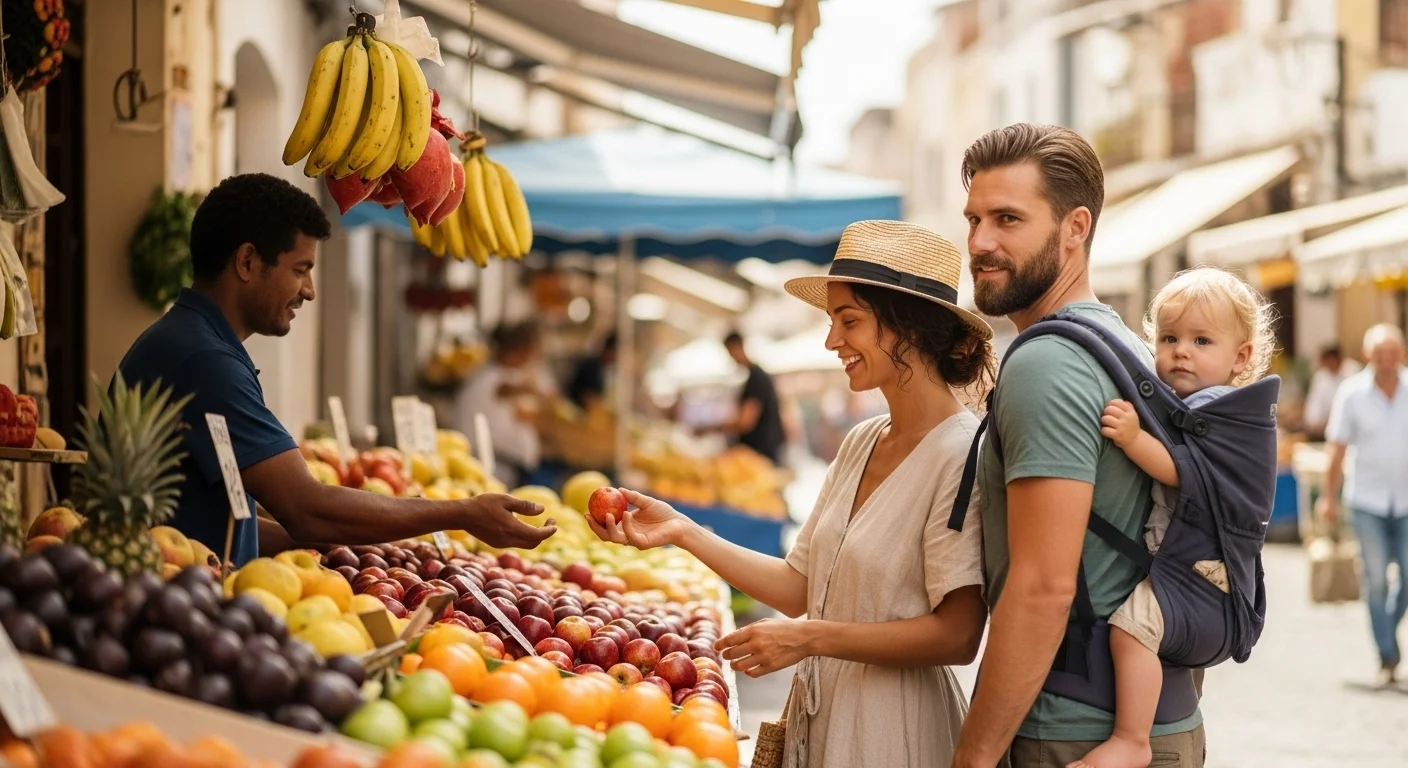
Understanding Independence in Toddlers
What is Independence in Early Childhood?
Independence in toddlers is the ability of children to make their own choices, express their preferences, and accomplish simple tasks without relying heavily on adults. I remember when my daughter first managed to put on her shoes by herself. It was a small victory, but it filled me with pride. This phase is crucial as toddlers begin to develop their identity and self-esteem. They start to assert themselves, which can sometimes lead to stubbornness, but it’s all part of the learning process. I’ve learned that allowing them to explore their independence helps build their confidence and decision-making skills.
The Importance of Fostering Independence
Encouraging independence in toddlers is essential for several reasons. First, it empowers them to take initiative. When we allow our children to choose their outfits or pick a snack, we’re teaching them that their opinions matter. This sense of agency can lead to better self-regulation and emotional resilience as they grow. I’ve seen firsthand how my son, who chose his snack one day, felt proud and happy about his choice, which made him more willing to try new things later on.
Moreover, fostering independence also prepares our little ones for the future. As they learn to navigate small challenges, they gain the skills necessary to face bigger ones down the road. Whether living abroad or at home, this independence becomes an integral part of their development. I’ve noticed that children who are encouraged to be independent often adapt better to new environments, making them more resilient travelers. Read Interesting article: Effective Discipline Strategies for Traveling with ToddlersStrategies for Fostering Independence
Encouraging Decision-Making Skills
One of the most effective ways to foster independence is by encouraging decision-making skills. I often find myself giving my children choices—whether it’s picking between two snacks or choosing what game to play. I’ve learned that even small choices can make a big difference. For instance, when we were in Spain, I let my kids choose between visiting a museum or going to the park. This not only made them feel involved but also gave them a sense of ownership over our daily activities.
To implement this strategy, start small. Offer two or three options for meals, activities, or even clothing. This way, they feel empowered without being overwhelmed. Over time, you can gradually increase their choices, helping them learn to make decisions confidently.
Promoting Problem-Solving Abilities
Encouraging toddlers to solve problems on their own is another key strategy. I remember a particular moment when my daughter couldn’t reach her favorite toy on a high shelf. Instead of just handing it to her, I asked her how she could get it. She thought for a moment, grabbed a stool, and proudly climbed up to retrieve it. I felt such joy watching her navigate the challenge!
To promote problem-solving, you can present your child with simple challenges. For example, if they are building a tower with blocks and it keeps falling, instead of jumping in to help, I suggest asking leading questions like, “What do you think will keep it from falling?” This encourages them to think critically and find solutions independently.
Allowing Exploration and Free Play
Free play is a wonderful way for toddlers to explore their world and develop independence. I’ve witnessed my kids blossom during unstructured playtime, whether it’s in a park or a new backyard. When we traveled to Italy, I let them wander around a safe garden while I sat nearby. They discovered new flowers, played with other children, and even made up games. I realized that giving them the freedom to explore nurtured their creativity and confidence.
To foster this independence, create ample opportunities for free play. Encourage your children to engage in imaginative play, whether it’s pretending to be a chef in the kitchen or an explorer in the backyard. This not only develops their independence but also enhances their social skills as they interact with peers.
Setting Up Safe Environments Abroad
Creating a safe environment is crucial when fostering independence, especially in new surroundings abroad. I always make sure to toddler-proof our accommodations, whether it’s a hotel room or a vacation rental. I remember feeling a bit anxious during our trip to Japan, but I took the time to remove any potential hazards, which allowed my children to explore freely, giving me peace of mind.
Make sure to assess the new environment for safety. Setting boundaries doesn’t mean restricting their freedom; instead, it enables them to explore without constant adult supervision. This balance is key to helping toddlers gain confidence in their abilities while ensuring their safety. Read Interesting article: Creating Healthy Boundaries for Your Growing Toddler
Incorporating Local Culture and Language
When traveling abroad, I’ve found that incorporating local culture and language can significantly enhance my children’s independence. For example, while living in France, we took part in local festivals, and I encouraged my kids to interact with local children. They had to communicate, despite the language barrier, which sparked their curiosity and willingness to engage with the world around them.
This strategy can be as simple as teaching them basic phrases in the local language or encouraging them to try local foods. This not only helps them feel more comfortable but also nurtures a sense of belonging and confidence in unfamiliar situations. I’ve seen how excited my kids get when they can order their own food or greet locals in their language. This small act of independence fosters a greater sense of adventure and exploration.
Practical Tips for Traveling with Toddlers
Choosing Child-Friendly Destinations
When I travel with my little ones, choosing a child-friendly destination can make all the difference. I’ve found that some places just naturally cater to families with young kids. For example, when we visited Disneyland in Paris, the entire experience was tailored for families. From kid-friendly menus to stroller rentals, everything felt accessible. It was such a relief to see my children engage with the environment happily and safely.
When selecting a destination, I recommend looking for places with a range of activities suitable for toddlers. Parks, zoos, and interactive museums are fantastic options. I remember our trip to San Diego where we spent the day at the world-renowned San Diego Zoo. My kids were absolutely fascinated by the animals, and I loved watching them learn and explore in such an engaging setting. Plus, destinations with plenty of outdoor spaces allow for spontaneous play, which is essential for fostering independence.
Traveling Essentials for Independence
Packing the right essentials can significantly enhance our travel experience. I’ve learned that bringing along a few key items can help my kids feel more independent on the road. For instance, I always pack a small backpack for each child filled with their favorite toys, snacks, and a water bottle. This not only gives them a sense of ownership but also keeps them engaged during long flights or car rides.
Another essential I’ve found helpful is a travel-friendly potty seat. It might seem like a small item, but having that accessible gives my toddlers the autonomy they need during potty training, even in unfamiliar places. On our recent trip, I noticed how much more confident my daughter felt knowing she could handle her bathroom needs independently. It’s these little things that make a big difference in our travels.
Using Local Resources to Foster Learning
One of the joys of traveling with toddlers is the opportunity to learn from the local culture. I’ve discovered that utilizing local resources can enrich our experience while promoting independence. For example, during our time in Italy, we enrolled the kids in a local cooking class designed for families. It was delightful watching them learn how to make pasta from scratch. They were so proud to contribute to our meals, and I felt they gained a real sense of accomplishment.
Local libraries or community centers often offer programs and activities for children. I remember finding a charming community playgroup while we were in Australia. It was a fantastic way for my kids to interact with other children and learn about local customs and games. These experiences not only enrich their understanding but also help build their confidence in social situations.
Engaging with Local Communities
Engaging with local communities can provide memorable experiences for our kids while promoting their independence. I always make it a point to encourage my children to interact with locals whenever we travel. I remember a particular day in Thailand when we visited a local market. I encouraged my son to ask a vendor for some fruit in the local language. Watching him muster the courage to speak to a stranger was a proud moment for me as a parent.
These interactions can foster independence as children learn to communicate and navigate new social settings. Additionally, it helps them understand and appreciate different cultures. I believe these experiences offer a unique educational opportunity that you simply can’t find in a traditional classroom.
Building Routines that Support Independence
Establishing Daily Routines Abroad
When we travel, maintaining some semblance of a routine helps my toddlers feel secure and independent. I’ve noticed that even small routines, like consistent meal times or bedtime rituals, can create a sense of normalcy amidst new experiences. For example, during our stay in Spain, we made it a point to have breakfast at the same time every day. This way, my kids knew what to expect, which helped reduce any anxiety about our new surroundings.
Having daily routines also provides opportunities for my children to take on responsibilities. I’ve found that giving them small tasks, like setting the table or packing their own toys, reinforces their sense of independence while helping them adapt to our travel lifestyle. It’s a win-win situation!
Involving Toddlers in Daily Tasks
Involving my toddlers in daily tasks, even while traveling, has been a game-changer for fostering their independence. When we prepare for a day out, I let them choose their clothes, pack their own snacks, or even help load the car. I remember one morning in Greece when my daughter insisted on helping me pack the beach bag. Watching her carefully select her favorite beach toys and snacks made her feel important, and it gave me a moment to appreciate her growing independence. It’s incredible how these small tasks can empower them.
These activities not only teach kids responsibility but also build confidence in their abilities. I’ve learned that when they feel involved, they tend to be more cooperative and engaged throughout our travels.
Using Visual Aids and Schedules
Visual aids can be incredibly effective in helping toddlers understand and follow routines. I’ve started using simple charts that outline our daily activities when we travel. For instance, I create a colorful chart with pictures of what we’ll be doing each day, from visiting a museum to having lunch at a local eatery. This gives my kids a clear idea of what to expect, which eases any anxiety and fosters their independence in navigating our schedule.
Not only does this help them understand the flow of the day, but it also allows them to take ownership of their time. They can check off activities as we complete them, which gives them a sense of accomplishment. I’ve seen how excited they get when they can visually track their day, and it reinforces their ability to participate in planning our adventures.
Common Challenges and Solutions
Dealing with Resistance to Independence
As much as I love seeing my toddlers grow and embrace independence, there are definitely moments when they resist. I remember one particular day when I encouraged my son to dress himself. He was excited at first, but after struggling with his shirt for a few minutes, he got frustrated and wanted my help. I felt torn between wanting to give him the independence he craved and the urge to step in and assist him.
In my experience, it’s important to recognize that resistance is a normal part of this journey. I’ve learned that providing gentle encouragement and understanding can help ease their frustration. Instead of just stepping in, I offered to guide him by saying, “I see you’re having a tough time. Would you like to try again, or should we take a little break?” This approach not only respects their feelings but also allows them to regain control and keep trying. When they do succeed, the look of pride on their faces is absolutely worth it!
Managing Safety Concerns While Encouraging Freedom
One challenge I frequently face is balancing my desire to foster independence with the inherent safety concerns that come with toddlers exploring new environments. Traveling abroad can amplify these worries, especially in unfamiliar places. I distinctly remember our trip to a bustling market in Mexico where my little ones were eager to explore. While I wanted them to enjoy the sights and sounds, I couldn’t help but feel anxious about their safety.
To manage these concerns, I’ve found that establishing clear boundaries works wonders. We’ve developed a system where my kids know they can explore but must stay within a specific area or keep their eyes on me. I also talk to them about safety in a way that resonates with their understanding. For instance, I’d say, “If you see a street, remember to hold my hand or stay close. It’s a busy place!” This not only assures them of their freedom but also reinforces the importance of staying safe. I’ve noticed that with these guidelines in place, they feel more confident to venture out while I can relax a bit knowing they’re within reach.
Balancing Independence with Parental Guidance
Finding the right balance between independence and parental guidance can sometimes feel like a juggling act. I’ve often grappled with how much to let my children try things on their own versus when to step in and guide them. There have been instances during our travels where I thought it best to let my daughter navigate a simple task, like ordering food at a restaurant, but I worried she might feel overwhelmed.
What’s worked for me is using a supportive approach. I encourage them to try things independently, but I’m always nearby, ready to offer help if they ask. For example, during one of our trips to a café in Greece, my daughter wanted to order her own drink. I quietly stood back, but I gave her a few phrases to use and reminded her to take her time. When she hesitated, I whispered encouragement instead of rushing in. This helped her feel capable while knowing I was there for support. I’ve found that this balance allows them to build their confidence without feeling abandoned.
Resources for Parents
Books and Materials on Fostering Independence
When I first started this journey of fostering independence in my toddlers, I turned to a variety of books to guide me. I found that reading about other parents’ experiences and expert advice gave me fresh ideas. One book that resonated with me was “The Whole-Brain Child” by Daniel J. Siegel and Tina Payne Bryson. It offers practical strategies for nurturing emotional intelligence and independence in children. I also love “How to Talk So Little Kids Will Listen” by Joanna Faber and Julie King, which provides useful communication techniques that promote independence while also respecting a child’s needs.
Additionally, I recommend looking for local libraries with parenting sections. I’ve discovered gems at my local library that helped me understand different approaches to encouraging independence, including hands-on activities and age-appropriate tasks that I can incorporate into our daily routine.
Online Communities and Support Groups
Being a part of online communities has been an invaluable resource for me. I’ve found that connecting with other parents facing similar challenges and sharing insights can provide a sense of camaraderie. Websites like Facebook have countless parenting groups focused on fostering independence. I often browse through posts for tips and share my experiences as well. It’s comforting to know I’m not alone in this journey, and I’ve picked up some fantastic ideas along the way!
Also, platforms like Meetup often have local parenting groups or playdates aimed at fostering independence. Participating in these gatherings not only helps my children learn from others but also gives me a chance to connect with fellow parents.
Local Educational Programs and Workshops
One of the best ways to foster independence in our little ones is through local educational programs and workshops. I’ve discovered that many community centers offer classes designed for young children. For example, we attended a “mini chefs” cooking class where my toddlers could learn basic cooking skills. Watching them take charge in the kitchen was a heartwarming experience that boosted their confidence.
Additionally, I recommend looking out for workshops on topics like art, music, or even nature exploration. These programs often encourage children to express themselves and make choices, all while learning valuable skills. I’ve found that these experiences not only nurture independence but also create cherished memories for us as a family.
Frequently Asked Questions
What is independence in early childhood?
Independence in toddlers is the ability of children to make their own choices, express their preferences, and accomplish simple tasks without relying heavily on adults. It is a crucial phase as toddlers begin to develop their identity and self-esteem.
Why is fostering independence important for toddlers?
Encouraging independence empowers toddlers to take initiative, helps them develop better self-regulation and emotional resilience, and prepares them for future challenges. It also enables children to adapt better to new environments, making them more resilient travelers.
What are some strategies for fostering independence in toddlers?
Strategies for fostering independence include encouraging decision-making skills, promoting problem-solving abilities, allowing exploration and free play, setting up safe environments, and incorporating local culture and language when traveling.
How can parents encourage decision-making skills in toddlers?
Parents can encourage decision-making skills by offering children choices, such as picking between two snacks or selecting activities. Starting small with two or three options can empower toddlers without overwhelming them.
What role does free play have in fostering independence?
Free play allows toddlers to explore their world and develop independence. It nurtures their creativity and confidence, as they engage in imaginative play and interact with peers during unstructured playtime.
How can parents create a safe environment for toddlers when traveling?
Parents can create a safe environment by toddler-proofing accommodations and setting boundaries that allow children to explore without constant supervision. Assessing the environment for safety is crucial to ensure children can navigate freely while remaining safe.
What are some practical tips for traveling with toddlers?
Practical tips include choosing child-friendly destinations, packing essentials that promote independence, utilizing local resources for learning, and engaging with local communities to enhance the travel experience.
How can involving toddlers in daily tasks foster their independence?
Involving toddlers in daily tasks, such as choosing their clothes or packing snacks, empowers them and teaches responsibility. It helps them feel important and engaged while reinforcing their sense of independence.
What challenges might parents face when fostering independence?
Parents may face challenges such as resistance to independence, managing safety concerns, and balancing independence with parental guidance. Providing gentle encouragement and establishing clear boundaries can help address these challenges.
What resources are available for parents looking to foster independence in their toddlers?
Resources include books on fostering independence, online communities and support groups, and local educational programs and workshops designed for young children to help them learn valuable skills and express themselves.
Family trips can be a wonderful adventure, but they also require a level of cooperation, especially from our little ones. Teaching toddlers to work together during these outings can make all the difference in creating joyful memories. For more on how to foster sharing during travel, check out Essential Tips for Toddler Sharing While Traveling on a Budget.
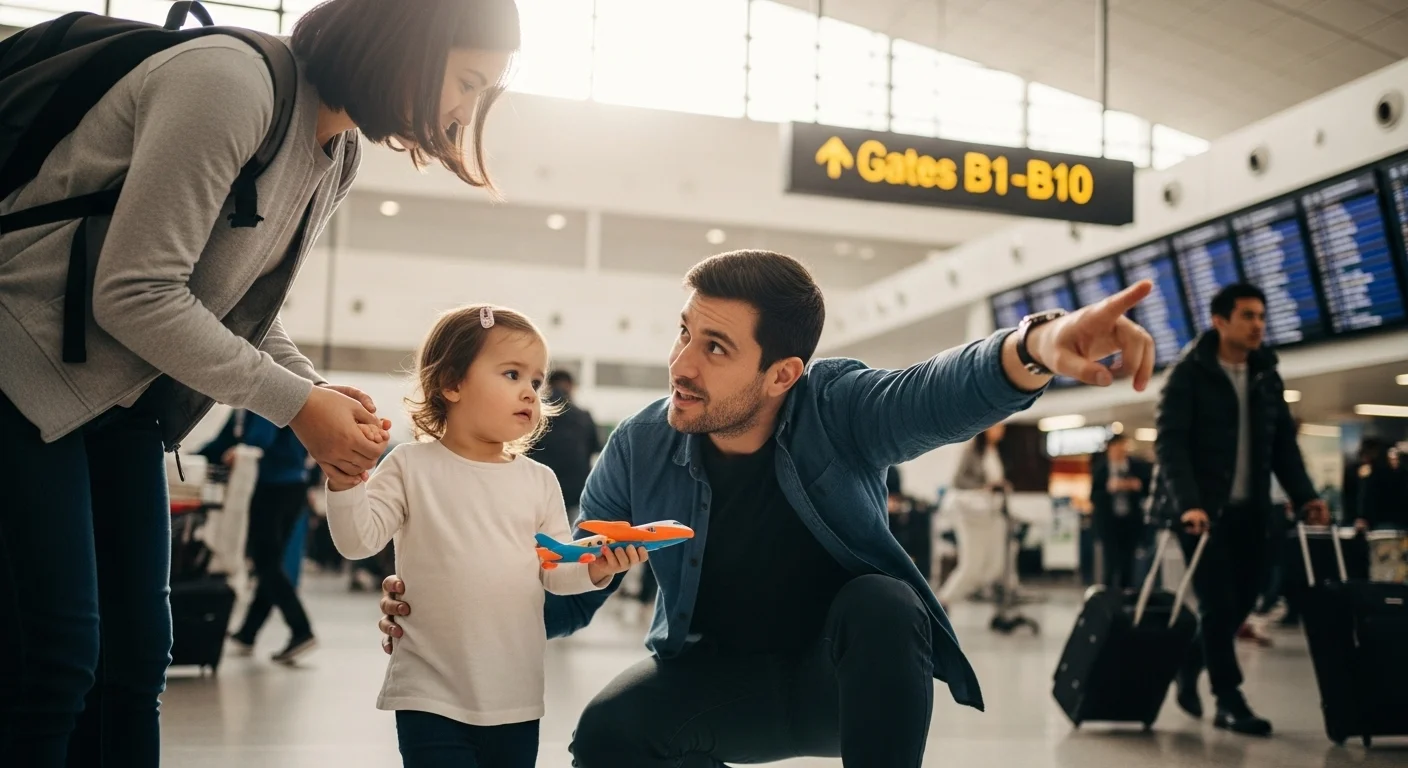
Understanding the Importance of Cooperation in Toddlers
When I first started taking family trips with my toddler, I quickly realized that cooperation was more than just a nice-to-have skill; it was essential for a smooth experience. Toddlers are naturally curious and energetic, which means they often want to explore everything around them. However, if they don’t understand the need to cooperate with family members, chaos can ensue. I learned that fostering this skill not only helps in travel situations but also sets the stage for their future interactions with others.
Benefits of Teaching Cooperation
Teaching cooperation to toddlers during family trips has numerous benefits. For one, it helps create a sense of teamwork. I remember one trip where my toddler and I worked together to pack our bags. It turned into a fun game of “who can find the most snacks?” This simple activity not only made packing enjoyable but also instilled a sense of shared purpose. Cooperation builds trust, and when kids feel like they’re part of a team, they’re more likely to engage positively with their family members.
Additionally, when toddlers learn to cooperate, it encourages them to listen and follow directions. On one of our outings, I asked my little one to help gather everything we needed for a picnic. By involving them in the process, I noticed they were more inclined to follow my lead and less likely to stray away from the group. I believe this was because they felt included and responsible for contributing to our family fun. For more ideas on engaging activities, you can read Affordable Activities for Fun Toddler Playdates and Interaction.
Developmental Milestones and Social Skills
As parents, we often think about developmental milestones, and cooperation is an important part of social skill development. Between the ages of two and four, toddlers start to understand the concept of sharing and taking turns. I found that during our trips, recognizing these milestones helped me tailor activities that would encourage my toddler to practice cooperation. Whether it was sharing a toy during travel or taking turns choosing what music to listen to in the car, these moments provided invaluable lessons in working together.
Moreover, I learned that socialization with other children during trips can enhance these skills. When we visited parks or family-friendly events, I encouraged my toddler to play with other kids. Observing them negotiate playtime with peers offered a fantastic opportunity for lessons in cooperation, learning to share space, and even resolving conflicts. These experiences reinforced that cooperation is not just a family value but also something that extends to friendships and community interactions.
Preparing for Family Trips
Preparation is key to ensuring successful family outings, especially when it comes to teaching toddlers cooperation. I found that taking time to plan made all the difference. With a little thought and consideration, I could set up our family trips for success right from the start.
Choosing the Right Destination for Toddlers
When selecting a destination, I always consider how toddler-friendly it is. Places with plenty of space for them to run, play, and explore are ideal. For instance, we once took a trip to a nature reserve, and my toddler was thrilled to see animals and run down trails. The excitement kept them engaged and cooperative as they explored. It’s important to choose destinations that match their interests and offer engaging activities, which naturally encourages cooperation as they navigate new environments.
Creating a Family Trip Itinerary
Creating a family trip itinerary is another crucial step. I learned that having a flexible but structured plan can help everyone understand what to expect. In our case, we made a loose schedule that included various activities and downtime. I involved my toddler by asking for their input on what they wanted to do. This not only made them feel valued but also provided a sense of ownership over the trip, which encouraged cooperation when it came time to follow the itinerary.
Involving Your Toddler in Planning
Speaking of involvement, I found that including my toddler in the trip planning process was a game changer. I would sit down with them and show pictures of potential destinations, letting them express what caught their interest. This made it easier for them to understand the purpose of the trip and feel excited about cooperating during our travels. They were more willing to be involved in packing and discussions about what to bring along, which contributed to a smoother experience.
Strategies to Teach Cooperation During Trips
Setting Clear Expectations
One of the most effective strategies I discovered for teaching cooperation during family trips is setting clear expectations. Before we hit the road or board a plane, I always take a moment to talk to my toddler about what we’re going to do and what I expect from them during the trip. For example, I’ll explain the importance of staying close to the group and listening when I call their name. This clarity helps them understand the rules of our adventure, making it easier for them to cooperate. I remember one trip where I said, “If we all stick together and listen, we can find the best playground!” It felt like a team goal, and my little one was all in.
Using Positive Reinforcement
Positive reinforcement goes a long way in encouraging cooperative behavior. I found that when I praised my toddler for helping out, whether it was holding my hand while crossing the street or sharing a toy with another child, they were more motivated to cooperate. I often say things like, “Great job helping me pack the car!” or, “I loved how you shared your snack with your sister!” It’s amazing to see their faces light up when they receive that acknowledgment. It builds their confidence and reinforces their desire to cooperate on future outings.
Modeling Cooperative Behavior
We all know that children learn by example, so I make it a point to model cooperative behavior myself. When I actively demonstrate teamwork, whether it’s asking my partner for help or working together with my toddler to solve problems, I see them absorbing those lessons. For instance, during our last trip, we encountered a little hiccup when our picnic blanket blew away. Instead of panicking, I calmly said, “Let’s work together to find it!” My toddler jumped right in, and together we searched the area. That experience not only solved our problem but also showed them how cooperation can lead to success.
Encouraging Team Activities
Incorporating team activities is another excellent way to teach cooperation. I like to plan games or challenges that require everyone to work together. On one trip, we organized a scavenger hunt at a local park. Each family member had a list of items to find, and my toddler was in charge of leading us to each location. It was exciting to watch them take on the role of a leader and encourage the rest of us to follow their direction. Not only did it foster a sense of teamwork, but it also gave them a chance to practice taking responsibility for our collective fun.
Engaging Activities to Foster Cooperation
Games for Family Bonding
Family bonding games are a fantastic way to promote cooperation while having fun. I often incorporate classic games like “Simon Says” or “Red Light, Green Light” during our trips. These games require listening, following instructions, and working together. They not only keep my toddler engaged but also teach them to pay attention and respect the rules of the game. I’ve noticed that when we play together, it creates a shared spirit of cooperation that carries over into our everyday interactions.
Collaborative Tasks and Challenges
Another approach I’ve found effective is incorporating collaborative tasks and challenges into our family outings. For instance, during a recent trip to the zoo, I suggested that we all work together to spot different animals from a checklist. We took turns leading the search, and this made my toddler feel like an equal part of the team. It sparked conversations and excitement about what we might find next, reinforcing the idea that cooperation leads to shared experiences and discoveries.
Incorporating Learning Opportunities
I believe that learning opportunities can also enhance cooperation. Whenever we visit new places, I try to include educational elements that require us to work as a team. For example, at a museum, we might explore an exhibit together and discuss what we see or learn about. I ask questions that prompt my toddler to think about how we can work together to solve puzzles or understand concepts. This not only promotes cooperation but also enriches their learning experience, making our trips memorable and meaningful. Additionally, the benefits of travel for emotional growth are significant; check out How Travel Boosts Healthy Emotional Growth in Toddlers for more insights.
Addressing Challenges and Setbacks
Dealing with Tantrums and Frustrations
Despite our best efforts, challenges are bound to arise during family trips. I’ve had my fair share of tantrums and frustrations from my toddler, especially when they’re tired or overwhelmed. In those moments, I’ve learned that it’s crucial to remain calm and patient. I try to acknowledge their feelings by saying something like, “I can see you’re upset. Let’s take a deep breath together.” This helps to validate their emotions while also redirecting them toward cooperation. It’s not always easy, but I find that addressing their feelings often leads to a quicker resolution.
Strategies for Staying Calm and Composed
Staying calm and composed is essential when faced with these challenges. I’ve found that taking a moment to breathe and collect my thoughts makes a world of difference. Sometimes, I’ll step aside with my toddler for a quick chat about how they’re feeling and what we can do next. This not only gives them a chance to express themselves but also helps me keep my cool, setting a positive example for them in managing frustration.
When to Take Breaks or Change Plans
There are times when I’ve had to recognize when it’s best to take a break or change our plans altogether. Flexibility is crucial when traveling with toddlers. If I sense that my little one is struggling, I’m not afraid to suggest a quick snack break or a downtime moment to recharge. I’ve learned that it’s okay to adjust our itinerary based on their needs; after all, the goal is to enjoy our time together. This adaptability shows my toddler that plans can change, and that’s perfectly fine, as long as we’re in it together.
Post-Trip Reflection and Reinforcement
Discussing the Trip Experience
After every family trip, I’ve found it incredibly valuable to sit down with my toddler and talk about our experiences. This reflection time is not only fun but also reinforces the memories we created together. I usually start by asking open-ended questions like, “What was your favorite part of the trip?” or “What did you enjoy doing with everyone?” This gives my toddler the opportunity to express themselves and share their thoughts. I love hearing their perspective—sometimes, it’s different from mine, which adds another layer to our family bonding. It also helps them process the journey, and I believe it makes them feel valued when I genuinely listen to their experiences.
Identifying Moments of Cooperation
During these discussions, I make it a point to highlight specific moments of cooperation we experienced. I’ll say things like, “Remember when you helped find the picnic spot?” or “I was so proud of you for sharing your toys with the other kids!” Recognizing these instances not only boosts their confidence but also reinforces the behaviors I want to encourage. I’ve noticed that when we talk about cooperation in a positive light, it makes my toddler more aware of their actions in future situations. It’s like planting a little seed of understanding that teamwork is rewarding and fun.
Planning Future Trips Together
As we wrap up our post-trip reflections, I like to involve my toddler in planning our next adventure. I often pull out a map or browse some travel websites together. I ask them where they’d like to go or what activities they think would be fun. This not only gets them excited for future trips but also creates a sense of anticipation and ownership over the experience. I remember one time, my toddler was adamant about visiting a petting zoo after we discussed our last trip. Their enthusiasm was contagious and made me even more excited to plan our next family outing!
Moreover, I find that involving them in future planning reinforces the cooperation lessons we’ve practiced. As we brainstorm ideas, I remind them that we’ll need to work together to make the trip successful. We can discuss how we’ll pack, what snacks to bring, and even set cooperative goals for the trip, like taking turns leading the way or helping each other with tasks. This collaborative approach not only strengthens our bond but also builds on their understanding that cooperation is essential to making adventures enjoyable.
Through these reflections and planning sessions, I feel that we’re not just preparing for our next trip; we’re cultivating a spirit of teamwork that will benefit my toddler in many aspects of their life. Understanding that we can achieve more together is a lesson that resonates far beyond our family outings.
Building a Cooperative Mindset
Encouraging Empathy and Understanding
As part of developing cooperation, I think it’s important to foster empathy in my toddler. During our trips, I try to create situations where they can understand and appreciate the feelings of others. For instance, if we encounter someone who looks upset or is having trouble, I might say something like, “It seems like that child is feeling sad. How do you think we can help them feel better?” This kind of dialogue encourages my toddler to think beyond themselves and consider how their actions can impact others. I’ve noticed that when they start to understand empathy, it naturally leads to more cooperative behavior.
Creating a Family Culture of Cooperation
Another aspect I’ve found effective is establishing a family culture centered around cooperation. I often emphasize that we’re all in this together and that each family member plays a vital role. Whether it’s cleaning up after a meal, preparing for a trip, or just enjoying time together, I make it a point to discuss how everyone’s contributions matter. I believe that making this a consistent theme in our everyday lives reinforces the idea that cooperation is a core family value.
For example, during our travels, I’ll often say things like, “Teamwork makes our trips fun!” or “Let’s work together to make this day special!” This kind of positive reinforcement helps instill a mindset of cooperation. I find that when my toddler hears these messages regularly, they internalize them, making it more natural for them to practice cooperation, not only during trips but in their daily interactions with others.
Celebrating Cooperative Achievements
Finally, I believe in celebrating our cooperative achievements as a family. After each trip, I like to have a little family gathering where we can share our favorite moments, and I make sure to mention how proud I am of the teamwork we demonstrated. I sometimes even create a “Cooperation Star” chart where we can add stickers or drawings representing our achievements from the trip. This not only serves as a fun reminder of our adventures but also reinforces the importance of working together and makes my toddler excited to continue practicing these skills in the future.
Fostering cooperation in toddlers during family trips is a journey in itself, and by using these strategies, I feel that we’re creating lasting memories and life skills that will serve them well beyond our travels together.
Frequently Asked Questions
Why is teaching cooperation important for toddlers during family trips?
Teaching cooperation is essential for a smooth experience during family trips. It helps toddlers understand the need to work together, which can prevent chaos and foster positive interactions with family members.
What are the benefits of teaching cooperation to toddlers?
Benefits of teaching cooperation include creating a sense of teamwork, building trust, encouraging toddlers to listen and follow directions, and enhancing their engagement during family activities.
How can parents prepare toddlers for cooperation during family outings?
Parents can prepare toddlers by planning family trips carefully, choosing toddler-friendly destinations, and creating a flexible itinerary that involves the child’s input to foster a sense of ownership and cooperation.
What strategies can parents use to teach cooperation during trips?
Effective strategies include setting clear expectations, using positive reinforcement, modeling cooperative behavior, and incorporating team activities that require everyone to work together.
How can parents involve toddlers in the trip planning process?
Parents can involve toddlers by showing them pictures of potential destinations, asking for their preferences, and discussing what items to pack, which makes them feel excited and valued in the planning process.
What kind of activities can promote cooperation among family members?
Activities such as family bonding games, collaborative tasks like scavenger hunts, and educational experiences that require teamwork can effectively promote cooperation during family outings.
How should parents handle tantrums or frustrations during trips?
Parents should remain calm and patient, acknowledge their child’s feelings, and provide opportunities for the toddler to express themselves, which helps redirect them toward cooperation.
What role does post-trip reflection play in teaching cooperation?
Post-trip reflection allows parents to discuss experiences, highlight moments of cooperation, and involve toddlers in planning future trips, reinforcing the lessons learned and building a cooperative mindset.
How can fostering empathy contribute to cooperation in toddlers?
Fostering empathy encourages toddlers to understand the feelings of others, which can lead to more cooperative behavior by making them aware of how their actions impact those around them.
In what ways can families celebrate cooperative achievements after trips?
Families can celebrate by sharing favorite moments, expressing pride in teamwork, and creating a “Cooperation Star” chart to visually represent their achievements, which reinforces the value of cooperation.
Travel isn’t just about seeing new places; it’s a powerful tool for shaping a child’s development. From cognitive growth to emotional resilience, the environments we explore can leave lasting impacts on our little ones.
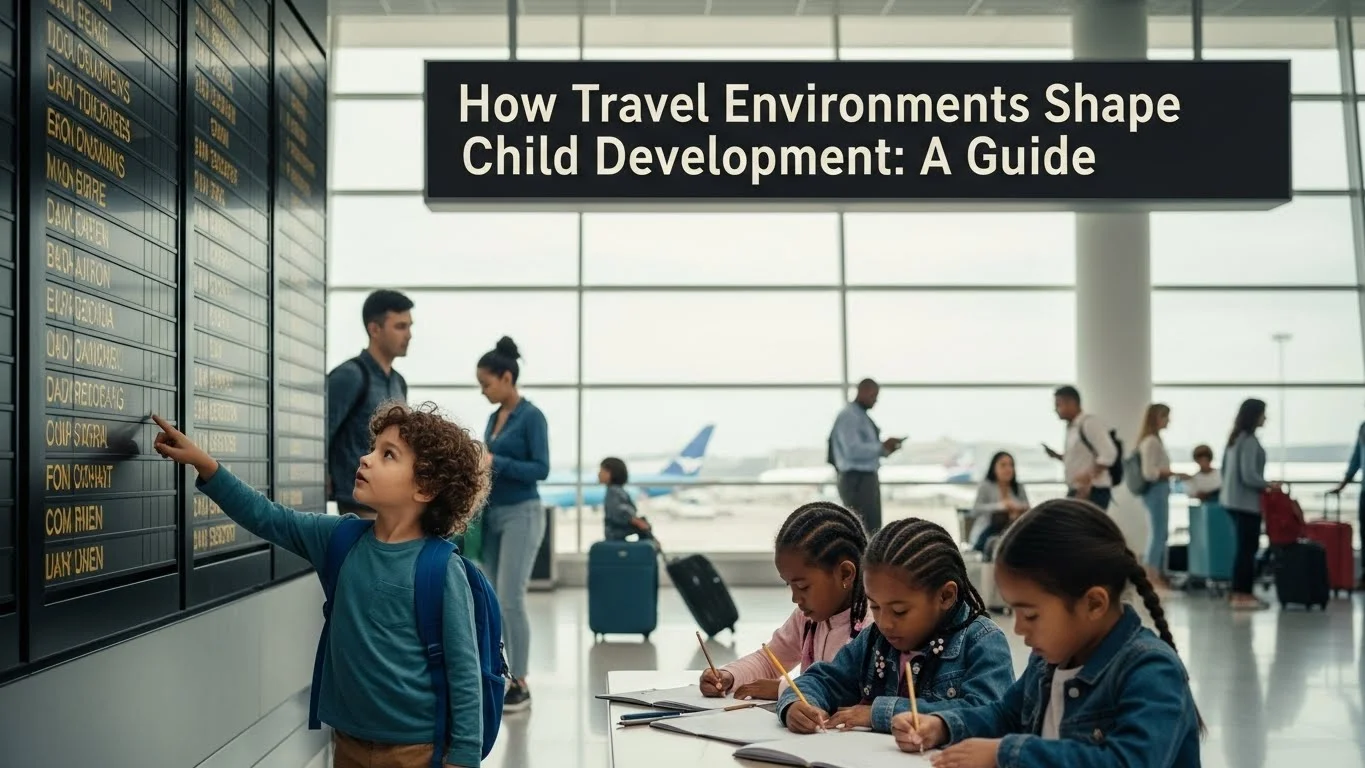
Understanding Child Development in Context
Key Concepts in Child Development
When I think about child development, I often reflect on how multifaceted it really is. It’s not just about physical growth or academic achievements; it encompasses social skills, emotional intelligence, and even creativity. I remember when my child first learned to express emotions effectively. It was a small moment, yet it felt monumental. Key concepts like attachment theory and the importance of play are foundational in this journey. Each stage of development brings its unique challenges and milestones, and understanding these can help us navigate the path more intentionally. For more insights, check out Understanding Cognitive Milestones in Early Childhood.
The Role of Environment in Development
Our environment plays a significant role in shaping who we become. I’ve seen firsthand how different settings influence my child’s behavior and learning. The theory of ecological systems by Urie Bronfenbrenner suggests that a child’s development is affected by various layers of their environment, from family and school to the broader community. There’s something magical about travel that offers a fresh perspective and varied experiences. Each new place provides a unique backdrop for learning and growth. For instance, visiting a museum ignited a passion for history in my child that I hadn’t noticed before. I often think about how some environments can stimulate curiosity and creativity, while others might restrict it. It’s these little revelations that make travel such a crucial element in child development.
The Impact of Travel on Child Development
Cognitive Development
Travel has an undeniable impact on cognitive development, which I’ve seen in my own experiences. When we go to new places, children are exposed to different cultures, languages, and lifestyles. This exposure fuels curiosity and encourages critical thinking. I remember the first time my child tried to navigate a foreign city. It was as if a light bulb went off. They were engaged, observing their surroundings, asking questions, and solving problems. This kind of real-world learning is irreplaceable, and it strengthens their ability to adapt and think analytically. Studies suggest that children who travel tend to perform better academically because they develop a broader perspective on the world and their place in it. You can learn more about this in the article Understanding Cognitive Milestones in Early Childhood.
Social Skills and Interaction
One of the most rewarding aspects of travel is watching children develop social skills. I’ve noticed my child becoming more confident in interacting with others when we travel. Whether it’s ordering in a restaurant or making friends at a park, these interactions build their communication skills and emotional intelligence. I remember a trip we took to a community event abroad where my child had to engage with locals. It was fascinating to see them step out of their comfort zone. They learned how to read social cues, negotiate, and even empathize with people from different backgrounds. This kind of social learning is invaluable, as it helps children understand and appreciate diversity. For more tips on enhancing these skills, read Travel Tips to Enhance Your Child’s Social Skills.
Emotional Resilience
Travel can also foster emotional resilience. I’ve witnessed my child face challenges while traveling, like handling unexpected changes in plans or dealing with new environments. These experiences have taught them to be adaptable and resourceful, which are crucial life skills. I recall an instance where our flight got delayed, and instead of throwing a tantrum, my child handled it calmly. They learned to find fun in the waiting and even made friends with other kids at the airport. Developing resilience through travel helps children cope with future challenges, making them more equipped to handle life’s ups and downs.
Physical Health and Activity
Travel often encourages physical activity, which is essential for child development. I love how a simple trip can transform the way we engage with our bodies. Whether it’s hiking in the mountains or exploring a new city on foot, these activities promote physical health. I’ve seen my child grow stronger and more active during our travels. Being in a new place often sparks a sense of adventure and curiosity that leads to exploration. It’s a great reminder of how important it is for kids to move and play outdoors. By integrating physical activity into our travel plans, we not only enhance our experiences but also contribute to our child’s overall well-being.
As I reflect on these aspects, I realize that every trip we take is more than just a getaway. It’s an opportunity for growth, learning, and connection. We’re shaping our children’s futures one journey at a time, and that’s a powerful thing.
Types of Travel Environments
Urban Environments
Urban environments have a unique way of enriching a child’s development. I remember taking my child to a bustling city filled with skyscrapers, markets, and street performers. The energy was infectious! In these settings, children are exposed to diverse people and cultures, which fosters curiosity and adaptability. My child was mesmerized by the variety of languages being spoken and the different foods being offered. I found that urban travel is a fantastic way to teach children about the world’s diversity firsthand. They can learn valuable lessons just by observing the hustle and bustle around them, from understanding public transportation to interacting with people in cafes or parks. The fast-paced city life can boost their confidence and social skills as they navigate new experiences.
Rural Settings
On the other hand, rural settings offer a completely different but equally enriching experience. I cherish our trips to the countryside, where we could disconnect from the hustle of everyday life. The tranquility of nature allows for exploration and imagination. I noticed that in these settings, my child felt more free to roam and explore, leading to greater creativity. Nature walks became adventures filled with discovery—identifying plants, observing wildlife, and even stargazing at night. These moments foster a sense of wonder and appreciation for the environment. Engaging with rural communities often opens up discussions about agriculture, sustainability, and local cultures, which are crucial for a well-rounded worldview.
Natural Landscapes
Natural landscapes are perhaps my favorite travel environments due to their ability to inspire awe and learning. I think back to our family hikes in national parks; the beauty of the mountains and rivers left a lasting impression on my child. Immersing ourselves in nature not only encourages physical activity but also instills a sense of responsibility towards the environment. I’ve seen my child develop a genuine interest in wildlife conservation after witnessing animals in their natural habitats. The serenity of nature allows for introspection and emotional growth, as my child often expresses feelings and thoughts in these peaceful settings. It’s incredible how the calmness of nature can nurture emotional intelligence and resilience.
Cultural Immersion
Cultural immersion is another enriching travel experience that I believe fosters development in unique ways. When we traveled to different countries, we made a point to engage with local traditions, foods, and festivals. I vividly remember participating in a local festival where my child learned traditional dances and tasted homemade dishes. This kind of immersive experience not only builds appreciation for diversity but also enhances empathy and understanding. I’ve seen my child develop friendships with kids from different backgrounds, learning to respect and celebrate differences. These moments of connection help shape their worldview and encourage a sense of global citizenship.
Travel Experiences That Foster Development
Family Road Trips
Family road trips have a special place in my heart. There’s something about the open road that brings families closer together. I love how a road trip allows us to explore various places at our own pace. We often play games, listen to music, and share stories along the way, which strengthens our bond. I’ve noticed that these experiences foster teamwork and problem-solving skills as we navigate new routes and make spontaneous decisions about where to stop. It becomes an adventure filled with surprises and new places to discover. Each pit stop turns into a mini-exploration, allowing my child to learn about geography and local culture.
International Travel
International travel is a more expansive experience that broadens horizons significantly. I remember our first trip abroad, where my child was exposed to entirely different customs and languages. It was eye-opening to see how they adapted quickly, learning basic phrases in the local language and trying new foods. International travel opens doors to understanding global issues, histories, and perspectives. It encourages children to think critically about the world around them, and I truly believe it nurtures a sense of empathy and responsibility towards others. The memories we create during these trips are priceless and contribute to their growth in profound ways.
Camping and Outdoor Adventures
Camping trips have a way of bringing out the best in us. I’ve noticed that when we spend time outdoors, whether it’s in a tent or a cabin, my child learns practical skills like setting up a campsite or cooking over a fire. These experiences teach them self-sufficiency and teamwork. I remember a camping trip where my child helped gather firewood and learned to make s’mores. The joy on their face was priceless! Outdoor adventures also encourage appreciation for nature and wildlife, which is crucial in today’s world. It’s in these simple, unplugged moments that we often find the most meaningful connections and lessons.
Volunteering and Service Trips
Volunteering while traveling has been one of the most impactful experiences for my child. Engaging in community service during our trips has provided opportunities to learn about social issues and develop a sense of gratitude. I recall a trip where we participated in a beach cleanup. It was rewarding to see my child understand the importance of environmental stewardship and community involvement. These experiences not only foster empathy but also teach children that they have the power to make a difference. I believe that service trips can instill a lifelong commitment to helping others and being an active participant in society.
Key Developmental Benefits of Travel
Exposure to Diverse Cultures
I’ve always believed that exposure to different cultures is one of the most enriching benefits of travel. Each time we step into a new country, we’re not just entering a new place; we’re immersing ourselves in a way of life that challenges our perspectives. I remember our visit to a small village during one of our trips. The people there had such a different rhythm of life compared to ours. My child watched as locals engaged in traditional crafts, and it sparked an interest in learning about their customs and history. This type of exposure fosters open-mindedness and appreciation for diversity, which I find essential in today’s interconnected world. My child began to understand that there are many ways to live and many stories to tell, enriching their worldview and empathy for others.
Language Acquisition and Skills
Traveling also presents unique opportunities for language acquisition. I’ve seen my child pick up snippets of different languages simply by being in an environment where they are spoken. On one trip, we visited a market where vendors spoke a language I didn’t know well. My child, eager to communicate, tried to learn basic phrases to interact with the sellers. This hands-on experience made language learning exciting and engaging. I’ve learned that when children hear and use new languages in context, it sticks with them far more than traditional classroom learning. It’s a fantastic way to develop not just language skills but also confidence in communication. The joy of successfully ordering food in another language or chatting with a local is an immediate reward that deepens their learning experience.
Creative Thinking and Problem-Solving
One of the unexpected benefits of travel is how it nurtures creative thinking and problem-solving skills. I remember a trip where we got lost trying to find a particular attraction. Instead of panicking, my child took the lead, using a map and asking locals for directions. The look of determination on their face was so inspiring! This experience taught them to think critically and adapt to new situations. Travel naturally presents challenges, like navigating unfamiliar places or dealing with unexpected delays. These situations encourage children to think outside the box and come up with creative solutions, which is a valuable skill in life. I’ve noticed that my child approaches problems with a newfound resourcefulness that I believe stemmed from our travel adventures.
Building Independence and Confidence
Traveling can be a remarkable way to foster independence in children. I’ve seen firsthand how my child gained confidence by taking small steps to handle tasks on their own. For instance, during one trip, I allowed my child to carry their own backpack and navigate through the airport. They felt a sense of achievement when they successfully managed their belongings and found our gate. These little moments of independence, whether it’s choosing what to eat or deciding on activities for the day, help children learn to make decisions and trust their instincts. As they gain confidence in unfamiliar environments, they develop a belief in their abilities that can translate to other areas of their lives. I feel that travel equips them with the self-assurance needed to tackle challenges, both at home and in the future.
Practical Tips for Parents
Planning Travel with Children
When it comes to planning travel with children, I’ve learned that a little preparation goes a long way. I always start by discussing the trip with my child, allowing them to express their interests and ideas. This involvement makes them feel valued and excited about the journey ahead. I also consider the pace of our itinerary. When we traveled to a new city, I made sure to balance sightseeing with downtime. Kids can easily get overwhelmed, so scheduling breaks for play or relaxation is crucial. I recommend packing snacks and entertainment for longer journeys, as these small comforts can make a significant difference in keeping spirits high.
Choosing Age-Appropriate Destinations
Choosing the right destination is important for a fulfilling travel experience. I’ve found that some places are particularly kid-friendly, with activities that engage children and cater to their interests. For example, theme parks or interactive museums can be fantastic choices for younger children, while older kids might appreciate historical sites or nature explorations. I always consider how engaging the destination will be for my child. After all, a trip should be enjoyable for everyone involved. I think the best experiences come from places that offer a mix of fun and learning.
Incorporating Learning Opportunities
I believe travel is a golden opportunity to incorporate learning into our adventures. We often seek out local museums, cultural events, or workshops that allow my child to learn while having fun. I remember visiting a science museum where my child got to participate in hands-on experiments. It was thrilling to see them so engaged! I also encourage my child to keep a travel journal, where they can document their thoughts and experiences. This practice not only reinforces what they learn but also creates a wonderful keepsake to reflect on in the future.
Ensuring Safety and Comfort
Safety is always top of mind when traveling with children. Before every trip, I research safety tips specific to our destination, like local customs or health concerns. I also pack a small first-aid kit for unexpected bumps or scrapes. Comfort is equally important; I make sure to have familiar items like a favorite blanket or toy to help my child feel secure in unfamiliar places. I’ve noticed that these little touches can ease anxiety and help my child adapt to new environments more easily, making the travel experience enjoyable for everyone.
Frequently Asked Questions
How does travel impact a child’s cognitive development?
Travel impacts cognitive development by exposing children to different cultures, languages, and lifestyles, which fuels curiosity and encourages critical thinking. This real-world learning strengthens their ability to adapt and think analytically.
What role does travel play in developing social skills in children?
Travel helps children develop social skills by providing opportunities to interact with others, build communication skills, and enhance emotional intelligence. Engaging with locals during trips encourages children to step out of their comfort zones and learn to read social cues.
In what ways can travel foster emotional resilience in children?
Travel fosters emotional resilience by presenting children with challenges, such as unexpected changes in plans or new environments. These experiences teach adaptability and resourcefulness, which are crucial life skills.
How can travel contribute to a child’s physical health and activity?
Travel encourages physical activity through various outdoor adventures, such as hiking or exploring new cities on foot. These activities promote physical health and instill a sense of adventure and curiosity in children.
What are some benefits of traveling to urban environments for child development?
Urban environments expose children to diverse cultures and people, fostering curiosity and adaptability. Navigating city life helps boost their confidence and social skills as they engage with new experiences.
How do rural settings benefit children’s development?
Rural settings offer tranquility and opportunities for exploration, which can lead to greater creativity. Engaging with nature allows children to appreciate the environment and can open discussions about sustainability and local cultures.
What advantages does cultural immersion provide during travel?
Cultural immersion enhances empathy and understanding by allowing children to engage with local traditions, foods, and festivals. It helps shape their worldview and encourages a sense of global citizenship.
What are the key developmental benefits of family road trips?
Family road trips foster teamwork and problem-solving skills as families navigate new routes and make spontaneous decisions. They provide opportunities for bonding and learning about geography and local culture.
How can international travel enhance a child’s understanding of global issues?
International travel exposes children to different customs and histories, encouraging them to think critically about the world. It nurtures empathy and responsibility towards others as they learn about diverse perspectives.
What practical tips can parents follow when traveling with children?
Parents can ensure a successful trip by involving children in planning, choosing age-appropriate destinations, incorporating learning opportunities, and prioritizing safety and comfort throughout the journey.
Traveling with children is more than just an adventure; it’s a powerful tool for cultivating empathy. As we explore new places, we open doors to understanding different perspectives and lifestyles, shaping our children into compassionate individuals. Read Interesting article: Budget Backpacking: Teach Kids Empathy On A Shoestring

Understanding Empathy: The Foundation for Emotional Growth
What is Empathy?
Empathy is often described as the ability to understand and share the feelings of others. It’s not just about recognizing someone else’s emotions; it’s about connecting with them on a deeper level. I remember when my child first experienced empathy—seeing a friend upset and offering comfort. It was a simple gesture, yet it revealed a growing emotional awareness. Empathy lets us step into someone else’s shoes and feel what they feel, and it’s an essential part of human relationships.
The Importance of Empathy in Childhood Development
From my perspective, empathy is a cornerstone of emotional growth in children. When kids learn to empathize, they become better friends, teammates, and family members. This skill helps reduce bullying and fosters kindness, making our communities more harmonious. In fact, studies have shown that children with strong empathetic skills are more likely to engage in prosocial behaviors as they grow up. By nurturing empathy early on, we’re essentially laying the groundwork for a generation that values compassion and understanding.
The Role of Travel in Child Development
How Travel Expands Worldviews
Travel is an incredible way to expand a child’s worldview. I’ve seen firsthand how visiting different countries and meeting diverse people can shape a child’s understanding of the world. When my family traveled to a remote village, my kids saw firsthand how others live, which contrasted sharply with our everyday lives. This exposure sparked conversations about privilege, community, and what it means to be human. Travel encourages us to think beyond our immediate surroundings, which is vital for developing empathy. Read Interesting article: Empowering Kids: Develop Empathy Through Travel Adventures
Exposure to Diverse Cultures and Lifestyles
One of the most rewarding aspects of travel is the exposure to unique cultures and lifestyles. Whether it’s tasting local food, participating in traditional dances, or learning new customs, these experiences allow children to recognize and appreciate differences. I remember my daughter’s eyes lighting up when she tried a new dish in Thailand—it was a moment of cultural discovery that opened her mind to the beauty of diversity. By engaging with different cultures, kids learn that there’s no single way to live life, which fosters a deeper understanding of others.
Travel Experiences That Foster Empathy
Volunteering and Community Service Abroad
One of the most impactful ways to develop empathy through travel is by volunteering. I organized a family trip where we participated in a community service project in a developing country. Watching my children work alongside local families to build a school was an eye-opening experience for all of us. They saw not just the needs of others but also the strength and resilience in those communities. These types of experiences cultivate compassion, as they allow kids to actively contribute and connect with people on a personal level.
Homestays and Cultural Immersion
Staying with local families during our travels has been another enriching experience. I remember our homestay in Peru—living with a family gave us a glimpse into their daily lives. My kids participated in their routines, shared meals, and even learned a few words of Spanish. This immersion helped them understand the family’s values, struggles, and joys. It’s one thing to learn about a culture from a book, but living it is a completely different ballgame. I could see my children forming connections that went beyond mere curiosity; they were developing real empathy.
Participating in Local Traditions and Festivals
Joining in local traditions and festivals can also foster empathy. I can’t forget the joy my children felt during a festival in India, where we danced with locals and celebrated together. These shared experiences helped them appreciate the significance of community celebrations. It’s moments like these that remind us of our shared humanity, no matter where we come from. They learned that while cultures may differ, the emotions we experience—joy, love, and togetherness—are universal.
Key Benefits of Travel on Empathy Development
Building Compassion Through Shared Experiences
One of the most magical parts of traveling with my family has been witnessing how shared experiences can build compassion. I remember a moment during our visit to a small village in Mexico. We joined a local family for a traditional meal, sharing laughter and stories, despite the language barrier. My children didn’t just see strangers; they saw people with hopes and dreams just like us. It was a lesson in humanity that we all felt deeply. When we share these moments, we form bonds that transcend cultural differences. These connections help children realize that compassion is not just a word; it’s a feeling that can be cultivated through genuine interaction.
Understanding Differences and Similarities
Travel has a unique way of highlighting both the differences and similarities among people. I’ve observed my kids grappling with the contrasts in lifestyles when we traveled to different regions. For example, during our time in Southeast Asia, they noticed how some families lived in homes that were quite different from ours. They learned to appreciate the resourcefulness and creativity that comes from living in different circumstances. Yet, through conversations and shared activities, they also recognized the universal themes of love, family, and community that unite us all. This dual understanding helps them grow into well-rounded individuals who can navigate a diverse world with empathy and respect.
Developing Communication and Social Skills
Traveling offers countless opportunities for children to develop crucial communication and social skills. I’ve seen my kids become more confident in engaging with people from various backgrounds. During a trip to Japan, my youngest was shy at first, but after a few interactions with local children, he started using basic Japanese phrases and gestures to connect. These experiences taught him that communication goes beyond words; it involves body language, tone, and a genuine intention to connect. As they navigate different social situations, they learn to adapt, listen, and express themselves in ways that are appropriate for each culture. This adaptability not only helps them in travel but also enriches their everyday interactions back home.
Practical Tips for Parents: Enhancing Empathy Through Travel
Choosing Destinations with Cultural Significance
When planning our trips, I always consider destinations that have rich cultural significance. I believe that where we go matters just as much as how we get there. For instance, we chose to visit historical sites in Greece, which allowed us to discuss the stories behind ancient civilizations and their contributions to the world. These discussions sparked curiosity in my kids and opened their minds to the importance of history and culture. I recommend researching destinations that have vibrant communities and unique traditions, as these places often provide the best opportunities for meaningful connections.
Engaging in Meaningful Conversations During Travel
During our travels, I make it a point to engage my children in conversations about what we’re experiencing. I find that asking open-ended questions helps them reflect on their feelings and observations. For example, after visiting a local market in Morocco, I asked them what they noticed about the way people interacted. This led to a discussion about the importance of community and the commonalities we share, even in different cultures. By encouraging dialogue, we deepen their understanding of empathy and foster critical thinking skills.
Incorporating Educational Activities and Learning Experiences
To enhance empathy through travel, I always look for educational activities that can provide a deeper understanding of the places we visit. We’ve participated in workshops where we learned about traditional crafts, cooking classes that introduced us to local cuisine, and guided tours led by local experts. Each of these experiences has enriched our travels and encouraged my children to ask questions and explore new ideas. Incorporating learning into our trips not only makes them more enjoyable but also cultivates a sense of appreciation for the world around us. I believe that education and empathy go hand in hand, and travel is one of the best teachers. Read Interesting article: Positive Discipline While Traveling: A Guide for Parents
Real-Life Examples: Stories of Empathy Gained Through Travel
Case Study: A Family’s Journey to a Developing Country
Reflecting on a family journey we took to a developing country, I can’t help but think about the profound impact it had on my kids. We spent time in a community where lives were vastly different from ours. My children took part in a project to build water filters, and seeing firsthand the joy it brought to families was unforgettable. It struck me how this experience moved them beyond mere sympathy; they felt a real connection to the people we were helping. The children learned that their actions could make a tangible difference, and this understanding has shaped their outlook on service and kindness.
Testimonial: How a School Trip Changed Perspectives
One of my friends shared a story about her child’s school trip to a nearby city. The focus was on visiting various cultural landmarks and engaging with local residents. My friend’s child returned home buzzing with excitement, sharing various insights about the lives of others. This experience transformed her child’s perspective on education, privilege, and community. It was a beautiful reminder of how even local trips can have a lasting impact on empathy and understanding. I believe that every trip, big or small, has the potential to be a powerful lesson.
Challenges and Considerations in Travel for Empathy Development
Addressing Safety Concerns While Traveling
As much as I love traveling with my family, I can’t ignore the safety concerns that come with it. I remember planning a trip to a vibrant but bustling city where I was a bit apprehensive about navigating unfamiliar territory with my kids. It’s natural to worry about their safety, especially in places that may seem different from our everyday environment. To address these concerns, I always do thorough research on the destinations we choose. I look into local customs, potential risks, and advice from other travelers. I also talk to my children about safety protocols in a way that doesn’t scare them but empowers them to be aware. For instance, we practice emergency plans and discuss how to recognize safe spaces and trusted adults while we’re out exploring. By preparing them in advance, I can feel more at ease knowing they’re equipped to handle unexpected situations while still enjoying the adventure.
Managing Expectations and Overcoming Cultural Barriers
Traveling to different cultures can sometimes lead to misunderstandings or frustrations. I found this out during our trip to a country with vastly different social norms. I witnessed my children struggling to understand why certain behaviors that are acceptable at home weren’t welcomed there. For example, when we visited a traditional village, my kids were excited to engage with the locals but didn’t realize that some customs required more restraint. I took this as an opportunity to explain the importance of being respectful and adaptable. We learned to observe first before jumping into interactions. I encouraged them to ask questions and be curious, but to also be mindful of the context. What I realized was that managing expectations is key. Travel isn’t always about having picture-perfect moments; sometimes, it’s about learning to navigate discomfort and finding joy in the unexpected. Just as we adapt to new environments, we also grow in our understanding of others, which is crucial for fostering empathy.
The Lasting Impact of Travel on Empathy
Travel doesn’t just create fleeting memories; it plants seeds of empathy that can have a long-lasting impact on our children. I’ve seen how the lessons learned during our travels shape their perspectives long after we return home. For instance, after our experience volunteering in a developing country, my children became more aware of global issues like access to clean water and education. They started organizing small fundraisers at school to help similar communities. It was heartwarming to witness them take initiative and become advocates for others. They had internalized the importance of sharing their knowledge and experiences, and I believe this has made them more compassionate individuals.
Even at home, I notice that my kids approach their interactions with a greater sense of understanding. They are more inclined to help classmates who are struggling and often talk about the friends they made during our travels, sharing stories about their lives and cultures. They’ve learned that empathy transcends borders and that it’s essential to connect with others, no matter where they come from. I think this reinforces the idea that travel is not just about seeing the world; it’s about truly experiencing it, understanding it, and enriching our hearts along the way.
As parents, we have the power to guide these experiences and help shape our children’s emotional growth. I encourage other families to embrace travel as a means of expanding empathy. It’s not always easy, and there will be challenges, but the rewards are immeasurable. Every trip is a chance to learn, connect, and grow together as a family. And in a world that sometimes feels divided, teaching our children to empathize with others is perhaps one of the greatest gifts we can give them.
Final Thoughts
Traveling has the unique ability to weave experiences that thread compassion into the fabric of our children’s lives. I’ve seen it firsthand, how journeys can transform their understanding of the world and the people in it. I often reflect on how far we’ve come as a family through our travels, and it’s incredible to think about the lessons that have shaped my kids into who they are today. They’ve learned that being empathetic isn’t just about feeling for others; it’s about taking action and showing kindness, even in small ways.
The moments that stand out are those where my children truly connected with others. One time, we met a local artist in a bustling market who shared stories of his craft and the challenges he faced. My kids were mesmerized—not just by the art but by the artist’s passion and resilience. It sparked a curiosity in them that I hadn’t seen before. They began to ask questions about his life, his dreams, and what drives him. Through this interaction, they learned to see beyond the surface, realizing that everyone has a story worth listening to.
In my opinion, the lasting impact of travel lies in these shared moments. When a child learns to listen and appreciate another’s story, they cultivate a sense of empathy that transcends cultural boundaries. I believe that every family has the opportunity to create these moments, whether they’re exploring a new country or discovering a different neighborhood in their own city. Each experience is a building block in their emotional growth.
It’s not always easy to travel, especially with children; there are logistics to manage, budgets to keep in check, and sometimes tantrums to navigate. But I can’t stress enough how rewarding it is to push through the challenges. The lessons gleaned from travel are invaluable. They not only prepare our kids to face the world with open hearts but also empower them to be advocates for change. I’ve watched my children take initiative in their communities, inspired by the people they’ve met and the stories they’ve heard.
Moreover, I think it’s crucial for us as parents to model empathy in our everyday lives. The conversations we have at home about kindness, respect, and understanding can reinforce the lessons learned during our travels. I find that when we discuss these topics openly, it encourages my kids to think critically about the world around them. They begin to understand that empathy is not just a concept but a way of being that can influence their actions and relationships.
Ultimately, I encourage every family to embrace the power of travel as a tool for empathy development. It’s about creating memories that last a lifetime, fostering connections that enrich our understanding, and nurturing a sense of belonging in this vast world we share. Every trip is an opportunity to teach our children that, despite our differences, we are all human beings deserving of kindness and understanding. Let’s inspire them to carry these lessons with them, not just on their travels, but in their everyday lives.
So, pack your bags, head out there, and let the world be your teacher. Embrace the experiences that come your way, and watch as your children grow into empathetic individuals ready to make a difference. After all, travel is not just about the destination; it’s about the journey and the hearts we touch along the way.
Frequently Asked Questions
What is empathy?
Empathy is the ability to understand and share the feelings of others. It involves connecting with someone on a deeper level and recognizing their emotions.
How does travel contribute to a child’s emotional growth?
Travel expands a child’s worldview by exposing them to different cultures and lifestyles, which helps them understand and appreciate diversity, ultimately fostering empathy.
What are some travel experiences that can help develop empathy in children?
Volunteering and community service abroad, participating in homestays, and engaging in local traditions and festivals are all impactful experiences that cultivate empathy in children.
Why is it important for children to learn empathy?
Learning empathy helps children become better friends, teammates, and family members. It reduces bullying, fosters kindness, and prepares them to engage in prosocial behaviors as they grow up.
How can parents enhance empathy in their children through travel?
Parents can enhance empathy by choosing culturally significant destinations, engaging in meaningful conversations during travel, and incorporating educational activities that provide deeper understanding.
What are some challenges parents may face when traveling with children?
Parents may face safety concerns, managing expectations, and overcoming cultural barriers while traveling, which can lead to misunderstandings or frustrations.
Can local trips help in developing empathy?
Yes, local trips can have a lasting impact on empathy and understanding, as they provide opportunities to engage with different communities and learn about diverse perspectives.
What role do shared experiences play in fostering compassion during travel?
Shared experiences during travel help build compassion by allowing children to connect with others on a personal level, forming bonds that transcend cultural differences.
How does travel help children understand both differences and similarities among people?
Travel highlights both the differences and similarities among people, teaching children to appreciate diverse lifestyles while recognizing universal themes of love, family, and community.
What lasting impacts can travel have on children’s perspectives?
Travel can inspire children to become advocates for change, make them more aware of global issues, and encourage them to approach their interactions with greater understanding and compassion.
Traveling with toddlers can feel daunting, but it’s incredibly rewarding. Beyond the fun, travel can significantly enhance your little one’s problem-solving skills, setting them up for future success in ways we often overlook. Read Interesting article: Top 5 Budget Backpacking Destinations for Toddler Problem-Solving
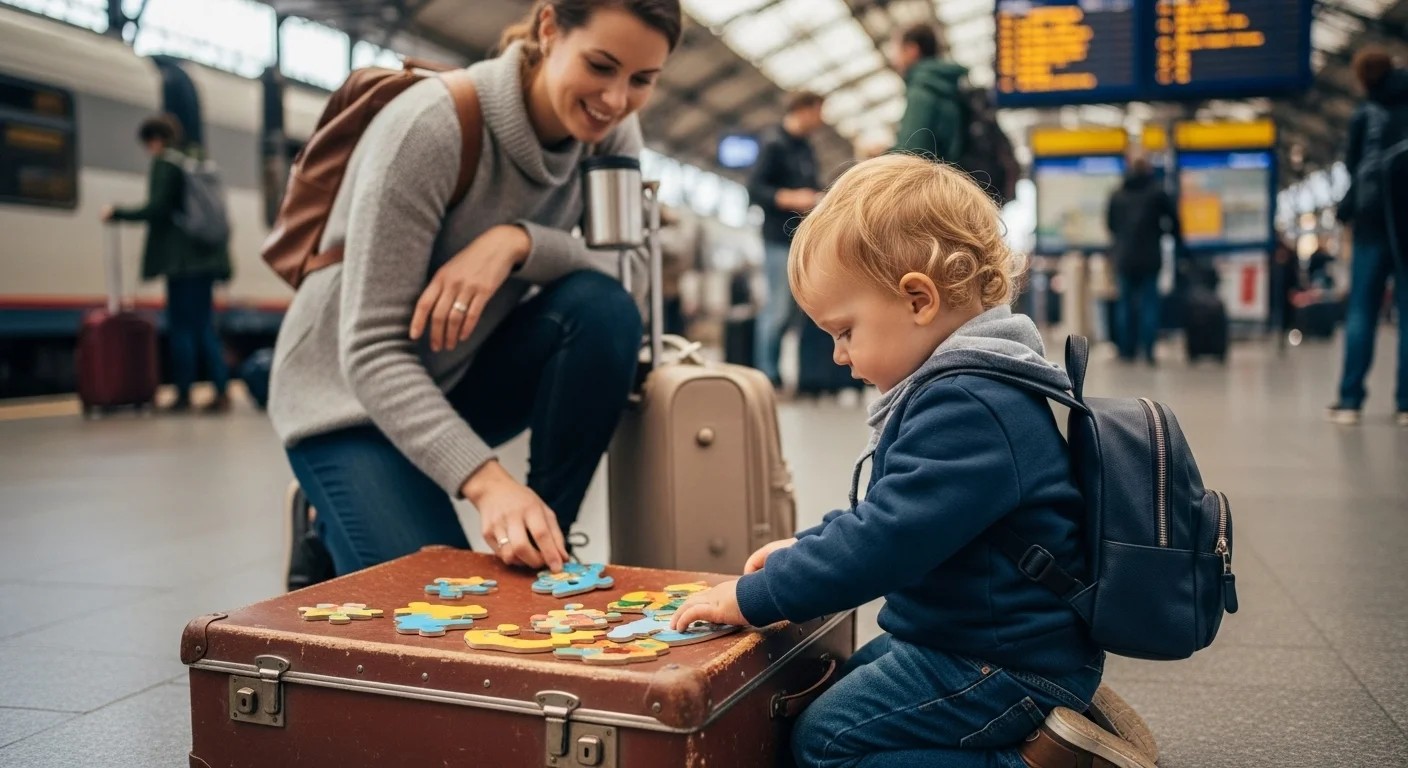
Understanding Problem-Solving Skills in Toddlers
What Are Problem-Solving Skills?
When I think about problem-solving skills in toddlers, I picture those moments when my child is faced with a challenge—whether it’s trying to fit a square block into a round hole or figuring out how to climb onto a high ledge at the playground. Problem-solving skills are the abilities we use to navigate obstacles, make decisions, and find solutions. For toddlers, these skills are still developing, but they play a crucial role in their everyday experiences. Problem-solving includes critical thinking, creativity, and the ability to analyze situations. I’ve noticed that when my child engages in activities that require these skills, they not only learn but also gain confidence in their abilities.
Importance of Problem-Solving in Early Childhood Development
From my experience, problem-solving is essential for toddlers as it lays the foundation for their future learning. These skills help children to think independently, explore their environment, and understand cause and effect. When my child encounters a problem—like getting a toy stuck under the couch—they learn to assess the situation and come up with strategies to resolve it. This kind of active thinking is critical during early childhood development. Studies show that children who develop strong problem-solving skills are better equipped to handle challenges later in life, whether in school or social situations. I believe that fostering these skills early on can lead to more resilient and adaptable individuals.
The Role of Travel in Learning
How Travel Exposes Toddlers to New Environments
Traveling opens up a world of experiences for toddlers that they might not encounter at home. I remember our first family trip to the beach; my child was fascinated by the sand, waves, and even the seagulls. Each new environment presents unique challenges and situations. For instance, navigating through an airport can be a mini-adventure where my toddler has to figure out how to walk through security, identify our gate, and even manage waiting times. These experiences encourage them to think on their feet and develop new strategies. I’ve seen firsthand how the unfamiliarity of a new place prompts my child to explore and interact in ways they wouldn’t at home.
Cultural Diversity and Its Impact on Cognitive Skills
Traveling exposes my child to diverse cultures, languages, and customs, broadening their worldview. When we visited a local market in another country, my child was intrigued by the colorful fruits and the different ways people interacted. This exposure not only enhances their cognitive skills but also encourages them to adapt their thinking. They learn to appreciate differences and find creative solutions in unfamiliar situations. I’ve noticed that my child becomes more adaptable and open-minded after such experiences, and it sparks their curiosity about the world around them. Read Interesting article: Exploring the World: Language Acquisition Strategies for Toddlers
Travel as a Hands-On Learning Experience
I believe that travel is one of the best hands-on learning experiences we can provide our toddlers. Instead of learning from a textbook, they interact with real-life scenarios. For instance, visiting a farm allowed my child to learn about animals and the environment while seeing everything up close. They faced various challenges, like figuring out how to feed the animals or understanding the layout of the land. Each of these moments promotes critical thinking and problem-solving as they discover new concepts firsthand. I often encourage my child to ask questions during our travels, which leads to even deeper understanding and engagement.
Key Benefits of Travel for Problem-Solving Skills
Enhancing Critical Thinking Through Exploration
Exploration is at the heart of travel, and it’s a fantastic way for toddlers to enhance their critical thinking skills. Whether we’re hiking through a national park or wandering through a bustling city, my child is constantly assessing their environment and making decisions—like choosing which path to take or deciding what to observe closely. This active engagement helps them develop a mindset that embraces inquiry and discovery. I recommend taking the time to let your toddler explore freely, allowing them to lead the way sometimes. It’s amazing what they come up with when they’re given the freedom to think critically.
Adapting to New Situations and Challenges
Every trip presents new situations that require quick thinking and adaptability. I’ve watched my child navigate unexpected delays, weather changes, and even language barriers while traveling. Each of these instances requires them to think creatively and find solutions. For example, during one trip, a sudden rainstorm forced us to change our plans. Instead of being disappointed, my child learned to embrace the moment, finding joy in jumping through puddles and discovering new indoor activities. These experiences teach them resilience and flexibility—key components of effective problem-solving.
Improving Communication Skills in Diverse Settings
Traveling exposes toddlers to a variety of communication styles, helping them develop their own communication skills. When my family visited a different country, my child encountered people speaking different languages and using non-verbal cues. This exposure encouraged them to express themselves more clearly and confidently. I noticed my child starting to mimic phrases or gestures, which shows how adaptable they can be in learning to communicate in diverse settings. These interactions foster their ability to convey thoughts and feelings effectively, a vital aspect of solving problems collaboratively. Read Interesting article: Traveling Smart: Enhance Your Toddler’s Language Development
Promoting Independence and Confidence in Decision-Making
One of the greatest rewards of traveling with my toddler has been watching them grow in independence. I’ve found that allowing them to make small decisions, like choosing a snack during a trip or deciding what to wear for an outing, boosts their confidence. Each choice they make reinforces their belief in their ability to solve problems on their own. I recall a moment when my child needed to figure out how to order food in a restaurant. With a little guidance, they stepped up to the challenge and felt proud of themselves afterward. Promoting this level of independence is essential for nurturing their problem-solving skills.
Activities to Foster Problem-Solving During Travel
Interactive Games and Puzzles While Traveling
During our travels, I’ve discovered that interactive games and puzzles can be fantastic tools for fostering problem-solving skills in toddlers. Whether we’re waiting at an airport or relaxing in a hotel room, I always pack a few travel-friendly games. Simple puzzles or matching games can keep my child engaged while also encouraging them to think critically. For example, I might bring along a small jigsaw puzzle that relates to our destination, like a map of the city we’re visiting. This not only entertains them but also gives them a sense of ownership and connection to where we are. I’ve noticed that these activities help to hone their ability to focus and strategize, as they work out how to fit pieces together or complete tasks. It’s fun to watch their little minds at work!
Encouraging Exploration and Curiosity
One of the most rewarding aspects of traveling with toddlers is seeing their curiosity come alive. I’ve learned to embrace spontaneous moments where we can explore the surroundings. When we visit a new place, I try to provide opportunities for my child to discover things at their own pace. For instance, if we’re in a park, I allow them to wander and investigate the different plants or insects. I often ask open-ended questions like, “What do you think this flower is called?” or “How do you think that bug moves?” This encourages them to think deeply and explore their environment actively. I believe that curiosity is a powerful driver for learning, and fostering it during our travels can lead to significant growth in their problem-solving abilities.
Involving Toddlers in Planning the Trip
Involving my toddler in planning our trips has been one of the most enriching experiences for both of us. I remember the first time I let my child help choose our travel destination. We sat together, looked at pictures, and discussed places that sounded fun. This simple act of inclusion sparked a sense of excitement in my child and made them feel important. I also let them pick some activities from a list of kid-friendly options at our destination. This not only made the trip more enjoyable for them but also allowed them to practice decision-making. I noticed that when children feel included in the planning process, they become more invested in the experience, actively engaging with new situations as they arise.
Travel Destinations That Enhance Learning
National Parks: Engaging with Nature
National parks have become our go-to destinations for family trips. There’s something about being surrounded by nature that captivates my toddler’s imagination. I love how the vast landscapes and diverse wildlife provide endless learning opportunities. For example, on one of our trips to a national park, my child had the chance to spot different types of birds and even learn about their habitats. We took nature walks, where I encouraged them to observe their surroundings closely and ask questions. This active engagement in nature not only enhances their observational skills but also helps them develop an appreciation for the environment. I believe that being in nature encourages children to think critically about the world around them.
Cultural Cities: Learning Through History
Visiting cultural cities has always been a highlight for our family. Exploring places rich in history allows my child to connect stories from the past with the present. One time, while visiting a historic city, we stumbled upon a museum that had interactive exhibits tailored for young children. I watched my child light up as they engaged with the displays and learned about the city’s past. These experiences make history come alive and encourage my child to think about how events shape our world today. I find that fostering this connection between history and their own lives enhances their ability to solve problems and understand complex concepts.
Interactive Museums: Hands-On Learning Opportunities
We often seek out interactive museums during our travels because they are a treasure trove of hands-on learning opportunities. I remember visiting a science center where my child could touch, play, and experiment with various exhibits. They were able to engage in problem-solving activities, like building structures with blocks or experimenting with simple machines. These experiences not only make learning fun but also challenge them to think critically and creatively. I’ve seen how they become more engaged when they can experiment and see the results of their actions. Museums like these encourage curiosity and reinforce the idea that learning can happen anywhere.
Safety and Comfort Considerations While Traveling with Toddlers
Choosing Family-Friendly Accommodations
When I plan trips, one of the first things I consider is where we’ll be staying. Family-friendly accommodations can make all the difference in ensuring a smoother and more enjoyable experience for both my toddler and myself. I’ve learned the hard way that not all hotels or rentals are created equal. We once stayed in a place that wasn’t child-proofed, which led to a stressful situation with my curious little one trying to explore every nook and cranny. Now, I always look for accommodations that offer amenities like cribs, play areas, and even kitchenettes. These make it easier for us to settle in and feel at home. Plus, having a designated space for my child to play and unwind after a day of exploring keeps their spirits high! I recommend reading reviews from other families to find spots that have worked well for them.
Traveling Essentials for Toddlers
Packing for a trip with a toddler can feel overwhelming, but I’ve found that having the right essentials can make all the difference. I always include a small travel bag filled with items that keep my child entertained and comfortable. This bag usually contains favorite toys, a blanket, snacks, and a few books. I’ve learned that familiar items can provide comfort when we’re in a new environment, easing any anxiety my child may feel. Snacks are a lifesaver, too! I try to have a variety of healthy options on hand to keep their energy up without the sugar crash. I also pack an emergency kit with first aid supplies and any necessary medications. Being prepared gives me peace of mind and allows us to focus on enjoying our time together.
Maintaining Routine and Comfort During Travel
I’ve noticed that sticking to a routine, as much as possible, really helps my toddler during our travels. While it’s tempting to throw our schedule out the window when we’re on vacation, I find that keeping some familiar elements—like nap times and bedtime routines—helps my child feel secure. For example, I try to keep the same bedtime routine, which includes reading a story and cuddling, even if we’re in a hotel room. This consistency not only provides comfort but also helps them adjust to the new environment more easily. I also pay attention to their moods and energy levels, allowing for breaks when needed. I’ve found that a little downtime can go a long way in preventing meltdowns and ensuring that we all have a great time!
Parenting Tips for Maximizing Travel Benefits
Encouraging Open-Ended Questions
One of the most enriching aspects of traveling with my toddler has been the opportunity to ask open-ended questions. I’ve learned that these types of questions encourage deeper thinking and exploration. Instead of just asking, “Did you like the zoo?” I might ask, “What was your favorite animal, and why?” This not only sparks a conversation but also encourages my child to express their thoughts and feelings. I’ve seen how this helps them articulate their experiences and reflect on what they’ve learned. It’s fascinating to hear their little minds at work as they connect new ideas and observations!
Using Travel as a Teaching Moment
Traveling is an incredible opportunity for teaching valuable lessons outside the confines of a classroom. I believe that every experience can become a teaching moment. For instance, during a trip to the beach, I took the time to explain the importance of tides and how they work. We built sandcastles and talked about the materials we were using, discussing how different sands felt and behaved. I’ve found that when I tie learning to a hands-on experience, my toddler is much more engaged. This way, they’re not just absorbing facts; they’re making real-world connections that will stick with them long after the trip is over.
Documenting the Journey: Travel Journals and Scrapbooks
One of my favorite ways to preserve our travel memories and foster my child’s problem-solving skills is through documenting our adventures in a travel journal or scrapbook. I encourage my toddler to draw pictures or write about our experiences. We often collect small souvenirs like ticket stubs or postcards, which we can include in our scrapbook. I’ve noticed that this practice helps my child recall the details of our trips and think critically about what they enjoyed most. It’s a fun way to engage their creativity and reflection skills, and it gives us something tangible to look back on together. Plus, it becomes a cherished keepsake that we can revisit as they grow up!
Frequently Asked Questions
What are problem-solving skills in toddlers?
Problem-solving skills in toddlers are the abilities they use to navigate obstacles, make decisions, and find solutions. These skills include critical thinking, creativity, and the ability to analyze situations, which are crucial for their everyday experiences.
Why are problem-solving skills important in early childhood development?
Problem-solving skills lay the foundation for future learning by helping children think independently, explore their environment, and understand cause and effect. They prepare children to handle challenges later in life, such as in school or social situations.
How does travel enhance problem-solving skills in toddlers?
Travel exposes toddlers to new environments, cultural diversity, and hands-on learning experiences, all of which encourage them to think critically, adapt to new situations, and develop their problem-solving abilities through real-life challenges.
What types of activities can foster problem-solving skills during travel?
Activities that foster problem-solving skills include interactive games and puzzles, encouraging exploration and curiosity, and involving toddlers in planning the trip. These activities promote critical thinking and decision-making skills.
What are some recommended travel destinations for enhancing learning in toddlers?
National parks, cultural cities, and interactive museums are excellent travel destinations that provide hands-on learning opportunities and engage toddlers with nature, history, and science.
How can parents choose family-friendly accommodations?
Parents should look for accommodations that are child-proofed and offer amenities such as cribs, play areas, and kitchenettes. Reading reviews from other families can help identify suitable places for a smoother travel experience.
What essentials should parents pack when traveling with toddlers?
Parents should pack a travel bag with favorite toys, snacks, books, and a blanket to keep their toddler entertained and comfortable. An emergency kit with first aid supplies and necessary medications is also recommended for peace of mind.
How can maintaining routine help toddlers during travel?
Sticking to a routine, such as keeping familiar nap times and bedtime rituals, helps toddlers feel secure and adjust to new environments more easily. This consistency can prevent meltdowns and enhance the overall travel experience.
What is the benefit of asking open-ended questions during travel?
Asking open-ended questions encourages deeper thinking and exploration, allowing toddlers to express their thoughts and feelings. It helps them articulate their experiences and reflect on what they’ve learned during their travels.
How can documenting travel experiences benefit toddlers?
Documenting travel experiences through journals or scrapbooks helps toddlers recall trip details and think critically about their experiences. It engages their creativity and reflection skills, providing lasting memories they can revisit as they grow.
Traveling with a baby can be a joyful adventure, offering unique opportunities for social development. In this guide, we’ll explore how travel enhances your little one’s social skills and what you need to know to make the most of it. Read Interesting article: How Backpacking Enhances Your Baby’s Emotional Skills
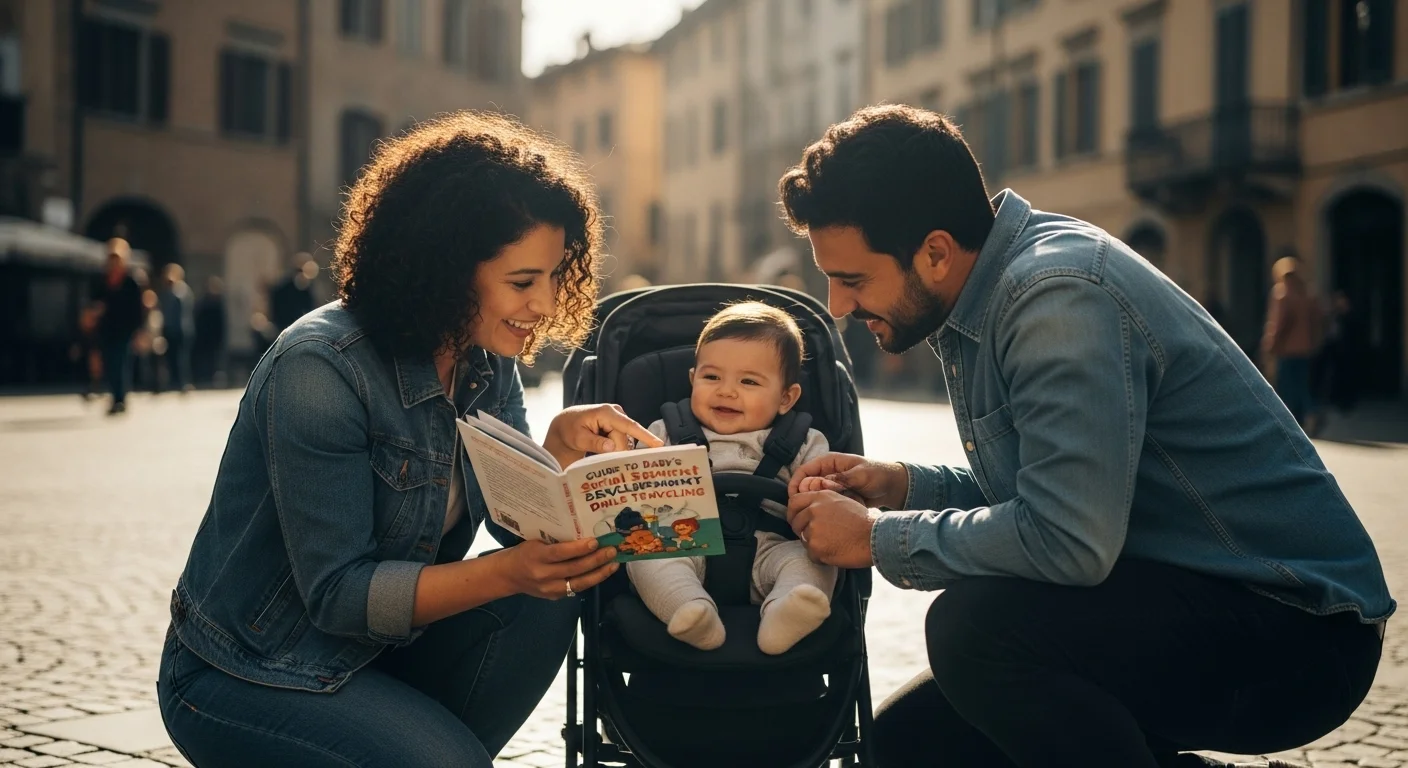
Understanding Baby’s Social Development
Key Stages of Social Development in Infants
As a parent, I’ve always been fascinated by how quickly babies grow and change. Social development begins even before birth, but it truly takes off in the first couple of years. At around two months, babies start to smile socially, and by six months, they begin to recognize familiar faces. I remember the first time my baby smiled at me—it lit up my entire day. By the time they reach their first birthday, they’re more engaged with the world around them, showing interest in other children, even if it’s just observing them from a distance.
As babies grow, they move through several key stages of social development. Between ages 1 and 2, they start to engage in parallel play, where they play alongside other kids without directly interacting with them. It was during this phase that I noticed my child watching other toddlers play with blocks, and eventually, they began to mimic their actions. By age 3, they try to engage in cooperative play, sharing toys and ideas. Witnessing this evolution is both a joy and a learning experience for us as parents.
The Role of Environment in Social Growth
The environment plays a significant role in a baby’s social development. I’ve realized that the more diverse the surroundings, the greater the opportunities for social interaction. When we traveled to different cities, my baby encountered various cultures, languages, and people. Each new environment provided a fresh canvas for growth. I noticed that babies are naturally curious, absorbing everything around them. Exposure to different social settings can help enhance their social skills, as they learn to adapt to new situations and interact with a variety of people. Read Interesting article: Essential Social Milestones for Your Baby’s First Trips
Traveling also allows babies to develop a sense of empathy and understanding. For instance, during our travels, we encountered children from different backgrounds, each with their own unique ways of playing and communicating. I saw how my baby responded to their cues, learning to smile back or wave hello. It’s fascinating how babies pick up on social cues, even without words. The more varied the experiences, the richer their social development becomes.
Benefits of Traveling for Baby’s Social Skills
Exposure to New Environments
Traveling exposes babies to new sights, sounds, and experiences that stimulate their senses. I remember taking my baby to the beach for the first time. The sound of the waves, the feel of the sand, and the sight of seagulls flying overhead were all new phenomena that sparked my baby’s curiosity. These experiences are vital for developing social skills, as babies learn to process their surroundings and respond to them.
Each destination has its unique rhythm and culture, which can provide a wealth of interactions. Whether it’s a bustling city street or a tranquil park, every environment offers opportunities for babies to observe and engage with the world around them. I’ve found that even a simple trip to a new park can ignite a sense of wonder in my child, encouraging them to explore and interact.
Meeting New People and Cultures
One of the most rewarding aspects of traveling with a baby is the opportunity to meet new people and experience different cultures. I remember visiting a local festival where families gathered to celebrate. My baby was surrounded by smiling faces and laughter, and I could see how this vibrant atmosphere intrigued them. Meeting people from various backgrounds helps babies learn about diversity and inclusivity from an early age.
Interacting with locals can also be a great way to expose your baby to new languages and customs. I’ve noticed how my child’s eyes lit up when a local shopkeeper greeted them in a different language. This exposure can lay the groundwork for language development and cultural appreciation throughout their life. Read Interesting article: Travel Tips: Supporting Your Baby’s Emotional Growth
Enhancing Family Bonds Through Travel
Traveling is not just beneficial for babies; it strengthens family bonds too. I’ve found that when we travel together, it creates shared experiences that bring us closer. From navigating a new city to trying out local foods, these moments become cherished memories. For babies, seeing their parents engage and enjoy new experiences can foster a sense of security and attachment.
Family trips also encourage us to work together as a unit, teaching our babies about teamwork and cooperation. Whether it’s packing a suitcase or deciding on a fun activity, every step of the journey contributes to their social learning. I’ve learned that even the little things—like sharing a meal in a new place—can have a lasting impact on our baby’s understanding of relationships and connection.
Planning Your Travels with a Baby
Choosing Baby-Friendly Destinations
When it comes to traveling with a baby, choosing the right destination is crucial. I remember the first time we planned a trip with our little one; we wanted to go somewhere that was not only fun for us but also accommodating for our baby. There are so many factors to consider, like accessibility, amenities, and overall safety. I found that destinations with family-friendly activities can really enhance the experience for everyone involved.
For example, beach resorts often have facilities designed for families, such as shallow pools and kid-friendly menus. I noticed that places with ample green spaces, like parks and playgrounds, allowed my baby to explore safely while I relaxed nearby. Urban areas can also be suitable if they have good public transport, stroller-friendly sidewalks, and plenty of cafés where we could take a break. I think it’s all about finding a balance between what excites us as parents and what is comfortable for our little ones.
Best Modes of Transportation for Traveling with Infants
Choosing the right mode of transportation can make a world of difference when traveling with a baby. I’ve tried various options, and each has its pros and cons. Flying can be quick and efficient, but I always felt a little anxious about the airport security and the long waits. However, I found that the key is to arrive early and be prepared with plenty of snacks and activities to keep my baby entertained during the flight.
Road trips have become one of our favorite ways to travel. There’s something freeing about loading up the car with everything we might need and hitting the open road. We could stop whenever we wanted, which made it easier to accommodate our baby’s schedule. I remember one trip where we took the scenic route and discovered charming towns along the way. Those spontaneous moments turned out to be some of the best memories we created as a family.
Considerations for Accommodation
Finding the right place to stay can significantly impact our travel experience. I always look for accommodations that offer baby-friendly amenities. Many hotels now provide cribs, high chairs, and even babysitting services. I’ve also enjoyed staying at vacation rentals, where we had more space and the ability to cook some of our meals. It made our stay feel more like home, which I think is essential for our baby’s comfort.
Additionally, I’ve learned to check for things like laundry facilities, as having clean clothes can make a big difference on a longer trip. We also preferred places that were located close to parks or attractions, which allowed for easy outings without the stress of long commutes. Being strategic about where we stayed took a lot of pressure off our travels and gave us more time to enjoy each destination.
Social Activities to Encourage Development While Traveling
Playdates and Interactions with Other Children
While traveling, I’ve found that setting up playdates or simply allowing my baby to interact with other children can be incredibly beneficial. Meeting other families at parks or playgrounds created opportunities for my baby to observe and engage with peers. I remember one particular afternoon at a playground where my child was drawn to a group of toddlers playing with a ball. Just watching them kick it back and forth sparked my baby’s interest in joining in, even if it was just to roll the ball a little.
These interactions are so valuable because they help babies learn about sharing and taking turns. I think it’s important to create those moments whenever possible. Whether we planned a specific playdate with other traveling families or just stumbled upon other kids at a park, these encounters always enriched our experience.
Engaging with Local Communities
Engaging with the local community has always been a highlight of our travels. I remember visiting a small town where we were invited to join a local gathering. It was such a warm and welcoming experience, and my baby could feel the energy of the people around us. I saw how they responded to the laughter and music, which made me realize how important it is for babies to feel that sense of community.
Participating in local festivals, markets, or events gave us a chance to expose our baby to different traditions and ways of life. I think this kind of interaction fosters a sense of belonging and helps our little ones understand the world in a broader context.
Participating in Family-Friendly Events
Family-friendly events can be a fantastic way to ensure everyone has a great time. I’ve found that many cities offer activities specifically designed for families, from puppet shows to outdoor movie nights. Attending these events has been a delightful way to bond as a family while providing my baby with new experiences. I remember one outdoor concert where everyone was dancing, and my baby couldn’t help but join in, clapping and giggling along with the rhythm.
These activities not only entertain but also help babies develop their social skills as they observe and interact with other families. I believe that the more actively we engage as a family in these events, the better equipped our babies become to navigate social situations in the future.
Tips for Supporting Baby’s Social Development on the Road
Creating a Routine While Traveling
One of the things I learned while traveling with my baby is the importance of maintaining some semblance of routine. Babies thrive on predictability, and I found that having a loose schedule helped keep my little one calm and comfortable amidst the excitement of new places. For instance, I tried to stick to our usual feeding and napping times, even if we were in a different country or city. This approach not only helped my baby feel secure but also allowed us to plan our day around activities that were enjoyable for everyone.
While it’s tempting to fill our schedule with sightseeing and adventures, I realized that incorporating downtime was crucial. We’d often find a quiet café or a park where my baby could nap or play for a while. This balance made our travels more enjoyable and provided my baby with opportunities to recharge, making it easier for them to engage socially when we resumed our explorations.
Using Toys and Activities to Foster Interaction
Bringing along a few favorite toys can be a game-changer when it comes to social development on the road. I remember packing a small bag of toys that encouraged interaction, like soft blocks or colorful stacking rings. These toys not only entertained my baby but also served as conversation starters with other children we met along the way. I noticed how my child’s interest in sharing toys led to delightful interactions, whether it was offering a block to another toddler or playing peek-a-boo with a new friend.
We also discovered the magic of travel-friendly activities, like books with bright pictures or simple games that could be played with minimal setup. I think it’s essential to have options that can engage my baby, especially during long waits or downtime. I’ve found that these little moments of play can lead to spontaneous interactions with others, creating lasting memories for both me and my child.
Encouraging Communication and Expression
Traveling provides a wonderful backdrop for fostering communication skills in babies. I’ve always made an effort to talk to my baby about what we were seeing and doing, describing new sights, sounds, and experiences. I remember pointing out a street performer playing music and describing the colorful dancers. I could see my baby’s eyes widen with curiosity, and it reminded me just how important it is to engage with them verbally.
Encouraging my baby to express themselves was another vital aspect of our travels. Whether it was smiling at new faces or making silly sounds in response to laughter, I learned to celebrate these little moments of communication. I often clapped and cheered for my baby’s attempts to engage, reinforcing the idea that expressing emotions is a beautiful part of social interaction. By acknowledging their efforts, I believe I helped build their confidence in communicating with others, making them more open to social encounters.
Challenges to Consider When Traveling with a Baby
Managing Stress and Overstimulation
Traveling can sometimes feel overwhelming for both babies and parents. I remember a trip where we packed our itinerary with too many activities, thinking it would be fun. However, I quickly noticed that my baby became fussy and overstimulated. This experience taught me that it’s essential to consider sensory overload when traveling with a little one.
To manage stress, I started prioritizing quieter, less stimulating activities. Visiting a peaceful park or a quiet café allowed my baby to relax and recharge. I also learned to read their cues—if my baby seemed tired or irritable, we would take a break rather than push through. I think the key is to find a balance between experiencing new things and allowing for moments of calm, ensuring that both my baby and I enjoy our travels.
Dealing with Different Time Zones
Traveling across time zones can be challenging, especially with a baby. I remember our first trip to a different time zone; it felt like we were in a constant battle to adjust our schedules. I realized that it’s important to give our baby time to adapt. I started adjusting our sleep schedule a few days before our departure, aiming to gradually shift their bedtime closer to the new time zone.
Once we arrived, I focused on keeping our baby exposed to natural light during the day while avoiding bright screens at night. I’ve learned that sticking to a routine, even a flexible one, can help ease the transition. Though it might take a few days for everyone to adjust, I found that patience and consistency were essential in helping my baby settle into the new time zone.
Health and Safety Precautions
When traveling with a baby, health and safety should always be a top priority. I remember doing thorough research about vaccinations and health precautions for our travel destinations. There were times when I packed a mini first aid kit with essentials like band-aids, a thermometer, and any medications my baby might need. It gave me peace of mind to know that I was prepared for minor mishaps.
Additionally, I made sure to consider food safety, especially when introducing new foods to my baby. I always opted for familiar meals when possible or chose restaurants that seemed child-friendly and hygienic. I’ve learned that being cautious about what my baby eats can help prevent tummy troubles, allowing us to enjoy our travels without unnecessary stress.
Frequently Asked Questions
What are the key stages of social development in infants?
Social development in infants begins even before birth but takes off in the first couple of years. Around two months, babies smile socially; by six months, they recognize familiar faces. Between ages 1 and 2, they engage in parallel play, and by age 3, they start to engage in cooperative play, sharing toys and ideas.
How does the environment affect a baby’s social growth?
The environment plays a significant role in a baby’s social development. Diverse surroundings provide greater opportunities for social interaction, helping babies learn to adapt to new situations and interact with various people.
What are the benefits of traveling for a baby’s social skills?
Traveling exposes babies to new environments, sights, sounds, and experiences that stimulate their senses. It allows them to meet new people and learn about different cultures, enhancing their understanding of diversity and inclusivity.
How can traveling enhance family bonds?
Traveling creates shared experiences that bring families closer together. It fosters teamwork and cooperation, teaching babies about relationships and connection through shared activities and moments.
What should parents consider when choosing baby-friendly destinations?
Parents should look for destinations that are accessible, safe, and have family-friendly activities. Amenities like shallow pools, kid-friendly menus, and nearby parks can enhance the experience for families traveling with babies.
What are the best modes of transportation for traveling with infants?
Each mode of transportation has pros and cons. Flying can be quick but may involve long waits, while road trips offer flexibility and the chance to stop as needed. Parents should choose what works best for their baby’s schedule and comfort.
What types of accommodations are ideal for families traveling with babies?
Accommodations that offer baby-friendly amenities, such as cribs and high chairs, are ideal. Vacation rentals can provide more space and a home-like environment, which is essential for a baby’s comfort during travel.
How can parents encourage social interactions for their baby while traveling?
Parents can set up playdates, allow their baby to interact with other children, and engage with local communities. Participating in family-friendly events also provides opportunities for babies to observe and engage socially.
What tips can help maintain a routine while traveling with a baby?
Maintaining a loose schedule can help keep a baby calm and comfortable. Parents should try to stick to usual feeding and napping times, while also incorporating downtime in their itinerary to allow for relaxation and recharge.
What health and safety precautions should be taken when traveling with a baby?
Health and safety should be a top priority. Parents should research vaccinations, pack a mini first aid kit, and be cautious about food safety when introducing new foods to their baby during travel.
Every parent wants their toddler to thrive, and exploring the world of social development is a vital step in that journey. Understanding how to nurture these skills can greatly impact their growth and happiness. Read Interesting article: Top Budget Travel Tips to Enhance Toddler Social Interaction
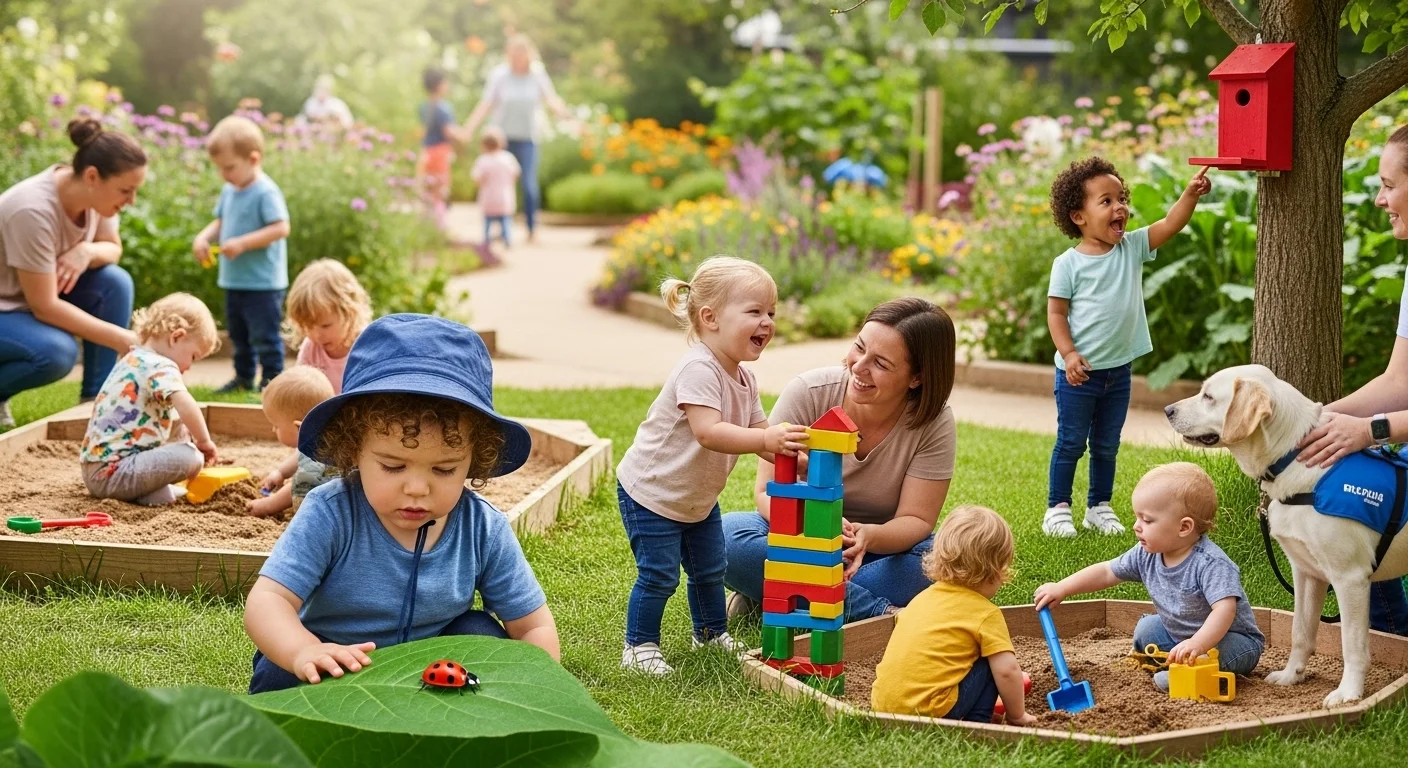
Understanding Social Development in Toddlers
What is Social Development?
Social development in toddlers refers to how they learn to interact with others and navigate social situations. It’s about forming relationships, understanding emotions, and developing the ability to communicate effectively. When I think back to my own toddler’s early years, I remember how fascinating it was to watch them start to engage with peers, expressing themselves and responding to others in ways that showed their growing understanding of the world around them.
At this stage, toddlers are typically influenced by their immediate environment, which includes family, caregivers, and early childhood educators. I’ve noticed that the interactions they have during playtime and daily routines provide them with opportunities to learn essential social cues. They begin to grasp concepts like taking turns, sharing, and even resolving conflicts. These early experiences shape their social skills for life.
Importance of Social Skills in Early Childhood
Social skills are crucial for toddlers as they form the foundation for future relationships and emotional well-being. I believe that when my children engaged with others, they were not just making friends but also learning to navigate their feelings and the feelings of those around them. This ability to interact positively with others is vital for their development and can greatly influence their success in school and later in life.
Through social interactions, toddlers learn empathy, gain confidence, and develop a sense of belonging. I’ve seen how these skills empower kids to express their thoughts and feelings, which leads to stronger relationships with family, friends, and eventually teachers. The importance of social skills cannot be overstated; they are as essential as cognitive skills in preparing our little ones for the challenges of life.
Milestones of Social Development in Toddlers
As our children grow, they hit various milestones that indicate their social development is on the right track. I’ve kept a close eye on these milestones with my own kids, and here are some key ones to look out for:
- Ages 1-2: At this stage, toddlers start to show preferences for certain people and may experience separation anxiety. They often engage in parallel play, where they play alongside other children but not directly with them.
- Ages 2-3: This is when they begin to understand the concept of sharing and taking turns. They might start to engage in more interactive play, showing excitement when playing with others.
- Ages 3-4: Toddlers at this age often begin to develop friendships and show more cooperative play. They can express their feelings verbally and start to understand the feelings of others.
- Ages 4-5: They become more adept at managing their emotions and can engage in more complex play scenarios, often taking on roles in imaginative play. They start to understand rules and the importance of cooperation.
For me, observing these milestones has been a wonderful mix of joy and nostalgia. I remember moments when my child would share a toy for the first time or comfort a friend who was upset. These small victories in social development create a sense of pride and highlight how quickly they are growing.
Encouraging these milestones is essential. I found that engaging in activities that promote social skills, like group play or storytime, can significantly enhance their ability to connect with others. It’s amazing how these experiences set the stage for a lifetime of healthy relationships. Read Interesting article: Backpacking with Toddlers: Boosting Social Skills on the Road
In my journey as a parent, I’ve learned that understanding social development in toddlers is more than just keeping track of milestones—it’s about nurturing their ability to interact with the world. By fostering environments that encourage social skills, we help our children become confident, empathetic individuals ready to explore the world around them.
Key Concepts in Toddler Social Development
Emotional Intelligence
Emotional intelligence is such a crucial aspect of social development. I remember when my toddler first began to identify their own emotions, often expressing happiness or frustration in a way that was so raw and real. It was a beautiful reminder of how important it is for them to recognize not just their feelings, but also the feelings of others. I believe that fostering emotional intelligence helps kids navigate their social world more effectively.
Through simple conversations and playful activities, we can help our little ones learn to label their emotions. For instance, I often pointed out when they seemed upset or joyful, using phrases like, “I see you’re feeling sad because you dropped your toy.” This practice helped them understand that emotions are a normal part of life, and it gave them the vocabulary to express themselves. I’ve seen how developing this skill early on enables them to handle social situations with greater ease and confidence.
Empathy and Sharing
Empathy is one of those foundational skills that I think every parent hopes to nurture in their child. I remember a moment when my youngest saw a friend crying and instinctively went over to offer a hug. It melted my heart and highlighted how naturally empathetic toddlers can be if we encourage those feelings. I realized that by modeling empathy, we can teach them to understand and share the feelings of others.
Sharing, too, is a significant part of social development. I had my share of struggles with teaching my kids to share their toys. But I found that leading by example, showing them how I share with friends and family, helped them understand the joy of giving and taking turns. Watching them learn to share their toys or snacks brought a sense of pride, knowing they were developing those essential social skills.
Communication Skills
Communication is another vital piece of the puzzle. I think back to the countless hours I spent reading books with my toddlers, pointing at pictures, and asking questions. These moments were not just about storytelling; they were building blocks for their communication skills. I noticed that as they learned new words and phrases, their ability to express their needs and feelings improved significantly.
Encouraging open dialogue is something I found incredibly beneficial. I would often ask my kids about their day, encouraging them to share their experiences and feelings. It was heartwarming to see them open up, and I believe it helped them feel heard and valued. I’ve come to understand that strong communication skills lay a foundation for healthy relationships as they grow older.
Play and Social Interaction
Play is undoubtedly one of the best ways for toddlers to develop social skills. I’ve always loved watching my little ones engage in play, whether it was with me or other kids. It’s during these moments that they learn to cooperate, negotiate, and even resolve conflicts. I remember a time when my children were building a block tower together. They had to work out who would place the next block and how to make it stable. It was fascinating to see their problem-solving skills emerge as they navigated this interaction.
In my experience, different types of play can encourage various social skills. For instance, cooperative games can teach teamwork, while imaginative play can help them practice empathy and understanding. I discovered that scheduling regular playdates not only supported their social interactions but also allowed them to practice the skills they were learning in a fun and engaging way.
Activities to Promote Social Development
Group Play Activities
Group play is one of the best ways to enhance social development. I’ve always made it a point to arrange playdates or group activities for my kids. These experiences are not only fun but also provide opportunities to learn essential social skills like sharing, cooperation, and conflict resolution. When I see my children working together to build a fort or playing a game, I can see the social skills they are picking up in real-time.
Storytime and Reading Together
Reading together has always been a favorite activity of mine to promote social development. It’s not just about the stories; it’s about discussing the characters’ emotions and actions. When I read to my kids, I often pause to ask how they think the character feels or what they would do in that situation. This practice helps develop their empathy and communication skills, making them more attuned to the emotions of others.
Role-Playing and Imaginative Play
Role-playing has been another fantastic tool for encouraging social skills. I remember setting up scenarios where my kids could act out different roles, like being a doctor or a teacher. These activities not only spark their creativity but also help them understand different perspectives. I’ve seen them learn how to negotiate and empathize with others through these imaginative experiences, which is truly rewarding.
Music and Movement Activities
Integrating music and movement into our routines has also proven to be a great way to enhance social development. Singing songs together, dancing, or even just moving to the rhythm helps them connect physically and emotionally. I’ve noticed that during these activities, my kids become more engaged with each other, fostering a sense of community and joy. It’s amazing how something as simple as music can strengthen their social bonds. Read Interesting article: Top Backpacking Adventures to Enhance Toddler Memory Skills
Creating a Supportive Environment
Choosing the Right Playdates
When it comes to fostering social development, one of the best things I did for my children was to carefully choose their playdates. I learned that not every child is the same, and some friendships can bring out the best in my kids while others might not. I remember organizing playdates with children who shared similar interests, which made the interactions smoother and more enjoyable for everyone involved. These moments allowed my kids to build confidence in their social skills as they connected over shared activities.
One of my experiences was when I arranged a playdate with a neighbor’s child who loved building blocks, just like my daughter. They spent hours creating elaborate structures, and I could see how their partnership encouraged teamwork and communication. It wasn’t just about having fun; it was a chance for them to learn from each other. I think it’s essential to observe how my kids interact with others and find friends who complement their personalities and social styles.
Setting Up a Safe Play Area
Creating a welcoming and safe play area has been another key factor in promoting social development. I remember when I set up a designated space in our home for playdates. It was filled with toys, games, and cushions, making it a cozy, inviting environment. This setup encouraged my kids to feel comfortable inviting friends over and exploring their social skills in a familiar setting.
Safety is also crucial. I’ve ensured that the play area is free from hazards, allowing my kids to express their creativity without constant interruptions. A safe environment fosters independence, which I’ve seen encourages them to explore social interactions more freely. Whether it’s building forts with pillows or playing pretend in a make-believe kitchen, knowing they are safe allows them to focus on enjoying the play experience.
Encouraging Positive Interactions
Encouraging positive interactions among toddlers can sometimes feel like a balancing act. From my experience, I’ve found that modeling appropriate behavior is one of the best strategies. I often take the time to show my kids how to greet others, share toys, or express feelings verbally. When I model these behaviors, I see my children mimic my actions, reinforcing their learning in real time.
For example, during playdates, I would gently encourage my kids to invite their friends into the game or share their favorite toys. I remember a time when my son was reluctant to share his race car. I suggested that he could show his friend how to play with it first and then take turns. Watching him navigate that situation made me realize how crucial it is to guide them through these moments instead of simply telling them what to do.
It’s also important to celebrate positive interactions. When my children show kindness or cooperation, I make a point to acknowledge their efforts. A simple, “I loved how you shared your toys with your friend today!” goes a long way in reinforcing their positive behavior and encouraging them to continue practicing these skills.
Resources for Parents
Books on Social Skills for Toddlers
As a parent, I’ve always valued reading as a resource for understanding social development. There are so many great books out there that focus on social skills for toddlers. One of my favorites is “The Family Book” by Todd Parr, which helps kids understand family diversity and encourages discussions about feelings and relationships. I feel that stories like these can be powerful tools for opening up dialogues with children about emotions and social interactions.
Another book I often recommend to other parents is “How Do Dinosaurs Play with Their Friends?” by Jane Yolen. It combines humor with valuable lessons about sharing and playing nicely. Reading these types of books not only entertains but also gives kids relatable scenarios to learn from in a fun way.
Online Communities and Support Groups
Connecting with other parents has been an invaluable resource for me. I’ve joined several online communities and support groups where parents share experiences, advice, and resources related to social development in toddlers. Platforms like Facebook and parenting forums have been great for finding support and learning from others who are navigating similar challenges.
Participating in these communities has also opened up discussions about local events or playgroups that focus on social skills. It’s comforting to know that I’m not alone in this journey and that there’s a wealth of knowledge and experience available from other parents.
Recommended Apps and Educational Tools
In today’s digital age, I’ve found that there are numerous apps and educational tools that can support social development in toddlers. One app that I particularly like is “Breathe, Think, Do with Sesame,” which teaches kids about problem-solving and emotional regulation through interactive stories and games. It’s a fun way for my children to engage with social skills while incorporating technology into their learning.
Another great resource is “Moose and Zee’s Playhouse,” which offers interactive experiences that encourage social interaction and cooperative play. I appreciate that these tools can be both entertaining and educational, providing my kids with opportunities to practice their social skills in a playful context.
Common Challenges in Social Development
Dealing with Shyness and Social Anxiety
Shyness and social anxiety are challenges that many toddlers face as they navigate the social world. I remember when my daughter first encountered a new group of kids; she clung to my leg, hesitant to join in. It broke my heart to see her struggle, but I learned that this is a common experience. I realized that understanding her feelings was crucial to helping her overcome those hesitations.
One approach that worked for us was slowly introducing her to new situations. I would start with smaller, familiar groups before gradually moving to larger gatherings. I also encouraged her to express her feelings, validating her emotions by saying things like, “It’s okay to feel shy. Let’s take a deep breath together.” Over time, these small steps helped her build confidence and feel more comfortable in social settings.
Addressing Aggressive Behavior
Aggressive behavior can be another hurdle in social development. I’ve faced moments where my child acted out, whether it was hitting or yelling when frustrated. It was a tough pill to swallow, but I had to remind myself that toddlers are still learning how to express their emotions. Instead of reacting with anger, I found it more effective to approach these situations calmly.
During a particularly challenging episode, I sat down with my child and discussed what had happened. I asked questions like, “What made you feel angry?” and “Is there a better way to tell your friend you want to play?” This approach allowed us to explore their feelings and brainstorm alternative responses together. I learned that teaching them to express their emotions verbally instead of through aggression was a vital part of their social education.
Understanding Developmental Delays
Sometimes, a child may face developmental delays that can impact their social interactions. I had a friend whose son struggled with social cues much more than his peers. It was hard for her to watch, but she approached the situation with love and support. She reached out for guidance and discovered that many resources were available to assist in such cases.
If you notice that your child is significantly behind in social skills compared to their peers, it’s essential to seek advice and support. I believe that early intervention can make a significant difference, and there are specialists who can offer tailored strategies to help your child catch up. It’s about finding the right tools and support to set them on the path to success.
When to Seek Professional Help
Signs of Social Development Issues
Recognizing when to seek professional help can be challenging for parents. I’ve learned to pay attention to signs that may indicate my child is struggling with social development. If your toddler consistently shows difficulty interacting with other children, displays extreme shyness, or reacts aggressively during play, it may be time to consult a professional. I’ve found that trusting my instincts and being observant of my child’s behaviors has been crucial in making these decisions.
Types of Specialists to Consult
If you feel that your child needs extra support, several professionals can help. Pediatricians, child psychologists, and speech-language therapists are all valuable resources. I had a great experience with a speech therapist who not only worked on communication skills but also helped my child understand social cues and interactions better. Each specialist brings unique tools and insights to the table, making it easier to find the right fit for your child’s needs.
Benefits of Early Intervention
Early intervention has been a game-changer for many families, including ours. I believe that the sooner we address social development challenges, the better the outcomes can be for our children. Working with professionals can equip both parents and children with effective strategies, fostering a supportive environment where social skills can flourish. I’ve seen firsthand how addressing these issues early can help set the stage for healthier relationships and a more confident approach to social interactions as they grow.
Final Thoughts
Reflecting on my journey as a parent, I realize that understanding and nurturing social development in toddlers is an ongoing adventure. It’s filled with ups and downs, and every child has their unique path to follow. I’ve learned that fostering social skills takes patience, love, and creativity. By engaging in activities that promote interaction, choosing the right environments, and seeking help when necessary, we can play a significant role in our children’s growth.
In the end, I believe our goal is not just to help our toddlers fit into social situations but to empower them to thrive in their relationships. As we nurture their emotional intelligence, empathy, and communication skills, we’re setting the foundation for a brighter future. Let’s embrace this journey together, celebrating each small victory along the way.
Frequently Asked Questions
What is social development in toddlers?
Social development in toddlers refers to how they learn to interact with others and navigate social situations, form relationships, understand emotions, and communicate effectively.
Why are social skills important for toddlers?
Social skills are crucial for toddlers as they form the foundation for future relationships and emotional well-being, helping them navigate their feelings and the feelings of those around them.
What are some milestones of social development in toddlers?
Key milestones include:
- Ages 1-2: Showing preferences for certain people and experiencing separation anxiety.
- Ages 2-3: Understanding sharing and taking turns, engaging in more interactive play.
- Ages 3-4: Developing friendships and expressing feelings verbally.
- Ages 4-5: Managing emotions better and engaging in complex play scenarios.
How can parents encourage social development in their toddlers?
Parents can encourage social development by engaging in group play activities, reading together, role-playing, and integrating music and movement into routines.
What role does emotional intelligence play in social development?
Emotional intelligence helps toddlers recognize their own feelings and the feelings of others, enabling them to navigate social situations more effectively.
What are some recommended activities to promote social skills?
Recommended activities include group play, storytime and reading together, role-playing, and music and movement activities to enhance social interactions.
How can parents create a supportive environment for social development?
Parents can create a supportive environment by choosing the right playdates, setting up a safe play area, and encouraging positive interactions among toddlers.
What are some common challenges toddlers face in social development?
Common challenges include shyness and social anxiety, aggressive behavior, and developmental delays that can impact their social interactions.
When should parents seek professional help for social development issues?
Parents should seek professional help if their toddler consistently shows difficulty interacting with other children, extreme shyness, or aggressive reactions during play.
What are the benefits of early intervention in social development?
Early intervention can lead to better outcomes for children by providing effective strategies and fostering a supportive environment where social skills can flourish.
Traveling with toddlers can be a thrilling adventure, especially when you consider how these experiences shape their growth. Budget backpacking not only makes travel possible but also supports your child’s cognitive development in unexpected ways. Budget Backpacking Tips for Traveling with Infants can provide additional insights for families on the go.
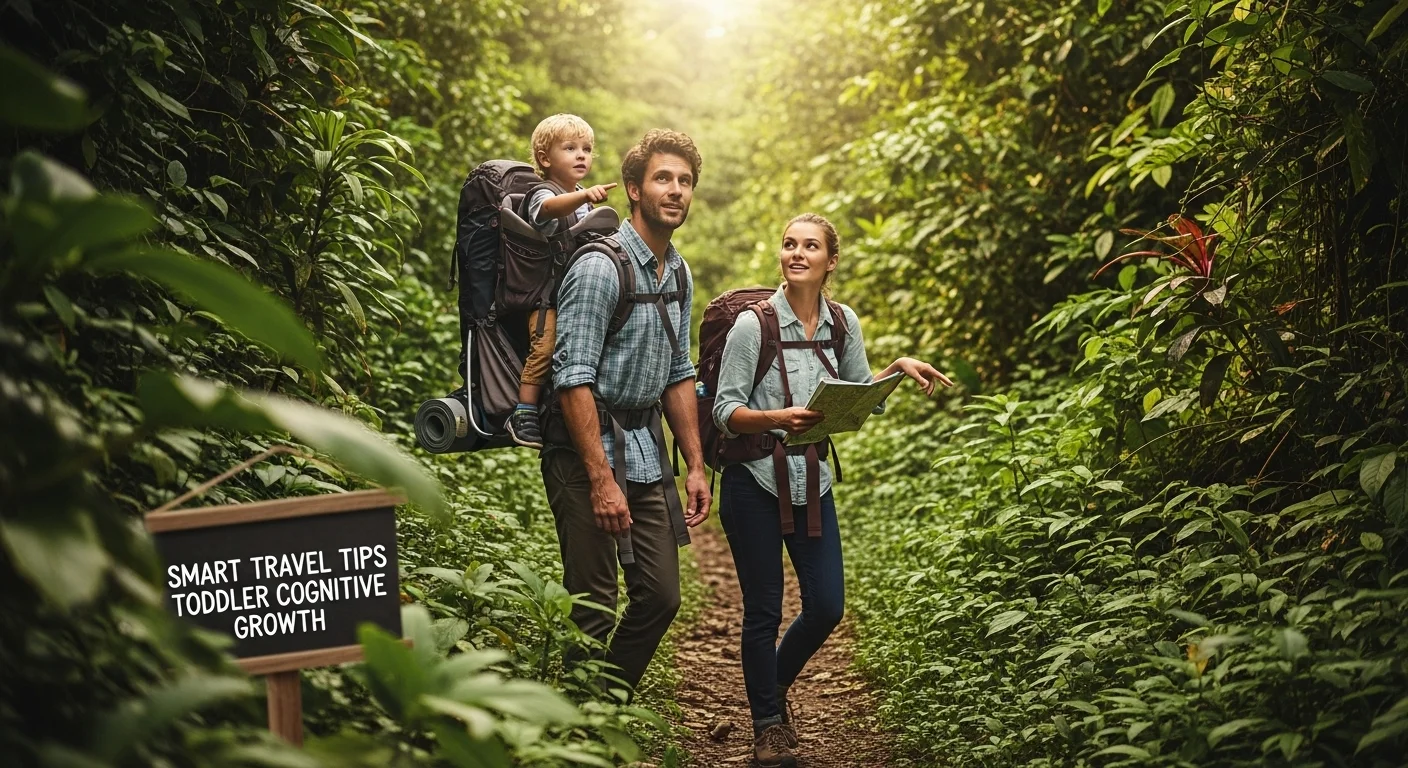
Understanding Toddler Cognitive Growth
What is Cognitive Development in Toddlers?
Cognitive development refers to how children think, learn, and understand the world around them. For toddlers, this means figuring out how to solve problems, communicate, and interact with others. I remember watching my child piece together puzzles, and it hit me: each little moment is a stepping stone in learning. During these formative years, toddlers are like sponges, soaking up everything from language to social norms. They start to recognize patterns, understand cause and effect, and develop memory skills that are crucial for their future learning.
Importance of Travel in Early Childhood Development
Traveling with toddlers offers a unique opportunity to enhance their cognitive growth. I’ve noticed that when we take our little one on trips, they’re exposed to new sights, sounds, and cultures, which sparks their curiosity and encourages exploration. Studies suggest that experiencing different environments can boost creativity and flexibility in thinking. For instance, when I took my child to a bustling market, they were fascinated by the colors, smells, and sounds, which prompted countless questions. This kind of engagement helps develop their observation skills and promotes critical thinking as they navigate new experiences.
Moreover, travel lays the groundwork for social development. When we visit new places, my child interacts with diverse groups of people. I’ve seen them learn to share, negotiate, and even empathize with others, which are all vital skills for their future. Each interaction becomes a mini lesson that builds their understanding of the world and how they fit into it.
It’s not just about visiting new places; it’s about the rich experiences we create together. I believe that travel is an adventure for both the child and the parent. We learn and grow together, making memories that last a lifetime. Whether it’s exploring a national park, visiting a historical site, or simply taking a walk in a new neighborhood, each moment can contribute to our little one’s cognitive development.
Budget Backpacking Essentials
Choosing the Right Backpack
When we decided to embark on budget backpacking with our toddler, I quickly realized the importance of having the right gear. The backpack is our home on the road, and it needs to be functional and comfortable. I recommend looking for backpacks that have multiple compartments, allowing us to organize snacks, toys, and essentials easily. Lightweight options are a must, especially if we’re hiking or moving between locations frequently.
One of my favorite features is a backpack with a detachable daypack. This way, we can carry the essentials for a day trip without lugging around everything. Plus, it gives my toddler a sense of responsibility, as they can carry their own small backpack with their favorite toys or books. This simple act enhances their sense of autonomy and engagement in the travel experience.
Budgeting for Family Travel
Budgeting is a crucial part of planning any trip, especially when you’re traveling with a toddler. I’ve learned the hard way that unexpected expenses can quickly add up, so I create a detailed budget before we set off. This includes accommodations, transportation, food, and activities. I like to set aside a portion of our budget for spontaneous adventures we might find along the way.
One of my strategies is to look for family-friendly discounts or passes that offer access to multiple attractions at a lower price. I also take advantage of off-peak travel times to save on flights and accommodations. I find that flexibility is key. Sometimes, we have to change our plans on the fly, but that’s part of the adventure! Budget Backpacking Tips for Reducing Pregnancy Anxiety can also help families navigate the complexities of traveling with young children.
Travel Insurance for Families
Purchasing travel insurance has been one of the best decisions we made when budget backpacking with our toddler. I can’t stress enough how important it is to protect ourselves against unexpected events, like illness or lost luggage. I remember a trip when my child caught a cold, and having travel insurance allowed us to seek medical help without worrying about the costs. It gave me peace of mind, knowing that we were covered in case of emergencies.
When looking for travel insurance, I recommend checking for policies that specifically cater to families. Some might even cover additional activities that toddlers might engage in, such as excursions or special events. This adds to our overall sense of safety while traveling, allowing us to focus on making memories.
Smart Travel Tips for Families with Toddlers
Preparing for the Journey
When it comes to traveling with a toddler, preparation is key. I’ve learned that the more organized we are before leaving home, the smoother the journey tends to be. Before our trips, I create a checklist that includes everything from packing to ensuring that our travel documents are in order. I remember one time, we rushed to the airport only to realize we forgot my child’s favorite stuffed animal. That little buddy calms them down during flights, so I made a mental note never to overlook those special items again.
In addition to packing essentials, I also plan our itinerary with built-in downtime. Toddlers can easily get overwhelmed by too much activity, and I’ve found that mixing fun with relaxation helps maintain their mood. For instance, I usually schedule a couple of hours for exploring a new park or simply sitting at a cafe, allowing my child to recharge. This way, I feel like we’re making the most of our experiences without exhausting ourselves.
Packing Tips for Toddlers
Packing for a toddler can feel like a daunting task, but I’ve found a few strategies that really help. First, I try to stick to the “less is more” philosophy. Instead of packing every toy they own, I choose a few favorites along with some small, versatile items that can spark creativity. For example, a simple set of building blocks or a coloring book can keep them entertained for hours.
Clothing is another area where I’ve learned to be efficient. I often pack outfits that can mix and match, which not only saves space but also makes getting dressed each day a breeze. I also make sure to include a lightweight rain jacket or an extra layer, just in case we encounter unpredictable weather. It’s amazing how quickly toddlers can go from warm to cold, especially with all the excitement of travel!
Traveling with Toddler Snacks
Snacks are a must when traveling with toddlers. I’ve had my fair share of meltdowns due to hunger, so I always pack a variety of healthy, easy-to-eat snacks. Think dried fruits, nut butter packets, and whole-grain crackers. I even include some treats—like granola bars or small cookies—because let’s face it, a little sweetness can go a long way in brightening up a tiring travel day.
One of my favorite travel snack hacks is to use a divided snack container. This way, I can mix different foods, keeping my toddler engaged with their options. I find that the anticipation of choosing what to eat next can keep them entertained, allowing me a few moments of peace to plan our next move. Plus, having snacks on hand means fewer stops, which translates to more time exploring together!
Choosing Toddler-Friendly Destinations
Finding the right destinations can really enhance our travel experience with a toddler. I always look for places that offer kid-friendly activities, such as interactive museums, zoos, or aquariums. I remember visiting a children’s museum where my little one could touch, explore, and even create art. Watching them engage with their surroundings was heartwarming and enriching.
Additionally, I consider the logistics of each destination. For example, I opt for places with accessible facilities, such as changing tables and kid-friendly dining options. I’ve learned that having these conveniences can make a world of difference. I also check to see if there are parks or open spaces nearby, which can be lifesavers if my toddler needs to burn off some energy!
Ultimately, I believe that choosing the right destination is about balancing fun for our toddler with enriching experiences for the whole family. It’s all about creating lasting memories while ensuring everyone has a good time!
Engaging Activities for Cognitive Growth
Interactive Learning Through Travel
One of the joys of traveling with toddlers is the chance to engage them in interactive learning. I’ve discovered that when we visit new places, I can turn ordinary experiences into fun learning moments. For instance, during one trip to a local farm, my child had the opportunity to feed animals and learn about where their food comes from. I saw their eyes light up when they helped collect eggs! This hands-on experience not only made for a memorable day but also deepened their understanding of the world, sparking questions about animals and farming that I might never have thought to discuss at home.
We also love participating in local festivals and events. These often include crafts, games, and performances that invite children to explore their creativity. I remember attending a cultural festival where my toddler got to try traditional dances and even make a small craft to take home. In those moments, they weren’t just spectators; they were active participants, learning about different cultures through direct experience. It’s a beautiful way to foster curiosity and a love for learning that can stick with them for years.
Nature Exploration and Outdoor Activities
Nature has a magical way of captivating toddlers, and I’ve found that simply being outdoors can be a phenomenal learning experience. Hiking through national parks or exploring local nature trails allows us to observe wildlife, collect leaves, and even discuss different ecosystems. I recall a hike we took where my child spotted a squirrel and wanted to know everything about it. We ended up talking about its habitat, what it eats, and how it prepares for winter. These conversations not only enrich our travel experience but also encourage my toddler to think critically about nature.
We often bring along a magnifying glass or binoculars to enhance our outdoor explorations. I’ve seen how these tools can make our hikes even more engaging. My child loves using the magnifying glass to examine bugs and plants up close, leading to spontaneous discussions about the fascinating world around us. These outdoor adventures not only promote physical activity but also stimulate cognitive development by encouraging observation, inquiry, and creativity.
Visiting Museums and Cultural Sites
Museums and cultural sites are treasure troves of learning. They offer countless opportunities for toddlers to engage with history, art, and science in interactive ways. I remember visiting a science museum where my child could touch exhibits, participate in experiments, and even watch live demonstrations. The excitement on their face as they learned through play was unforgettable. I believe that when learning is fun, it sticks!
Many museums have specific programs for young kids that include storytelling sessions or hands-on activities. I always check ahead to see what’s available. One time, we joined a program where toddlers could create their own art based on a famous painting. It was delightful watching my child express their creativity, and it also opened up discussions about colors, shapes, and styles. Museums can be awesome spaces for fostering curiosity and creativity while enhancing cognitive growth.
Incorporating Play into Travel
Play is essential for cognitive development in toddlers, and I’ve found that incorporating play into our travel experiences makes everything more enjoyable. Whether it’s bringing along simple toys like building blocks or engaging in spontaneous games, I see how play helps my child process their experiences. For example, we often play the “I Spy” game while walking through a new city. This not only keeps them entertained but also sharpens their observation skills as they look for specific sights.
Another strategy I love is creating a travel journal together. My child draws pictures or sticks in stickers from places we visit, which makes for a fun keepsake and learning tool. We talk about each activity and what they learned, reinforcing those cognitive connections. It’s amazing to see how much they remember and how they express their thoughts through art. This blend of play and reflection fosters a deeper understanding of their experiences while making learning feel effortless and fun.
Traveling on a Budget with Toddlers
Affordable Accommodation Options
Finding affordable accommodation can feel like a challenge, but I’ve picked up some great tips along the way. When we travel with our toddler, I often look for family-friendly hostels or budget hotels that offer amenities like kitchenettes. Staying in a place with a kitchen allows us to prepare simple meals, which saves money and can be comforting for my little one. I remember one trip where we cooked pasta together in our room, and it turned into a fun bonding experience!
Another option I’ve explored is vacation rentals. Websites that offer home-sharing can have great deals, especially for families. I remember staying in a cozy apartment that not only provided more space but also made my child feel right at home. Having separate sleeping areas can really help everyone rest better after a day of adventure.
Transportation Tips for Families
Transportation can add up quickly, but I’ve found some ways to keep costs down while ensuring we travel comfortably. Whenever possible, we choose public transportation. It not only saves money but also gives my toddler a chance to see the local way of life. I still recall the thrill on my child’s face when they got to ride a city bus for the first time!
If we’re traveling a longer distance, I opt for budget airlines with family-friendly policies, such as free child fares or priority boarding. Booking early can also help snag those lower fares. We’ve also used rideshare apps to get around, which can sometimes be more economical than traditional taxis, especially if we’re in a busy area.
Finding Free or Low-Cost Attractions
One of my favorite strategies for budget backpacking is seeking out free or low-cost attractions. Many cities have free museums, parks, and festivals that are perfect for families. During one trip, we found a local festival that offered free activities like face painting and live music, which turned out to be a highlight of our journey.
I also like to check local tourism boards for free family guides. They often include recommendations for playgrounds and nature trails, which can provide hours of entertainment without spending a dime. I remember how much my child loved exploring a local park with a beautiful playground, and it was all completely free!
Dining on a Budget with Kids
Feeding a toddler on the road can be tricky, but it doesn’t have to break the bank. I often look for restaurants that offer kids’ menus or family meal deals. Sometimes, we find local diners or food trucks that serve delicious meals at a fraction of the cost of chain restaurants. I recall one memorable meal at a food truck that served the tastiest tacos, and my child loved eating outside with all the vibrant energy around us!
Another tip I swear by is packing snacks. We always have a stash of portable snacks like fruit, yogurt pouches, or cheese sticks. Not only does this save us money, but it also helps prevent meltdowns due to hunger — trust me, I’ve learned that lesson the hard way!
Safety Tips for Traveling Families
Childproofing Your Travel Environment
When traveling with a toddler, I’ve learned that it’s essential to childproof our environment, even if it’s temporary. As soon as we settle into a new place, I take a few moments to scan the area for potential hazards. I remember one time, at a rental home, I had to move decorative items out of reach and secure cords that might pose a risk. It only takes a few minutes but gives me peace of mind while we enjoy our trip.
Emergency Preparedness While Traveling
Being prepared for emergencies is something I can’t emphasize enough. I always pack a small first aid kit with essentials like band-aids, antiseptic wipes, and any medications my child might need. I remember a trip when my little one tripped and scraped their knee. Having those supplies on hand made the situation much easier to handle.
It’s also wise to familiarize ourselves with local emergency numbers and the nearest hospital or clinic. I can’t tell you how reassuring it is to know where to go in case of an emergency while we’re away from home.
Health Considerations for Toddlers on the Road
Keeping my toddler healthy while traveling is always a priority. I make sure to pack any necessary medications and maintain their routine as much as possible. I’ve found that sticking to familiar meal times and nap schedules can help keep meltdowns at bay. When we traveled internationally, I also made sure to check if any vaccinations were recommended.
Staying hydrated is another important aspect I focus on, especially during warm weather. I always have a water bottle handy for both of us, ensuring that we’re drinking enough throughout our adventures.
Real-Life Budget Backpacking Experiences
Interviews with Traveling Families
Hearing from other families who have navigated budget backpacking with toddlers has been incredibly inspiring for me. I’ve spoken to parents who shared their own experiences, and it’s fascinating to hear about the creative solutions they found for challenges like transportation and accommodation. One family told me about how they used a combination of camping and staying with friends to keep costs low while still having incredible experiences.
Successful Budget Backpacking Stories
Every family has their own stories that highlight the joys of budget backpacking. I remember reading about a family who traveled through several national parks, camping under the stars and teaching their kids the beauty of nature. Their adventures showed me that the journey can be just as rewarding as the destination.
Lessons Learned from Traveling with Toddlers
Through my own travels, I’ve discovered that flexibility is key. Plans will change, and that’s okay! Some of our most memorable experiences have been the ones we didn’t plan for. I’ve learned to embrace the unexpected, whether it’s a spontaneous detour or a weather change. Every trip teaches us something new, both as a family and as individuals, and I cherish those lessons.
Final Thoughts
Traveling with toddlers on a budget is not just possible; it can be incredibly rewarding. I’ve shared my journey and learned that with a little preparation, creativity, and flexibility, we can create unforgettable memories without breaking the bank. I believe that every adventure contributes to our toddler’s cognitive growth and strengthens our family bond. Embracing these experiences together is what makes the challenges worthwhile. So whether you’re planning a weekend getaway or a longer journey, I encourage you to pack your bags and embark on your own budget backpacking adventure. The world is waiting to be explored, and so are you!
Frequently Asked Questions
What is cognitive development in toddlers?
Cognitive development in toddlers refers to how children think, learn, and understand the world around them. It involves solving problems, communicating, and interacting with others, as well as developing skills such as recognizing patterns, understanding cause and effect, and enhancing memory.
How does traveling with toddlers enhance their cognitive growth?
Traveling exposes toddlers to new sights, sounds, and cultures, which stimulates their curiosity and encourages exploration. It helps develop observation skills and critical thinking as they navigate different environments and engage with diverse groups of people.
What are some essential items to consider when choosing a backpack for travel with toddlers?
When choosing a backpack for traveling with toddlers, it’s important to select one that is functional and comfortable, with multiple compartments for organization. Lightweight options are preferable, and a detachable daypack can help foster a sense of responsibility in the child.
What budgeting strategies can families use when traveling with toddlers?
Families can create a detailed budget that includes accommodations, transportation, food, and activities. Looking for family-friendly discounts, traveling during off-peak times, and setting aside a portion of the budget for spontaneous adventures are effective strategies.
Why is purchasing travel insurance important for families traveling with toddlers?
Travel insurance is important for families because it protects against unexpected events like illness or lost luggage. It provides peace of mind, allowing families to seek medical help without worrying about costs and ensuring coverage in case of emergencies.
What are some packing tips for traveling with toddlers?
When packing for toddlers, it’s helpful to stick to the “less is more” philosophy by choosing a few favorite toys and versatile items. Packing mix-and-match outfits and including lightweight layers or rain jackets can also save space and prepare for unpredictable weather.
What types of snacks are recommended for traveling with toddlers?
Healthy, easy-to-eat snacks such as dried fruits, nut butter packets, and whole-grain crackers are recommended. Including some treats like granola bars can help brighten up the travel experience and prevent meltdowns due to hunger.
How can families ensure that their travel destinations are toddler-friendly?
Families should look for destinations that offer kid-friendly activities such as interactive museums, zoos, or aquariums. Checking for accessible facilities and nearby parks can also enhance the travel experience for toddlers.
What are some engaging activities that promote cognitive growth while traveling?
Engaging activities include interactive learning experiences like visiting farms, participating in local festivals, and exploring nature. Museums and cultural sites also provide hands-on learning opportunities that can enhance curiosity and foster creativity.
What safety tips should families keep in mind when traveling with toddlers?
Families should childproof their travel environment by scanning for hazards and packing a first aid kit with essentials. It’s also wise to familiarize themselves with local emergency numbers and maintain their toddler’s routine to help keep them healthy and happy during travel.
Traveling with toddlers can be a delightful adventure, filled with laughter and learning. Engaging them in play activities not only keeps them entertained but also supports their development, even on a budget. For more ideas, check out Top 10 Play-Based Learning Activities for Toddlers.
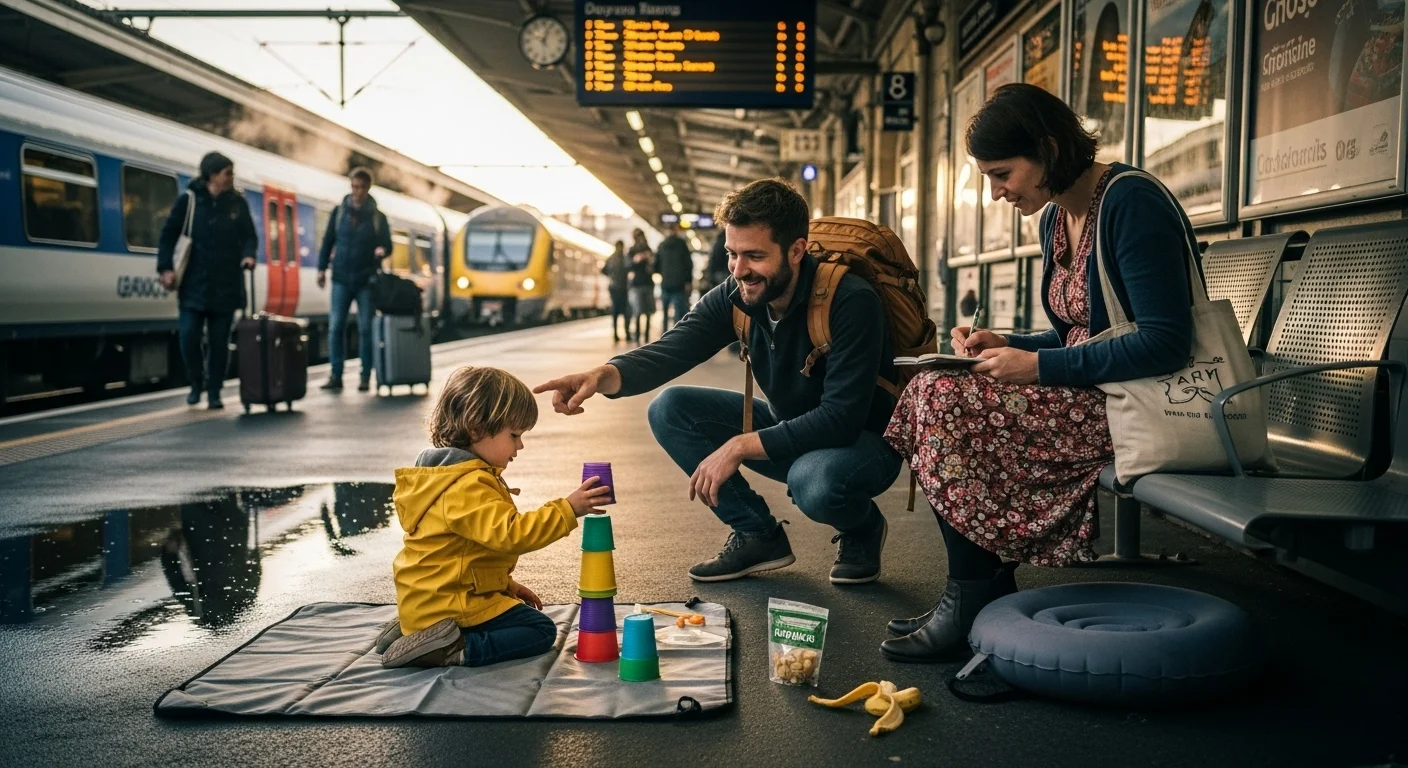
Understanding the Importance of Play for Toddlers
As a parent, I’ve come to realize just how crucial play is for my toddler’s growth. The moments spent playing aren’t merely a way to pass the time; they serve as vital building blocks for my child’s development. Through play, toddlers learn about the world around them, hone their skills, and develop connections with others. It’s fascinating to observe how seemingly simple activities can lead to significant developmental milestones.
Cognitive Development through Play
One of the most remarkable aspects of play is its role in cognitive development. I’ve noticed that when my toddler engages in imaginative play, it sparks creativity and enhances problem-solving skills. For example, when we play pretend with toy sets or dress-up clothes, my child learns to think critically and strategize. It’s amazing how a simple game of make-believe can lead to enhanced language skills, as they learn to express themselves and convey stories.
Moreover, activities like puzzles or building blocks challenge their minds. I remember one rainy afternoon when we pulled out a set of colorful blocks. As my toddler tried to stack them, I could see the gears turning in their head. They were not just playing; they were developing spatial awareness and fine motor skills. These are critical for later learning, and I feel like every play session counts toward my child’s cognitive toolkit.
Physical Benefits of Active Play
Physical play is another essential aspect of a toddler’s development. I’ve often found that my little one has boundless energy, and channeling that into active play has numerous benefits. Running, jumping, and climbing help them develop coordination and strength. When we visit parks during our travels, I encourage my toddler to explore the playground equipment. I feel relieved knowing that this active play contributes to their overall health and fitness. For more ideas on keeping active, see Backpacking with Toddlers: Fun Physical Activities to Try.
It’s crucial to provide opportunities for physical activity, especially when traveling. Finding a local park or beach allows my toddler to run free, which not only burns off energy but also enhances their gross motor skills. I’ve seen firsthand how these activities lead to better balance and agility. It’s a win-win situation: my child enjoys the freedom to play, and I enjoy watching them grow stronger.
Social Skills and Emotional Growth
Play is also a powerful tool for developing social skills and emotional growth. I cherish the moments when my toddler interacts with other children during playdates or at playgrounds. Observing them negotiate roles, share toys, and empathize with friends is heartwarming. These interactions help my child understand the importance of cooperation and communication.
Traveling often means meeting new friends, and I’ve noticed that play serves as a universal language. When my toddler meets other kids on vacation, it’s incredible to see them bond over a simple game. In these moments, I realize how play fosters emotional intelligence; my child learns to recognize and express feelings while building relationships. It’s reassuring to know that through play, they’re developing skills that will serve them well throughout life.
In our family, we’ve made it a point to incorporate play into our travel experiences. Whether we’re exploring a new destination or visiting family, I always look for ways to make play a part of our journey. This not only enhances our experiences but also ensures that my toddler is engaged and learning every step of the way. I believe that by understanding the importance of play, we can create richer, more fulfilling travel adventures for our little ones.
Budget-Friendly Travel Destinations for Families
When it comes to planning family trips, I’ve learned that sticking to a budget doesn’t mean skimping on quality experiences. There are so many budget-friendly travel destinations that cater to families, allowing us to explore and create memories without breaking the bank. I’ve found that the key is to look for places that offer a mix of fun, education, and natural beauty—perfect for our little ones. For more tips, check out Top 10 Budget-Friendly Activities for Toddler Growth.
National Parks and Nature Reserves
Visiting national parks has become one of my favorite family activities. Not only are they often inexpensive or free to enter, but they also provide a fantastic backdrop for play and exploration. I remember our trip to a nearby national park where we spent the day hiking easy trails. My toddler loved spotting different animals and plants, and I cherished the opportunity to teach them about nature while we played outside.
One of the best parts of national parks is the variety of activities available. From simple nature scavenger hunts to guided ranger programs, there’s something for everyone. I often take along a small backpack filled with essentials like snacks and water, which keeps us energized while exploring. I’ve noticed that being surrounded by lush greenery and wildlife ignites my child’s imagination, making every hike an adventure. Plus, it’s a great way to encourage physical activity!
Family-Friendly Beaches
Another fantastic budget-friendly option is family-friendly beaches. I’ve found that some beaches charge minimal fees or even have free entry, which is a bonus when you’re traveling with little ones. The sound of the waves and the feel of the sand beneath our feet create a perfect playground for toddlers. I remember our last beach trip where we spent the day digging in the sand and splashing in the shallow water.
Building sandcastles is always a hit, and I love watching my toddler’s creativity unfold as they design their sandy masterpiece. It’s the simple joys of being at the beach that make these trips so memorable. I also suggest bringing along beach toys or buckets, which can be found at reasonable prices, to enhance the fun without costing a fortune.
Affordable City Getaways
Sometimes, I crave a little urban adventure, which is where affordable city getaways come into play. Many cities offer free or low-cost attractions specifically designed for families. Museums with children’s exhibits, public parks, and local festivals are often budget-friendly options that keep toddlers entertained. I’ve discovered that cities like Washington, D.C., offer numerous free museums and attractions that cater to young families.
Taking a stroll through the city can be an adventure in itself. I often pack a picnic to enjoy in one of the many parks we encounter. This not only saves money on meals but also gives my toddler a chance to run and play in a new environment. I find that urban settings can provide a different kind of play experience, as my child learns about the hustle and bustle of city life while enjoying the sights.
Essential Play Activities for Toddlers While Traveling
Once we arrive at our destination, I want to ensure that play remains a central part of our travels. I’ve discovered that integrating play activities into our trips not only keeps my toddler engaged but also enhances our overall experience. Here are some essential play activities that have worked wonders for us.
Nature-Based Play Activities
Exploring Trails and Nature Walks
Exploring nature trails is a fantastic way to get my toddler involved in play. I often look for short, easy trails that are suitable for little feet. We turn our walks into nature adventures by searching for unique rocks, leaves, or even bugs. I remember one trail where we found colorful butterflies, which turned our walk into an exciting exploration. It’s a great way to learn while having fun, and the fresh air does wonders for everyone’s mood!
Beach Play: Building Sandcastles
As I mentioned earlier, the beach is a treasure trove of play opportunities. Beyond building sandcastles, we often engage in games like beach ball toss or simple treasure hunts where my toddler looks for hidden seashells. These simple activities foster creativity and enjoyment while allowing us to bond over shared experiences. I’ve found that when we involve nature in our play, it truly enhances our connection with the environment.
Creative Indoor Play Activities
Arts and Crafts with Local Materials
Sometimes, the weather doesn’t cooperate, and that’s when I get creative with indoor play. I often search for local materials that we can use for arts and crafts. Whether it’s collecting leaves and twigs for a nature collage or using stones for painting, I’ve found that these activities spark my toddler’s creativity. It also gives us a chance to reflect on our day and create a keepsake to remember our adventures.
Storytime with Local Folklore
Another indoor favorite of ours is storytime. I enjoy finding local folklore or children’s books that relate to the area we’re visiting. Reading these stories not only entertains my toddler but also connects them to the culture and history of the place. I’ve noticed that incorporating storytelling into our travels cultivates a love for reading while enriching our experiences.
Interactive Learning Experiences
Visiting Children’s Museums
Children’s museums are a fantastic way to engage my toddler in playful learning. Many cities have affordable options that focus on hands-on activities geared toward young minds. I remember visiting a children’s museum where my toddler could explore various interactive exhibits. Watching them engage with the activities was not only fun but also educational. I believe these experiences foster a sense of curiosity and wonder about the world.
Participating in Local Workshops
Lastly, I love discovering local workshops that cater to families. Whether it’s a cooking class or a craft-making session, participating in these activities allows us to learn something new together. I remember when we joined a pottery class during a trip, and my toddler’s eyes lit up as they created their little masterpiece. It was an unforgettable bonding experience that brought us closer and created lasting memories.
Travel Tips for Keeping Toddlers Engaged
Choosing the Right Accommodations
Family-Friendly Hotels with Play Areas
When it comes to choosing accommodations, I’ve learned that finding family-friendly hotels can make all the difference in keeping my toddler engaged during our travels. Hotels with play areas or kid-friendly amenities offer a great space for my little one to burn off some energy after a long day of sightseeing. I remember staying at a hotel once that had a small indoor playroom filled with toys and games. It was a lifesaver on a rainy day! My toddler was able to explore and play, which left us all feeling refreshed and ready for our next adventure.
Additionally, some hotels offer programs specifically designed for children, like craft sessions or themed activities. I’ve found that these added experiences not only keep my toddler entertained but also give me a chance to relax a bit, knowing that they’re having fun in a safe environment. I always check reviews and look for family-focused options, as they often highlight the best features for kids.
Renting Vacation Homes with Safe Play Spaces
Another great option is renting vacation homes. I’ve had wonderful experiences staying in homes that come equipped with safe play spaces, which can be a real game-changer. Having a backyard or garden where my toddler can run around and explore gives us the comfort of home while away. We’ve rented places with playgrounds nearby or even homes with their own play equipment, which has added so much joy to our stay.
Plus, I love the flexibility that comes with having a kitchen. Being able to prepare simple meals saves money and allows us to maintain some of our routines, which I think is important for toddlers. It’s nice to have a place where my child can play while I prepare snacks or meals, making our travel experience smoother and more enjoyable.
Packing Essentials for Toddler Play
Travel-Friendly Toys and Games
Packing the right toys and games is crucial for keeping my toddler engaged during travel. I always try to choose items that are lightweight, compact, and versatile. For instance, I’ve found that small, travel-friendly games like magnetic tiles or a set of colored crayons can provide endless entertainment while taking up very little space in our luggage.
One of my go-to strategies is to let my toddler pick out a few toys from home before we leave. This not only gives them a sense of ownership over their belongings but also helps them feel more comfortable in unfamiliar places. I remember one trip where my child packed their favorite stuffed animal and a small puzzle. These familiar items offered comfort during long car rides and downtime in our accommodations.
Portable Play Equipment
In addition to toys, I’ve found that portable play equipment can be a fantastic addition to our travel gear. For example, a lightweight travel play tent or a small folding slide can provide hours of fun, whether we’re in a hotel room or at a vacation rental. I usually look for items that are easy to set up and pack away, ensuring that they don’t become a burden while traveling.
For outdoor adventures, I often bring along a small ball or a kite. These items are perfect for spontaneous play at parks or beaches. I remember one sunny afternoon where we set up our portable tent at a local park, and my toddler had a blast playing with the kite we brought along. It created a beautiful moment of laughter and joy, and we all enjoyed the fresh air together.
Affordable Transportation Options for Families
Using Public Transport with Toddlers
When it comes to getting around, I’ve found that using public transport can be a budget-friendly option for families. Many cities have reliable bus or train systems, which can save us a lot compared to car rentals or taxis. I always check the public transport options when planning our trips, as it often allows us to explore areas we might not have considered otherwise.
Riding the bus or train can also be an adventure for my toddler. I remember our first train ride together; my child was so excited to watch the scenery zoom by. It’s a great way to introduce them to new experiences. I make sure to pack some small snacks and toys for the journey, which helps keep them entertained and comfortable during travel times.
Budget Airlines and Travel Hacks
Flying can be tricky with toddlers, but I’ve learned a few hacks to make it easier and more affordable. First, I always keep an eye out for budget airlines that offer family deals or discounted fares. Subscribing to airline newsletters can help me snag the best deals when planning our trips. I’ve also discovered that booking flights during off-peak times can significantly reduce costs.
Another tip I’ve embraced is to consider direct flights whenever possible. I’ve noticed that long layovers can be challenging with a toddler, so minimizing travel time is a priority. Once, we had a layover that stretched our travel day, and it was overwhelming for my little one. Since then, I try to keep our travel schedule as simple as possible. I also pack a small backpack with snacks, games, and a favorite book to keep my toddler entertained during the flight. It makes the whole experience much smoother for everyone!
Frequently Asked Questions
What are the benefits of play for toddlers while traveling?
Play is crucial for toddlers’ growth, helping them learn about the world, develop skills, and connect with others. It supports cognitive, physical, social, and emotional development, making travel experiences more enriching.
How does play contribute to cognitive development in toddlers?
Engaging in imaginative play enhances creativity and problem-solving skills. Activities like pretend play, puzzles, and building blocks help toddlers think critically and develop spatial awareness, which are important for later learning.
What physical benefits do toddlers gain from active play?
Active play helps toddlers develop coordination, strength, balance, and agility. Activities like running, jumping, and climbing are essential for their overall health and fitness, especially when exploring parks during travel.
How does play promote social skills in toddlers?
Play encourages toddlers to interact with other children, negotiate roles, share toys, and empathize, which are vital for developing cooperation and communication skills. Meeting new friends while traveling facilitates these social interactions.
What are some budget-friendly travel destinations for families?
Budget-friendly options include national parks, family-friendly beaches, and affordable city getaways, where families can explore, learn, and create memories without overspending.
What activities can toddlers engage in at national parks?
At national parks, toddlers can enjoy nature scavenger hunts, hiking easy trails, and exploring wildlife, which fosters physical activity and enhances their connection with nature.
What creative indoor play activities can be done while traveling?
Indoor play activities include arts and crafts with local materials, such as making nature collages, and storytime with local folklore or children’s books that relate to the area being visited.
What types of accommodations are best for families traveling with toddlers?
Family-friendly hotels with play areas and vacation rentals with safe play spaces are ideal. These options provide opportunities for toddlers to play and help families maintain routines while traveling.
What should parents pack for toddler play during travel?
Parents should pack lightweight, portable toys and games, such as travel-friendly games or small outdoor equipment like kites and balls, to keep toddlers engaged during travel.
How can families save money on transportation when traveling with toddlers?
Using public transport, which is often reliable and budget-friendly, and booking budget airlines with family deals can help save money. Direct flights are also recommended to minimize travel time and stress.
Backpacking with a baby is a thrilling adventure that invites unique challenges and rewards. As we journey together, I’ve found that tracking our little one’s social growth milestones adds a delightful layer to our travels. For tips on ensuring your baby gets quality sleep while on the road, check out Budget Backpacking with Baby: Safe Sleep Tips You Need.
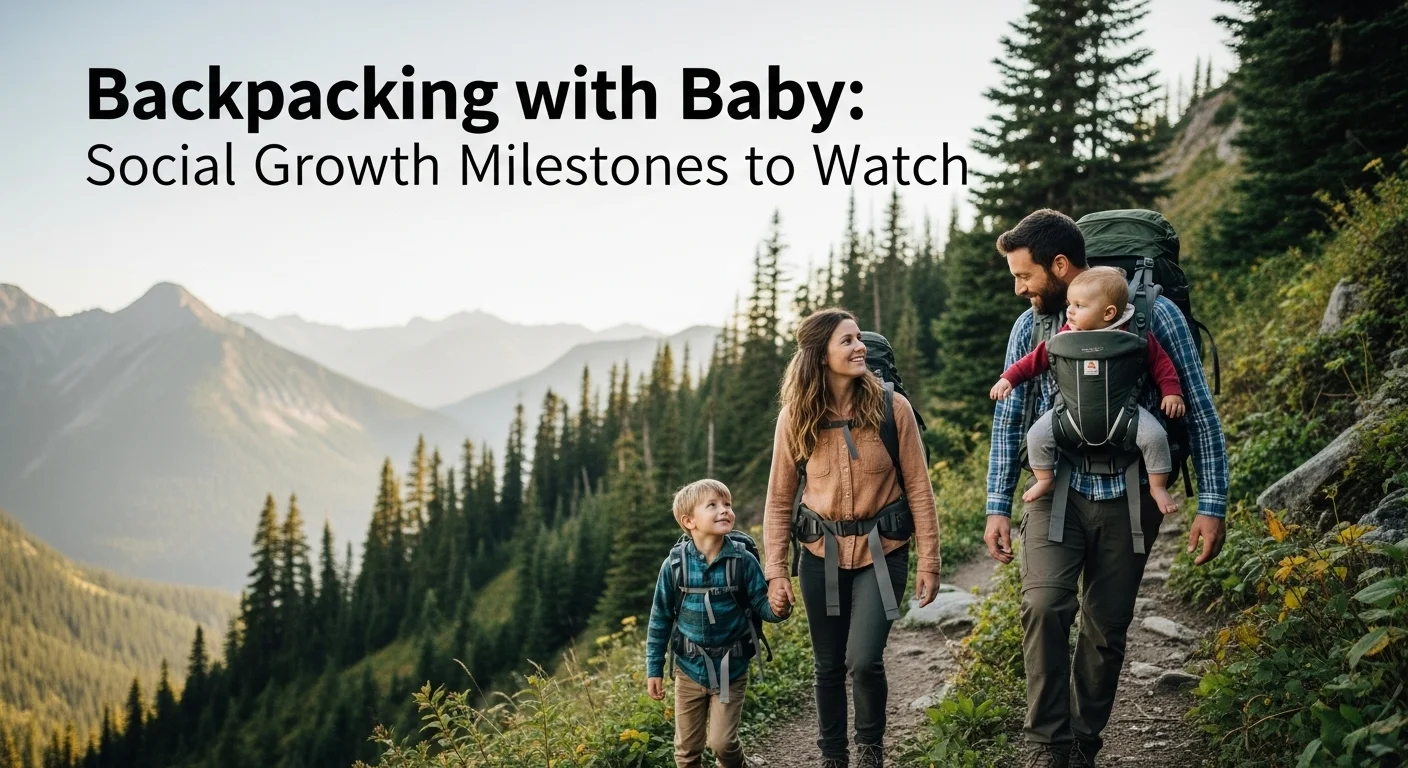
Understanding Social Growth Milestones for Babies
What Are Social Growth Milestones?
Social growth milestones are important developmental markers that indicate how a baby interacts with others and understands their environment. These milestones include the ways in which babies communicate, engage, and form relationships with the people around them. For me, witnessing these milestones unfold while backpacking has been a profound experience, as they often happen in the most unexpected moments. I remember the first time my baby looked at me and smiled; it felt like a real connection blossoming amidst the scenic backdrops of nature.
Importance of Monitoring Social Growth
Keeping an eye on social growth milestones is vital for understanding how a baby is developing emotionally and socially. Each milestone provides insight into their personality and readiness to explore the world. For parents like us, it helps us identify areas where our child may need more support or encouragement. I believe that these moments not only help our babies grow, but they also enhance our family bond, making our travels richer and more meaningful. When we take the time to notice these milestones, we become more attuned to our baby’s needs, and it allows us to adapt our backpacking adventures accordingly.
Preparing for Backpacking with a Baby
Choosing the Right Backpacking Gear
Preparing for a backpacking trip with a baby means selecting the right gear, which can feel overwhelming at first. I remember the first time I tried to find a suitable backpack; I wanted something that was comfortable for both my baby and me. I eventually settled on a backpack carrier that offered good support and had enough space for our essentials. The right gear makes all the difference. I recommend looking for a carrier with adjustable straps and a sturdy frame. This ensures that your baby feels secure while you can comfortably hike without straining your back. For more tips on sleep while traveling, see Backpacking with Baby: Sleep Tips for Traveling Parents.
Essential Items for Your Baby
In addition to a good carrier, there are several essential items I’ve found to be must-haves while backpacking with a baby. Here’s a quick list that might help you as you prepare:
- Diapers and Wipes: Always pack more than you think you’ll need. I learned this the hard way on our first trip!
- Changing Pad: A portable changing pad is a lifesaver for on-the-go diaper changes.
- Snacks and Formula: Pack baby-friendly snacks and formula if needed. Keeping the little one fed and happy is key to a successful trip.
- Blanket: A lightweight blanket can serve multiple purposes, from keeping your baby warm to providing a clean spot for playtime.
- First Aid Kit: Always have a small first aid kit on hand for any minor bumps or scrapes that happen during your adventures.
By ensuring we had all the necessary items, we could focus more on enjoying our time together rather than stressing about forgotten essentials. For parents relying on formula, consider checking out the Complete Guide to Formula Feeding While Backpacking with Baby.
Key Social Growth Milestones to Watch While Traveling
Smiling and Eye Contact (0-3 Months)
In the early months, one of the most exciting milestones is when your baby begins to smile and make eye contact. I vividly remember my baby’s first smile; it felt like magic. During our travels, we made a conscious effort to engage with him, showing him new sights and sounds. Each new experience sparked his curiosity and led to more eye contact and smiles. This milestone is crucial because it lays the foundation for future interactions. Making eye contact not only helps build a bond but also encourages your baby to express emotions.
Social Smiles and Interaction (3-6 Months)
As babies grow, they start to develop social smiles and enjoy interactive play. I noticed this change in my baby when we were hiking through a vibrant market. He would smile at the vendors and other travelers, responding to their voices and gestures. This phase is all about exploration and interaction. I believe this is the perfect time to introduce your baby to different environments. It’s essential to allow them to observe and interact with new people while feeling safe in your arms.
Stranger Anxiety (6-12 Months)
By the time your baby hits the 6-12 month mark, you might notice signs of stranger anxiety. It can be tough, especially if you’re in crowded places. I remember a moment when my baby clung to me tightly while we were surrounded by unfamiliar faces. This is a natural phase, and understanding this can help ease any worries. I found that by staying calm and reassuring him with my presence, he gradually became more comfortable in social settings. We made sure to provide opportunities for him to meet new people but always gave him the option to retreat back to the safety of our arms.
Imitation and Play (12-24 Months)
As babies approach the 12-24 month stage, they begin to imitate actions and engage in play, which is fascinating to observe. I cherished moments when my baby would mimic my gestures or sounds while we were out exploring. This is a crucial time for social development, as play encourages learning how to communicate and interact with others. I discovered that allowing him to play with other children, even just sharing a toy, fostered his ability to connect and build friendships.
Balancing Travel and Baby’s Social Development
Creating a Routine While Backpacking
One of the biggest lessons I’ve learned about backpacking with a baby is the importance of creating a routine, even amidst the chaos of travel. I remember our first trip, where we tried to juggle sightseeing with nap times. It was a challenge! But over time, I discovered how valuable a routine can be. Establishing a rhythm helps my baby feel secure, which is crucial for his social development.
For example, I made it a point to schedule regular quiet times during the day. We would find a cozy spot on a blanket, perhaps near a river or under a tree, where we could relax. This downtime gave my baby a chance to recharge while also allowing me to pull out some books or toys for him to explore. I believe that these little breaks helped him process all the new experiences he was encountering and made him more open to social interactions later on.
We also tried to maintain a consistent feeding schedule. I found that when my baby was well-fed, he was more content and eager to engage with the world around him. It’s amazing how something as simple as a routine can make such a difference in our backpacking adventures.
Engaging with Other Travelers
Another fantastic aspect of traveling with a baby is the opportunity to connect with other travelers. I remember sitting on a train when a fellow passenger struck up a conversation about our babies. It was a heartwarming moment, and I noticed how my baby responded to the other parent’s warm smile and voice. Engaging with others not only enriches our own experiences but also provides social opportunities for our little ones.
When we encounter other families on the road, I always try to facilitate some interaction. Whether it’s at a campsite, a park, or even a café, a simple smile or wave can open the door to a delightful exchange. I’ve found that other parents are often eager to share tips or stories, and this sense of community is incredibly rewarding. It also demonstrates to my baby how important social connections can be, even in transient moments.
Moreover, meeting other families has led to some spontaneous playdates, which have been wonderful for my baby’s social skills. I’ve seen how he lights up when he’s around other children. These interactions help him learn essential social cues, like sharing and taking turns, in a fun and engaging environment. It’s these moments that remind me how travel can be a powerful teacher for both parents and babies alike.
Tips for Encouraging Social Interaction During Your Trip
Finding Baby-Friendly Activities
Finding baby-friendly activities while backpacking has become an enjoyable challenge for me. I’ve learned that planning activities that cater to my baby’s developmental stage makes all the difference. For our family, we love seeking out interactive experiences like local festivals or farmer’s markets. These vibrant settings are filled with sights, sounds, and smells that captivate my baby’s attention.
During one memorable trip, we visited a local festival where live music filled the air. I noticed how my baby was drawn to the rhythm, bobbing his head and smiling at the performers. It was a beautiful reminder of how engaging environments enhance social growth. I believe these experiences allow my baby to soak up different cultures and social settings while feeling safe in my arms.
In addition to festivals, we often look for parks with playgrounds or water features. Splash pads have been our go-to, as they provide a great way for babies and toddlers to play and interact with each other. I’ve seen firsthand how joyful it is for my baby to experience the laughter of other children while splashing about. These small moments contribute to building his social skills, all while having fun!
Meeting Other Families on the Road
One of the best parts of traveling is the chance to meet other families on the road. I remember the excitement of connecting with another family at a campfire one night. Our babies were the same age, and it was delightful to see them interact. Simple activities like sharing toys or crawling towards each other led to giggles that filled the air, reinforcing the idea that social interaction is essential for both of them.
I’ve found that sharing our travel experiences with other families can also spark conversations about parenting. It’s amazing how much we can learn from one another. We’ve exchanged tips on gear, favorite destinations, and even parenting hacks that made our journeys smoother. I believe forming these connections not only benefits our babies but also enriches our own travel experiences.
In every place we visit, I try to be open to meeting new families. Whether it’s through social media groups or community boards in hostels, I’ve learned that there are always opportunities to connect. More often than not, these interactions turn into lasting friendships and create beautiful memories for our babies.
Safety Considerations While Backpacking with a Baby
Choosing Safe Destinations
When planning our backpacking trips, one of the first things I consider is safety. I think every parent wants to ensure that their little ones are in safe environments, especially when exploring the great outdoors. I remember our first big adventure; we chose a national park known for its stunning views but also its family-friendly trails. This decision was a game-changer for us. I realized that picking the right destination can make all the difference in how enjoyable and stress-free our trip would be.
Before heading out, I always research destinations to check for family-friendly amenities, such as accessible paths and rest areas. I also look for reviews from other parents who have traveled with babies. It’s reassuring to hear how others navigated similar adventures. For example, knowing that there were clean bathrooms and picnic areas nearby really put my mind at ease. When we arrived, I felt more confident letting my baby explore a little, knowing that the surroundings were safe.
In my experience, some parks or hiking trails can be less accommodating. If I find that a location has steep cliffs or hazardous terrains, I opt for a different route. Trusting my instincts about safety has always served us well, and it allows us to enjoy our time together without worrying too much about potential dangers.
Health Precautions for Your Baby
Health precautions are another critical aspect of preparing for a trip. I’ve learned that keeping our baby healthy while on the road requires some planning. Before we set out, I always pack a small health kit with essential items like baby-safe insect repellent and sunscreen. I remember one trip where I neglected to bring sunscreen and ended up regretting it; my baby was too young for most store-bought options, so I had to find shade constantly. Now, I’m diligent about checking the ingredients to ensure they’re safe for his delicate skin.
Staying hydrated is also essential, especially when spending time outdoors. I always bring along extra water for myself and bottle water for my baby if he’s not yet drinking from a cup. I’ve noticed that when my baby is well-hydrated, he seems happier and more engaged with his surroundings.
Additionally, I keep an eye on the weather. I check forecasts to ensure we’re prepared for any sudden changes. A rainy day shouldn’t ruin our plans, but having a lightweight rain cover for the backpack carrier has saved us from getting soaked on more than one occasion! The key is to be flexible and prepared, which has made our adventures much more enjoyable.
Documenting Your Baby’s Growth and Experiences
Keeping a Travel Journal
One of my favorite ways to capture our journey together is by keeping a travel journal. I started this practice during our first trip, and it has become an invaluable part of our adventures. Writing down our experiences helps me reflect on the little milestones my baby reaches along the way. I remember sitting by a campfire one evening, jotting down how he reacted to the sounds of the crackling fire and the soft glow of the flames. It was a simple moment, but it meant so much to me.
In my journal, I like to note not just where we went, but also how my baby responded to new experiences. Did he smile at the new scenery? Did he try to reach out to a friendly dog we encountered? These little observations help me track his social development while creating a beautiful keepsake for us to look back on in the future.
Sometimes, I even add stickers or pressed flowers from our hikes. I believe these personal touches make the journal feel more special, and it’s something I can share with him when he’s older. I think it’s a wonderful way to document his growth, both socially and developmentally, while also celebrating our shared experiences.
Capturing Milestones Through Photos and Videos
In addition to writing, I’ve found that capturing moments through photos and videos adds a dynamic layer to our memories. I always make sure to have my camera or smartphone handy to snap candid shots of my baby laughing or exploring new terrains. There’s something magical about freezing these moments in time. I cherish looking back at the photos of him giggling while splashing in a puddle or gazing in awe at a majestic waterfall. These images remind me of how far we’ve come and how much he’s grown.
I’ve also started taking short videos to record his reactions to various experiences. I remember filming him during a puppet show at a local festival, and his joy was infectious. Later, when I played that video back, I could see how engaged he was, and it made my heart swell with pride. These little snippets serve not only as entertainment for the future but also as tangible evidence of his social growth and the connections he’s made along the way.
Ultimately, I believe documenting our travels helps create a rich tapestry of our family’s experiences. It allows us to celebrate not just the places we visit but also the milestones my baby reaches during our adventures. In a way, it’s a tribute to our journey together, and I can’t wait to share it with him as he grows.
Frequently Asked Questions
What are social growth milestones for babies?
Social growth milestones are important developmental markers that indicate how a baby interacts with others and understands their environment. They include the ways in which babies communicate, engage, and form relationships.
Why is it important to monitor social growth milestones?
Monitoring social growth milestones is vital for understanding how a baby is developing emotionally and socially. It provides insight into their personality and readiness to explore the world, helping parents identify areas where their child may need support.
What should I consider when choosing backpacking gear for a baby?
When choosing backpacking gear for a baby, it’s essential to select a comfortable backpack carrier with adjustable straps and a sturdy frame. This ensures that the baby feels secure while allowing the parent to hike comfortably.
What essential items should I pack for a backpacking trip with a baby?
Essential items to pack include diapers and wipes, a portable changing pad, baby-friendly snacks and formula, a lightweight blanket, and a small first aid kit for minor bumps or scrapes.
What social growth milestones should I watch for while traveling with my baby?
Key milestones to watch for include smiling and eye contact (0-3 months), social smiles and interaction (3-6 months), stranger anxiety (6-12 months), and imitation and play (12-24 months).
How can I create a routine while backpacking with a baby?
Creating a routine while backpacking involves scheduling regular quiet times and maintaining a consistent feeding schedule, which helps the baby feel secure and more open to social interactions.
How can I engage my baby with other travelers while backpacking?
Engaging with other travelers can be done by facilitating interactions, such as sharing smiles or toys, which enriches experiences and provides social opportunities for the baby.
What safety considerations should I take into account while backpacking with a baby?
When backpacking with a baby, consider choosing safe destinations with family-friendly amenities, and always research to ensure the environment is suitable for young children.
What health precautions should I take when traveling with a baby?
Health precautions include packing a small health kit with baby-safe insect repellent and sunscreen, ensuring hydration, and checking weather forecasts to be prepared for sudden changes.
How can I document my baby’s growth and experiences while traveling?
You can document your baby’s growth and experiences by keeping a travel journal to reflect on milestones and capturing moments through photos and videos to create lasting memories.
Traveling with kids opens up a world of imagination and creativity. By incorporating creative play into our journeys, we can transform ordinary trips into extraordinary adventures that spark joy and learning. For more inspiration, check out Top Creative Play Ideas for Budget Backpacking Families.
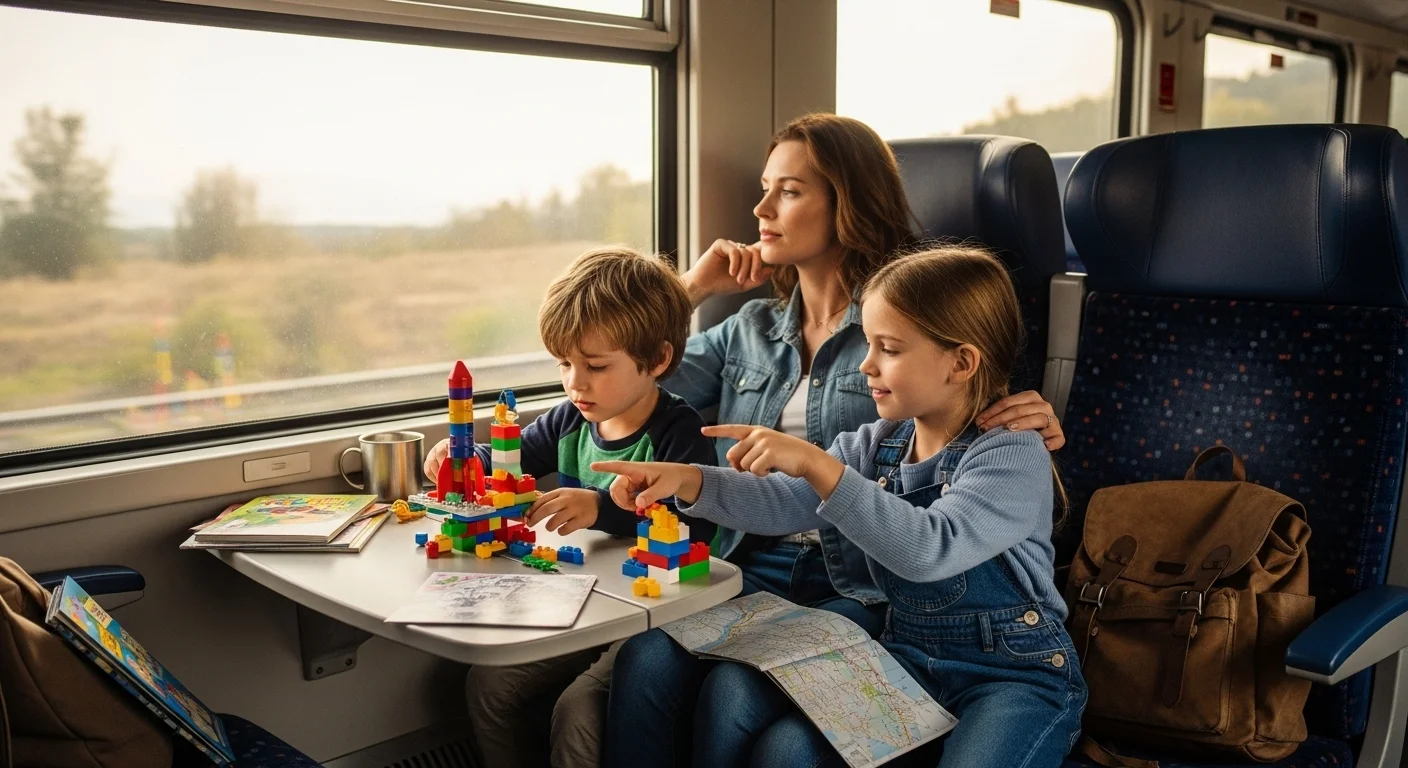
Understanding Creative Play and Its Importance
Creative play is more than just a way to pass the time; it’s a vital part of childhood development. As I’ve watched my kids grow, I’ve come to appreciate how essential this kind of play is for their emotional, social, and cognitive growth. It’s through play that kids express themselves, explore their surroundings, and make sense of the world.
What is Creative Play?
Creative play can take many forms, from imaginative role-playing to artistic expression. It often involves activities that allow children to use their imagination, explore new ideas, and create something unique. I remember one family trip where my kids turned an ordinary hotel room into a pirate ship, complete with makeshift sails made from towels. That spontaneous act of imagination not only entertained them for hours but also created cherished memories for all of us.
Benefits of Creative Play for Kids
Engaging in creative play offers numerous benefits for our children. Here are a few that I’ve observed firsthand:
- Boosts Imagination: Creative play encourages kids to think outside the box. It allows them to envision different scenarios, characters, and worlds. I’ve seen my children come up with elaborate stories that not only entertain but also show their understanding of complex concepts.
- Enhances Problem-Solving Skills: When kids engage in creative activities, they often face challenges. Whether it’s building a fort or creating a new game, figuring out how to overcome obstacles hones their critical thinking skills. I’ve noticed how my kids learn to negotiate and collaborate during these moments.
- Promotes Emotional Growth: Creative play provides a safe space for children to express their feelings. It’s a way for them to process experiences, whether they are joyful or challenging. I’ve seen my kids work through their feelings about moving to a new city by playing scenarios that reflected their emotions.
- Strengthens Social Skills: Many creative play activities are collaborative, which helps kids learn how to communicate, share, and cooperate with others. When we travel, my children often make new friends by engaging in creative games together. For more ideas on social play, check out Backpacking with Toddlers: Fun Social Play Ideas.
How Creative Play Enhances Travel Experiences
Traveling can sometimes be overwhelming for kids, with new environments and routines. Adding creative play into our travels has made it more enjoyable and less stressful. When we explore a new city, I encourage my kids to create a travel journal. They draw pictures or write stories about their experiences, which not only serves as a keepsake but also engages them in what they are seeing and experiencing.
Another way we incorporate creative play is through themed scavenger hunts. Before visiting a new destination, I create a list of things for them to find or activities to do, like spotting specific landmarks or trying local foods. This not only fuels their imagination but also turns the experience into a fun adventure. I feel this has helped my kids develop a deeper appreciation for the places we visit.
Creative play can also bridge the gap between children and different cultures. For instance, while visiting a new country, we often explore local art or participate in workshops. These experiences spark conversations about the local culture and history, enriching our travel and allowing my kids to connect on a deeper level with the world around them.
In my opinion, the key to a fulfilling travel experience with kids is embracing their creativity. By prioritizing creative play, we not only make our journeys more enjoyable but also help our kids develop skills that will benefit them throughout their lives. The beauty of creative play is that it can happen anywhere – from bustling city streets to quiet beaches – making every moment of our travels a canvas for imagination.
Preparation for Creative Play While Traveling
Choosing the Right Travel Destinations
When planning our family trips, I’ve learned that the choice of destination can greatly influence how much creative play we can incorporate into our adventures. I often look for places that are rich in culture, outdoor activities, and opportunities for exploration. For instance, cities with vibrant street art, parks, and interactive museums tend to ignite my kids’ imaginations. I remember visiting a town that had a public art installation where children could climb and explore. My kids transformed the installation into their own pirate ship, pretending to sail through uncharted waters, which turned an ordinary park visit into an unforgettable adventure. I also find it helpful to research local attractions that promote creativity. Some destinations offer hands-on activities, like pottery studios or craft workshops. These experiences not only engage my children but also introduce them to local traditions, making our travels even more meaningful. I believe that the right destination can foster an environment where creativity thrives, allowing my kids to absorb and connect with the world around them.Packing Essential Creative Play Materials
Packing for our trips has become an art form in itself, especially when it comes to ensuring we have the right materials for creative play. I’ve found that a few simple items can spark endless possibilities. For instance, I always bring along a small sketchbook and colored pencils. It’s amazing how a blank page can encourage my kids to capture their surroundings through art. I remember one trip where my daughter spent hours sketching the animals we saw at a wildlife reserve, which turned into a fun discussion about the different species. Additionally, I pack items like building blocks, small figurines, or even a travel-sized board game that can promote imaginative play. I’ve learned that having a few versatile toys can keep my children engaged, whether we’re waiting for our flight or relaxing at a hotel. It’s also great to include some outdoor play essentials, like a frisbee or a kite, which can easily be used in parks or open spaces. By preparing ahead and packing wisely, we ensure that creativity is always at our fingertips, no matter where our travels take us.Setting Expectations with Kids Before Traveling
Before we embark on any journeys, I believe it’s essential to have a family discussion to set expectations. I find that talking about what we will see and do helps my kids get excited and mentally prepares them for the adventure ahead. We often gather around the dinner table and brainstorm ideas about what creative activities we could do during our trip. I encourage them to think about the things they want to explore, whether it’s a specific landmark or trying out a new food. This conversation has had a positive impact on our travels. For example, during one trip to a beach town, my kids expressed interest in building sandcastles. We decided to make it a contest, with prizes for the most creative designs. Setting these expectations not only gave them something to look forward to but also sparked their creativity before we even arrived. I feel that this type of planning helps to build enthusiasm and a sense of ownership over their travel experiences, making each trip even more special.Creative Play Activities to Try During Travel
Outdoor Activities: Nature and Exploration
When we travel, I love to take advantage of outdoor spaces to encourage creative play. Nature is a fantastic backdrop for imaginative adventures. Whether we’re hiking in the mountains or playing on the beach, I’ve found that being outdoors naturally inspires creativity. My kids often turn a simple walk into a scavenger hunt, looking for interesting rocks, leaves, or even insects. I remember one hike where they created stories about the “mighty warriors” they imagined living in the forest. We also enjoy exploring national parks, where my kids can connect with nature through play. Activities like creating nature art—using leaves, flowers, and twigs—have become family favorites. These moments allow us to bond while my kids learn to appreciate the beauty of their surroundings. There’s something special about watching them use their imagination to create their own worlds in nature, and I believe these experiences have helped them develop a deeper respect for the environment.Indoor Activities: Museums and Cultural Centers
On rainy days or during city visits, museums and cultural centers can be great spaces for creative play. I often look for interactive exhibits where kids can touch, explore, and learn. I’ve seen how my children come alive in places that encourage hands-on learning. For instance, at a science museum, they participated in a workshop that allowed them to build their own simple machines. The joy on their faces as they figured things out was priceless. We also make it a point to visit local art galleries or cultural exhibits. I encourage my kids to create their own art inspired by what they see. We once visited an art museum where we spent time observing various styles, and later, my kids created their own masterpieces back at our hotel. These experiences not only cultivate creativity but also broaden their understanding of different cultures and perspectives. It’s a win-win that often leads to wonderful discussions about art and history during our travels.Interactive Experiences: Workshops and Classes
Participating in workshops or classes while traveling can be an enriching way to engage in creative play. I love to find local cooking classes, art lessons, or music workshops that cater to families. These activities allow us to dive deeper into the local culture and learn something new together. For example, we once took a cooking class in Italy where my kids learned to make pizza from scratch. Not only did they have a blast, but they also developed a newfound appreciation for the food we were enjoying. I’ve noticed that these interactive experiences often lead to lasting memories. They give my kids the chance to meet local people and hear their stories, creating connections that go beyond just being tourists. It’s rewarding to see my children stepping out of their comfort zones, trying new things, and expressing themselves creatively. These workshops have become a highlight of our trips, and I highly recommend seeking them out wherever we go. For more tips on interactive play, check out Interactive Play Tips for Toddlers on a Budget Trip.Storytelling and Imagination Games
One of my favorite ways to encourage creative play during travel is through storytelling and imagination games. I often start a story and let my kids take turns adding to it, creating wild and funny narratives that we can all enjoy. This has led to some of the most entertaining moments during our trips, as we weave tales inspired by our surroundings. I remember starting a story about a lost treasure in the mountains, and my kids expanded it into a multi-day quest that kept us laughing as we explored. We also love to play “I Spy” or other observation games while on the go. These games encourage my kids to pay attention to their environment and use their imaginations to create stories based on what they see. It’s a simple way to transform mundane moments, like waiting at a train station, into opportunities for creativity and connection. I feel that these activities not only entertain but also deepen our bond as a family, making travel even more enjoyable. Embracing creative play while traveling has truly enriched our family experiences. We’ve discovered new ways to connect, learn, and grow together, turning our journeys into unforgettable adventures.Incorporating Local Culture into Creative Play
Learning Through Local Arts and Crafts
One of the most meaningful ways to incorporate creative play during our travels is by engaging with local arts and crafts. I’ve found that immersing ourselves in the cultural fabric of a place can really spark my kids’ imaginations. For instance, while visiting a small village, we stumbled upon a local artisan who was hosting a pottery workshop. My kids were thrilled to get their hands muddy and create their own clay masterpieces. It wasn’t just about making something; it was a chance for them to learn about the traditions behind the craft and the stories of the people who create it. I think that participating in these activities helps my children appreciate the uniqueness of different cultures. They not only come away with tangible memories in the form of their crafted items but also a deeper understanding of the cultural significance behind them. It’s wonderful to see how these experiences enhance their ability to empathize and connect with others, even at such a young age.Exploring Local Cuisine as a Creative Activity
Food has always been a central part of our travel experiences, and I’ve discovered that exploring local cuisine can be a fantastic creative activity. Cooking classes have become a staple on our trips. I remember a family trip to Thailand where we took a class together to learn how to make authentic Pad Thai. It was so much more than just cooking; it was about understanding the flavors that define a culture. My kids loved experimenting with the ingredients and creating their own versions of the dish. We even had a mini taste test competition! These culinary adventures allow my children to express their creativity while also learning valuable cooking skills. Plus, it opens up discussions about food traditions and the importance of sharing meals in different cultures. I believe that food is a universal language, and these experiences have helped us bond as a family while building memories around the dinner table.Engaging with Local Communities and Traditions
Nothing compares to the genuine connections we make when we engage with local communities. I remember wandering into a small festival in a town in Spain, where we were invited to join in traditional dances and games. My kids were initially shy, but they quickly jumped into the fun, learning local dances and playing traditional games alongside the locals. It was amazing to see how their confidence grew as they connected through movement and laughter. These interactions not only enrich our travel experiences but also teach my kids about the importance of community. They learn to appreciate diversity and see the value in different ways of life. I’ve noticed that these engagements often lead to friendships that extend beyond our trip. We’ve exchanged contact information with local families and even received invitations to visit them again, which makes our travels feel even more personal and meaningful.Recommended Destinations for Creative Family Travel
Family-Friendly Cities with Creative Opportunities
When I think about our favorite family-friendly cities, places like San Francisco and Barcelona come to mind. Both cities are bursting with creative opportunities. In San Francisco, we love exploring the Exploratorium, a museum dedicated to science, art, and human perception. The hands-on exhibits inspire curiosity and creativity. My kids can spend hours experimenting, creating, and learning, which keeps their imaginations active. Barcelona offers a different vibe, filled with colorful architecture and street art. We often wander the streets, looking for unique murals and sculptures. The city’s parks, like Park Güell, invite playful exploration, and my kids love to imagine the stories behind Gaudí’s whimsical designs. These cities have become our go-to spots for igniting our family’s creativity, and I always recommend them to other families seeking inspiration.Nature Destinations for Outdoor Creative Play
Nature has always been a significant part of our travel experiences, which is why I cherish places like Yosemite National Park or the beaches of Costa Rica. Yosemite is a natural playground where my kids can hike, rock climb, and explore. We’ve often turned our hikes into creative storytelling sessions, imagining we are explorers discovering new lands or secret creatures hidden in the trees. In Costa Rica, the abundance of wildlife offers endless opportunities for creative play. We’ve gone birdwatching, where my kids create stories about the birds we see, or we’ve engaged in beach activities like building elaborate sandcastles inspired by our favorite stories. Nature provides an inspiring backdrop that fuels our creativity, and I believe these experiences help my children develop a lifelong appreciation for the outdoors.Historical Sites that Inspire Imaginative Play
Visiting historical sites is another fantastic way to encourage creative play. I remember our trip to the ancient ruins of Pompeii; my kids were fascinated by the stories of the past. We played games where they pretended to be Romans living there, imagining day-to-day life in the bustling city. This kind of imaginative play has helped them connect with history in a way that textbooks never could. I also encourage them to create their own drawings or journal entries about what they learned during our visits to historical sites. This blend of history and creativity allows them to process their experiences while enhancing their understanding of the world. I think visiting historical sites not only brings history to life but also nurtures their creativity by letting them envision the stories of those who walked before them.Frequently Asked Questions
What is creative play and why is it important for children?
Creative play is a vital part of childhood development that allows children to express themselves, explore their surroundings, and understand the world. It contributes to their emotional, social, and cognitive growth.
How can creative play benefit children while traveling?
Creative play during travel enhances children’s imagination, problem-solving skills, emotional growth, and social skills. It transforms travel experiences into fun adventures, helping kids engage more deeply with their surroundings.
What are some examples of creative play activities for kids during travel?
Examples include creating travel journals, themed scavenger hunts, storytelling games, and engaging with local arts and crafts. Outdoor activities like nature exploration and indoor activities at museums also promote creative play.
How can parents prepare for creative play while traveling?
Parents can prepare by choosing travel destinations rich in culture and outdoor activities, packing essential creative play materials such as sketchbooks and toys, and setting expectations with kids about the trip’s creative activities.
What types of travel destinations are best for fostering creative play?
Destinations that are rich in culture, have interactive museums, vibrant street art, and outdoor spaces tend to foster creative play. Cities like San Francisco and Barcelona are highlighted as family-friendly options.
How can local cuisine be incorporated into creative play during travel?
Exploring local cuisine through cooking classes can be a creative activity. It allows children to experiment with ingredients, learn about cultural flavors, and bond as a family while creating meals together.
What role do local arts and crafts play in creative travel experiences?
Engaging in local arts and crafts helps children connect with the culture, allowing them to learn about traditions and create tangible memories. Activities like pottery workshops enhance their appreciation for different cultures.
How can parents encourage kids to connect with local communities while traveling?
Parents can encourage connections by participating in local festivals, games, and dances. These interactions help children build confidence, appreciate diversity, and create friendships that extend beyond their travels.
What are some indoor activities that promote creative play in cities?
Museums and cultural centers with interactive exhibits are excellent for indoor creative play. Kids can participate in hands-on learning experiences, such as workshops at science museums or art galleries.
How does storytelling enhance creative play during travel?
Storytelling encourages imagination and creativity, allowing kids to contribute to narratives inspired by their surroundings. Games like “I Spy” also promote observation and creativity, making travel moments more enjoyable.