
Traveling with kids can be more than just a fun getaway; it can be an incredible opportunity to foster empathy and compassion. By exploring new cultures and perspectives, we can help our children grow into more understanding and empathetic individuals.
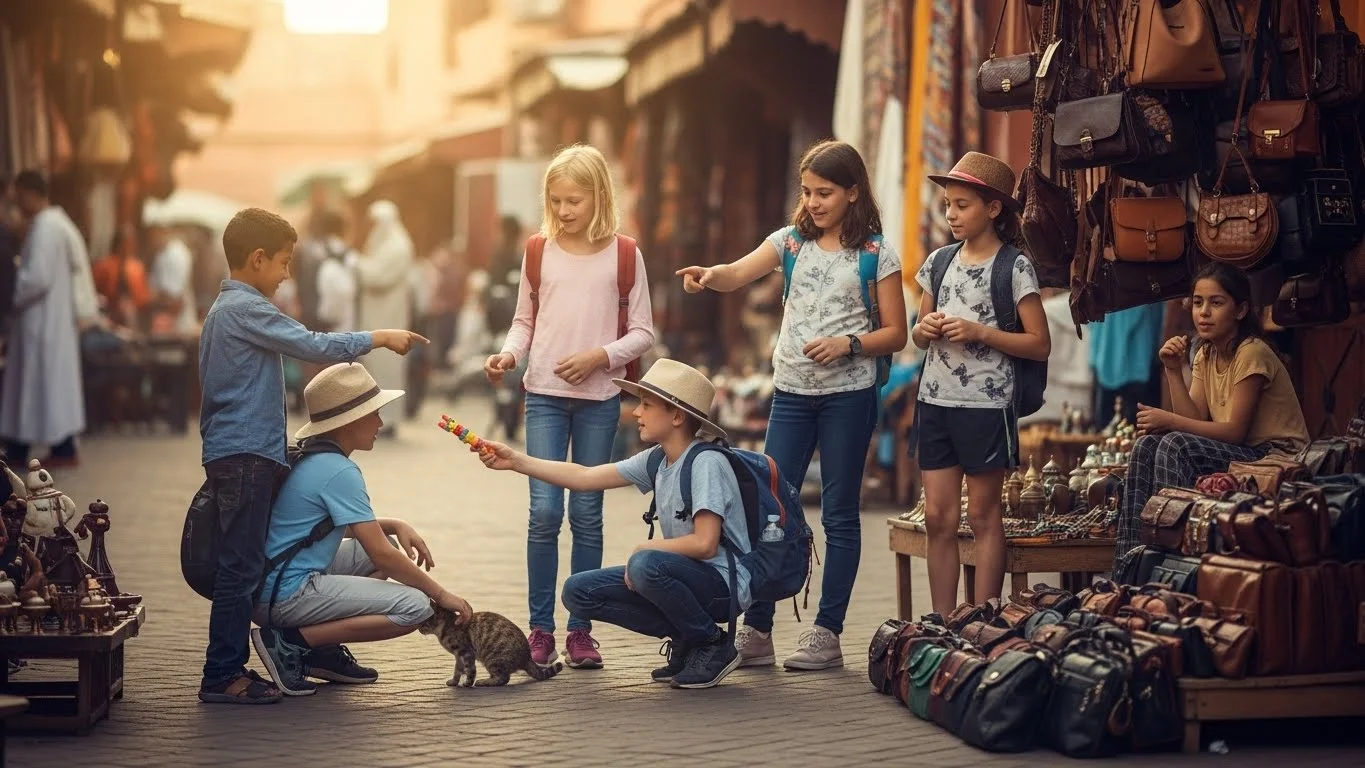
The Importance of Empathy in Child Development
Understanding Empathy: Definition and Benefits
Empathy is the ability to understand and share the feelings of others. It’s not just about feeling sorry for someone; it’s about connecting with them on a deeper level. I remember the first time I truly felt empathy. I was a child, and I saw a friend upset after losing a pet. I felt a pang in my chest, and it opened my eyes to the emotions others experience. This emotional connection is crucial for healthy social interactions and relationships.
Empathy has numerous benefits for children. It helps them build strong friendships, navigate social situations, and develop emotional intelligence. I’ve seen how empathetic kids are often more kind and compassionate, not only to their peers but to everyone around them. Empathy can even lead to better academic performance, as children who can connect with others tend to work more collaboratively and supportively in group settings. Positive Discipline While Traveling: A Guide for Parents can also provide valuable insights on how to nurture these traits during travel.
How Travel Fosters Empathy in Children
Travel introduces kids to new cultures, traditions, and perspectives. When we travel, we step outside our comfort zones, and that’s where the magic happens. I remember taking my kids to a small village during a trip to Mexico. They were amazed by the simplicity of life there, the warmth of the locals, and the vibrant traditions. It was a lesson in gratitude for what we have while also learning to appreciate differences.
Through travel, children can learn to appreciate diversity. When they interact with people from different backgrounds, they begin to understand that everyone has a unique story. I’ve watched my kids engage with locals, ask questions, and truly listen. It’s in these moments that I feel their empathy growing, and it warms my heart. Hearing the stories of others, whether it’s a street vendor’s journey or a family’s customs, teaches kids that everyone has challenges and joys, just like they do.
Moreover, travel can challenge stereotypes and preconceived notions. When we visited Japan, my children were initially nervous about trying sushi. However, after meeting a local chef who shared his craft with them, their fear transformed into curiosity and appreciation. They learned that different foods represent different cultures, and trying new things can be a beautiful adventure.
Travel can also provide opportunities for hands-on learning. When we volunteered at a community garden during our visit to a rural area, my kids experienced firsthand the joy of giving back. They interacted with local children, played games, and shared experiences that bridged cultural gaps. Those moments of connection are powerful and stay with them long after the trip ends. They learned the importance of community and the impact of kindness, which I believe are foundational elements of empathy.
In my experience, family trips often lead to deep conversations. Sitting around a campfire or sharing meals in a foreign place encourages kids to express what they’re feeling and thinking. We often reflect on our adventures, discussing what surprised us or what we learned about ourselves and others. I encourage open dialogue about the differences we encountered and how they made us feel. This reflection helps solidify their understanding and appreciation of the world around them. Unlock Reading Readiness: Essential Tips for Young Travelers can also help enhance these discussions.
As I plan our next travel adventure, I think about how each experience can empower my kids to be more empathetic. It’s not just about visiting new places; it’s about the lessons learned and the bonds formed along the way. I believe that travel can be a powerful tool for personal growth, equipping our children with the ability to understand and empathize with others, which is so important in today’s world.
In a nutshell, fostering empathy through travel is about creating experiences that encourage connections and understanding. I feel that every destination has the potential to teach my children valuable lessons about compassion, respect, and the beauty of diversity. Each trip becomes not just a journey to a new place, but a journey toward becoming better, more empathetic individuals.
Planning Travel Adventures for Kids
Choosing Destinations That Promote Cultural Understanding
When I think about planning our family trips, one of the first things that comes to mind is how to choose destinations that will truly promote cultural understanding. It’s amazing how some places can offer rich experiences that open our eyes to different ways of living. I always look for destinations where we can interact with locals, learn about their traditions, and immerse ourselves in their everyday life.
For example, we once visited a small village in Guatemala, where we were invited to participate in a local festival. The vibrant colors, sounds, and flavors of the celebration were unforgettable. My kids got to see how the community came together to honor their heritage, and they learned about the significance of each ritual and dance. These experiences not only broadened their horizons but also deepened their appreciation for the diversity in our world.
Another great choice is cities that have rich histories and are known for their cultural contributions. Places like New Orleans or Mexico City offer a mix of history, music, and culinary delights that can teach children about the influence of different cultures in shaping a community. I encourage families to research destinations beforehand and look for unique experiences that highlight local customs, whether it’s through food, art, or festivals. Budget Travel: Teach Kids Bilingualism Through Adventure provides tips on how to make the most of such trips.
Involving Kids in the Planning Process
One of the best ways to make our travel adventures more meaningful is by involving my kids in the planning process. When they have a say in where we go and what we do, it makes the trip feel more personal and exciting for them. I’ve noticed that when my children help choose activities, they are more invested in learning about the culture we’re about to explore.
We often sit down as a family and brainstorm places we’d like to visit. I encourage my kids to share their ideas and interests. Do they want to explore ancient ruins? Or perhaps they’re excited about trying new foods or learning about wildlife? I think this involvement empowers them to take ownership of our adventures. Plus, it sparks curiosity and enthusiasm that carries through into our travels.
We also look through travel books and online resources together, checking out videos or blogs that showcase different cultures. This not only helps them understand what to expect but also gets them thinking about how they can engage with the people we meet along the way. It’s a delightful process that builds anticipation and excitement for the trip.
Budget-Friendly Travel Options for Families
Traveling with kids can sometimes feel overwhelming, especially when it comes to budgeting. However, I’ve learned that there are plenty of budget-friendly travel options that don’t compromise the quality of experience. One of my favorite ways to save money is by considering off-peak travel times. Traveling during the shoulder season often means fewer crowds and lower prices, which can lead to more intimate experiences.
Camping is another great way to travel on a budget while also connecting with nature. I remember taking my family on a camping trip to a national park. Not only did we save on accommodation, but we also enjoyed hiking and sharing stories around the campfire. Those moments were precious, and they taught my kids about the beauty of the outdoors and the importance of preserving our environment.
We also explore options like house swapping or staying with friends or family to cut down on lodging costs. This way, we can allocate more of our budget to unique experiences like cooking classes or guided tours that allow us to dive deeper into the local culture. I love seeking out free or low-cost activities, such as visiting local markets or parks, which often provide authentic interactions with residents.
In my opinion, it’s all about being creative and flexible with your plans. I’ve discovered that some of the most memorable experiences can happen spontaneously, whether it’s a chance encounter with a local artist or a festival we stumble upon. By keeping an open mind and looking for budget-friendly options, we can create incredible memories without breaking the bank.
Types of Travel Adventures to Enhance Empathy
Cultural Trips: Immersing in Local Traditions
Cultural trips can be some of the most fulfilling adventures for families looking to enhance empathy. I believe that immersing ourselves in local traditions allows us to step into someone else’s shoes, experiencing the world from their perspective. One of my favorite cultural trips was to India, where we participated in Diwali celebrations. My kids were fascinated by the colorful lights, the sweet treats, and the warmth of the people. They learned about the significance of the festival and even helped with some traditional decorations.
We also took part in a cooking class where we learned how to make local dishes. This wasn’t just about food; it was a window into the values and history behind the cuisine. My children engaged with the chef, asking questions and learning about the local ingredients. It was amazing to see how their curiosity led to a deeper understanding of the culture. These experiences taught them more than just facts; they learned to appreciate the richness of different ways of life.
Volunteering Opportunities: Giving Back While Traveling
In my experience, volunteering while traveling can be one of the most impactful ways to teach kids about empathy. It’s a chance for them to connect with communities on a meaningful level. We once volunteered at an orphanage in South Africa. Initially, I didn’t know how my kids would react, but they dove right in, playing games and helping with simple tasks. Watching them laugh and interact with the children was heartwarming.
Volunteering also opens up discussions about social issues and the challenges some communities face. My kids learned about the importance of giving back, and I saw their perspectives shift. They understood that their actions could make a difference, however small. It was a lesson in kindness that extended beyond the trip itself. After we returned home, they often talked about the kids we met and expressed a desire to help others in our own community.
Adventure Travel: Building Resilience and Understanding
Adventure travel can be another incredible avenue for fostering empathy. Engaging in activities that challenge us physically and mentally can build resilience, which I think is a key part of empathy. I remember taking my kids on a hiking trip in the mountains. The trek was tough, and there were moments of frustration and fatigue. But as we navigated our way through the challenges, they learned to encourage one another and celebrate small victories. Those moments taught them about perseverance and teamwork.
Adventure travel often places families in unfamiliar situations. Whether it’s white-water rafting or zip-lining through rainforests, these experiences can create a strong bond and help children understand their own emotions as well as those of others. We’ve also had opportunities to connect with local guides who shared their personal stories and experiences related to the landscape. This added a layer of understanding and appreciation for the environment and the people who live there.
Activities That Encourage Empathy During Travel
Engaging with Local Communities
Whenever we travel, I make it a point to engage with local communities. One of the most rewarding experiences we had was in a small fishing village in Thailand. Rather than just observing, we participated in daily activities, helping fishermen sort their catches and learning about their way of life. My kids were fascinated by the stories the locals shared, and they quickly realized how interconnected our lives can be, even across different cultures.
Engaging with communities helps kids see the world through different lenses. They learned about the local economy, environmental challenges, and cultural practices. It was a powerful reminder that relationships can transcend language and distance. I always encourage my children to ask questions and express genuine interest in the lives of others, which helps build empathy and understanding.
Participating in Cultural Exchange Programs
Cultural exchange programs are another fantastic way to enhance empathy. We joined a program where we hosted a student from another country for a few weeks. This experience opened our eyes to the challenges and joys of living in a different culture. My kids learned about their new friend’s traditions, customs, and even their daily routines. In return, they shared our American way of life, creating a mutual understanding and respect.
These exchanges foster compassion, as my children learned to appreciate differences while also finding common ground. I think this experience really emphasized the idea that we are all part of a larger human story. It’s about connection, understanding, and building friendships that can last a lifetime.
Encouraging Storytelling and Reflection
Storytelling is a powerful tool for fostering empathy during our travels. I often encourage my kids to share their thoughts and feelings about the experiences we have. After visiting a historical site or engaging with locals, we sit down as a family and discuss what stood out to us. I’ve noticed that this practice helps them process their emotions and reflections.
We also keep a travel journal where we write down our experiences and feelings. This not only helps in remembering the details but also in reflecting on what we’ve learned. I find that through storytelling, my kids are not just recounting events; they’re also articulating their understanding of different cultures and lifestyles. It’s a wonderful way to keep the lessons of empathy and compassion alive long after the trip ends.
Safety Considerations When Traveling with Kids
Travel Insurance: Why It’s Essential
When it comes to traveling with kids, safety is always at the forefront of my mind. One of the best decisions we made was investing in travel insurance. I remember the first time we traveled abroad with our young ones; I was a bundle of nerves. What if someone got sick? Or what if our flights were canceled? That’s when I learned about travel insurance and how it could protect us from unexpected situations.
Travel insurance can cover a range of issues, from trip cancellations to medical emergencies. Knowing we had coverage gave me peace of mind, especially when we were in a foreign country. There was a moment during our trip to Italy when my daughter developed a fever. I felt panic setting in, but thankfully, our insurance allowed us to get her the care she needed without the burden of high costs. From that experience, I realized how vital it is to be prepared for the unexpected and to prioritize our family’s safety while traveling.
Health and Safety Tips for Family Travelers
In addition to travel insurance, I’ve found that being proactive about health and safety can make a huge difference in our travel experiences. Before we go anywhere, I always research essential vaccinations or health precautions that might be recommended for our destination. For instance, during our trip to Southeast Asia, I made sure my kids were up-to-date on their vaccinations and packed a basic medical kit with supplies like band-aids, antiseptic wipes, and any medications we might need.
Another safety tip that has worked well for us is discussing safety protocols. Before arriving at a new place, we have a family meeting to talk about what to expect and how to stay safe. This includes discussing how to recognize emergency services, being aware of our surroundings, and knowing what to do if we get separated. I believe that keeping communication open helps my kids feel empowered, and they’re more likely to remember the tips and apply them during our travels.
I also encourage my children to stay hydrated and practice good hygiene while on the go. We carry refillable water bottles and hand sanitizer, which has become a part of our travel routine. I think these small steps play a significant role in keeping our family healthy and happy throughout our adventures.
Post-Travel Reflection and Discussion
Importance of Debriefing After the Trip
After every trip, I find it invaluable to have a debriefing session with the family. We gather around the dining table or cozy up in the living room to share our thoughts, feelings, and favorite moments from the journey. This not only allows us to relive the experiences, but it also helps solidify the lessons we learned along the way. I often encourage my kids to express what they loved most and what surprised them about different cultures or traditions we encountered.
During our last trip to Costa Rica, we talked for hours about the vibrant wildlife we witnessed and the importance of conservation. My children were particularly drawn to the stories about protecting the rainforest. This reflection made it clear to me that these conversations could lay the groundwork for their values and beliefs moving forward.
Ways to Keep the Empathy Lessons Alive
To keep the lessons of empathy alive long after our travels, I encourage my kids to share their experiences with friends and relatives. We often host a ‘travel night’ where they present a slideshow or display photos from our adventures. This not only keeps the memories fresh but also spreads the message of empathy and understanding to others.
Additionally, I’ve found that incorporating elements from our travels into our daily lives can reinforce what we learned. For example, we might cook a dish from the country we visited or read books about the cultures we explored. This helps my kids see that the world is bigger than our own neighborhood and that every culture has something special to offer. I believe that these practices can ignite a lifelong passion for learning about and embracing diversity.
Resources for Parents
Books and Guides on Empathy and Travel
For any parent looking to enhance their child’s empathy through travel, I recommend exploring books and guides that focus on cultural understanding. There are wonderful resources available that highlight stories from different countries, offering insights into customs and traditions. Reading these stories together helps spark conversations about empathy and compassion, and I’ve noticed my kids become more curious about the world around them.
Websites and Organizations Supporting Family Travel
There are also fantastic websites and organizations dedicated to family travel that can provide valuable insights and resources. I often check out blogs and forums where families share their experiences and tips for making travel enriching and safe. Connecting with other parents who have similar goals can be incredibly motivating, and I’ve picked up some great advice along the way.
Final Thoughts
Traveling with kids is not just about seeing new places; it’s about cultivating empathy, understanding, and a deeper appreciation for the world. Each adventure we embark on shapes our children into more compassionate individuals. I believe that by fostering these experiences, we help them grow into adults who care about others and appreciate the beauty of diversity. As we continue to explore this incredible planet together, I feel grateful for the lessons learned and the memories created, knowing that each trip brings us closer to understanding ourselves and others.
Frequently Asked Questions
What is empathy and why is it important for child development?
Empathy is the ability to understand and share the feelings of others. It is crucial for healthy social interactions and relationships, helping children build strong friendships, navigate social situations, and develop emotional intelligence.
How can travel foster empathy in children?
Travel exposes children to new cultures, traditions, and perspectives, allowing them to appreciate diversity and understand that everyone has unique stories. Engaging with locals and experiencing different ways of life can significantly enhance their empathy.
What are some examples of travel experiences that can enhance a child’s understanding of empathy?
Examples include participating in local festivals, volunteering in communities, and engaging in hands-on activities that connect them with local traditions and practices. These experiences teach children about kindness, community, and the importance of giving back.
How can involving children in the travel planning process benefit them?
When children are involved in planning, they feel more invested in the trip, which can spark their curiosity and enthusiasm for learning about the culture they will explore. It makes the experience feel more personal and meaningful.
What are budget-friendly travel options for families?
Budget-friendly options include traveling during off-peak times, camping, house swapping, or staying with friends and family. Seeking out free or low-cost activities, such as visiting local markets or parks, can also enhance the travel experience without breaking the bank.
Why is storytelling important during travel?
Storytelling helps children process their emotions and reflections about their travel experiences. It encourages them to articulate their understanding of different cultures and lifestyles, keeping the lessons of empathy and compassion alive long after the trip ends.
What safety considerations should families keep in mind while traveling with kids?
Families should prioritize travel insurance, research health precautions, discuss safety protocols, and encourage good hygiene practices. Being proactive about these aspects can help ensure a safe and enjoyable travel experience.
How can families keep the lessons learned from travel alive after returning home?
Families can keep lessons alive by sharing their experiences with others, hosting travel nights, and incorporating elements from their travels into daily life, such as cooking dishes from the visited countries or reading related books.
What types of activities encourage empathy during travel?
Activities that encourage empathy include engaging with local communities, participating in cultural exchange programs, and volunteering. These experiences help children learn about different cultures and the commonalities that connect us all.
What resources are available for parents looking to enhance their child’s empathy through travel?
Parents can explore books and guides focused on cultural understanding, as well as websites and organizations dedicated to family travel that provide insights and resources. These can help spark conversations about empathy and compassion while planning travel adventures.