
Traveling can be an exciting adventure for kids, especially for those with special needs. Empowering them with social skills not only enhances their experience but also builds their confidence in navigating new environments. Read Interesting article: Engaging Activities for Kids’ Social Skills While Traveling
Understanding Social Skills for Special Needs Travelers
Importance of Social Skills in Travel
When I think about traveling, I often reflect on the moments that really stood out during my travels as a child. I remember feeling a mix of excitement and apprehension when meeting new people or encountering unfamiliar situations. For kids with special needs, these feelings can be heightened. Developing social skills before embarking on a journey can significantly enhance their experience. Social skills help children engage with others, express their needs, and navigate social environments effectively.
From my experience, having good social skills allows kids to make new friends, share their experiences, and enjoy the moments that travel brings. Whether it’s asking for help at an airport or chatting with a local at a destination, these interactions are vital for creating lasting memories. I believe that when kids feel capable and confident in their social abilities, their travel experiences become much richer and more enjoyable. Read Interesting article: Top Budget Destinations for Kids to Learn Social Skills
Common Social Challenges Faced by Special Needs Kids
Every child is unique, and I’ve seen firsthand how different challenges can arise for kids with special needs during travel. Some might struggle with anxiety in new situations, while others might have difficulty communicating their thoughts or feelings. I’ve observed that these challenges can lead to a sense of frustration or isolation, not only for the child but also for the family. Understanding these challenges is key to addressing them effectively.
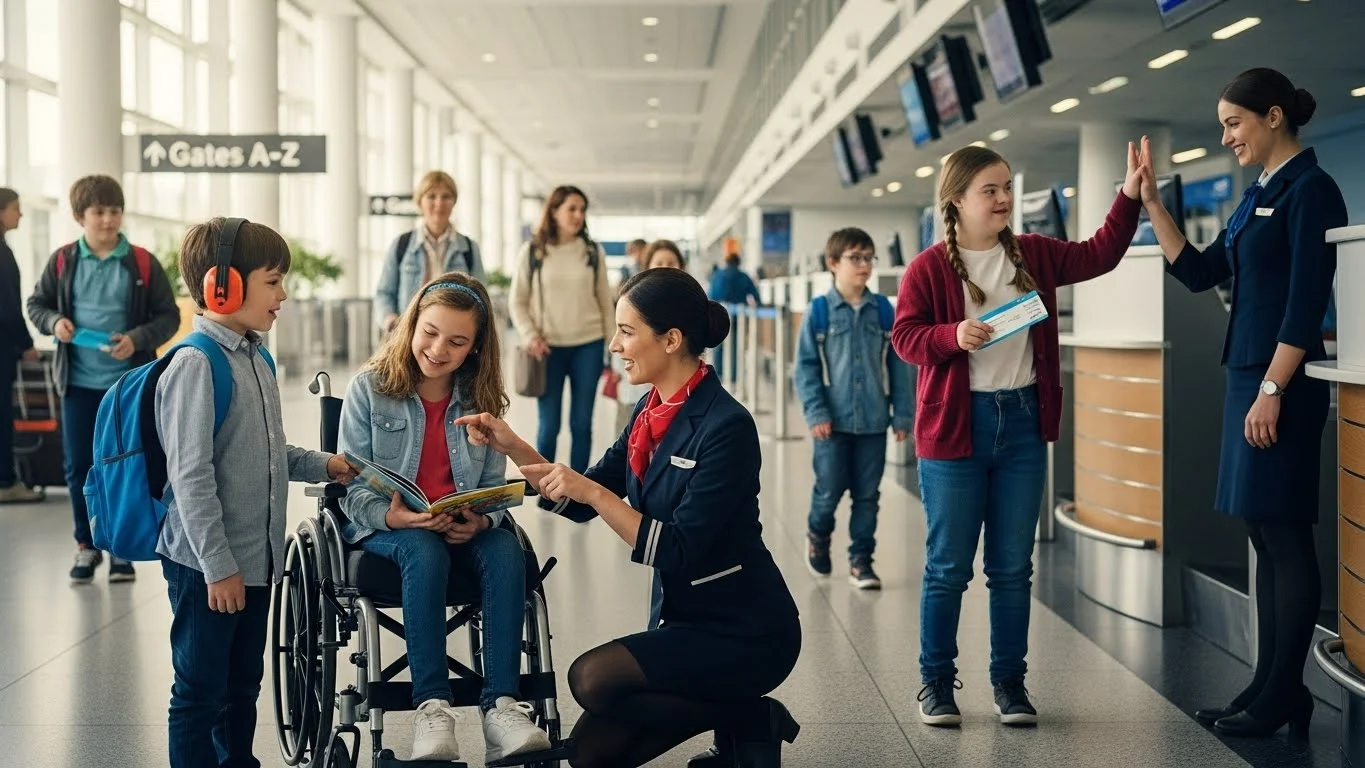
For instance, a child with autism might find the hustle and bustle of an airport overwhelming, leading to sensory overload. Similarly, kids with social anxiety may find it hard to approach others or participate in group activities. Recognizing these potential hurdles helps parents and caregivers prepare their children better, ensuring that travel can be a positive experience. I remember how we tackled these challenges by creating a supportive environment and encouraging open dialogue.
Key Social Skills to Develop
Communication Skills
One of the most crucial skills I’ve noticed in my travels is effective communication. This skill goes beyond just speaking; it includes listening and understanding non-verbal cues. I recommend practicing different communication methods, whether it’s through verbal conversations, gestures, or even using technology, like communication apps. Teaching kids how to express their thoughts and needs can make a world of difference when interacting with others during travel.
Emotional Regulation
Travel can be unpredictable, and I’ve experienced situations where emotions ran high, whether due to delays or changes in plans. Teaching kids how to recognize and regulate their emotions is essential. I found that practicing calming techniques, like deep breathing or counting to ten, can help kids manage their feelings in challenging situations. For instance, having a calm-down plan ready can empower them to handle stressful moments effectively.
Social Interaction
Social interaction is another area that deserves attention. I remember feeling nervous at first when meeting new peers while traveling, but with practice, it became easier. Encouraging kids to engage in small talk or to ask questions can build their confidence. Role-playing different scenarios, such as introducing themselves or asking for help, can prepare them for real-life interactions. I’ve seen how this practice can turn an anxious child into a more outgoing traveler.
Problem-Solving Skills
Travel often presents unexpected challenges, and I’ve had my fair share of them! Teaching kids problem-solving skills can empower them to tackle these situations head-on. For instance, if they lose something, encouraging them to think through the steps of finding it can be a valuable lesson. I like to create fun challenges while traveling, allowing them to brainstorm solutions. This not only enhances their critical thinking but also boosts their confidence in their abilities.
Preparing Kids for Travel
Travel Planning and Social Skills
When I think about travel preparation, it’s not just about packing bags and booking flights; it’s also about getting our kids mentally ready for the journey ahead. I’ve found that involving children in the travel planning process enhances their understanding of what to expect and helps develop their social skills. For instance, we would sit down together and look at our destination online, discussing what we might see, who we might meet, and what we might do. This not only builds excitement but also gives them a chance to express their thoughts and ask questions. I remember how my kids loved choosing activities and even researching local customs, which made them more aware and curious about the people we would encounter.
Using Social Stories to Prepare
One of the most effective tools I’ve come across in preparing my children for travel is the use of social stories. These simple narratives help explain social situations and appropriate responses in an engaging way. I would create stories that outline what would happen during our trip, from checking in at the airport to interacting with hotel staff. For instance, I made a story about what to do if we got lost or how to ask for help. I found that by reading these stories together, my kids felt more secure and understood what was expected of them in various scenarios. It’s amazing how something so simple can alleviate anxiety and boost their confidence.
Role-Playing Scenarios
Role-playing is another technique that has worked wonders for us. I remember setting up fun scenarios where my kids could practice social interactions before we traveled. We would pretend to be at a restaurant, and they would practice ordering food or asking for a drink. It was entertaining for them, and as a parent, it gave me insight into their thought processes. Role-playing not only enables them to rehearse social situations but also makes them more comfortable with the idea of engaging with others. I’ve noticed that after these practice sessions, my children approached real-life interactions with a little more ease and readiness.
Visual Supports and Schedules
Visual supports have been a game-changer for us. Creating a visual schedule for our trip helped my children understand what to expect at each step along the way. I would make a chart that included pictures of the airplane, hotel, and activities we would do. Having a visual representation made the trip feel more manageable for them. I remember one trip where we used a simple checklist of things to do each day, and it gave my children a sense of accomplishment as they checked off each activity. It also helped them transition smoothly from one activity to the next, reducing anxiety and improving their overall experience.
Travel Destinations That Facilitate Social Interaction
Family-Friendly Resorts and Hotels
When planning a trip, I’ve come to realize that picking the right destination can significantly impact my children’s ability to engage socially. Family-friendly resorts and hotels often have activities designed for kids, which encourage social interaction. On one of our vacations, we stayed at a resort that offered group games and activities, allowing my kids to meet other children their age. It was heartwarming to see them jump into organized events like scavenger hunts and arts and crafts. These experiences not only helped them make new friends but also gave them a sense of belonging.
Accessible Attractions and Activities
Accessibility is another important factor when choosing travel destinations. I remember visiting a theme park that was incredibly accommodating for special needs. The staff was trained to assist guests, and there were quiet areas available for when things became overwhelming. This kind of environment allowed my kids to enjoy the attractions without feeling anxious. I think it’s essential to look for places that provide sensory-friendly options, as they can make a big difference in how children interact with their surroundings and the people in them.
Supportive Community Programs
Another treasure trove of opportunities lies in community programs at our travel destinations. I love seeking out local events and workshops that cater to families. For instance, we once found a neighborhood festival that offered inclusive activities for children of all abilities. This not only allowed my kids to participate in fun activities but also introduced them to local children, fostering social connections. I believe that engaging with community programs can enrich our travel experiences and create meaningful interactions, helping our children develop their social skills in a natural setting. Read Interesting article: Backpacking with Kids: Fun Ways to Boost Social Skills
Building Social Skills During Travel
Engaging with Local Cultures
One of the most rewarding aspects of travel, in my opinion, is the opportunity to engage with local cultures. I encourage my kids to try and communicate with locals, whether it’s saying hello in the native language or asking questions about local customs. I remember a trip to a farmers’ market where my children interacted with vendors, asking them about their products. Not only did this enhance their communication skills, but it also gave them a deeper appreciation for cultural diversity. I’ve found that these experiences can turn travel into a rich learning opportunity.
Participating in Group Activities
Group activities, whether organized by our accommodation or local community, are fantastic for promoting socialization. We’ve participated in family cooking classes, group tours, and even dance lessons while traveling. I noticed that my children often felt more comfortable in these settings, as everyone was there to learn and have fun together. These shared experiences foster camaraderie and connection, making it easier for my kids to step out of their comfort zones and interact with others.
Encouraging Conversations with Peers
Lastly, I always emphasize the importance of encouraging my kids to start conversations with their peers during our travels. I’ve seen firsthand how a simple “What’s your favorite thing here?” can spark friendships. I often remind them that most kids are just as eager to make new friends as they are! It has been wonderful to watch how these small interactions blossom into lasting connections, and it encourages my children to feel more confident in their social abilities.
Tools and Resources for Parents
Apps and Games for Social Skills Practice
One of the things I love about our technology-driven world is how many tools are available to help kids develop social skills. I’ve found some fantastic apps and games that are not only fun but also educational. For instance, there are apps that focus on role-playing scenarios where children can practice conversations with virtual characters. These apps create a safe space for my kids to try out new social skills without the pressure of real-life interactions.
Games that promote teamwork and communication can also be incredibly beneficial. I remember playing cooperative board games with my children, where they had to work together to achieve a common goal. This not only improved their communication skills but also taught them the value of collaboration. I recommend looking for interactive games that encourage turn-taking and sharing, as these can be great for building social connections.
Books and Guides on Social Skills Development
Books have always been a source of inspiration for me, and I’ve discovered several fantastic resources that focus on social skills development for children with special needs. These books often include relatable stories that illustrate social situations, making it easier for kids to understand and apply what they learn. I remember reading a book with my children about a character who faced challenges while making friends. It sparked a wonderful conversation about our experiences, and my kids were able to share their thoughts and feelings about similar situations.
There are also guides specifically aimed at parents, offering strategies and activities to help foster social skills in their children. I’ve benefited greatly from these resources, as they provide practical tips and insights that I can easily incorporate into our daily routines. I encourage other parents to explore libraries or online resources to find materials that resonate with their family’s unique needs.
Support Groups and Online Communities
Connecting with other families who share similar experiences can be incredibly empowering. I’ve found that joining support groups and online communities has provided not only valuable information but also a sense of belonging. These platforms allow for sharing stories, tips, and encouragement, making the journey of raising a child with special needs feel less isolating.
There are numerous forums and social media groups where parents can exchange ideas about social skills development. I remember one particular group where a parent shared a fantastic technique for helping their child practice introductions. We tried it out, and it made a world of difference for my kids! Engaging with these communities helps us learn from one another and cultivate a network of support that can be invaluable during our travels.
Safety and Comfort Considerations
Travel Anxiety Management Techniques
Traveling can be a source of anxiety for many children, particularly those with special needs. I’ve seen how important it is to have strategies in place to help my kids feel secure and comfortable while on the go. One technique that has worked wonders for us is establishing a “pre-travel routine.” Before each trip, we talk about what to expect and practice calming techniques, such as deep breathing or visualization exercises. I remember how much my children appreciated having a plan in place to manage their feelings before heading to the airport.
Additionally, I find that having a comfort item—like a favorite stuffed animal or a special blanket—can provide reassurance during travel. These items can help ground my kids when they start to feel overwhelmed. I always encourage them to pack something familiar that brings them comfort, making the journey feel a little less daunting.
Identifying Safe Spaces
During our travels, I’ve learned that knowing where to find safe spaces can significantly reduce anxiety for my kids. Whether it’s a designated quiet room in a hotel or a calm corner at an airport, having a plan for where to go if things get too overwhelming is crucial. I remember exploring our hotel and identifying a cozy spot with comfortable seating and low lighting—it became our go-to place for breaks when everything felt like too much.
When visiting attractions, I like to locate sensory-friendly areas, as these can provide a much-needed escape from the hustle and bustle. I also talk to my children about the importance of recognizing when they need a break and encouraging them to communicate that to me. This way, they feel empowered to manage their own comfort levels, which is a great lesson in self-advocacy.
Emergency Communication Tools
One thing I always prioritize is ensuring that my kids know how to communicate if they become separated from us during our travels. Establishing a plan for emergencies is important, and I’ve found that role-playing these situations helps reinforce their understanding. We practice what they should do if they get lost or if they need help. I also equip them with a card that has our contact information and any important details they may need to share.
In today’s digital age, I’ve found that having a simple cell phone or a child-friendly device can be an excellent tool for staying connected. There are many GPS tracking devices available that ensure I can keep tabs on my kids’ whereabouts while we explore new places together. It gives me peace of mind and helps my children feel safer, knowing they can reach out to me whenever they need to.
Frequently Asked Questions
Why are social skills important for kids with special needs when traveling?
Social skills are essential for children with special needs as they help them engage with others, express their needs, and navigate social environments effectively. Developing these skills enhances their travel experience and builds their confidence.
What common social challenges do special needs kids face during travel?
Special needs kids may struggle with anxiety in new situations, difficulty communicating their thoughts or feelings, and sensory overload in busy environments like airports. Recognizing these challenges is key to preparing them for travel.
What are some key social skills to develop for traveling?
Key social skills to develop include communication skills, emotional regulation, social interaction, and problem-solving skills. These skills empower children to handle various situations they may encounter while traveling.
How can parents prepare their kids for travel?
Parents can prepare their kids for travel by involving them in travel planning, using social stories to explain what to expect, role-playing scenarios to practice social interactions, and creating visual supports and schedules to outline the trip.
What are family-friendly travel destinations?
Family-friendly resorts and hotels often have activities designed for kids that encourage social interaction. Accessible attractions, activities, and supportive community programs can also facilitate social connections for children with special needs.
How can engaging with local cultures benefit kids during travel?
Engaging with local cultures allows kids to practice communication skills and develop a deeper appreciation for cultural diversity. Interacting with locals can turn travel into a rich learning opportunity.
What tools and resources can help parents foster social skills in their children?
Parents can utilize apps and games for social skills practice, books and guides focusing on social skills development, and support groups or online communities to share experiences and strategies with other families.
What techniques can help manage travel anxiety for special needs children?
Travel anxiety can be managed by establishing a pre-travel routine, practicing calming techniques, having comfort items, and knowing where to find safe spaces during travel to help reduce anxiety and provide reassurance.
How can parents ensure their children can communicate during emergencies while traveling?
Parents can ensure effective communication during emergencies by establishing a plan, role-playing scenarios for getting lost, equipping children with contact information cards, and using child-friendly devices for tracking and communication.
What role does role-playing play in preparing kids for travel?
Role-playing helps children rehearse social interactions and feel more comfortable engaging with others. It allows them to practice various scenarios, boosting their confidence and readiness for real-life interactions during travel.