
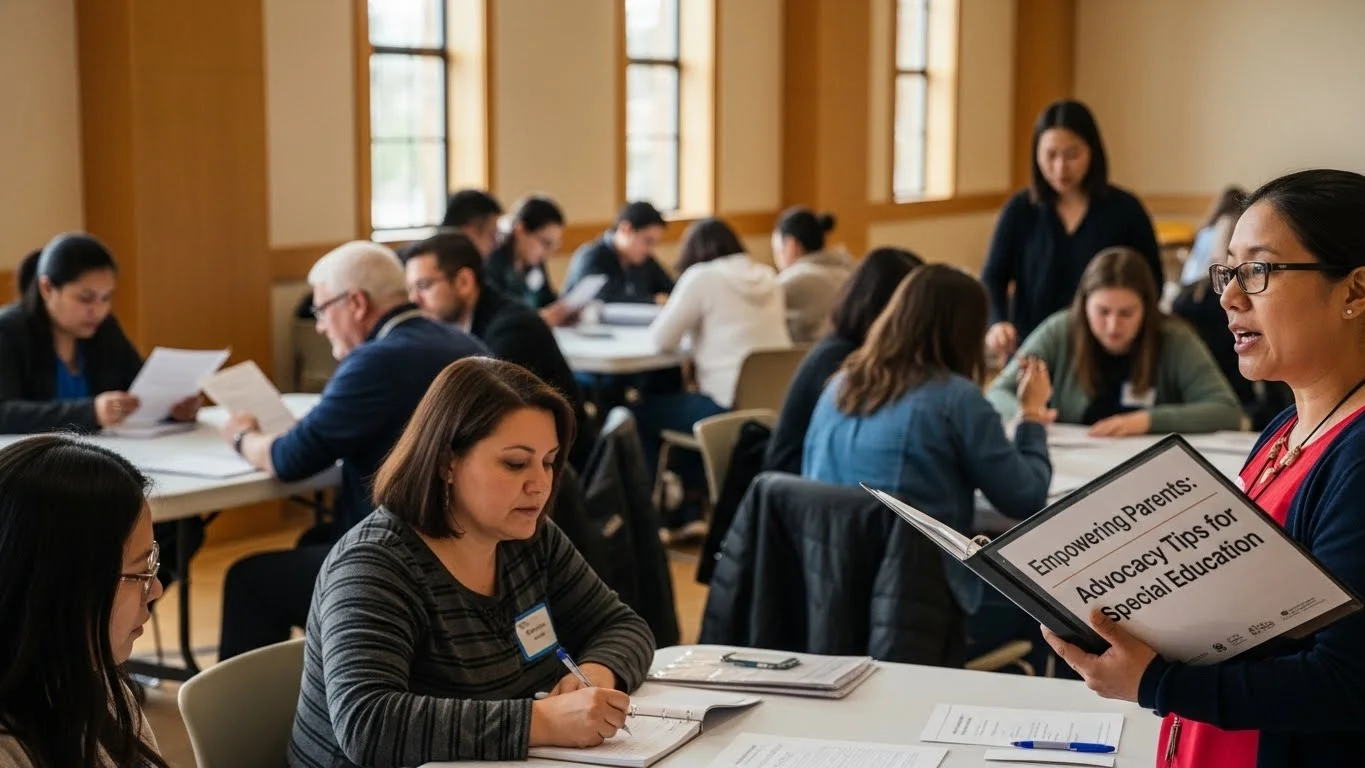
Empowering parents in the realm of special education is crucial. Advocacy not only enhances the educational experience for children with disabilities but also fosters a collaborative environment among families and schools. Read Interesting article: Creating Inclusive Classrooms Without Breaking the Bank
Understanding Special Education
What is Special Education?
Special education is tailored instruction designed to meet the unique needs of students with disabilities. I remember the first time I learned about special education; it opened my eyes to the diverse ways in which children can learn. Many parents, like myself, often realize that their child learns differently than their peers. This realization can be overwhelming, but understanding that special education programs exist to provide support can be incredibly reassuring. These programs are designed not merely to provide a basic education but to ensure that all students, regardless of their challenges, have access to the resources and strategies they need to thrive.
Legal Framework: IDEA and ADA
The legal framework surrounding special education in the United States is primarily defined by two key laws: the Individuals with Disabilities Education Act (IDEA) and the Americans with Disabilities Act (ADA). When I first navigated the legal aspects of special education, I found it vital to understand these laws as they lay the groundwork for educational rights. IDEA ensures that children with disabilities receive free appropriate public education (FAPE) tailored to their individual needs, while ADA prohibits discrimination based on disability in all areas of public life, including education. This legal backing empowers us, as parents, to advocate for our children’s rights effectively.
Types of Disabilities Covered
Special education serves a wide variety of disabilities, including but not limited to learning disabilities, autism spectrum disorders, emotional disturbances, speech or language impairments, and intellectual disabilities. I remember feeling a mix of emotions when I learned about the different types of disabilities covered under these laws. It helped me realize that my child was not alone and that many students face similar challenges. Each disability presents unique learning needs, and recognizing these differences is the first step toward advocating for appropriate resources and support. The more we understand these categories, the better we can support our children and communicate their needs to educators.
Empowering Parents as Advocates
The Role of Parents in Special Education
As parents, we wear many hats, but one of the most important roles we play is that of an advocate for our children. I’ve seen firsthand how crucial it is to be involved in my child’s education. Being an advocate means actively participating in meetings, asking questions, and ensuring that our voices are heard. It can sometimes feel daunting, but I believe that each of us holds valuable insights about our child’s strengths and challenges. Embracing this role empowers not just us but also our children, showing them that they have someone in their corner fighting for their best interests.
Building Knowledge About Rights and Services
Knowledge is power, especially in special education. I found that taking the time to learn about my child’s rights and the services available was incredibly beneficial. There are numerous resources out there, from local advocacy groups to online platforms where parents share their experiences. Familiarizing myself with terms like Individualized Education Program (IEP) and accommodations helped me feel more equipped to engage with school officials. I recommend digging into materials provided by organizations like the National Parent Technical Assistance Center or the Council for Exceptional Children. These resources can help demystify the process and ensure that we are advocating from a place of understanding. Additionally, exploring Exploring IEP Implementation: Cost-Effective Approaches can provide valuable insights.
Emotional Support and Advocacy
Advocating for a child with special needs can be emotionally taxing. I’ve had moments of frustration and doubt along the way. It’s essential to recognize that we are not alone in this journey. Connecting with other parents who share similar experiences can provide much-needed emotional support. We can share our stories, frustrations, and victories, creating a community that encourages and uplifts one another. I’ve found that when we lean on each other, it not only strengthens our advocacy efforts but also helps us maintain our mental well-being. Seeking support through local support groups or online forums can make a world of difference in our advocacy journey.
Effective Communication with Schools
How to Prepare for IEP Meetings
Preparing for an Individualized Education Program (IEP) meeting can feel like a daunting task, but I’ve learned that being well-prepared makes a huge difference. I remember my first IEP meeting; I was nervous and unsure of what to expect. Now, I approach it with a plan. I recommend starting by reviewing your child’s current IEP if they have one, and gathering any relevant assessments, progress reports, or work samples that can provide insights into their strengths and needs. It’s also helpful to jot down specific questions or concerns you want to address. This way, I feel more confident that nothing important will be overlooked. Additionally, I find it beneficial to invite someone to accompany you, whether it’s a family member or a friend who understands the special education system. Having support can ease the pressure and give you the assurance you need during discussions.
Strategies for Effective Dialogue with Educators
Open and honest communication with educators is essential. I’ve discovered that approaching conversations with a collaborative mindset helps build positive relationships. Instead of seeing the school staff as adversaries, I try to view them as partners in my child’s education. When speaking with teachers or administrators, I focus on being respectful and expressing my appreciation for their efforts. I also find that asking open-ended questions encourages dialogue. Instead of saying, “Why isn’t my child doing well?” I might ask, “What strategies have you found effective in supporting my child’s learning?” This shift in language fosters a more productive conversation and helps me understand their perspective as well. I believe that when we work together, we can find solutions that benefit our children.
Documenting Communication and Keeping Records
Keeping track of all communications regarding my child’s education has become a vital practice for me. I learned the hard way how important it is to have a record of meetings, phone calls, and emails. I started a simple binder where I keep all relevant documents organized—this includes IEPs, assessment reports, and a log of all correspondence with teachers and school staff. Whenever I have a conversation, I make notes on what was discussed and any commitments made by either party. This has proven invaluable, especially when discussions need to be revisited. I recommend taking it a step further by summarizing key points after meetings and sharing them with educators to ensure everyone is on the same page. This not only helps me stay informed but also holds everyone accountable.
Navigating the IEP Process
Understanding IEP Components
The IEP document is a roadmap for my child’s education, and understanding its components has been essential for me as an advocate. An IEP typically includes sections on the child’s present levels of performance, measurable annual goals, and specific services and accommodations they will receive. I remember feeling overwhelmed when I first encountered the jargon, but breaking it down helped me grasp its significance. For instance, the “present levels” section provides a snapshot of where my child is academically and socially, which serves as the foundation for setting realistic goals. I also learned that goals should be tailored to be both challenging and achievable, ensuring they reflect my child’s potential. I recommend taking the time to review each section thoroughly and asking questions if something isn’t clear. The more I understand, the better I can contribute to creating an effective plan.
Setting Goals and Objectives
Setting goals for my child’s IEP has been one of the most empowering aspects of the process. I’ve found that involving my child, when appropriate, in this goal-setting can be incredibly beneficial. It allows them to express their interests and aspirations, making the goals more meaningful. I remember a time when my child expressed a desire to improve their reading skills, which led to a specific goal in the IEP focused on reading comprehension. This not only motivated my child but also made educators more invested in the process. I believe that goals should be specific and measurable, so we can track progress over time. For example, rather than a vague goal like “improve math skills,” we set a goal for achieving a certain score on a math assessment by the end of the term. This clarity allows everyone involved to understand expectations and celebrate achievements as they happen.
Monitoring Progress and Adjusting Plans
Monitoring progress is crucial for ensuring that the IEP remains effective. I’ve found that regular communication with teachers helps me stay updated on how my child is progressing toward their goals. I recommend setting specific times to check in, such as mid-semester or quarterly, to review progress reports together. When I see my child struggling with a particular goal, I’m not afraid to advocate for adjustments—whether it means changing the approach, providing additional resources, or even revisiting the goals themselves. Flexibility is key in special education; what works today might not work tomorrow. By being proactive and involved, I feel more empowered to ensure that my child receives the support they need to thrive.
Resources for Parents
Local and National Advocacy Organizations
Finding the right support can make a world of difference for us as parents navigating the special education landscape. I discovered a wealth of local and national advocacy organizations that provide resources, guidance, and community connections. Organizations like the National Parent Technical Assistance Center and the Council for Exceptional Children have been invaluable. They not only offer information about special education rights but also provide training and workshops that enhance our advocacy skills.
Additionally, I found local chapters of organizations like the Parent Advocacy Coalition for Educational Rights (PACER) to be incredibly helpful. They offer resources tailored to specific states or regions, making it easier to understand local policies and practices. Attending workshops or meetings hosted by these organizations not only expands our knowledge but also allows us to connect with other parents who are on the same journey. I remember attending a local event where I met other parents facing similar challenges; it was comforting to share experiences and learn from one another. I also recommend checking out Backpacking Through IEP Development: A Step-by-Step Guide for further insights.
Support Groups and Online Communities
Support groups have been a lifeline for me. I’ve attended several meetings where parents gather to share their experiences, frustrations, and successes. These gatherings remind us that we are not alone in our advocacy journey. I often find that just hearing others’ stories gives me fresh perspectives on my situation. There’s something empowering about sharing our struggles and celebrating our victories together.
In addition to in-person groups, online communities have flourished, especially in recent years. Platforms like Facebook and online forums dedicated to special education advocacy create spaces where parents can ask questions, seek advice, and share resources. I’ve participated in several of these groups and found them to be a treasure trove of information. Whether it’s learning about new laws, sharing local resources, or finding emotional support, these communities have enhanced my confidence as an advocate.
Books and Online Resources for Further Learning
Continuing to educate myself has been a priority for me throughout this journey. I’ve found numerous books and online resources that provide essential insights into special education. One of my favorite books is “The Complete IEP Guide” by Lawrence Siegel. It breaks down the IEP process in a way that’s easy to understand and provides practical tips for advocating effectively. I often refer back to it when I need a refresher on specific topics.
Online courses and webinars offered by organizations like Wrightslaw and the National Center for Learning Disabilities have been incredibly helpful as well. These resources cover everything from navigating the IEP process to understanding disability rights in detail. I love that I can access this information at my own pace, allowing me to absorb it fully. I believe that the more informed we are, the better advocates we can be for our children.
Conflict Resolution Strategies
Identifying Common Disputes in Special Education
As parents, we often encounter conflict in various forms while advocating for our children in special education. I’ve certainly faced my share of disagreements, whether it was about the services my child should receive or the appropriateness of their IEP goals. I learned that recognizing common disputes is the first step toward addressing them. Issues like inadequate services, lack of communication, or disagreements over evaluations can create tension with school staff.
Understanding that these disputes often stem from misunderstandings or differing perspectives has helped me approach conflicts more constructively. For example, I once found myself at odds with a teacher about my child’s needs. Instead of becoming defensive, I took a step back to understand their viewpoint. This shift in perspective allowed us to find common ground and work collaboratively toward a solution.
Mediation and Due Process Procedures
When conflicts escalate and communication breaks down, mediation can be an effective tool. I’ve participated in mediation sessions, which provided a neutral ground for discussing differing opinions. I found that having a mediator present helped facilitate open dialogue and guided us toward a resolution. It’s important to remember that mediation is about finding a solution that works for both parties, so being open-minded is crucial. In my experience, the mediator can help clarify misunderstandings and keep the conversation productive.
If mediation doesn’t lead to a satisfactory outcome, I learned that due process procedures can be an option. While this route can seem intimidating, it’s important to know our rights and understand the steps involved. I recommend documenting everything and seeking support from advocacy organizations to navigate this process effectively. The idea of pursuing due process initially felt overwhelming, but knowing that there are resources available to assist us gave me confidence.
Seeking Legal Assistance when Necessary
There may come a time when legal assistance becomes necessary. I’ve heard stories from other parents who faced challenges that required legal intervention. It’s essential to know when to seek help from an attorney who specializes in special education law. I learned that legal expertise can provide clarity on complex issues and can be especially helpful if a school is not complying with IEP requirements or IDEA regulations.
Finding the right attorney can be daunting, but resources from advocacy organizations often include recommendations. In my case, I reached out to a local advocacy group that connected me with a lawyer experienced in special education. Having someone knowledgeable on my side made a significant difference in my confidence and understanding of the legal landscape. I believe that seeking legal assistance should be seen as a last resort, but it’s reassuring to know that it’s an option if necessary.
Success Stories and Case Studies
Real-Life Advocacy Examples from Parents
There’s something incredibly inspiring about hearing success stories from fellow parents who have navigated the special education system. I recall attending a workshop where a mother shared how she transformed her son’s educational experience through persistent advocacy. She had faced numerous hurdles, but her determination to ensure her son received the services he needed was truly remarkable. After countless meetings and discussions, she successfully secured an IEP that included tailored accommodations and specialized instruction. Watching her speak, I felt a surge of hope; it reminded me that every small victory counts. Her story resonated with many of us, as it exemplified that advocacy can lead to tangible improvements in our children’s education. These stories not only motivate us but also provide practical insights into strategies that work.
Impact of Advocacy on Children’s Outcomes
The effects of advocacy are far-reaching and can profoundly impact children’s educational outcomes. I’ve seen this firsthand through my child’s growth. After I became more involved and informed, I noticed significant changes in their academic performance and self-esteem. For instance, securing additional support services helped my child develop crucial skills that they previously struggled with. I remember the pride I felt when my child received recognition for their progress in reading—something I once thought was out of reach. This success wasn’t just about academic achievement; it also enhanced their confidence and social interactions. It’s a testament to how advocacy can create a positive ripple effect in a child’s life, opening doors to opportunities that might otherwise remain closed.
Future Trends in Special Education Advocacy
Technology and Advocacy Tools
As technology continues to evolve, I’ve noticed it plays an increasingly significant role in special education advocacy. There are fantastic tools available today that help parents track their child’s progress, communicate with educators, and access resources more efficiently. For example, I discovered several apps that allow me to document my child’s achievements and any challenges they face in real-time. This has made it much easier to prepare for IEP meetings and keep everyone informed. Moreover, online platforms have emerged that connect parents with experts, enabling us to better understand our rights and navigate the system. I genuinely believe these technological advancements empower us to be more effective advocates for our children.
Legislative Changes on the Horizon
Keeping an eye on legislative changes is crucial in our advocacy efforts. I often find myself reading up on proposed laws that could affect special education. For example, I remember when the discussion around funding for special education services gained momentum. Being informed about these developments allows us to voice our opinions and advocate for necessary changes. I believe that if we come together as a community and make our voices heard, we can influence positive outcomes. I encourage all parents to stay engaged with local legislative updates and consider participating in advocacy efforts that resonate with them.
Community Involvement and Awareness Initiatives
Community involvement can greatly enhance awareness and support for special education. I’ve seen how local initiatives, like awareness campaigns and workshops, can bring parents, educators, and community members together. These events create a platform for sharing resources and experiences. I participated in a local awareness event that highlighted the importance of special education, and it was heartening to see so many people come together for a common cause. It’s a reminder that we are all in this together, and collective efforts can lead to meaningful change. By raising awareness and fostering understanding, we can create a more inclusive environment for all children, regardless of their challenges.
Final Thoughts
Reflecting on this journey, I’ve learned that advocacy in special education is not just about fighting for resources—it’s about partnership, understanding, and growth. Each challenge we face is an opportunity to become stronger advocates for our children. I’ve found that by sharing our experiences and learning from one another, we can create a supportive network that empowers us all. Remember, we are our children’s best advocates, and with knowledge, persistence, and community support, we can inspire change and enhance their educational journeys. Let’s continue to stand together, share our stories, and champion the rights of all children with disabilities.
Frequently Asked Questions
What is special education?
Special education is tailored instruction designed to meet the unique needs of students with disabilities. It ensures that all students, regardless of their challenges, have access to the resources and strategies they need to thrive.
What laws govern special education in the United States?
The primary laws governing special education in the United States are the Individuals with Disabilities Education Act (IDEA) and the Americans with Disabilities Act (ADA). IDEA ensures that children with disabilities receive free appropriate public education (FAPE), while ADA prohibits discrimination based on disability in public life, including education.
What types of disabilities are covered under special education?
Special education covers a wide variety of disabilities, including learning disabilities, autism spectrum disorders, emotional disturbances, speech or language impairments, and intellectual disabilities.
How can parents empower themselves as advocates for their children in special education?
Parents can empower themselves by actively participating in their child’s education, building knowledge about their rights and available services, and seeking emotional support from other parents and advocacy groups.
What should parents do to prepare for IEP meetings?
Parents should review their child’s current IEP, gather relevant assessments and progress reports, jot down specific questions or concerns, and consider inviting someone for support to help ease the pressure during discussions.
What strategies can parents use for effective communication with educators?
Parents can foster open and honest communication by approaching conversations with a collaborative mindset, being respectful, expressing appreciation, and asking open-ended questions to encourage dialogue.
What components are typically included in an IEP?
An IEP typically includes sections on the child’s present levels of performance, measurable annual goals, and specific services and accommodations that the child will receive.
How can parents monitor their child’s progress in special education?
Parents can monitor progress by maintaining regular communication with teachers, setting specific times to check in about progress reports, and advocating for adjustments if their child is struggling with specific goals.
What resources are available for parents navigating special education?
Parents can access local and national advocacy organizations, support groups, online communities, and educational books or courses that provide insights and guidance on special education advocacy.
When should parents consider seeking legal assistance in special education matters?
Parents should consider seeking legal assistance when they face challenges that require legal intervention, such as non-compliance with IEP requirements or IDEA regulations, and can benefit from the expertise of an attorney specializing in special education law.