
Traveling opens our eyes to new experiences, and when we mix that with STEM education, magic happens. Encouraging critical thinking through travel-based projects can inspire the next generation of innovators and problem solvers.
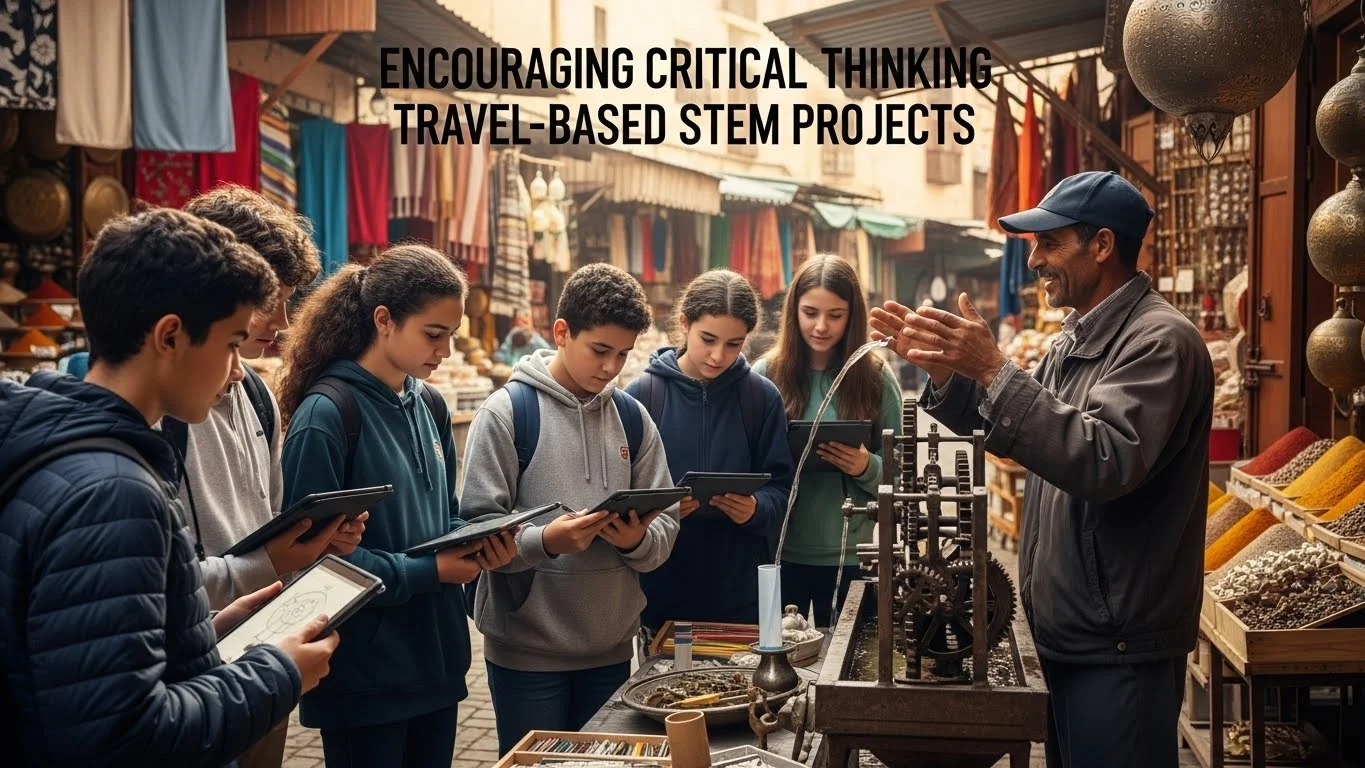
Understanding Critical Thinking in STEM Education
Definition of Critical Thinking
Critical thinking, to me, is about more than just analyzing information. It’s the ability to evaluate, interpret, and create new ideas by questioning and reflecting on our surroundings. I remember the first time I was encouraged to think critically—it was during a science fair when I was asked not just to present my project but to explain the reasoning behind my choices. That experience reshaped how I approached challenges in life.
Importance of Critical Thinking in STEM
In the world of STEM (Science, Technology, Engineering, and Mathematics), critical thinking becomes essential. It allows us to tackle complex problems, innovate, and adapt to new situations. I’ve seen firsthand how students who engage in critical thinking are better prepared for real-world challenges. They don’t just memorize facts; they understand concepts and make connections that lead to breakthroughs. In my opinion, fostering these skills is vital for developing creative and analytical minds that can navigate the future.
Role of Travel in Enhancing Critical Thinking Skills
Traveling has a unique way of enriching our understanding of the world. When I traveled to different countries, I noticed how the local culture and environment shaped scientific advancements and engineering feats. This hands-on experience taught me to observe and question the world around me. Travel exposes us to diverse perspectives, encourages curiosity, and challenges our preconceived notions. I believe that integrating travel into STEM education can significantly enhance critical thinking skills, as students encounter real-world problems and diverse solutions. They learn to analyze different approaches and think critically about what they observe.
Travel-Based STEM Projects Overview
What Are Travel-Based STEM Projects?
Travel-based STEM projects are educational activities that incorporate travel as a key element of learning. I’ve participated in a few where we explored science centers, natural wonders, or engineering marvels while engaging in projects that stimulated our curiosity. Whether it’s studying the geological formations in a national park or the latest technology at a local research institution, these projects offer a hands-on approach that traditional classrooms often lack.
Benefits of Travel-Integrated Learning
From my experience, there are countless benefits to travel-integrated learning. One of the most significant is the opportunity for experiential learning. Instead of just reading about ecosystems, I could step right into them, observe the flora and fauna, and understand the delicate balance of life. This kind of direct engagement fosters a deeper understanding that textbooks simply can’t provide. Additionally, travel encourages collaboration, as students often work in teams to solve problems or complete tasks, enhancing their communication and teamwork skills.
Types of Travel-Based STEM Projects
There are various types of travel-based STEM projects that can cater to different interests and educational goals. I’ve seen projects that involve:
- Field Research: Students gather data in different environments, like forests or urban areas, to study biodiversity or pollution.
- Engineering Challenges: Visiting iconic structures and understanding the engineering behind them can inspire creative problem-solving.
- Cultural Innovations: Exploring local technologies and innovations can help students appreciate the intersection of culture and science.
Each type of project offers unique experiences that can enrich students’ understanding of STEM concepts while encouraging critical thinking through exploration and inquiry.
Planning a Travel-Based STEM Project
Setting Objectives for the Project
When I think about planning a travel-based STEM project, the first step that comes to mind is setting clear objectives. It’s like charting a course before you set sail. I’ve learned that having specific goals not only guides the project but also helps keep everyone focused. For instance, I remember a project where our objective was to understand the impact of climate change on local ecosystems. By defining what we wanted to achieve, we could tailor our activities and research to fit this aim, making our exploration more meaningful.
In my experience, effective objectives are SMART: Specific, Measurable, Achievable, Relevant, and Time-bound. This framework allows students to grasp what they’re working towards and reflects on their learning journey. When we outline these objectives, it creates a sense of purpose and motivates everyone involved. I recommend involving students in this process; it fosters ownership and can spark even more excitement about the project.
Selecting Destinations with STEM Relevance
Choosing the right destination is crucial for the success of any travel-based project. I’ve often found that the best destinations are those that connect directly to the STEM topics we want to explore. For instance, if the goal is to study marine biology, a trip to a coastal area with rich biodiversity can provide practical insights that books simply can’t offer. I remember visiting an aquarium where we learned about local marine life and conservation efforts. The experience deepened my understanding and ignited my passion for marine science.
To select destinations, I suggest considering local science centers, national parks, or historical engineering sites related to the project’s objectives. I also like to incorporate students’ interests into the decision-making process. This involvement can lead to a more engaged and enthusiastic group, eager to explore their chosen topics. Plus, it makes the project feel more relevant to their lives. Think about what inspires your students and let that guide your destination choices.
Creating a Budget and Itinerary
Once you’ve set your objectives and chosen your destinations, the next step is creating a budget and itinerary. This part can be a bit daunting, but I’ve found that breaking it down into smaller tasks makes it manageable. I usually start by estimating costs for transportation, accommodations, meals, and activities. It’s surprising how quickly those expenses can add up, so being thorough is essential. I remember budgeting for a trip to a science fair; we all chipped in and discussed ways to save money, which made the process collaborative and fun.
For the itinerary, I recommend keeping a balance between structured activities and free exploration time. During one trip, we had scheduled visits to local museums, but we also left time for students to explore the area on their own. This unstructured time allowed them to pursue their curiosity and engage in spontaneous learning opportunities. I think flexibility can lead to some of the most memorable experiences during a travel-based project. Additionally, ensuring that the itinerary aligns with your project’s objectives will help maximize learning outcomes.
Destination Ideas for STEM Exploration
Science Centers and Museums
Science centers and museums are fantastic places for STEM exploration. I remember visiting a hands-on science center where we could interact with various exhibits. It was fascinating to learn about physics through engaging activities. These centers often provide workshops and programs that can enhance our understanding of complex concepts. I think they are perfect for sparking interest and curiosity in students.
Museums also play a crucial role in educating students about historical scientific advancements. When I visited a natural history museum, I was captivated by the exhibits showcasing fossil records and ancient ecosystems. It helped me connect the dots between the past and present, deepening my appreciation for evolution and biodiversity. I highly recommend considering these venues when planning travel-based STEM projects.
Natural Wonders and Ecosystems
Natural wonders, like national parks or unique ecosystems, offer incredible opportunities for hands-on learning. I’ve always been in awe of how diverse our planet is, and visiting these sites has left a lasting impression on me. For instance, hiking through a rainforest taught me about ecosystems and the importance of conservation. Seeing the intricate relationships between plants and animals in person is something that sticks with you.
When planning a project around natural wonders, incorporating field research can provide students with real-world data collection experiences. I remember gathering samples in a river ecosystem and analyzing water quality back at school. This type of project not only reinforces scientific concepts but also emphasizes the importance of environmental stewardship.
Historical Sites with Engineering Significance
Exploring historical sites with engineering significance is another exciting way to integrate travel and STEM education. I had the chance to visit a famous bridge, and learning about its construction and design principles was eye-opening. We discussed the engineering challenges faced and how they were overcome, which inspired my classmates and me to think creatively about problem-solving.
These sites often offer guided tours that delve into the science and technology behind their construction. I believe students can gain a profound appreciation for the ingenuity and innovation of past engineers, motivating them to think critically about future projects they might undertake.
Universities and Research Institutions
Universities and research institutions are treasure troves of knowledge and innovation. I remember attending a workshop at a local university where researchers shared their groundbreaking work. It was fascinating to see how academic research translates into real-world applications. These visits can inspire students to think about their future careers in STEM fields.
By engaging with professionals, students can gain insights into various STEM disciplines and understand the process of scientific inquiry. I’ve found that meeting researchers and learning about their projects often ignites a spark in students, encouraging them to explore their interests further. I recommend reaching out to universities to see if they offer programs for school groups—they can provide valuable experiences that enrich any travel-based STEM project.
Engaging Students in Critical Thinking
Project-Based Learning Techniques
One of my favorite ways to engage students in critical thinking is through project-based learning. This method allows students to dive deep into a topic while developing their problem-solving skills. I remember a project where we had to design a sustainable energy solution for our school. It wasn’t just about coming up with ideas; we had to research different renewable energy sources, calculate costs, and even present our findings to the school board. This hands-on approach forced us to think critically about our choices and the implications of our solutions.
Incorporating travel into project-based learning elevates the experience. For example, visiting a solar farm not only provides real-world context but also allows students to ask questions about energy production and its environmental impact. I believe that when students are immersed in their projects, they are more likely to think critically, ask deeper questions, and connect the dots between theory and practice. This kind of engagement is not just beneficial; it’s transformative!
Collaborative Group Activities
Collaboration is another key ingredient in fostering critical thinking. When I worked on group projects during my travels, I noticed that diverse perspectives often led to richer discussions and more innovative solutions. For instance, during a STEM project focused on water conservation, our group was made up of students from different backgrounds. Each of us brought unique insights and experiences, which helped us brainstorm creative ideas on how to reduce water usage in our community.
Incorporating collaborative group activities into travel-based projects can simulate real-world STEM environments where teamwork is essential. I recommend setting up challenges that require group problem-solving, such as designing an experiment or creating a prototype based on observations from a trip. Not only do these activities promote critical thinking, but they also teach students valuable skills in communication and collaboration. I think it’s rewarding to see how working together can lead to breakthroughs that none of us could have achieved alone.
Field Research and Data Collection
Field research is an exciting way to engage students and enhance their critical thinking skills. I remember going on a trip to a local river where we collected water samples for analysis. This hands-on experience not only taught us about water quality but also about the scientific method. We learned how to formulate a hypothesis, collect data, and analyze our results—all while being immersed in the environment we were studying. It was amazing to see theory come alive in such a tangible way!
Incorporating field research into travel-based projects encourages students to think critically about their findings and consider the broader implications. For example, after analyzing the water samples, we discussed what factors might contribute to pollution in the river. This kind of inquiry fosters a sense of responsibility and encourages students to think about how their actions impact the environment. I believe that when students engage in field research, they develop a deeper understanding of scientific concepts and learn to appreciate the beauty and complexity of the world around them.
Examples of Successful Travel-Based STEM Projects
Environmental Science: National Park Expeditions
One of the most memorable travel-based STEM projects I participated in was a week-long expedition to a national park. Our objective was to study the park’s ecosystems and investigate the effects of climate change on local wildlife. We conducted field experiments, collected data on plant species, and even worked with park rangers to understand conservation efforts. This hands-on experience allowed us to see the real-world implications of environmental science.
Throughout the trip, we engaged in discussions about biodiversity and ecological balance. I remember being particularly moved by a presentation from a ranger on the impact of invasive species. It sparked a conversation among us about what we could do to help mitigate these issues. This project wasn’t just about gathering data; it was about understanding our role in protecting the environment. I think that these kinds of experiences are crucial for nurturing future environmental stewards.
Engineering: Visiting Iconic Structures
Another incredible project involved visiting iconic engineering structures, such as bridges and skyscrapers. We were tasked with analyzing their design and construction techniques. I remember standing on a famous suspension bridge, looking at its intricate cables and understanding the engineering principles that made it possible. It was a real-life lesson in physics and engineering!
As part of our project, we had to create a model bridge using similar engineering principles. This challenge not only required us to apply what we learned but also encouraged us to think critically about the design process, materials used, and structural integrity. I believe that visiting these structures allowed us to appreciate the creativity and problem-solving involved in engineering, inspiring us to think about our own potential in the field.
Cultural Studies: Exploring Local Innovations
Travel-based projects can also dive into cultural studies, exploring local innovations and technologies. I remember visiting a community that had developed unique solutions for sustainable farming. We engaged with local farmers to learn about their techniques and the science behind them. This experience opened my eyes to the importance of culture in shaping scientific practices and innovations.
While there, we worked on a project where we had to develop a proposal for implementing similar sustainable practices in our community. This allowed us to think critically about how we could adapt these ideas to our own context while respecting cultural differences. I believe that these projects help students understand the intersection of science, culture, and innovation, fostering a more holistic view of STEM education.
Assessment and Reflection
Evaluating Project Outcomes
Assessing the outcomes of travel-based STEM projects is an essential step that often gets overlooked. I remember after our national park expedition, we took the time to evaluate what we had learned and how well we achieved our objectives. This process was enlightening, as it allowed us to reflect on both our successes and the areas where we faced challenges. I learned that creating a rubric before the project can help guide evaluations. This way, students know what to expect and can focus on the key elements that will be assessed. I think this strategy not only offers clarity but also encourages transparency in the evaluation process.
In my experience, effective evaluation involves both quantitative and qualitative measures. For instance, we could look at the data we collected during our field research, but we also had discussions about our personal experiences and insights gained throughout the project. This mix of assessments helped us appreciate the full scope of our learning journey and its impact on our understanding of STEM concepts.
Encouraging Student Reflection on Experiences
Reflection is a powerful tool in learning, and I believe that encouraging students to share their thoughts about their travel experiences can significantly enrich their understanding. After our projects, I often led discussions where everyone could express what they enjoyed, what surprised them, and what they might do differently next time. I felt that this not only fostered a sense of community but also allowed us to learn from each other’s perspectives.
In one project, we kept journals where we documented our daily experiences and reflections. Looking back at those entries, I realized how much deeper our understanding became as we processed our thoughts about the activities and concepts we encountered. I recommend incorporating structured reflection activities, like guided questions, discussions, or even creative presentations, to help students articulate their learning outcomes.
Integrating Feedback into Future Projects
Feedback is crucial for growth, and I’ve found that integrating it into future projects can make a world of difference. After completing a travel-based project, I encourage students to provide feedback not just on the project itself but on the planning process, activities, and even the destinations. This feedback loop helps educators understand what worked well and what could be improved.
In our case, we compiled our reflections and feedback into a report, which we shared with other classes and teachers. It was gratifying to see how our experiences could inform future travel-based STEM projects. I believe that being open to feedback and willing to adjust our approaches is key to continuously enhancing the learning experiences we offer.
Resources for Educators and Students
Books and Publications on Travel-Based Learning
Finding the right resources can be a game-changer for planning travel-based STEM projects. I’ve come across several books that focus on experiential learning and travel education, which provide valuable insights and practical tips. One of my favorites is “The Geography of Thought” by Richard E. Nisbett, which explores how culture shapes thought processes and can inform travel-based learning. I recommend checking your local library or online book retailers for titles that resonate with your project’s theme.
Online Platforms for STEM Travel Projects
There are numerous online platforms that can help educators and students connect for travel-based STEM projects. Websites like DonorsChoose.org allow teachers to post project ideas and seek funding, while other platforms like Edmodo or Google Classroom can facilitate collaboration and communication among students during their projects. I’ve found that using technology to track progress and share resources makes the entire project more engaging and organized.
Grants and Funding Opportunities
Funding can often be a barrier to embarking on travel-based STEM projects, but there are various grants and scholarships available. I remember our group applied for a local educational grant that helped cover the costs of transportation and accommodations for our national park expedition. Websites like Grants.gov list federal funding opportunities, while local foundations may also offer support for educational initiatives. I recommend researching these options early in the planning process to help secure necessary funds.
Challenges and Considerations
Logistical Challenges of Travel Projects
Traveling for educational purposes presents unique logistical challenges. I’ve experienced the stress of coordinating transportation, accommodations, and schedules, especially when traveling with a group. I’ve found that planning well in advance and having clear communication with all parties involved can alleviate some of that stress. Setting a timeline for planning and delegating responsibilities among students can also help manage the workload, ensuring everyone contributes to the project.
Addressing Safety and Accessibility Issues
Safety is paramount when planning travel-based projects. I always make it a point to review safety protocols and ensure that everyone in the group understands them. Additionally, considering accessibility is crucial. I remember a trip where we had to think about how to accommodate all students, including those with physical disabilities. It taught me the importance of inclusivity in educational experiences, and I recommend always keeping accessibility in mind when planning destinations and activities.
Balancing Educational Goals with Travel Experiences
Lastly, striking the right balance between educational objectives and travel experiences can be tricky. I’ve sometimes found myself so focused on achieving project goals that I forgot to enjoy the journey. It’s essential to remember that travel is also about experiencing new cultures, building friendships, and having fun. I believe that integrating informal learning moments—like sharing meals or exploring local traditions—can enhance the overall educational experience, making it memorable for students.
Final Thoughts
Reflecting on my experiences with travel-based STEM projects, I feel incredibly fortunate to have had opportunities that blended education and exploration. These projects not only foster critical thinking but also ignite passion, curiosity, and an appreciation for the world around us. They remind us that learning can happen outside the classroom walls and that real-world experiences can shape our understanding of STEM in profound ways. I hope that more educators embrace the idea of integrating travel into their curricula, as it has the potential to cultivate the next generation of thinkers, innovators, and problem solvers. Let’s continue to inspire young minds through the power of travel and education!
Read Interesting article: Newborn Health Basics: A Guide for New Parents
Frequently Asked Questions
What is critical thinking in STEM education?
Critical thinking in STEM education involves evaluating, interpreting, and creating new ideas by questioning and reflecting on our surroundings, rather than just analyzing information.
How does travel enhance critical thinking skills?
Travel enriches our understanding of the world by exposing us to diverse perspectives, encouraging curiosity, and challenging preconceived notions, which significantly enhances critical thinking skills.
What are travel-based STEM projects?
Travel-based STEM projects are educational activities that incorporate travel as a key learning element, allowing students to explore science centers, natural wonders, or engineering marvels while engaging in stimulating projects.
What are the benefits of travel-integrated learning?
Travel-integrated learning offers experiential learning opportunities, fostering a deeper understanding of concepts that textbooks cannot provide, while also encouraging collaboration and enhancing communication skills among students.
What types of travel-based STEM projects are there?
Types of travel-based STEM projects include field research, engineering challenges, and cultural innovations, each offering unique experiences that enrich students’ understanding of STEM concepts.
How do you plan a travel-based STEM project?
Planning a travel-based STEM project involves setting clear objectives, selecting relevant destinations, and creating a budget and itinerary that balances structured activities with free exploration time.
What are some recommended destinations for STEM exploration?
Recommended destinations for STEM exploration include science centers and museums, natural wonders and ecosystems, historical sites with engineering significance, and universities and research institutions.
How can project-based learning techniques engage students in critical thinking?
Project-based learning techniques engage students by allowing them to dive deep into topics, develop problem-solving skills, and connect theory with real-world applications through hands-on experiences.
Why is reflection important in travel-based STEM projects?
Reflection is important as it allows students to share their thoughts about their experiences, deepening their understanding and helping them learn from each other’s perspectives.
What challenges might educators face when planning travel-based STEM projects?
Educators may face logistical challenges, safety and accessibility issues, and the need to balance educational goals with travel experiences, which require careful planning and clear communication.
Read Interesting article: Cardio During Pregnancy: Best Practices for Safe Workouts
Read Interesting article: Essential Nutritional Guide for Your Growing Infant
Traveling is one of the most exhilarating ways to unlock new language skills. As we wander through vibrant cultures, we immerse ourselves in the sounds and rhythms of local languages, transforming our journey into a learning adventure.

Understanding the Connection Between Travel and Language Learning
When I first set out to travel on a budget, I didn’t realize how much it would enrich my language skills. I discovered that every new destination provided opportunities not just to see the world, but to communicate within it. In my experience, the connection between travel and language learning is incredibly profound. Read Interesting article: Hands-On STEM: Budget Backpacking Tips for Family Travelers
The Benefits of Learning Languages While Traveling
Learning a language while traveling offers several benefits that I found personally enriching. First off, it allows for a deeper connection with the culture. I remember sitting in a small café in Italy, struggling with my Italian, yet feeling a sense of accomplishment when the barista smiled and responded in kind. Those little moments sparked joy and made the experience memorable.
Additionally, learning a language enhances your travel experience. When I communicated in the local language, I felt a sense of belonging. I found that my interactions were richer and more engaging. Whether ordering food or asking for directions, these exchanges made my travels feel more authentic. Plus, knowing a few phrases can often lead to new friendships, which I consider one of the greatest rewards of travel. Read Interesting article: Budget Backpacking Tips for Kids with Special Social Needs
How Travel Enhances Language Acquisition
Traveling creates an immersive environment that accelerates language learning. I’ve noticed that when I’m surrounded by a language, I start picking up phrases and slang more quickly than I ever did in a classroom. The necessity to communicate pushes you out of your comfort zone, which can be intimidating, but also thrilling. In my case, I found myself learning faster just by being in the midst of native speakers.
Listening to conversations, repeating phrases, and practicing in real-time situations can significantly enhance your language skills. Each time I encountered someone who spoke the language I was learning, I felt a surge of excitement. I remember going to a market in Thailand, chatting with locals, and feeling a sense of accomplishment with each successful interaction. The context of the environment made it easier to remember vocabulary and phrases, solidifying my learning experience.
Choosing Your Destination: Language Opportunities
Choosing the right destination can make a world of difference in your language learning journey. I’ve learned that some places offer more extensive opportunities for immersion and interaction than others. Here’s what I discovered throughout my travels.
Best Countries for Language Immersion
Some countries stand out as ideal for language immersion. For instance, Spain was a favorite of mine. The vibrant atmosphere, coupled with the countless opportunities to engage in conversation, made practicing Spanish easy and enjoyable. I found myself chatting with locals at every turn: in shops, at the park, and even during tapas tours.
Other countries like Japan or France also provide rich linguistic experiences. I spent time in Japan and was amazed at how language is intricately tied to the culture. Learning basic Japanese phrases before my trip helped me navigate the country, and I cherished the moments when locals appreciated my efforts to communicate in their language.
Language Exchanges and Local Communities
Language exchanges are another fantastic way to enhance your skills. I recall attending a language exchange event in Berlin, where locals and travelers gathered to practice different languages. It was a relaxed and friendly atmosphere, and I made some great friends while improving my German in the process. These events often occur in cafes or community centers, and they’re a perfect way to meet people who are also eager to learn.
Traveling in Non-English Speaking Regions
Traveling in non-English speaking regions can be intimidating, but I found it to be one of the most rewarding experiences. In my travels through Eastern Europe, for instance, I discovered that despite the language barrier, gestures and smiles can go a long way. I made an effort to learn basic phrases, and locals appreciated my attempts, which often led to warm connections and deeper interactions.
In my experience, immersing myself in a language-rich environment forces you to adapt and learn quickly. Each challenge I faced while trying to communicate only fueled my desire to learn more. I learned that embracing the discomfort of not knowing can lead to incredible growth, both in language skills and personal development.
Budget Backpacking Essentials for Language Learners
Finding Affordable Accommodations
When I embarked on my budget backpacking adventures, finding affordable accommodations became crucial for my language learning experience. I quickly realized that hostels are often the best option. Not only do they provide a place to sleep, but they also create a vibrant community of fellow travelers, many of whom are eager to practice languages. I remember one night in a Lisbon hostel, where I ended up in a lively conversation with a group of travelers from different countries, each of us sharing our language skills and experiences. It was more than just a place to rest; it was a mini-language immersion.
Additionally, I found that platforms like Airbnb or Couchsurfing can offer unique stays where hosts often speak the local language. This way, you’re not just a visitor; you become part of someone’s home, which can lead to more authentic conversations. I stayed with a lovely family in Barcelona, and they were more than happy to help me with my Spanish while sharing delicious homemade meals. Those interactions taught me more than any textbook ever could. Read Interesting article: Budget Backpacking Tips: A Homeschooling Resource Guide
Utilizing Hostels for Language Practice
Hostels offer various social activities that can be golden opportunities for language practice. I remember participating in a language exchange night at a Berlin hostel. The atmosphere was relaxed, and everyone was there for the same reason: to learn and share. I paired up with a native German speaker, and we practiced each other’s languages. I felt nervous at first, but the friendly vibe made it easy to overcome that. By the end of the night, not only did I learn new phrases, but I also made a friend who I’m still in touch with today.
Many hostels also organize group outings or events, like cooking classes or city tours, where you can interact with locals. This kind of immersive experience can be invaluable. On one of these tours in Thailand, I attempted to practice my Thai by asking the guide about local foods. Each successful attempt boosted my confidence and expanded my vocabulary. I realized that these interactions are not just about learning words—they’re about forming connections.
Public Transportation: Language Learning on the Go
Using public transportation is another fantastic way to practice language skills while traveling on a budget. I often found myself navigating trains and buses in various countries, and each ride turned into a mini language lesson. I remember taking the subway in Paris and overhearing conversations in French. I would try to decipher the words and phrases, which helped reinforce what I was learning.
Moreover, public transportation often has signs and announcements in the local language. I made it a habit to read these out loud; it was a fun and low-pressure way to practice pronunciation and familiarize myself with local expressions. I learned to ask for help when I got lost, which not only improved my language skills but also led to some memorable encounters with friendly locals who were happy to assist.
Effective Language Learning Strategies While Traveling
Using Language Apps and Online Resources
In the age of technology, I found that language apps can be invaluable tools while traveling. I used apps like Duolingo and Babbel to brush up on vocabulary and grammar before my trips. They’re perfect for practicing during downtime, like waiting for a bus or relaxing in a park. I remember sitting in a café in Prague, using my phone to learn Czech phrases while sipping coffee. The app made it easy to learn in small chunks, and I felt a sense of accomplishment after each completed lesson.
Additionally, there are platforms like Tandem or HelloTalk that connect you with native speakers. I used these apps to chat with locals before arriving in a new country, which helped ease my nerves about speaking the language. I felt more prepared to engage in real conversations, knowing I had practiced with someone who was fluent. It was like having a language buddy right in my pocket.
Engaging with Locals: Tips for Conversation
Engaging with locals is where the magic happens in language learning. I learned that a smile and a simple “hello” can open doors. In my travels, I made it a point to approach locals and start conversations, even if it was just to ask for directions. I discovered that people are often more than willing to help and appreciate your efforts to speak their language. I remember a moment in a market in Morocco, where I attempted to haggle in Arabic. The vendor chuckled, but he appreciated my effort, and we ended up chatting about local foods. It was such a rewarding experience that made me want to learn more.
One effective tip I found is to ask open-ended questions. Instead of just saying, “Do you speak English?” I would ask about their favorite things to do in the area or what local dishes they recommend. This not only helps me practice the language but also leads to richer conversations. I’ve learned that the more genuinely interested you are in others, the more they’ll be willing to share their language and culture with you.
Participating in Cultural Events and Classes
Participating in local cultural events is another exciting way to learn a language. I sought out language classes, cooking lessons, and even dance workshops during my travels. One of my favorite experiences was taking a salsa dancing class in Colombia. Not only did I learn to dance, but I also picked up useful Spanish phrases while interacting with my instructor and classmates. Those classes created a fun environment where language learning felt natural.
Local festivals are another incredible opportunity. I remember attending a cultural festival in Italy, surrounded by locals celebrating their traditions. I engaged in conversations, tried new foods, and even learned some traditional songs. These events immerse you in the language and culture in a way that textbooks simply can’t replicate. By participating, I felt a part of something bigger, and my language skills flourished in the process.
Maximizing Your Language Skills on a Budget
Free and Low-Cost Language Learning Resources
One of the greatest discoveries I made while traveling was the abundance of free and low-cost language learning resources available. I remember my excitement when I stumbled upon local libraries in various cities. Many have language learning sections that offer books, CDs, and even language exchange programs. I spent hours in a cozy corner of a library in Lisbon, flipping through language guides and practicing phrases. It felt like a treasure trove of knowledge at no cost!
Online resources also played a significant role in my learning journey. Websites like Coursera and edX offer free language courses from universities around the world. I took a free beginner’s Spanish class that helped me build a strong foundation before my trip to Spain. I found that dedicating just a few hours a week to these resources significantly enhanced my confidence and ability to interact with locals.
Another fantastic resource is local meet-up groups. I often checked platforms like Meetup.com to find language groups in cities I visited. I attended a few sessions in places like Barcelona and Berlin, where locals gathered to practice different languages. These groups were usually free and provided a welcoming environment to learn and share. I remember one particularly lively evening where we played games in Spanish and English, which made learning feel fun and engaging.
Volunteer Opportunities That Teach Language Skills
Volunteering is another incredible way to maximize language skills on a budget. I discovered this during my travels when I volunteered at a community center in Thailand. Not only did I help teach English, but I also learned Thai phrases from the students I was helping. It was a win-win situation! The experience deepened my understanding of the local culture and provided ample opportunities to practice the language in real-life scenarios.
Many organizations offer volunteer programs that focus on language and cultural exchange. I found that working with local people not only improved my language skills but also created lasting connections. For instance, during a week-long volunteer stint in a rural village, I participated in daily activities where I had to communicate in Thai. The joy of being part of the community made the language learning process feel less like a chore and more like an integral part of the adventure.
Leveraging Social Media for Language Practice
Social media became an unexpected ally in my language learning journey. I started following local influencers and joining language-specific groups on platforms like Facebook and Instagram. Engaging with content in the language I was learning felt less intimidating than traditional study methods. I remember commenting on posts in Spanish and receiving responses from native speakers. These interactions were invaluable in helping me understand casual language and slang.
Additionally, I discovered language challenges on platforms like TikTok, where users share short videos teaching phrases or cultural insights. I often replayed these videos to practice pronunciation and comprehension. It felt like having a language tutor available at my fingertips! I also started sharing my own progress, which not only motivated me but connected me with fellow learners and speakers who provided support and encouragement.
By harnessing these online platforms, I was able to practice daily in a way that felt organic and enjoyable. I learned that immersing myself in the language through engaging content keeps the learning process fresh and exciting.
Essential Language Skills for Backpackers
Basic Phrases to Learn Before You Go
As I prepared for my travels, I realized that learning a few basic phrases could make a world of difference. Simple greetings, polite expressions, and common questions became essential tools in my backpacking toolkit. I remember how learning phrases like “please,” “thank you,” and “where is…?” opened doors to authentic interactions. In Thailand, saying “sawadee ka” (hello) with a smile not only impressed locals but also made them more willing to help me navigate the streets.
I often used flashcards to memorize these phrases. It was a fun way to make my learning more interactive. I recall practicing with a travel buddy in the evenings, challenging each other to use the phrases in conversation. This practice paid off immensely when we arrived in our destination. I felt more confident and capable of engaging with the local culture, which enriched my experience tenfold.
Understanding Local Dialects and Slang
Another essential aspect of learning a language is understanding local dialects and slang. I remember feeling overwhelmed by the differences in Spanish when I traveled from Spain to Mexico. The slang and expressions varied so much that I often found myself confused! However, I embraced this challenge as an opportunity to learn. I made it a point to ask locals about their favorite phrases or idiomatic expressions. This not only helped me communicate better but also fostered deeper connections.
In my experience, slang often reveals the heart of a culture. In Colombia, for example, I learned the phrase “¡Qué chévere!” which means “How cool!” I started using it in conversations, and I noticed how it made the locals smile. Embracing these colloquialisms helped me feel more integrated into the culture and made my conversations much more lively and enjoyable.
Language Etiquette: Do’s and Don’ts
Understanding language etiquette is crucial when traveling. I learned that being aware of cultural nuances can enhance your interactions significantly. For instance, in many cultures, it’s polite to greet people before diving into conversations or requesting assistance. I remember visiting Japan and being reminded that bowing is a sign of respect. Adapting to these customs made my attempts at speaking the language feel more genuine.
On the flip side, I also learned what not to do. In some places, using informal language with strangers can come off as rude. I experienced a moment in Italy where I mistakenly used the informal “tu” instead of “lei” when addressing an older local. The look on their face was a clear reminder of the importance of understanding social hierarchies in language use. These experiences taught me to be mindful and respectful of local customs, which ultimately led to more positive interactions.
Frequently Asked Questions
How does traveling enhance language learning?
Traveling creates an immersive environment that accelerates language learning by surrounding you with native speakers and the local language. The necessity to communicate encourages you to learn and practice phrases in real-time situations, making the experience more engaging and effective.
What are some benefits of learning a language while traveling?
Learning a language while traveling allows for a deeper connection with the culture, enhances your travel experience, leads to richer interactions, and can foster new friendships. Engaging in local conversations helps make your travels more authentic and memorable.
Which countries are ideal for language immersion?
Countries like Spain, Japan, and France are considered ideal for language immersion due to their vibrant environments and opportunities for engaging in local conversations. These places offer rich linguistic experiences that enhance learning.
How can hostels support language learning?
Hostels provide a community of fellow travelers eager to practice languages, often organize social activities that promote language exchange, and create opportunities for immersive experiences through group outings or events.
What role do language exchanges play in learning a language while traveling?
Language exchanges allow travelers to practice their language skills in a relaxed environment while meeting locals. Events typically take place in cafes or community centers, facilitating connections with people also eager to learn.
What are some effective language learning strategies while traveling?
Effective strategies include using language apps for vocabulary practice, engaging with locals through conversations, participating in cultural events and classes, and leveraging social media to practice language skills.
How can public transportation aid in language learning?
Public transportation provides exposure to the local language through signs, announcements, and overheard conversations. It also offers opportunities for real-life practice as you navigate and ask for help, reinforcing your learning experience.
What are some free resources for language learning while traveling?
Free resources include local libraries, online courses from platforms like Coursera and edX, and local meet-up groups where language enthusiasts gather to practice together, often in a fun and engaging environment.
How can volunteering enhance language skills?
Volunteering allows for language practice in real-life scenarios, promotes cultural exchange, and creates lasting connections, enhancing your understanding of the local culture and language simultaneously.
What basic phrases should travelers learn before visiting a new country?
Travelers should learn simple greetings, polite expressions, and common questions such as “please,” “thank you,” and “where is…?” These phrases make interactions smoother and help establish connections with locals.
Backpacking with kids can be an unforgettable adventure that combines exploration and learning. Imagine your little ones discovering nature while also diving into fun STEM activities. It’s not just about the trails; it’s about the experiences we create together. Read Interesting article: Affordable STEM Adventures: Backpacking with Kids Made Easy
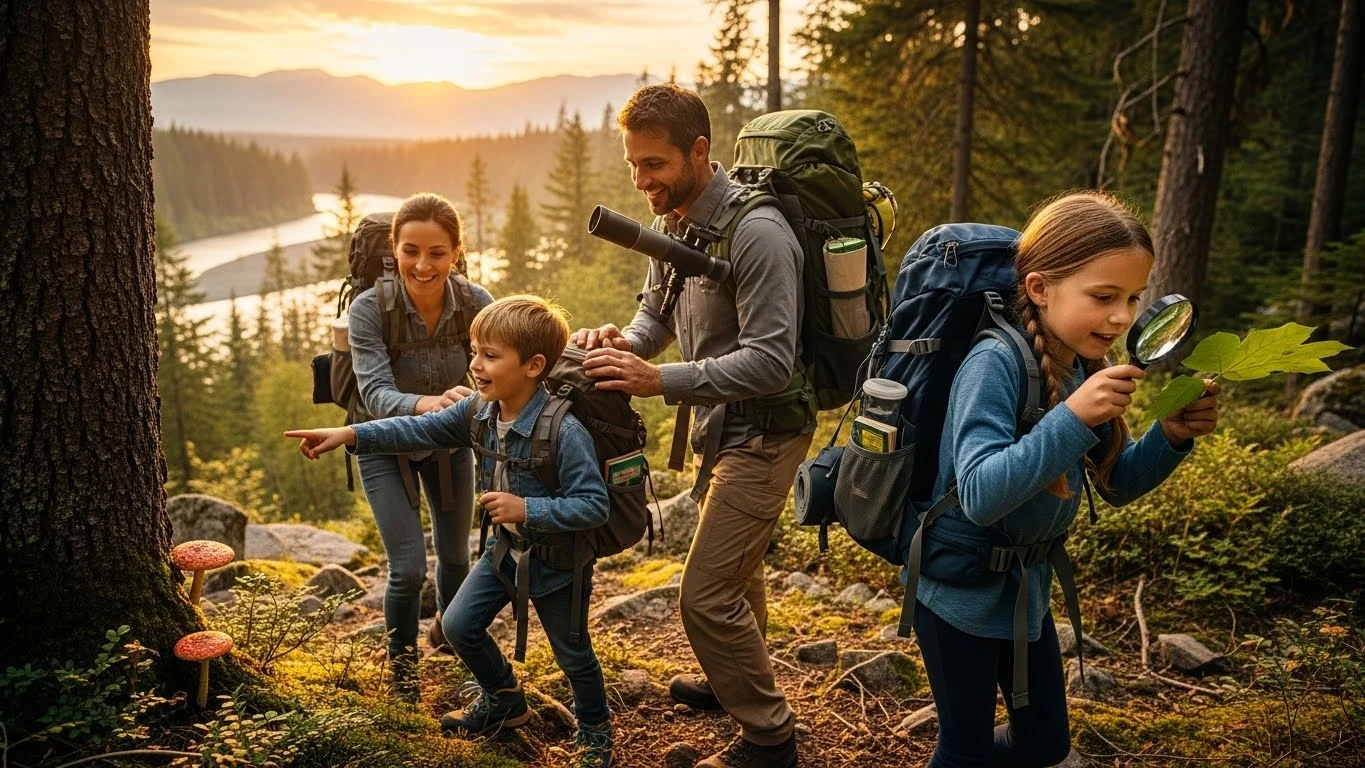
Understanding the Benefits of STEM Learning Through Backpacking
What is STEM Education?
STEM stands for Science, Technology, Engineering, and Mathematics. It’s a way of teaching that encourages kids to explore these subjects actively rather than just memorizing facts. I remember my first encounter with STEM when I was a kid, discovering how things worked firsthand. When we put this approach into practice while backpacking, we open a door to a world of wonder. Kids engage with their surroundings, ask questions, and find answers, all while having a blast.
The Importance of STEM for Kids
In my experience, STEM education is crucial for children today. It nurtures critical thinking, problem-solving, and creativity—skills that are indispensable in our rapidly changing world. I’ve seen how kids who engage in STEM activities develop a curiosity that drives them to explore more. They’re not just participants; they become active learners. For instance, while hiking, they can learn about ecosystems, weather patterns, and even the engineering behind the gear we use. This hands-on learning sticks with them far more than traditional classroom lessons ever could.
How Backpacking Can Enhance STEM Learning
When I take my kids backpacking, I notice how the natural environment becomes our classroom. Each step on the trail offers an opportunity to discover something new. Whether it’s identifying plants or observing wildlife, every moment is a chance to learn. For example, we’ve often stopped to watch ants building their colony. It sparked conversations about teamwork and biology, transforming a simple observation into a rich learning experience.
Moreover, backpacking encourages kids to become self-reliant and resourceful. They develop problem-solving skills by navigating trails and figuring out how to set up camp. I recall one trip where we had to find a way to boil water for cooking using a makeshift stove. It turned into a fun engineering challenge that involved measuring, calculating, and constructing—pure STEM in action!
Backpacking also teaches kids about the importance of nature and conservation. I believe that when children understand the ecosystems they’re part of, they become better stewards of the environment. I remember a moment when my kids were amazed to see how many different species of plants could thrive in a single area. This sparked their interest in plant biology and ecology, encouraging them to learn more even after our trip was over.
As we hike, I encourage my kids to ask questions. Why do certain plants grow in specific areas? How do animals adapt to their environment? These conversations help them connect the dots between what they observe and what they learn in school. It’s about making learning relevant and exciting. We also make use of our surroundings to explore basic physics. For example, we might discuss gravity while examining how rocks tumble down a slope or talk about force when deciding how to lift heavy backpacks.
Incorporating STEM into our backpacking adventures has made my family trips so much richer. It’s not just about getting from point A to point B; it’s about the journey, the questions, and the discoveries that happen along the way. I often find that my kids are more enthusiastic about learning when it happens in a context they find engaging and fun. Read Interesting article: Budget Backpacking with Kids: Fun Literacy Activities
So, if you’re considering a backpacking trip with your kids, think about how you can weave STEM activities into your adventure. The possibilities are endless. From simple observations to hands-on experiments, each hike can become a journey of learning and exploration. I can’t wait to share more about planning our trips and the engaging activities we can do along the way!
Planning Your Backpacking Trip with Kids
Choosing the Right Destination
Choosing the right destination can set the tone for an amazing backpacking trip with kids. I’ve learned that picking a location that’s not only beautiful but also suitable for children makes a world of difference. For me, accessibility is key. I prefer trails that are manageable for little legs but still offer enough adventure to keep us all engaged. National and state parks often have family-friendly trails that are perfect for introducing kids to the wonders of nature.
When we plan our trips, I like to consider the variety of ecosystems in the area. It’s exciting for my kids to explore different environments, whether it’s a lush forest, a desert landscape, or a mountainous region. I also look for destinations that have educational programs or ranger-led activities, which can enrich our experience and provide even more opportunities for STEM learning.
Essential Gear for Family Backpacking
Having the right gear is essential for a successful trip, especially when you have kids. I remember our first backpacking adventure when we realized how critical it was to pack wisely. We learned that comfort and safety should always come first. For our family, a sturdy backpack is a must. Each of us has our own, and I make sure they fit properly to avoid any aches and pains on the trail.
We also invest in good-quality sleeping bags and tents. I find that a cozy sleeping environment helps everyone rest better, which leads to happier days on the trail. Don’t forget about proper footwear! I always encourage my kids to wear sturdy hiking boots that provide good support. It can be a game-changer when they’re navigating rocky paths or steep inclines.
Aside from the basics, I make sure to bring some fun items that can spark curiosity. Binoculars for bird watching, a magnifying glass for examining insects, and a field guide to plants and animals are all great additions. These tools make our hikes more interactive and encourage my kids to explore their surroundings even more. Read Interesting article: Budget Backpacking with Kids: Fun Arts and Crafts Activities
Safety Considerations for Backpacking with Kids
Safety is always at the forefront of my mind when planning a backpacking trip. Kids can be adventurous and curious, which is amazing, but it also means we need to be extra cautious. I always educate my kids about the importance of staying on marked trails and what to do if they get separated. We practice these safety measures before heading out, and I find that it gives both them and me peace of mind.
Another aspect I consider is the weather. I make it a point to check the forecast and pack accordingly. Layering is key; I recommend dressing in layers so we can adjust to changing temperatures throughout the day. When my kids are comfortable, they’re much more likely to enjoy the experience.
First-aid supplies are also a must. I make sure we have a well-stocked first-aid kit that includes items for minor injuries, like band-aids and antiseptic wipes, as well as any necessary personal medications. It’s always better to be prepared, and I’ve found that teaching my kids how to use the kit empowers them and makes them feel more responsible.
Preparing Kids for the Adventure
Getting kids excited about the upcoming adventure is one of my favorite parts of the planning process. I often sit down with my kids and talk about where we’re going, what we’ll see, and what we’ll do. I share my excitement and encourage them to ask questions. This not only gets them engaged but also helps them feel invested in the trip.
We also do a bit of preparation at home. I like to involve them in packing their own gear. It’s a great way for them to learn about responsibility and organization. We create a checklist together to make sure they don’t forget anything important. I’ve noticed that when they help pack, they’re more likely to take ownership of their gear and feel proud of being part of the adventure.
Additionally, I find it helpful to do a few practice hikes before the big trip. We start with shorter trails to build their stamina and confidence. During these practice runs, I incorporate fun challenges related to STEM, like identifying plants or counting different types of wildlife we see. These mini-adventures help my kids understand what to expect and make them even more excited for our backpacking experience.
Engaging STEM Activities While Backpacking
Nature-Based STEM Learning Activities
When we’re out on the trails, I love to integrate fun, nature-based STEM activities that enhance our learning experience. One of my favorite activities is plant identification and ecosystem exploration. Just the other day, while hiking through a vibrant forest, my kids and I stumbled upon a patch of wildflowers. I pulled out a field guide and we started identifying the species. It was amazing to see how excited they got when they recognized a flower they had seen in our backyard before. This connection made their learning feel real and relevant.
Plant Identification and Ecosystem Exploration
We often turn plant identification into a game. I’ll ask my kids to find as many different plants as they can within a certain time while taking notes on their characteristics. This not only sharpens their observational skills but also teaches them about biodiversity. I remember one trip when we spent an hour exploring a small area and ended up identifying over ten different plants. Each discovery led to discussions about how different plants interact within their ecosystem, which further piqued their curiosity about nature.
Weather Observation and Meteorology
Another engaging activity is observing the weather. I usually bring along a simple weather kit that includes a thermometer and a wind gauge. We take measurements throughout the day and discuss what these readings mean. I remember when my kids were fascinated to learn how temperature changes at different elevations. It became a fun science project where they charted our findings and compared them to what they learned about weather patterns in school. It’s a hands-on way to connect real-world observations with scientific concepts.
Incorporating Technology in the Wild
While technology might seem out of place in the great outdoors, I’ve found that it can enhance our learning experience significantly. We often use various apps to identify plants, track our hikes, and even learn about the stars at night.
Using Apps for Star Gazing and Bird Watching
One of my favorite apps for stargazing is SkyView. It allows us to point our phones at the sky and identify constellations. It transforms our camping nights into a fascinating astronomy lesson. We lay on our backs, looking up at the stars, and I can see the wonder in my kids’ eyes as they discover constellations and planets. Similarly, for bird watching, we use apps like Merlin Bird ID. This app helps us identify different species based on their colors and sounds, making each hike feel like a small adventure in discovery.
Digital Photography as a Learning Tool
We also bring along a digital camera, and I encourage my kids to document our journey. They take photos of interesting plants, animals, and landscapes. Later, they create a mini photo book or a digital slideshow. This not only sharpens their photography skills but also allows them to reflect on what they learned during our trip. It’s a creative way to merge art with science and keeps their memories alive in a fun format.
Hands-On Experiments and Challenges
I believe that hands-on experiments are some of the best ways to engage kids in STEM while we’re backpacking. They’re practical and offer a chance to apply what they’ve learned in real-time.
Building a Shelter: Engineering Basics
One of our favorite challenges is building a temporary shelter using natural materials we find along the trail. I explain the basics of engineering and structural stability, and then we work together to create a small fort or lean-to. It’s incredible to see how my kids take charge of the project, using their creativity and critical thinking to design something functional. This experience teaches them not just about physics but also teamwork and collaboration.
Water Filtration: A Science Experiment
Another memorable experiment is creating a simple water filtration system. We gather materials like sand, charcoal, and gravel, and I guide them through the process of building their filter. Afterward, we test it with some creek water (always ensuring it’s safe) to see how clean we can get it. It’s an eye-opening experience that teaches them about the importance of clean water and environmental science. They’re often surprised by the results, and it leads to great discussions about pollution, conservation, and the water cycle.
These engaging activities not only make our backpacking trips educational but also instill a love for learning in my kids. I’ve seen them grow more curious and excited about the world around them. Each trip becomes an opportunity for exploration, and I can’t wait for our next adventure where we can dive into even more STEM activities together!
Best Backpacking Trails for Families
Kid-Friendly Trails with STEM Opportunities
When it comes to finding the perfect trails for families, I’ve discovered that some trails not only offer stunning views but also provide ample opportunities for STEM learning. One of our favorite spots is the Grand Canyon National Park. The trails here are manageable for kids and provide educational ranger programs that delve into geology, wildlife, and conservation. I remember hiking the Rim Trail with my kids, where we learned about the rock layers and the history of the canyon. It was fascinating to see how the geology shaped the landscape, and my kids were captivated by the stories behind each layer.
National Parks and Their Educational Programs
Many national parks have educational programs specifically designed for children. For instance, Yellowstone National Park offers Junior Ranger programs that encourage kids to explore and learn about the park’s unique geothermal features and diverse ecosystems. I’ve seen firsthand how these programs boost my kids’ enthusiasm for nature while reinforcing STEM concepts. The hands-on activities make learning fun and memorable, and my children love earning their badges after completing the requirements.
Local Nature Reserves with Interactive Trails
Local nature reserves can also be goldmines for family-friendly trails. We have a fantastic reserve near us that features an interactive trail with educational signs explaining local flora and fauna. Each stop on the trail reveals something new, and I often find my kids captivated by the information presented. It’s an excellent way to combine walking, learning, and bonding as a family, and I recommend looking for similar spots in your area.
Scenic Routes that Inspire Curiosity
Not all trails are created equal, and some are truly remarkable for inspiring curiosity. I recall a hike we did to a stunning waterfall that sparked my kids’ interest in geology and water cycles. The sound of the rushing water, the mist in the air, and the surrounding lush greenery made the experience unforgettable. It became a wonderful opportunity for us to discuss the importance of water in ecosystems and how it shapes the landscape.
Waterfalls and Geological Formations
Trails that lead to waterfalls are often breathtaking and can be educational. I’ve seen my kids light up as we approached the falls, and it led to discussions about erosion and sedimentation. Watching the water cascade down rocks, we talked about how waterfalls are formed and the role they play in the environment. These moments create lasting memories and learning experiences that go hand-in-hand.
Wildlife Observation Hotspots
Another fantastic way to engage kids is by seeking out trails known for their wildlife. I love taking my kids to places where we can spot birds, deer, and other animals in their natural habitat. Equipped with binoculars and our trusty field guide, we often stop to observe and identify species. I remember a hike where we saw a family of deer grazing. It led to a spontaneous discussion about animal behavior and ecosystems, and my kids’ excitement was contagious.
Integrating STEM Learning into Daily Backpacking Life
Daily Journaling and Reflection
One of the best habits I’ve adopted during our trips is daily journaling. I encourage my kids to document their experiences, observations, and even questions they have. This practice helps them reflect on what they’ve learned and keeps their minds engaged. I often find them excited to share their entries at the end of the day, and it creates a sense of accomplishment.
Creating a Nature Scavenger Hunt
To make our hikes even more interactive, I sometimes organize a nature scavenger hunt. Before we set off, I prepare a list of items they need to find—like specific leaves, rocks, or animal tracks. It turns our hike into a playful adventure, and I’ve noticed it encourages my kids to pay closer attention to their surroundings. They become little explorers, searching for items and learning about nature in the process.
Measuring Distances and Elevations
Lastly, we incorporate some math and measurement into our hikes. I’ve taught my kids how to use a map and compass, and we often measure the distances we hike. Tracking our elevation changes can lead to discussions about geography and landforms. I think it’s important for them to understand navigation skills, which are not only useful for hiking but also for life.
Resources for STEM Learning During Your Trip
Books and Guides for Young Explorers
Before we embark on our adventures, I like to gather some books and guides tailored for young explorers. Nature field guides, books about local wildlife, and even STEM-themed storybooks can enhance our experience. I’ve noticed that having resources handy helps my kids dive deeper into what they’re experiencing.
Online Resources and Apps for Kids
In our digital age, there are countless apps and websites geared toward young learners that can be a great addition to our backpacking toolkit. I recommend downloading a few before heading out. They can offer interactive learning experiences that complement our outdoor adventures.
Local Museums and Educational Centers
Before or after our trips, we often visit local museums or educational centers that relate to what we’ve seen on the trail. This not only reinforces their learning but also allows for exciting discussions about our experiences. I find that connecting our outdoor adventures with indoor learning creates a richer understanding of STEM concepts.
Tips for a Successful Family Backpacking Adventure
Involving Kids in the Planning Process
One of my favorite tips for a successful trip is to involve my kids in the planning process. I let them help choose the destination and what we’ll pack. Their excitement grows when they feel part of the planning, and it makes the entire adventure more meaningful for them.
Setting Realistic Expectations
It’s important to set realistic expectations for the trip. I remind myself that we’re not racing to complete the trail; it’s about enjoying the journey together. Recognizing each child’s limits and being flexible with our plans can make for a more enjoyable experience for everyone.
Encouraging Curiosity and Questions
During our hikes, I always encourage my kids to ask questions. Their curiosity leads to wonderful discussions and deeper learning moments. I believe that fostering an environment where they feel comfortable exploring their thoughts can ignite a lifelong love for learning.
Celebrating Achievements and Learning Moments
Lastly, I make sure to celebrate our achievements and learning moments throughout the trip. Whether it’s reaching a summit or successfully completing a scavenger hunt, acknowledging these accomplishments reinforces the joy of learning. I often say, “Look at what we did together!” to help them realize that every small step counts.
Final Thoughts
Backpacking with kids has truly transformed our family dynamics and enriched our learning experiences. By integrating STEM activities into our hikes, we not only explore nature but also nurture our children’s curiosity and creativity. Each trip is a new adventure filled with discoveries that I cherish deeply. Whether we’re observing wildlife, measuring elevation changes, or building shelters, the moments we share and the lessons we learn together create lasting memories. I encourage every family to embark on their own backpacking adventure—embrace the journey, engage with nature, and enjoy the beautiful learning opportunities that come with it!
Frequently Asked Questions
What is STEM education and how is it related to backpacking with kids?
STEM stands for Science, Technology, Engineering, and Mathematics. It encourages kids to explore these subjects actively while backpacking, allowing them to engage with their surroundings, ask questions, and find answers in a hands-on learning environment.
What are the benefits of incorporating STEM learning during backpacking trips?
Incorporating STEM learning during backpacking trips nurtures critical thinking, problem-solving, and creativity in kids. It helps them develop a curiosity about the world, making learning relevant and exciting as they connect observations on the trail to educational concepts.
How can parents enhance STEM learning when backpacking with children?
Parents can enhance STEM learning by encouraging kids to ask questions about their environment, integrating nature-based activities like plant identification and weather observation, and using technology such as apps for stargazing and bird watching to make learning interactive.
What essential gear should families bring on a backpacking trip with kids?
Families should bring sturdy backpacks, good-quality sleeping bags, tents, and proper footwear. Additionally, fun items like binoculars, magnifying glasses, and field guides can spark curiosity and enhance the learning experience while on the trail.
What safety considerations should be taken into account when backpacking with kids?
Safety considerations include educating kids about staying on marked trails, preparing for weather changes by dressing in layers, and having a well-stocked first-aid kit. Teaching kids how to use the kit can also empower them and promote a sense of responsibility.
How can parents prepare their kids for a backpacking adventure?
Parents can prepare kids by discussing the trip, involving them in packing their gear, and doing practice hikes to build stamina and confidence. Incorporating fun STEM challenges during these practice runs can also enhance their excitement and engagement.
What types of STEM activities can be done while backpacking?
STEM activities while backpacking include nature-based activities like plant identification, weather observation with simple kits, building temporary shelters, and creating water filtration systems. These hands-on experiments make learning practical and engaging.
Are there specific trails recommended for families interested in STEM learning?
Yes, trails like those in Grand Canyon National Park and Yellowstone National Park offer educational ranger programs that delve into geology, wildlife, and conservation. Local nature reserves with interactive trails also provide ample opportunities for STEM learning.
What resources can help enhance STEM learning during a backpacking trip?
Resources include nature field guides, STEM-themed storybooks, and various educational apps. Visiting local museums or educational centers before or after trips can also reinforce learning and create richer experiences.
What tips can help ensure a successful family backpacking adventure?
Involving kids in the planning process, setting realistic expectations, encouraging curiosity and questions, and celebrating achievements throughout the trip can greatly enhance the experience and foster a love for learning.
Have you ever thought about combining the thrill of backpacking with the excitement of STEM learning for your kids? Picture this: exploring the great outdoors while sparking curiosity and creativity in your little adventurers. Let’s dive into how to make this journey affordable and unforgettable!
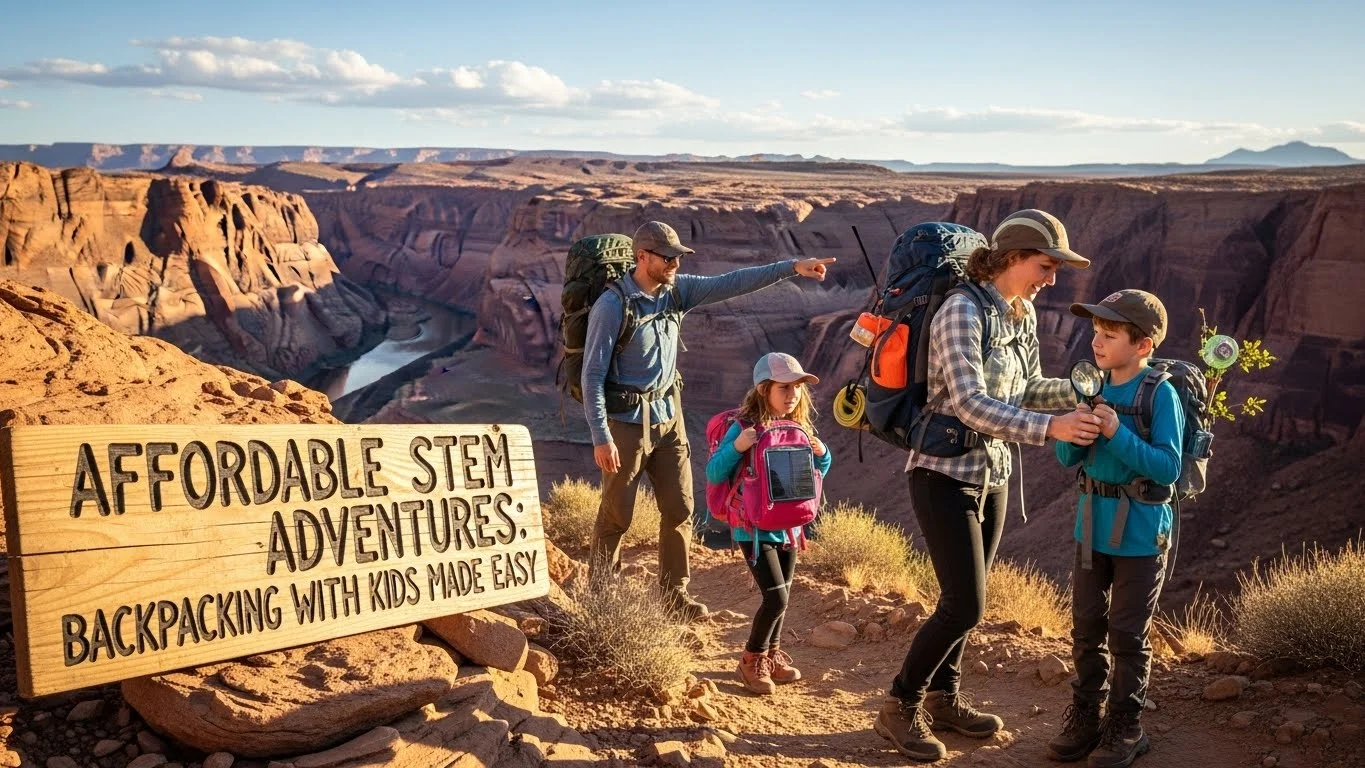
Understanding STEM Adventures for Kids
What is STEM Education?
STEM stands for Science, Technology, Engineering, and Mathematics. It’s a teaching approach that encourages kids to explore and engage with these subjects in a hands-on, practical manner. I remember the first time I introduced my kids to a STEM project; their faces lit up with excitement as they discovered how things worked. Whether it’s building a bridge with sticks or experimenting with simple machines, STEM education promotes critical thinking and problem-solving skills, setting a foundation for lifelong learning. Check out these fun STEM activities for young explorers on a budget!
The Importance of STEM Learning in Early Childhood
In my experience, early childhood is a crucial time for nurturing curiosity and creativity. Kids are naturally inquisitive, and integrating STEM learning into their play can enhance their understanding of the world around them. Research shows that when children engage in STEM activities, they develop essential skills such as collaboration, communication, and analytical thinking. I’ve seen my children become more confident and innovative thinkers when they have opportunities to experiment and explore. Whether it’s through nature walks or simple science experiments at home, these experiences foster a love for learning that lasts a lifetime.
Planning Your Backpacking Trip
Choosing the Right Destination for STEM Activities
Choosing a destination that offers rich STEM experiences can transform your backpacking trip into an educational adventure. I’ve found that national parks, science museums, and outdoor learning centers often provide programs that are both fun and informative. When selecting a location, consider what STEM themes your kids are interested in. Do they love animals? A trip to a national park with wildlife will spark their curiosity. Are they fascinated by geology? Visit a park known for its unique rock formations. The key is to align your destination with your children’s interests, making the experience engaging and memorable. Explore budget backpacking with STEM through hands-on activities!
Factors to Consider: Safety, Accessibility, and Education
While planning, safety should always be a top priority. I’ve learned the hard way that some remote areas can be challenging to navigate, especially with kids in tow. Check for trails that are family-friendly and maintain good accessibility. It’s also essential to consider educational value—look for parks or centers that offer guided tours or interactive exhibits. For example, when we visited a local science center, the interactive displays kept my kids engaged for hours. Balancing safety, accessibility, and educational opportunities can lead to a more enjoyable experience for the whole family.
Budget-Friendly Tips for Planning
Backpacking doesn’t have to break the bank! I’ve found several ways to keep costs down while exploring with my family. First, consider traveling during the off-peak season. Not only will you avoid crowds, but you may also find discounts on accommodations and park fees. Camping is another fantastic way to save money; it allows for a more immersive experience in nature and can be much cheaper than hotel stays. Additionally, look for local free events or educational programs at parks and museums. I’ve discovered that many places offer free admission days, so it’s worth checking their schedules before planning your trip.
One of my favorite budget-friendly tips is to involve the kids in planning the trip. We make a fun game out of researching destinations and activities. This not only helps them feel more invested in the adventure, but it also teaches them valuable skills like budgeting and decision-making. As we sit down together with a map and a notebook, I can see their excitement grow as they pick out places they want to explore. It’s a fantastic way to combine family bonding with learning.
Best Affordable Destinations for STEM Adventure Backpacking
National Parks with Educational Programs
When it comes to finding the perfect mix of adventure and education, national parks are some of my favorite places to explore. They not only offer stunning landscapes but also provide educational programs that can ignite a passion for learning in my kids. I’ve had some of my best family experiences in these natural classrooms.
Yosemite National Park
I remember my visit to Yosemite National Park vividly. The towering granite cliffs and beautiful waterfalls were breathtaking, but what I loved most were the ranger-led programs. The park offers a variety of educational activities, including nature walks and interactive talks about the local ecosystem. My kids were fascinated by the geology of the area and learned about how the park was formed. It’s amazing how much they absorbed just by being there, exploring, and asking questions. Plus, the Junior Ranger program is a fantastic way for kids to earn badges while learning about the environment, making the experience even more rewarding.
Grand Canyon National Park
The Grand Canyon is another gem that I highly recommend. The sheer size and beauty of the canyon are mind-blowing, but what really stands out to me is the educational opportunities available. We participated in a geology talk and a fun activity where my kids got to identify different rock types. The park also has various trails that are suitable for families, allowing us to explore while learning about the unique flora and fauna in the area. The kids loved the interactive exhibits at the visitor center that helped them connect the dots between what they saw and the science behind it.
Science and Technology Museums
In addition to national parks, science and technology museums are excellent destinations for combining backpacking adventures with STEM learning. I’ve found these places to be treasure troves of hands-on exhibits that challenge and inspire young minds. Check out some assistive tech tools for budget backpacking adventures!
Exploratorium (San Francisco)
The Exploratorium in San Francisco is a must-visit for families. It’s not just a museum; it’s an interactive experience. When we went, my kids were drawn to the various science experiments, and we spent hours exploring everything from physics to biology. The outdoor exhibits, with views of the Bay, made for a perfect combination of learning and enjoying nature. I appreciated how the museum encourages kids to ask questions and think critically, which aligns perfectly with our goal of fostering a love for STEM.
Boston Museum of Science
Another fantastic spot is the Boston Museum of Science. We took a trip there last summer, and it turned out to be one of the highlights of our year. There are tons of interactive exhibits, and the live demonstrations were particularly engaging. My kids loved participating in experiments and learning about the principles of engineering and technology. The museum also offers IMAX films that can transport you to different worlds, reinforcing the STEM themes we were exploring. The combination of fun and education made for a great family outing.
Outdoor Learning Experiences
Outdoor learning experiences can also be incredibly enriching. I’ve found that engaging with nature adds a whole new layer to our STEM adventures.
Nature Trails and Guided Hikes
Nature trails often offer guided hikes that focus on local ecosystems or wildlife. These hikes can be both educational and immersive. When we ventured out to a nearby nature reserve, we joined a guided hike that focused on birdwatching and plant identification. My kids were excited to spot different species and learn about their habitats. I’ve noticed that being outdoors enhances their curiosity and eagerness to learn. They often come home with questions and ideas about what they’ve seen, which opens up even more discussions about science and nature.
STEM Camps and Workshops
Camps and workshops can be fantastic opportunities for hands-on learning. We participated in a local STEM camp one summer, and it was an eye-opener. The kids took part in various activities, from building simple machines to engaging in environmental science projects. They learned to work together as a team and tackled challenges creatively. The camp not only reinforced their STEM skills but also allowed them to bond with other kids who share similar interests. I believe these experiences help cultivate a sense of community and teamwork, which is invaluable in today’s world.
Essential Gear for Backpacking with Kids
Choosing the Right Backpack
When it comes to backpacking with kids, one of the most important pieces of gear is definitely the backpack. I’ve learned that selecting the right one can make a world of difference in our hiking experience. For my children, I look for backpacks that are not only comfortable but also lightweight. It’s crucial to check for adjustable straps so they can grow with my kids, and pockets for easy access to water bottles and snacks. I remember the first time we hit the trail with backpacks that were too heavy; my kids were quickly bogged down and lost their enthusiasm. Now, we choose packs that are appropriate for their size and weight, which keeps them energized and excited about our adventures.
Essential Clothing and Footwear
Choosing the right clothing and footwear for backpacking is another key aspect of ensuring a successful outing. I always prioritize moisture-wicking fabrics and dress my kids in layers. This way, they can be comfortable in changing weather conditions. I’ve found that having a breathable base layer, an insulating middle layer, and a waterproof outer layer works wonders in keeping them warm and dry. Footwear is equally important; sturdy hiking boots or shoes that provide good ankle support and traction are essential. I remember one hike where my son wore sneakers instead of proper hiking shoes, and it didn’t take long for him to start complaining about sore feet. Investing in quality footwear has made hiking much more enjoyable for all of us.
STEM Kits and Educational Supplies to Bring
Packing a few STEM kits and educational supplies can turn any hike into a rich learning experience. I’ve found that bringing simple tools like magnifying glasses, field guides, and binoculars can spark a deeper interest in nature for my kids. On our hikes, we love to observe insects, birds, and plants, which leads to discussions about their habitats and roles in the ecosystem. I also pack a small notebook and colored pencils for them to sketch their favorite sights. There’s something magical about getting them to stop and pay attention to the details of the world around them. It’s like they become little scientists, documenting their findings and observations, which makes our outdoor adventures even more meaningful.
Engaging Kids in STEM Activities on the Trail
Fun STEM Challenges to Try While Hiking
Creating fun STEM challenges on the trail can keep my kids engaged and excited about learning. I often set up little scavenger hunts where they have to find specific plants, rocks, or even animal tracks. Not only does this encourage them to observe their surroundings closely, but it also gets them thinking critically about what they see. I also love to challenge them with simple engineering tasks, like building a small bridge with sticks they find along the way. It’s amazing to see how creatively they think in these situations. The pride they feel when they complete a challenge is incredibly rewarding, and it reinforces the idea that learning can happen anywhere, even in the great outdoors!
Nature-Based Learning Activities
Nature-based learning activities are a fantastic way to incorporate STEM concepts into our hikes. One of our favorite activities is conducting simple experiments with the natural environment. For example, we’ve tried to measure the height of a tree using shadows, which ties into both math and science. It’s a fun way to apply their knowledge in real-life situations. I also love teaching them about the water cycle by having them collect rainwater in a container and observing evaporation during our hikes. Engaging them in these activities allows them to see how STEM principles play a role in nature, which I believe helps them develop a deeper appreciation for the environment.
Using Technology to Enhance Learning
While I cherish the unplugged experience of backpacking, I also see the benefits of using technology to enhance our learning adventures. There are many great apps available that offer interactive maps, plant identification, and bird calls. I often download a few educational apps before our trip, so my kids can use their devices to learn more about what they’re seeing. For instance, we’ve used apps to identify constellations at night, which sparked an interest in astronomy. I think finding the right balance between technology and nature is essential; it can serve as a tool for enhancing our understanding of the great outdoors while still encouraging curiosity and exploration.
Safety Tips for Backpacking with Kids
Health and First Aid Considerations
When we head out for a backpacking trip, safety is always at the forefront of my mind, especially when it comes to health and first aid. I’ve learned the importance of packing a well-stocked first aid kit tailored for our family’s needs. This includes band-aids, antiseptic wipes, pain relievers, and any necessary medications my kids might need. I remember one hike where my daughter tripped and scraped her knee. Having our kit handy made it easy to clean the wound and keep her spirits up. We also make it a point to carry enough water and snacks to keep everyone hydrated and energized throughout the day. It’s amazing how a little preparation can go a long way in ensuring a safe and enjoyable experience in the great outdoors.
Teaching Kids About Safety in the Outdoors
I believe that teaching my kids about outdoor safety is just as important as any STEM lesson. Before each trip, we have discussions about staying on trails, the importance of not wandering off, and what to do if they encounter wildlife. I often use real-life examples to emphasize why these rules matter. During one of our hikes, we spotted a deer, and I explained the importance of observing wildlife from a distance. This not only keeps them safe but also helps them appreciate nature more. I’ve noticed that when they understand the reasons behind safety rules, they’re more likely to follow them.
Emergency Preparedness and Communication
Having a plan for emergencies is essential for us. I always ensure that my kids know the basics of what to do if they get lost or if there’s an emergency. We establish a meeting point before we start our hike, and I make sure they know how to use a whistle or call for help if necessary. This past summer, we practiced using our phones to communicate in case of separation—something I feel is crucial in today’s tech-savvy world. I also encourage them to carry a small map of the area we’re exploring, which helps them feel more empowered and engaged in navigating the outdoors.
Budgeting for Your STEM Adventure
Estimating Costs: Transportation, Accommodation, and Activities
Budgeting for a family backpacking trip can sometimes feel overwhelming, but I’ve learned to break it down into manageable parts. Estimating costs starts with transportation, whether we’re driving or flying to our destination. I usually check for the best routes and consider any tolls or parking fees. Next, accommodation can vary widely—from campsites to family-friendly lodges. I often opt for campsites, as they’re not only affordable but also allow us to immerse ourselves in nature. Lastly, I include costs for activities. For instance, if we plan to visit a museum or a national park with entrance fees, I make sure to factor those into our budget. This way, we can enjoy our adventure without the stress of unexpected expenses.
Finding Discounts and Deals for Families
I’ve discovered that there are plenty of discounts and deals available for families that can significantly reduce our costs. Many national parks offer free admission days or family passes that can save us money. Additionally, I keep an eye out for local deals on attractions or activities. Websites like Groupon or local tourism boards often have fantastic offers. Last summer, we saved a lot by purchasing a family package for a nature workshop, which added extra value to our trip. It’s always worth doing a little research beforehand to find these hidden gems!
Tips for Saving Money on Food and Supplies
Food expenses can add up quickly when we’re on the road, so I’ve found a few tricks to save money in this area. I like to prepare meals at home before we head out, packing easy-to-eat snacks and sandwiches. For our backpacking meals, I often bring along pre-packaged dehydrated meals that are lightweight and easy to prepare. This not only saves money but also keeps our meals interesting. I also encourage my kids to help plan our meals. It’s a great way to involve them in the process and teach them about nutrition and budgeting. Plus, they always get excited about the food they helped pick out!
Creating Lasting Memories Through STEM Adventures
Documenting the Journey: Journals and Photography
One of the highlights of our trips is documenting our journey. I always pack a journal for my kids where they can write about their experiences, draw pictures, and reflect on what they’ve learned. This practice has turned into a wonderful keepsake from each adventure. Alongside their journals, I love capturing moments through photography. My kids enjoy taking pictures of interesting plants, animals, and landscapes. When we look back at these photos together, it sparks conversations about our adventures and the lessons learned. I believe that these documented memories can help solidify their understanding of the STEM concepts we explored while hiking.
Incorporating Family Discussions about STEM Learning
After we return from our trips, we often have family discussions about what we experienced. I encourage my kids to share their favorite moments and what they learned about nature and STEM. Sometimes we’ll even sit down and watch a related documentary or read a book that ties into our adventures. These discussions help reinforce their learning and allow us to connect as a family. I’ve seen my children grow more eager to explore and understand the world around them through these conversations, and it’s a joy to witness their curiosity develop.
Reflecting on Experiences: What Kids Learned
Reflecting on our outdoor experiences is essential in reinforcing the knowledge they gained. After each trip, I ask my kids to share what they learned about science, technology, engineering, and math during our adventures. I’ve noticed that this reflection not only solidifies their learning but also fosters a sense of accomplishment. They’re proud to share their newfound knowledge, and it creates an opportunity for us to explore even more topics together. I believe that these reflections can inspire them to pursue their interests further, leading to a lifelong love for STEM.
Final Thoughts
Combining backpacking with STEM learning has enriched our family adventures in ways I never imagined. Each trip is not just about exploring new places; it’s about nurturing curiosity, creativity, and problem-solving skills in my kids. From planning and budgeting to engaging in hands-on activities, every aspect of our journey reinforces the importance of STEM. I encourage fellow parents to take that leap and embark on their own STEM adventures. There’s a whole world of learning waiting outside our doors, and together, we can create lasting memories while sparking a lifelong love for exploration and discovery.
Frequently Asked Questions
What does STEM stand for and why is it important for kids?
STEM stands for Science, Technology, Engineering, and Mathematics. It is important for kids as it encourages them to explore and engage with these subjects in a hands-on, practical manner, promoting critical thinking and problem-solving skills.
How can backpacking enhance STEM learning for children?
Backpacking allows children to explore the great outdoors while engaging in STEM activities. This combination fosters curiosity, creativity, and a love for learning, as kids can observe nature and participate in educational programs offered at various destinations.
What factors should parents consider when planning a STEM-focused backpacking trip?
Parents should consider safety, accessibility, and educational value when planning. It’s important to choose family-friendly trails, check for guided tours or interactive exhibits, and ensure that the destination aligns with the kids’ STEM interests.
What are some budget-friendly tips for planning a STEM adventure?
Traveling during the off-peak season, camping instead of staying in hotels, looking for free events or educational programs, and involving kids in planning can help keep costs down while enhancing the overall experience.
What types of destinations are recommended for STEM adventures?
National parks with educational programs, science and technology museums, and outdoor learning experiences such as nature trails and guided hikes are all excellent destinations for STEM adventures.
What essential gear should be considered for backpacking with kids?
Essential gear includes a comfortable and lightweight backpack, moisture-wicking clothing in layers, sturdy footwear, and STEM kits like magnifying glasses and field guides to enhance the learning experience during hikes.
How can parents engage kids in STEM activities while hiking?
Parents can create fun STEM challenges like scavenger hunts, simple engineering tasks, and nature-based learning activities that encourage observation and critical thinking about their surroundings.
What health and safety tips are important when backpacking with kids?
Parents should pack a well-stocked first aid kit, ensure kids stay hydrated and energized, teach them about outdoor safety rules, and establish a plan for emergencies, including meeting points and communication methods.
How can families document their STEM adventures?
Families can document their journeys through journals where kids write about their experiences and draw pictures, as well as taking photographs of interesting sights, which can spark further discussions about what they learned.
What benefits come from reflecting on STEM learning experiences after a trip?
Reflecting on experiences reinforces the knowledge gained, fosters a sense of accomplishment, and encourages further exploration of STEM topics, ultimately nurturing a lifelong love for learning in children.
Traveling with kids can be an incredible opportunity to create lasting memories while also enriching their learning experiences. By integrating fun and educational activities into our journeys, we can inspire curiosity and foster a love for discovery. Budget Backpacking: Fun Learning Activities for Kids on the Go offers great ideas to make the most of your travels.
Why Learning Activities Enhance Travel Experiences for Kids
When I think back to my favorite childhood vacations, I realize that the best memories were often tied to moments of discovery and learning. Traveling isn’t just about seeing new places; it’s about engaging with the world in meaningful ways. Educational travel opens up opportunities for kids to learn in real-time, making experiences stick in their minds far longer than a textbook ever could.
The Importance of Educational Travel
Educational travel allows children to step out of their comfort zones and immerse themselves in new cultures and environments. I remember visiting a small village while on a family trip; the local school welcomed us, and we participated in a day of lessons. It was eye-opening for my siblings and me to see how children our age lived and learned in a completely different setting. We learned about their traditions, language, and even tried cooking local dishes. This hands-on experience not only made learning fun but also created a shared memory that we still talk about today.
Traveling also encourages the development of critical thinking skills. When kids encounter new challenges—like navigating a foreign city or trying to communicate in a different language—they learn to think on their feet. I’ve seen my own children grow more confident as they faced these situations, which reinforced their problem-solving abilities. By engaging actively with their surroundings, kids naturally grasp concepts that might seem abstract in a classroom setting.
How Travel Stimulates Curiosity and Imagination
Travel has a way of sparking curiosity. I can’t count how many times we found ourselves asking questions during our adventures. “Why do they celebrate this festival?” or “How did they build that ancient structure?” Each inquiry led to deeper conversations and explorations. When we traveled to an ancient ruin, for instance, we discussed the history behind it, which made us appreciate the site even more. This sparked my kids’ imaginations, and they began to visualize the lives of the people who once walked there.
Through travel, children can experience stories and lessons firsthand, which often ignite a passion for learning. The world becomes their classroom, and the experiences they gather are some of the best teachers they could ever have. When we visited a wildlife sanctuary, my kids learned about conservation efforts and the importance of protecting endangered species. They returned home not only with a newfound respect for wildlife but also inspired to participate in local conservation initiatives. The memories made during these travels often turn into life lessons that stick with them for years.
Types of Learning Activities for Kids While Traveling
Now that I’ve shared why educational activities are essential during travel, let’s dive into the types of learning experiences that can enhance our adventures. Each type offers a unique way for kids to engage and learn while having fun. Top 10 Hands-On Learning Activities for Kids While Traveling provides a comprehensive list to consider.
Hands-On Cultural Experiences
One of my favorite ways to immerse my kids in a new culture is through hands-on experiences. This could be anything from cooking classes to traditional dance lessons. When we visited Thailand, we took a cooking class where my children learned to make Pad Thai from scratch. Not only did they gain cooking skills, but they also learned about Thai ingredients and culinary traditions. These experiences create lasting memories and a deeper understanding of the culture.
Nature-Based Learning Activities
Nature is one of the best classrooms we can offer our kids. Exploring national parks, hiking trails, or even local gardens can ignite a love for the environment. I remember visiting a national park where we participated in a guided nature walk. The ranger taught us about the ecosystem and wildlife. My kids were fascinated to learn how everything is interconnected, from the smallest insects to the tallest trees. We even spotted some wildlife, which made the lessons come alive!
Historical Exploration Activities
Visiting historical sites can turn into an exciting adventure. I recall wandering through ancient ruins with my family, where we participated in a scavenger hunt that involved finding and identifying specific artifacts. This interactive approach made history tangible and engaging for my kids. They weren’t just reading about the past; they were experiencing it in real-time, which sparked their interest in history.
Art and Creativity Workshops
Art can also play a significant role in learning while traveling. Many destinations offer workshops where kids can try their hand at local art forms. In Italy, we took a pottery class where my kids learned how to mold clay into beautiful pieces. Engaging in these creative outlets allows children to express themselves while connecting with the culture in a meaningful way.
By incorporating these diverse learning activities into our travels, we can create rich, unforgettable experiences for our kids. Each moment becomes a building block in their education, fostering a lifelong love for learning. As we continue on our journeys, I’m excited to explore even more ways to make our travels not only enjoyable but also educational. Explore the World: Engaging Hands-On Activities for Kids offers further insights into creative learning opportunities.
Planning Learning Activities Before Your Trip
Planning ahead for learning activities before our trips has always been a game-changer for my family. Taking the time to think through how we can integrate educational experiences into our travels makes all the difference in how engaged my kids are. The excitement of a trip can quickly turn into a whirlwind of sightseeing if we don’t have a plan. I’ve learned that a little structure can go a long way in enhancing our adventures.
Researching Destinations and Local Attractions
Before heading to a new destination, I make it a point to research local attractions that offer educational experiences. This could range from museums to cultural festivals, or even unique local businesses that welcome visitors for immersive experiences. For example, when we planned our trip to Washington, D.C., I looked up the various museums on the National Mall. I found out that many of them offer interactive exhibits designed specifically for kids. This helped us prioritize which ones to visit and tailored our day to fit our interests.
Online travel forums and family blogs have become invaluable resources for me. I often come across reviews or suggestions from other families who have visited the same places. I remember reading about a family who took a guided tour of the Smithsonian National Air and Space Museum, which made me realize how much my kids would love learning about space exploration. This research not only prepares us but also builds anticipation for the trip.
Creating a Flexible Itinerary with Learning Goals
I’ve found that having a flexible itinerary allows us to balance educational activities with downtime. I like to set specific learning goals for each destination, whether it’s understanding the local history, learning about the environment, or discovering a new art form. For example, during our recent visit to San Francisco, I aimed for my kids to learn about the Gold Rush era. We visited historical sites like the California Historical Society and the San Francisco Maritime National Historical Park. I created a loose schedule but left room for spontaneous adventures, which is where some of the best learning happens.
Sometimes, we stumble upon a local event or festival that wasn’t on our radar at all. I remember one afternoon in New Orleans when we came across a street fair celebrating local music and culture. It turned out to be a fantastic opportunity for my kids to learn about the city’s rich musical heritage. By keeping our itinerary flexible, we not only stay open to new experiences but also allow ourselves the time to soak in the atmosphere.
Involving Kids in the Planning Process
Involving my kids in the planning process has made our trips even more special. I usually sit down with them before a trip and share what I’ve researched. I love to ask them what they’re excited about and what they want to learn. This way, they feel a sense of ownership over the adventure, and I can tailor our plans to fit their interests. When we were planning our trip to Japan, my daughter was particularly fascinated by the art of origami and wanted to take a workshop. I made it a priority to find a class for us to attend, and it turned out to be one of our highlights.
Moreover, this practice encourages them to take responsibility for their learning. They often come up with questions or topics they want to explore, which inspires curiosity. I remember when my son learned about the Great Barrier Reef in school; he was eager to visit Australia and learn more about marine life. We included a snorkeling trip in our itinerary where he could see the reef up close. His excitement made the experience even more rewarding for all of us.
Planning learning activities before our trips has truly transformed the way we travel. By researching, creating flexible itineraries, and involving my kids in the process, we ensure our adventures are not just fun but also enriching. With the groundwork laid, we can embark on our journeys with the confidence that we’re ready to learn and grow together as a family.
Top Destinations for Educational Travel with Kids
When planning our family trips, I’ve discovered that certain destinations stand out as particularly enriching for educational experiences. These places offer a blend of fun and learning, making them ideal for traveling with kids. Here are some of my favorite spots that have truly enhanced our educational journeys.
National Parks: Nature and Science Exploration
National parks have become a staple in our travel plans. The grandeur of nature combined with educational opportunities is simply unbeatable. I vividly remember our visit to Yellowstone National Park. The geothermal features, wildlife, and stunning landscapes provided endless learning moments for my kids. During our stay, we attended ranger-led programs where my children learned about geology, ecosystems, and wildlife conservation.
The best part? We were encouraged to ask questions and participate in hands-on activities, like tracking animal footprints and identifying different plants. It was amazing to see my kids’ eyes light up when they spotted a bison or a geyser. They engaged with the environment in ways that a classroom simply couldn’t replicate. I believe that these experiences foster a deep appreciation for nature and the importance of preserving our planet.
Historical Cities: Learning Through History
Exploring historical cities has provided some of the most memorable moments for our family. Cities like Philadelphia and Boston are rich in American history and offer numerous educational experiences. When we visited Philadelphia, we walked the Freedom Trail, which was like stepping back in time. My children were captivated by the stories of independence and the founding of our nation.
We also visited the Liberty Bell and Independence Hall, where they learned about pivotal moments in history. I noticed that the hands-on exhibits at the museums encouraged them to interact with history rather than just learn facts. They were able to visualize the past, which sparked further interest in the subject. I think exploring historical cities not only enriches their knowledge but also helps them develop a sense of identity and connection to our country’s heritage.
Cultural Hotspots: Immersion in Local Traditions
Immersing ourselves in local cultures has opened our eyes to the diversity of the world. Cities like New Orleans, Oaxaca, and Kyoto have been incredible for experiencing vibrant traditions. In New Orleans, we joined in on the festivities of Mardi Gras, where my kids learned about the significance of the celebration and the artistry behind the floats. They were amazed by the music, food, and the sense of community.
In Oaxaca, we participated in a weaving workshop with local artisans. My kids not only learned about traditional techniques but also the history and cultural significance behind the crafts. It’s moments like these that help my children develop a genuine appreciation for other cultures. Seeing how others live and express themselves truly enriches their understanding of the world.
Science Centers and Museums: Hands-On Learning
Science centers and interactive museums have always been a hit with my family. Places like the Exploratorium in San Francisco or the Kennedy Space Center in Florida offer hands-on experiences that ignite curiosity. I remember our visit to the Kennedy Space Center, where my kids were fascinated by the exhibits on space exploration. They got to see real spacecraft and even meet astronauts!
These experiences often come with interactive displays that encourage kids to experiment and learn through play. I’ve seen my children’s eyes widen with excitement as they engaged in experiments, tried simulators, and learned about scientific principles in action. This kind of learning makes complex topics accessible and enjoyable, reinforcing their interest in STEM subjects.
Each of these destinations has contributed to our family’s educational journey in unique ways. By choosing places that offer both fun and learning, we’ve been able to create memories that last a lifetime while fostering a love for exploration and knowledge in our kids. As we continue to travel, I look forward to discovering even more incredible destinations that blend adventure with education.
Engaging Kids During Travel: Tips and Strategies
Keeping kids engaged during our travels can be a bit of a challenge at times. I’ve learned a few effective strategies that transform those long car rides or waiting times into valuable learning moments. These tips not only keep my kids interested but also enrich our travel experience as a whole.
Interactive Apps and Learning Tools
In our tech-savvy world, interactive apps have become invaluable tools for enhancing travel experiences. I’ve discovered a plethora of educational apps designed specifically for children. For instance, we’ve used apps that provide fun facts about landmarks and history as we approach different sites. This way, my kids arrive with some background knowledge, making the visit more meaningful. One of my favorites is an app that turns our travel into a scavenger hunt. As we explore, my kids check off items they find, which keeps their eyes peeled for interesting details they might otherwise overlook.
Additionally, language apps are fantastic for teaching basic phrases in the local language. When we traveled to Spain, we used a language app to learn some key Spanish words and phrases, which made interactions with locals even more rewarding. I’ve noticed that my kids feel a sense of accomplishment when they successfully use what they’ve learned, which boosts their confidence.
Travel Journals for Reflection and Creativity
Encouraging my kids to keep travel journals has been a wonderful way to foster creativity and reflection. I provide them with notebooks before our trips, and each day, they jot down their thoughts, sketches, or souvenirs like ticket stubs. I find that this practice allows them to process their experiences and solidify what they’ve learned. On our trip to Italy, my daughter even included recipes of the dishes we tried, which sparked a fun cooking adventure at home later on.
We often review the journals together after our trips. It’s rewarding to see how their writing evolves and to hear their perspectives on the experiences we shared. I truly believe this exercise enhances their writing skills and helps them appreciate the importance of capturing memories.
Games and Challenges to Foster Engagement
Traveling can sometimes feel monotonous, especially when we’re stuck in a car or waiting in lines. That’s where games come into play! I’ve found that creating friendly competitions or challenges can keep energy levels high. For example, we often play “20 Questions” to guess the next destination or have a photo challenge where each person must capture a specific theme, like “something blue” or “a funny shape.” These games not only make the travel time fly but also encourage observation and creativity.
Another fun idea is to create a Bingo card with common sights or experiences we might encounter during our travels—like spotting a landmark, trying a local dish, or meeting someone from another country. The kids love the excitement of marking off their cards, and it turns every moment into a potential learning opportunity.
Post-Trip Activities: Reinforcing Learning at Home
The learning doesn’t have to stop once we return home. I’ve discovered that reinforcing those experiences through post-trip activities can help solidify the knowledge and create lasting memories.
Creating Scrapbooks or Photo Books
One of our favorite family traditions is creating scrapbooks or photo books after our travels. I gather pictures, brochures, and souvenirs, while the kids contribute their journals and artwork. As we compile everything, we reminisce about our adventures and what we learned, making it a fun way to reflect on the journey. I’ve noticed that this process not only strengthens their recall of events but also fosters a sense of accomplishment as they see their creativity and efforts come together.
Discussing Experiences and Lessons Learned
After returning home, I like to have family discussions about our trip. We sit down together, and I ask my kids questions about their favorite moments and what lessons they took away from the experiences. I’ve found this conversation helps them articulate their thoughts and feelings, fostering a deeper understanding of what they encountered. It’s also an opportunity for us to share our perspectives and bond over our shared experiences.
Planning a Follow-Up Activity or Project
To keep the learning alive, I often plan a follow-up activity or project based on our travels. For instance, after visiting a historical city, we might research a specific event we learned about and create a presentation or a display for our family or friends. This not only reinforces their understanding but also encourages them to dive deeper into subjects that sparked their interest. I believe this connection between travel and learning helps cultivate a lifelong passion for exploration and knowledge.
Final Thoughts
Traveling with kids is not just an opportunity for fun; it can be a transformative educational experience. By integrating learning activities before, during, and after our trips, we can cultivate curiosity and a love for discovery. I’ve seen firsthand how these experiences shape my children’s perspectives and inspire them to see the world through a lens of wonder and excitement. As we continue our journeys, I look forward to the adventures, the lessons, and the memories that await us. Each trip becomes a building block in their education, fostering not just knowledge but also a sense of connection to the world around them.
Frequently Asked Questions
Why is educational travel important for kids?
Educational travel allows children to step out of their comfort zones and immerse themselves in new cultures and environments. It encourages critical thinking skills and helps them learn in real-time, making experiences more memorable than traditional classroom learning.
How does travel stimulate curiosity and imagination in children?
Travel sparks curiosity by prompting children to ask questions about their surroundings and experiences. This leads to deeper conversations and explorations, enhancing their appreciation for different cultures and histories.
What are some hands-on cultural experiences kids can participate in while traveling?
Hands-on cultural experiences include activities such as cooking classes, traditional dance lessons, and workshops with local artisans. For example, taking a cooking class in Thailand allows children to learn about local cuisine and culinary traditions.
What types of nature-based learning activities can children engage in during trips?
Children can explore national parks, hiking trails, and local gardens. Activities like guided nature walks led by park rangers can teach them about ecosystems and wildlife, making the lessons come alive through observation and interaction with nature.
How can parents plan learning activities before a trip?
Parents can research local attractions that offer educational experiences, create a flexible itinerary with specific learning goals, and involve kids in the planning process to ensure the trip is engaging and tailored to their interests.
What are some top destinations for educational travel with kids?
Some top destinations include national parks for nature and science exploration, historical cities like Philadelphia and Boston for learning through history, cultural hotspots for immersion in local traditions, and science centers and museums for hands-on learning.
How can interactive apps enhance travel experiences for children?
Interactive apps can provide fun facts about landmarks, offer scavenger hunt features, and teach basic phrases in the local language, making visits more meaningful and engaging for children.
What activities can parents implement to keep kids engaged during travel?
Parents can encourage kids to keep travel journals, create games and challenges for long car rides, and utilize interactive apps to make learning fun and engaging during travels.
What post-trip activities can reinforce learning at home?
Post-trip activities can include creating scrapbooks or photo books, discussing experiences and lessons learned, and planning follow-up activities or projects based on what was learned during the trip.
How can traveling with kids cultivate a love for discovery?
By integrating learning activities before, during, and after trips, parents can cultivate curiosity and a passion for exploration in their children, shaping their perspectives and encouraging them to see the world with wonder.
Traveling with kids is a fantastic way to create lasting memories and foster social skills. Engaging activities during these adventures can help children connect with others and build confidence. Travel Tips for Teaching Kids Social Skills on the Go can provide additional insights for parents.
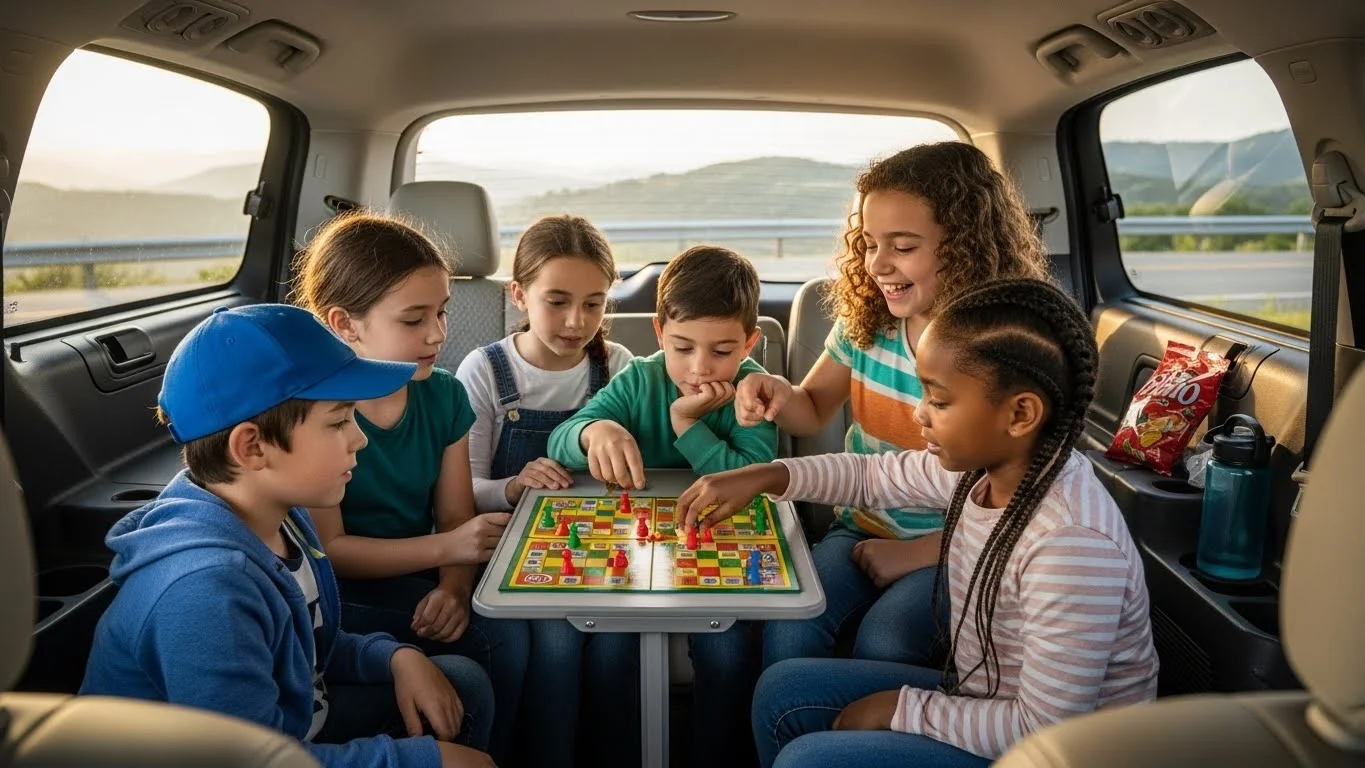
Understanding Social Skills for Children
What Are Social Skills?
Social skills refer to the abilities we use every day to communicate and interact with others. For kids, this means understanding how to share, take turns, and express their feelings. I remember when my child first learned to say “please” and “thank you.” It was a small gesture, yet it opened doors to new friendships. Social skills encompass a range of behaviors, including verbal communication, non-verbal cues like body language, and even empathy. These skills help children navigate their relationships with peers, adults, and even pets. I’ve seen firsthand how mastering these can lead to more fulfilling interactions.
Importance of Social Skills in Childhood Development
From my experience, social skills play a vital role in a child’s overall development. They are essential for building friendships, which can provide emotional support and a sense of belonging. Kids with strong social skills tend to have better academic performance too, as they can collaborate effectively with classmates. I recall a school project where my child had to work with others. Their ability to communicate ideas and listen to peers made the whole experience enjoyable and successful. Social skills also contribute to emotional intelligence, helping kids understand and manage their emotions and those of others.
Benefits of Traveling for Kids’ Social Skills
Exposure to Diverse Cultures
Traveling exposes children to different cultures, which I believe is one of the most enriching experiences. I remember visiting a local market while on vacation; my kids were fascinated by the variety of foods and customs. This exposure not only broadens their worldview but also teaches them to appreciate diversity. I’ve seen my children become more open-minded and curious about others after such experiences. They learn to ask questions and engage with different cultural practices, which is invaluable for their social development.
Opportunities for Interaction with Peers
While traveling, kids often meet others from various backgrounds. I once took my family to a campground, where my children quickly made friends with kids from different states. These interactions provide great opportunities for practicing social skills, such as initiating conversations and resolving conflicts. I’ve noticed how these experiences can help children feel more comfortable around different personalities and improve their ability to adapt to new social situations. It’s like a mini-training ground for real-world interactions!
Development of Communication Skills
Traveling can significantly enhance a child’s communication skills. I found that my kids became more confident in expressing their thoughts and feelings when exposed to new environments. Whether it’s ordering food at a restaurant or asking for directions, these small tasks encourage them to communicate effectively. I recommend involving kids in discussions about what they want to do or see during the trip. This not only helps them articulate their desires but also fosters decision-making skills. I’ve seen my children grow more adept at discussing their preferences and negotiating plans while traveling together.
Engaging Activities to Enhance Social Skills While Traveling
Interactive Games for Family Bonding
One of my favorite ways to boost social skills while traveling is through interactive games. We often play games like “20 Questions” or “I Spy” during long car rides or airport waits. These games promote communication and teamwork while keeping everyone engaged. I remember one road trip where we played a family trivia game based on our travel destination. It not only helped pass the time but also sparked discussions about the place we were visiting. These moments can strengthen family bonds and provide a safe space for kids to practice their social skills.
Group Activities with Other Travelers
Participating in group activities with other travelers can be incredibly beneficial. Whether it’s a guided tour, a group hike, or a cooking class, being part of a team gives kids the chance to engage with peers. I recall a time when my family joined a local cooking class while on vacation. My children had to work with others to prepare a traditional dish, and they loved sharing ideas and learning from new friends. These experiences teach collaboration and help kids learn how to navigate different social dynamics.
Cultural Exchange Programs
Some destinations offer cultural exchange programs that allow kids to interact with local children. I had the opportunity to participate in such a program during a trip abroad. It was amazing to see how my kids connected with local kids through shared activities. They learned a few words in the local language and engaged in games that broke down any barriers. These exchanges are a fantastic way to promote empathy and understanding, reflecting the importance of social skills in a global context. You can find more information on this in the article Top Budget Destinations for Kids to Learn Social Skills.
Volunteer Opportunities for Kids
Volunteering is another great way to teach kids about social responsibility while enhancing their social skills. During one of our family vacations, we volunteered at a local animal shelter. The experience not only allowed us to give back to the community but also taught my children the value of teamwork and communication. I noticed how they interacted with other volunteers and learned to express their thoughts about the tasks at hand. Volunteering can provide meaningful interactions and teach kids about compassion and empathy.
Language Learning Through Play
When traveling to a place where a different language is spoken, consider incorporating fun language-learning activities. I’ve seen how playing language games can break the ice when meeting new friends. Using simple phrases to greet others or learn local words can spark curiosity and lead to interactions. On one trip, my kids learned to say “hello” and “thank you” in the local language, which opened doors for conversations with local children. These moments not only enhance their language skills but also boost their confidence in social situations.
Destination-Specific Activities
City Tours and Scavenger Hunts
One of the most exciting ways to engage kids while traveling is through city tours or scavenger hunts. I remember when we visited a bustling city, and my kids were given a map with a list of items to find at various landmarks. It was amazing to see them work together, pointing out different statues and buildings. The thrill of searching for clues turned a simple walk into a fun adventure. Not only did they learn about the city’s history, but they also practiced teamwork and communication. I truly believe that these activities encourage kids to interact with locals and ask questions, further enhancing their social skills.
Participating in Local Festivals
Attending local festivals can be a fantastic way for kids to immerse themselves in a new culture. I took my family to a vibrant cultural festival once, and it was an experience we’ll never forget. My children were captivated by the music, dance, and food. They joined in on games and activities with other festival-goers, which allowed them to make new friends and learn about different traditions. I noticed how their excitement to participate helped them overcome any shyness. Festivals are filled with energy and joy, creating the perfect environment for kids to enhance their social skills while having fun.
Workshops and Classes (Cooking, Art, etc.)
Signing up for a workshop or class while traveling can be a great way to connect with others and develop new skills. We once participated in a pottery class during a trip, and it turned out to be a highlight of our vacation. My kids not only learned how to mold clay but also interacted with other participants, sharing tips and experiences. These classes provide a relaxed setting for kids to communicate, collaborate, and express their creativity. I’ve seen how engaging in such hands-on activities can boost confidence and foster connections with peers, helping them build social skills in a natural way. Additionally, consider activities like Backpacking with Kids: Fun Ways to Boost Social Skills for more ideas.
Nature Exploration and Outdoor Games
Exploring nature is another great opportunity for kids to enhance their social skills while traveling. I often take my family on hikes to discover new trails and parks. During these outings, my kids have the chance to meet other families and play games like capture the flag or tag. I noticed that being in a natural setting encourages kids to bond over shared experiences. They learn to cooperate and communicate effectively, whether it’s planning the next move in a game or simply sharing the beauty of their surroundings. The fresh air and physical activity create a perfect backdrop for building friendships and enhancing social interactions.
How to Encourage Kids to Engage with Others
Setting Goals for Social Interaction
Before setting off on a trip, I find it helpful to have a chat with my kids about our goals for social interaction. We make a fun list of things we want to achieve, like talking to a new friend or trying out a local food with someone. I remember one trip where we aimed to meet other kids at the hotel pool. By setting these goals, my children felt more motivated to reach out and engage with others. It’s amazing how having a purpose can make them more open to socializing.
Role-Playing Scenarios Before Traveling
Role-playing can be a valuable tool for helping kids prepare for social interactions. Before we travel, I often create scenarios for my children to practice. For example, we might role-play how to introduce themselves to other kids or how to ask for help in a restaurant. I’ve seen that this practice helps build their confidence so that when the moment comes, they feel more equipped to handle it. It’s a fun way to ease any anxiety they might have and encourages them to be proactive in social situations.
Using Technology to Connect with Other Kids
In today’s digital age, technology can be a wonderful way to help kids connect with peers before and during travel. I remember when my children met a few kids online who lived in the area we were visiting. They exchanged messages and even set up a time to meet. It was a great way for them to feel comfortable before actually meeting in person. Encouraging kids to use apps or online platforms to connect with others can help them practice their social skills and ease any feelings of shyness. Plus, it’s rewarding to see friendships blossom from these interactions!
Safety and Comfort Considerations
Preparing Kids for New Environments
Traveling to new places can be an exciting yet overwhelming experience for kids. I’ve found that preparation is key to ensuring they feel comfortable. Before heading out, I like to talk to my children about what they can expect. We discuss different environments, the people they might encounter, and how to handle unfamiliar situations. This helps them feel more confident and less anxious. I also encourage them to express any concerns they may have, so we can address them together. It’s all about creating a sense of security while encouraging exploration.
Addressing Potential Anxiety in Children
It’s completely normal for kids to feel anxious about new experiences. I recall my own child feeling nervous about meeting new friends on a vacation. To help ease their anxiety, I found it helpful to remind them of past successful social interactions. We talked about their previous trips where they made friends and had fun. I also suggested some calming techniques, like deep breathing or bringing along a comfort item. These strategies not only helped reduce anxiety but also empowered them to be more open to new friendships.
Establishing Communication and Boundaries
As a parent, I’ve learned the importance of establishing clear communication and boundaries when it comes to social interactions. Before we travel, I make sure my kids know they can come to me if they feel uncomfortable in any situation. We discuss what’s acceptable behavior and what isn’t, emphasizing the importance of consent in friendships. I’ve noticed that when kids feel supported and understand their limits, they are more likely to engage positively with others. Encouraging open communication helps build trust and confidence, making their social experiences more enjoyable.
Tips for Parents to Facilitate Social Skills Development
Modeling Positive Social Behavior
As parents, we play a crucial role in shaping our children’s social skills. I’ve learned that one of the best ways to teach these skills is by modeling positive social behavior ourselves. For instance, when I interact with others, I make a conscious effort to show kindness and respect. Whether it’s greeting a neighbor with a smile or thanking a cashier, I try to demonstrate how to communicate effectively. I’ve noticed my kids observing these interactions and replicating them in their own lives. It’s amazing how they pick up on the nuances of conversation and body language just by watching us. This modeling can create a foundation for them to develop their social skills naturally.
Encouraging Open Discussions About Experiences
After each trip, I find it helpful to sit down with my kids and discuss their experiences. I ask open-ended questions like, “What was your favorite part of the trip?” or “Did you meet anyone interesting?” These conversations allow them to reflect on their interactions and share their feelings. I’ve found that discussing what they learned about different cultures and people helps reinforce their social skills. It also gives them a chance to express any challenges they faced, which can be valuable for their growth. I believe these discussions can lead to a deeper understanding of social dynamics and help them feel more confident in future interactions.
Providing Positive Reinforcement
Recognizing and celebrating my children’s social successes has been a game-changer in their confidence levels. When my kids engage with others or show kindness, I make it a point to acknowledge their efforts. Simple phrases like, “I’m so proud of you for making a new friend!” or “You did a great job sharing your toys!” can go a long way. I’ve seen how positive reinforcement encourages them to continue practicing their social skills. It’s important to create an environment where they feel that their efforts are valued. This support not only boosts their self-esteem but also motivates them to engage with others more willingly.
Resources for Further Learning
Books on Social Skills for Kids
There are some fantastic books available that focus on teaching social skills to children. I often browse through local bookstores or libraries to find age-appropriate titles. One book that stood out for us was “How to Win Friends and Influence People for Teen Girls.” It breaks down complex social concepts into relatable lessons. Reading together as a family not only sparks conversations but also helps my kids learn at their own pace. I encourage parents to look for books that resonate with their child’s interests, as this can make learning about social skills more enjoyable.
Websites and Online Communities
The internet is filled with resources that can help kids enhance their social skills. Websites like KidsHealth and PBS Kids offer articles and activities that can be both fun and educational. I’ve found that joining online communities dedicated to parenting can also provide valuable insights. These forums allow parents to share experiences and tips, which can be incredibly helpful. Engaging with other families who have similar goals creates a sense of camaraderie, and I’ve often walked away with new ideas to try with my kids.
Workshops and Seminars for Parents
Participating in workshops or seminars focused on social skills can be immensely beneficial. I attended a local seminar that discussed strategies for fostering social interactions in children. It was a great opportunity to learn from experts and connect with other parents. I remember picking up tips on how to facilitate playdates and introduce new social settings. I recommend looking for events in your area or even online webinars that cover these vital topics. Gaining knowledge and support from professionals can empower us as parents to guide our children effectively.
Frequently Asked Questions
What are social skills and why are they important for children?
Social skills refer to the abilities we use to communicate and interact with others. For children, this includes sharing, taking turns, and expressing feelings. They are crucial for building friendships, providing emotional support, and even improving academic performance.
How can traveling benefit children’s social skills?
Traveling exposes children to diverse cultures, provides opportunities for interaction with peers, and enhances communication skills. These experiences help children become more open-minded and adaptable, allowing them to practice social skills in various environments.
What types of engaging activities can enhance social skills while traveling?
Interactive games, group activities with other travelers, cultural exchange programs, volunteer opportunities, and language learning through play are all effective ways for children to enhance their social skills while traveling.
How can parents encourage kids to engage with others during trips?
Parents can set goals for social interaction, role-play scenarios to prepare kids for social situations, and use technology to connect with other kids before and during travel, helping to ease shyness and promote engagement.
What should parents do to prepare kids for new environments while traveling?
It’s important to talk to children about what to expect in new environments, discuss potential encounters, and encourage them to express any concerns. This preparation helps build confidence and reduces anxiety.
How can parents address potential anxiety in children regarding social interactions?
Parents can ease anxiety by reminding children of past positive social interactions, suggesting calming techniques, and providing comfort items. These strategies empower children to be more open to forming new friendships.
What role do parents play in modeling social behavior for their children?
Parents can model positive social behavior by demonstrating kindness and respect in their interactions. Children often observe and replicate these behaviors, which helps them develop their own social skills naturally.
Why is it important for parents to discuss experiences with their children after trips?
Discussing experiences allows children to reflect on their interactions, share feelings, and express any challenges they faced. This reinforces their social skills and helps them understand social dynamics better.
What resources are available for parents to help their children develop social skills?
Parents can find a variety of resources, including books on social skills, websites like KidsHealth and PBS Kids, and workshops or seminars focused on fostering social interactions in children.
What are some specific activities that can enhance social skills while traveling?
Activities such as city tours, scavenger hunts, attending local festivals, participating in workshops, and engaging in nature exploration can all provide opportunities for children to practice and enhance their social skills.
Embarking on an affordable Montessori travel adventure can be both exciting and enriching. By following budget backpacking tips, you can create transformative experiences for yourself and your family without breaking the bank.
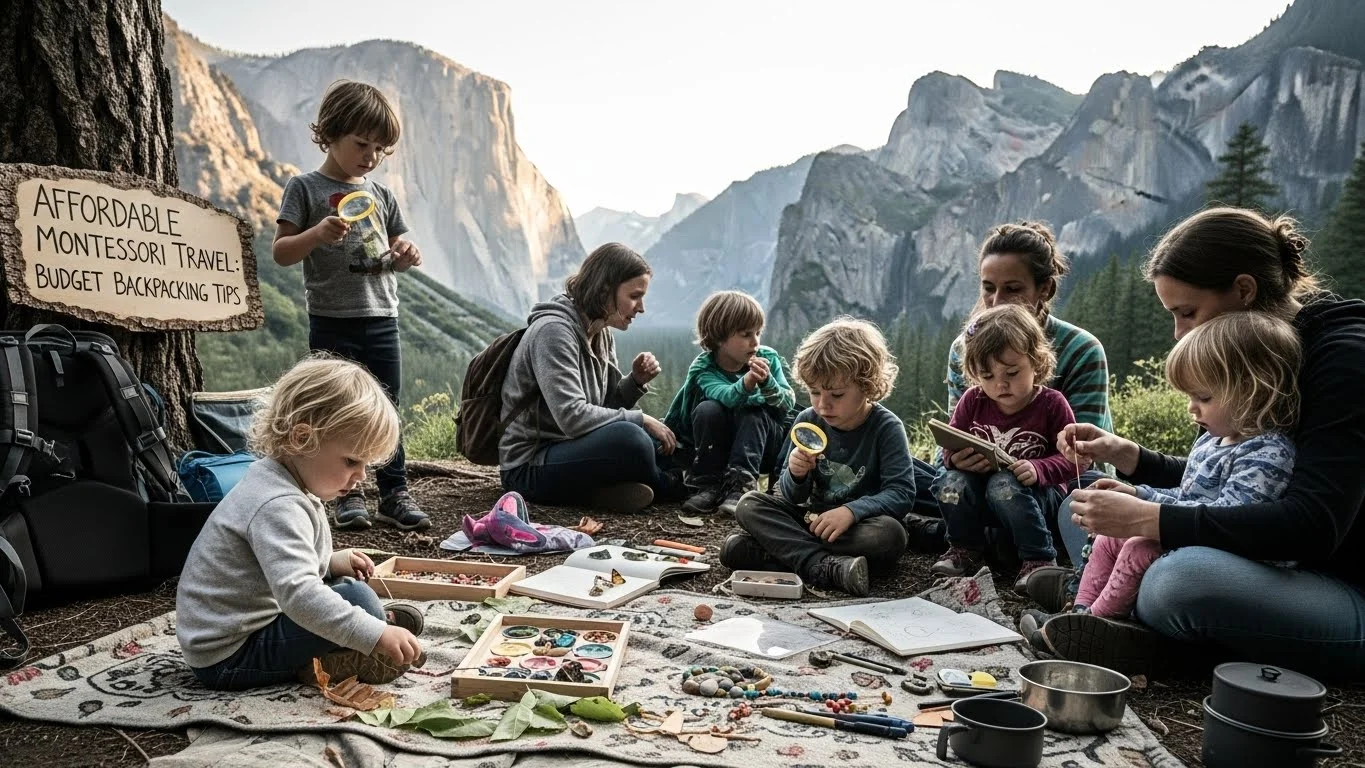
Understanding Montessori Travel Principles
What is Montessori Travel?
Montessori travel is all about embracing the principles of Montessori education while exploring the world. It encourages hands-on experience, exploration, and learning through discovery. Imagine wandering through ancient ruins, touching the smooth stones, or feeling the cool breeze of a mountain peak. This approach to travel promotes not just sightseeing but deep, meaningful learning experiences that engage both adults and children alike. I remember my own travels where I sought to incorporate these principles, and it truly changed how I viewed each destination.
Key Principles of Montessori Education
At the heart of Montessori education are principles that emphasize independence, respect for a child’s natural development, and a love for learning. Here are a few core concepts:
- Child-Centered Learning: The focus is on the child’s needs and interests, allowing them to explore at their own pace.
- Hands-On Activities: Learning through doing is key. This can translate to travel experiences, like making local crafts or cooking traditional meals.
- Community and Environment: Understanding and respecting the local culture and environment is essential. This means engaging with local communities and learning about their ways of life.
In my travels, I found that these principles not only enriched our experiences but also made them more memorable for my children. We weren’t just tourists; we were active participants in the world around us. Read Interesting article: Explore and Learn: Affordable Toddler Activities Abroad
How Montessori Philosophy Influences Travel
Montessori philosophy encourages exploration and curiosity. During our travels, I noticed how our approach shifted from just visiting landmarks to seeking experiences that fostered learning and connection. For example, instead of simply taking photos at famous sites, we engaged with local artisans, participated in cultural festivals, and explored nature trails. Each experience was an opportunity to learn something new, whether it was about history, geography, or the importance of community.
When planning a trip, I always keep these principles in mind. It helps shape our itinerary and ensures that we’re not just checking boxes but creating meaningful memories. I believe that travel should be about understanding and appreciating the world, not just seeing it from a distance.
Planning Your Affordable Montessori Trip
Setting a Budget for Your Trip
One of the first steps in planning an affordable Montessori trip is setting a budget. I find that having a clear budget not only helps manage expenses but also allows for a more stress-free travel experience. Start by listing all potential costs, including flights, accommodation, food, activities, and transportation. Then, prioritize what’s most important to you and your family. For instance, I often allocate more towards experiences over luxury accommodations. This way, we can immerse ourselves in local culture without overspending.
Choosing Montessori-Friendly Destinations
When selecting destinations, I look for places that offer rich educational opportunities. Some of my favorite spots include cities with historical significance, stunning natural landscapes, or vibrant cultures. It’s also helpful to consider areas with Montessori schools or programs, as they often have workshops or community events that families can participate in. For example, while traveling through Italy, we stumbled upon a local Montessori school that hosted a weekend workshop on traditional crafts. It was an unexpected highlight!
Researching Local Montessori Schools and Programs
Before heading to a new destination, I always research local Montessori schools and programs. Many schools welcome visitors and offer workshops or tours that can enhance your travel experience. This not only provides hands-on learning for my kids but also gives us a chance to connect with local families. I remember a trip to Japan where we visited a Montessori school, and my children had the chance to interact with local students. It was a beautiful exchange of culture and ideas. Read Interesting article: Safe and Effective Cardio Exercises for Pregnant Women
Finding Budget Accommodation
Finding affordable accommodation can be a game changer for budget travelers. I’ve explored various options, and each has its benefits. Here are a few suggestions that have worked well for us:
Hostels and Guesthouses
Hostels and guesthouses can be a great way to save money while meeting other travelers. Many hostels offer family rooms, which can be a cozy and affordable option. Plus, they often have communal kitchens where you can prepare your meals. I remember staying in a lovely guesthouse in Thailand, where we had some of the best conversations with fellow travelers over breakfast.
Homestays and Couchsurfing
Homestays and Couchsurfing not only save money but also provide a unique glimpse into local life. Staying with a family can enhance your immersive experience and make travel feel more meaningful. I’ve had some of my most memorable travel experiences through homestays, sharing meals and stories with my hosts.
Family-Friendly Budget Hotels
Lastly, don’t overlook family-friendly budget hotels. Many chains offer comfortable accommodations at reasonable prices and include complimentary breakfast, which can really help cut down on daily expenses. I typically look for hotels that provide amenities like kitchenettes, which allow us to prepare simple meals and save money.
Transportation Tips for Budget Backpacking
Affordable Flight Options
Finding affordable flights can sometimes feel like a treasure hunt, but I’ve learned a few tricks along the way that help. When searching for flights, I typically use comparison websites to find the best deals. Being flexible with travel dates is key; I often browse flights on different days of the week and even consider flying during off-peak seasons. I remember scoring a fantastic deal on tickets to Europe by flying mid-week instead of on a weekend. Plus, subscribing to airlines’ newsletters can alert you to flash sales and special promotions that you might otherwise miss.
Using Public Transportation
Once I arrive at my destination, I always opt for public transportation when possible. It’s a great way to save money and experience the local culture. Buses, trams, and trains often take you to places that aren’t on the usual tourist paths. I recall riding the subway in Paris with my children, where we not only saved money but also enjoyed the hustle and bustle of the city. It was an adventure in itself! Many cities offer travel passes that allow unlimited travel for a set timeframe, so I make sure to check those out as well.
Renting Bicycles or Walking
Whenever I can, I love to rent bicycles or just explore on foot. Not only is it budget-friendly, but it also lets me soak in the sights and sounds of a new place. I remember pedaling through the charming streets of Amsterdam with my family, stopping at local parks and cafes along the way. It was a fantastic way to bond and get some exercise! Walking is another great option—there’s something special about wandering through a city and discovering hidden gems that you might miss while zooming by in a car.
Car Rentals: When to Consider and How to Save
While I try to rely on public transport, there are times when renting a car makes sense, especially if I’m heading to more remote areas or traveling with a larger group. To save money, I always compare prices across different rental agencies and look for discount codes online. I’ve also found that booking in advance usually results in better rates. If you’re planning to explore rural areas, consider carpooling with fellow travelers or using ride-sharing apps, which can be a fun and affordable way to get around. On one trip, we shared a ride with another family, which made for a delightful day of sightseeing and new friendships!
Montessori Activities and Experiences on a Budget
Exploring Nature and Outdoor Learning
Naturally, one of my favorite aspects of Montessori travel is incorporating outdoor learning into our adventures. Nature is the best classroom! I often seek out national parks or nature reserves where we can hike, observe wildlife, and engage with the environment. I remember hiking in the Canadian Rockies, where my kids learned about different ecosystems and even identified local plants. It was fascinating to watch them connect with nature, and all it cost was the price of parking. I always pack a field guide or use a plant identification app to enhance our learning experience.
Visiting Museums and Cultural Centers
Museums and cultural centers can be fantastic resources for educational experiences, and many offer free or discounted entry on certain days. I always check their websites before visiting to see if there are any special programs or exhibits geared toward families. A few years ago, we visited a science museum that had an interactive exhibit for kids, which turned into a memorable hands-on learning experience. It was a joy to see my children engaged and excited about science, and we spent hours exploring!
Participating in Local Community Events
Connecting with local communities is another enriching experience. I often search for community events, festivals, or markets happening during our travels. These gatherings offer a chance to learn about local traditions, crafts, and food. I can still picture the vibrant street festival we stumbled upon in Mexico, where my kids joined a dance workshop and made their own maracas. They not only had fun but also gained a deeper appreciation for the local culture. Plus, they often come at little to no cost!
Finding Free or Low-Cost Educational Workshops
Lastly, I keep an eye out for free or low-cost workshops. Many cities have cultural organizations or community centers that host sessions on traditional crafts, cooking classes, or language lessons. On a recent trip to Greece, we found a local pottery workshop that provided a fantastic hands-on learning experience for my children. They got to create their own pieces, and it was a joy to see their creativity shine. I believe these activities not only teach skills but also create lasting memories that my kids will cherish for years to come. Read Interesting article: Top 10 Items to Pack for a Smooth Labor Experience
Food and Dining on a Budget
Local Markets and Grocery Shopping
One of the joys of traveling is discovering new flavors and cuisines. I’ve found that shopping at local markets not only saves money but also enhances the travel experience. There’s something magical about strolling through vibrant stalls filled with fresh produce, spices, and local delicacies. On a recent trip to Mexico, we visited a bustling market where vendors showcased colorful fruits and handmade tortillas. We picked up fresh ingredients to prepare our own meals, which turned into both a fun family activity and a delicious dining experience. I love involving my kids in the shopping process, letting them choose fruits or snacks that intrigue them. It’s a great way to teach them about local foods while keeping our budget in check.
Affordable Family-Friendly Restaurants
When dining out, I always look for family-friendly restaurants that offer good value for money. Typically, I prefer places where the locals eat, as they often have affordable prices and authentic dishes. In Italy, we discovered a small trattoria that served mouthwatering pasta at a fraction of the cost of touristy spots. It was cozy, and the owner even shared stories about the dishes. I recommend asking locals for recommendations or checking community boards for popular eateries. My kids enjoyed trying different dishes, and it was heartwarming to see them expand their palates.
Cooking in Hostels or Rentals
One of my favorite budget-friendly strategies is cooking our own meals. Many hostels and vacation rentals come equipped with kitchens, allowing us to prepare meals as a family. Cooking together has always been a bonding experience for us. I remember staying at a lovely Airbnb in Spain, where we made a simple paella with fresh seafood from the local market. Not only did we save money, but we also felt a sense of accomplishment and connection to the local culture. I recommend planning a few meals ahead of time and incorporating traditional dishes into your cooking. This turns the kitchen into an extension of our travel experience.
Exploring Street Food Options
Street food is often a highlight of my culinary adventures! I love how it reflects the local culture and can be incredibly affordable. From savory tacos in Mexico to crispy crepes in France, street vendors offer delicious, quick bites that are easy on the wallet. During our travels, I always encourage my kids to try something new from the street stalls. I remember the excitement on their faces when they tasted fresh mango with chili powder in Thailand. It’s an experience that goes beyond just eating—it’s about diving into the local way of life. Just remember to choose vendors who have a steady flow of customers; it’s usually a good sign that the food is fresh and safe to eat!
Safety and Health Considerations
Travel Insurance: Why It’s Important
Travel insurance may seem like an extra expense, but I’ve learned that it’s a crucial part of any trip. I always make sure to get coverage that includes medical expenses, trip cancellations, and lost belongings. It gives me peace of mind, especially when traveling with my children. A few years ago, I had to cancel a trip due to unforeseen circumstances, and having insurance saved us from losing money on non-refundable tickets. I recommend researching different policies and finding one that fits your needs. It’s one of those things you hope you won’t need, but it’s reassuring to have it just in case.
Staying Safe in New Environments
Safety should always be a priority, especially when traveling with kids. I make it a point to research the areas we’ll be visiting and understand any safety concerns. For instance, in bustling cities, I teach my children to stay close and watch for their surroundings. We often establish meeting points in case anyone gets separated. I also carry a basic first-aid kit, which has come in handy more than once. I believe that being prepared helps us feel more relaxed and allows us to enjoy our adventures without unnecessary worries.
Health Tips for Traveling with Children
Traveling with children requires some extra planning when it comes to health. I always ensure everyone is up to date on vaccinations before our trips. It’s also wise to carry any necessary medications, as finding specific items abroad can be tricky. I remember during a trip to Southeast Asia, one of my kids came down with a mild fever. Having a thermometer and basic fever reducer made it easier to manage until we could find a local pharmacy. Additionally, I emphasize the importance of hydration, especially in hotter climates. We always carry reusable water bottles and make sure to drink plenty of fluids. These small steps help keep everyone healthy and happy during our travels.
Montessori Travel Checklist
Essential Packing List for Budget Travelers
Having a well-thought-out packing list is essential for any budget traveler. I’ve learned the hard way that overpacking can lead to unnecessary stress and expenses. I typically start with the essentials: clothes that can be layered, comfortable shoes, and toiletries. I also make sure to pack a small backpack for day trips, which is perfect for carrying snacks, water bottles, and any learning materials we might need. My kids also love having a travel journal to document their experiences, which has helped them engage more deeply with each destination. I believe packing light not only saves money on baggage fees but also makes our travels easier.
Travel Gear for Montessori Activities
Incorporating Montessori principles into our travels means bringing along a few key items. I always pack educational materials that can spark curiosity, like nature guides, sketchbooks, or simple art supplies. For instance, on our hiking adventures, I bring along a field guide for identifying plants and animals, which makes our nature walks more educational. I also love bringing along travel-friendly games that encourage teamwork and problem-solving. These activities allow us to make the most of our downtime and create fun learning moments no matter where we are.
Documents and Essentials for Stress-Free Travel
Being organized with documents is essential for stress-free travel, especially when crossing borders. I always keep our passports, travel insurance details, and any necessary visas in a safe but accessible place. It’s also helpful to have digital copies stored on my phone or in the cloud, just in case. I prepare a travel itinerary that includes important addresses, contact numbers, and emergency information, which has proven invaluable during unexpected situations. Taking the time to gather these essentials ensures we’re ready for anything that comes our way!
Frequently Asked Questions
What is Montessori Travel?
Montessori travel is about embracing the principles of Montessori education while exploring the world. It promotes hands-on experience, exploration, and learning through discovery, fostering meaningful experiences for both adults and children.
How can I set a budget for my Montessori trip?
To set a budget for your trip, start by listing all potential costs including flights, accommodation, food, activities, and transportation. Prioritize what’s most important to your family to ensure a more stress-free travel experience.
What are some Montessori-friendly destinations to consider?
Look for destinations that offer rich educational opportunities such as cities with historical significance, stunning natural landscapes, or vibrant cultures. Areas with Montessori schools or programs that host workshops or community events are also ideal.
How can I find budget accommodation while traveling?
Consider staying in hostels, guesthouses, homestays, or family-friendly budget hotels. These options can save money and provide unique experiences, such as communal kitchens or interactions with local families.
What transportation options are best for budget backpacking?
Opt for public transportation to save money and experience local culture. Renting bicycles or walking are also budget-friendly choices that allow for exploration. Renting a car can be considered for remote areas, but comparing prices and booking in advance is key to saving money.
What types of Montessori activities can I do on a budget?
Incorporate outdoor learning by exploring national parks, visit museums offering free or discounted entry, participate in local community events, and seek out free or low-cost educational workshops during your travels.
How can I save money on food while traveling?
Shop at local markets for fresh ingredients, choose family-friendly restaurants where locals eat, cook meals in hostels or vacation rentals, and explore street food options for affordable and authentic dining experiences.
Why is travel insurance important?
Travel insurance is crucial as it provides coverage for medical expenses, trip cancellations, and lost belongings, offering peace of mind, especially when traveling with children.
What health considerations should I keep in mind when traveling with children?
Ensure that everyone is up to date on vaccinations, carry necessary medications, and emphasize hydration. Having basic health supplies can help manage minor health issues while traveling.
What should be included in a Montessori travel checklist?
A Montessori travel checklist should include essential clothing, comfortable shoes, educational materials for learning, and organized documents such as passports and travel insurance details to ensure a stress-free trip.
Traveling with kids can be a challenge, but affordable travel games can transform long journeys into fun learning experiences. Let’s explore how these games can make education enjoyable while strengthening family bonds. Read Interesting article: Discover Fun Learning Activities: Best Toys for Travel
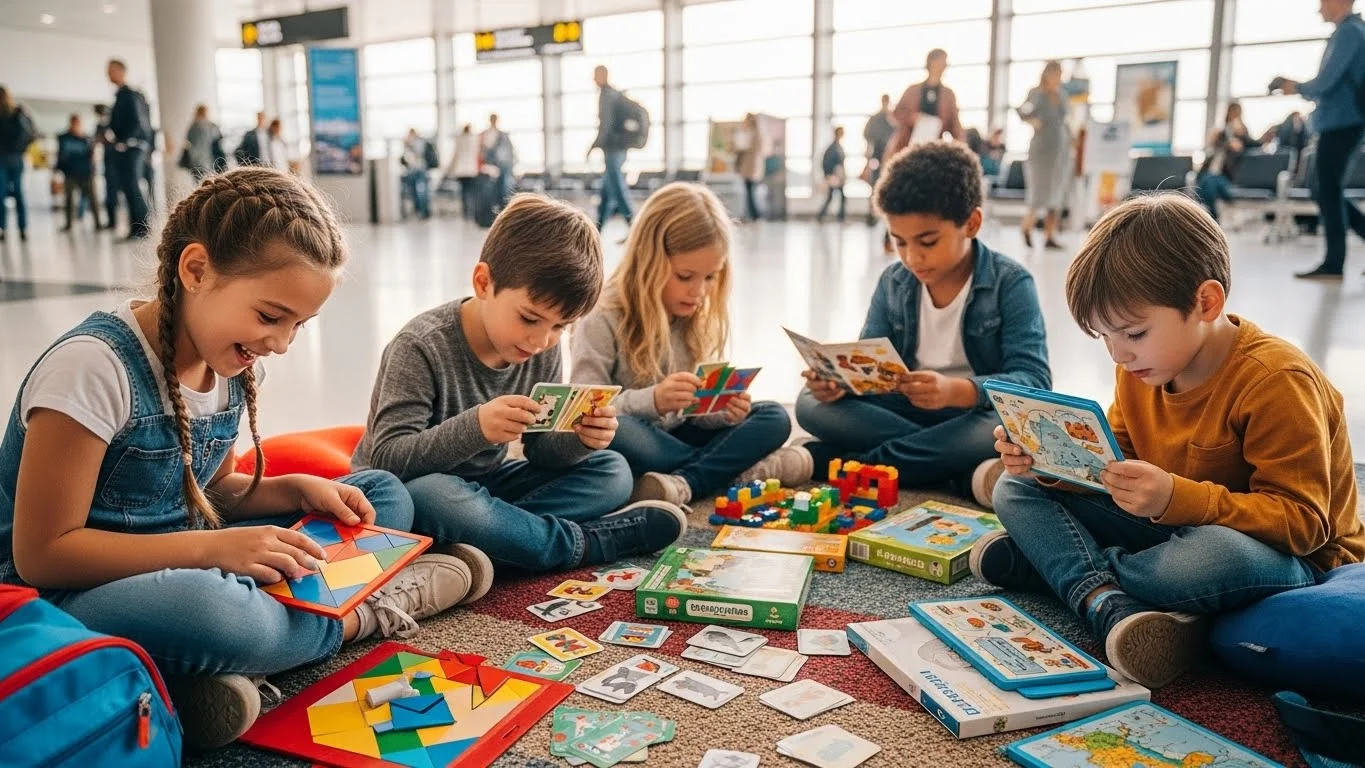
Understanding the Importance of Travel Games for Kids
When I think about traveling with my kids, I often remember those long car rides or airport waits that felt tedious. But introducing travel games changed everything. Not only did they keep my kids entertained, but I also noticed how much they learned along the way. Travel games are not just a distraction; they are valuable tools that enhance learning and create lasting memories. Let’s dive into why these games are essential for our little travelers.
The Benefits of Learning Through Play
One of the greatest gifts we can give our children is the ability to learn while having fun. From my experience, kids retain information better when they engage in play. Travel games can teach various skills such as critical thinking, problem-solving, and social interactions. For example, a simple game of “I Spy” can encourage kids to observe their surroundings and enhance their vocabulary. While playing, they’re not just passing time; they’re actively learning in a way that feels natural and enjoyable. Read Interesting article: Top 10 Budget-Friendly Educational Games for Kids
I remember a road trip where we played a geography game. My kids took turns naming states and capitals, and by the end of the trip, they could recall more than before. This hands-on experience made the learning stick. The best part? They didn’t even realize they were studying! They were too busy having fun, which is precisely how learning should be.
How Travel Games Enhance Family Bonding
Traveling isn’t just about the destination; it’s often about the journey. Travel games provide a unique opportunity for families to bond. I’ve seen how a good game can break the ice during a long journey, sparking laughter and teamwork. Whether we’re playing a competitive card game or collaborating on a travel trivia game, these shared moments create connections that last well beyond the trip.
For instance, during one memorable family vacation, we played a game where we had to draw landmarks we’d seen along the way. It was hilarious to see each other’s interpretations, and we ended up laughing until our stomachs hurt. Those memories became the highlights of our trip, reminding us that togetherness is just as important as the sights we see. Travel games allow us to step away from our devices and engage with each other, further strengthening our family bonds.
In my opinion, these games are also excellent conversation starters. They lead to discussions about the places we visit, cultures we discover, and even personal stories that enrich our travel experiences. I believe that games can be a catalyst for deeper connections, making every journey more meaningful. Read Interesting article: Explore Language Development: Travel Tips for Young Learners
Types of Affordable Travel Games
Now that we understand the significance of travel games, let’s look at the different types we can enjoy without breaking the bank. I’ve discovered a variety of affordable options that are easy to pack and perfect for family travel. Here are some categories worth exploring.
Board Games That Are Easy to Pack
Board games have come a long way, and many are designed specifically for travel. I love finding compact versions of classic games like “Connect Four” or “Guess Who?” These mini-games fit perfectly in our travel bag and provide hours of entertainment. Plus, they often come with travel cases that make them easy to set up anywhere—whether it’s at a rest stop or our hotel room.
One board game that I’ve enjoyed with my kids is “Spot It!” It’s a fast-paced game that challenges players to find matching symbols, and it can be played in under 15 minutes. This makes it perfect for quick breaks during travel. It’s fun, educational, and has a small footprint in our luggage!
Card Games for All Ages
Card games are another fantastic option for travel. They are lightweight, versatile, and can be played by various age groups. I often pack a deck of standard playing cards, which can be used for classic games like Go Fish or Crazy Eights. However, I’ve also loved introducing my kids to themed card games, such as “Uno” or “Exploding Kittens.” These games are not only entertaining but also promote critical thinking and strategy.
One of my favorites is “Sleeping Queens.” It’s a simple card game designed for kids that requires some strategy while keeping everyone engaged. The best part is that it’s easy to learn, making it perfect for family game nights on the road.
Interactive Travel Apps and Digital Games
In this digital age, we can’t overlook the value of technology in travel gaming. I’ve found several interactive travel apps that make learning fun. Apps like “Kahoot!” allow kids to participate in quizzes on various subjects, and they can challenge each other as they travel. It’s a great way to keep learning alive, even when we’re on the go.
However, I always try to balance screen time with traditional games. I believe that while technology can enhance the experience, nothing beats the personal interaction that comes from playing a game together face-to-face. Thus, I use apps more as a supplement rather than a replacement for physical games.
DIY Travel Games Using Everyday Items
One of the most creative ways to enjoy travel games is by making your own. I often turn everyday items into fun games that engage my kids. For example, we’ve created scavenger hunts using a simple list of items to find while traveling. It’s amazing how much fun we can have with just a piece of paper and a pencil!
Another DIY game I’ve enjoyed making is a travel bingo. I customize bingo cards with things we might see on our trip—like a red car, a dog, or a specific road sign. It’s fun to see who can fill their card first, and it keeps everyone alert and engaged during long drives.
I believe that the best part about DIY games is that they can be tailored to any trip. We can adapt the rules, themes, and items based on our travel destination, making each game unique and special.
Educational Travel Games for Different Age Groups
When planning our travels, I often think about how to engage each of my children based on their age and interests. I’ve learned that different age groups benefit from specific types of travel games, making it easier to cater to their needs while keeping everyone entertained. Here are some great suggestions tailored to toddlers, preschoolers, school-aged kids, and even tweens and teens.
Travel Games for Toddlers
Traveling with toddlers can be quite the adventure! Keeping their attention can be a challenge, but I’ve found that simple, interactive games work wonders. For instance, I love bringing along soft, colorful books filled with textures and flaps that they can explore. They enjoy pointing at pictures and naming objects, which helps with language development.
Another favorite is the classic game of “Where’s the Puppy?” where we look out the window and find different animals or vehicles. It’s simple but keeps them engaged. I also carry small toys like animal figurines or a travel-friendly magnetic drawing board. These items can turn into games of creativity as they draw or create stories about the animals they see during our trip.
Games for Preschool-Aged Kids
For my preschoolers, I’ve discovered that interactive games with a bit more structure make a big difference. Games like “Memory” are wonderful because they boost cognitive skills and are easy to pack. I often prepare a homemade memory game using family photos or pictures of places we plan to visit. This personal touch makes the game even more special.
I also enjoy playing “Simon Says” during long waits at airports or rest stops. It’s a great way to get their energy out while also encouraging listening skills. Additionally, I’ve created simple scavenger hunts tailored to our travel destination, which they absolutely love. They get so excited when they spot something on the list, and it fosters their curiosity about the world around them.
Fun Learning Games for School-Aged Children
Once my kids hit school age, I noticed they craved more engaging and educational challenges. One of my go-to games is “20 Questions,” which not only sharpens their critical thinking but also helps them learn more about different topics we might encounter during our travels.
I also recommend educational trivia games, which can be tailored to the destinations we visit. For instance, when heading to a historical location, I might prepare trivia questions about that place, turning our journey into a fun learning experience. They love competing against each other to see who knows more, and I find myself joining in, enjoying the learning process right along with them.
Challenging Games for Tweens and Teens
As my kids have grown into tweens and teens, I’ve found that they enjoy more challenging games that require strategy and teamwork. One of our favorites is “Would You Rather?” This game not only sparks fun discussions but also encourages them to think critically about their choices and engage in meaningful conversations.
Another game that has become a family staple is “The Alphabet Game,” where we look for words on signs or vehicles that start with each letter in the alphabet. It’s simple yet challenging, especially during long stretches of driving. For those who enjoy a bit of competition, we’ve also tried out travel-themed board games like “Ticket to Ride,” which brings in a strategic element and allows them to learn about geography and planning routes.
In my experience, having games that adapt to different age groups keeps the whole family engaged and ensures that everyone has a good time, regardless of their age. It’s all about finding the right balance and keeping the atmosphere light and enjoyable for our little travelers!
Top Affordable Travel Games Recommendations
Now that we’ve explored various types of travel games and how they can benefit our kids, let me share some of my top recommendations that won’t put a dent in your wallet. These affordable travel games have become staples in our family adventures, and I think they can work wonders for yours as well.
Best Travel Board Games Under $20
When it comes to board games that are easy on the budget, I’ve discovered a few gems that my family loves. One of my favorites is “Blokus.” This game is not only engaging but also promotes strategic thinking and spatial awareness. The best part? It’s compact, making it perfect for travel. Another great option is “Sleeping Queens,” which I mentioned earlier. It’s quick to learn and can be played in about 20 minutes, ensuring that we can fit in a game during any downtime.
Another board game that I highly recommend is “Qwirkle.” It’s a tile-matching game that combines elements of strategy and pattern recognition. I enjoy how it can be played with multiple players, so it’s perfect for family gatherings or road trips with friends. All of these games can be found for under $20, making them budget-friendly options that also provide hours of fun.
Popular Card Games for Family Travel
Card games are always a hit in our family, and I’ve come across some fantastic choices that are both entertaining and educational. “Uno” is a classic that never fails to bring excitement during our travels. The thrill of playing not only enhances their number skills but also teaches them about colors and strategy. I can still recall the laughter that erupted during a particularly heated game on a long car ride!
Another card game I love is “Exploding Kittens.” It’s a fast-paced, silly game that appeals to both kids and adults alike. The quirky artwork and entertaining gameplay keep everyone engaged, and it’s a sure way to lighten the mood during a long wait or drive. Plus, it’s compact and easily fits into our travel bag.
Engaging Educational Apps for Kids
In our tech-driven world, I appreciate the educational apps that make learning fun while traveling. One app that my kids enjoy is “Kahoot!” They love participating in quizzes, and I find that it’s an easy way to keep their minds active. We often create quizzes based on what we learn during our travels, which makes the experience even more enriching.
Another app worth mentioning is “Duolingo.” While we’re exploring different countries, my kids take the opportunity to learn basic phrases in the local language. It’s amazing to see their enthusiasm when they try out their new vocabulary with locals! The app is free and offers gamified lessons that make language learning enjoyable.
DIY Game Ideas: Creative and Cost-Effective
I truly believe that some of the best games come from a little creativity. Making DIY games not only saves money but also allows us to personalize our travel experiences. For instance, I often create a “Travel Journal” for my kids. They can draw or write about the places we visit, and we often turn it into a storytelling game where each person shares their favorite memory from the trip.
Another DIY game I enjoy is “Travel Scavenger Hunt.” I make a list of items that are common in our travel area—like specific landmarks, animals, or unique signs. The kids love racing to find everything on the list, and it keeps them engaged and observant. It’s a simple yet effective way to make our journey more interactive and fun.
We also enjoy playing “License Plate Bingo,” where we create bingo cards with different state or country license plates. It’s always exciting to check off a plate we haven’t seen yet, and it can lead to interesting conversations about where the vehicles might be coming from.
Where to Buy Affordable Travel Games
Finding affordable travel games can sometimes feel overwhelming, but I’ve learned a few places where I can score great deals. Whether you’re shopping online or exploring local stores, there are plenty of options available.
Online Retailers with Budget-Friendly Options
When it comes to shopping online, I love browsing sites like Amazon. They offer a wide range of travel games at various price points, and I often find great discounts. Another option is Target; they frequently have sales on family games, and I appreciate their variety. I always check for reviews to ensure that I’m choosing games that other families have enjoyed.
Local Stores to Find Travel Games
Local toy stores and bookstores can be treasure troves for affordable travel games. I’ve had luck finding discounted games at places like Barnes & Noble or even local independent shops. It’s also fun to support small businesses while searching for our next family favorite!
Second-Hand Shops and Thrift Stores
Don’t overlook second-hand shops and thrift stores! I’ve found fantastic games at places like Goodwill and local thrift stores. You can often score high-quality games for a fraction of the original price. Plus, it’s a sustainable way to shop for games that can create new memories for your family.
Overall, being resourceful in finding affordable travel games can enhance our trips without breaking the bank. I feel that the joy of playing together is worth every dollar spent, and I’m excited to share these experiences with my family. Let’s move on to how we can make these travel games even more engaging for our kids!
Frequently Asked Questions
What are travel games and why are they important for kids?
Travel games are activities designed to keep kids entertained during long journeys while also enhancing their learning. They are important because they transform tedious travel times into fun experiences, allowing kids to learn skills such as critical thinking and problem-solving while bonding with family.
How do travel games contribute to family bonding?
Travel games create opportunities for shared experiences and laughter, helping families bond during journeys. They encourage teamwork and conversations, leading to deeper connections and memorable moments that enrich the overall travel experience.
What types of travel games are recommended for kids?
Recommended types of travel games include board games that are easy to pack, card games suitable for all ages, interactive travel apps, DIY games using everyday items, and educational games tailored to different age groups.
Can you suggest some affordable board games for travel?
Some affordable board games for travel include “Blokus,” “Sleeping Queens,” and “Qwirkle.” These games are compact, engaging, and typically available for under $20, making them perfect for family adventures.
What are some popular card games for family travel?
Popular card games for family travel include “Uno” and “Exploding Kittens.” These games are entertaining, educational, and easy to pack, providing hours of fun during trips.
What educational apps can be used while traveling?
Educational apps that can be used while traveling include “Kahoot!” for quizzes and “Duolingo” for learning basic phrases in different languages. These apps make learning fun and engaging while on the go.
What DIY travel games can families create?
Families can create DIY travel games like a “Travel Journal” for storytelling, a “Travel Scavenger Hunt” for finding items, and “License Plate Bingo” for spotting different state or country plates. These games are creative, cost-effective, and personalized to the trip.
Where can families find affordable travel games?
Families can find affordable travel games online at retailers like Amazon and Target, at local toy stores and bookstores, and in second-hand shops or thrift stores. These options provide budget-friendly choices for family entertainment.
What types of travel games are suitable for toddlers?
For toddlers, suitable travel games include interactive soft books, simple games like “Where’s the Puppy?” and creative play with small toys or magnetic drawing boards. These games help engage their attention and promote language development.
How can travel games be adapted for different age groups?
Travel games can be adapted for different age groups by choosing age-appropriate games. For example, simple interactive games for toddlers, structured games for preschoolers, engaging trivia for school-aged kids, and challenging strategy games for tweens and teens ensure that all family members are entertained.
Traveling with kids can be an adventure filled with learning, especially when you incorporate STEM activities. Imagine exploring a new country while engaging your children in science, technology, engineering, and math—without breaking the bank! Read Interesting article: Top Play-Based Learning Activities for Budget Travel Families
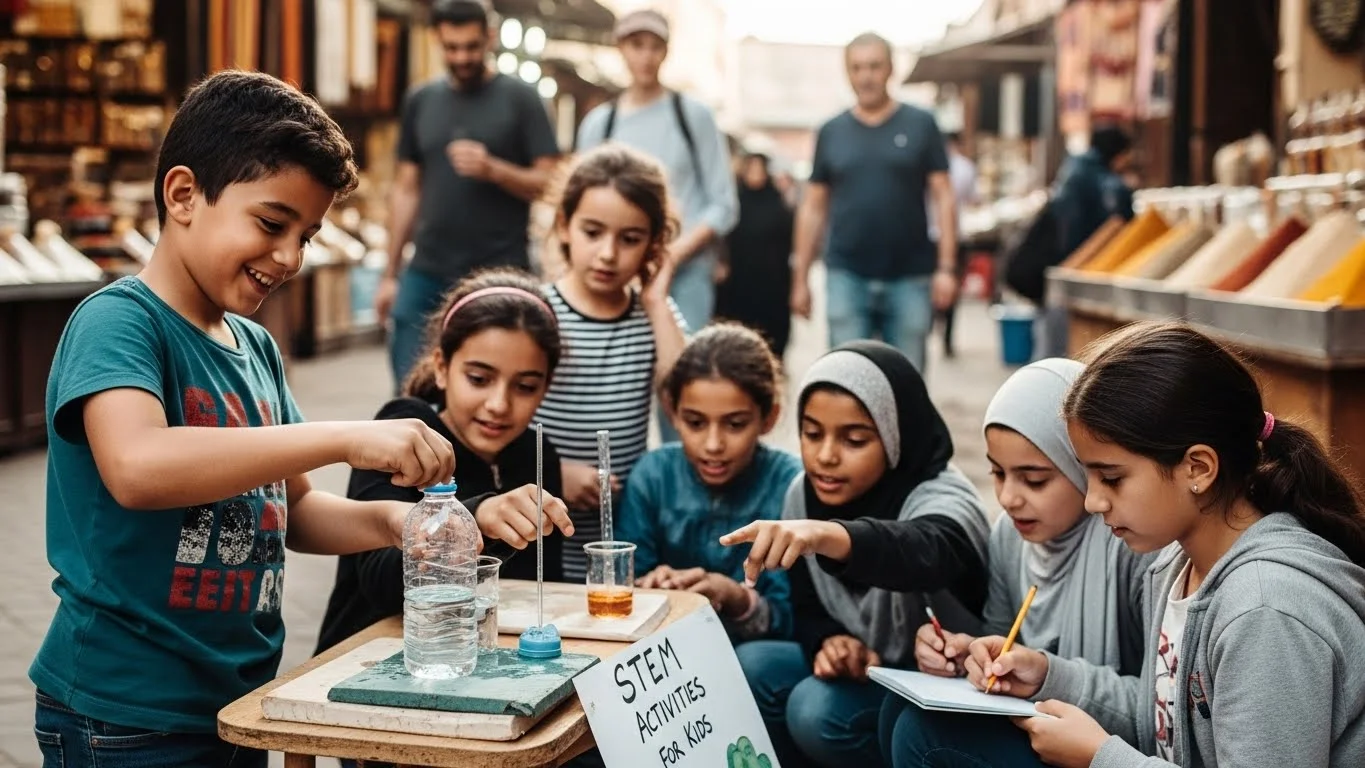
Understanding STEM Activities for Kids
What is STEM Education?
STEM education is all about integrating science, technology, engineering, and mathematics into a cohesive learning paradigm. I remember my first introduction to STEM concepts. It wasn’t in a classroom, but during a family trip where we visited a science museum. The hands-on exhibits sparked my curiosity and made learning feel like a thrilling adventure. The goal of STEM education is to prepare kids for a world increasingly dominated by technology and scientific advancements. It encourages problem-solving, critical thinking, and creativity, all essential skills for the future.
Benefits of STEM Activities for Kids
Engaging in STEM activities offers numerous benefits for children. From my experience, these activities can enhance analytical skills, deepen understanding of real-world applications, and foster a love for exploration. For instance, when my kids built a small robot during a workshop abroad, they didn’t just learn about mechanics; they also developed teamwork and patience. STEM activities can help children connect theoretical knowledge to practical scenarios, making learning more meaningful.
Additionally, these experiences can spark an interest in pursuing STEM-related careers. I’ve seen kids who were once indifferent towards math or science become enthusiastic learners after participating in interactive STEM projects. The joy of discovery and the satisfaction of overcoming challenges can be incredibly empowering for children. Plus, STEM activities often encourage collaboration, which means kids learn to communicate and work effectively with others. This is a skill that will serve them well, no matter what path they choose.
Beyond academic benefits, STEM activities can enrich family travel experiences. They provide an opportunity for families to work together, bond over challenges, and create lasting memories. I believe that when kids actively participate in their learning, they are more likely to retain information and cultivate a genuine interest in the subject matter. Read Interesting article: Essential Play Activities for Toddlers: Budget Travel Tips
Traveling on a Budget: Essential Tips
Choosing Affordable Destinations
When planning a trip that includes STEM activities, selecting budget-friendly destinations is key. I once spent hours researching places that offered free or low-cost educational experiences. Countries in Eastern Europe, for example, often provide excellent opportunities for learning without the hefty price tag. Places like Hungary or Poland have fantastic science museums and outdoor workshops that are not only affordable but also rich in culture and history.
Visiting countries with lower living costs can also stretch your budget further. I found that Southeast Asia, particularly Vietnam and Thailand, offers engaging STEM experiences at a fraction of the cost compared to Western countries. Always consider local festivals or educational fairs that might be happening during your visit as they can provide unique, budget-friendly learning experiences.
Finding Budget Accommodation
Accommodation can take a big bite out of any travel budget. I’ve discovered that hostels, guesthouses, or family-run inns often provide not just lower rates but also an authentic local experience. Websites like Airbnb offer great options for families looking for spacious accommodations at reasonable prices. I remember booking an apartment in Barcelona that allowed us to cook our meals, saving us money and letting us enjoy local markets.
Additionally, consider staying slightly outside major tourist areas. This can lead to more affordable rates and a chance to experience the local culture more intimately. I always try to choose places with kitchen facilities so we can prepare some meals ourselves, which is both a money-saver and a fun family activity—especially when we shop at local markets together!
Transportation Options for Families
Navigating a new city can be daunting, especially with kids in tow. I’ve learned that public transportation is often the cheapest way to get around. Trains, buses, and trams can provide an adventure of their own and can be a great way to explore. For example, while visiting London, my family took the Tube everywhere. It not only saved us money but also turned into a fun game for the kids to find the right lines and stops.
Many cities offer family passes or discounts for public transport, so it’s worth checking for those before you go. If we were in a city with a walkable layout, we would walk as much as possible. It’s a fantastic way to discover hidden gems and local culture. Plus, walking often leads to spontaneous STEM learning opportunities, like observing urban wildlife or noticing different architectural styles.
Saving on Food and Dining
Food can be a major expense while traveling, but it doesn’t have to be! I’m a firm believer in trying local street food or visiting markets. This not only saves money but also provides a unique cultural experience. I remember trying delicious tacos from a street vendor in Mexico that my kids still rave about. Not only was it affordable, but it also introduced them to local cuisine in a fun way.
Cooking some meals can be a great bonding activity. We often plan a few picnic lunches where we pack local ingredients we find at markets. This not only saves money but also allows the kids to learn about different foods and how they’re made. I believe that involving kids in meal prep can spark curiosity about nutrition and cooking, which can tie back into STEM themes in food science. Read Interesting article: Best Activities for Toddlers While Traveling on a Budget
Free and Low-Cost Activities
There are countless free or low-cost activities available, especially in cities rich with parks, museums, and educational programs. I always look for local visitor centers, which often have information about free events or festivals happening during our stay. Museums frequently offer free admission days or discounts for families. I remember visiting the Smithsonian in Washington, D.C., where we spent hours exploring without spending a dime.
Nature is another fantastic classroom. National parks often have programs for kids, where they can learn about ecosystems and conservation. These experiences can be incredibly enriching and often come at little to no cost. I’ve found that hiking or exploring nature is a great way to engage kids in environmental science, helping them to see the connection between nature and their daily lives.
STEM Activities in Different Regions
STEM Activities in Europe
Science Museums and Interactive Exhibits
Traveling through Europe has opened my eyes to some of the most incredible science museums and interactive exhibits aimed at kids. One of my favorite experiences was visiting the Exploratorium in San Francisco, but Europe has its own gems. The Science Museum in London, for example, is a treasure trove of hands-on exhibits that captivate children and adults alike. I remember my kids getting lost in the interactive displays that let them experiment with physics and engineering concepts in real-time. Watching them light up as they learned about space or built simple machines was a joy.
In Paris, the Cité des Sciences et de l’Industrie offers an engaging experience with its dedicated children’s area. I was amazed at how they could explore various scientific principles through play. The workshops there are fantastic, allowing kids to dive deeper into topics like robotics and environmental science. I believe these experiences help kids connect the dots between what they’re learning in school and the exciting world outside.
Outdoor Science Workshops
Europe boasts a wealth of natural landscapes that create perfect backdrops for outdoor science workshops. I once joined a family-friendly workshop in the Scottish Highlands that focused on geology and ecology. We hiked through stunning scenery while learning about rock formations and local ecosystems. My kids were thrilled to collect samples and observe wildlife, which turned an ordinary hike into a fascinating exploration of science in nature.
Italian cities like Florence also offer outdoor workshops where children can engage in art and science combined. We participated in a workshop that taught us about the physics of color creation using natural pigments. It was a wonderful blend of creativity and scientific inquiry that kept everyone engaged. These outdoor experiences helped my family appreciate the beauty of nature while learning valuable STEM concepts.
STEM Activities in Asia
Technology Centers and Innovation Hubs
Asia is a hub of innovation, especially in technology. During our trip to Tokyo, we visited the Miraikan (National Museum of Emerging Science and Innovation), which was phenomenal. My kids were fascinated by the robots and virtual reality exhibits, allowing them to see the future of technology firsthand. I loved watching them interact with cutting-edge science and technology, which felt inspiring and forward-thinking.
In Singapore, the Science Centre is another must-visit. They have a fantastic array of exhibits that cover everything from the human body to space exploration. I remember my kids being completely absorbed in the interactive displays that encouraged them to experiment and ask questions. It’s experiences like these that can ignite a lifelong passion for technology and innovation.
Nature-Based Learning Experiences
Nature-based activities are plentiful in Asia, and they often incorporate STEM learning seamlessly. In Thailand, we participated in an eco-tour that focused on marine biology. Snorkeling in coral reefs while learning about ocean ecosystems was not only fun but incredibly educational. My children were able to see firsthand the importance of conservation and biodiversity, which sparked discussions about environmental responsibility.
Another memorable experience was visiting the rice paddies in Vietnam. We learned about sustainable farming practices and the science behind rice cultivation. Engaging with local farmers and understanding their methods helped my kids appreciate agriculture’s science and significance in everyday life. These types of nature experiences can be both enlightening and memorable, allowing children to learn about the world around them in a hands-on way.
STEM Activities in South America
Agricultural Science Tours
South America offers unique opportunities to explore agriculture and environmental science. During our trip to Peru, we took part in a tour of the Sacred Valley, focusing on traditional farming techniques. Learning about the ancient Incan methods of agriculture was fascinating. My children loved being involved in planting and harvesting, which brought the science of agriculture to life.
In Brazil, we visited a sustainable farm in the Amazon rainforest, which was an eye-opening experience. We learned about biodiversity and the importance of protecting the rainforest ecosystem. I found that these experiences not only educated my kids about science but also instilled a sense of responsibility towards the environment, which is something I feel is crucial for their development.
Environmental Conservation Projects
South America is rich in biodiversity, making it an excellent place for environmental conservation projects. We participated in a community-led project in Ecuador, where we helped to plant native trees to restore a degraded area. It was rewarding for my kids to see how their actions could positively impact the environment. These hands-on activities made them realize the importance of conservation efforts and how they can contribute to a healthier planet.
In addition, visiting places like Torres del Paine National Park in Chile provided opportunities for wildlife observation and discussions about ecology. I remember seeing my kids’ eyes widen as they learned about the delicate balance of the ecosystems around us. I felt that these experiences were essential for nurturing their curiosity about science and the natural world.
Planning Your STEM-Focused Itinerary
How to Incorporate STEM Activities into Travel Plans
When I plan a trip, I always start by mapping out the STEM activities I want to include. I find that researching local attractions ahead of time makes a huge difference. For instance, if I know we’re visiting a city with a renowned science museum or an interactive workshop, I prioritize those spots in our itinerary. I also look for local events that might align with our travel dates, such as science fairs or educational festivals.
One of my favorite strategies is to blend STEM activities with cultural experiences. For example, if we’re in a city known for its history, I search for museums that incorporate technology, like augmented reality exhibits that bring history to life. This way, my kids not only learn about science but also gain insights into the local culture and history. I’ve found that when kids see the connections between subjects, their interest grows exponentially.
Moreover, I try to leave some flexibility in our schedule. Sometimes, we stumble upon unexpected opportunities—like a local science demonstration at a park or an impromptu workshop—which can turn out to be the highlight of our trip. So, while it’s good to have a plan, being open to spontaneity often leads to the most memorable moments!
Creating a Balanced Schedule for Kids
During our travels, I’ve learned that keeping a balanced schedule is essential for everyone’s enjoyment. I remember one trip where we packed our days with back-to-back activities, and by the end, my kids were exhausted and a bit cranky. Now, I make it a point to balance STEM activities with downtime and fun, relaxed experiences.
I aim to include shorter, engaging STEM activities in the morning when the kids are fresh. For example, we might spend a couple of hours at a science museum or participate in a hands-on workshop. Then, in the afternoon, I plan more leisurely activities, like visiting a local park or having a picnic. This way, they can recharge and still have the chance to explore their surroundings without feeling overwhelmed.
Additionally, I encourage my kids to take ownership of the itinerary. I let them choose a STEM activity they’re particularly excited about, which adds an element of excitement to our plans. Involving them in the decision-making process not only keeps them engaged but also teaches them planning and organizational skills.
Resources for Parents
Online Platforms for STEM Activities Abroad
There are so many fantastic online resources that help families find STEM activities while traveling. Websites like Atlas Obscura and Eventbrite can be gold mines for discovering local science-related events or workshops. I often browse these platforms to find unique experiences that might not be widely advertised.
Social media can also be a useful tool. I follow travel blogs and STEM-focused accounts on platforms like Instagram and Pinterest, where I find tips and recommendations for family-friendly activities. I’ve even connected with other traveling families who share their experiences, which has helped me discover local gems I might not have found otherwise.
For those of us who appreciate a more structured approach, educational travel apps can be beneficial. Apps like Roadtrippers or Google Arts & Culture can guide you to nearby museums, exhibits, and science centers. I’ve used these tools to enhance our trips significantly, making it easier to find engaging activities for kids in unfamiliar places.
Books and Guides for STEM Travel
Books and travel guides focused on STEM can be incredibly valuable resources. I remember picking up a guide that highlighted educational activities in different cities, which helped me plan our itinerary around hands-on learning opportunities. These guides often provide insights into age-appropriate activities and can help set realistic expectations for what your kids will enjoy.
Additionally, I’ve found that there are many children’s books that introduce STEM concepts through storytelling. Bringing a few along on our trip has sparked conversations and interest in the topics we encounter. For example, if we’re visiting a science museum, reading a book about space or dinosaurs beforehand can set the stage for a more enriching experience.
Finally, I recommend checking out local libraries or bookstores when you arrive at your destination. Many cities have unique literature focused on the area’s history, science, or culture, which can be a fun way to connect with the local environment and enhance our learning while traveling.
Safety Considerations While Traveling with Kids
Health and Safety Tips for International Travel
Taking a family trip involves not just excitement but also a fair amount of preparation, especially regarding health and safety. I always make sure to have a family first aid kit packed with essentials like band-aids, antiseptic wipes, and any necessary medications. Having this kit handy gives me peace of mind when we’re on the go.
Before heading out, I check the health recommendations for our destination, including vaccinations or health advisories. I also ensure that my kids know basic safety guidelines, like staying close to us in crowded places or being cautious about what they eat and drink. It’s surprising how much of a difference these small discussions can make in keeping our family safe while exploring new places.
Another tip I found helpful is to research local emergency contacts and health facilities. I usually save this information on my phone or print it out. Knowing where to go in case of an emergency can save a lot of stress. I also try to keep a list of important contacts, such as the local embassy, just in case we run into any issues.
Emergency Contacts and Resources
Having emergency contacts organized can be a lifesaver during any trip. I make sure to have a list of local emergency numbers, including police, fire, and medical services, written down and easily accessible. Additionally, I keep a copy of our travel insurance details, as it’s vital to know how to seek assistance if needed.
It’s also a good idea to establish a communication plan with the kids. I explain what to do if we get separated, like identifying a meeting place or asking a trusted adult for help. This empowers them to navigate unfamiliar environments with a sense of confidence.
Lastly, I recommend using travel apps that can help with emergency situations, such as ones that show nearby hospitals or clinics. Some apps even allow you to store important medical information for each family member, which can be incredibly useful if any health issues arise while abroad.
Frequently Asked Questions
What is STEM education?
STEM education integrates science, technology, engineering, and mathematics into a cohesive learning approach, preparing kids for a technology-driven world while encouraging problem-solving, critical thinking, and creativity.
What are the benefits of STEM activities for kids?
STEM activities enhance analytical skills, deepen understanding of real-world applications, foster teamwork and patience, and can spark an interest in STEM-related careers, making learning more meaningful and enjoyable.
How can families save on travel while engaging in STEM activities?
Families can save on travel by choosing budget-friendly destinations, finding affordable accommodations, utilizing public transportation, and opting for local street food or markets, which can provide unique cultural experiences.
What types of STEM activities are available in Europe?
Europe offers various STEM activities, including visits to science museums like the Science Museum in London and outdoor science workshops in places like the Scottish Highlands, where families can engage in hands-on learning about geology and ecology.
What STEM experiences can families expect in Asia?
In Asia, families can visit technology centers such as the Miraikan in Tokyo, which showcases robotics and virtual reality, as well as participate in nature-based learning experiences like eco-tours focused on marine biology in Thailand.
What unique opportunities for STEM learning exist in South America?
South America provides agricultural science tours, such as exploring traditional farming techniques in Peru and participating in environmental conservation projects in Ecuador, which educate children about biodiversity and sustainability.
How can parents plan a STEM-focused travel itinerary?
Parents can plan a STEM-focused itinerary by researching local attractions ahead of time, prioritizing science museums or workshops, blending STEM activities with cultural experiences, and allowing flexibility for spontaneous learning opportunities.
What resources are available for finding STEM activities while traveling?
Online platforms like Atlas Obscura and Eventbrite, social media, educational travel apps, and travel guides focused on STEM activities can help families discover local science-related events and workshops during their travels.
What health and safety tips should families consider when traveling internationally?
Families should prepare a first aid kit, check health recommendations for their destination, teach kids basic safety guidelines, and research local emergency contacts and health facilities to ensure a safe trip.
How can families organize emergency contacts while traveling?
Families can organize emergency contacts by keeping a list of local emergency numbers, maintaining a copy of travel insurance details, establishing a communication plan with kids for separation scenarios, and using travel apps to assist in emergencies.
Traveling with kids can be a thrilling adventure, especially when you incorporate play-based learning. This approach not only keeps them engaged but also enriches their experiences in meaningful ways. For more ideas on destinations that cater to this method, check out Affordable Destinations for Play-Based Learning Adventures.
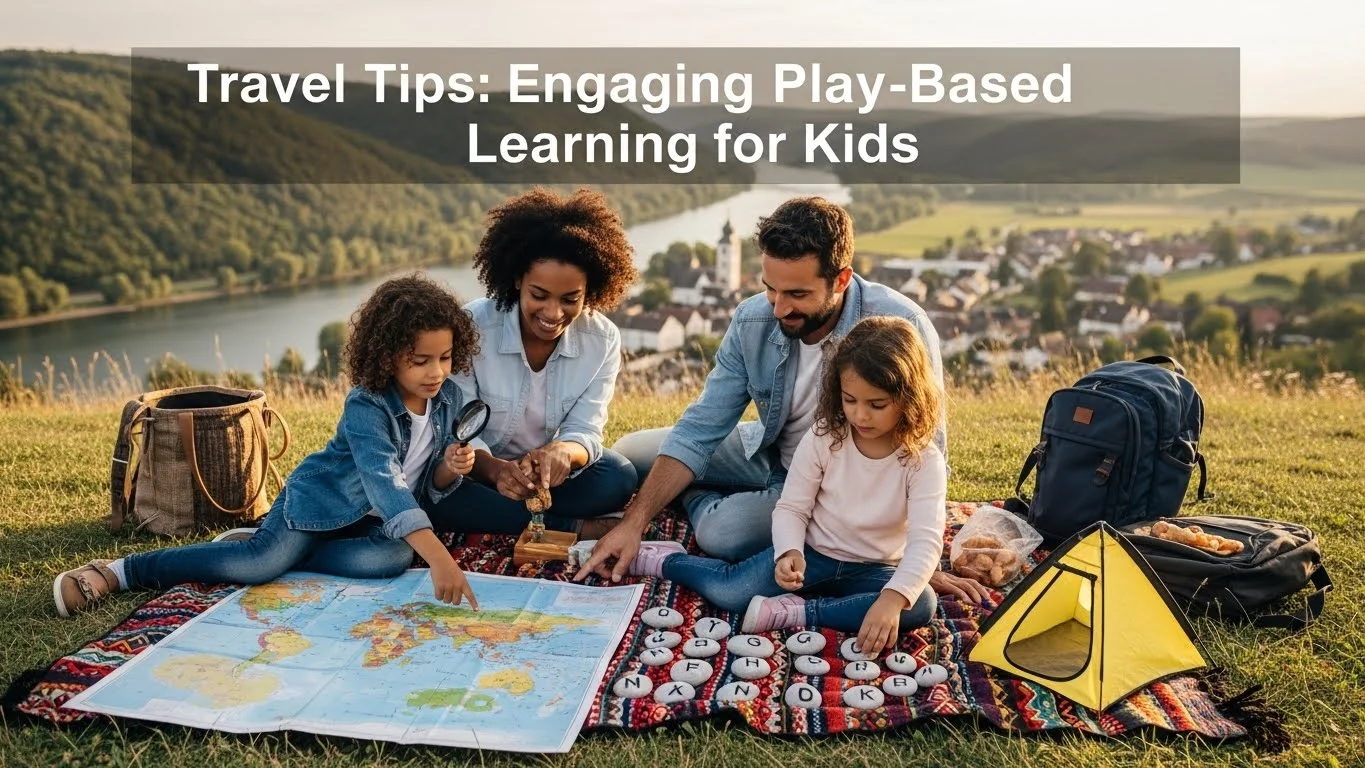
Understanding Play-Based Learning
Definition and Importance of Play-Based Learning
Play-based learning is a teaching method that encourages children to engage in activities that feel like play. It’s all about using games and imaginative activities to help kids learn new concepts and develop skills. I remember the first time I realized just how powerful this method could be; it was during a family trip to a historical site. Instead of just walking through the exhibits, my kids jumped into role-playing, pretending to be explorers discovering new lands. This made the experience unforgettable for them, and I saw them absorb so much more than they would have if we simply read the information plaques.
Benefits of Play-Based Learning for Kids
There are countless benefits to this style of learning. First off, it boosts creativity. Children engage their imaginations and think outside the box when they learn through play. I’ve seen how my kids come up with wild ideas during play that they wouldn’t think of in a more traditional learning environment. It also enhances problem-solving skills. When they encounter challenges in their play, they learn to navigate and find solutions. Additionally, play-based learning encourages social skills. As kids play and interact with each other, they learn to communicate, collaborate, and negotiate, which are essential life skills.
Furthermore, play-based learning can help build resilience. When things don’t go as planned in a game or activity, kids learn to adapt and try again. This sense of perseverance is invaluable in real-world situations. The emotional aspect is also significant; I’ve noticed my children become more aware of their feelings and those of others during play, which fosters empathy. Overall, this type of learning creates a well-rounded development environment that nurtures not just academic skills but emotional and social growth too.
How Play-Based Learning Enhances Travel Experiences
Incorporating play-based learning into travel transforms ordinary trips into extraordinary adventures. When we travel, I aim to find ways for my kids to connect with the places we visit through play. For instance, while visiting a new city, we often create scavenger hunts. I’ll make a list of things to find or types of people to interact with, allowing them to explore their surroundings actively. This not only keeps them engaged but also makes them feel like explorers on a mission. There was a time we visited a vibrant market, and while I was busy shopping for souvenirs, my kids were off on their own treasure hunt. They found unique items, met local vendors, and learned about the culture in a hands-on way. It was pure magic watching them immerse themselves in the experience.
Furthermore, play-based learning promotes curiosity. Kids naturally want to learn and discover new things, but sometimes, a museum or historical site can feel overwhelming or dull without some interactive element. In our travels, I often look for museums that offer interactive exhibits or special children’s programs. For example, at a science museum, my kids could engage in experiments and hands-on displays, which turned a potentially boring day into an exciting adventure where they learned without even realizing it. That’s the beauty of learning through play; it seamlessly blends education with enjoyment. If you’re interested in more activities, check out Top 10 Play-Based Learning Activities for Young Travelers.
Another way I have enhanced our travel experiences is through storytelling. I encourage my kids to create stories based on the places we visit. For instance, while exploring ancient ruins, they might imagine what life was like back then, crafting narratives about the people who lived there. This not only makes history come alive for them but also strengthens their storytelling abilities. I’ve seen how much they enjoy sharing their stories with family and friends after our trips, and it feels great knowing they carry a piece of their adventures with them.
Lastly, play-based learning helps children retain information better. When they engage in activities that require them to think critically and problem-solve, they are more likely to remember what they learned. After our travels, I often notice my kids recall specific facts or stories from our adventures, showcasing how play-based experiences leave a lasting impression. I am continually amazed at how much they absorb when they are having fun! It’s a win-win situation for us; they learn while I get to enjoy their joy and enthusiasm.
Preparing for Travel with Kids
Choosing Family-Friendly Destinations
When planning our family trips, choosing the right destination is crucial. I’ve found that family-friendly destinations can make all the difference when it comes to play-based learning. For instance, places that offer interactive museums, parks with engaging play areas, or cultural festivals geared toward families tend to be more enjoyable for my kids. I remember a trip we took to a coastal town that featured a marine science center. The exhibits were hands-on, and the staff offered workshops where the kids could touch marine animals. This kind of experience not only kept them entertained but also sparked their interest in ocean life, which they still talk about today.
Another aspect I consider is the availability of outdoor spaces. Parks, beaches, and nature reserves provide countless opportunities for play and exploration. One of our favorite destinations was a national park where my kids could hike, identify plants, and even participate in guided nature walks. These experiences cultivated their curiosity about the natural world and allowed them to learn through exploring their surroundings. I often involve my kids in the destination selection process, letting them share what interests them, which I believe makes the trips even more special for all of us.
Essential Packing Tips for Engaging Learning
Packing wisely can significantly enhance our travel experiences. I’ve learned to pack not just clothes and essentials, but also items that facilitate play-based learning. For example, I always include a small backpack filled with art supplies — sketchbooks, colored pencils, and even a few travel games. These items encourage creativity during downtime, whether we’re waiting at the airport or relaxing at a hotel.
Additionally, I like to bring along educational materials related to our destination. For instance, if we’re visiting a historical site, I might pack a book about that era or print out some fun facts and activities for my kids to engage with during our visit. This makes them feel more connected to the place we’re exploring. I also consider packing lightweight, portable learning games that can be played anywhere. I’ve noticed that having these materials on hand keeps my kids engaged, turning wait times into learning opportunities.
Traveling with Educational Toys and Games
In my experience, the right toys can turn a long journey into a fun and educational experience. I usually travel with a selection of educational games and toys that stimulate learning in playful ways. For example, we love bringing along travel-sized board games that promote critical thinking and strategy. These games not only keep my kids entertained during long flights or car rides but also foster teamwork and problem-solving skills.
I also pack puzzle books or activity sets that align with our travel theme. If we’re visiting a city known for its architecture, I might include a building kit or a book on famous structures. This way, my children can create or solve puzzles related to what they’re seeing. I’ve found that this not only makes the journey more enjoyable but also leads to meaningful conversations about what we’re experiencing. I love that it adds another layer of learning to our travel adventures.
Engaging Activities During Travel
Interactive Learning Experiences at Museums
Museums are often the highlight of our trips, especially when they offer interactive learning experiences. I make it a point to research ahead of time for museums that cater to children. When we visited a natural history museum, there were numerous hands-on exhibits that allowed my kids to touch fossils and even participate in a simulated archaeological dig. It was fascinating to see their eyes light up as they uncovered “ancient” artifacts buried in the sand. I’ve learned that these interactive experiences not only keep them engaged but also help them remember what they learned long after we leave.
We also look for museums that offer guided tours specifically designed for kids. These tours often include storytelling elements or scavenger hunts, making the experience much more relatable and fun. After one such tour at a science museum, my kids were buzzing with excitement, sharing all the facts they learned. It’s a great reminder that learning can happen anywhere, especially when it involves getting hands-on.
Outdoor Play and Exploration in Nature
Nature has always been a fantastic classroom for my family. When we travel, I love to incorporate outdoor activities that allow my kids to explore and learn simultaneously. Hiking is one of our favorite activities; it offers a wonderful opportunity to observe wildlife, plant life, and geographical features. I often encourage my kids to take notes or sketch what they see, which helps them engage more deeply with their surroundings.
We also enjoy visiting local parks or nature reserves. Many have educational programs, like guided nature walks or workshops on local ecology. I remember a trip where we joined a ranger-led program to learn about birdwatching. My kids were so excited to identify different species, and it ignited a passion for nature that we still nurture today. The beauty of outdoor exploration is that it fosters a love for the environment while also teaching important lessons about conservation and respect for nature.
Using Local Culture for Play-Based Learning
One of the most enriching aspects of travel is immersing ourselves in local culture. I’ve discovered that engaging with local traditions can be a wonderful way to incorporate play-based learning. For example, during one trip, we participated in a cooking class focused on traditional dishes. Not only did my kids learn about the ingredients and techniques, but they also gained insight into the culture and history behind the food. Cooking together became a fun, hands-on experience that left lasting memories.
Engaging with Local Communities
Connecting with local communities is essential for play-based learning. I often seek out opportunities for my kids to interact with local families, whether through community events or volunteer opportunities. This not only helps them understand different ways of life but also fosters empathy and social skills. During a visit to a rural village, we participated in a local craft fair where my kids could learn traditional crafts from artisans. They loved the experience and gained a sense of connection to the community.
Participating in Festivals and Events
Attending local festivals or events is another fantastic way to enhance our travel experience. These events often showcase local traditions, music, and art, bringing culture to life. I remember when we stumbled upon a cultural festival celebrating local history; my kids got to participate in traditional dances, listen to stories, and even try their hand at crafting local art. It was incredible to see them engage in such a lively atmosphere, and they learned so much in the process. I always encourage my kids to ask questions and interact with festival-goers, which helps them gain a deeper understanding of the culture we’re experiencing.
Incorporating Learning into Daily Travel Routines
Making Travel Itineraries Fun and Educational
Crafting our travel itineraries is one of my favorite parts of planning a trip. I’ve learned that making them fun and educational can greatly enhance our experiences. Instead of just listing attractions, I try to incorporate activities that spark curiosity. For example, if we’re visiting a city known for its art, I’ll schedule a visit to a local gallery, but I’ll also include a stop at a nearby park where my kids can create their own art inspired by what they’ve seen. This not only keeps them engaged but also allows them to express themselves creatively.
To keep things interesting, I often include themed days in our itinerary. If we’re exploring a historical city, we might dedicate one day to discovering local legends and myths. We’ll visit historic landmarks, read stories related to those sites, and even play games or do crafts that relate to the theme. I’ve found that when we have a focus, it makes our adventures feel more purposeful and memorable.
Incorporating Storytelling and Role-Playing
Storytelling is a powerful tool I love using to deepen our travel experiences. Before a trip, I often share stories related to our destination—whether they are myths, historical tales, or personal anecdotes from previous travels. This helps set the stage for what we might encounter. For instance, prior to a visit to a castle, I might regale my kids with stories of knights and dragons, making them even more excited about exploring the castle grounds.
While we’re traveling, I encourage my kids to create their own narratives based on what they see. They might pretend to be characters from the stories we’ve discussed, acting out scenes as we explore. I remember when we visited a medieval village; my children took on roles of villagers and knights, transforming our exploration into a playful adventure. This not only makes learning fun but also allows them to process and internalize what they are experiencing in a creative way.
Utilizing Technology for Learning on the Go
In today’s digital age, technology can be a fantastic ally in enhancing play-based learning during travel. I’ve discovered several educational apps and websites that make learning interactive and engaging. For instance, we often use language apps to learn a few basic phrases of the local language before our trips. This not only helps us communicate better but also makes my kids feel more connected to the culture we are experiencing.
We also enjoy using apps that allow us to explore local landmarks through augmented reality. There are apps that can bring historical sites to life, showing kids what the area looked like in the past through their devices. It’s amazing to see their faces light up as they interact with history in a way that feels immersive and exciting. I always encourage my kids to take photos and videos during our travels, helping them document their experiences and create a digital scrapbook of their adventures.
Another tool I find helpful is travel blogs and vlogs. These often provide tips and insights into destinations from a family perspective. Watching videos about places we plan to visit helps build anticipation and gives my kids a sense of involvement in our plans. Plus, it can spark discussions about what they’re most excited to see and do, making the entire experience more engaging. For younger travelers, Exploring the World: Play-Based Learning for Toddlers offers great insights.
Post-Travel Reflection and Learning
Creating a Travel Journal or Scrapbook
After returning from our trips, I encourage my kids to reflect on their experiences by creating a travel journal or scrapbook. This has become a cherished tradition in our family. We gather photos, ticket stubs, and other memorabilia to include, and I love watching my kids relive their adventures as they piece everything together. They often write about their favorite moments or what they learned, and it’s wonderful to see their perspectives evolve as they capture their thoughts on paper.
In addition, I encourage them to illustrate their experiences and share stories about their travels. Sometimes we even host a little “presentation” at home where they can show off their journals to family members. This not only reinforces what they learned but also builds their confidence in sharing their experiences with others.
Encouraging Discussions about Experiences
Having discussions about our travels is another way to reinforce what we’ve learned. I often set aside family time to talk about our favorite moments, what surprised us, and what we’d like to explore further next time. I’ve noticed that these conversations help solidify the knowledge they gained during our adventures while also encouraging critical thinking. It allows them to express their thoughts and feelings about what they experienced, fostering a deeper understanding of the world around them.
Sometimes, we’ll even create a “what we learned” list together, highlighting interesting facts or new skills they picked up. It’s amazing how much they remember when we take the time to discuss and reflect on our journey. I believe this practice not only enriches their learning but also strengthens our family bond.
Activities to Reinforce Learning After Travel
Once we’re home, I love to plan activities that reinforce what we learned during our travels. This might include cooking a dish inspired by the cuisine we experienced, conducting a small science experiment related to a museum exhibit we saw, or even organizing a mini-exhibit at home to showcase their favorite memories. For example, after visiting a science center, we might do experiments to explore scientific concepts they found fascinating.
Incorporating art projects is also a hit. My kids love creating art inspired by the cultures or landscapes we encountered. Whether it’s painting, crafting, or even writing poetry, these activities allow them to express their creativity while reinforcing their experiences. I’ve found that these post-travel activities can be just as enriching as the trip itself, ensuring that the learning continues long after we return home.
Frequently Asked Questions
What is play-based learning?
Play-based learning is a teaching method that encourages children to engage in activities that feel like play, using games and imaginative activities to help them learn new concepts and develop skills.
What are the benefits of play-based learning for kids?
Benefits of play-based learning include boosting creativity, enhancing problem-solving skills, encouraging social skills, building resilience, fostering empathy, and promoting overall emotional and social growth.
How can play-based learning enhance travel experiences?
Incorporating play-based learning into travel can transform trips into adventures by engaging kids in activities like scavenger hunts, storytelling, and interactive museum exhibits, which helps them connect with the places they visit.
What should I consider when choosing family-friendly travel destinations?
When choosing destinations, look for places that offer interactive museums, engaging parks, and cultural festivals. Outdoor spaces like parks and nature reserves also provide opportunities for play and exploration.
What packing tips can enhance learning during travel with kids?
Pack art supplies, educational materials related to your destination, and lightweight learning games. These items can encourage creativity and keep kids engaged during downtime or wait times.
What types of engaging activities can I include during travel?
Engaging activities can include visiting interactive museums, participating in outdoor explorations, immersing in local culture through cooking classes, and connecting with local communities through events and festivals.
How can I make travel itineraries more fun and educational?
Make itineraries engaging by incorporating activities that spark curiosity, such as themed days focused on specific topics, and including opportunities for creative expression based on what you see.
How can storytelling and role-playing enhance travel experiences?
Storytelling and role-playing can deepen travel experiences by allowing kids to create narratives based on their observations, making learning fun and helping them internalize their experiences in a creative way.
What are some ways to encourage reflection and learning after travel?
Encourage reflection by creating travel journals or scrapbooks, discussing experiences as a family, and planning post-travel activities that reinforce learning, such as cooking dishes or conducting related experiments.
How can technology be used to support learning while traveling?
Technology can support learning through educational apps for language and local culture, augmented reality apps for exploring landmarks, and travel blogs or vlogs that provide insights into destinations from a family perspective.
Traveling with kids can be an exciting adventure, especially when we incorporate hands-on learning activities. These experiences not only create lasting memories but also enrich our children’s understanding of the world around them. Read Interesting article: Homeschooling Success: Adapting to Different Learning Styles
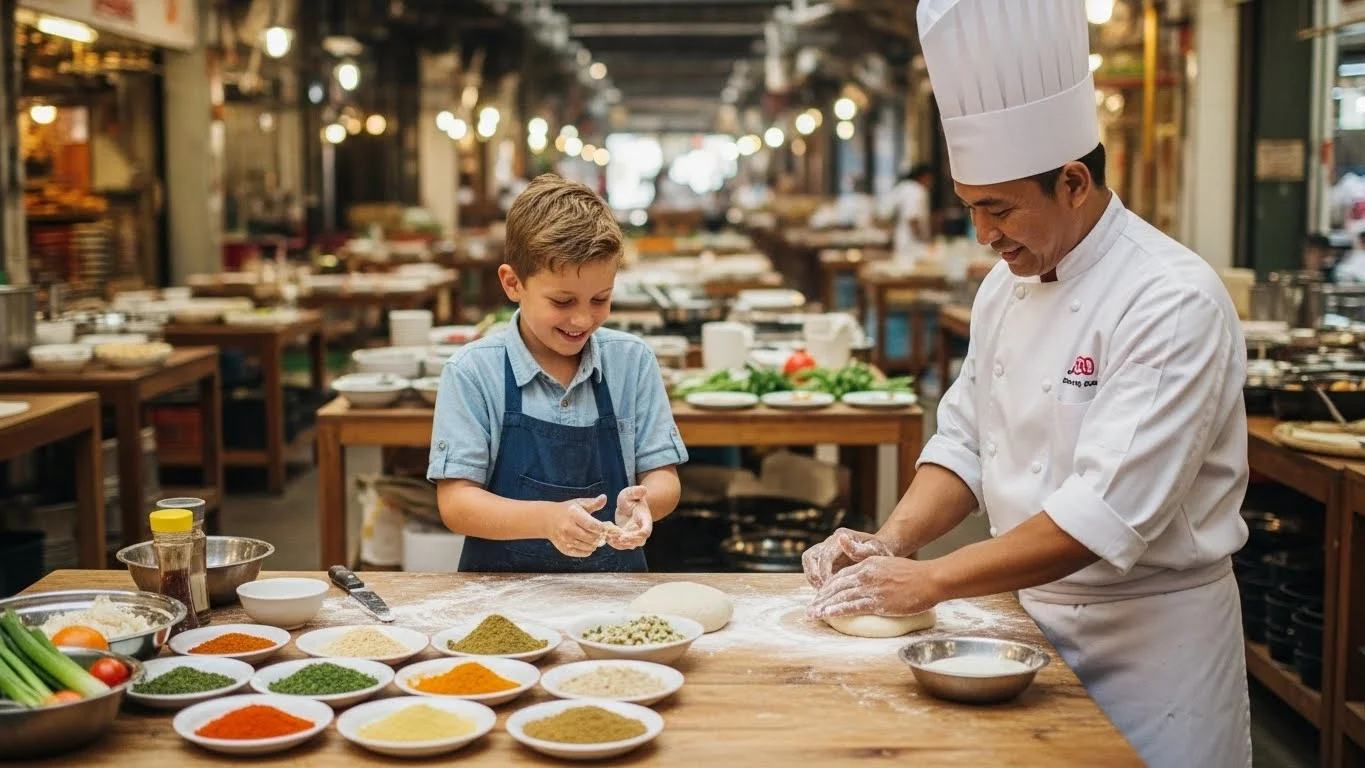
Understanding Hands-On Learning for Kids
What is Hands-On Learning?
Hands-on learning is all about engaging directly with materials and experiences. It’s a method where kids learn by doing rather than just listening or reading. I remember the first time my kids tried hands-on learning during a trip; it was like a light bulb went off for them. Instead of just seeing and hearing about things, they were able to interact, explore, and discover in a way that was meaningful to them. This approach makes learning memorable and fun, allowing children to grasp concepts in a more tangible way.
Benefits of Hands-On Learning for Children
The benefits of hands-on learning for kids are vast. I’ve noticed that it fosters curiosity and a love for exploration. When children can touch, manipulate, and experiment, they develop critical thinking skills and creativity. For instance, my children became more engaged and enthusiastic about history after participating in a historical role-playing activity. It transformed their understanding from passive absorption to active participation, which I believe is crucial for effective learning. They also gain confidence as they tackle challenges and learn new skills, paving the way for lifelong learning.
Why Travel is a Unique Opportunity for Learning
Travel offers a unique backdrop for hands-on learning. Each destination has its own culture, history, and environment, providing endless opportunities for kids to learn in a way that’s rich and diverse. I’ve found that when we travel, the world becomes our classroom. Whether we’re exploring ancient ruins, hiking through a national park, or cooking a local dish, the experiences are authentic and immersive. This real-world context helps kids connect the dots between what they learn in school and the wider world. For example, while visiting a science museum in another country, my kids were able to see real-life applications of their lessons in physics and biology, sparking deeper interest in those subjects. Read Interesting article: Discover Your Child’s Learning Style for Effective Homeschooling
Top 10 Hands-On Learning Activities for Kids While Traveling
1. Cultural Cooking Classes
Exploring Local Cuisine
Taking a cooking class can be one of the most delightful ways for kids to engage with a new culture. I remember signing up for a pasta-making class in Italy, where my children learned about the history of the dish and the ingredients used. They loved getting their hands floury and trying their hand at kneading dough. This experience not only taught them about Italian cuisine but also about the importance of food in cultural identity.
Interactive Cooking Techniques
In a cooking class, kids get to experience interactive techniques like chopping, mixing, and tasting. They also learn about local ingredients and how to use them in traditional recipes. This hands-on approach not only nurtures their culinary skills but also encourages openness to trying new foods, which is crucial for developing a more adventurous palate.
2. Nature Scavenger Hunts
Identifying Local Flora and Fauna
Nature scavenger hunts are a fantastic way to engage kids with their environment. I organized one during a family trip to a national park, and it turned out to be a highlight of our trip. Armed with a checklist of local plants and animals, my kids learned to observe their surroundings carefully. They were thrilled to spot a blue jay and identify it using the guide we provided.
Engaging with the Environment
These hunts encourage curiosity and foster a love for nature. They can also be tied to lessons in science, such as understanding ecosystems or the importance of biodiversity. Watching my kids connect with nature in this way was incredibly rewarding, and it inspired them to ask more questions about the world around them.
3. Historical Role-Playing
Visiting Historical Sites
Exploring historical sites while role-playing can bring history to life. During our trip to Philadelphia, I encouraged my kids to dress up as historical figures and reenact significant events. They became George Washington and Benjamin Franklin for the day, and it turned into a fascinating adventure. They not only learned about American history but also developed a deeper appreciation for the struggles and triumphs of those who came before us.
Engaging with Local History
This type of immersive learning creates a memorable connection to history that books alone cannot provide. I saw firsthand how excited my kids were to share what they learned with their friends when we returned home. It was like they had stepped back in time, and their excitement was contagious.
4. Art and Craft Workshops
Learning Local Art Techniques
Art workshops can be another wonderful hands-on experience. When we traveled to Mexico, we joined a pottery class where the kids learned about traditional techniques. They took pride in creating their own pieces, and I loved seeing their creativity shine. Each child had a different interpretation of the same project, which was a beautiful reminder of how art can express individuality.
Creating Souvenirs
Not only do these workshops teach local art techniques, but they also provide a tangible souvenir of our travels. I still have the pottery pieces my kids made, and every time I see them, I’m reminded of our shared experience and the lessons learned. It’s a great way to blend creativity with cultural education, making the learning experience even more impactful.
5. Language Immersion Activities
Conversational Practice with Locals
Engaging in language immersion activities can be incredibly effective for kids. During our trip to Spain, we encouraged our children to practice basic phrases with locals in the market. At first, they were shy, but as they gained confidence, their excitement grew. They loved making new friends and feeling a sense of accomplishment when they successfully communicated.
Fun Language Games
In addition to real conversations, we also played language games, which made learning fun. These activities helped them understand the local culture on a deeper level and made our travels more enriching. I saw their language skills blossom, and it instilled a sense of respect for different cultures and traditions.
Top 10 Hands-On Learning Activities for Kids While Traveling
6. Science Experiments in Nature
Hands-On Science Activities
One of my favorite ways to combine travel and science is by organizing hands-on experiments in nature. During our trip to the beach, I brought along a simple science kit that allowed my kids to explore the properties of sand and water. We made “sand volcanoes” using sand, water, and baking soda. Watching their eyes light up as the “lava” erupted was priceless. These moments not only sparked their imaginations but also encouraged them to ask questions about the science behind what they were doing. I believe that when kids can see science in action, it becomes so much more relatable and exciting.
Learning About Local Ecosystems
Every destination has its unique ecosystem, and exploring those can be like stepping into a natural classroom. On another trip, we visited a local forest and took part in a guided nature walk where we learned about different plants and animals. The guide encouraged the kids to collect leaves and identify them, turning the walk into a fun scavenger hunt with an educational twist. It was amazing to see them connect with their surroundings and grasp concepts like biodiversity and conservation in real-time.
7. Wildlife Observation and Conservation Projects
Participating in Conservation Efforts
Getting involved in wildlife observation or conservation projects has been one of the most rewarding experiences for my family. During our visit to a wildlife sanctuary, the kids participated in a program where they helped clean up habitats and learn about endangered species. This hands-on involvement made the topic of conservation feel urgent and personal to them. I remember them asking all sorts of questions about the animals they saw and how we could help protect them. It was a powerful way to instill a sense of responsibility for the environment.
Learning About Endangered Species
We even had the chance to meet a conservationist who shared stories about the challenges facing local wildlife. It was uplifting to watch my children engage with these stories and feel inspired to make a difference. I believe experiences like this can plant the seeds for future environmental stewards. The passion they developed for wildlife conservation on that trip was evident when we returned home; they often reminded me of the importance of protecting our planet.
8. Community Service Projects
Understanding Local Needs
Traveling gives us a unique opportunity to give back to the communities we visit. When we traveled to a small village, we discovered a local organization that welcomed volunteers to help with their community garden. I signed our family up for a day of planting and weeding. My kids learned about the local food system and the importance of sustainable practices firsthand. It was rewarding to see them get their hands dirty while understanding how their efforts made a difference in the lives of others.
Engaging with Local Communities
Through community service, we not only learned about the local culture but also built connections with the residents. My children interacted with local families, which opened their eyes to different lifestyles and traditions. The friendships they formed, albeit brief, were enriching for all of us. I believe that helping others is an essential part of understanding the world, and these experiences instilled a sense of empathy in my kids that I hope will last a lifetime.
9. Adventure Sports and Outdoor Activities
Developing Physical Skills
Adventure sports can be a thrilling way to engage kids in hands-on learning. During a family trip to the mountains, we tried rock climbing together. At first, I was nervous, but I encouraged my kids to face their fears and reach for new heights—literally! They learned about teamwork and trust as we supported each other while climbing. It was empowering to see them conquer their personal challenges, and it taught them the importance of perseverance.
Teamwork and Leadership Skills
We also went white-water rafting, where everyone had to work together to navigate the rapids. The experience was not just about having fun; it was a lesson in communication, coordination, and leadership. I noticed my kids naturally stepping into roles where they could help guide us through the adventure. It was incredible to see how outdoor activities can foster teamwork and develop life skills in a way that’s both enjoyable and impactful.
10. Interactive Museum Exhibits
Hands-On Learning Through Exhibits
Museums can be a treasure trove of learning, especially when they offer interactive exhibits. On our last trip to a science museum, my kids were able to participate in various hands-on activities that brought concepts to life. From building simple machines to experimenting with sound, the learning was engaging and fun. I loved watching them dive into the exhibits, asking questions, and experimenting without any hesitation. It felt like they were little scientists on a mission!
Workshops and Demonstrations
We also attended a workshop where kids could build their own small rockets. The excitement in the air was palpable as they learned about aerodynamics and then launched their creations outside. These experiences solidified their understanding while keeping them engaged and entertained. I think that interactive learning in museums can ignite a lifelong passion for knowledge, and I can’t recommend it enough for families traveling with kids.
Tips for Maximizing Learning Experiences
Incorporating Learning Goals
One of the best ways to ensure that our travels are rich in learning experiences is to set specific learning goals. Before we embark on a trip, I take some time to discuss with my kids what they’re hoping to learn or explore. For example, on our recent trip to Washington, D.C., we focused on American history. I encouraged my children to think about what aspects of history they wanted to dive into, whether it was the founding fathers, civil rights, or government functions. This helped them approach every museum and historical site with intention, enhancing their engagement and understanding.
By framing our travels through the lens of learning goals, we transform the adventure into an educational journey. I recommend creating a simple checklist or map of places to visit that aligns with their interests. This way, my children feel empowered to take ownership of their learning while we explore together, and it adds a layer of excitement to each stop.
Choosing Age-Appropriate Activities
It’s essential to consider the age and interests of our children when planning hands-on activities. I’ve learned that not every experience is suitable for every age group. For instance, while my older kids might enjoy a more complex cooking class, my younger ones may benefit from something simpler, like a fruit-picking experience where they can learn about local agriculture.
When we were in Costa Rica, we participated in a butterfly sanctuary tour that amazed both my younger and older children. The guides tailored their explanations to suit different age levels, which kept everyone engaged. I noticed that when activities cater to their developmental stages, the kids are more likely to participate actively and absorb what they learn. So, I suggest always doing a bit of research to ensure that the activities align with the ages and interests of my kids.
Balancing Fun and Education
I think one of the most crucial aspects of hands-on learning while traveling is maintaining a balance between fun and education. If an activity feels too much like schoolwork, it can lose its appeal, and kids may become disengaged. I’ve found that mixing educational experiences with some fun activities keeps the spirits high and the learning light-hearted.
For example, after a day filled with exploring historical sites, we might unwind with a fun outing like mini-golf or a beach day. This balance allows my kids to process what they learned while enjoying themselves. It’s about creating a joyful learning environment where they associate knowledge with positive experiences. I’ve seen that when we have fun while learning, it sticks with them much longer.
Documenting the Learning Journey
One of my favorite ways to enhance our travel learning experiences is by documenting our journey. I often encourage my kids to keep a travel journal or create a scrapbook of our adventures. This practice allows them to reflect on what they’ve learned and express their feelings about each experience.
During our trip to Japan, my kids created a scrapbook filled with drawings of the places we visited, notes about what they learned, and even photos of the dishes we tried. On the way home, they eagerly shared their favorite memories and discoveries from the trip. This not only solidified their learning but also created a keepsake that they cherish. I believe that by taking the time to document our experiences, we encourage mindfulness and appreciation for the world around us.
I also like to review the journal entries together after our trips. It sparks conversations about what impacted them the most and helps reinforce the lessons learned. I think this practice fosters a deeper understanding of their experiences and promotes a love for storytelling and writing.
Frequently Asked Questions
What is hands-on learning?
Hands-on learning is a method where kids learn by engaging directly with materials and experiences, allowing them to interact, explore, and discover in a meaningful way. This approach makes learning memorable and fun.
What are the benefits of hands-on learning for children?
The benefits include fostering curiosity, developing critical thinking skills, enhancing creativity, and building confidence as children tackle challenges and learn new skills.
How does travel provide unique opportunities for hands-on learning?
Travel offers diverse cultures, histories, and environments that create authentic and immersive learning experiences, allowing kids to connect real-world applications to what they learn in school.
What is one example of a hands-on learning activity while traveling?
One example is taking cultural cooking classes, where kids can learn about local cuisine and ingredients while engaging interactively in cooking techniques.
How can nature scavenger hunts benefit children?
Nature scavenger hunts encourage curiosity and a love for nature, allowing kids to observe their environment closely and learn about local flora and fauna while tying into science lessons like ecosystems and biodiversity.
What is the purpose of historical role-playing during travel?
Historical role-playing helps bring history to life by allowing kids to immerse themselves in significant events and figures, creating a memorable connection to history that traditional learning methods cannot provide.
How can language immersion activities enhance kids’ learning?
Language immersion activities provide kids with opportunities to practice language skills with locals, fostering confidence and respect for different cultures while making the learning experience fun through games and real conversations.
What are some tips for maximizing learning experiences while traveling?
Some tips include setting specific learning goals, choosing age-appropriate activities, balancing fun and education, and documenting the learning journey through journals or scrapbooks.
Why is it important to balance fun and education in hands-on learning?
Balancing fun and education prevents activities from feeling like schoolwork, keeping kids engaged and allowing for joyful learning experiences that help reinforce knowledge and skills.
How can documenting travel experiences enhance learning?
Documenting experiences through travel journals or scrapbooks allows kids to reflect on their learning, express their feelings, and create cherished keepsakes that reinforce their memories and understanding of their adventures.
Traveling with kids can be both an adventure and a challenge, especially when it comes to keeping them entertained. Discovering fun learning activities through travel toys can turn any trip into an engaging educational experience! For more ideas, check out Budget Backpacking: Fun Learning Activities for Kids on the Go.

Understanding the Importance of Learning Activities While Traveling
When we embark on a journey, it’s not just about reaching a destination; it’s about the experiences we gather along the way. I’ve often found that incorporating learning activities into our travel plans keeps my kids engaged and makes the trip more meaningful. Whether we’re on a plane, in a car, or exploring a new city, having educational toys can transform long hours of travel into delightful opportunities for learning and growth.
The Benefits of Educational Toys for Kids
Educational toys aren’t just fun; they serve a significant purpose. From my experience, they help develop essential skills such as problem-solving, creativity, and critical thinking. For instance, I remember giving my daughter a set of building blocks during a long flight. Not only did she enjoy stacking and creating different structures, but she also learned about balance and gravity in the process. Such toys encourage hands-on learning, which is especially effective for young minds.
Moreover, educational toys can help foster a love for learning. I’ve noticed that my kids are more curious and eager to explore their surroundings when they have engaging toys that spark their interest. This curiosity becomes a catalyst for discussions and questions about the world around them, whether it’s about the different countries we visit or the wildlife we encounter. For more tips on STEM activities, check out Affordable STEM Activities for Kids: Fun and Educational Ideas.
How Travel Enhances Learning Experiences
Travel itself is one of the greatest teachers we can offer our children. Each destination has its own unique culture, history, and environment that can broaden their horizons. When we travel, I make it a point to connect our learning activities to what we see and experience. For example, during our trip to the beach, we explored shells, talked about marine life, and even tried our hand at some simple science experiments using sand and water.
By using educational toys that align with our travel experiences, we can reinforce what they’re learning in a fun and memorable way. This hands-on approach not only makes learning enjoyable but also helps the information stick. I think that’s one of the most rewarding aspects of traveling with my kids—their learning becomes intertwined with amazing memories, making the information more relatable and lasting.
Criteria for Choosing the Best Travel Toys
Choosing the right travel toys can significantly impact our travel experience. I’ve learned that not all toys are created equal, especially when it comes to traveling. Here are some key criteria I consider when selecting educational toys for our trips.
Portability and Size Considerations
Portability is crucial. I’ve found that toys that are lightweight and compact make our travel much smoother. I often opt for toys that can easily fit into a backpack or carry-on. For instance, small puzzles or travel-sized games can be a hit without taking up too much space. I remember our last trip when I packed a small magnetic board game; it was a lifesaver during airport delays and long flights!
Durability for Travel Conditions
Kids can be tough on their toys, especially in the hustle and bustle of travel. I always look for toys that are durable and can withstand being tossed around or spilled on. Waterproof books and sturdy building sets are fantastic options that I’ve used in the past. They’ve survived everything from sandy beaches to rainy picnics, and my kids still love playing with them.
Age-Appropriate Learning Activities
It’s essential to choose toys that are suitable for my kids’ age groups. I’ve made mistakes in the past by picking toys that were too advanced or too simplistic. Finding toys that match their developmental stage helps keep them engaged and encourages their learning. For younger children, I focus on colorful, interactive toys that stimulate their senses, while for older kids, I prefer toys that challenge their thinking and creativity.
By carefully selecting travel toys based on these criteria, I’ve found that our trips become more enjoyable and educational. The right toys can turn a mundane travel day into an exciting learning adventure, making memories that last far beyond the trip itself. In the next sections, I’ll share some top categories of educational toys perfect for travel, plus recommendations for different age groups! Stay tuned!
Top Categories of Educational Toys for Travel
When it comes to choosing the right travel toys, I’ve discovered that there are several categories that stand out for their ability to engage and educate. Each category offers unique benefits, catering to different interests and learning styles. Here are my top picks for educational toys that work wonders while we’re on the move.
Interactive Books and Storytelling Toys
Interactive books have become a staple in our travel kits. I love how they can capture my kids’ attention with colorful illustrations and engaging stories. Some of my favorite interactive books come with flaps to lift, textures to feel, or even sound buttons that bring the story to life. I remember one trip when my son couldn’t put down a book about dinosaurs that made sounds with every page turn. It not only entertained him for hours but also sparked his curiosity about prehistoric creatures. Storytelling toys that allow kids to create their own narratives also work wonders. These toys encourage imagination and can turn mundane moments into exciting adventures, whether we’re waiting at a restaurant or relaxing in our hotel room.
STEM Toys for Hands-On Learning
Science, Technology, Engineering, and Math (STEM) toys are another fantastic category. I’ve seen firsthand how these toys can keep my kids engaged while teaching them valuable skills. During one of our road trips, we packed a simple circuit-building kit designed for beginners. My daughter loved experimenting with the pieces to create different circuits, which turned a long drive into an exciting science lesson. If you’re looking for more ideas, check out Engaging STEM Activities for Kids on a Budget: A Guide. STEM toys often encourage problem-solving and critical thinking, and they can be found in portable formats like travel-sized kits or compact games. These toys not only make learning fun but also prepare kids for future academic challenges.
Creative and Artsy Toys
For my kids, creativity knows no bounds, and artsy toys are a go-to for keeping their imaginations flowing. I often bring along a travel watercolor set or a small sketchbook to encourage artistic expression. I remember while visiting a national park, my son decided to sketch the stunning landscape around us. It was a beautiful moment that merged creativity with nature appreciation. There are also mess-free art options, like coloring books with water pens or sticker sets, that are perfect for travel. These toys allow my kids to express themselves artistically, no matter where we are, and they often lead to inspiring conversations about art and nature.
Puzzles and Brain Games
Puzzles and brain games have been lifesavers during our travels. They keep my kids engaged while challenging their minds. I’ve found that compact puzzles with varying difficulty levels are great for kids of all ages, making it easy to find something suitable for each child. On one long train journey, we pulled out a small jigsaw puzzle featuring a map of the world. It was not just a fun activity, but also a fantastic way for my kids to learn about geography. Brain games like trivia cards or memory games are also excellent for family bonding during downtime, sparking laughter and friendly competition. These toys not only entertain but also help improve cognitive skills, making them a win-win for our travels.
Recommended Toys for Different Age Groups
Now that we’ve covered some top categories of educational travel toys, I want to share specific recommendations based on age groups. I’ve learned that different age ranges have unique needs that influence what toys work best for them.
Best Travel Toys for Infants (0-12 months)
For infants, I highly recommend soft, colorful toys that are safe and engaging. Toys like cloth books with different textures or rattles are perfect. I always keep a small, lightweight activity mat in my bag. It’s easy to unfold during a layover or at a rest stop, providing a safe place for my little one to play. These toys stimulate their senses and keep them entertained without taking up much space.
Top Picks for Toddlers (1-3 years)
For toddlers, I find that stacking blocks or shape sorters are fantastic options. They encourage fine motor skills and problem-solving. I also love portable magnetic building sets; they’re compact and can be used in various ways, sparking my kids’ creativity. During one trip, my toddler spent hours stacking and building, and the fun continued even after we returned home!
Learning Toys for Preschoolers (3-5 years)
Preschoolers typically enjoy more interactive toys. I suggest interactive storybooks that allow them to press buttons or lift flaps. Additionally, simple science kits that let them conduct experiments are a hit. I remember a travel-sized science kit that included easy experiments. My preschooler loved mixing ingredients to create little “potions,” making learning feel like magic.
Educational Travel Toys for School-Aged Kids (6+ years)
For school-aged kids, educational board games and STEM challenge kits are excellent choices. They not only entertain but also promote teamwork and critical thinking. I’ve found that travel-sized versions of popular board games work well for this age group. My kids love a good game of travel chess or checkers during long waits. These games keep their minds sharp while providing an enjoyable way to pass the time.
By selecting travel toys based on age groups, I’ve noticed our trips become more engaging and educational. The right toys can turn travel time into an enriching experience for our family. Up next, I’ll share some travel-friendly toy brands and products that have become our favorite go-tos! Stay tuned!
Travel-Friendly Toy Brands and Products
As I’ve explored various educational toys for our travels, I noticed that some brands consistently stand out for their quality and creativity. These brands have become my go-to options when I’m searching for travel-friendly toys that engage my kids while also being easy to pack. Here are a few that I highly recommend based on our family’s experiences.
Overview of Popular Brands
When it comes to educational toys, I’ve found that a few brands consistently deliver products that are durable, engaging, and educational. One of my favorites is Melissa & Doug. Their toys are not only well-made, but they also promote imaginative play and learning. I remember picking up one of their travel-sized puzzle sets that captivated my kids during a long layover. Another brand I admire is Learning Resources; their STEM toys have sparked countless experiments and discussions in our family. The interactive nature of their products keeps my kids entertained while they learn new concepts.
Another brand that has won my heart is Tegu, known for their wooden building blocks with magnets. The portability and unique design of Tegu blocks encourage creativity and problem-solving, making them perfect for travel. Lastly, I can’t forget about Crayola, which offers a variety of art supplies that are mess-free and easy to take along on our adventures. I’ve found their watercolor pens and coloring books to be a hit, providing endless artistic opportunities without the hassle of cleanup.
Top-Selling Travel Toys on the Market
In addition to these brands, there are specific toys that have become staples in our travel bag. For instance, the “Melissa & Doug Wooden Travel Puzzle” is a compact option that offers hours of fun. Its bright colors and engaging designs capture my kids’ attention, making it a fantastic choice for both younger and older children.
The “Osmo Genius Starter Kit” is another product I can’t recommend enough. It combines physical play with digital interaction, leading to a unique learning experience that my kids love. It’s a bit pricier, but the educational value is worth it. On our last trip, my kids were glued to the interactive games that allowed them to learn math and spelling in a playful way.
For artsy kids, the “Crayola Color Wonder Mess-Free Art Set” is a lifesaver. This set allows my children to create without the worry of making a mess in the car or hotel. The colors only appear on the special paper, which means we can enjoy art time without any spills or stains to worry about. I appreciate how this kit keeps their creative juices flowing while ensuring we don’t leave a trace behind.
Puzzles from “Ravensburger” are also worth mentioning. They offer travel-sized versions of their classic puzzles that introduce a variety of themes, from animals to famous landmarks. These puzzles not only entertain my kids but also provide an excellent opportunity for learning about different aspects of the world. I remember working on a puzzle featuring famous landmarks during a train ride, which naturally led to discussions about geography and culture.
Tips for Keeping Kids Engaged During Travel
Now that we’ve covered some fantastic brands and products, I want to share a few tips that help keep my kids engaged while we travel. I’ve learned that planning ahead and being creative can make a world of difference in our travel experiences.
Incorporating Educational Activities in Travel Itineraries
One strategy I use is to incorporate educational activities into our travel itinerary. Before our trips, I research local museums, nature parks, or historical sites that might interest my kids. For instance, during our visit to Washington D.C., we spent a day at the Smithsonian National Air and Space Museum. It was amazing to see my kids’ eyes light up as they explored the exhibits and learned about aviation history. By integrating these kinds of experiences, we not only keep our days filled with adventure, but we also make learning an exciting part of our travels.
How to Rotate Toys to Maintain Interest
To avoid travel toy fatigue, I’ve found that rotating toys can keep the excitement alive. I typically pack a few new toys or games that my kids haven’t seen before, alongside some favorites. This way, when they start to lose interest in one toy, I can introduce something new and fresh. I remember our last road trip when I surprised them with a new puzzle halfway through our journey, and it reignited their enthusiasm for play. It’s all about keeping things dynamic and fun!
Utilizing Apps and Digital Learning Tools
In today’s tech-savvy world, I also embrace digital learning tools. There are countless educational apps that make learning fun and interactive. I’ve downloaded a few math and reading apps that my kids enjoy, and they often ask to play them during downtime. These apps not only complement the physical toys we bring but also offer a diverse range of learning opportunities. I think it’s important to find a balance between screen time and hands-on play, and I’ve seen that utilizing both can enhance my kids’ learning while traveling.
Frequently Asked Questions
What are the benefits of using educational toys while traveling with kids?
Educational toys help develop essential skills such as problem-solving, creativity, and critical thinking. They also foster a love for learning, making children more curious and eager to explore their surroundings.
How can travel enhance learning experiences for children?
Travel exposes children to unique cultures, histories, and environments, which can broaden their horizons. By connecting learning activities to travel experiences, children can reinforce what they learn in a fun and memorable way.
What criteria should I consider when choosing travel toys for my kids?
Key criteria include portability and size, durability, and age-appropriateness. Choosing lightweight and compact toys that can withstand travel conditions and are suitable for your child’s developmental stage is essential for an enjoyable experience.
What types of educational toys are recommended for infants?
For infants, soft, colorful toys that are safe and engaging, such as cloth books with different textures and rattles, are recommended. A lightweight activity mat is also useful for providing a safe play area during travel.
What are some good travel toys for toddlers?
Stacking blocks, shape sorters, and portable magnetic building sets are excellent options for toddlers. These toys encourage fine motor skills and problem-solving while being compact and easy to transport.
What educational toys are best suited for preschoolers?
Preschoolers typically enjoy interactive storybooks and simple science kits. These toys allow them to press buttons or lift flaps, making learning fun and engaging, especially with hands-on experiments.
What types of toys are recommended for school-aged children?
Educational board games and STEM challenge kits are great choices for school-aged kids. Travel-sized versions of popular games like chess or checkers can keep them entertained while promoting teamwork and critical thinking.
Which brands are known for producing travel-friendly educational toys?
Some popular brands include Melissa & Doug, Learning Resources, Tegu, and Crayola. These brands are recognized for their durable, engaging, and educational toys that are easy to pack for travel.
How can I keep my kids engaged during travel?
Incorporating educational activities into your travel itinerary, rotating toys to maintain interest, and utilizing educational apps and digital learning tools can help keep children engaged during travel.
What kinds of activities can enhance educational experiences while traveling?
Activities such as visiting local museums, nature parks, or historical sites can enhance educational experiences. Integrating these activities into your travel plans makes learning an exciting part of the journey.
Traveling with kids opens up a world of adventure, but it also presents a unique opportunity to teach them essential social skills. Here’s how we can make the most of our journeys while helping our little ones connect with others. Read Interesting article: Travel Tips: Engaging Play-Based Learning for Kids
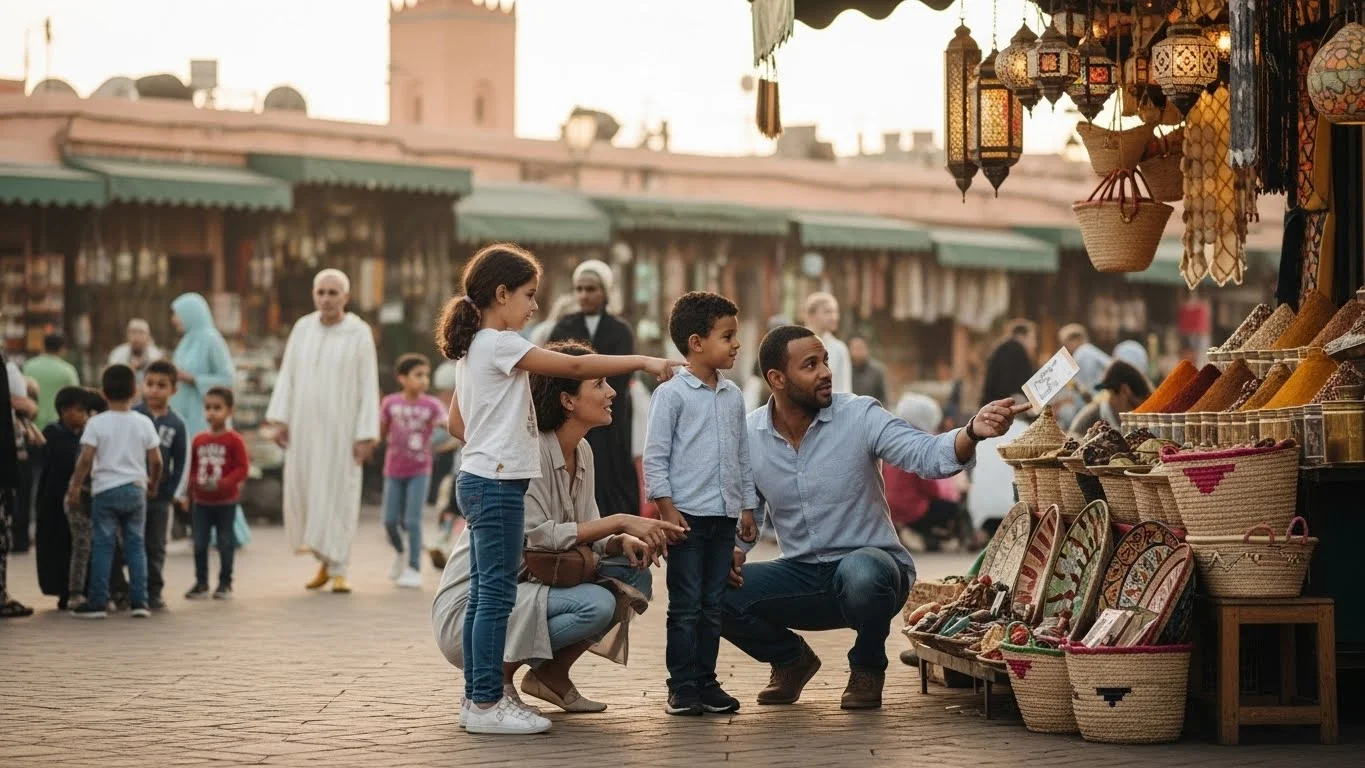
Why Teaching Social Skills During Travel is Important
When I think about the times my family traveled, I realize how much those experiences shaped my children’s social skills. Teaching kids social skills during travel is not just about etiquette; it’s about creating memories and fostering their ability to connect with the world around them. Traveling introduces children to diverse cultures, new friends, and various social situations that can help them navigate real-life interactions better.
The Benefits of Travel for Kids
Travel is an incredible teacher. I’ve seen firsthand how it encourages curiosity, adaptability, and resilience in my kids. Whether it’s navigating through an airport or trying new foods, these experiences teach them to be flexible and open-minded. Traveling also broadens their understanding of different lifestyles, which can deepen their empathy and appreciation for others. I remember how my daughter struck up a conversation with a child from a different country during a family trip. It was heartwarming to see them bond over their shared love for a particular toy, despite the language barrier.
How Travel Enhances Social Interaction
Every trip comes with opportunities for social interaction. Airports, hotels, and tourist attractions are filled with families from diverse backgrounds. I’ve noticed that when my kids are exposed to different environments, they become more confident in approaching other children. These moments teach them how to introduce themselves, ask questions, and engage in conversations. For example, during our last trip, my son learned to approach a group of kids at a playground. He was initially nervous, but with a little encouragement, he joined their game and made new friends in no time. It was a proud moment for me as a parent, witnessing him step out of his comfort zone.
Preparation Before the Trip
Before we embark on a journey, I always take the time to prepare my kids for what to expect. Preparation can make a world of difference in how they handle social situations once we’re on the go. Read Interesting article: Budget Backpacking with Kids: Fun Play Learning Ideas
Choosing Family-Friendly Destinations
When selecting our travel destinations, I look for family-friendly places that promote interaction among kids. Parks, museums, and family resorts are excellent choices. I remember one trip where we went to a themed amusement park, which offered plenty of opportunities for my kids to meet others their age. The attractions encouraged them to engage with other children, sparking conversations and shared laughter. Researching destinations where kids can connect with peers ensures they have ample chances to practice social skills.
Setting Travel Goals for Social Skill Development
Before our trips, I like to set specific goals for my kids regarding social skills. One time, I told my children, “This trip is a chance to make at least one new friend.” We discussed what that might look like and how they could approach someone new. Involving them in this process makes them feel empowered and accountable for their social interactions. They begin to see travel not just as an adventure but as a way to grow and learn.
Discussing Expectations and Boundaries
Having an open conversation about expectations and boundaries is crucial. I always remind my kids about personal space and the importance of respecting others’ feelings. For instance, I tell them that if someone seems shy or uninterested, it’s okay to step back and give them space. This was particularly valuable during our travels in crowded places, where personal boundaries can sometimes be overlooked. By discussing these topics beforehand, I find my kids are more mindful and considerate when interacting with others.
Engaging Activities to Foster Social Skills
Once we’re on the road, I like to incorporate activities that encourage my kids to practice their social skills in a fun and engaging way.
Group Games and Icebreakers
During our travels, I’ve noticed that group games are a fantastic way to break the ice. Whether we’re waiting for a flight or sitting in a restaurant, we play games like “20 Questions” or “I Spy.” These games not only entertain but also prompt kids to talk to one another and share their thoughts. The laughter and conversations that stem from these games create a relaxed atmosphere where friendships can blossom.
Volunteer Opportunities at Destinations
We also seek out volunteer opportunities during our travels. This can be as simple as participating in a beach clean-up or visiting a local animal shelter. I love how these experiences teach my kids empathy while connecting them with others who have similar values. Last summer, we volunteered at a community garden, and it was amazing to see my kids engage with other families who were also there to help. They learned about teamwork and the joy of giving back, which naturally led to friendships.
Encouraging Conversations with Locals
When we visit new places, I encourage my children to talk to locals. I teach them simple phrases in the local language or fun facts about the place we’re visiting. I remember one time in Italy when my son struck up a conversation with a gelato vendor. They chatted about flavors, and my son even tried ordering in Italian. It was a delightful moment that made him feel proud and confident. These interactions allow my kids to practice social skills while immersing themselves in different cultures. Read Interesting article: Explore Montessori Method: Backpacking with Kids on a Budget
Strategies for Navigating Social Situations
When we’re traveling, there are countless social situations that arise, and I’ve found that having some strategies in place can really help my kids navigate these moments with confidence. I’ve learned that it’s not just about the experiences themselves, but also about how we prepare our kids to handle them.
How to Introduce Yourself and Others
One of the first social skills I encourage my children to practice is introducing themselves and others. I remember a time when we were at a family reunion, and my son was hesitant to approach his cousins. I took a moment to role-play with him, showing him how to confidently say, “Hi, I’m Jake! What’s your name?” We practiced a few times, and when he finally approached his cousins, I could see the excitement mixed with nervousness in his eyes. But he did it! He introduced himself and even introduced his sister, which made me feel so proud. Teaching kids how to introduce themselves and others builds their confidence and helps them feel more comfortable in new social settings.
Practicing Active Listening Skills
Active listening is another essential skill I make sure to emphasize during our travels. I explain to my kids that listening is just as important as speaking when it comes to conversations. We often practice this by playing a game where one person shares a story, and the other has to repeat back what they heard. This not only helps them develop their listening skills but also teaches them how to respond thoughtfully. I recall a moment during a guided tour where my daughter was so engaged in what our tour guide was saying. Afterward, she excitedly shared her favorite part, showing how well she had listened and processed the information. It was a clear reminder that being a good listener can open doors to deeper conversations and connections.
Understanding Non-Verbal Communication
Traveling also presents the perfect opportunity to talk about non-verbal communication. I often point out how body language, facial expressions, and even tone of voice can convey so much meaning. For instance, while visiting a local market, I noticed how the vendors interacted with customers using smiles and gestures. I encouraged my kids to observe these interactions and discuss what they saw. We practiced our own non-verbal cues by acting out different scenarios. I feel that this understanding helps my children read the room better, which is crucial in making new friends or navigating social situations. Recognizing that not everything is said with words can enhance their social awareness immensely.
Making Friends on the Road
Making new friends while traveling can be one of the most rewarding experiences for my kids. I’ve found a few strategies that have worked wonders in helping them connect with others, no matter where we are.
Finding Playgroups or Family Meetups
Whenever we travel, I try to look for local playgroups or family meetups. Websites like Meetup or local community boards often list events that are family-friendly. During one of our trips to the beach, I discovered a local parent group organizing a playdate at a park. We joined in, and it was fantastic! My kids made friends with kids from different backgrounds while playing games and sharing snacks. This experience not only allowed them to practice their social skills but also gave them a sense of belonging, even far from home. I strongly recommend keeping an eye out for these gatherings, as they can lead to lasting friendships and enriching experiences.
Using Technology to Connect with Other Families
In today’s digital age, technology can be a great ally for making connections while traveling. I sometimes use social media groups or apps designed for traveling families to find other parents in the area. I remember during a trip to a national park, I posted in a family travel group online, asking if anyone wanted to join us for a hike. We ended up meeting another family with kids of similar ages! The kids quickly bonded over their mutual love for adventure, and we all had a fabulous time exploring together. Utilizing technology not only helps find friends but can also ease some of the anxiety that comes with meeting new people, knowing there are others out there looking for the same connection.
Dining Out: A Social Skills Opportunity
Dining out while traveling can feel like a simple necessity, but I’ve come to realize that it’s also a fantastic opportunity for my kids to practice social skills in a real-world setting.
Table Manners and Etiquette
We always emphasize table manners and etiquette when we dine out. I believe that respecting others in a shared space is a crucial social skill. Before we sit down for a meal, I remind my kids about the importance of saying “please” and “thank you” and waiting for everyone to be served before starting to eat. On one of our trips to a restaurant in a foreign country, I saw my kids practicing their manners, and it filled my heart with pride. They not only impressed the servers but also made a great impression on the other diners. It’s in these moments that I see how they’re internalizing the lessons we’ve discussed, which reinforces their understanding of social interactions.
Ordering Food: Building Confidence in Communication
Another way we build their communication confidence is by involving them in the ordering process. I encourage my kids to look at the menu and choose what they want to eat, and then ask the waiter for their meal. I remember the first time my daughter ordered her meal in a different language. She was nervous but excited, and when she successfully communicated her order, her face lit up with pride. It’s moments like these that help them overcome shyness and build their confidence in speaking with adults, which is so important as they continue to grow.
Handling Conflicts and Difficult Situations
Traveling is not always smooth sailing; there can be bumps along the way. I’ve learned that teaching my kids how to handle conflicts and difficult situations while traveling is just as important as socializing with new friends.
Role-Playing Scenarios Before the Trip
Before we head out, I often set aside some time to role-play different scenarios that might come up during our travels. I remember one family trip where I anticipated my kids might get frustrated in a crowded airport. So, we acted out a situation where they had to wait in line for a long time. I played the role of an impatient traveler, and they practiced how to express their feelings calmly and seek help if needed. This practice helped them feel more prepared, and it was reassuring to see them use those techniques when we actually faced a similar situation. They learned to breathe, stay calm, and communicate effectively, which made a world of difference in how they managed their emotions in real-life situations.
Teaching Conflict Resolution Techniques
When conflicts arise, I emphasize the importance of problem-solving and negotiation skills. I teach my kids to express their feelings and listen to others when disagreements happen. For instance, during a recent trip, my son and daughter had a disagreement over which game to play in the hotel room. I encouraged them to talk through their feelings and find a solution together. We brainstormed ideas, and they eventually agreed to take turns. It was a proud moment for me to see them using their conflict resolution skills rather than resorting to frustration. They learned that it’s okay to disagree, but it’s how you handle those disagreements that counts.
Reflecting on the Experience
After each travel adventure, I like to take time to reflect on what we experienced as a family. I believe this reflection is crucial for reinforcing the lessons learned along the way.
Debriefing After Each Day
Each evening, we gather to talk about our day. I ask my kids open-ended questions about what they learned, who they met, and how they felt during different experiences. This reflection helps them process their emotions and solidify their social skills. I remember during our trip to a national park, we had an engaging conversation about the different people we encountered. My daughter shared how she felt comfortable talking to a family from another state, while my son expressed his nerves about trying to join a group of kids playing soccer. These discussions not only boost their confidence but also help us connect as a family. We celebrate their wins and discuss what they might do differently next time, creating a safe space for them to grow.
Encouraging Journaling and Sharing Experiences
I also encourage my kids to keep a travel journal where they can write about their encounters and feelings. I find that this practice allows them to express themselves creatively and reflect on their social interactions. They can jot down memorable conversations, friendships they made, or even challenges they faced. During one trip, my son wrote about a new friend he made at a playground, detailing their shared interests. When we got home, he enjoyed sharing those journal entries with friends and family, which helped reinforce his excitement and connection to the experiences we had. Journaling not only fosters their writing skills but also teaches them the valuable lesson of reflection and appreciation for their journey.
Additional Resources for Parents
As we navigate the world of travel and social skills, I’ve discovered some fantastic resources that can support us in this journey.
Books and Guides on Social Skills for Kids
There are some great books available that focus on teaching social skills to children. I’ve found that reading these together can spark discussions and provide relatable scenarios. One of my favorites is “How to Win Friends and Influence People for Teen Girls,” which offers practical advice in a kid-friendly way. I also recommend “The Social Skills Guide for Teens,” which is specifically designed for older kids. These books provide insights on communication, empathy, and friendship building, perfect for reinforcing what we practice during our travels.
Websites and Online Communities
Exploring websites and online communities dedicated to parenting and social skills can also be incredibly helpful. Websites like Common Sense Media provide resources on emotional intelligence and social skills development. Additionally, forums on platforms like Reddit or Facebook can connect us with other parents facing similar challenges. These communities often share tips and personal experiences, which can inspire new ideas for teaching our kids about social interactions while traveling. I’ve personally learned so much from fellow parents who’ve been in the same boat, and it’s comforting to know we’re not alone in this journey.
Frequently Asked Questions
Why is teaching social skills during travel important for kids?
Teaching social skills during travel is important because it helps children create memories and fosters their ability to connect with the world around them. Travel introduces kids to diverse cultures and social situations, enhancing their real-life interaction skills.
What are the benefits of travel for kids?
Travel encourages curiosity, adaptability, and resilience in children. It helps them navigate new environments, broadens their understanding of different lifestyles, and deepens their empathy and appreciation for others.
How can parents prepare their kids for social interactions before a trip?
Parents can prepare their kids by discussing expectations, setting social skill development goals, and teaching them about personal space and respecting others’ feelings. This preparation helps children handle social situations better during travel.
What activities can parents incorporate to foster social skills while traveling?
Parents can incorporate group games, volunteer opportunities, and encourage conversations with locals. These activities provide fun ways for kids to practice their social skills and connect with others.
How can children practice active listening skills while traveling?
Children can practice active listening skills by playing games where one shares a story, and the other has to repeat back what they heard. This reinforces their ability to listen attentively and respond thoughtfully during conversations.
What strategies can help kids make friends while traveling?
Kids can make friends by finding local playgroups, participating in family meetups, and using technology to connect with other families. These strategies provide opportunities for social interaction in a friendly setting.
How can dining out serve as an opportunity to practice social skills?
Dining out allows kids to practice table manners and etiquette, such as saying “please” and “thank you.” Involving them in the ordering process also builds their confidence in communication with adults.
What techniques can help children handle conflicts and difficult situations while traveling?
Role-playing different scenarios before the trip and teaching conflict resolution techniques can help children manage conflicts. Practicing how to express feelings and negotiate can prepare them for real-life situations.
Why is reflection important after a travel experience?
Reflection is important because it helps children process their experiences, solidify their social skills, and boosts their confidence. Debriefing and journaling about their encounters encourage appreciation for their journey.
What additional resources can parents use to support their kids’ social skills development?
Parents can utilize books and guides focused on social skills for kids, as well as websites and online communities dedicated to parenting and social skills. These resources provide valuable insights and tips for effective teaching.
Traveling with kids can be a fantastic way to help them learn essential social skills. Budget-friendly destinations not only keep costs low but also provide unique experiences that encourage interaction and growth. Read Interesting article: Memory Development: Best Budget Travel Destinations for Kids
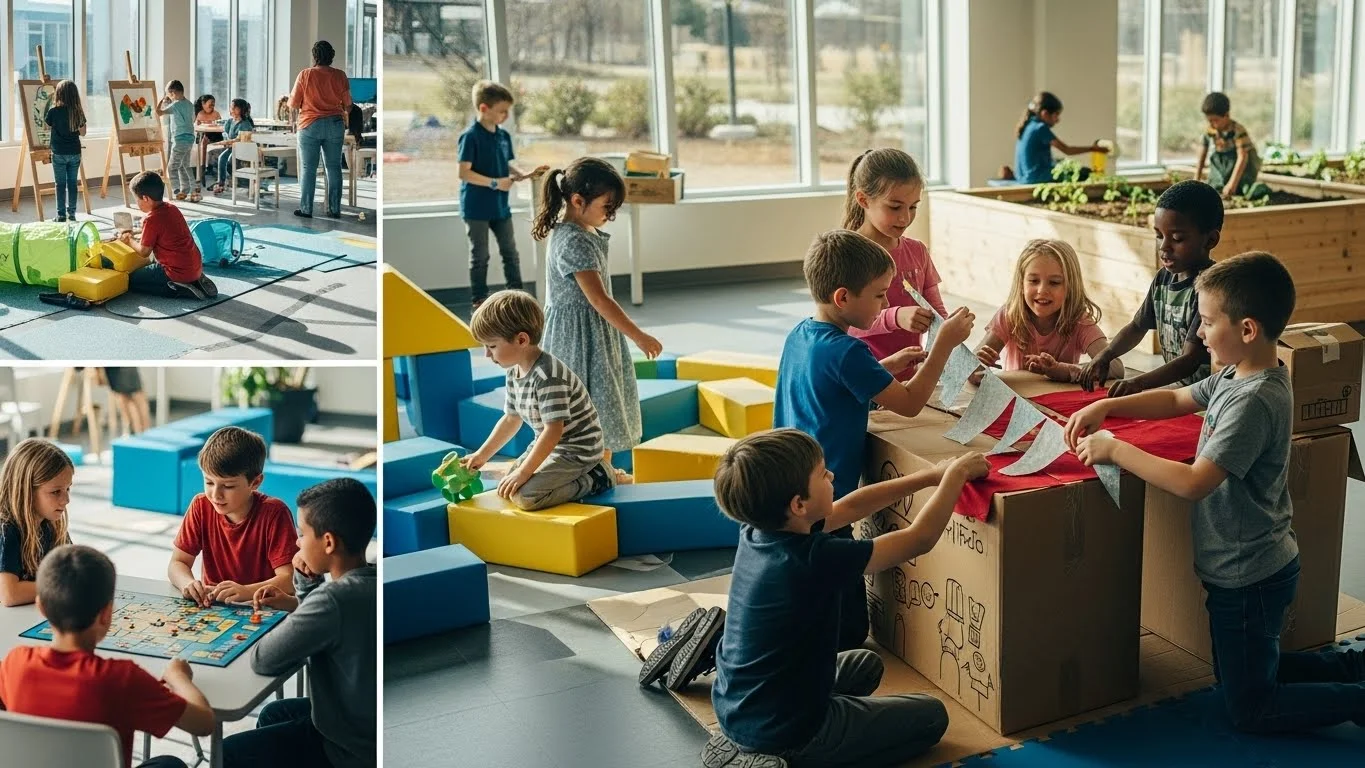
Understanding the Importance of Social Skills for Kids
When I think about my children growing up, I realize how vital it is for them to develop strong social skills. These skills are not just about making friends; they shape how kids interact, understand others, and navigate the world around them. As parents, we often focus on academics, but fostering social skills is equally important.
What are Social Skills?
Social skills encompass a range of behaviors that allow individuals to communicate effectively, build relationships, and function well in society. For kids, these skills might include sharing toys, taking turns, showing empathy, and being able to engage in conversation. I remember my own childhood, where playing with friends taught me lessons that no classroom could. Each interaction helped me understand the feelings of others and how to express my own.
Why are Social Skills Important for Children?
Social skills are crucial for several reasons. They help kids build friendships, navigate conflicts, and collaborate with peers. I’ve seen firsthand how children with strong social skills tend to have higher self-esteem and lower levels of anxiety. They are more likely to succeed in school and beyond, as they can communicate their needs and work well in teams. It’s a bit like planting seeds: the more we nurture their social skills, the more they blossom into healthy relationships and opportunities later in life.
How Travel Can Enhance Social Skills
Traveling opens up a world of experiences that are vibrant and full of lessons. I believe that stepping outside of our comfort zone is one of the best ways to learn. When we travel, kids encounter new people, cultures, and situations that challenge them to communicate and adapt. I recall a family trip we took to a small town where my children had to interact with local vendors, ask for directions, and even make new friends at a park. These experiences helped them practice their social skills in real-life scenarios, and I noticed a significant boost in their confidence afterward. Moreover, travel often requires teamwork and problem-solving, both of which are key components of social skills development. Read Interesting article: Backpacking with Kids: Fun Ways to Boost Social Skills
Criteria for Selecting Budget Destinations
As we plan trips, I’ve found that keeping a few criteria in mind can make a big difference. Finding budget-friendly places is essential, but so is ensuring that the destination offers opportunities for learning and connection. Here are the criteria I consider when choosing our family adventures.
Affordability and Value
Affordability is a given when traveling on a budget, but I also look for value. Sometimes, staying at a less expensive location can lead to unexpected adventures. For instance, I’ve discovered that local community events or festivals often have low entrance fees, yet they offer rich experiences. I think it’s important to research and find places that allow us to stretch our dollars while providing memorable moments for the kids.
Accessibility and Safety
Safety is always my top priority. When traveling with kids, I ensure that the destinations we choose are safe and accessible. I usually check online reviews and local resources to gauge the safety of an area. It gives me peace of mind knowing that my children are in a secure environment where they can explore freely and interact with others.
Opportunities for Interaction and Learning
Lastly, I look for places that encourage interaction and learning. Parks, community centers, and educational farms are among my favorites because they provide structured activities that promote social skills. I’ve seen my kids thrive in environments where they can work together with others on projects or share experiences. It’s these moments that create lasting memories and valuable lessons.
As we continue through this journey of discovering top budget destinations for kids to learn social skills, I’m excited to share specific places that have made a significant difference for us. Each destination has its unique charm and opportunities for growth, making our travels not just adventures but also enriching experiences that shape our children’s futures.
Top Budget Destinations for Kids to Learn Social Skills
1. National Parks
Examples: Yellowstone, Yosemite
When I think about family bonding time, national parks are always at the top of my list. Places like Yellowstone and Yosemite offer breathtaking scenery, but they also create the perfect backdrop for my kids to develop social skills. I remember the first time we hiked in Yosemite; my children were not only awed by the towering trees and stunning waterfalls but also had the chance to meet other families on the trails. This led to spontaneous conversations, shared experiences, and even a group picnic we all enjoyed together.
Activities: Group hiking, camping
Group hiking or camping in these parks encourages teamwork and communication. I love how my kids have to work together to navigate trails, set up tents, or even cook meals over a campfire. These experiences teach them about collaboration and compromise, which are crucial social skills. Plus, the natural setting makes it easier for them to engage with each other and with other families they meet along the way.
2. Community Centers
Examples: Local art or science museums
Community centers are often underappreciated gems. I’ve found that local art or science museums can be incredibly engaging for kids. These places usually have interactive exhibits that not only captivate my children’s attention but also spark conversations with other kids. For instance, during a recent visit to a science exhibit, my kids teamed up with another family to solve a puzzle. It was heartwarming to see them work together, sharing ideas and learning from each other.
Activities: Workshops, classes
Many community centers offer workshops or classes aimed at kids. I’ve signed my kids up for everything from pottery to coding. These classes encourage interaction with peers, helping them to develop their social skills in a structured environment. I believe that learning alongside others builds confidence and teaches them how to relate to their peers while having fun.
3. Summer Camps
Types: Nature camps, sports camps
Summer camps hold a special place in my heart. I’ve seen how they can transform kids in just a few weeks. Nature camps and sports camps are particularly effective because they immerse children in teamwork and collaboration. My son attended a nature camp last summer, where he spent his days exploring the outdoors and making friends. I noticed how his ability to communicate and cooperate with others blossomed during that time.
Activities: Team-building exercises
Team-building exercises are integral to summer camps. I remember one day, my daughter came home excited about a scavenger hunt they did in teams. She told me how they had to brainstorm, assign roles, and work together to complete tasks. It was a fantastic way for her to practice leadership skills and learn to value the contributions of others. These experiences are not only fun but also critical for developing social skills in a supportive setting.
4. City Parks and Recreation Areas
Examples: Local parks, playgrounds
City parks and recreation areas are perfect for spontaneous fun and socializing. We often head to our local park, where my kids can meet other children to play games or just hang out. I’ve seen how a simple game of tag can lead to new friendships and shared laughter. The informal nature of city parks allows kids to explore social dynamics freely.
Activities: Group games, picnics
Organizing group games or picnics can further enhance these experiences. I’ve hosted potluck picnics where my kids invite friends and their families. This not only fosters social interaction but also teaches my kids about sharing and hospitality. Watching them take the initiative to organize activities has made me realize how much they’ve grown in their social skills.
5. Educational Farms
Examples: Local farms with educational programs
Visiting educational farms is another favorite of ours. It’s a fun way for kids to learn about agriculture while interacting with others. At our local farm, my children have participated in workshops where they learned about animal care and farming practices. I’ve found that these hands-on experiences allow them to connect with both the animals and other kids.
Activities: Animal care, farm chores
Activities like feeding animals or helping with farm chores encourage responsibility and teamwork. I’ll never forget the day my daughter helped a group of kids to lead a goat for a demonstration. They communicated clearly and worked together, which really highlighted their growing social skills. It’s an experience that stays with them long after the visit.
6. Cultural Festivals
Examples: Local fairs, food festivals
Cultural festivals are a beautiful way to expose kids to diversity and community spirit. I’ve taken my family to various local fairs and food festivals, where we’ve explored different cultures through food, music, and art. The vibrant atmosphere encourages interaction, and I’ve seen my kids approach others to ask questions or try new foods.
Activities: Cultural exchanges, performances
Participating in cultural exchanges or performances promotes understanding and empathy. At one festival, my children joined a dance workshop, where they learned traditional dances alongside other kids. It was a rewarding experience that fostered connection and respect for different cultures, showing them how to appreciate diversity while developing their social skills.
Activities and Experiences That Foster Social Skills
Role-Playing and Interactive Games
One of my favorite ways to help my kids develop social skills is through role-playing and interactive games. I remember when we first tried this at home; I set up a little scenario where my kids acted as different characters in a store. They practiced greeting customers, taking orders, and even handling money. It was so much fun to watch them take turns and negotiate roles. Role-playing not only enhances their communication skills but also encourages empathy as they learn to see things from someone else’s perspective. These playful activities can easily be incorporated into our travels—for instance, during a trip to a local market, we can create a game where they have to negotiate prices or ask vendors questions. This adds an element of excitement to their learning experience while helping them practice their social skills in a real-world setting. Read Interesting article: Travel Tips for Teaching Kids Social Skills on the Go
Team Sports and Group Activities
Team sports have always been a fantastic way for my children to bond with peers while learning essential social skills. I’ve seen how playing soccer or basketball together teaches them about teamwork, sportsmanship, and communication. When my son joined a local soccer team, I noticed he became more confident in speaking up during games and learned to support his teammates. The camaraderie that comes from working towards a common goal creates lasting friendships and fosters a sense of belonging. Moreover, these activities often involve kids from different backgrounds, which helps them appreciate diversity and develop compassion for others. I recommend looking for local leagues or community sports programs wherever we travel; it’s a great way for my kids to meet new friends and practice their social skills in a supportive environment.
Community Service Opportunities
Engaging in community service has been incredibly rewarding for us as a family. Volunteering together not only provides a chance to give back but also allows my children to interact with people of all ages and backgrounds. I remember when we participated in a beach clean-up; not only did we help the environment, but the kids also had the opportunity to work alongside other volunteers. They learned to communicate their ideas and collaborate with others to accomplish a shared goal. I’ve found that these experiences nurture empathy and foster a sense of responsibility in my children. By encouraging them to contribute to their community, we cultivate social skills that extend beyond our family and into the larger world.
Workshops and Skill-Building Classes
Workshops and skill-building classes are another fantastic avenue for my kids to enhance their social skills. I’ve enrolled them in various programs, from art classes to coding boot camps. Each class provides a unique setting for them to learn alongside peers, encouraging them to engage and express themselves. For example, during a pottery class, I noticed my daughter collaborating with another child to share ideas about their projects. It’s amazing how these structured environments promote interaction and help kids build friendships while learning a new skill. I believe that workshops not only boost their confidence but also provide them with the tools to communicate effectively with others. Whenever we travel, I look for local classes or workshops that could ignite my children’s interests and allow them to connect with new friends.
Tips for Parents: Making the Most of Budget Travel
Planning and Budgeting for Family Trips
Planning a budget-friendly trip can feel daunting, but I’ve learned that with a little creativity and organization, it can be a rewarding experience. I usually start by setting a budget that includes accommodation, meals, activities, and transportation. Then, I research destinations that fit our budget while offering enriching experiences. For instance, I’ve discovered that traveling during the off-peak season not only saves money but also allows us to enjoy popular attractions without the crowds. I also look for family deals or discounts on activities and accommodations. By involving my kids in the planning process, they feel more invested in the trip, and it often leads to discussions about what they hope to learn and experience. This collaborative approach makes the journey more exciting for all of us!
Encouraging Interaction with Other Kids
As we travel, I make a conscious effort to encourage my kids to interact with others. I often remind them to be open to making new friends, whether at a park, during an activity, or even at a restaurant. I’ve noticed that simple things like starting a conversation or asking someone to join in a game can lead to wonderful friendships. I’ll often suggest they initiate play by inviting other kids to join in on a game of tag or sharing a toy. This not only builds their confidence but also helps them practice essential social skills like initiating conversations and showing interest in others. I believe that these interactions are invaluable, and they often lead to unforgettable memories for my children.
Choosing Accommodations That Promote Socialization
The type of accommodation we choose can significantly impact our experience. I’ve found that staying in family-friendly hotels, hostels, or vacation rentals with communal areas encourages socialization among guests. For example, when we stayed at a family-oriented hostel during our last trip, my kids quickly made friends with other travelers in the common area. They spent hours playing games and sharing stories, which reinforced their social skills in a relaxed setting. I also look for accommodations that offer group activities or family events, as these opportunities promote interaction and create lasting memories. By strategically selecting where we stay, we can enhance our travel experience while fostering connections for my kids.
Frequently Asked Questions
What are social skills and why are they important for kids?
Social skills encompass a range of behaviors that allow individuals to communicate effectively, build relationships, and function well in society. For kids, these skills include sharing toys, taking turns, showing empathy, and engaging in conversation. They are important because they help kids build friendships, navigate conflicts, and collaborate with peers, leading to higher self-esteem and lower anxiety.
How can traveling enhance children’s social skills?
Traveling exposes kids to new people, cultures, and situations, which challenges them to communicate and adapt. Experiences such as interacting with local vendors or meeting other families during trips help them practice their social skills in real-life scenarios, boosting their confidence and teaching teamwork and problem-solving.
What criteria should I consider when selecting budget destinations for family travel?
When selecting budget destinations, consider affordability and value, accessibility and safety, and opportunities for interaction and learning. Look for places that offer enriching experiences while being safe and budget-friendly.
What types of activities can help develop social skills in kids while traveling?
Activities that foster social skills include group hiking, camping, workshops, team-building exercises, and participating in cultural exchanges. Engaging in these activities allows kids to work together, communicate, and learn from one another in a supportive environment.
What are some recommended budget destinations for kids to learn social skills?
Some recommended budget destinations include national parks, community centers, summer camps, city parks, educational farms, and cultural festivals. Each offers unique opportunities for interaction and learning.
How can role-playing and interactive games help children develop social skills?
Role-playing and interactive games help children enhance their communication skills and encourage empathy by allowing them to see things from different perspectives. These activities promote negotiation and cooperation among peers.
Why are team sports beneficial for children’s social skills?
Team sports teach kids about teamwork, sportsmanship, and communication. They foster friendships and a sense of belonging while helping children appreciate diversity through interactions with peers from different backgrounds.
How can community service opportunities contribute to social skills development?
Engaging in community service allows children to interact with people of various ages and backgrounds, nurturing empathy and responsibility. These experiences encourage collaboration and communication as they work towards a shared goal.
What tips can parents follow to make the most of budget travel?
Parents can plan and budget effectively by setting a clear budget, researching destinations, involving kids in the planning process, encouraging interactions with other children, and choosing accommodations that promote socialization.
How can parents encourage their kids to interact with others while traveling?
Parents can encourage interaction by reminding their kids to be open to making new friends, initiating conversations, and inviting others to join in games. Simple actions can lead to wonderful friendships and valuable social skills practice.