
Reading opens doors to imagination and knowledge. As parents, we play a crucial role in nurturing our children’s reading habits, paving the way for lifelong learning and growth.
Understanding the Importance of Reading
When I think about the moments in my life that have shaped who I am, reading always comes to mind. It’s not just about flipping through pages; it’s about diving into different worlds, meeting diverse characters, and expanding our horizons. For children, cultivating a love for reading can be one of the greatest gifts we can give. Research shows that reading not only enhances vocabulary but also fosters creativity and critical thinking. Let’s explore why reading is so important for our little ones.
Benefits of Reading for Children
One of the most significant benefits I’ve noticed in my own children is the way reading ignites their imagination. With each book they pick up, they embark on new adventures. Whether it’s a fantastical journey in a fairy tale or a thrilling mystery, reading helps them dream big. Beyond imagination, reading also encourages curiosity. Kids start asking questions, seeking answers, and developing a thirst for knowledge. I really believe that this curiosity leads to a lifetime of learning.
Additionally, reading helps improve language skills. I remember when my youngest started reading simple picture books. His vocabulary expanded rapidly as he encountered new words and phrases. I often found him using complex words in casual conversations, surprising me with his newfound knowledge. It’s amazing how reading can enhance communication skills and boost confidence. Children who read more tend to express themselves better, both verbally and in writing. 10 Fun Ways to Instill a Love for Reading in Kids can provide more insights into this.
How Reading Affects Cognitive Development
It’s fascinating how reading shapes cognitive abilities. As children read, they’re not just passively absorbing information; they are actively engaging their minds. They learn to think critically about stories, solve problems, and make connections between different ideas. I’ve seen my kids develop analytical skills by discussing the plots of their favorite books or even predicting what might happen next. This kind of cognitive engagement is vital for their overall development.
Another aspect I’ve noticed is how reading enhances concentration and discipline. In our fast-paced world filled with distractions, sitting down with a book requires focus. I’ve made it a point to encourage my children to dedicate specific times for reading, and I can see how their attention spans have grown. It’s a beautiful thing to witness them immersed in a story, oblivious to the world around them. This ability to concentrate is not only beneficial for reading but also translates to other areas of their lives, like schoolwork and hobbies.
Reading and Emotional Intelligence
Perhaps one of the most underrated benefits of reading is its impact on emotional intelligence. Stories often delve into complex emotions and relationships. Through characters’ experiences, children learn empathy and understanding. I recall a time when my daughter read a book about a character facing bullying. It sparked a heartfelt discussion between us about kindness and how to treat others. Such conversations can be transformative, helping children navigate their own feelings and understand those of others.
Moreover, reading can be a wonderful way to foster resilience. Characters often face challenges and adversities, and through their journeys, children learn the value of perseverance. I’ve seen my kids reflect on these lessons during tough times, reminding themselves of how characters they admire overcame obstacles. It’s a comforting thought for them to know they aren’t alone in their struggles and that it’s okay to seek help, just like the characters in their books.
In my experience, embracing reading as a family has enriched our lives in countless ways. It goes beyond just words on a page; it shapes our perspectives, enhances our skills, and deepens our emotional understanding. As we continue this journey, let’s delve into creating a nurturing environment that encourages our little ones to thrive as readers. Create a Reading-Friendly Home: Essential Tips for Parents can help guide us in this endeavor.
Creating a Reading-Friendly Environment
Choosing the Right Space for Reading
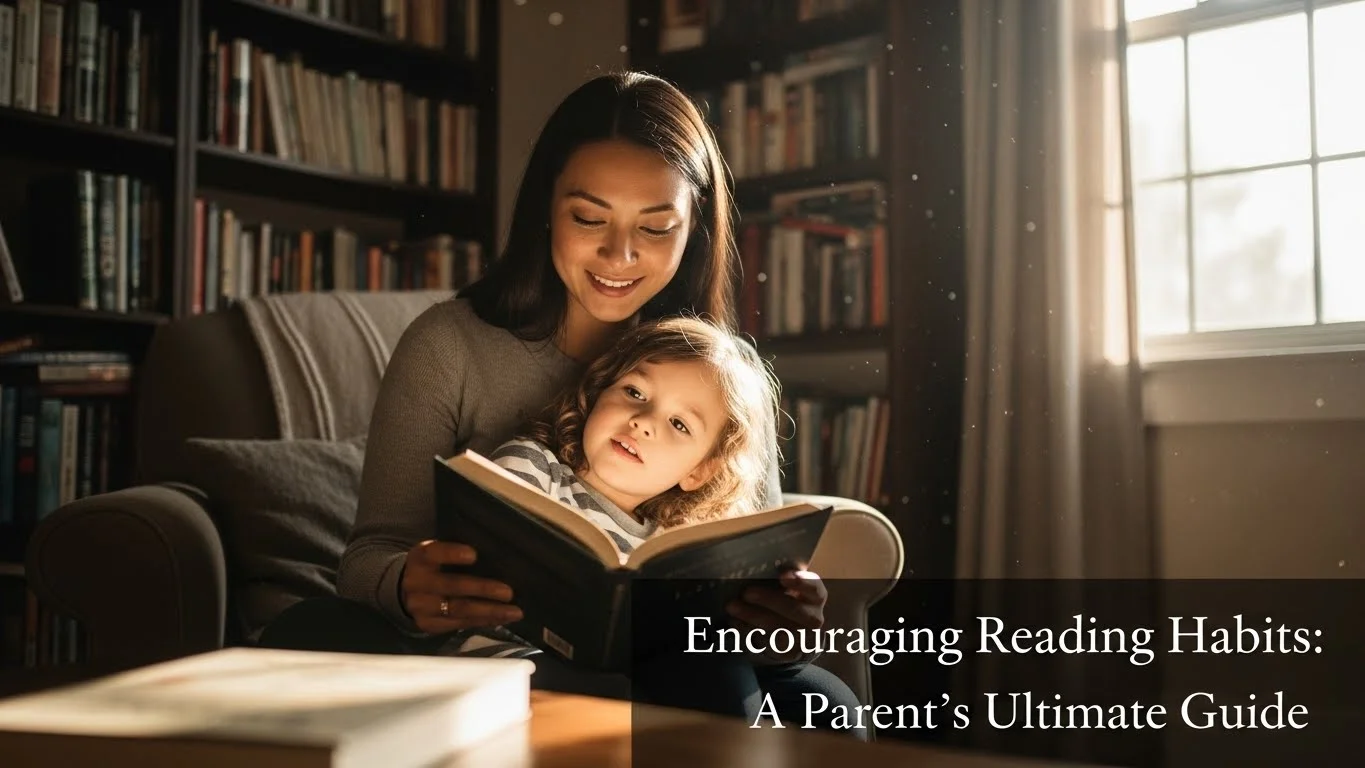
Creating a reading-friendly environment has been a game changer for my family. I remember when we moved into our new home, I wanted to set up a special corner just for reading. We chose a cozy nook by a window where natural light poured in. I filled it with soft cushions and a small bookshelf. It’s become our little sanctuary for stories. I’ve noticed that having a dedicated space encourages my kids to pick up a book more often. They love curling up in that corner with their favorite reads, and I think it fosters a sense of comfort and focus.
It doesn’t have to be a fancy space either. Sometimes, it’s as simple as creating a reading blanket fort in the living room or turning a quiet room into a reading haven by adding some pillows and a rug. The key is to make it inviting and comfortable, so your children feel excited to spend time there. I believe when kids have a special spot for reading, it becomes an integral part of their daily routine.
Organizing a Home Library
One of the best things I did was organize a home library. I realized that having books easily accessible makes a huge difference. We started by categorizing our books—by genre, age group, and even by series. It was a fun family project! My kids loved helping me choose which books to display and how to arrange them. We made it visually appealing, with colorful book covers facing outwards. I’ve found that this encourages them to explore books they might not have picked up otherwise.
Every so often, we rotate books to keep things fresh. I also encourage my kids to share their favorite books with each other, sparking little discussions about stories and characters. This has not only helped us stay organized but has also turned our home library into a hub of excitement and discovery. I feel that when children can see and access their books easily, they’re more likely to dive into reading.
Selecting Age-Appropriate Books
Choosing the right books for my kids has been a delightful journey. I’ve found that selecting age-appropriate books is crucial for keeping them engaged. For my youngest, I gravitate towards colorful picture books with fun illustrations and simple stories. I remember reading “The Very Hungry Caterpillar” with him, and watching his eyes light up with every turn of the page. It was a bonding experience that sparked his love for books.
As they grow, I’ve learned to pay attention to their interests. My daughter, for instance, loves animals and adventure stories. I often find myself browsing the library or bookstores, looking for books that match her interests while also challenging her. I believe it’s important to balance between what they love and what can introduce them to new ideas and concepts. There’s so much joy in discovering a book that resonates with them, and I think it’s essential to keep that excitement alive.
For older kids, I try to introduce more complex themes and encourage series that have multiple books to keep them engaged over time. I also love asking for recommendations from their teachers or checking out lists of award-winning books. This collaborative approach has helped us find great reads together, and I think it strengthens our connection to literature.
Incorporating Reading into Daily Routines
Establishing a Reading Schedule
Incorporating reading into our daily routines has been transformative for my family. I found that establishing a reading schedule not only creates consistency but also builds anticipation. We decided that before bedtime, we would set aside at least 30 minutes for reading. This ritual has become one of my favorite parts of the day. The house quiets down, and we all settle in with our books. It’s a wonderful way to unwind together.
I’ve noticed that having a set time for reading helps my kids prioritize it in their busy lives. We even keep a chart to track our reading time. Sometimes, we challenge each other to read for longer or to finish a particular book by a certain date. This friendly competition adds an extra layer of fun, and I love seeing their enthusiasm grow.
Balancing Screen Time and Reading Time
Let’s face it, we live in a digital age where screens are everywhere. I’ve struggled with finding the right balance between screen time and reading time. It’s easy to let my kids get lost in their devices, but I’ve realized that setting boundaries is essential. To encourage reading, I’ve started designating certain times of the day as “no screen time” zones, particularly in the evenings.
This has not only helped my children pick up books but also sparked some great family discussions about stories and themes. I believe when we consciously make time for reading, it becomes a valued activity rather than something they feel they have to do. I’ve also discovered some great reading apps that can complement our reading time, offering interactive experiences that still feel like reading.
Reading Aloud vs. Independent Reading
Reading aloud has been a cherished tradition in our household. I remember the first time I read a chapter book to my kids; they were completely captivated. It’s a bonding experience that fosters a love for stories, and it gives me the chance to introduce them to new vocabulary and concepts. I feel like reading aloud creates a shared experience that’s both educational and entertaining.
However, I also encourage independent reading. I’ve set aside time during the day for my kids to read on their own, which helps them develop their personal reading preferences. I love observing their excitement when they find a book they can’t put down. It’s a delicate balance, and I think both reading aloud and independent reading play vital roles in shaping their reading journey.
Choosing the Right Books for Different Ages
Books for Infants and Toddlers
When my kids were just infants, I discovered the magic of board books. They are sturdy and designed for little hands, making them perfect for toddlers who are just beginning to explore the world of reading. I remember picking up bright, colorful books filled with simple images and rhymes. “Brown Bear, Brown Bear, What Do You See?” by Bill Martin Jr. was a favorite in our house. The repetitive structure not only held my baby’s attention but also laid the groundwork for language development. I loved how my little ones would point at the pictures, excitedly trying to communicate what they saw.
Reading to infants and toddlers is more than just storytelling; it’s about building a bond. I cherished those moments, snuggled up with my little ones. Even if they didn’t understand every word, I could see their eyes light up with each turn of the page. I believe that reading to them early on fosters a sense of comfort that makes them more likely to love books as they grow.
Books for Preschoolers
As my kids entered preschool, their reading preferences began to evolve. I found that they were ready for more engaging stories with characters and plots. Picture books with captivating narratives became our go-to choices. One book that stood out was “Where the Wild Things Are” by Maurice Sendak. It sparked their imaginations and led to wonderful conversations about feelings and adventures. I remember my daughter pretending to be a wild thing, roaring and dancing around the living room!
Preschoolers are naturally curious and eager to learn. I noticed that they enjoyed interactive books—those with flaps to lift or textures to feel. These added elements kept them engaged and made reading a fun activity. I also began introducing them to simple rhyming books, which not only entertained them but also helped with phonemic awareness. I think it’s essential to make reading a playful experience at this age, as it sets the tone for their future love of literature.
Books for Early Elementary Children
As my kids progressed into early elementary school, their reading skills began to flourish, and I was excited to dive into chapter books together. I vividly recall the first series we tackled: “Magic Tree House” by Mary Pope Osborne. The adventures of Jack and Annie sparked their curiosity about history and different cultures. I remember discussing each book with my kids and seeing their eyes widen as they learned about dinosaurs or ancient Egypt.
At this stage, it’s important to find books that not only match their reading level but also align with their interests. I encouraged my children to explore various genres, from fantasy to mystery, which broadened their horizons. I also started introducing them to series that had multiple books, as this kept them engaged and eager to read more. I’ve noticed that children can become attached to beloved characters, and this emotional connection can motivate them to continue reading!
Books for Tweens and Teens
As my kids transitioned into their tween and teen years, I wanted to introduce them to more complex themes and narratives. This was when I realized the importance of allowing them to choose their own books, fostering a sense of independence. I remember my son diving into the “Percy Jackson” series and being completely captivated by Greek mythology. It was a joy to see him devour those books and come to me excited with questions about the stories!
For my daughter, I sought out coming-of-age stories that resonated with her experiences. “The Hate U Give” by Angie Thomas became a pivotal read for her. We had some deep discussions about social justice and identity, which I believe helped her navigate her own feelings as she grew. I think it’s crucial to encourage teens to read books that challenge them and provoke thought, as these literary experiences can shape their views of the world.
Ultimately, choosing the right books for different ages involves understanding their interests, developmental stages, and encouraging exploration. I feel that providing a diverse array of reading options not only keeps them engaged but also nurtures their love for literature. Each stage of their reading journey has been a unique experience, and I’ve loved being a part of it.
Encouraging Active Participation in Reading
Discussing Stories and Themes
One of the most enriching experiences I’ve had with my children is discussing the stories we read together. After finishing a book, I like to sit down with them and ask what they thought about the characters, the plot, and the lessons learned. I remember reading “Charlotte’s Web” and having a heartfelt conversation about friendship and sacrifice. My kids were full of thoughts and feelings, and it was incredible to hear their perspectives. I believe these discussions not only deepen their understanding of the text but also help them express their own emotions and beliefs.
We often connect the themes of the stories to real-life situations, bridging the gap between fiction and our daily lives. For instance, after reading a book about teamwork, we might talk about times they worked together with friends or family. This active participation in discussions enhances their critical thinking skills and encourages them to think critically about the world around them.
Asking Open-Ended Questions
Asking open-ended questions has been a powerful tool in our reading journey. Instead of just quizzing them on facts from the story, I find that questions like “What would you have done if you were in the character’s shoes?” or “How do you think the story might change if it were told from another character’s point of view?” spark deeper conversations. I’ve noticed that these types of questions encourage my kids to think creatively and justify their answers, which is an essential skill as they grow.
We often have fun with these questions, turning them into little debates or imaginative scenarios. I think it’s a fantastic way to keep them engaged and ensure that reading isn’t just a passive activity. This dialogue has not only motivated them to think critically but has also strengthened our bond as we explore these stories together.
Utilizing Reading Apps and Audiobooks
In the digital age, I’ve found that incorporating technology can greatly enhance our reading experiences. We’ve discovered some fantastic reading apps that gamify the process, making it fun and interactive. One of my favorites is an app that turns reading into a treasure hunt, where kids can earn rewards for completing books. It’s amazing how motivated my children become when there’s a fun challenge involved!
Audiobooks have also become a beloved part of our routine. We often listen to them during long car rides or while cooking dinner together. I remember the first time we listened to “Harry Potter” as a family; everyone was glued to the story, and it led to some lively discussions about our favorite characters and plot twists. I think audiobooks provide a different dimension to storytelling, allowing them to visualize the story in their own way while honing their listening skills. It’s a lovely way to experience literature, and it has definitely broadened their exposure to different genres and authors.
Promoting a Love for Reading Through Activities
Storytime and Book Clubs
Storytime sessions have been a delightful addition to our reading habits. I’ve organized little book clubs with my children and their friends, where we gather to read and discuss a selected book together. It’s wonderful to see their excitement as they share their thoughts and opinions, and I think it creates a sense of community around reading. Sometimes, we even have themed snacks related to the book—like making “green eggs and ham” for Dr. Seuss week!
These gatherings not only foster a love for reading but also teach kids the importance of teamwork and collaboration. They learn to listen to others’ viewpoints and develop their own opinions, which I believe are vital social skills.
Creative Writing Exercises
To complement our reading, I’ve introduced creative writing exercises. I encourage my kids to write their own stories or even alternative endings to the books we’ve read. This has been a fantastic way to inspire their creativity and give them the freedom to express themselves. I remember my daughter writing a hilarious sequel to “The Gruffalo,” and we had such a good laugh reading her imaginative twists!
Writing exercises also help them connect with the material on a deeper level. They learn to analyze characters and plot structures, which enhances their understanding of storytelling as a whole. This practice encourages them to see themselves as storytellers, and I think that’s a beautiful thing.
Literature-Based Crafts and Projects
Incorporating crafts and projects based on the books we read has added an exciting layer to our reading experience. For example, after finishing “The Very Hungry Caterpillar,” we created our own caterpillar using paper and paints. It was an engaging way to reinforce the story’s themes while also allowing their creativity to flourish.
These hands-on activities have helped solidify their understanding of the stories and made reading a more dynamic experience. Plus, it’s a wonderful way to bond as a family, and I feel that these connections make the stories even more memorable.
Engaging with School and Community Resources
Library Visits and Programs
Libraries have been a treasure trove for our family. I’ve made it a point to take my kids to our local library regularly. They love exploring the shelves and finding new books to read. Many libraries also host reading programs and events, which we eagerly participate in. It’s fantastic to see my kids interacting with other young readers and sharing their love for books.
During these visits, I encourage my children to ask the librarians for recommendations. I find that it empowers them to take ownership of their reading choices and exposes them to a wider range of literature. Plus, storytime sessions at the library have sparked their interest in new genres and authors, enriching our reading adventures.
School Reading Programs and Initiatives
Engaging with school reading programs has been pivotal in promoting a culture of reading in our home. I’ve collaborated with my kids’ teachers to understand what initiatives are in place and how we can support them. It’s inspiring to see schools organizing reading challenges, where kids can earn rewards for completing certain books. These challenges create a sense of community and motivate kids to read more.
I also make it a point to attend school book fairs with my children. It’s exciting to see their enthusiasm as they browse through the options, and I enjoy discussing their choices with them. These events have encouraged my kids to explore books they might not have chosen otherwise, and it’s a fantastic way to build connections with other parents and educators who share our passion for reading.
Community Events and Author Visits
Community events often feature author visits, which have been a highlight for my kids. Meeting authors in person and hearing them talk about their books has a profound impact. I remember when we attended a local book festival and my son met a children’s book author. He was thrilled to ask questions and even got his book signed! It was a memorable experience that sparked his interest in writing.
These events foster a sense of excitement around reading and writing. I encourage my kids to participate in workshops and discussions whenever possible. Engaging with the community in this way broadens their horizons and helps them see literature from different perspectives.
Overcoming Common Reading Challenges
Dealing with Reluctant Readers
There have been times when one of my kids has expressed reluctance to read, and I know I’m not alone in this. I’ve found that the key is to remain patient and understanding. Instead of forcing them to read a particular book, I’ve tried to engage them in conversations about their interests and find books that align with those. Sometimes, it takes a little trial and error to discover what captivates them.
We’ve also created a “read-aloud” time where they can choose to listen instead of read. Audiobooks have been a fantastic bridge for my reluctant reader. I’ve seen them become more interested in the stories when they hear them brought to life by talented narrators. It’s been rewarding to see their confidence grow as they gradually engage more with reading.
Addressing Learning Disabilities
As a parent, I’ve learned that some children may face unique challenges when it comes to reading. For any learning disabilities, my approach has been to seek support and resources. I’ve worked closely with teachers and specialists to find strategies that cater to my child’s specific needs. There’s a wealth of information available, from specialized reading programs to tools that can make reading more accessible.
Using multi-sensory learning techniques has been particularly effective. I’ve found that incorporating visuals, tactile experiences, and even technology can help make reading more engaging for children facing challenges. It’s important to celebrate their progress, no matter how small, and to remind them that reading is a journey we can navigate together.
Managing Time Constraints
In our busy lives, it’s easy for reading to take a backseat. I’ve had to be intentional about carving out time for reading amidst our packed schedules. Establishing a dedicated reading time has been essential, whether it’s before bed, during meals, or even in the car. I often remind my kids that reading is just as important as any other activity on our to-do list.
We’ve also turned reading into a family event. Sometimes, I’ll suggest we all read together during quiet hours, making it a shared experience. I believe that when reading becomes a family priority, it naturally integrates into our daily routine, and it’s a value we pass down to our children.
Measuring Progress and Encouraging Growth
Setting Reading Goals
Setting reading goals has been a motivating factor for my kids. We’ve established personal reading goals, such as a certain number of books to read each month or exploring different genres. It’s rewarding to see them work toward these goals and feel a sense of accomplishment when they achieve them.
To keep things fun, we sometimes create a “reading challenge” chart where they can track their progress. It’s exciting to see them check off books they’ve read and share their thoughts about each one. I think these goals instill a sense of responsibility and help them take pride in their reading journey.
Tracking Reading Habits
In our household, tracking reading habits has been an eye-opening experience. We use a simple reading log where my kids can jot down the titles they read and their thoughts on each book. Looking back at what they’ve read over time not only shows how much they’ve grown but also encourages them to reflect on their reading experiences.
I’ve found that this practice has fostered discussions about their preferences and motivations. By understanding what captivates them, we can refine our book selections moving forward. It’s a great way to celebrate their achievements while also helping them become more conscious readers.
Celebrating Achievements and Milestones
Celebrating achievements is crucial in reinforcing a love for reading. I make it a point to acknowledge when my kids finish a particularly challenging book or reach a reading milestone. Whether it’s a small treat, a special outing, or even a simple heartfelt conversation, I believe that celebrating these moments encourages them to continue their reading journey.
We’ve also started a tradition where, at the end of each month, we have a little “reading celebration” night. We gather together, share our favorite reads, and indulge in some popcorn while discussing the stories. It’s a joyful way to recognize their progress and remind them that reading is something to be celebrated.
Final Thoughts
As I reflect on my family’s reading journey, I can’t help but feel grateful for the role reading has played in our lives. It has been a source of joy, learning, and connection for us. I believe that by fostering a love for reading, we are equipping our children with tools that will benefit them throughout their lives. Encouraging active participation, creating a nurturing environment, and celebrating milestones help cultivate a lifelong passion for literature. I’m excited to see how my children’s reading habits evolve as they grow, and I hope to continue supporting them in every chapter of their journey. Transform Your Child into a Bookworm: Proven Tips will surely assist us in this ongoing adventure.
Frequently Asked Questions
Why is reading important for children?
Reading enhances vocabulary, fosters creativity, and promotes critical thinking. It helps children dive into different worlds and meet diverse characters, which can ignite their imagination and encourage curiosity about the world around them.
How does reading contribute to cognitive development in children?
Reading actively engages children’s minds, helping them think critically about stories, solve problems, and make connections. It also enhances concentration and discipline, which is beneficial for their overall development.
What role does reading play in developing emotional intelligence?
Reading helps children understand complex emotions and relationships through characters’ experiences, fostering empathy and resilience. It can lead to conversations about feelings and how to navigate challenges in their own lives.
How can parents create a reading-friendly environment at home?
Parents can create a cozy reading nook filled with cushions and books, ensuring it is inviting and comfortable. Organizing a home library with easily accessible books and rotating them regularly can also encourage children to read more.
What strategies can parents use to incorporate reading into daily routines?
Establishing a reading schedule, balancing screen time with reading time, and making reading a family activity can help incorporate reading into daily routines. Designating specific times for reading, such as before bedtime, can create consistency.
What types of books are suitable for different age groups?
For infants and toddlers, board books with simple stories are ideal. Preschoolers enjoy engaging picture books, while early elementary children can explore chapter books. Tweens and teens should be encouraged to choose books that challenge them and resonate with their interests.
How can parents encourage active participation in reading?
Parents can discuss stories and themes after reading, ask open-ended questions to spark deeper conversations, and utilize reading apps and audiobooks to enhance engagement. These activities promote critical thinking and strengthen the bond between parents and children.
What are some creative ways to promote a love for reading?
Organizing storytime sessions, book clubs, and creative writing exercises can promote a love for reading. Incorporating literature-based crafts and projects also adds an exciting layer to the reading experience, making it more dynamic and memorable.
How can parents address challenges with reluctant readers?
Patience and understanding are key. Parents should engage reluctant readers in conversations about their interests to find appealing books and consider using read-aloud times or audiobooks to bridge the gap. This approach can gradually spark their interest in reading.
What methods can parents use to track and celebrate reading progress?
Setting reading goals, maintaining a reading log, and celebrating achievements are effective methods. Recognizing milestones with rewards or family reading celebrations can reinforce a love for reading and motivate children to continue their reading journey.