
Traveling with kids is a fantastic way to create lasting memories and foster social skills. Engaging activities during these adventures can help children connect with others and build confidence. Travel Tips for Teaching Kids Social Skills on the Go can provide additional insights for parents.
Understanding Social Skills for Children
What Are Social Skills?
Social skills refer to the abilities we use every day to communicate and interact with others. For kids, this means understanding how to share, take turns, and express their feelings. I remember when my child first learned to say “please” and “thank you.” It was a small gesture, yet it opened doors to new friendships. Social skills encompass a range of behaviors, including verbal communication, non-verbal cues like body language, and even empathy. These skills help children navigate their relationships with peers, adults, and even pets. I’ve seen firsthand how mastering these can lead to more fulfilling interactions.
Importance of Social Skills in Childhood Development
From my experience, social skills play a vital role in a child’s overall development. They are essential for building friendships, which can provide emotional support and a sense of belonging. Kids with strong social skills tend to have better academic performance too, as they can collaborate effectively with classmates. I recall a school project where my child had to work with others. Their ability to communicate ideas and listen to peers made the whole experience enjoyable and successful. Social skills also contribute to emotional intelligence, helping kids understand and manage their emotions and those of others.
Benefits of Traveling for Kids’ Social Skills
Exposure to Diverse Cultures
Traveling exposes children to different cultures, which I believe is one of the most enriching experiences. I remember visiting a local market while on vacation; my kids were fascinated by the variety of foods and customs. This exposure not only broadens their worldview but also teaches them to appreciate diversity. I’ve seen my children become more open-minded and curious about others after such experiences. They learn to ask questions and engage with different cultural practices, which is invaluable for their social development.
Opportunities for Interaction with Peers
While traveling, kids often meet others from various backgrounds. I once took my family to a campground, where my children quickly made friends with kids from different states. These interactions provide great opportunities for practicing social skills, such as initiating conversations and resolving conflicts. I’ve noticed how these experiences can help children feel more comfortable around different personalities and improve their ability to adapt to new social situations. It’s like a mini-training ground for real-world interactions!
Development of Communication Skills
Traveling can significantly enhance a child’s communication skills. I found that my kids became more confident in expressing their thoughts and feelings when exposed to new environments. Whether it’s ordering food at a restaurant or asking for directions, these small tasks encourage them to communicate effectively. I recommend involving kids in discussions about what they want to do or see during the trip. This not only helps them articulate their desires but also fosters decision-making skills. I’ve seen my children grow more adept at discussing their preferences and negotiating plans while traveling together.
Engaging Activities to Enhance Social Skills While Traveling
Interactive Games for Family Bonding
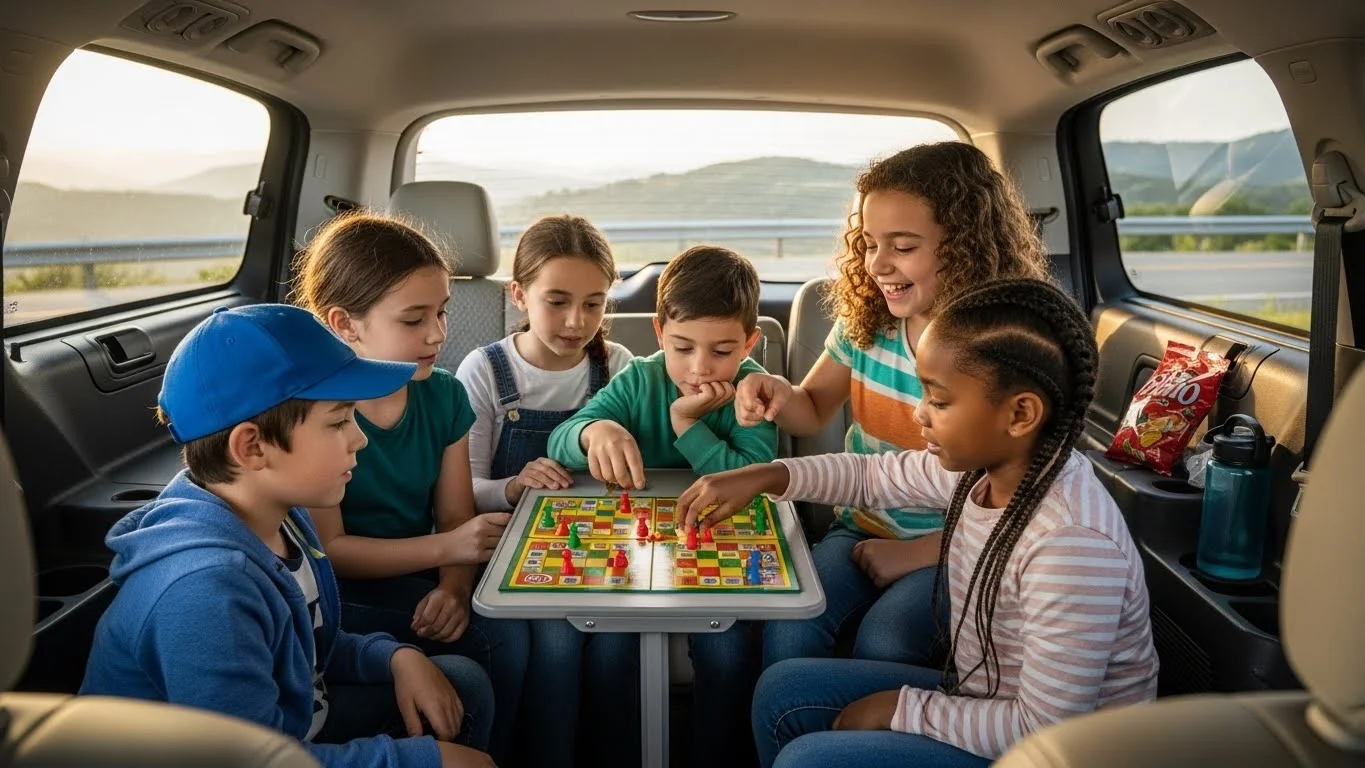
One of my favorite ways to boost social skills while traveling is through interactive games. We often play games like “20 Questions” or “I Spy” during long car rides or airport waits. These games promote communication and teamwork while keeping everyone engaged. I remember one road trip where we played a family trivia game based on our travel destination. It not only helped pass the time but also sparked discussions about the place we were visiting. These moments can strengthen family bonds and provide a safe space for kids to practice their social skills.
Group Activities with Other Travelers
Participating in group activities with other travelers can be incredibly beneficial. Whether it’s a guided tour, a group hike, or a cooking class, being part of a team gives kids the chance to engage with peers. I recall a time when my family joined a local cooking class while on vacation. My children had to work with others to prepare a traditional dish, and they loved sharing ideas and learning from new friends. These experiences teach collaboration and help kids learn how to navigate different social dynamics.
Cultural Exchange Programs
Some destinations offer cultural exchange programs that allow kids to interact with local children. I had the opportunity to participate in such a program during a trip abroad. It was amazing to see how my kids connected with local kids through shared activities. They learned a few words in the local language and engaged in games that broke down any barriers. These exchanges are a fantastic way to promote empathy and understanding, reflecting the importance of social skills in a global context. You can find more information on this in the article Top Budget Destinations for Kids to Learn Social Skills.
Volunteer Opportunities for Kids
Volunteering is another great way to teach kids about social responsibility while enhancing their social skills. During one of our family vacations, we volunteered at a local animal shelter. The experience not only allowed us to give back to the community but also taught my children the value of teamwork and communication. I noticed how they interacted with other volunteers and learned to express their thoughts about the tasks at hand. Volunteering can provide meaningful interactions and teach kids about compassion and empathy.
Language Learning Through Play
When traveling to a place where a different language is spoken, consider incorporating fun language-learning activities. I’ve seen how playing language games can break the ice when meeting new friends. Using simple phrases to greet others or learn local words can spark curiosity and lead to interactions. On one trip, my kids learned to say “hello” and “thank you” in the local language, which opened doors for conversations with local children. These moments not only enhance their language skills but also boost their confidence in social situations.
Destination-Specific Activities
City Tours and Scavenger Hunts
One of the most exciting ways to engage kids while traveling is through city tours or scavenger hunts. I remember when we visited a bustling city, and my kids were given a map with a list of items to find at various landmarks. It was amazing to see them work together, pointing out different statues and buildings. The thrill of searching for clues turned a simple walk into a fun adventure. Not only did they learn about the city’s history, but they also practiced teamwork and communication. I truly believe that these activities encourage kids to interact with locals and ask questions, further enhancing their social skills.
Participating in Local Festivals
Attending local festivals can be a fantastic way for kids to immerse themselves in a new culture. I took my family to a vibrant cultural festival once, and it was an experience we’ll never forget. My children were captivated by the music, dance, and food. They joined in on games and activities with other festival-goers, which allowed them to make new friends and learn about different traditions. I noticed how their excitement to participate helped them overcome any shyness. Festivals are filled with energy and joy, creating the perfect environment for kids to enhance their social skills while having fun.
Workshops and Classes (Cooking, Art, etc.)
Signing up for a workshop or class while traveling can be a great way to connect with others and develop new skills. We once participated in a pottery class during a trip, and it turned out to be a highlight of our vacation. My kids not only learned how to mold clay but also interacted with other participants, sharing tips and experiences. These classes provide a relaxed setting for kids to communicate, collaborate, and express their creativity. I’ve seen how engaging in such hands-on activities can boost confidence and foster connections with peers, helping them build social skills in a natural way. Additionally, consider activities like Backpacking with Kids: Fun Ways to Boost Social Skills for more ideas.
Nature Exploration and Outdoor Games
Exploring nature is another great opportunity for kids to enhance their social skills while traveling. I often take my family on hikes to discover new trails and parks. During these outings, my kids have the chance to meet other families and play games like capture the flag or tag. I noticed that being in a natural setting encourages kids to bond over shared experiences. They learn to cooperate and communicate effectively, whether it’s planning the next move in a game or simply sharing the beauty of their surroundings. The fresh air and physical activity create a perfect backdrop for building friendships and enhancing social interactions.
How to Encourage Kids to Engage with Others
Setting Goals for Social Interaction
Before setting off on a trip, I find it helpful to have a chat with my kids about our goals for social interaction. We make a fun list of things we want to achieve, like talking to a new friend or trying out a local food with someone. I remember one trip where we aimed to meet other kids at the hotel pool. By setting these goals, my children felt more motivated to reach out and engage with others. It’s amazing how having a purpose can make them more open to socializing.
Role-Playing Scenarios Before Traveling
Role-playing can be a valuable tool for helping kids prepare for social interactions. Before we travel, I often create scenarios for my children to practice. For example, we might role-play how to introduce themselves to other kids or how to ask for help in a restaurant. I’ve seen that this practice helps build their confidence so that when the moment comes, they feel more equipped to handle it. It’s a fun way to ease any anxiety they might have and encourages them to be proactive in social situations.
Using Technology to Connect with Other Kids
In today’s digital age, technology can be a wonderful way to help kids connect with peers before and during travel. I remember when my children met a few kids online who lived in the area we were visiting. They exchanged messages and even set up a time to meet. It was a great way for them to feel comfortable before actually meeting in person. Encouraging kids to use apps or online platforms to connect with others can help them practice their social skills and ease any feelings of shyness. Plus, it’s rewarding to see friendships blossom from these interactions!
Safety and Comfort Considerations
Preparing Kids for New Environments
Traveling to new places can be an exciting yet overwhelming experience for kids. I’ve found that preparation is key to ensuring they feel comfortable. Before heading out, I like to talk to my children about what they can expect. We discuss different environments, the people they might encounter, and how to handle unfamiliar situations. This helps them feel more confident and less anxious. I also encourage them to express any concerns they may have, so we can address them together. It’s all about creating a sense of security while encouraging exploration.
Addressing Potential Anxiety in Children
It’s completely normal for kids to feel anxious about new experiences. I recall my own child feeling nervous about meeting new friends on a vacation. To help ease their anxiety, I found it helpful to remind them of past successful social interactions. We talked about their previous trips where they made friends and had fun. I also suggested some calming techniques, like deep breathing or bringing along a comfort item. These strategies not only helped reduce anxiety but also empowered them to be more open to new friendships.
Establishing Communication and Boundaries
As a parent, I’ve learned the importance of establishing clear communication and boundaries when it comes to social interactions. Before we travel, I make sure my kids know they can come to me if they feel uncomfortable in any situation. We discuss what’s acceptable behavior and what isn’t, emphasizing the importance of consent in friendships. I’ve noticed that when kids feel supported and understand their limits, they are more likely to engage positively with others. Encouraging open communication helps build trust and confidence, making their social experiences more enjoyable.
Tips for Parents to Facilitate Social Skills Development
Modeling Positive Social Behavior
As parents, we play a crucial role in shaping our children’s social skills. I’ve learned that one of the best ways to teach these skills is by modeling positive social behavior ourselves. For instance, when I interact with others, I make a conscious effort to show kindness and respect. Whether it’s greeting a neighbor with a smile or thanking a cashier, I try to demonstrate how to communicate effectively. I’ve noticed my kids observing these interactions and replicating them in their own lives. It’s amazing how they pick up on the nuances of conversation and body language just by watching us. This modeling can create a foundation for them to develop their social skills naturally.
Encouraging Open Discussions About Experiences
After each trip, I find it helpful to sit down with my kids and discuss their experiences. I ask open-ended questions like, “What was your favorite part of the trip?” or “Did you meet anyone interesting?” These conversations allow them to reflect on their interactions and share their feelings. I’ve found that discussing what they learned about different cultures and people helps reinforce their social skills. It also gives them a chance to express any challenges they faced, which can be valuable for their growth. I believe these discussions can lead to a deeper understanding of social dynamics and help them feel more confident in future interactions.
Providing Positive Reinforcement
Recognizing and celebrating my children’s social successes has been a game-changer in their confidence levels. When my kids engage with others or show kindness, I make it a point to acknowledge their efforts. Simple phrases like, “I’m so proud of you for making a new friend!” or “You did a great job sharing your toys!” can go a long way. I’ve seen how positive reinforcement encourages them to continue practicing their social skills. It’s important to create an environment where they feel that their efforts are valued. This support not only boosts their self-esteem but also motivates them to engage with others more willingly.
Resources for Further Learning
Books on Social Skills for Kids
There are some fantastic books available that focus on teaching social skills to children. I often browse through local bookstores or libraries to find age-appropriate titles. One book that stood out for us was “How to Win Friends and Influence People for Teen Girls.” It breaks down complex social concepts into relatable lessons. Reading together as a family not only sparks conversations but also helps my kids learn at their own pace. I encourage parents to look for books that resonate with their child’s interests, as this can make learning about social skills more enjoyable.
Websites and Online Communities
The internet is filled with resources that can help kids enhance their social skills. Websites like KidsHealth and PBS Kids offer articles and activities that can be both fun and educational. I’ve found that joining online communities dedicated to parenting can also provide valuable insights. These forums allow parents to share experiences and tips, which can be incredibly helpful. Engaging with other families who have similar goals creates a sense of camaraderie, and I’ve often walked away with new ideas to try with my kids.
Workshops and Seminars for Parents
Participating in workshops or seminars focused on social skills can be immensely beneficial. I attended a local seminar that discussed strategies for fostering social interactions in children. It was a great opportunity to learn from experts and connect with other parents. I remember picking up tips on how to facilitate playdates and introduce new social settings. I recommend looking for events in your area or even online webinars that cover these vital topics. Gaining knowledge and support from professionals can empower us as parents to guide our children effectively.
Frequently Asked Questions
What are social skills and why are they important for children?
Social skills refer to the abilities we use to communicate and interact with others. For children, this includes sharing, taking turns, and expressing feelings. They are crucial for building friendships, providing emotional support, and even improving academic performance.
How can traveling benefit children’s social skills?
Traveling exposes children to diverse cultures, provides opportunities for interaction with peers, and enhances communication skills. These experiences help children become more open-minded and adaptable, allowing them to practice social skills in various environments.
What types of engaging activities can enhance social skills while traveling?
Interactive games, group activities with other travelers, cultural exchange programs, volunteer opportunities, and language learning through play are all effective ways for children to enhance their social skills while traveling.
How can parents encourage kids to engage with others during trips?
Parents can set goals for social interaction, role-play scenarios to prepare kids for social situations, and use technology to connect with other kids before and during travel, helping to ease shyness and promote engagement.
What should parents do to prepare kids for new environments while traveling?
It’s important to talk to children about what to expect in new environments, discuss potential encounters, and encourage them to express any concerns. This preparation helps build confidence and reduces anxiety.
How can parents address potential anxiety in children regarding social interactions?
Parents can ease anxiety by reminding children of past positive social interactions, suggesting calming techniques, and providing comfort items. These strategies empower children to be more open to forming new friendships.
What role do parents play in modeling social behavior for their children?
Parents can model positive social behavior by demonstrating kindness and respect in their interactions. Children often observe and replicate these behaviors, which helps them develop their own social skills naturally.
Why is it important for parents to discuss experiences with their children after trips?
Discussing experiences allows children to reflect on their interactions, share feelings, and express any challenges they faced. This reinforces their social skills and helps them understand social dynamics better.
What resources are available for parents to help their children develop social skills?
Parents can find a variety of resources, including books on social skills, websites like KidsHealth and PBS Kids, and workshops or seminars focused on fostering social interactions in children.
What are some specific activities that can enhance social skills while traveling?
Activities such as city tours, scavenger hunts, attending local festivals, participating in workshops, and engaging in nature exploration can all provide opportunities for children to practice and enhance their social skills.