
Enhancing language development can be a joyful journey for both parents and children. By engaging in fun activities together, we can help our little ones express themselves and build essential communication skills. Read Interesting article: Speech Development Tips for Budget Backpackers with Kids
Understanding Language Development
Language development is a fascinating process that unfolds in various stages. As I observed my children growing up, I realized how essential it is to understand these stages to foster their language skills effectively. Language development begins even before we utter our first words. From cooing to babbling and eventually forming sentences, these milestones are not just exciting moments; they are the foundation of communication.
The Stages of Language Acquisition
My experience has taught me that children typically go through several stages of language acquisition. Initially, they start with pre-linguistic sounds, which are often adorable coos and gurgles. By around six months, they begin to babble, producing repetitive consonant-vowel combinations like “ba-ba” or “da-da.” This stage is incredibly important because it lays the groundwork for future speech. I remember how my daughter would giggle in response to my babbling back at her, and how that simple interaction made her excited about sounds.
As they approach their first birthday, many children start to say their first words. I recall the sheer joy I felt when my son said “mama” for the first time. It was as if my heart had grown three sizes! Between ages one and two, toddlers begin to expand their vocabulary rapidly, and by the age of two, most children can combine two to three words to form simple sentences. Watching this transition was eye-opening for me, as it showcased how eager they are to communicate their needs and desires.
By the time they reach preschool age, children often have a vocabulary of several hundred words and can construct more complex sentences. It was during this stage that I introduced various activities to enhance their language skills further. These interactions became not just learning experiences but cherished memories of bonding over stories, songs, and games. Read Interesting article: Reading Readiness: Travel-Inspired Activities for Kids
Importance of Early Language Skills
Early language skills are crucial for a child’s overall development. I’ve found that these skills impact literacy, social skills, and even emotional intelligence. When children can express their thoughts and feelings clearly, they are more likely to build strong relationships with others. I often think back to how sharing books and stories with my kids not only developed their vocabulary but also created a safe space for them to share their ideas and feelings.
Moreover, early language development can influence academic success later on. I’ve seen firsthand how children who engage in rich language experiences tend to excel in reading and writing as they grow older. Therefore, investing time in developing these skills during the early years is one of the best gifts we can give our children.
Engaging Activities for Infants and Toddlers
Now that we’ve explored the importance of language development, let’s dive into some engaging activities tailored for infants and toddlers. These activities not only promote language skills but also provide memorable bonding moments.
Interactive Storytime
One of my favorite activities has always been interactive storytime. I discovered that reading aloud to my children while encouraging them to participate made a world of difference. I would ask them questions about the pictures, letting them point out familiar objects or make animal sounds when we reached those pages. This not only kept their attention but also made them feel like active participants in the storytelling process. I remember how my daughter would giggle every time I read a funny character’s voice, and seeing her engaged sparked joy in me.
Sing-Alongs and Nursery Rhymes
Music has an incredible power to enhance language skills. I often sang nursery rhymes and simple songs with my kids. The catchy tunes and repetitive lyrics helped them remember words and phrases. We would dance around the living room, and I noticed how the rhythm of the songs encouraged them to mimic sounds and words. Singing was always a delightful way to bond, and I genuinely believe it supported their language development in a fun and engaging manner.
Playful Language Games
Playful language games are another fantastic way to enhance language development. I’ve found that simple games like “I Spy” or naming objects around the house can be incredibly effective. Whenever we went on walks, I would point out things like trees, cars, and animals, encouraging my children to repeat the names after me. It was a simple yet enjoyable way to introduce new vocabulary while having fun together. I truly felt that these playful moments helped nurture their language skills in a natural and enjoyable way.
Activities for Preschoolers
As children transition into preschool, they are bursting with energy and curiosity. This is such an exciting time for language development, as they begin to grasp more complex sentences and express their thoughts with increasing clarity. I found that incorporating specific activities tailored to their growing skills can make a huge difference in nurturing their language abilities. Read Interesting article: Language Skills on the Go: Readiness for Young Explorers
Word Games and Puzzles
One of the activities my kids absolutely loved was playing word games and puzzles. I remember setting up a simple crossword puzzle with pictures and words, where they had to match images to the correct vocabulary. It was a fun challenge that kept them engaged while reinforcing their understanding of words. I often used flashcards with colorful pictures, and we turned it into a game by racing to see who could identify the most words correctly. The joy in their faces when they got it right was priceless, and I felt proud knowing I was helping expand their vocabulary in such a playful way.
Additionally, I introduced rhyming games, which I found to be a fantastic way to improve phonemic awareness. We would take turns coming up with words that rhyme, and it often led to hilarious combinations that made us all laugh. These games not only enhanced their language skills but also helped foster a love for words. I think that’s one of the keys to supporting language development: making it enjoyable!
Role-Playing Scenarios
Role-playing is another wonderfully creative way to develop language skills in preschoolers. I remember transforming our living room into a little grocery store, where my children could pretend to shop and interact with each other. I encouraged them to ask questions like “How much is this?” or “Can I have two apples, please?” Watching them step into different roles and use language in context was fascinating. It gave them a chance to practice their conversational skills while having a blast!
We also enjoyed acting out stories from their favorite books. I would encourage them to use their own words to narrate what was happening, which led to some truly imaginative interpretations. It was always rewarding to see how they applied what they learned in a fun, real-life context, and I felt it really built their confidence in speaking.
Arts and Crafts with Descriptive Language
Arts and crafts are not just about creating something beautiful; they also provide an excellent opportunity to practice language skills. During our craft sessions, I encouraged my kids to describe what they were making. For example, when they were painting, I would ask them questions like “What colors are you using?” or “Can you tell me what you’re painting and why?” This encouraged them to think critically about their creations and articulate their thoughts. I found that it sparked their imagination and allowed for rich discussions about their art.
We also made collage projects where they had to gather different materials and then explain their choices. It was amazing to hear them express their ideas and intentions, and I believe it deepened their understanding of descriptive language. These moments were not just about crafting; they were about building a strong foundation in communication.
Language Development Activities for School-Aged Children
As children grow into school-aged kids, their language skills continue to blossom. I’ve noticed this age group is eager to express themselves, and it’s essential to provide them with opportunities to further develop these skills. Here are some activities I found effective.
Creative Writing Exercises
One of the activities I introduced was creative writing exercises. I would set aside time where my kids could write short stories or journal entries. I remember how excited they were to share their tales, whether it was about a magical adventure or a day in their lives. I encouraged them to use descriptive language and varied sentence structures, offering gentle guidance when needed. This not only helped with their writing skills but also developed their critical thinking as they crafted plots and characters.
Book Clubs and Discussion Groups
We also formed a mini book club at home, where we would read a book together and then discuss it. I encouraged my children to express their thoughts and feelings about the story, which led to meaningful conversations. I remember one time when we read a book about friendship, and my children started sharing their own experiences. It was fascinating to see how they connected the story to their lives, and it opened doors for them to explore emotions and social interactions through language.
Language-Based Board Games
Board games that focus on vocabulary and language skills were a hit in our house. Games like Scrabble or Apples to Apples not only made for fun family nights but also challenged my kids to think critically about words. I loved how these games created a relaxed atmosphere to practice language without the pressure of formal learning. The laughter and friendly competition made it all the more enjoyable! I believe these experiences helped them build confidence in their language abilities while strengthening our family bond.
Incorporating Technology in Language Learning
In today’s digital age, technology can be a fantastic ally in promoting language development. I found several ways to integrate it into our learning routine.
Educational Apps and Games
There are numerous educational apps that focus on language skills, and my kids love using them! We explored apps that feature storytelling, vocabulary building, and even phonics. They were always eager to interact with these engaging formats, and it felt rewarding to see them absorbed in learning. I noticed that they would often ask questions about new words or concepts they encountered, prompting further discussion and exploration.
Online Storytelling Platforms
Another resource I discovered was online storytelling platforms where kids can listen to narrated stories or even create their own. These platforms often include interactive elements that keep children engaged and stimulate their imagination. I remember watching my kids narrate their own stories using these tools, which helped them practice articulation and story structure. It was incredible to see how technology could enhance their language development in such a fun way!
Outdoor Activities to Promote Language Skills
Getting outside can be a wonderful way to bolster a child’s language development. I’ve always believed that nature provides a rich backdrop for learning, and I’ve noticed how outdoor activities can lead to spontaneous language-rich moments. Here are a couple of activities that worked wonders for my family.
Nature Walks with Descriptive Discussions
One of my favorite family traditions has been taking nature walks. I remember the first time I took my kids on a hike through a nearby park, and how their eyes lit up at the sight of vibrant flowers, chirping birds, and rustling leaves. I found that these walks were perfect for engaging in descriptive discussions. I would encourage them to describe what they saw, heard, and felt. We would talk about the colors of the flowers, the sounds of different animals, and even the texture of the bark on the trees.
As we explored, I would ask open-ended questions like, “What do you think that bird is doing?” or “How does that leaf feel?” These questions prompted them to think critically and articulate their observations. I noticed that the more they described their surroundings, the more confident they became in expressing their thoughts. It was heartwarming to see them connect with nature while simultaneously enhancing their vocabulary and language skills.
Community Events and Library Story Hours
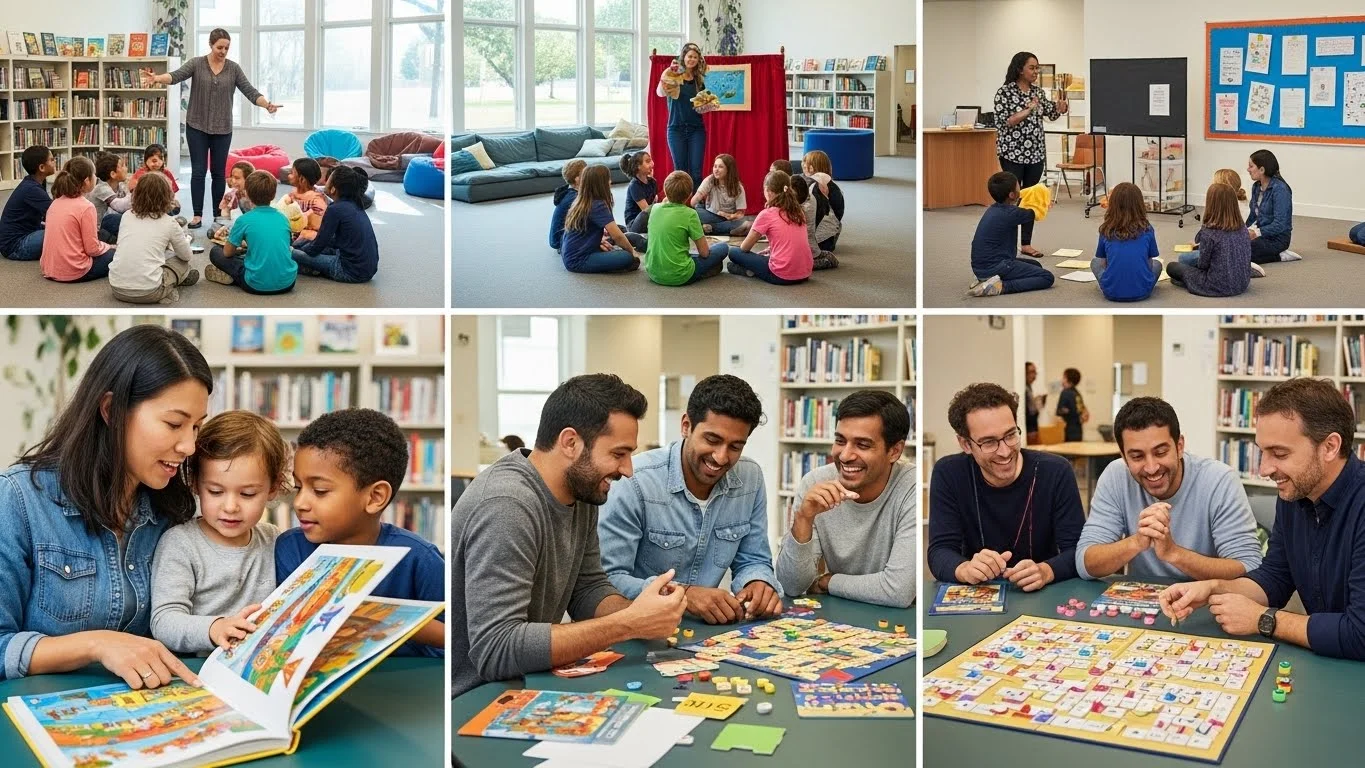
Participating in community events has also been an enriching experience for my kids. Our local library often held story hours, which became a staple in our weekly routine. I remember the excitement on their faces when they heard that a new storybook was being read. These events not only introduced them to new tales but also encouraged interaction with other children.
After story time, we would often engage in discussions about the characters and plot. I found that these conversations helped my kids express their opinions and feelings about the stories, fostering critical thinking and enhancing their language skills. In addition, they would sometimes participate in related crafts, which allowed them to describe their creations and share their thoughts with the group. It was incredible to see how these social interactions positively impacted their communication skills.
Supporting Language Development at Home
Creating an environment that supports language development at home is essential. I’ve learned that the little things we do daily can have a significant impact on our children’s communication skills. Here are some strategies that worked well for us.
Creating a Language-Rich Environment
In our home, I made a conscious effort to foster a language-rich environment. This meant surrounding my kids with books, labels, and opportunities for conversation. I remember dedicating a specific shelf just for children’s books and ensuring it was easily accessible. We would often have family reading sessions where everyone would pick a book to read aloud. It was amazing to see how this simple act promoted a love for reading and expanded their vocabulary.
Additionally, I started labeling objects around the house. For instance, I would stick labels on the refrigerator, door, and furniture, making it easier for my children to connect words with their meanings. I found that these little reminders sparked their curiosity and encouraged them to ask questions about the items and their names. Creating this kind of environment truly nurtured their language skills.
Setting Aside Dedicated Reading Time
Setting aside dedicated reading time became a cherished part of our family routine. I remember how we would snuggle up on the couch with a stack of books, each taking turns to read aloud. This not only equipped my children with valuable listening skills but also provided a safe space for them to express their thoughts about the stories. I loved hearing their interpretations and opinions, and it felt rewarding to see them growing as communicators.
During these sessions, I encouraged discussions about the characters, plot twists, and moral lessons in the stories. It was fascinating to see how engaged they became in these conversations, analyzing what they read and sharing their viewpoints. In my opinion, this time spent together was as much about bonding as it was about learning.
Encouraging Conversations During Daily Activities
Integrating language development into our daily activities was a game changer. I made it a point to engage my children in conversations during routine tasks like cooking, shopping, or cleaning. For example, while making dinner, I would ask them to help and describe what we were doing. “Can you tell me what colors are in this salad?” or “What do you think will happen if we add this spice?” These questions not only kept them involved but also encouraged them to think critically about their surroundings.
These everyday interactions helped reinforce their language skills without feeling like formal lessons. I cherished how these conversations flowed naturally, allowing my children to practice articulating their thoughts and opinions. In those moments, I felt we were building not just language skills but also a deeper connection as a family.
Frequently Asked Questions
What are the key stages of language development in children?
Children typically go through several stages of language acquisition: starting with pre-linguistic sounds, progressing to babbling around six months, saying their first words by their first birthday, expanding vocabulary rapidly between ages one and two, and constructing more complex sentences by preschool age.
Why are early language skills important for children?
Early language skills are crucial as they impact literacy, social skills, and emotional intelligence. Children who can express their thoughts and feelings clearly are more likely to build strong relationships and tend to excel academically later on.
What activities can parents engage in to support language development in infants and toddlers?
Parents can engage in activities like interactive storytime, sing-alongs and nursery rhymes, and playful language games such as “I Spy” to promote language skills while creating bonding moments.
How can preschoolers enhance their language skills?
Preschoolers can enhance their language skills through activities like word games and puzzles, role-playing scenarios, and arts and crafts that encourage descriptive language and critical thinking.
What role does technology play in language development for children?
Technology can enhance language development through educational apps and games that focus on storytelling, vocabulary building, and phonics, as well as online storytelling platforms that allow children to listen to or create their own stories.
How can outdoor activities promote language skills?
Outdoor activities, such as nature walks, provide opportunities for descriptive discussions about the surroundings, encouraging children to articulate their observations and enhancing their vocabulary.
What strategies can parents use to create a language-rich environment at home?
Parents can create a language-rich environment by surrounding children with books, labeling objects around the house, and setting aside dedicated reading time to promote a love for reading and conversation.
How can parents encourage conversations during daily activities?
Integrating conversations into daily activities like cooking or shopping allows parents to engage their children in discussions, which reinforces language skills and fosters critical thinking in a natural way.
What is the significance of interactive storytime?
Interactive storytime is significant as it involves reading aloud while encouraging children to participate, ask questions, and express themselves, making them feel engaged and promoting their language development.
What benefits do language-based board games provide?
Language-based board games help improve vocabulary and language skills in a fun, relaxed atmosphere, allowing children to practice language without the pressure of formal learning, while also strengthening family bonds.