
In today’s digital age, educational apps have transformed how our kids learn. With engaging content and interactive features, they make learning fun and accessible. Let’s dive into the world of these incredible tools! Read Interesting article: Unlock Learning: Affordable Educational Apps for Kids in 2023
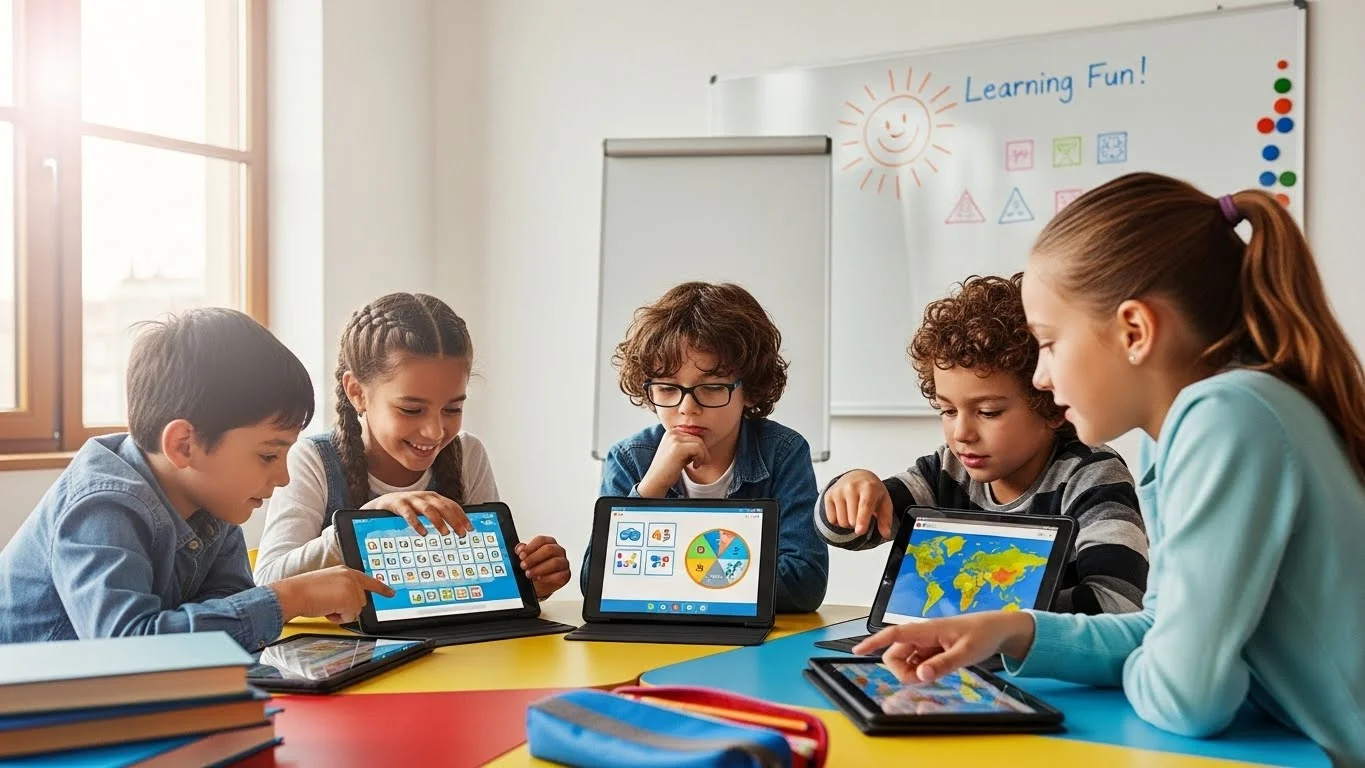
Overview of Educational Apps for Kids
What Are Educational Apps?
Educational apps are software applications designed to facilitate learning through interactive and engaging methods. They come in various formats, from games to quizzes, and cover a wide range of subjects. I remember the first time I discovered an educational app for my child. It was like finding a treasure chest filled with opportunities. These apps can help kids grasp concepts in math, science, reading, and even creative arts. They often feature colorful graphics and engaging characters, keeping children interested while they learn. The best part is that many of them can be accessed on various devices, making learning portable and flexible.
Benefits of Using Educational Apps
There are numerous benefits to using educational apps. For one, they make learning enjoyable. I’ve seen firsthand how my child lights up when using a fun app compared to traditional learning methods. With interactive elements, kids can learn at their own pace, revisiting tricky concepts as needed. This personalized approach can significantly enhance retention and understanding.
Another benefit is the encouragement of independent learning. I noticed that my child began to take initiative, exploring topics of interest on their own. Educational apps often reward progress with badges or points, which can motivate kids to keep learning. Moreover, these apps can cater to different learning styles. Whether your child is a visual learner or someone who learns best through hands-on activities, there’s likely an app that suits their needs. Read Interesting article: Discover the Best Educational Apps for Kids Without Breaking Bank
Finally, educational apps can also be a great way for parents to engage with their children’s learning. By participating in activities together, we can reinforce what they’re learning and make it a bonding experience. I often find myself sitting alongside my child, diving into math puzzles or reading stories, which creates wonderful moments we cherish together.
How to Choose the Right App for Your Child
Choosing the right educational app can feel overwhelming, given the vast selection available. I’ve had my share of trial and error in finding what works best for my child. Here are some tips that have helped me along the way:
- Identify Your Child’s Learning Needs: Before searching for apps, I first assess what subjects my child needs help with or is particularly interested in. This focus makes it easier to narrow down choices.
- Read Reviews and Recommendations: I always check reviews from other parents and educators. Apps that have received positive feedback tend to be more reliable and effective.
- Check for Age Appropriateness: It’s essential to ensure that the app is suitable for your child’s age group. I often look for apps with age ratings and descriptions to gauge if the content aligns with what my child can handle.
- Look for Interactive Features: Engaging apps often include interactive elements like games or quizzes. The more fun the app is, the more likely my child will want to use it.
- Try Before You Buy: Many educational apps offer free trials or demo versions. I always take advantage of these to see if my child connects with the app before committing to a purchase.
Ultimately, it’s about finding what resonates with your child. As a parent, I’ve learned that encouraging exploration and curiosity goes a long way, and the right educational app can be a fantastic tool in that journey.
Top Engaging Educational Apps
Reading and Literacy Apps
When I think about the importance of reading, I remember how it opened up whole new worlds for me as a child. That’s why I was thrilled to find some fantastic reading and literacy apps for kids. One of my favorites is “Epic!” which offers a huge library of books suitable for various age groups. It feels like my child is wandering through a magical library, choosing stories that spark their imagination. They can even listen to audiobooks, which is a great way to improve listening skills while being entertained.
Another app that caught my attention is “Reading Eggs.” It’s designed for early readers and combines fun games with engaging stories. I noticed that my child not only improved their reading skills but also developed a love for books through this app. The interactive lessons are crafted to keep kids engaged while learning at their own pace. For parents looking to promote literacy, these apps are a great way to encourage reading in a fun, stress-free environment.
Math and Science Learning Apps
Math was never my strongest subject, but I wished I had the resources available today. Apps like “Prodigy Math” turned math practice into an exciting adventure. My child can explore a fantasy world while solving math problems, making it feel less like homework and more like a game. I’ve seen them tackle challenges with enthusiasm, and it’s incredible to witness how it builds their confidence in math.
For science, “Mystery Science” is a gem. It offers hands-on activities and video lessons that make complex concepts easy to understand. I remember one evening, we did a fun experiment on plant growth, and my child was so excited to see the results. It wasn’t just learning; it was an experience we shared that deepened their understanding of the natural world.
Creativity and Art Apps
Creativity is such a vital part of childhood, and I love that there are apps dedicated to nurturing it. One of my top picks is “Toca Boca,” which has a variety of apps that encourage imaginative play. My child can create their own stories, design characters, and build entire worlds. It’s a platform where creativity knows no bounds, and it’s fascinating to see the unique ideas they come up with.
Another app that stands out is “Artie’s World.” This app combines art with coding, allowing kids to draw and animate their own creations. My child was thrilled to see their art come to life through simple coding commands. It’s not just about art; it’s also a gentle introduction to the world of programming, making it a double win in my book!
Language Learning Apps
Learning a new language can be daunting, but apps like “Duolingo” make it fun and engaging. I love the gamified lessons that encourage daily practice. My child is often eager to earn points and level up, which motivates them to stick with it. It’s fascinating to see how quickly they pick up vocabulary and phrases, and we often practice together, making it a bonding activity.
Another favorite is “Busuu,” which not only focuses on vocabulary but also offers speaking practice with native speakers. I was amazed at how my child became comfortable with pronunciation through interactive exercises. It’s truly rewarding to witness their progress and hear them confidently use new words.
STEM-Focused Apps
STEM education is crucial for our children’s future, and I’ve found some great apps that focus on these subjects. “Kodable” is a fantastic introduction to coding for younger kids. Through fun games and challenges, my child learned basic programming concepts without even realizing it. The satisfaction of solving coding puzzles has been a great confidence booster for them.
“LEGO Education” is another app I can’t recommend enough. It combines building with coding, and it’s amazing to see how my child’s creativity and problem-solving skills flourish while playing. We often spend weekends creating and programming LEGO robots, and it has become a cherished family activity.
These engaging educational apps have not only made learning enjoyable for my child but also allowed us to explore new subjects together. I think it’s essential to embrace technology in education, as it can enhance our children’s learning experiences and prepare them for the future. The possibilities are endless, and I can’t wait to discover more amazing apps that can support their educational journey! Read Interesting article: Top 10 Educational Apps for Kids: Fun Learning on a Budget
Affordability of Educational Apps
Free vs. Paid Apps: What to Expect
When it comes to educational apps, one of the first questions I often hear from fellow parents is about cost. I totally understand where they’re coming from. We want the best for our children, but we also have to keep an eye on our budget. I’ve explored a mix of both free and paid apps, and here’s what I’ve discovered about each type.
Free apps can be a fantastic starting point. Many of them offer valuable content that can really help kids learn. I remember downloading a language-learning app for free, and it was surprisingly effective! However, I’ve noticed that free apps may come with limitations, such as fewer features or ads that can interrupt the learning experience. Sometimes, they offer in-app purchases to unlock additional content, which can be tempting. While free apps can be a great way to test the waters, I usually keep an eye on how engaging they are for my child.
On the flip side, paid apps often provide a more comprehensive learning experience. I’ve found that these apps tend to have smoother interfaces, fewer distractions, and a wealth of content. For example, I opted for a paid math app that really turned out to be worth the investment. My child was engaged and learning without the interruptions of ads. It’s important to consider what you’re getting for your money and to weigh whether the benefits justify the price. In my experience, investing in a good educational app often pays off in the long run.
Subscription Models and In-App Purchases
Many educational apps now operate on subscription models. I’ve tried a few that require a monthly or annual fee, and I must say, they often offer a lot of value. These subscriptions usually provide access to a broader range of content, regular updates, and even personalized learning paths. I remember subscribing to an app that allowed my child to practice math skills at different levels. It was fantastic to see them progress and gain confidence in their abilities.
However, I also learned to keep an eye on the renewal dates. I once forgot about a subscription, and suddenly I had an unexpected charge on my card! Now, I set reminders to reassess whether we’re still using the app and if it’s worth continuing. In-app purchases can be another consideration. I prefer to avoid apps that push these purchases too heavily, as it can create a frustrating experience for both kids and parents. Ensuring that the app has a good balance between free and premium content is something I look for when deciding on an app.
Discounts and Promotions for Educational Apps
Keeping costs down is definitely a priority for me, so I always look out for discounts and promotions on educational apps. Many developers offer seasonal sales or discounts for first-time users. I once snagged a fantastic deal during back-to-school season, and it felt like a win! I often follow app developers on social media or subscribe to their newsletters to stay in the loop about any upcoming promotions. These can be great opportunities to try high-quality apps at a fraction of the price.
Additionally, some apps offer family plans, which can be a cost-effective way to get multiple accounts at a reduced rate. I’ve taken advantage of these options when I discovered educational apps that my child and their friends could use together. This not only helps save money but also encourages collaborative learning among peers, which I think is a wonderful aspect of education.
Overall, being mindful of affordability while exploring educational apps has been a journey for me. I’ve learned that there are plenty of options out there, both free and paid, and it’s all about finding what works best for my child’s learning needs and our family budget.
Parent and Teacher Recommendations
Expert Reviews of Top Apps
When I’m on the hunt for new educational apps, I often turn to expert reviews for guidance. I find that educators and child development specialists offer invaluable insights into what apps are truly effective. Recently, I stumbled upon a review highlighting an app that focuses on critical thinking skills. The expert emphasized how it encourages kids to think creatively and solve problems, which resonated with me as I always want my child to develop those skills.
I also appreciate when reviews include detailed breakdowns of how the app works and its educational value. Often, these reviews will discuss age appropriateness, which helps me ensure the content aligns with what my child can handle. It’s reassuring to know that there are professionals evaluating and recommending apps based on their pedagogical merits.
Parent Testimonials and Feedback
Another resource I love tapping into is parent testimonials. Nothing beats hearing from other parents about their experiences. I often check out online forums or social media groups dedicated to parenting tips and educational resources. It’s fascinating to see how different kids respond to the same app. One parent might rave about a reading app that worked wonders for their child, while another might share how a math app didn’t quite fit their learning style.
Through these discussions, I’ve come across some hidden gems that I might not have discovered otherwise. Plus, it’s comforting to know that I’m not alone in navigating the world of educational apps. Sharing experiences and recommendations is a great way to build a community around our kids’ learning journeys.
Classroom Uses and Teacher Insights
Teachers often have a front-row seat when it comes to observing what works and what doesn’t in educational apps. I’ve enjoyed connecting with my child’s teachers to ask about their favorite apps for enhancing learning in the classroom. Many educators are enthusiastic about integrating technology into their teaching methods and can recommend apps that complement their curriculum.
For instance, I found out that one of the math apps I was considering was already being used in my child’s classroom. The teacher shared how it aligns with the math concepts being taught, making it easier for my child to reinforce what they learn during school. It’s all about finding those connections that make educational apps even more effective for our children.
Hearing from teachers about how they implement these apps in their lessons has also inspired me to use them at home in similar ways. I’ve learned that engaging with my child’s education—whether through apps, discussions, or projects—truly enhances their learning experience and makes it much more enjoyable for both of us.
Safety and Screen Time Guidelines
Age-Appropriate Content Considerations
As a parent, I often think about the content my child interacts with. It’s essential to ensure that the educational apps we choose are age-appropriate and align with our family values. I remember the first time I let my child explore an educational app independently. I felt a mix of excitement and anxiety, wondering what they would encounter. To ease my mind, I always research the app’s content beforehand. I look for descriptions that detail the themes, lessons, and even the characters involved. Apps that offer clear age ratings help immensely in this regard. I’ve discovered that many educational apps include parental guidance sections, which provide insights on how to discuss the content with kids. This way, we can engage in conversations about what they learn and how it relates to their everyday life.
Setting Up Parental Controls
One of the best tools I’ve found for managing my child’s app usage is the parental control features available on many devices. Setting up these controls was a game changer for me. I can limit screen time, restrict access to certain apps, and even monitor what my child is using. I remember the first time I configured these settings—I felt empowered knowing I was taking an active role in my child’s digital world. Most devices allow you to customize controls based on the age of your children, so I can adjust them as my child grows older. This feature not only helps in keeping them safe but also encourages them to engage in other activities outside of screen time.
Balancing Screen Time with Other Activities
Finding the right balance between screen time and other activities is something I continuously work on. I’ve experienced days where my child becomes so engrossed in educational apps that they lose track of time. To address this, we created a schedule together, incorporating various activities like reading, outdoor play, and family game nights. I’ve found that setting specific times for app usage helps my child understand when it’s time to put the device down. We also discuss the value of offline activities, and I try to lead by example. For instance, I often take breaks from my own screen time to engage with them in creative projects or cooking. This balance not only enriches our family time but also ensures that learning remains diverse and holistic.
Future Trends in Educational Apps
Integration of AI and Personalization
The future of educational apps is incredibly exciting, especially with the integration of artificial intelligence (AI). I’ve seen how AI can create personalized learning experiences that adapt to my child’s pace and style. One app my child uses analyzes their performance and tailors content accordingly, making learning more effective. I’ve noticed that this adaptability keeps my child engaged and motivated. As we move forward, I believe that more educational apps will harness the power of AI to provide customized experiences, making learning feel less like a chore and more like an adventure.
Gamification in Learning Apps
Gamification is another trend that I find fascinating. Turning learning into a game has proven to be a powerful motivator for kids. I’ve seen my child’s enthusiasm skyrocket when they can earn points, unlock levels, or complete challenges in educational apps. This playful approach not only makes learning enjoyable but also fosters a sense of achievement. I think more educational apps will incorporate these features, making the learning process not just informative but also thrilling for kids. It’s like giving them a new mission every time they open the app, and I can’t wait to see how this evolves!
Virtual Reality and Augmented Reality in Education
Virtual reality (VR) and augmented reality (AR) are set to revolutionize educational apps. Just imagining my child being able to explore ancient civilizations or dive deep into the ocean through VR is mind-blowing! I believe these technologies will bring subjects to life in a way that traditional learning methods can’t. I remember reading about apps that use AR to blend real-world environments with interactive learning elements. It’s thrilling to think that my child could learn about space by looking up at the night sky and seeing constellations come to life in 3D right in our backyard. The potential for immersive learning experiences seems limitless, and it’s something I’m genuinely excited about for the future of education.
Final Thoughts
Reflecting on my journey exploring educational apps, I feel a sense of gratitude for the tools available today. They’ve not only enriched my child’s learning experience but have also brought us closer together as a family. I believe that as we embrace technology in education, we open doors to endless possibilities for our children. It’s all about finding the right balance, ensuring safety, and encouraging creativity and curiosity. The future looks bright, and I’m eager to see how these educational apps continue to evolve, helping our kids navigate their learning journeys with joy and excitement.
Frequently Asked Questions
What are educational apps?
Educational apps are software applications designed to facilitate learning through interactive and engaging methods. They come in various formats, such as games and quizzes, covering a wide range of subjects, including math, science, reading, and creative arts.
What are the benefits of using educational apps?
Educational apps make learning enjoyable, encourage independent learning, cater to different learning styles, and allow parents to engage with their children’s learning, enhancing retention and understanding.
How can I choose the right educational app for my child?
To choose the right app, identify your child’s learning needs, read reviews and recommendations, check for age appropriateness, look for interactive features, and try before you buy through free trials or demos.
What types of educational apps are available for reading and literacy?
Some recommended reading and literacy apps include “Epic!” which offers a vast library of books, and “Reading Eggs,” which combines fun games with engaging stories for early readers.
Are there educational apps available for math and science learning?
Yes, apps like “Prodigy Math” turn math practice into an adventure, while “Mystery Science” offers hands-on activities and video lessons that simplify complex scientific concepts.
What are some popular creativity and art apps for kids?
Popular creativity and art apps include “Toca Boca,” which encourages imaginative play, and “Artie’s World,” which combines art with coding, allowing kids to draw and animate their own creations.
How do free and paid educational apps compare?
Free apps can offer valuable content but may have limitations like fewer features or ads. Paid apps usually provide a more comprehensive learning experience with smoother interfaces and more content, making them often worth the investment.
What should I know about subscription models and in-app purchases?
Many educational apps operate on subscription models, offering access to a broader range of content and regular updates. It’s important to monitor renewal dates and be cautious of apps that heavily promote in-app purchases.
How can I ensure my child uses educational apps safely?
To ensure safety, choose age-appropriate content, set up parental controls on devices, and balance screen time with other activities to promote a diverse learning experience.
What future trends should we expect in educational apps?
Future trends in educational apps include the integration of artificial intelligence for personalized learning experiences, gamification to make learning more engaging, and the use of virtual and augmented reality to create immersive educational experiences.