
Engaging with your newborn through physical activities is not just fun—it’s essential for their development. Let’s explore how these activities can strengthen bonds and support growth.
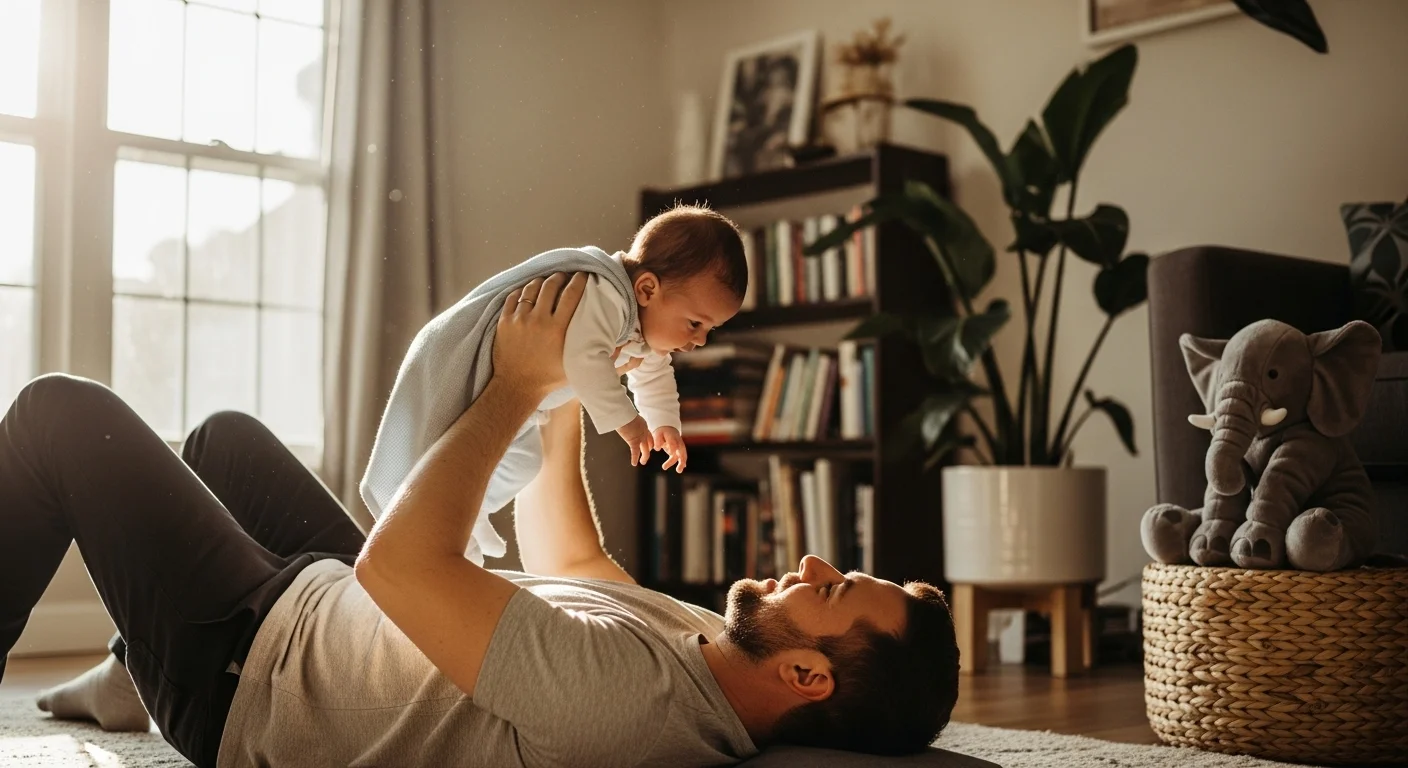
Understanding the Importance of Physical Activities for Newborns
As a new parent, I quickly learned that my tiny bundle of joy needed more than just feeding and diaper changes. Physical activities with my newborn provided a wonderful opportunity for us to connect, and I realized how vital these moments were for their development. Engaging in physical activities isn’t just about keeping them entertained; it plays a significant role in their growth, both physically and emotionally. Top 10 Fun Physical Bonding Activities for Newborns can provide you with more ideas.
Benefits of Physical Interaction
When I first began interacting physically with my baby, I noticed a spark of joy in their eyes. Simple actions like holding them close, gentle bouncing, or even playful tickling brought smiles that lit up my day. These interactions do more than create delightful moments—they contribute to their sensory development. Physical touch, in particular, enhances the baby’s sense of security and belonging. It’s fascinating how something as simple as skin-to-skin contact can stimulate their brain development. Studies have shown that children who receive plenty of positive touch tend to be calmer and more resilient.
Moreover, physical interaction fosters motor skills. I remember the first time I gently moved my baby’s arms in a playful manner. It was like a mini workout for them, helping them become aware of their own bodies. Activities that involve movement can enhance coordination and balance, setting the stage for future physical milestones. I felt proud knowing that our bonding moments were also paving the way for their physical capabilities. Strengthen Your Baby’s Attachment with Fun Activities offers additional insights into this process.
Impact on Bonding and Attachment
One of the most heartwarming aspects of engaging in physical activities is the deepening of our bond. I believe that every snuggle, every giggle, adds to the foundation of trust between us. When my baby sees my smiling face while we play, it’s as if they’re saying, “I’m safe; I’m loved.” This attachment is crucial. A strong bond fosters emotional security and helps them feel more confident in exploring the world around them.
Through simple games like peek-a-boo or gentle rocking, I noticed my baby responding more and more to my cues. It felt like we were having our own little conversation. This connection is vital in creating a secure attachment, which can positively affect their social skills as they grow older. The more I engaged in these activities, the more I felt our relationship flourish, which is something I treasure deeply.
Physical Development Milestones
As I watched my child grow, I became more attuned to the physical milestones they were reaching. I learned that engaging my newborn in various activities can actually help them achieve these milestones more effectively. For instance, tummy time, which I initially thought was just a way to let them lie down, became a powerful exercise. It helps strengthen their neck, shoulders, and back muscles, crucial for later skills like crawling and walking.
Not only that, but each time I placed my baby on their tummy, I watched as they struggled and then succeeded in lifting their head. That moment of triumph was as exhilarating for me as it was for them. It reinforced my belief in the importance of active engagement. I made it a point to incorporate various physical activities into our daily routine, and it became a joyful way to cheer them on as they reached each milestone. I realized that being involved in these moments was more than just fun; it was essential for their development.
Overall, the importance of physical activities in bonding with my newborn became increasingly clear. They not only promote physical growth and development but also strengthen the emotional connection between us. As parents, we should embrace these opportunities, savoring the moments of connection, play, and discovery. The journey of engaging with our newborns through physical activities is not just about play; it’s about laying the groundwork for a lifetime of love, support, and growth. I can’t wait to explore more activities with my little one, knowing that every moment spent together is a step toward a stronger bond and a brighter future for them. Easy Physical Bonding Activities Every New Parent Should Try can help you get started.
Safe and Fun Activities to Engage with Your Newborn
Tummy Time: Building Strength and Coordination
Tummy time is one of those activities that I initially thought was just a way to let my little one enjoy some time on their belly. However, I quickly learned it’s so much more than that! From my experience, tummy time is essential for building strength and coordination. I remember the first time we tried it; I placed my baby on a soft blanket on the floor, and I was amazed at how quickly they started trying to lift their head. Watching them struggle and then succeed was a proud moment for me.
I found that making tummy time fun is key. I would lie down on my stomach in front of my baby, making silly faces and sounds to keep their attention. I noticed that the more engaged I was, the more they seemed to enjoy it. I also incorporated toys with different textures and colors to encourage them to reach and move. This simple activity not only helped strengthen their neck and back muscles but also became a bonding experience for us. We laughed, played, and cheered together as they mastered this essential skill.
Gentle Massage Techniques for Relaxation
Another wonderful activity I discovered was giving my baby gentle massages. I think that this practice is not only calming but also strengthens our bond. I remember the first time I tried it—my little one was fussy, and I thought a massage might help. I used a little lotion and began with slow, gentle strokes on their arms and legs. Almost instantly, I could see them relax and melt into the moment.
Massage has so many benefits! It promotes better sleep, aids digestion, and helps with overall relaxation. I felt like I was making a positive impact on my baby’s well-being, which was incredibly rewarding. I often played soft music in the background to create a soothing environment. As I continued this routine, I noticed my baby started to recognize the massage as a special time between us, eagerly anticipating it after bath time. The connection we built through this simple act of touch is something I’ll cherish forever.
Baby Yoga: Flexibility and Connection
Baby yoga was another delightful discovery in our journey of physical activities. I was a bit skeptical at first, but once I tried it, I saw how much my baby enjoyed it. These gentle stretches were not only beneficial for their flexibility but also a fantastic way for us to connect. I remember the first class I attended; I was surrounded by other new parents, and the atmosphere was filled with laughter and joy.
During baby yoga, I’d mimic movements while supporting my baby, encouraging them to stretch and explore their body. Simple poses like “happy baby” and “cat-cow” were both playful and calming. I also loved how the instructor emphasized the importance of eye contact and smiles, which deepened our bond. I felt like we were both learning together, and it was incredibly fulfilling to be a part of this experience. Plus, it introduced me to a community of parents who shared similar experiences, which was a special bonus!
Playful Movements: Rocking and Swaying
Rocking and swaying are two of the simplest yet most effective activities I incorporated into our routine. I found that my baby loved to be gently rocked, whether in my arms or in a rocking chair. The soothing motion seemed to calm them and create a sense of security. I enjoyed taking the time to just hold them close, swaying back and forth, and I noticed how it helped them relax, especially during fussy moments.
As we swayed, I would sing softly or talk to them about our day. This not only engaged them but also filled the room with warmth and love. I felt like it was our own little world where we could connect through movement and sound. Sometimes, I’d use a blanket to create a fun and cozy environment, making it feel like an adventure. These moments of playful movement became some of my favorites, as they allowed us to bond while also supporting my baby’s physical development.
Incorporating Sensory Play into Physical Activities
Using Textures and Colors for Stimulation
One of the most exciting ways I found to engage my baby was through sensory play. I realized that incorporating different textures and colors into our physical activities not only stimulated their senses but also sparked their curiosity. For example, I gathered various soft toys, fabrics, and objects with different surfaces—like a fuzzy blanket, smooth balls, or crinkly paper. I would create a little sensory area where my baby could explore these items safely.
As my little one touched each texture, I noticed the wide range of expressions on their face. It was fascinating to see them react to the different sensations. I would encourage them to feel the toys and describe the textures to them. This not only helped with their sensory development but also expanded their vocabulary—albeit in baby talk! It felt rewarding to see my baby become more engaged as they discovered how each object felt and looked. I made sure to rotate the items regularly to keep things fresh and exciting for them.
Sound and Music for Engagement
Another dimension of sensory play that I loved was introducing sound and music. I remember when I first played soft tunes during our playtime. My baby’s eyes widened, and they seemed to be captivated by the melodies. I quickly learned that music has a magical way of bringing joy and calmness. I would sway them gently while singing lullabies or playing cheerful nursery rhymes. The combination of movement and sound was delightful for both of us!
In addition to music, I began using rattles and toys that made gentle sounds. It was amazing to see how my baby would track the noise with their eyes and turn their head towards the sound. This not only encouraged auditory development but also made our interactions more lively. I felt like we were creating our own little rhythm together, and it made our bond even stronger. I found that these playful moments filled with sound became some of the highlights of our day.
Water Play: Bath Time Activities
Bath time quickly turned into one of our favorite physical activity sessions. I always looked forward to this part of our routine because it was filled with giggles, splashes, and sensory exploration. I realized that playing with water was not just about getting clean; it was an opportunity for physical interaction and sensory play. I purchased a few colorful bath toys, which made it even more fun.
During bath time, I would let my baby splash their hands in the water and feel the different temperatures. I remember the first time I introduced a rubber duck. Watching them try to grab it and giggling when it floated away was pure joy. I would gently pour a small cup of water over their hands, and they would squeal with delight. These little activities not only kept them entertained but also helped develop their motor skills as they learned to grasp and splash.
To make it even more special, I would sing songs and make up stories about the toys we were using. It felt like we were on an underwater adventure together! I realized that bath time was not just a chore; it became a cherished ritual that we both looked forward to, turning mundane moments into magical experiences.
When to Start Engaging in Physical Activities
Age-Appropriate Activities for Newborns
As I navigated the world of parenting, I often wondered when it was appropriate to start engaging my newborn in physical activities. I learned that even the tiniest of movements were significant. From birth, babies are naturally inclined to move their arms and legs, and this is the perfect time to encourage more structured physical interaction. Activities like tummy time can begin as early as a few days old, gradually increasing in duration as they grow stronger.
By the time they are a few weeks old, I found that gently moving their arms and legs during playtime was beneficial. I introduced simple games like “airplane” where I would hold my baby’s arms out while pretending to fly. These little activities may seem basic, but they lay the groundwork for their physical development. It was exciting to see how my newborn was ready and eager to explore more as they approached the three-month mark.
Recognizing Your Baby’s Readiness
Every baby is unique, and I discovered that it’s essential to pay attention to their cues to determine when they are ready for specific activities. I learned to look for signs of engagement, like when my baby would smile or coo while I was playing with them. If they seemed fussy or uninterested, I knew it was time to switch gears or take a break. It’s all about following their lead!
As my baby grew, I noticed moments when they would try to reach for a toy or kick their legs excitedly. These were indicators that they were ready for more interactive play. I found that respecting their pace allowed our activities to be more enjoyable and productive. Engaging with my baby during these early stages was a beautiful journey of discovery, and I cherished each milestone along the way.
Creating a Safe Environment for Play
Choosing Safe Spaces for Activities
As I delved deeper into engaging with my newborn, creating a safe environment for play became one of my top priorities. I realized that the space we chose for our activities could significantly impact both the enjoyment and safety of our playtime. I often opted for a clean, soft surface like a play mat or a blanket laid out on the floor. This provided a comfortable area for tummy time, sensory play, and all sorts of fun interactions.
I also made sure to remove any potential hazards from the area. I would check for small objects or sharp edges to keep my baby safe. Additionally, keeping the room at a comfortable temperature helped ensure that our time together was enjoyable. Whether we were rolling around, playing with toys, or simply cuddling, having a secure space allowed us to focus on bonding and having fun without worrying about bumps or spills.
Essential Safety Tips for New Parents
Safety should always be at the forefront of our minds as new parents. I learned a few essential tips that made a big difference in our playtime experience. First and foremost, I always supervised my baby during physical activities. It was so easy to get lost in the moment, but I knew that keeping a watchful eye was crucial for their safety. I remember a time when we were trying out a new toy, and I was so engrossed in how much fun my baby was having that I almost missed the moment they began to reach for something they shouldn’t have. That taught me to stay alert!
Another safety tip I found useful was ensuring that the clothes my baby wore were comfortable and not too loose. I wanted to avoid any potential hazards like getting caught on toys or being a distraction during tummy time. I also made it a habit to check toys regularly for small parts or wear and tear, making sure everything was safe and age-appropriate. These small precautions helped me feel more at ease during our play sessions.
Parental Involvement: Joining in on the Fun
Engaging Siblings in Physical Activities
As we settled into our routine, I discovered how rewarding it could be to involve other family members, especially siblings. I noticed that my older child was eager to be a part of the action when it came to engaging with the baby. I invited them to join in on activities like tummy time, where they would cheer and clap whenever their sibling lifted their head. It was heartwarming to watch the bond between them grow as they played together.
We even created games where the older sibling could help introduce toys or sing songs during our physical activities. This not only made the baby smile but also gave the older sibling a sense of pride and responsibility. I found that including everyone in the fun fostered a family atmosphere of love and support. It became a cherished part of our daily routine that I believe both children will remember fondly as they grow.
Creating Routines for Bonding Time
Creating a routine around our physical activities helped solidify our connection as a family. I learned that consistency was key. We set aside specific times each day for play, whether it was after breakfast or before bedtime. This predictability not only gave my baby something to look forward to but also allowed me to carve out special moments for bonding.
During these times, I would engage in various activities that included gentle movements, sensory play, and even some quiet cuddle time. I found that as we established our routine, my baby started to recognize the cues that indicated it was playtime. Their excitement was contagious, and it made every moment feel even more special.
Using Props and Toys for Enhanced Interaction
To keep our play sessions engaging and dynamic, I began incorporating various props and toys. I discovered that colorful, textured toys could not only stimulate my baby’s senses but also enhance our interaction. Simple items like soft blocks, rattles, and fabric books became staples in our playtime. I remember how much my baby loved reaching for a brightly colored block, their little hands stretching out with determination.
Using props also allowed me to introduce concepts like colors and shapes in a playful manner. I would often describe what we were playing with, fostering my baby’s early learning while we interacted. It was amazing to see how quickly they responded to the toys and how engaged they became. This added a layer of excitement to our routine, making it feel fresh and fun every day.
Monitoring Your Baby’s Responses
Understanding Cues and Communication
As I continued this journey of engaging with my newborn, I learned to tune into their unique cues and communication styles. Babies have their own ways of expressing what they like or dislike. I found that paying attention to their reactions during playtime helped me understand their needs better. For instance, if my baby seemed to squirm or fuss during a particular activity, it was a sign that it might be time to switch things up.
Conversely, when I saw my baby smile or coo during tummy time or sensory play, it encouraged me to keep those activities in the mix. I often felt like we were having our own little conversation, one that was rich in understanding and connection. These moments of communication were invaluable, reminding me of the importance of being present and responsive.
Adjusting Activities Based on Your Baby’s Feedback
Flexibility became my mantra as I navigated our playtime adventures. I learned to adapt activities based on my baby’s feedback. If they seemed tired or overstimulated, I would transition to a quieter activity, like gentle rocking or reading a board book. On the other hand, if they were wide awake and curious, I would ramp up the energy with more interactive games.
This adaptability allowed our play sessions to be enjoyable and stress-free. I found that following my baby’s lead not only made them happier but also deepened our bond. Each adjustment felt like a collaborative effort, reinforcing the idea that we were exploring and discovering together. It was a beautiful realization that our playtime was not just about physical activities but also about nurturing our connection as a family.
Expert Advice and Resources
Consulting Pediatricians for Activity Recommendations
Throughout this journey, I found it immensely helpful to consult with our pediatrician regarding physical activities. They provided valuable insights and recommendations tailored to my baby’s age and developmental stage. I remember feeling reassured when discussing the activities we were enjoying, knowing I was on the right track. The pediatrician’s guidance helped me feel more confident in choosing safe and appropriate activities that would support my baby’s growth.
Books and Online Resources for New Parents
In addition to professional advice, I discovered a wealth of books and online resources dedicated to parenting and newborn development. I found myself engrossed in literature that offered tips and suggestions on playful activities, sensory experiences, and bonding techniques. Websites and forums filled with fellow parents sharing their stories and experiences were particularly reassuring and inspiring. These resources made me feel connected to a larger community, reminding me that I was not alone on this parenting journey.
Final Thoughts
Engaging with your newborn through physical activities is an incredible journey filled with joy and discovery. As I reflect on my experiences, I realize that these moments are more than just play; they are fundamental in shaping our child’s development and strengthening the bond we share. Each laugh, smile, and tiny accomplishment is a building block for a lifetime of love and support. I encourage every parent to embrace these opportunities, explore new activities, and cherish the time spent together. Every little interaction counts, and it’s in these moments that we truly grow as a family.
Frequently Asked Questions
Why are physical activities important for newborns?
Physical activities are essential for newborns as they support both physical and emotional development. Engaging in these activities fosters motor skills, strengthens bonds between parent and child, and contributes to sensory development.
What are some benefits of physical interaction with my baby?
Benefits of physical interaction include enhancing sensory development, fostering emotional security, and promoting motor skills. Activities like gentle bouncing and skin-to-skin contact can stimulate brain development and help babies feel calmer and more resilient.
How does engaging in physical activities impact bonding and attachment?
Engaging in physical activities deepens the bond between parent and child, fostering trust and emotional security. Activities like peek-a-boo and gentle rocking create a sense of safety and confidence in the baby, positively affecting their social skills as they grow.
What are some examples of effective physical activities for newborns?
Effective physical activities for newborns include tummy time, gentle massages, baby yoga, rocking and swaying, and sensory play with textures and sounds. These activities promote physical strength, coordination, and emotional connection.
When should I start engaging my newborn in physical activities?
Physical activities can begin as early as a few days after birth. Simple activities like tummy time and gentle movements can be introduced gradually as the baby grows stronger, typically becoming more interactive around the three-month mark.
How can I create a safe environment for newborn play activities?
To create a safe environment, choose clean, soft surfaces like play mats or blankets, remove potential hazards, and maintain a comfortable room temperature. Supervision during play is crucial to ensure the baby’s safety.
What safety tips should I keep in mind during physical activities?
Essential safety tips include supervising your baby at all times, ensuring their clothing is comfortable and not too loose, and regularly checking toys for safety. Being aware of your baby’s cues is also important for adjusting activities accordingly.
How can I involve older siblings in physical activities with the newborn?
Involving older siblings can be done by inviting them to join activities like tummy time, encouraging them to cheer for the baby, or letting them introduce toys and sing songs during play. This fosters family bonding and gives the older sibling a sense of responsibility.
How can I monitor my baby’s responses during playtime?
Monitoring your baby’s responses involves paying attention to their cues, such as smiles or fussiness, to gauge their enjoyment. Adjusting activities based on their feedback helps maintain a positive and engaging playtime experience.
What resources can I consult for activity recommendations for my newborn?
Consulting with pediatricians for tailored activity recommendations is helpful. Additionally, there are many books and online resources available that provide tips and suggestions for playful activities and bonding techniques for new parents.