
Play isn’t just a fun way for toddlers to pass the time; it’s a crucial part of their development. By engaging in play, children learn about the world around them and develop essential skills that set the stage for lifelong learning. Read Interesting article: Top 10 Budget-Friendly Games to Boost Toddler Learning
Understanding the Importance of Play in Toddler Development
As a parent, I’ve often marveled at how much my little one learns through play. It’s incredible to realize that those seemingly simple activities are actually building blocks for their cognitive, social, emotional, and physical development. When I observe my toddler playing, I see so much more than just fun; I see growth in action. Let’s dive into why play is so vital for toddlers.
Cognitive Development Through Play
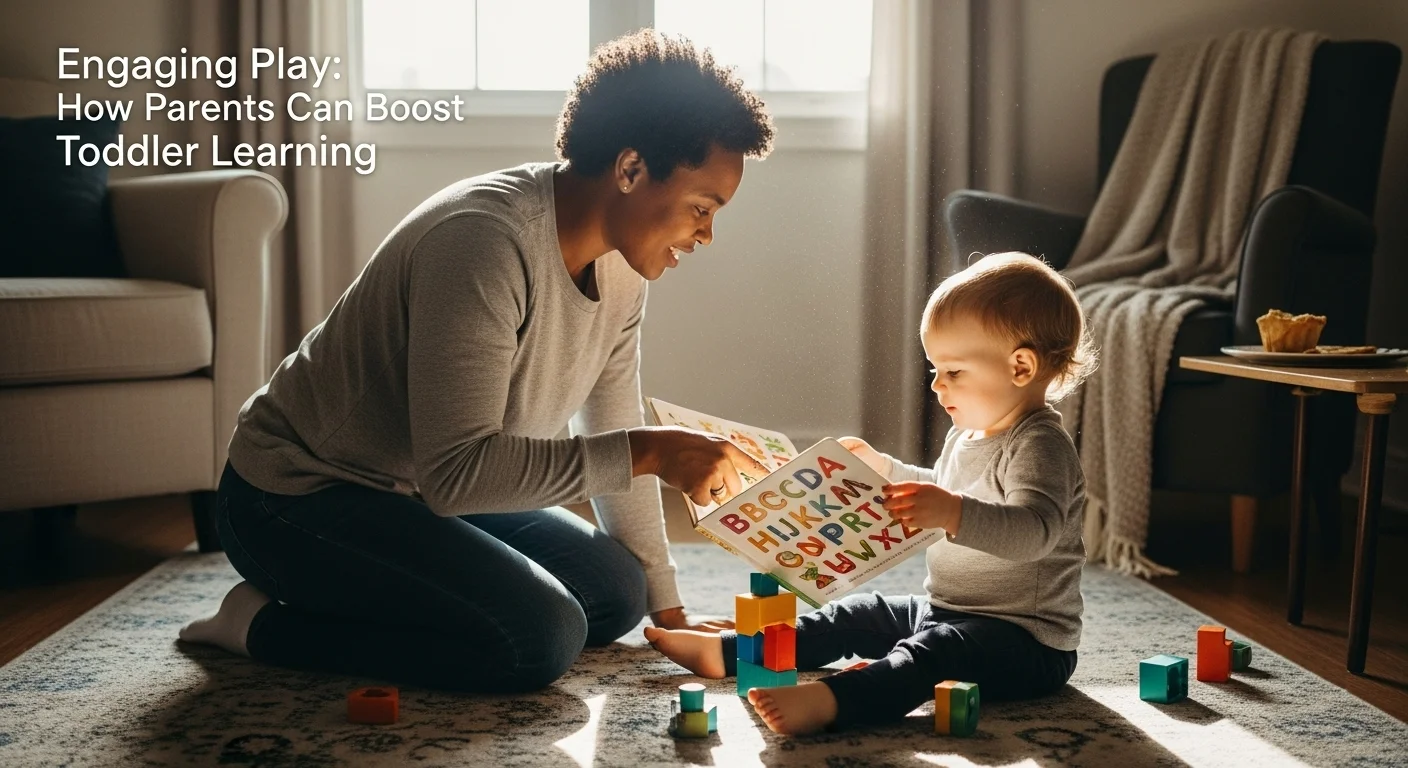
Cognitive development is all about how our children think, explore, and figure things out. It’s fascinating to watch how my child engages with toys and activities, often in ways that spark curiosity and critical thinking. When my toddler builds a tower with blocks, I notice not just the joy in stacking but also the problem-solving skills in figuring out how to balance those blocks without toppling over. Through play, they are learning about cause and effect, spatial awareness, and even basic math concepts, like counting and patterns.
Imaginative play, like pretending to cook or being a superhero, also plays a huge role in cognitive growth. I’ve seen how my child’s imagination runs wild during these activities, leading to storytelling and creativity. This kind of play encourages them to think outside the box, ask questions, and explore possibilities. In my opinion, encouraging these kinds of play experiences is essential, as it lays the groundwork for their future learning and understanding of complex concepts. Read Interesting article: Unlocking Adventure: Play-Based Learning for Toddlers
Social Skills and Emotional Growth
Play isn’t just about learning academics; it’s also a fantastic way for toddlers to develop social skills. I remember when my child had the chance to play with other toddlers at a playgroup. It was amazing to witness them share toys, take turns, and even negotiate who would play what role in their pretend games. These interactions are crucial for developing empathy, collaboration, and communication skills. I believe that when children play together, they learn to express their feelings and understand the emotions of others, which is incredibly important as they grow.
Furthermore, play provides a safe space for toddlers to express their emotions. During dramatic play, for instance, my child often mimics real-life situations, allowing them to process feelings and experiences. This kind of role-playing helps them develop emotional regulation and resilience. Observing my child navigate through these emotional scenarios has shown me how vital it is for them to have opportunities to explore and express their feelings through play.
Physical Development and Motor Skills
When I think about physical development, I can’t help but think of all the energetic play my toddler engages in daily. From running and jumping to climbing and dancing, these activities help develop gross motor skills. I’ve seen firsthand how important it is for toddlers to move freely and explore their physical capabilities. When my child runs around in the park or climbs the jungle gym, they are not just having fun; they are building strength, coordination, and balance.
Fine motor skills are equally important, and I’ve discovered that activities like drawing, playing with playdough, or even simple puzzles can significantly enhance these skills. As my child learns to manipulate small objects, it’s fascinating to watch their dexterity improve. For me, providing opportunities for both types of motor skill development through engaging play is essential to ensure my toddler grows strong and capable.
In my experience, the best part about play is that it doesn’t feel like a chore for my child. It’s all about exploration, joy, and learning. Engaging play is a powerful tool for their development, and as parents, we have the opportunity to encourage and facilitate this growth. By understanding the importance of play in the areas of cognitive, social, emotional, and physical development, we can create an environment that supports our toddlers as they learn and grow in these essential ways.
Types of Engaging Play Activities
As I’ve explored the significance of play in toddler development, I’ve also come to appreciate the variety of engaging play activities available. Each type serves a unique purpose, providing different benefits that contribute to my child’s growth. I find it exciting to mix and match these activities, ensuring my toddler stays engaged while developing essential skills. Here are some types of play activities I’ve discovered that can truly spark joy and learning in little ones.
Creative Play: Art and Imaginative Activities
Creative play is one of my absolute favorites when it comes to engaging my toddler. I love setting up art supplies like crayons, markers, and paints. There’s something magical about watching my child express themselves through colors and shapes. I remember the first time I gave my little one a blank canvas; it was like opening a door to a world of imagination. They created a swirling rainbow that I still cherish as a keepsake.
Imaginative activities, like pretending to be animals or characters from their favorite stories, are also wonderful for cognitive and emotional development. I often join in the fun, which not only strengthens our bond but also enhances their storytelling skills. I believe that this type of play allows toddlers to explore their emotions and understand the world around them in a safe and fun way. Read Interesting article: Playful Learning: Boost Toddler Language Skills on a Budget
Construction Play: Building Blocks and Puzzles
Construction play has become a staple in our home. I’ve seen how my toddler can spend hours stacking blocks, sometimes building towering structures, and other times creating whimsical designs. Every time we play with blocks, I notice how they learn about balance and gravity. It’s amazing how much they grow their spatial awareness and problem-solving skills through this play.
Puzzles are another fantastic option. I’ve found that working on puzzles together not only fosters patience but also enhances fine motor skills. The moment my child fits a piece into place, their face lights up with pride. It’s heartwarming to witness those little victories that build their confidence. I’ve learned that these types of construction activities can be both soothing and stimulating, catering to various moods my child may have.
Nature-Based Play: Outdoor Exploration
One of the most fulfilling experiences has been engaging in nature-based play. I remember the first time we ventured into a nearby park for an exploration day. My toddler was thrilled to discover different textures, colors, and sounds. Collecting leaves, watching birds, and feeling the grass beneath their feet opened up a whole new world of sensory experiences.
I often encourage outdoor activities like digging in the dirt or playing in a sandbox. These moments allow my child to connect with nature and develop a sense of curiosity about the environment. I believe that outdoor play fosters not only physical development through running and jumping but also an appreciation for the natural world. Plus, it’s a wonderful way for us to bond and create lasting memories together.
Role-Playing: Dress-Up and Pretend Play
Role-playing is a delightful way for toddlers to explore different roles and scenarios. I absolutely love the moments when my child puts on a cape and declares themselves a superhero. Watching them dive into these pretend adventures is not only entertaining but also essential for their social development. I find that role-playing helps toddlers understand various social roles and relationships, which is a critical part of emotional growth.
Dress-up costumes, whether it’s a pirate, a doctor, or a fairy, offer endless possibilities for imaginative play. I love joining in and playing different roles alongside them. These activities allow my child to express their feelings and experiment with various social situations in a safe and fun environment. It’s fascinating to see how they navigate these scenarios, learning how to communicate and empathize with others.
Interactive Play: Games and Toys that Encourage Interaction
Interactive play is another area where I’ve seen my child thrive. Games that require participation, whether it’s simple board games, card games, or interactive toys, encourage cooperation and turn-taking. I’ve noticed how these games help my toddler understand rules and develop a sense of fair play. The laughter and excitement during these moments are priceless.
I also love incorporating toys that promote interaction, such as puppets or playsets. These tools can lead to storytelling and creative play, as my child brings different characters to life. It’s heartwarming to see them engage with others, whether it’s friends or family, as they share their imaginative stories. Interactive play is a wonderful way to build social skills while keeping playtime lively and enjoyable.
In my experience, engaging play activities are essential for toddler development. They provide opportunities to learn, grow, and connect with the world around them. By incorporating various types of play into our routine, I feel like I’m giving my child the best chance to thrive as they explore their interests and develop essential life skills. As we continue to play together, I look forward to seeing how these activities shape their growth and learning journey.
How Parents Can Facilitate Engaging Play
As I’ve learned more about the importance of play in my toddler’s development, I’ve realized that there are many ways we, as parents, can facilitate engaging play. It’s not just about providing toys; it’s about creating an environment where play can flourish and be meaningful. Here are some strategies I’ve found useful in nurturing my child’s play experiences.
Creating a Learning-Friendly Environment
Creating a learning-friendly environment starts at home. I’ve noticed that when my toddler has a designated play area filled with various engaging options, their creativity can run wild. I try to keep the space organized with easy access to their toys. I’ve discovered that rotating toys can keep things fresh and exciting. For instance, I’ll put some toys away for a week and then bring them back out later. It’s like rediscovering old friends!
Additionally, I make sure the environment is safe and inviting. Soft rugs, accessible shelves, and safe play equipment help my child feel comfortable exploring. I’ve realized that when they feel secure, they’re more willing to experiment and dive into imaginative play. It’s all about making the space conducive to exploration and creativity.
Choosing the Right Toys and Materials
When it comes to toys, I’ve learned that quality often outweighs quantity. I focus on selecting toys that are open-ended and encourage imagination. Building blocks, art supplies, and sensory materials like playdough have been some of my favorites. These types of toys not only enhance play but also promote problem-solving and creativity. For me, it’s about providing a variety of materials that inspire different kinds of play.
I also pay attention to my child’s interests. If they show enthusiasm for animals, I might get them a set of animal figurines or books about wildlife. This way, I’m supporting their passions while enhancing their playtime. I believe that when children feel connected to their toys, they engage with them more meaningfully.
Setting Aside Dedicated Playtime
One of the best decisions I made was to set aside dedicated playtime in our daily routine. By blocking off specific times for play, I’ve noticed that both my child and I look forward to these moments. It gives us a chance to fully immerse ourselves in play without distractions. I often put my phone away, and we focus on creating fun experiences together.
During these play sessions, I try to be actively involved. Whether it’s building a fort, playing dress-up, or creating art, I find that my participation encourages my child even more. It enhances our bond and also allows me to observe their interests and developmental progress. For us, dedicated playtime has become a cherished part of our day.
Encouraging Open-Ended Play
I believe that open-ended play is one of the most enriching forms of engagement for toddlers. This type of play allows children to use their imagination without specific instructions or outcomes. I’ve seen how my toddler thrives when given the freedom to explore. For example, when I provide materials like cardboard boxes, they can transform them into anything from a spaceship to a castle. The possibilities are endless!
Encouraging open-ended play also means being comfortable with messiness. I’ve learned to embrace the chaos that sometimes accompanies creative play. Whether it’s paint splatters or scattered building blocks, I find that these moments lead to some of the most genuine and imaginative experiences. It’s all part of the journey of discovery, and I wouldn’t trade those spontaneous moments for anything.
Overall, I think it’s essential for parents to actively facilitate engaging play. By creating a supportive environment, choosing thoughtful toys, dedicating time for play, and promoting open-ended activities, we help our toddlers flourish. I’ve discovered that these practices not only enhance our child’s development but also foster a joyful and playful atmosphere in our home.
Incorporating Learning into Playtime
As I’ve become more aware of the importance of play, I’ve also found exciting ways to incorporate learning into our playtime. It’s incredible how educational experiences can blend seamlessly with fun activities. Here are some strategies I’ve implemented to bring learning into our play.
Using Educational Games and Apps
With technology becoming a part of our lives, I’ve discovered that educational games and apps can be beneficial for toddlers. I always look for apps that are designed to stimulate learning in areas like numbers, letters, and problem-solving. For example, interactive games that involve counting or shape recognition can be a fun way for my child to learn while playing. I try to keep screen time balanced, using these resources as a supplement to hands-on activities.
Integrating Learning into Daily Routines
I’ve found that learning doesn’t have to be confined to specific playtimes. Simple tasks can become learning experiences. For instance, while cooking together, I’ll talk about measurements, colors, and even the science of how ingredients change. My toddler loves to help in the kitchen, and it’s a great way to introduce basic math and science concepts while we bond over food preparation.
Storytime and Language Development
Storytime has always been a special time in our household. I’ve noticed that reading together not only enhances my child’s language skills but also sparks their imagination. I try to choose books that are age-appropriate and engage them in discussions about the stories. Asking open-ended questions about the characters or plot encourages critical thinking and language development. It’s heartwarming to see my child get excited about reading, knowing that it’s a foundation for their future learning.
Math and Science Concepts Through Play
Incorporating math and science into play has become a favorite approach of mine. Simple activities like sorting toys by color, counting blocks, or measuring during art projects can instill basic math concepts. I’ve found that playing with water and sand allows my child to explore scientific principles like volume, buoyancy, and even gravity. It’s fascinating to watch them experiment and learn through these hands-on experiences.
By blending learning into playtime, I’ve seen firsthand how my toddler’s understanding of the world grows. It’s a joyful journey filled with laughter and discovery, and as a parent, I feel grateful for the opportunity to guide them through these experiences.
Frequently Asked Questions
Why is play important for toddler development?
Play is crucial for toddler development as it helps children learn about the world, develop essential cognitive, social, emotional, and physical skills that form the foundation for lifelong learning.
How does play contribute to cognitive development in toddlers?
Through play, toddlers engage in activities that spark curiosity and critical thinking, such as building with blocks or imaginative play. These activities help them learn about cause and effect, spatial awareness, and basic math concepts.
What social skills do toddlers develop through play?
Play helps toddlers develop social skills by encouraging them to share, take turns, and negotiate roles during play. These interactions enhance their empathy, collaboration, and communication skills.
In what ways does play support emotional growth in toddlers?
Play provides a safe space for toddlers to express emotions through role-playing, which helps them process feelings and develop emotional regulation and resilience.
What types of physical development occur through play?
Engaging in physical play activities, such as running, jumping, and climbing, helps toddlers develop gross motor skills. Additionally, fine motor skills are enhanced through activities like drawing and solving puzzles.
What are some examples of creative play activities?
Creative play activities include art and imaginative activities, such as drawing, painting, and pretending to be animals or characters. These activities allow toddlers to express themselves and enhance their storytelling skills.
How can parents create a conducive play environment at home?
Parents can create a learning-friendly environment by organizing a designated play area with easy access to toys, ensuring safety, and rotating toys to keep play engaging and exciting.
What types of toys are best for encouraging engaging play?
Quality, open-ended toys that encourage imagination, such as building blocks, art supplies, and sensory materials, are ideal for promoting engaging play and enhancing problem-solving skills.
How can parents incorporate learning into playtime?
Parents can incorporate learning into play by using educational games and apps, integrating learning into daily routines, engaging in storytime, and incorporating math and science concepts into play activities.
Why is open-ended play important for toddlers?
Open-ended play allows children to use their imagination freely without specific instructions, fostering creativity and exploration while helping them navigate messiness and spontaneity in their play experiences.