
Reading while traveling can turn every journey into an adventure. For young backpackers, engaging with books not only fuels their imagination but also enhances their experiences on the road. Read Interesting article: Engaging Educational Toys for Budget Backpackers with Kids
Understanding the Importance of Reading for Young Backpackers
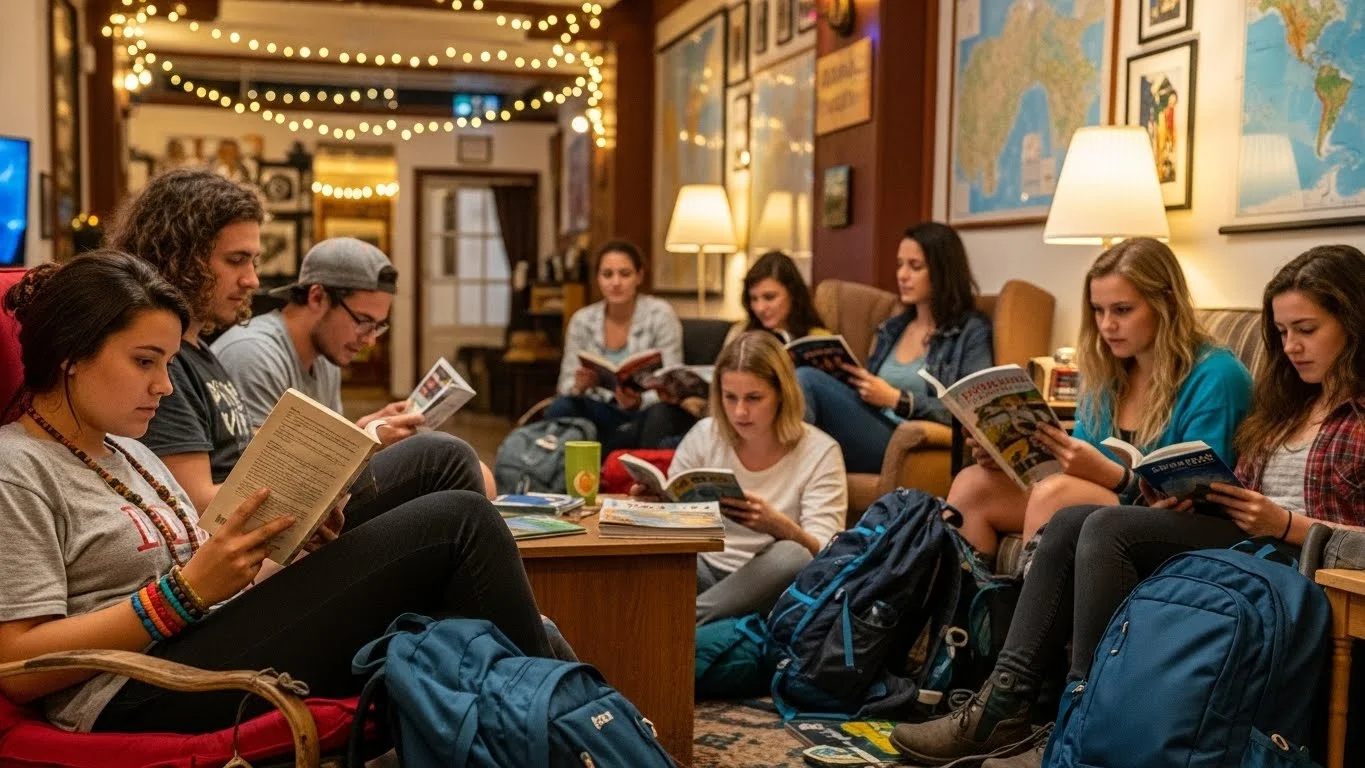
As someone who has always cherished the blend of travel and literature, I believe reading can transform the journey for young backpackers. It opens their eyes to new cultures, ideas, and places, making each destination more than just a spot on the map. I’ve witnessed first-hand how a good book can spark conversations, inspire curiosity, and create lasting memories for kids on the go.
Benefits of Reading While Traveling
When young backpackers immerse themselves in stories, they engage their minds in ways that enhance their travels. I’ve found that reading helps children develop empathy; they step into the shoes of characters from diverse backgrounds. This emotional connection can make them more open to meeting new people during their adventures. Plus, reading can be an incredible tool for learning. I noticed that kids often remember the facts and lessons learned through stories far better than they do through traditional education methods.
Reading also helps pass the time during long journeys. I remember a particularly long bus ride where my kids got lost in a fantastical world, and before we knew it, we had arrived at our destination, without the usual complaints of boredom. Books can also serve as a source of comfort in unfamiliar places. The familiar act of reading can ground young travelers when they’re feeling homesick or overwhelmed. Read Interesting article: Budget Backpacking: Fun Learning Activities for Kids on the Go
Choosing Age-Appropriate Books
Finding the right books for young backpackers is crucial. I always look for titles that match their age and interests. I’ve learned that engaging stories are more likely to keep them hooked. For younger children, picture books with vibrant illustrations are often irresistible. As they grow, I find that chapter books or middle-grade novels—filled with adventure or relatable characters—tend to captivate their attention. I also believe in letting them choose their own books when possible. This empowers them and makes reading feel more like a fun adventure rather than a chore.
In my experience, it’s also valuable to include books that relate to the cultures or regions we’re visiting. For example, when we traveled through Italy, I found a charming book about a little girl exploring Rome. It not only entertained my children but also prepared them for what they would see. I think weaving literature into our travel experiences can make the journey even more impactful.
Types of Engaging Reading Activities
Storytelling Sessions
One of my favorite activities is holding storytelling sessions in the evenings. After a long day of hiking or exploring, I gather the family around a campfire or in our cozy tent and encourage everyone to share stories. Sometimes, we use books as a starting point for our tales, adding our twists and turns. I’ve noticed that this not only brings us closer together but also enhances our creativity. Kids love the chance to contribute their ideas, and I often find that their stories are filled with wonder and excitement.
Reading Aloud in Groups
Another engaging activity is reading aloud as a group. I’ve found that when everyone takes turns reading, it not only builds confidence in young readers but also fosters a sense of community. We often choose books that have elements of adventure or suspense, which keeps everyone on the edge of their seats. I’ve seen how this shared experience can spark discussions and deepen our understanding of the story. It’s an enjoyable way to wind down after a day of exploration and to bond as a family.
Book-Themed Scavenger Hunts
One of the most exciting activities we’ve done is a book-themed scavenger hunt. Before our trip, I create a list of items or scenes from a book we’re reading. As we travel, the kids hunt for these elements in real life. For example, if we’re reading a story set in a forest, they might look for specific types of trees or animals mentioned in the book. This not only makes the reading experience interactive but also encourages them to pay attention to their surroundings. I can’t tell you how thrilled they were to spot a deer after reading about one in their story!
Interactive Reading Journals
Keeping an interactive reading journal has been another fantastic way to engage young backpackers. I encourage my kids to jot down their thoughts, favorite quotes, or even draw scenes from the books they read. This simple act of writing and reflecting helps them process the stories and relate them to their own experiences. I love looking back at their journals and seeing how their views and interpretations evolve over time. It’s like creating a personal treasure trove of memories tied to our travels.
Recommended Reading Materials for Young Backpackers
Adventure and Travel Books
I can’t stress enough how much adventure and travel books can ignite a sense of wanderlust in young backpackers. When my kids read stories about explorers or journeys to far-off places, their eyes light up with excitement. I remember reading “The Phantom Tollbooth” with them, which not only entertained but also expanded their imagination about the places they could explore. Books like this can serve as inspiration, encouraging them to see the world not just as it is, but as it could be through the lens of adventure.
Another favorite of ours is “The Wild Robot” by Peter Brown. This story of a robot stranded on an island not only introduces them to themes of survival and nature but also highlights the beauty of the unknown. I’ve noticed that after reading such books, my kids are more curious about their surroundings and eager to experience the world firsthand. They often ask insightful questions about the places we visit, making their travel experience richer.
Local Folklore and Mythology
Diving into local folklore and mythology is another great way to enrich our travels. I find that reading tales from the regions we visit helps the kids connect with the culture on a deeper level. For instance, during our trip to Greece, we read stories about Greek gods and heroes. This not only entertained but also gave them context for the ancient ruins we explored. I’ve found that when they encounter these stories in person, it adds a layer of magic to the experience.
One delightful book I came across is “The Girl Who Drank the Moon” by Kelly Barnhill. While it’s a fictional tale, it beautifully weaves in elements of folklore that resonate with various cultures. I believe that immersing young travelers in these rich narratives can help them appreciate the traditions and values of the places they visit, making their journey more meaningful. Read Interesting article: Top Destinations for Breastfeeding-Friendly Backpackers
Nature and Wildlife Guides
When it comes to outdoor adventures, nature and wildlife guides are essential companions for young backpackers. I always make sure to pack a few guides related to the flora and fauna of the areas we’re exploring. When we traveled to the national parks, I brought along a field guide that helped my kids identify different plants and animals. I remember their excitement when they recognized a bird or a flower they had previously read about. It felt like a treasure hunt, and they were eager to learn more as we trekked through the wilderness.
Books like “National Geographic Kids: Birds” are colorful and packed with fascinating facts that can captivate young minds. I’ve noticed that this type of reading not only enhances their understanding of the environment but also instills a sense of responsibility towards nature. It’s rewarding to see them become little ambassadors for wildlife, sharing what they’ve learned with family and friends.
Books on Cultural Diversity
Books that celebrate cultural diversity are wonderful tools for opening up conversations about differences and similarities. I find that introducing my children to stories from various cultures fosters empathy and understanding. One book that stood out during our travels is “Same, Same But Different” by Jenny Sue Kostecki-Shaw, which beautifully illustrates the lives of children from different parts of the world.
These stories can serve as a bridge, helping my kids relate to others and appreciate different ways of life. I’ve seen them become more curious and respectful towards the diverse people we meet while traveling. Reading about various cultures not only broadens their horizons but also encourages them to embrace what makes each place unique.
Creating a Cozy Reading Environment on the Go
Setting Up a Reading Nook in Tents
Creating a cozy reading nook in our tent has become one of our favorite rituals while camping. I always try to set it up in a way that makes it inviting, using blankets and pillows to make it comfortable. I remember our last camping trip, where we had a little corner lit by fairy lights. It transformed our tent into a magical reading space. The kids would curl up with their books after dinner, and I cherished those moments of quiet, shared exploration.
Sometimes, I even bring a portable speaker to play soft music in the background while we read. It adds a calming atmosphere that makes the stories feel even more magical. I believe that creating a special reading nook, no matter how small, can make the experience feel unique and memorable, encouraging them to dive into their books.
Choosing the Right Backpack for Books
When it comes to traveling with books, having the right backpack is crucial. I learned the hard way that not all backpacks are created equal. I’ve found that a backpack with a dedicated section for books helps keep them safe from getting crumpled or damaged while we’re on the move. I often go for lightweight, yet sturdy options that can easily fit in our camping gear.
It’s also a plus if the backpack has side pockets for water bottles and other essentials, making it easier to grab a book without having to dig through the entire bag. I remember when I invested in a backpack with good compartmentalization; it made a world of difference during our travels. My kids could easily access their stories, and we didn’t have to worry about losing a beloved book along the way.
Using Portable Reading Lights
Portable reading lights have been a game changer for us during our travels. After sunset, when the world outside our tent falls quiet, there’s something special about snuggling up with a good book. I purchased a couple of compact, rechargeable reading lights that can clip onto the book or the tent. I remember the first night we used them; my kids were so excited to read under the soft glow. It made our reading time feel like an adventure in itself.
These lights are especially useful during long camping trips, where natural light isn’t always available. I’ve found that having a reliable light source allows us to enjoy stories no matter the time of day. Plus, it’s a comfort to have that little piece of home with us, making even the darkest nights feel cozy and inviting.
Incorporating Technology in Reading Activities
Using E-Readers and Tablets
As someone who loves the feel of a book in my hands, I never thought I’d be a fan of e-readers or tablets. However, I discovered their immense value while traveling with my kids. Packing a few e-books on a lightweight device can save a lot of space in our backpacks, especially on longer trips. I remember our last family vacation when we were flying to a distant destination—bringing along physical books would have been cumbersome, but with our e-reader, we had access to a whole library at our fingertips!
One of the best features of e-readers is that they’re adjustable for reading in different lighting conditions. I’ve noticed how my kids appreciate being able to read even in low light, like during a late-night camping trip. Plus, many e-readers have built-in dictionaries, which makes it easy for them to look up unfamiliar words. I believe this not only enhances their vocabulary but also encourages them to tackle more challenging texts.
Accessing Audiobooks and Podcasts
Audiobooks have become a staple in our family travels, and I can’t recommend them enough. On long drives or train rides, listening to a captivating story can transform the experience. I remember one road trip where we listened to “Harry Potter and the Sorcerer’s Stone.” My kids were glued to the story, and it sparked countless discussions about the characters and plot twists. It felt magical to share that experience together.
Podcasts are another fantastic way to incorporate storytelling into our travels. There are so many family-friendly podcasts that explore everything from history to science, often in an engaging and fun way. I enjoy finding podcasts related to our travel destinations. For example, before visiting a new city, I’ll download episodes that discuss its history or cultural significance. It’s a great way for my kids to learn about where we’re headed and get excited about our adventures.
Educational Apps for Young Readers
Technology has opened up a world of educational apps that can make reading even more interactive. I’ve found a few that really capture my kids’ interest. Some apps turn reading into a game, where they can earn rewards for completing chapters or quizzes related to their books. I remember downloading an app that complemented the book “Where the Red Fern Grows.” After finishing the story, the kids dove into a series of quizzes and activities that reinforced the themes and characters they had just read about. They were having fun while learning, and I couldn’t have been happier!
Additionally, many apps offer guided reading sessions that can help improve their reading skills. I believe that blending technology with reading can be a great way to engage young backpackers, especially in a world where screens are so prevalent. It’s all about finding the right balance and ensuring that the technology enhances their reading experience rather than replace traditional books.
Engaging Group Activities and Discussions
Book Clubs for Young Travelers
Having a book club on the road has been one of the highlights of our travels. I organize informal gatherings with my kids where we pick a book to read together. These book clubs usually happen during downtime at campsites or while waiting for transport. I encourage them to share their thoughts on the story, characters, and any connections they feel with the narrative or themes. I’ve noticed that these discussions not only deepen their understanding of the book but also help them articulate their feelings and opinions.
To keep things lively, I sometimes incorporate themed snacks or activities related to the book we’re reading. For example, while reading “The Secret Garden,” we had a picnic with flower-themed treats. This approach makes the experience even more memorable and ties food, reading, and family bonding together in a fun way.
Creative Writing Workshops
I’ve always encouraged my kids to express themselves creatively, and while traveling, we sometimes hold mini writing workshops. After reading a few chapters from a book, we challenge each other to write our own stories inspired by what we’ve read. I love seeing the unique ideas they come up with! These workshops can happen anywhere—at a park, in our tent, or even at a café during a break. It’s a wonderful way for them to process the stories they’ve encountered while allowing their imaginations to run wild.
What makes it even more special is that we can share our stories with each other afterward. It’s amazing how much their confidence grows when they see that their words can create new worlds. I truly believe that these workshops not only enhance their writing skills but also strengthen our family bond through shared creativity.
Sharing Stories from Different Cultures
Traveling provides a unique opportunity to connect with people from various backgrounds, and I love weaving this into our reading experiences. I encourage my kids to share stories they’ve learned about different cultures, whether from the books we read or from conversations with locals. It helps them see the world through different lenses and appreciate the diversity of experiences.
One particularly memorable moment was during a trip to Morocco. We had been reading about the country’s rich history and traditions. After meeting a local storyteller who shared folktales from the region, my kids were inspired to write their own stories influenced by what they had learned. They were so eager to connect their reading with real-life encounters, making the stories resonate even more.
I believe that encouraging them to share and reflect on these experiences fosters not just empathy but also a deeper appreciation for cultural diversity. It’s a beautiful way to enrich our travels and make reading a bridge to understanding the world around us.
Frequently Asked Questions
Why is reading important for young backpackers?
Reading is important for young backpackers because it fuels their imagination, enhances their travel experiences, and opens their eyes to new cultures and ideas. It can spark conversations, inspire curiosity, and create lasting memories.
What are some benefits of reading while traveling?
Reading helps pass the time during long journeys, develops empathy by allowing children to step into the shoes of diverse characters, and serves as a source of comfort in unfamiliar places. It also aids in learning and retention of facts through engaging stories.
How can I choose age-appropriate books for young backpackers?
Choosing age-appropriate books involves selecting titles that match the child’s interests and developmental stage. For younger children, picture books are ideal, while older children may prefer chapter books or middle-grade novels. Allowing children to choose their own books also makes reading feel more like a fun adventure.
What are some interactive reading activities for young travelers?
Engaging activities include storytelling sessions around a campfire, group reading aloud to build confidence and foster community, book-themed scavenger hunts to connect stories with real-life experiences, and keeping interactive reading journals to reflect on their thoughts and learnings.
What types of books are recommended for young backpackers?
Recommended books include adventure and travel stories that ignite wanderlust, local folklore and mythology to connect with cultures, nature and wildlife guides for outdoor exploration, and books celebrating cultural diversity to foster empathy and understanding.
How can I create a cozy reading environment while traveling?
Creating a cozy reading environment can be done by setting up a reading nook in tents with blankets and pillows, choosing the right backpack with a dedicated section for books, and using portable reading lights to facilitate reading in low-light conditions.
What technology can enhance reading activities for young backpackers?
Technology can enhance reading activities through e-readers and tablets for easy access to multiple books, audiobooks and podcasts for storytelling during travels, and educational apps that make reading interactive and fun while reinforcing learning through games and quizzes.
How can group activities strengthen reading experiences for young travelers?
Group activities like informal book clubs and creative writing workshops can deepen understanding of stories, encourage expression and creativity, and facilitate discussions about themes and characters, enhancing the overall reading experience during travels.
What is the value of sharing stories from different cultures during travel?
Sharing stories from different cultures helps children see the world through various lenses, fosters empathy, and enriches their understanding of cultural diversity. It connects their reading experiences with real-life encounters, making the stories resonate more deeply.
How can reading transform the travel experience for kids?
Reading transforms the travel experience for kids by enhancing their engagement with different cultures, providing comfort in unfamiliar environments, and sparking curiosity about their surroundings, ultimately making their journeys more meaningful and memorable.