
STEM education is more than just science and math; it’s about igniting curiosity and fostering creativity! As parents, we can play a vital role in our children’s STEM journey, and I can’t wait to share some engaging tools and insights that will help us along the way. Read Interesting article: Ultimate Guide to STEM Resources for Parents and Kids
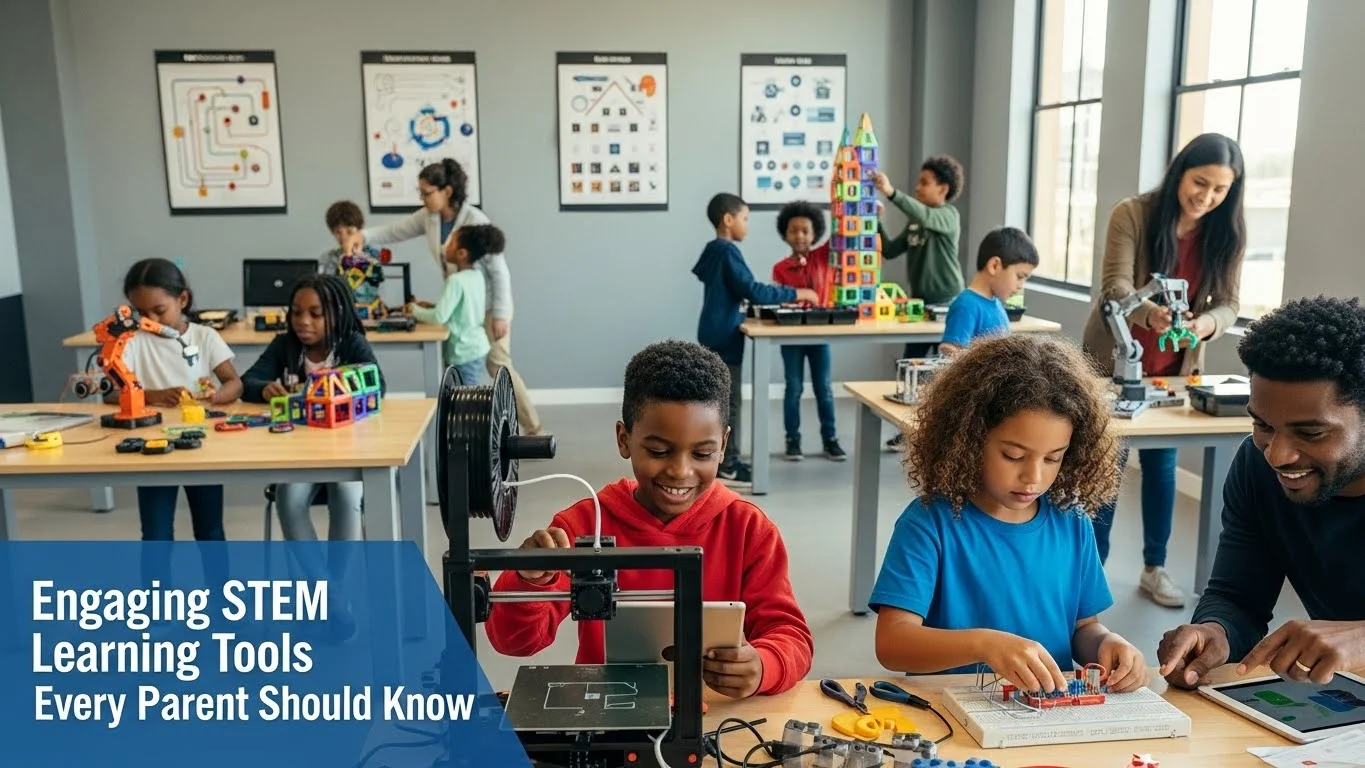
Understanding STEM Education
What is STEM?
STEM stands for Science, Technology, Engineering, and Mathematics. It’s an educational approach that integrates these four disciplines into a cohesive learning paradigm. I remember when I first stumbled upon STEM concepts; it was like a light bulb went off in my head! It’s not just about memorizing facts or formulas but about problem-solving, critical thinking, and applying knowledge to real-world situations. In my experience, when kids engage with STEM, they learn to ask questions, test ideas, and think creatively.
The Importance of STEM Learning for Children
Emphasizing STEM education in childhood can have profound impacts on a child’s development. I truly believe that by engaging in STEM activities, children cultivate essential skills such as analytical thinking and logical reasoning. For instance, when my child built a simple bridge using popsicle sticks, I saw how they applied physics concepts, tested their design, and learned from their mistakes. This hands-on experience not only made learning fun but also reinforced concepts they were learning in school.
Moreover, STEM education prepares children for the future job market. Many of the fastest-growing careers today are in STEM fields. I often reflect on how crucial it is for our kids to be well-versed in these areas. The skills they develop will not only help them academically but also equip them for a world that increasingly depends on technology and innovation. Read Interesting article: Budget-Friendly STEM Activities for Kids at Home
The Role of Parents in STEM Education
As parents, we have a unique opportunity to influence our children’s interest in STEM. I’ve found that simply encouraging curiosity and exploration can spark a lifelong passion for learning. Engaging with our kids in STEM activities not only strengthens our bond but also shows them that we value education. I remember spending afternoons doing science experiments in the kitchen, and those moments fostered a love for discovery in my children.
Additionally, we can provide resources and tools that make STEM subjects more approachable. Whether it’s signing up for a coding class or buying a DIY robotics kit, our involvement sends a message that learning is important. I’ve noticed that when we actively participate in their learning, it builds their confidence and helps them feel more capable.
Types of STEM Learning Tools
Hands-On Kits and Projects
Hands-on kits are fantastic for sparking interest in STEM. They provide a tangible way for kids to explore concepts. I’ve seen my kids light up when they receive a new kit, whether it’s building a model rocket or creating a mini wind turbine. These projects not only teach them about engineering and physics but also encourage creativity. They get to see their ideas come to life, which is incredibly rewarding!
Online Platforms and Courses
In today’s digital age, online platforms and courses are invaluable. Websites like Khan Academy and Coursera offer courses that cater to various age groups. My kids have enjoyed exploring coding through platforms like Code.org, where they can learn at their own pace. I feel that the flexibility of online learning allows them to dive deeper into subjects they’re passionate about, and they often surprise me with what they’ve learned on their own!
Mobile Apps for STEM Learning
Mobile apps can make learning fun and interactive. There are so many apps available that cover everything from math puzzles to science experiments. I recently downloaded a coding game for my kids, and it was astonishing to see how quickly they picked up programming concepts while playing. It’s a great way to incorporate learning into daily routines, and it allows kids to engage with STEM topics anytime and anywhere.
Books and Literature on STEM Topics
Books are another wonderful resource for fostering a love of STEM. I often find engaging children’s literature that introduces scientific concepts in a fun way. For example, I remember reading “The Magic School Bus” series with my kids; those books sparked countless discussions about science and the world around us. I truly believe that reading can ignite curiosity and encourage kids to explore STEM topics further.
Making STEM education a part of our lives can be a fun and enriching experience. As I continue to discover new tools and resources, I’m excited about the journey ahead for my kids and the endless possibilities that await them in the world of STEM.
Top Engaging STEM Learning Tools
LEGO Education Kits
LEGO has always held a special place in my heart, and when I discovered LEGO Education Kits, it felt like a match made in STEM heaven! These kits go beyond just building; they encourage kids to think critically and solve real-world problems through play. I remember my kids excitedly piecing together robots and machines, learning about gears and motors along the way. It’s incredible how something as simple as a colorful brick can spark imagination and creativity while teaching engineering and design principles. I highly recommend exploring the different themes they offer; there’s something for every budding engineer!
Snap Circuits
When it comes to teaching kids about electronics, Snap Circuits are a game-changer. I was amazed at how quickly my kids caught on to the basics of circuitry. These kits allow them to create projects by snapping together different components, which makes learning about electricity and electronics enjoyable. I remember the day my son built a simple radio; the look on his face when it actually worked was priceless! It’s a fantastic way for kids to experiment and learn about complex concepts without feeling overwhelmed.
Kano Computer Kits
If you’re looking to introduce your child to computer science, Kano Computer Kits are perfect! I recently helped my daughter assemble her own computer using one of these kits. It was an amazing experience to see her not just build it but also learn to code with it! The interactive challenges and games encourage kids to think creatively while developing essential coding skills. It’s so empowering for them to realize that they can create something from scratch. I believe that early exposure to programming is a valuable step towards a future career in technology.
Osmo Genius Starter Kit
Osmo Genius Starter Kit has been a highlight in our home. It combines physical games with digital interaction, making learning so much fun! My kids love how they can draw, spell, and even solve math problems in a creative way. The setup is easy, and it encourages collaboration as they often work together on challenges. I’ve seen them develop their problem-solving skills while laughing and playing, which is the best kind of learning in my opinion. It’s a great way to bridge the gap between digital and physical learning, making STEM feel accessible and exciting.
Code.org and Hour of Code
One of my favorite resources for coding is Code.org, especially during the Hour of Code events. I participated with my kids last year, and it was such a fantastic experience! They got to explore coding through fun, interactive games and tutorials. I found that even my youngest child could grasp the basics of programming with the right guidance. Code.org makes it easy for anyone to get started, regardless of their prior knowledge. It’s heartening to see how enthusiastic they become about coding, and I love watching their confidence grow as they complete each challenge.
National Geographic STEM Kits
National Geographic STEM Kits are another treasure trove of educational fun. We recently explored a kit focused on geology, where my kids got to create their own volcano. Watching the eruption was exhilarating for them, and they were so eager to learn about the science behind it! These kits often come with excellent educational materials that explain the concepts in a kid-friendly way. I feel that combining fun experiments with learning about our planet sparks a sense of wonder and respect for the world around us. It’s a great way to get kids excited about science in a hands-on manner.
Benefits of Using STEM Learning Tools
Enhancing Problem-Solving Skills
One of the most significant benefits of incorporating STEM learning tools into our kids’ lives is the enhancement of their problem-solving skills. I’ve noticed that as my children engage with these tools, they learn to approach challenges with a critical eye. For instance, when they faced difficulties in their projects, they would brainstorm solutions together instead of feeling frustrated. This has instilled a sense of resilience in them that I truly admire.
Encouraging Creativity and Innovation
STEM learning tools foster an environment where creativity can flourish. I often see my kids come up with unique solutions to problems or create something entirely new from scratch. It’s amazing how these tools inspire them to think outside the box. I believe that by allowing them the freedom to experiment and explore their ideas, we’re nurturing their innovative spirit, which is so crucial for their future.
Building Collaboration and Teamwork
Many of the STEM tools we use require collaboration, which has been a wonderful way for my kids to learn the importance of teamwork. I remember when they built a robot together using a kit; they had to communicate and share ideas to succeed. It was beautiful to watch them work as a team, and I think these experiences will help them in school and beyond. Learning to collaborate and appreciate different perspectives is a valuable lesson for their lives.
Preparing for Future Careers
Lastly, using STEM learning tools prepares our children for careers that may not even exist yet. In a world that is constantly evolving, I feel it’s essential for them to be adaptable and skilled in various areas. The analytical skills, creativity, and collaboration they develop through these tools will serve them well in any field they choose. I’ve seen firsthand how engaging with STEM can open doors for opportunities in the future, and it fills me with hope for their paths ahead. Read Interesting article: Top STEM Resources for Parents: Inspire Young Minds
How to Choose the Right STEM Tools for Your Child
Assessing Your Child’s Interests
Choosing the right STEM tools for our kids can feel overwhelming, especially with so many options available. I’ve found that the first step is to assess my child’s interests. What excites them? Are they fascinated by robots, or do they prefer experimenting with chemicals? I remember when my daughter showed a keen interest in coding after trying a few apps. By focusing on her preferences, I was able to find tools that would keep her engaged and motivated. I suggest observing what sparks their curiosity during playtime or even during school activities. This insight can guide us toward the most suitable STEM tools for them.
Matching Tools to Age Appropriateness
Age appropriateness is another crucial factor when selecting STEM tools. I learned the hard way that not all kits are created equal, and some can be too complex or too simple for certain age groups. For instance, my son was initially drawn to a robotics kit designed for older kids, but it ended up being too challenging for him at the time. After that experience, I made it a point to check the recommended age range on the box and read reviews to ensure it would be suitable for his skill level. This way, I could provide him with projects that would foster a sense of achievement without causing frustration.
Considering Educational Goals
When choosing STEM tools, it’s also essential to think about our educational goals. What do we want our kids to learn? For me, it was important to find tools that not only entertained but also educated. I remember when we started using a science kit focused on chemistry; it aligned perfectly with my child’s school curriculum. This helped reinforce what they were learning in the classroom while making it engaging at home. I recommend taking the time to consider what skills and knowledge we want to encourage in our children. It can make a significant difference in their overall learning experience.
Incorporating STEM Tools into Daily Life
Creating a STEM-Friendly Home Environment
One of the best ways to foster a love for STEM is by creating a STEM-friendly home environment. I’ve found that having a designated space for STEM activities can make a world of difference. We set up a small corner in our living room filled with building materials, science kits, and art supplies. This space has become a hub of creativity and exploration for my kids. I encourage you to declutter an area in your home and stock it with various learning tools. It encourages them to dive into projects whenever inspiration strikes!
Engaging in STEM Activities Together
Engaging in STEM activities together is another fantastic way to incorporate these tools into our daily lives. I remember one weekend when we decided to build a simple circuit together using a Snap Circuits kit. Not only did it turn into a fun family project, but it also sparked some great conversations about electricity and how things work. By being involved, we not only help guide them through the process but also show them that learning can be a shared journey. I believe that these moments strengthen our bond while instilling a love for discovery.
Finding Local STEM Programs and Workshops
Don’t overlook the power of local resources! Many communities offer STEM programs and workshops for kids. We discovered a fantastic science club at our local library that encouraged kids to participate in hands-on experiments. Attending these programs has been a huge boost for my kids, as they get to collaborate with other children who share their interests. I suggest checking out community centers, libraries, and even schools for opportunities. It can be a great way for kids to learn new skills and make friends along the way!
Overcoming Challenges in STEM Learning
Addressing Learning Styles and Paces
As much as I love STEM activities, I’ve also encountered challenges along the way, particularly when it comes to addressing different learning styles and paces. Each child learns differently, and some may grasp concepts faster than others. I’ve seen my children struggle with certain tasks while excelling in others. It’s important to be patient and flexible. By adjusting our approach and using various tools, like visual aids or hands-on experiments, we can cater to their unique learning preferences. I believe that understanding their learning style can make all the difference in their STEM journey.
Dealing with Frustration and Failure
Frustration and failure are natural parts of learning, especially in STEM. I’ve witnessed moments when my kids felt defeated after a project didn’t go as planned, and it broke my heart. In those times, I reminded them that failure is simply a stepping stone to success. We talked about famous inventors who faced numerous setbacks before achieving their goals. Encouraging them to view challenges as opportunities for growth has helped them build resilience. I think it’s essential for us to create an environment where it’s okay to fail and try again.
Encouraging Persistence and Resilience
Finally, fostering persistence and resilience is key in STEM learning. I often share stories of my own experiences with challenges that required determination. When my daughter was struggling with a coding project, I encouraged her to keep trying different solutions instead of giving up. Over time, I’ve seen her develop a stronger sense of perseverance. It’s crucial for us as parents to celebrate their efforts, no matter the outcome, and remind them that every step forward is progress. This mindset can empower them not just in STEM but in all areas of life.
Resources for Parents
Websites and Online Communities
Local STEM Organizations and Events
Recommended Reading and References
Frequently Asked Questions
What does STEM stand for?
STEM stands for Science, Technology, Engineering, and Mathematics. It’s an educational approach that integrates these four disciplines into a cohesive learning paradigm.
Why is STEM education important for children?
STEM education is important for children as it cultivates essential skills such as analytical thinking and logical reasoning, prepares them for future job markets, and encourages problem-solving and creativity.
How can parents influence their children’s interest in STEM?
Parents can influence their children’s interest in STEM by encouraging curiosity and exploration, engaging in STEM activities together, and providing resources and tools that make STEM subjects more approachable.
What types of STEM learning tools are available?
Types of STEM learning tools include hands-on kits and projects, online platforms and courses, mobile apps for STEM learning, and books and literature on STEM topics.
What are some benefits of using STEM learning tools?
Benefits of using STEM learning tools include enhancing problem-solving skills, encouraging creativity and innovation, building collaboration and teamwork, and preparing children for future careers.
How can parents choose the right STEM tools for their children?
Parents can choose the right STEM tools by assessing their child’s interests, matching tools to age appropriateness, and considering educational goals to ensure the tools align with what they want their children to learn.
What is the significance of engaging in STEM activities together as a family?
Engaging in STEM activities together as a family strengthens bonds, makes learning a shared journey, and provides an opportunity to guide children through the learning process while having fun.
How can parents overcome challenges in STEM learning?
Parents can overcome challenges in STEM learning by addressing different learning styles and paces, dealing with frustration and failure by encouraging resilience, and fostering a mindset of persistence in their children.
What resources can parents explore for STEM education?
Parents can explore websites and online communities, local STEM organizations and events, and recommended reading and references for further information and support in STEM education.
What are some engaging STEM learning tools mentioned in the article?
Some engaging STEM learning tools mentioned include LEGO Education Kits, Snap Circuits, Kano Computer Kits, Osmo Genius Starter Kit, Code.org, and National Geographic STEM Kits.