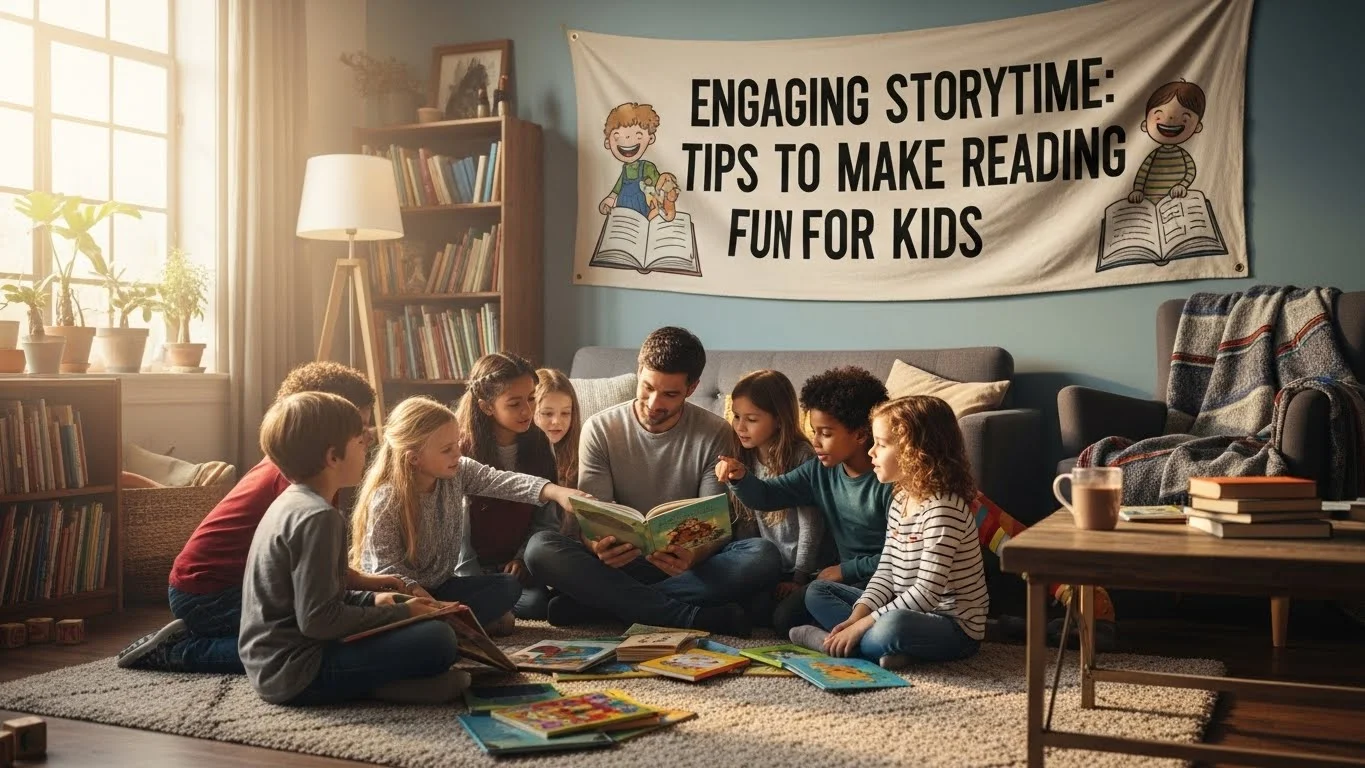
Storytime is a magical experience that can ignite a lifelong love for reading in children. By making reading fun and engaging, we open the door to a world of imagination and learning. To create the perfect atmosphere for this, consider how to create a reading-friendly home.
Engaging Storytime: Tips to Make Reading Fun for Kids
Understanding the Importance of Storytime
When I think back to my childhood, I remember the stories that transported me to different worlds. Storytime is not just a routine; it plays a crucial role in a child’s growth. Sharing stories fosters cognitive development, nurtures language skills, and encourages creativity. Let’s explore why storytime is so important.
Cognitive Development in Children
Cognitive development is all about how our minds grow and learn. I’ve noticed that storytime helps children understand concepts like cause and effect, problem-solving, and critical thinking. When we read stories, kids start to make connections between the characters’ actions and the outcomes. For instance, if a character makes a poor choice, kids learn from that mistake. This helps them navigate their own world better. I remember when my niece was puzzled about why the rabbit in her favorite story was so scared of the wolf. It opened up a discussion about bravery and fear, which I found so valuable.
Building Language Skills
Storytime is a wonderful way to build language skills. Through stories, kids are exposed to new vocabulary and different sentence structures. I often read to my children using books filled with rich language, and I noticed their vocabulary blossoming. When they encounter unfamiliar words, I encourage them to guess the meaning from the context, which I find makes learning more interactive and fun. This practice not only improves their language skills but also boosts their confidence when they encounter new words in school.
Encouraging Imagination and Creativity
One of my favorite parts of storytime is watching my children’s imaginations take flight. Stories inspire them to think creatively, envisioning new worlds and characters. I love asking them how they think a story will end or what they would do if they were in the character’s shoes. Their responses are often surprising and delightful! This kind of imaginative play is essential for their development. I remember when my son created an entire adventure based on a story we read about a pirate. He turned our living room into a ship, and it was incredible to see his creativity in action.
Choosing the Right Books for Storytime
Selecting the right books is a key part of making storytime enjoyable. I understand that not all books resonate with every child, so it’s essential to consider their age and interests. When I choose books for my kids, I often think about what themes or characters excite them the most. For tips on transforming your child into a bookworm, check out Transform Your Child into a Bookworm: Proven Tips.
Age-Appropriate Book Selection
Picking age-appropriate books can make a huge difference in keeping kids engaged. I remember when my daughter loved picture books filled with animals and colorful illustrations. As she grew older, she transitioned to chapter books with more complex narratives. I recommend looking for books that match their reading level but still challenge them a little. This balance keeps them motivated. I’ve found that many book lists online can guide parents in selecting age-appropriate reads, making it easier to find those hidden gems.
Popular Children’s Authors and Illustrators
There are so many talented authors and illustrators out there whose works I absolutely adore. For me, authors like Dr. Seuss and Roald Dahl have a special place in my heart. Their stories have a whimsical charm that captivates kids. I also love classic illustrators like Eric Carle, whose art adds so much to the storytelling experience. I’ve seen that when kids connect with a specific author, they often want to read more of their books, creating a delightful cycle of reading. I always encourage parents to explore the works of popular children’s authors to find a style that resonates with their kids.
Incorporating Diverse Stories and Characters
Diversity in stories and characters is so important. It opens children’s eyes to different cultures, experiences, and perspectives. I make a conscious effort to include books with characters from various backgrounds in our reading routine. This not only enriches their understanding of the world but also helps them develop empathy towards others. I remember when we read a story about a girl from a different country, and it sparked a conversation about her culture, traditions, and how they could relate to our own lives. It was a beautiful moment that highlighted the power of diverse storytelling.
Creating an Inviting Storytime Environment
Creating a cozy and inviting environment for storytime can make all the difference. I’ve found that the atmosphere we set up can either spark excitement or lead to distractions. When I think about my own experiences, I remember how the right space could transform reading into an adventure. Let’s dive into how we can create that perfect setting.
Setting Up a Cozy Reading Space
One of my favorite things to do is to set up a designated reading nook in our home. It doesn’t have to be elaborate; it can be as simple as a comfy blanket draped over some cushions. I’ve noticed that when my kids have their own special spot, they feel more connected to the stories we read. Sometimes, we even throw in a few stuffed animals or colorful pillows to make it even more inviting. I remember when we created a little fort out of pillows and blankets; it became our magical reading castle for the day! The kids loved it, and we spent hours diving into different stories.
The Role of Lighting and Comfort
Lighting plays a huge role in our reading experience, too. I’ve found that soft, warm lighting can make storytime feel cozy and intimate. We usually turn on a lamp with a warm glow or string up some fairy lights to set the mood. It’s amazing how the right lighting can take a simple reading session from ordinary to extraordinary. On chilly evenings, I make sure we have a few soft blankets handy for extra comfort. When we snuggle up together, it encourages a sense of closeness that enhances our time spent in those fictional worlds.
Minimizing Distractions During Storytime
Distractions can easily derail storytime, so I always try to create a calm environment. I remember early on, my kids would get up to play with toys or want to check their tablets instead of focusing on the story. To combat this, I set the stage by putting away any toys and turning off the television before we begin. It helps signal to everyone that it’s time to focus on the story. I find that having a quiet atmosphere allows us to immerse ourselves fully in the book. Sometimes, I even play soft background music or nature sounds to create a soothing ambiance, which helps everyone settle in.
Engaging Reading Techniques
Once we’ve created the perfect environment, the next step is to make storytime engaging. I’ve learned that how we read to our children can significantly impact their connection to the story. Over the years, I’ve tried various techniques, and here are a few that have worked wonders for us.
Using Expressive Reading Techniques
I’ve found that being expressive while reading can transform the experience. I like to change my voice to reflect different characters, and sometimes I even add in dramatic pauses or sound effects. This not only grabs the kids’ attention but also helps them understand the emotions behind the story. I remember reading a story about a grumpy troll, and I made my voice all low and growly. The kids giggled and loved it! They were so engaged that they started asking questions about the troll’s feelings, which led to a deeper discussion about the story.
Incorporating Voices and Sounds
Adding voices and sounds can really bring a story to life. I often encourage my kids to join in by making sounds or mimicking characters. This interaction creates a fun group dynamic and makes them feel like part of the story. I remember when we read a book about a train; my kids took turns making train noises while I narrated. It felt like we were on a real adventure together! It’s such a simple technique, but it makes storytime feel like an exciting event.
Interactive Reading: Questions and Discussions
I’ve discovered that asking questions during storytime can spark wonderful conversations. I often pause to ask my kids what they think will happen next or how they would react in a character’s situation. These discussions not only enhance their comprehension but also encourage critical thinking. I remember one time, after reading a story about friendship, I asked my daughter how she would handle a conflict with a friend. Her response was insightful and led to a beautiful discussion about empathy and understanding. It’s moments like these that make storytime not just about reading, but about learning and connecting.
Enhancing Storytime with Activities
To make storytime even more memorable, I’ve found that incorporating activities related to the stories we read can enhance the experience. It’s a wonderful way to extend the adventure beyond the pages. Engaging in hands-on activities not only reinforces the story’s themes but also allows kids to express their creativity and understanding in a tangible way.
Crafts and Activities Related to the Story
Crafting has become a favorite extension of our storytime. After reading a book, we often create something that relates to the story. For example, after reading a tale about animals, we made animal masks. My kids had a blast decorating their masks with vibrant colors and designs, and it sparked a discussion about the characteristics of each animal. I’ve seen how crafting deepens their connection to the story while also promoting fine motor skills. Plus, it’s a great way to keep their hands busy while their imaginations run wild!
Role-Playing Characters from the Books
Role-playing is another fantastic way to breathe life into our storytime. After we read a book, I encourage my kids to act out their favorite scenes or pretend to be the main characters. I remember one particularly lively afternoon when we read a story about a brave knight. My kids donned makeshift armor made from cardboard and raced around the living room, reenacting the knight’s adventures. It was not only hilarious but also allowed them to explore themes of bravery and teamwork. This kind of imaginative play helps reinforce the lessons from the stories and builds empathy as they step into the shoes of different characters.
Using Puppets or Toys to Illustrate the Story
Puppets and toys have also become a beloved part of our storytime routine. I often pull out a few puppets that represent the characters in the book we’re reading. As I read, my kids can use the puppets to act out the scenes alongside me. I’ve noticed that this interactive approach not only captures their attention but also encourages them to express their thoughts and feelings about the story in a fun way. One time, we read a book about a family of bears, and my kids loved using their toy bears to help tell the story. They laughed and created dialogue for the characters, which made the experience even more engaging.
Incorporating Technology into Storytime
In today’s digital age, I’ve discovered that technology can complement our storytime beautifully. While I treasure traditional reading, I also embrace how modern tools can enhance our storytelling experience.
Using Audiobooks for Varied Experience
Audiobooks have become a fantastic addition to our routine. There are times when I’m busy or tired, and I can simply play an audiobook for my kids. I remember one rainy afternoon when we listened to a captivating story about a magical land. The narrator’s voice was so engaging that my kids were glued to their seats, hanging on every word. I love that audiobooks expose them to different narrators and styles, enriching their listening skills and imagination. Plus, they can listen to stories during car rides or while doing chores, making it a versatile option!
Interactive Story Apps and eBooks
Interactive story apps and eBooks have also captured our interest. Many apps offer animated stories with interactive features that allow kids to touch the screen to make sounds or reveal hidden elements. I remember downloading an app that turned a classic fairy tale into a vibrant adventure. My kids loved tapping on the illustrations to see characters come to life. This interactive aspect keeps them engaged and encourages them to explore the stories independently. I always ensure that the apps we use are educational and age-appropriate, so I feel good about their screen time.
Virtual Storytime Sessions with Friends and Family
With technology, we can also connect with family and friends through virtual storytime sessions. I’ve organized video calls where my kids and their cousins read stories to each other. It’s a wonderful way to foster a love for reading while building connections, even from a distance. I remember one session when my niece read a funny book about a mischievous monkey, and everyone took turns laughing and sharing their favorite parts. These sessions not only make reading social but also create lasting memories of laughter and learning together.
Establishing a Storytime Routine
Creating a consistent storytime routine has been instrumental in fostering a love for reading in my household. I’ve learned that when we set aside specific times for storytime, it becomes a cherished part of our daily lives.
Choosing a Consistent Time and Place
Choosing a dedicated time and place for storytime has made it something we all look forward to. I’ve found that doing it before bed works best for us. The calming atmosphere of winding down for the night pairs perfectly with reading. We gather in our cozy reading nook, and it becomes our little sanctuary. I’ve noticed that having a consistent time helps my kids develop a routine that they anticipate and enjoy. They often choose their favorite pajamas, grab their stuffed animals, and settle in, ready for our adventure.
Making Storytime a Family Tradition
Over time, our storytime routine has evolved into a beloved family tradition. I’ve come to realize that it’s not just about reading; it’s about the memories we create together. We often talk about our favorite books, characters, and moments, which helps deepen our bond as a family. On special occasions, we even throw themed storytime nights, where we dress up as characters or make snacks related to the book. These little traditions have made our storytime something magical that we all look forward to.
Encouraging Kids to Choose Their Own Books
Empowering my kids to select their own books has been a game-changer. I’ve noticed that when they have a say in what we read, their enthusiasm skyrockets. I often take them to the library or bookstore, allowing them to explore and choose titles that catch their interest. This not only makes them feel included but also encourages them to take ownership of their reading journey. I remember when my daughter picked out a book about space; her excitement was infectious, and it led to us exploring more about the universe together!
Frequently Asked Questions
What is the significance of storytime in a child’s development?
Storytime plays a crucial role in a child’s growth by fostering cognitive development, nurturing language skills, and encouraging creativity. It helps children understand concepts like cause and effect, problem-solving, and critical thinking.
How does storytime contribute to cognitive development?
During storytime, children make connections between characters’ actions and outcomes, which aids in their understanding of the world. For example, they learn from characters’ mistakes, helping them navigate their own experiences better.
What are some ways storytime can build language skills?
Storytime exposes children to new vocabulary and different sentence structures. Encouraging them to guess meanings from context makes learning interactive and boosts their confidence with unfamiliar words.
How can parents choose the right books for storytime?
Selecting age-appropriate books that resonate with a child’s interests is essential for an enjoyable storytime. Considering themes or characters that excite children can enhance their engagement with reading.
Why is diversity in stories and characters important for children?
Diverse stories and characters open children’s eyes to different cultures, experiences, and perspectives. This inclusion enriches their understanding of the world and helps them develop empathy towards others.
What can be done to create an inviting storytime environment?
Creating a cozy reading space, using soft lighting, and minimizing distractions can significantly enhance the storytime experience. Setting a calm atmosphere helps children focus and immerse themselves in the stories.
What engaging techniques can make storytime more interactive?
Using expressive reading techniques, incorporating voices and sounds, and asking questions during the reading can spark conversations and deepen children’s connection to the story.
How can activities enhance the storytime experience?
Incorporating crafts, role-playing, or using puppets related to the story can make storytime more memorable and allow children to express their creativity and understanding of the narrative.
What role does technology play in modern storytime?
Technology can complement storytime through audiobooks, interactive story apps, and virtual storytime sessions with friends and family, enhancing the storytelling experience and making it more versatile.
How can parents establish a consistent storytime routine?
By choosing a specific time and place for storytime, parents can create a cherished family tradition. Making it a part of daily life helps children anticipate and enjoy the reading experience.
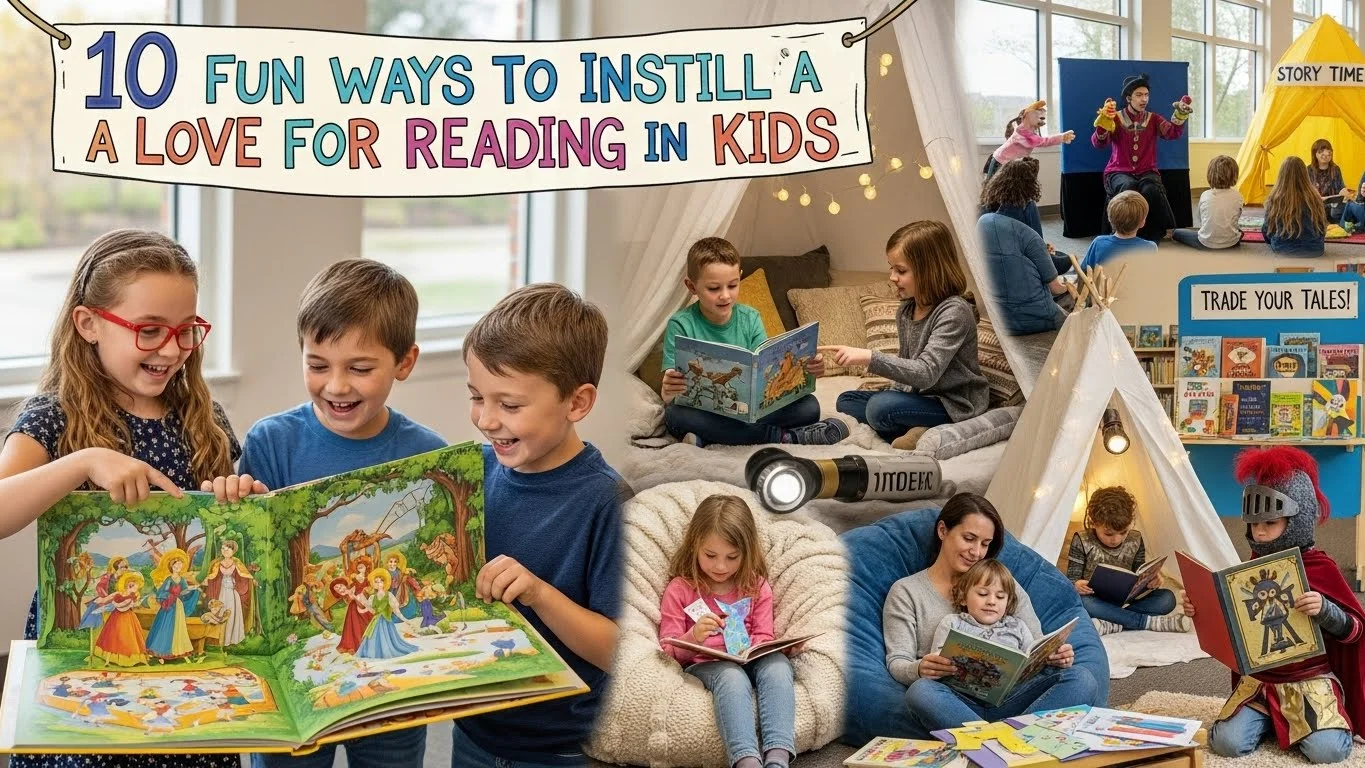
Fostering a love for reading in children can be one of the most rewarding experiences for both kids and parents. Here are ten fun ways to inspire a lifelong passion for books!
10 Fun Ways to Instill a Love for Reading in Kids
Understanding the Importance of Reading in Child Development
As a parent, I can’t emphasize enough how crucial reading is in a child’s development. It goes beyond just recognizing words; it shapes their thinking, emotions, and interactions with the world. I remember when my kids first started to show interest in books, and I realized how many layers there are to this simple act. Here’s what I’ve learned about the importance of reading in child development.
Cognitive Benefits of Reading
Reading is like a workout for the brain. When kids dive into a story, they are engaging in critical thinking and comprehension. I noticed that as my children read more, they began to ask questions and make connections between the stories and their own lives. It’s amazing how a simple picture book can lead to deep conversations about feelings, choices, and even moral dilemmas.
Research supports this. Children who read regularly often perform better academically. They develop better attention spans, memory skills, and the ability to analyze information. I remember the first time my daughter brought home a chapter book from school. We sat together, and she was so engaged in the story that she didn’t even notice the time passing. It was a beautiful moment that highlighted the cognitive benefits of reading.
Emotional and Social Skills Development
Reading also plays a significant role in emotional and social development. Through stories, kids encounter various characters and situations, helping them understand empathy and different perspectives. I often find myself discussing characters’ feelings with my kids. “Why do you think she felt that way?” I’ll ask. These conversations create a safe space for them to express their emotions and learn about others.
Moreover, reading can help kids with social interactions. They learn about friendships, conflict resolution, and cultural differences, which are essential for building social skills. I’ve seen this firsthand when my son started relating to characters in his favorite books, which prompted him to talk more about his own friendships and experiences.
Building Vocabulary and Language Skills
One of the most apparent benefits of reading is vocabulary growth. Every book opens up a new world of words. I’ve seen my children pick up new phrases and expressions that they would later incorporate into their conversations. It’s like watching a blossoming flower! There were times I was so impressed by their use of complex words that I had to remind myself they learned them from books.
Reading also enhances language skills. As kids encounter different writing styles and genres, they become more adept at expressing their thoughts. I often challenge my kids to describe their favorite scenes or characters, encouraging them to use descriptive language. It’s not just about reading; it’s about engaging with the text and using it to enhance communication skills.
In our experience, the key is to make reading an integral part of daily life. I remember creating little reading goals for my kids and celebrating when they hit milestones. It felt rewarding not just for them but for us as a family. The bond we built through reading was invaluable, and it genuinely set the stage for a love of books that I hope lasts a lifetime.
Incorporating reading into daily life is one of the most effective ways to instill this love. It’s not just about finding time to read; it’s about creating an environment where reading is cherished. When kids see their parents reading, it sets a powerful example. I always try to let my kids see me with a book in hand, whether I’m reading for pleasure or learning something new. They tend to mimic what they see, and I believe this modeling helps them appreciate the value of reading.
Creating a Reading-Friendly Environment
Creating a reading-friendly environment can truly transform the way children perceive books. I’ve found that when reading spaces are inviting and special, my kids are more likely to dive into their favorite stories. It’s about more than just having books around; it’s about making reading a cherished part of our home life.
Designing a Cozy Reading Nook
One of the first things I did was design a cozy reading nook in our home. We turned a corner of the living room into a little sanctuary filled with pillows, a soft blanket, and good lighting. I remember inviting my kids to help pick out the decor and even let them choose the colors for the walls. It became a project we did together, and now that spot is a go-to place for them to grab a book and settle in.
We added a small bookshelf filled with their favorite titles, making it easy for them to access their books. When they see their beloved stories within arm’s reach, it feels inviting. I also try to keep the atmosphere calm, often playing soft background music or nature sounds. It’s amazing how a comfortable environment can encourage kids to dive into reading. I believe that when children feel comfortable and safe, they are more likely to want to explore the pages of a book.
Choosing the Right Books for Different Ages
Choosing the right books is key to fostering that love for reading. I’ve discovered, through trial and error, that books should match my kids’ interests and reading levels. For my younger child, picture books with vibrant illustrations and engaging stories were a hit. I loved watching their eyes light up as we flipped through the colorful pages together. But as they grew, I noticed a shift in their preferences toward chapter books and more complex narratives.
To keep things exciting, I regularly rotate the books in their reading nook. I’ll introduce new titles, often asking for their input, and we explore different genres together. I remember a time when my son was skeptical about fantasy books, but after I read a few chapters of a popular series aloud, he couldn’t wait to find out what happened next. I’ve learned that being flexible and open to their evolving tastes can make a significant difference in their reading journey.
Incorporating Technology: E-Readers and Audiobooks
In our family, we’ve also embraced technology to enhance our reading experience. E-readers and audiobooks have become fantastic tools for us. I was hesitant at first, thinking nothing could replace the feel of a physical book. But once I downloaded an audiobook for a road trip, everything changed. Listening to stories together kept the kids entertained and sparked some great conversations along the way.
Using e-readers has been another game changer. My kids love the convenience of having multiple books at their fingertips, and the interactive features—like highlighting passages or looking up definitions—have really engaged them. It’s like having a library in their backpack. I find that blending technology with traditional reading has opened new avenues for enjoyment and learning. Plus, it’s a great way to get them excited about reading when they might otherwise choose a screen.
Overall, creating a reading-friendly environment has been a rewarding journey. Each small change we’ve made—from designing a cozy nook to selecting diverse books and using technology—has cultivated a space where reading is not just encouraged, but celebrated. I think every family can find unique ways to foster this love for books, and it starts with making reading a joyful and integral part of our lives.
Engaging Reading Activities
Storytime Sessions: Making It Interactive
One of my favorite ways to engage my kids with reading is through interactive storytime sessions. This isn’t just about reading aloud; it’s about making the experience lively and memorable. I remember the first time I decided to act out a story instead of just reading it. We picked a fun book with lots of characters and plot twists. I encouraged my kids to join me, and before I knew it, we were all taking turns acting out different parts. It turned our living room into a mini theater, and the laughter and excitement were infectious!
To make it even more interactive, I often ask questions as we read. “What do you think will happen next?” or “How would you feel if you were in that situation?” This not only keeps their attention but helps them think critically about the story. I’ve noticed that this approach allows them to connect more deeply with the characters and themes, making the reading experience richer and more enjoyable.
Reading Challenges and Reward Systems
To keep things exciting, I introduced reading challenges in our home. I remember the first time we set a family reading goal. We decided to read a certain number of books in a month. We created colorful charts and stickers to track our progress, which turned out to be a fantastic motivator. My kids loved seeing their names on the chart, and it encouraged them to pick up books more frequently.
To make it even more fun, we established a reward system. For every milestone reached, there would be a small reward, like a trip to the local bookstore or a movie night featuring a film adaptation of a book we read. Celebrating these achievements together made reading feel like an adventure rather than a chore. I believe that positive reinforcement is key to fostering a love for reading, and seeing my kids proud of their accomplishments brought me immense joy.
Book Clubs for Kids: Fostering Discussion
Book clubs can be such a fantastic way to engage children with reading. I started a small book club with my kids and a few of their friends, and it quickly became a highlight of our month. Each session, we would pick a book to read together, and then we would gather for snacks and discuss what we thought about it.
During these meetings, I encourage them to share their opinions and ask questions. I’ve found that this not only deepens their understanding of the story but also helps them develop social skills. They learn to listen, articulate their thoughts, and even debate ideas respectfully. The energy in the room is always buzzing, and I love how the discussions often lead to more profound conversations about life lessons and morals.
One of my favorite moments was when we read a book about friendship. The kids shared their own experiences and even brainstormed ways to be better friends. Watching them connect literature to their lives filled me with pride. It’s heartwarming to see that they are not only reading but also learning valuable lessons along the way.
Utilizing Creative Approaches to Reading
Incorporating Arts and Crafts with Stories
Art has always been a big part of my family’s life, so it felt natural to blend it with reading. After we finish a book, I often set up arts and crafts activities related to the story. For instance, after reading a book about animals, we’d create animal masks or dioramas that depict scenes from the story. It’s amazing to see their creativity flourish as they express their understanding of the characters and plot through art.
This hands-on approach not only reinforces what they read but also allows them to create something tangible. I’ve noticed that my kids become more invested in the stories when they can visualize and embody the characters. Plus, it’s a fantastic way to encourage imaginative thinking and fine motor skills!
Role-Playing Favorite Characters
Role-playing is another fun activity that sparks my kids’ love for reading. After we finish a book, we often pick a favorite character and act out scenes. I remember one time we read a whimsical tale about a brave knight. My son couldn’t wait to don a makeshift cape and sword and take on the role of the knight himself. My daughter, on the other hand, became the dragon and added her own twist to the story. The laughter was endless as we improvised new scenarios!
This activity helps bring the stories to life in a way that reading alone cannot. It fosters creativity and allows my kids to explore different perspectives. They learn about character motivation and plot development, and it’s a joy to see them so engaged in the process.
Writing and Illustrating Their Own Stories
Encouraging my kids to write and illustrate their own stories has been a wonderful journey. I often set aside time for them to create their own books. They can choose the characters, settings, and plots, which gives them complete ownership of their stories. I remember the excitement on their faces when they realized they could be the authors of their own adventures!
After they finish writing, we spend time illustrating their tales. It’s fascinating to see how their minds work and the unique stories they come up with. I find that this activity not only reinforces their reading skills but also boosts their confidence in writing and storytelling. I believe it’s important for kids to see themselves as creators, and this has been a fantastic way to nurture their creativity.
Connecting Reading with Daily Life
Visiting Libraries and Bookstores
One of the most delightful ways I’ve found to connect reading with daily life is by visiting libraries and bookstores. There’s something magical about stepping into a library; the smell of books and the quiet anticipation of discovering a new story always energizes me. I remember taking my kids to our local library for the first time. Their eyes widened as they realized the vast world of stories available to them. It was like opening the door to a treasure chest!
During our visits, I encourage my kids to explore different sections. We sometimes have little contests to see who can find the most interesting book or discover the most unusual title. The excitement of choosing their own books empowers them and gives them a sense of ownership over their reading journey. Additionally, many libraries offer story hours and reading programs, which have been wonderful opportunities for my kids to meet other young readers and engage with books in a fun way.
Integrating Reading into Family Activities
I’ve found that integrating reading into our family activities makes it feel even more special. For instance, during family game nights, we often play board games that have a storytelling element or a trivia component based on books we’ve read. I remember one evening when we played a game that required us to guess book titles based on clues. The laughter and friendly competition brought us closer together while reinforcing our love for stories.
Cooking is another family activity that lends itself beautifully to reading. I often involve my kids in the kitchen by choosing recipes from cookbooks related to stories we’ve read. For example, after reading a book about a certain culture, we’d pick a recipe from that culture’s cuisine. This not only made the reading more relevant but also provided us with delicious meals to enjoy together. It became a wonderful way to explore literature and life at the same time!
Exploring different themes through literature has also enriched our reading experience. I believe that connecting books to real-life experiences can deepen my kids’ understanding and appreciation of what they read. For example, whenever we plan a trip, I’ll gather books about our destination, whether it’s a fictional story or a travel guide. I remember our family trip to the beach; we read books where the beach played a significant role, which made our visit even more exciting. We could relate to the settings and characters, and it felt like we had a deeper connection to our adventures.
Similarly, when we go for nature walks, I often bring along books about animals or plants we might encounter. It’s fascinating to watch my kids’ eyes light up when they spot a bird or a flower they recognized from a book. By integrating reading with these themes, I help them see the world through the lens of stories, enhancing both their knowledge and imagination.
Choosing the Right Books
Popular Children’s Book Series
Choosing the right books can significantly impact a child’s reading journey. I’ve found that popular children’s book series often capture my kids’ imaginations and keep them coming back for more. Series like “Harry Potter,” “The Magic Tree House,” and “Diary of a Wimpy Kid” have been favorites in our home. They provide continuity and character development that encourages my kids to invest emotionally in the stories. I love how they eagerly anticipate the next installment, discussing theories and plot twists with each other!
Books That Promote Diversity and Inclusion
It’s important for me to introduce my children to books that promote diversity and inclusion. I’ve sought out stories that represent different cultures, backgrounds, and experiences. Exploring these narratives has opened up discussions about empathy and understanding. I remember reading a book about a child from a different country, and it sparked questions from my kids about how different life can be for others. This not only enriched their reading but also nurtured their global awareness.
Timeless Classics Every Child Should Read
In addition to contemporary favorites, I believe every child should experience timeless classics. Books like “Charlotte’s Web,” “The Secret Garden,” and “The Little Prince” have valuable lessons and beautiful storytelling. Sharing these classics with my kids has been a joyful experience, allowing us to connect over themes of friendship, resilience, and adventure. I cherish the moments we discuss the morals and lessons learned from these stories, knowing they’ll carry those insights with them for a lifetime.
Incorporating Multimedia Resources
Using Educational Apps to Enhance Reading
In today’s digital age, I’ve found that incorporating multimedia resources can enhance the reading experience. There are numerous educational apps designed to make reading interactive and fun. My kids love apps that turn reading into a game, where they can earn rewards for completing books or answering questions about the stories. It’s great to see them engaged and excited about reading in a new way, and I appreciate how these tools can complement traditional books.
Watching Adaptations of Books
Watching film adaptations of books we’ve read can also create a deeper connection. After finishing a book, we often watch the movie together. I remember how much fun it was to compare the book with the movie afterward. Discussing what was similar and what differed sparked interesting conversations and helped my kids think critically about storytelling choices.
Listening to Book-Related Podcasts
Book-related podcasts have become another favorite in our family. We listen to podcasts that discuss children’s literature, author interviews, and even storytelling sessions. This has not only broadened my kids’ exposure to different books but also sparked their imagination. They often share what they learned and suggest new titles to explore based on podcast recommendations.
Encouraging Family Reading Time
Setting a Regular Reading Routine
Establishing a regular reading routine has been one of the best decisions for our family. I set aside a specific time each day, usually before bed, where we all settle down with our books. This routine creates a cozy atmosphere and reinforces the idea that reading is a cherished part of our day. I’ve noticed that on nights when we read together, my kids seem more relaxed and ready to wind down.
Reading as a Family Bonding Activity
Reading together has become a significant bonding activity for us. I love the moments when we share stories aloud, taking turns reading chapters or discussing plot points. It feels like we are on this literary journey together, and the laughter and gasps of excitement make it all the more enjoyable. I’ve often said that reading is not just about the stories; it’s about the connections we build while experiencing them together.
Sharing and Discussing Books Together
Finally, I encourage open discussions about the books we read. After finishing a story, I ask my kids what they liked or didn’t like and what they would do differently if they were the author. These conversations often lead to deeper insights and help my children articulate their thoughts. It’s fulfilling to see them engage critically with literature and express their ideas confidently.
Leveraging Community Resources
Participating in Local Reading Programs
Leveraging community resources like local reading programs has been a fantastic way to enrich our reading journey. I often look for events at libraries or community centers, such as reading challenges or author visits. My kids have enjoyed meeting local authors and hearing them speak about their writing process. It inspires them to envision themselves as authors, too!
Engaging with Authors and Illustrators
Engaging with authors and illustrators has created a special connection for my kids. We’ve attended book signings and workshops, where they’ve had the chance to ask questions and learn about the creative process. It’s amazing to see their excitement when they realize that their favorite stories come from real people with real experiences.
Joining Online Reading Communities
Online reading communities have also been a great resource. We’ve joined forums and social media groups dedicated to children’s literature, where we can share recommendations and participate in discussions. It’s wonderful to connect with other parents and kids who share our passion for reading, and it often leads to discovering new authors and series to explore.
Monitoring Progress and Encouraging Growth
Tracking Reading Habits and Preferences
Tracking my kids’ reading habits has helped us celebrate their growth and interests. I keep a simple chart where we note the books they’ve read, their preferences, and any new favorites. This visual representation not only motivates them to keep reading but also allows us to reflect on their journey and see how far they’ve come.
Setting Goals and Celebrating Milestones
Setting reading goals has been a fun way to encourage growth. We often establish monthly or seasonal goals, and when they achieve them, we celebrate with a small family outing or a special treat. These celebrations reinforce the idea that reading is something to be proud of, and it creates a positive association with their accomplishments.
Encouraging Critical Thinking and Discussion
Finally, I emphasize the importance of critical thinking and discussion. I encourage my kids to think deeply about what they read and share their thoughts in a respectful way. We often discuss characters’ motivations, the consequences of their actions, and the overall themes of the stories. This practice has not only enhanced their comprehension skills but also fostered their ability to engage in meaningful conversations.
Final Thoughts
Fostering a love for reading in children is truly a rewarding journey that can shape their lives in countless positive ways. By creating an environment that celebrates reading, engaging in fun activities, and connecting literature with daily life, we can inspire our children to become lifelong readers. Each small step we take—whether it’s visiting a library, discussing stories, or embracing creativity—adds to the rich tapestry of their reading experiences. I believe that as parents, we have the power to ignite a passion for reading that lasts a lifetime, and that is a gift I cherish deeply.
Reading is crucial in child development as it shapes their thinking, emotions, and interactions with the world. It helps children engage in critical thinking, comprehension, and enhances their academic performance, attention spans, and memory skills.
How does reading contribute to emotional and social skills development?
Reading helps children understand empathy and different perspectives through various characters and situations. It promotes discussions about feelings and social interactions, aiding them in developing friendships, conflict resolution skills, and cultural awareness.
What are the cognitive benefits of reading for children?
Cognitive benefits of reading include improved critical thinking, comprehension, and the ability to analyze information. Regular reading helps children ask questions and make connections between stories and their own lives, enhancing their overall cognitive skills.
How can parents create a reading-friendly environment at home?
Parents can create a reading-friendly environment by designing cozy reading nooks, keeping a variety of books accessible, and making reading a cherished part of family life. This includes modeling reading behavior and ensuring the atmosphere is inviting.
What types of books should parents choose for their children?
Parents should choose books that match their children’s interests and reading levels. Popular series, books promoting diversity, and timeless classics are excellent choices. Rotating books and exploring different genres can also keep reading exciting.
What role does technology play in modern reading experiences?
Technology, such as e-readers and audiobooks, enhances the reading experience by providing convenience and interactive features. They can engage children in new ways, making reading more accessible and exciting while complementing traditional books.
How can parents encourage a love for reading through activities?
Parents can encourage a love for reading by engaging children in interactive storytime sessions, setting reading challenges with rewards, and creating book clubs that foster discussion. Creative activities like arts and crafts related to stories can also enhance engagement.
What are some effective ways to integrate reading into family activities?
Integrating reading into family activities can include visiting libraries and bookstores, playing reading-related games, and cooking recipes from books. These experiences connect literature to real-life situations, making reading more relevant and enjoyable.
How can parents monitor their children’s reading progress?
Parents can track their children’s reading habits by keeping charts of the books read and noting preferences. Setting goals and celebrating milestones can motivate children and create a positive association with their reading accomplishments.
What are some strategies for fostering critical thinking about books?
To foster critical thinking, parents can encourage open discussions about the books read, asking questions about characters’ motivations and themes. This helps children articulate their thoughts and engage in meaningful conversations about what they read.
Backpacking is more than just hitting the trails; it’s also a fantastic opportunity to enhance your reading skills. Combining adventure with literature can lead to unforgettable experiences and personal growth. Read Interesting article: Top Assistive Tech Tools for Budget Backpacking Adventures
Backpacking Adventures: Fun Ways to Enhance Reading Skills
Understanding the Connection Between Backpacking and Reading Skills
When I think about the times I’ve spent backpacking, I can’t help but recall how those moments often included a good book. There’s something magical about being surrounded by nature with a story in hand. It’s like the world around you fades away, and the pages come alive. Reading while backpacking not only fills those quiet moments but also nurtures our minds in ways we might not even realize. I’ve found that there’s a deep connection between exploring the great outdoors and enhancing our reading skills. Let’s dive into how these two love affairs can intertwine beautifully.
The Benefits of Reading While Traveling
Reading while traveling—especially during a backpacking adventure—offers numerous benefits. For starters, it creates a perfect balance between physical activity and mental engagement. When I’m hiking during the day, I often find that my mind craves some downtime. That’s when I pick up a book. Engaging with the text helps me unwind, allowing my brain to process the day’s experiences. Reading stimulates our imagination, which can lead us to think more deeply about what we see. I’ve noticed that after reading a captivating story, I often reflect on it while hiking, enhancing my overall experience. The beauty of nature becomes intertwined with the themes and emotions of the book.
Moreover, reading boosts vocabulary and comprehension skills. When I read on the trail, I often come across new words or phrases that I might have otherwise missed in everyday life. It’s as if the serene environment allows the words to sink in more deeply. I believe that reading amidst stunning landscapes challenges us to think critically about the stories we encounter, encouraging us to analyze characters, settings, and themes more thoroughly.
How Backpacking Encourages a Love for Reading
Backpacking can awaken a profound love for reading, especially when you couple it with the right environment and mindset. I remember a trip to the mountains where I decided to take along a book that had been on my shelf for ages. The moment I settled into my campsite, surrounded by towering evergreens and the sound of a nearby stream, I felt compelled to open it. That magical connection between nature and story ignited a passion within me that I didn’t know I had. I think that when we step away from our daily distractions, like our phones and the hustle of city life, we can truly appreciate the beauty of a good book.
Additionally, the simplicity of a backpacking trip encourages us to focus on the essentials. When we can only carry a limited number of items, we often prioritize what truly matters. I’ve learned that a good book can be just as essential as my water supply or camping gear. It becomes a vital companion, enriching the journey and fostering moments of reflection at the end of a long day. The isolation of the outdoors gives us the chance to truly immerse ourselves in the stories we read, making them resonate even more.
Sometimes, I find that the books I choose to read while backpacking are influenced by the landscapes I’m traversing. For instance, reading about a mystical forest adventure while hiking in an actual forest creates a unique synergy. The descriptions in the book suddenly feel more vivid, and I often find myself relating to the characters in ways I wouldn’t have otherwise. This connection not only enhances my reading experience but also deepens my appreciation for the environment around me. I’ve realized that each backpacking trip can transform my reading list into an adventure of its own.
Books have the remarkable ability to transport us to different worlds, and when we’re physically on an adventure, that effect multiplies. I often think about how my reading habits have evolved through my travels. Each book not only enhances my journey but also shapes my understanding of the places I visit. I’ve come to cherish the moments spent reading in the great outdoors, as it has turned into a ritual that rejuvenates my spirit and enriches my mind.
Choosing the Right Books for Your Backpacking Trip
Genres that Inspire Adventure and Exploration
When it comes to selecting the perfect book for a backpacking trip, I’ve discovered that certain genres really enhance the experience. Adventure novels, travel literature, and nature writing are my go-to choices. There’s something about reading stories filled with exploration and discovery that complements the thrill of being outdoors. I remember reading “Into the Wild” by Jon Krakauer one summer while hiking in the mountains. The themes of adventure and self-discovery echoed my own experiences, making every turn of the trail feel like a page turned in my life.
Additionally, I’ve found that books featuring strong, adventurous characters can be incredibly inspiring. They push me to tackle challenges on the trail and remind me of my own capabilities. Whether it’s a gripping survival story or a tale of courage, these narratives fuel my motivation and resonate with the spirit of backpacking. I often pick up books that transport me to different parts of the world, allowing my imagination to wander as much as my feet do. When I finished a novel set in the lush jungles of South America, I felt as though I had explored those dense forests myself, and it made my hikes feel richer and more significant.
Travel Guides vs. Fiction: What to Pack
Deciding between travel guides and fiction can be a bit of a dilemma. I’ve learned that both have their own charm. Travel guides are great for practical information about the area I’m exploring. They often provide insights about local culture, history, and must-see spots. But I must admit, fiction is what truly enriches my backpacking experience. It allows me to escape into different worlds while simultaneously connecting with the environment around me. I often pack a mix of both; I’ll have a guidebook tucked away for reference, but I make sure to have a gripping novel in my hands for those moments of relaxation. Read Interesting article: 10 Budget-Friendly Lunchbox Ideas for Backpacking Adventures
In some cases, I’ve even chosen to read books that are set in the locations I’m visiting. For instance, while trekking through the coastal paths of California, I found reading John Steinbeck’s “Cannery Row” to be a delightful experience. The book provided a unique lens through which to appreciate the landscapes around me. It’s amazing how literature can deepen our understanding of a place, and I’ve come to cherish the ways it enhances my travels.
Portable Reading Options: E-Readers and Audiobooks
When I first started backpacking, I used to carry heavy paperbacks, which sometimes became a burden. But then I discovered the convenience of e-readers. They’ve completely transformed how I approach reading on the trail. With an e-reader, I can carry multiple books without the added weight, and adjusting the font size can be a lifesaver during those fading moments of daylight.
Audiobooks are another fantastic option, especially when I’m navigating tricky trails or feeling too tired to hold a book. Listening to a thrilling story while walking allows me to immerse myself in the narrative without sacrificing the beauty of nature around me. I remember one trip where I listened to an audiobook of “Wild” by Cheryl Strayed while hiking through a national park. The combination of her journey and my own made for a truly powerful experience. I felt empowered and motivated, often finding parallels between her struggles and my own as I tackled steep climbs and long stretches of solitude.
Ultimately, the choice between e-readers, audiobooks, and traditional books comes down to personal preference and the type of trip I’m embarking on. I value the flexibility of having options, and I appreciate how each format can enhance my reading experience in different ways. Read Interesting article: Top Dairy-Free Snacks for Budget Backpacking Adventures
Creating a Reading Routine on the Trail
Setting Aside Time for Reading Each Day
Establishing a reading routine while backpacking has become something I genuinely look forward to. I’ve found that setting aside specific times for reading helps me create a balance between hiking and unwinding. After a long day on the trails, there’s nothing quite like settling down by the campfire with a book in one hand and a warm drink in the other. I typically reserve the last hour of daylight for reading, allowing me to absorb the day’s experiences while getting lost in a story.
Sometimes, I’ll even set a small goal for my reading, like finishing a chapter or a certain number of pages before sleeping. This not only keeps me engaged with the book but also gives me a sense of accomplishment at the end of the day. I’ve noticed that this routine deepens my enjoyment of both the hike and the book, creating a satisfying rhythm that enhances my overall experience.
Finding the Perfect Reading Spot
Finding the right reading spot can make all the difference. I remember one evening after a long hike, I stumbled upon a secluded area near a bubbling creek, surrounded by wildflowers and singing birds. It was the perfect setting to crack open my book. I’ve learned to keep an eye out for cozy nooks or scenic viewpoints where I can settle down. A comfortable spot with a stunning view adds a whole new layer to my reading experience. I’ve often found that the beauty of my surroundings complements the narrative, making each word more vibrant and alive.
Incorporating Reading into Campfire Evenings
Campfire evenings are a highlight of any backpacking trip, and I love incorporating reading into that time. As the sun sets and the stars begin to twinkle, I’ll often gather around the fire with friends, sharing stories and laughter. Then, I’ll pull out my book and read a few passages aloud. It’s a wonderful way to engage everyone and create a shared experience. I’ve noticed that reading together can spark discussions, leading to deeper conversations about the themes and ideas presented in the story.
Reading by the fire not only enriches the experience but also creates a comforting atmosphere. The crackling of the flames and the gentle rustle of leaves create a backdrop that enhances the narrative. I find that these moments are special—they allow us to bond over literature while basking in the warmth of the fire and the joy of being in nature.
Engaging with Local Culture Through Literature
Reading Local Authors and Their Works
One of the most rewarding aspects of backpacking is the chance to immerse myself in local culture and history. I’ve found that reading works by local authors adds a whole new layer of understanding to my travels. For instance, during a trip to the Pacific Northwest, I picked up a collection of short stories by a local writer. The way they captured the essence of the region—the misty forests, the rugged coastline, and the vibrant communities—made me see the landscapes around me in a completely different light. It felt like I was walking through the very pages of the book.
I believe that local literature can provide insights into the struggles, joys, and values of the people who inhabit the places we visit. When I read about the traditions and folklore of a region, I feel more connected to it. I remember reading a novel set in the deserts of Arizona, where the author beautifully depicted Native American culture. This enriched my experience as I explored those very landscapes, leading me to appreciate the history and stories of the land I was traversing.
Books that Reflect the History and Culture of Your Destination
Another way to engage with the local culture is by selecting books that reflect the history and heritage of my destination. I often seek out historical fiction or non-fiction that dives into significant events or cultural movements of the area I’m exploring. For example, while backpacking through New England, I read a historical novel set during the American Revolution. The author’s vivid descriptions of the struggles and triumphs of the time helped me connect with the trails and towns I visited.
The beauty of this approach is that it turns my hikes into a living history lesson. I remember standing at a battlefield site after reading about the events that took place there. It was as if the words I had absorbed came to life before my eyes. This connection not only deepens my understanding of the location but also helps me appreciate the journey of those who came before me.
Reading as a Way to Connect with Fellow Travelers
Reading often serves as a bridge to connect with other travelers I meet on the trail. I’ve had countless conversations sparked by a book cover or a passage I was engrossed in at a campsite. There’s something special about sharing thoughts on a story that resonates with both of us. I recall one evening when I was reading a book about mountaineering while camping in the Rockies. A fellow hiker stopped by, saw my book, and we ended up chatting for hours about our favorite outdoor stories.
These connections not only enrich my experience but also create lasting friendships. I’ve learned that books can be great conversation starters and can lead to deeper discussions about our journeys and adventures. Whether it’s exchanging recommendations or simply sharing insights about a character’s journey, reading becomes a shared experience that bonds us together.
Fun Activities to Enhance Reading Skills While Backpacking
Book Clubs on the Go: Starting a Traveling Book Club
One of my favorite ways to enhance my reading experience while backpacking is by starting a traveling book club with fellow adventurers. I’ve found that discussing a book at the end of the day can lead to engaging conversations and a deeper understanding of the themes we’ve encountered. It’s a wonderful way to foster camaraderie among hiking companions. We often choose a book that resonates with our journey, whether it’s a tale of adventure or a story rooted in the region we’re exploring.
Typically, we set aside some time each evening to discuss what we’ve read. I find that these discussions not only enhance our understanding of the book but also create a sense of community. Everyone brings their unique perspective, and it often leads to fascinating exchanges about life, nature, and the challenges we face on the trail. I recommend giving it a try if you’re traveling with friends or even meeting new people along the way!
Journaling Your Reading Experiences
Another activity I enjoy is journaling about my reading experiences during my trips. I’ve found that reflecting on the stories I’ve read while surrounded by nature helps solidify my understanding and keeps the memories alive long after the journey is over. I like to jot down my thoughts on how the book relates to my hiking experiences, the emotions I felt, and any insights that struck me while reading.
Sometimes, I’ll even sketch a scene or write a few lines of poetry inspired by the book and the landscapes I’m exploring. This creative outlet not only enhances my reading skills but also encourages me to think critically about the narratives. Plus, it’s a fun way to capture my adventure, and looking back at my journal brings a wave of nostalgia.
Creative Writing Prompts Inspired by Your Journey
Incorporating creative writing prompts into my backpacking trips has become a delightful way to engage my imagination. I often set aside a few moments each day to write about the sights, sounds, and feelings I encounter on the trail. For instance, if I’m hiking through a dense forest, I might write a short story about a character who discovers a hidden path or encounters a mystical creature. This not only enhances my creativity but also deepens my connection to the environment.
Writing about my experiences helps me process the journey and connects me more profoundly with the places I visit. I’ve found that these writing sessions often lead to unique stories that can inspire my future reading choices. The act of creating characters and settings based on real-life experiences adds an enriching layer to my adventures. So, I encourage you to grab a notebook and let your imagination flow as you explore the world around you!
Frequently Asked Questions
What is the connection between backpacking and reading skills?
Backpacking provides an opportunity to enhance reading skills by creating a serene environment that fosters focus and imagination. The combination of nature and literature helps deepen our understanding of both the stories we read and the landscapes we explore.
What are the benefits of reading while traveling?
Reading while traveling, especially during backpacking adventures, creates a balance between physical activity and mental engagement. It helps unwind the mind, boosts vocabulary and comprehension skills, and enhances the overall hiking experience by intertwining the themes of the book with the beauty of nature.
How can backpacking encourage a love for reading?
Backpacking encourages a love for reading by providing the right environment to appreciate literature, free from daily distractions. The simplicity of carrying only essential items makes a good book feel vital, enriching the journey and allowing for deeper immersion in the stories.
What types of books are best suited for backpacking trips?
Adventure novels, travel literature, and nature writing are ideal for backpacking trips. These genres enhance the outdoor experience by complementing the thrill of exploration and often resonate with the challenges faced on the trail.
Should I pack travel guides or fiction for my backpacking trip?
Both travel guides and fiction have their own charm. Travel guides provide practical information about the area, while fiction enriches the experience by allowing for escapism and connecting with the environment. A mix of both is often a great choice.
What are the advantages of using e-readers or audiobooks while backpacking?
E-readers allow the carrying of multiple books without the added weight of physical copies, and they offer adjustable font sizes for ease of reading. Audiobooks provide a hands-free way to enjoy stories while hiking, enhancing the experience without sacrificing the beauty of nature.
How can I establish a reading routine while backpacking?
Setting aside specific times for reading, such as the last hour of daylight after a long day of hiking, helps create a satisfying rhythm between hiking and unwinding. Setting small reading goals can also enhance engagement with the book.
What role does local literature play in backpacking experiences?
Reading works by local authors enriches the backpacking experience by providing insights into the culture and history of the area. This connection deepens appreciation for the landscapes and stories of the region visited.
How can I connect with fellow travelers through reading?
Reading can serve as a conversation starter among fellow travelers. Sharing thoughts about a book can lead to engaging discussions, deeper connections, and even lasting friendships formed on the trail.
What activities can enhance reading skills while backpacking?
Activities such as starting a traveling book club, journaling about reading experiences, and incorporating creative writing prompts can enhance reading skills and deepen the connection with both literature and the environment.
Uninvolved parenting, also known as neglectful parenting, is a style characterized by a significant lack of responsiveness and engagement with a child's emotional and developmental needs [1]. This...
5Permissive and authoritative parenting represent two distinct styles that significantly impact child development [1]. Permissive parenting is characterized by high warmth and low boundaries, while...