
Traveling with toddlers on a budget can be an exciting adventure! Not only does it create wonderful family memories, but it also offers unique opportunities to enhance your little one’s communication skills. Read Interesting article: Budget Backpacking with Toddlers: Tips for Communication Skills
Understanding Toddler Communication Development
As a parent, I’ve always been fascinated by how toddlers communicate. It’s like watching a tiny, evolving world of language unfold right before my eyes. Understanding toddler communication development is crucial for us as parents, especially when we’re out exploring new destinations. We can help our little ones express themselves and build their vocabulary through travel experiences. Let’s dive into the key milestones in toddler language skills and how travel can positively influence their development.
Key Milestones in Toddler Language Skills
By the age of one, most toddlers can say a few simple words. I remember the first time my child said “mama” and “dada” – it was a heartwarming moment! As they approach two years, their vocabulary expands exponentially. You’ll find them picking up words from their surroundings, often surprising you with their new knowledge. They begin to combine words into simple phrases, which can be really cute and funny! For example, my toddler once exclaimed, “More cookie!” during a family trip, and it made us all chuckle.
Typically, by age three, toddlers can form longer sentences and hold short conversations. They start learning about turn-taking in conversations and often imitate the language patterns they hear. During our travels, I noticed how my child would mimic the local language or phrases we picked up from other travelers. This not only made the trip more enjoyable but also helped them connect with others, further enhancing their communication skills. Read Interesting article: Top Tips for Teaching Your Toddler Essential Communication Skills
How Travel Can Influence Language Development
Traveling opens up a world of language experiences. When we’re on the go, everything is new and exciting. I’ve found that just being in a different environment stimulates my toddler’s curiosity and encourages them to communicate more. Whether it’s pointing out interesting sights, trying new foods, or meeting new people, travel can naturally inspire conversation.
For instance, during a recent trip to the beach, my toddler was captivated by the seagulls. They were thrilled to shout, “Bird! Fly!” and I could see the wheels turning in their head as they connected the words with the experience. It’s moments like these that make travel worthwhile. I believe that exposing toddlers to diverse situations and languages can significantly enhance their communication skills. They learn to express their feelings, ask questions, and even describe their surroundings.
Moreover, travel can introduce them to various dialects and accents. I recall a time when we visited a different region and my toddler started mimicking the local accent. Although it was just for fun, it was like a mini language lesson that they embraced wholeheartedly. This playful interaction helps reinforce their understanding of language structure and vocabulary.
As we navigate new cultures, I also encourage my child to engage with locals. Simple interactions, like saying “hello” or “thank you” in different languages, can be very impactful. I remember stopping at a small market where my child practiced saying “gracias” to the vendor, and the smile it brought was priceless. It was a small step that made a huge impact on their confidence and willingness to communicate.
But let’s not forget that communication isn’t just verbal. Non-verbal cues such as gestures, expressions, and body language play a crucial role too. While traveling, I noticed how my toddler used hand signals and facial expressions to convey excitement or curiosity, especially when they encountered something fascinating. This form of communication can be just as valuable in developing their social skills and understanding of the world around them.
In my experience, incorporating travel into our regular routine has allowed my toddler to practice their language skills in a vibrant, real-world context. Whether it’s ordering food at a restaurant or asking questions about a new place, every moment becomes a learning opportunity. The key is to be present and engaged, allowing them to explore and express themselves freely.
As we go deeper into this topic, I’ll share some practical tips and strategies for preparing for budget travel with toddlers. Our goal is to ensure that both you and your little ones can enjoy the journey while enhancing their communication skills along the way.
Preparing for Budget Travel with Toddlers
Choosing Family-Friendly Destinations on a Budget
When planning our family trips, I always look for destinations that are both budget-friendly and engaging for toddlers. It’s amazing how many places cater to families without breaking the bank. I’ve found that local attractions or nearby parks often provide just as much excitement as far-off destinations. For instance, we had a wonderful time exploring state parks that offered free admission, picnic areas, and nature trails. These environments not only allow toddlers to explore and engage with nature but also provide ample opportunities for language development through interaction with the surroundings.
Another tip I’ve learned is to check for family-friendly festivals or events happening during our travel dates. Often, these events are low-cost or even free and feature activities geared toward children. I remember stumbling upon a community fair in a small town where my toddler participated in fun games and met other kids, which greatly enriched their social skills. I think it’s crucial to understand that the best experiences for toddlers don’t necessarily need to be expensive; often, it’s the simple things that create the most joyful memories.
Essential Packing List for Traveling with Toddlers
Packing for a toddler can feel like preparing for a small expedition, but I’ve learned to streamline the process to make it more manageable. My essential packing list always includes the basics but also some items specifically aimed at enhancing our travel experience. Here’s what I recommend:
- Comfortable Clothing: I typically pack layers since weather can be unpredictable. Depending on where we’re going, I include a light jacket for chilly evenings.
- Favorite Snacks: I always bring along a stash of our toddler’s favorite snacks. This not only keeps them happy but also provides a great opportunity to introduce new words related to food.
- Toys and Books: A few familiar toys or storybooks can provide comfort during travel. I find that reading together during downtime helps reinforce language skills and keeps their minds engaged.
- Travel-Friendly Games: Small, interactive games can be a lifesaver during long waits or car rides. They not only entertain but also spark conversations between us.
- Medical Essentials: I always pack a small first-aid kit and any necessary medications. Peace of mind is essential when we’re on the go!
By preparing a thoughtful packing list, I’ve found that travel becomes smoother and more enjoyable for everyone, allowing us to focus on creating memories and enhancing our toddler’s communication abilities.
Budget-Friendly Accommodation Options
Finding the right place to stay can make a huge difference in our travel experience. I’ve discovered various budget-friendly accommodations that are both comfortable and ideal for families. Here are a few options I’ve found to be effective:
- Vacation Rentals: Services like Airbnb or VRBO offer homes or apartments where we can have the space to spread out. I love cooking some meals in the kitchen, which not only saves money but also allows us to enjoy family meals together.
- Family-Friendly Hotels: Certain hotels offer family packages that include meals and activities for children. I remember booking a hotel that had a pool and play area, which was a huge hit with my toddler!
- Hostels with Family Rooms: Some hostels provide private family rooms at a fraction of the cost of hotels. This option might be more suitable for adventurous families looking to meet others along the way.
- Camping: If you’re open to it, camping is an excellent budget-friendly option. It connects you with nature and allows the little ones to explore while learning about the environment.
Whenever I plan our accommodations, I make sure to check for amenities that cater to families, such as free breakfast or laundry facilities. These little conveniences make our stay much more enjoyable and stress-free.
Engaging Toddlers During Travel
Interactive Activities to Foster Communication
While we’re traveling, I love finding ways to keep my toddler engaged and communicating. Interactive activities are fantastic for this! Simple games like “I Spy” help stimulate their observation skills and expand their vocabulary. When we’re walking around a new city, I often point out interesting things and ask them to describe what they see. This not only prompts them to use new words but also encourages them to express themselves.
We also enjoy art-related activities, such as collecting leaves or stones to create a travel collage when we get back. It’s a wonderful way to connect our experiences and reinforce the language tied to those memories. I remember gathering colorful leaves on one of our hikes, and my toddler excitedly shared how each leaf felt different. Those opportunities for dialogue truly enhance their communication skills while nurturing creativity.
Using Travel Stories to Enhance Vocabulary
Sharing stories from our travels has been an exciting way to enhance my toddler’s vocabulary. After each trip, we sit down together and recount our favorite moments. I encourage them to describe what they loved the most, whether it was a fun animal they saw or a delicious food they tried. This not only reinforces their memory but also expands their language skills as they learn to express their experiences verbally.
Additionally, I often relate our travel experiences to stories from books we’ve read, making connections between literature and our adventures. This has proven to be a delightful way to reinforce vocabulary and comprehension while fostering a love for storytelling.
Educational Apps and Games for On-the-Go Learning
In today’s digital age, I’ve found that there are countless educational apps designed specifically for toddlers that can make travel time both fun and educational. While I do limit screen time, using apps during long waits or car rides can be a great way to keep my little one engaged without resorting to boredom. I usually look for interactive games that promote learning through play, especially those that focus on language skills.
Some of my favorites include apps that feature vocabulary-building games or simple puzzles. They often encourage my toddler to solve problems and think critically, all while learning new words and concepts. I feel that these tools can provide a nice balance to our travel experience, allowing for some screen time while still focusing on educational growth.
Strategies for Encouraging Communication
Talking Through Travel Experiences
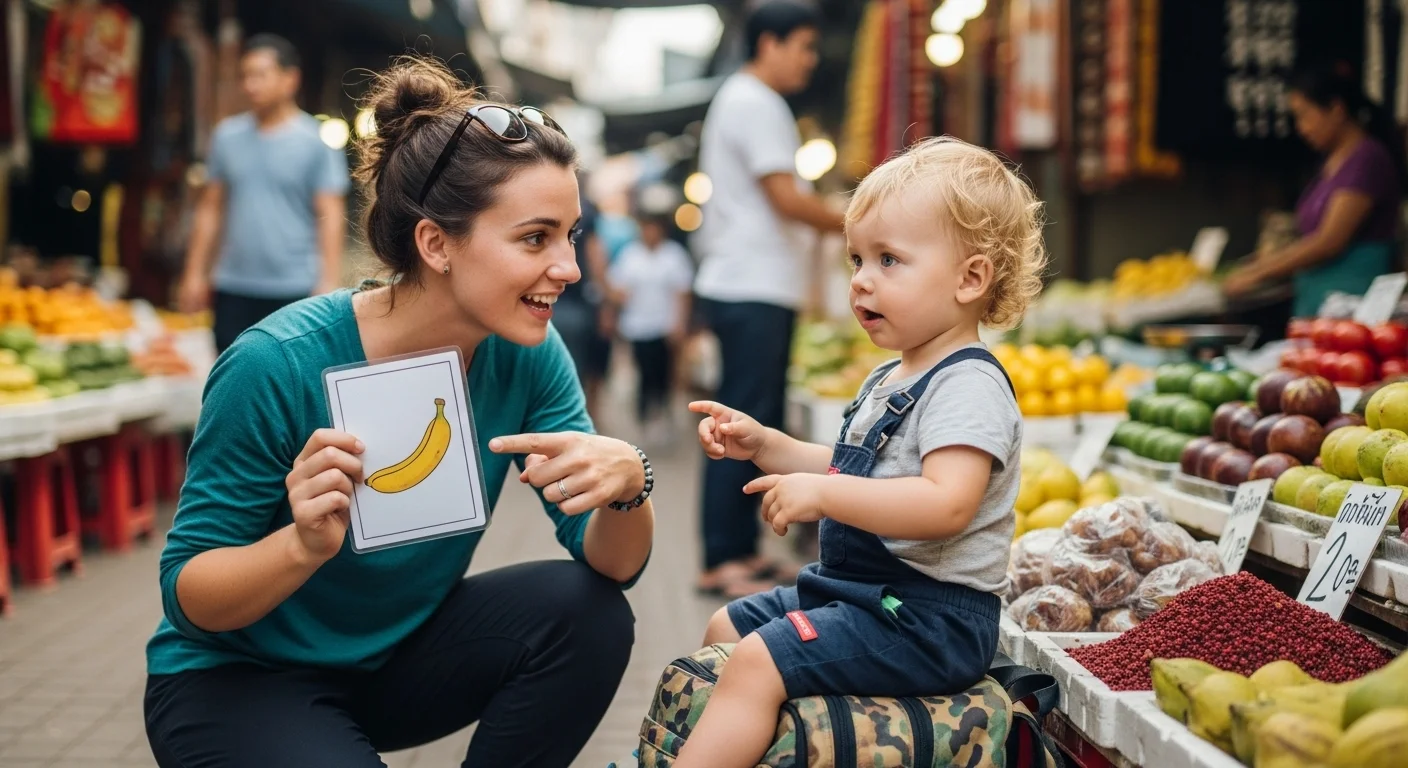
One of my favorite ways to encourage communication while traveling is by talking through our experiences as we go. I’ve realized that engaging my toddler in conversation helps them process what they see and feel. As we visit a new place, I often narrate what we’re doing, asking open-ended questions to spark their thoughts. For instance, while walking through a vibrant market, I might say, “Look at all the colors! What do you see?” This not only invites them to share their observations but also encourages them to think critically about their surroundings.
When we visit museums or parks, I like to describe the exhibits or activities in simple terms, then ask my toddler to share what they find interesting. “What do you think this animal eats?” or “How does this ride work?” These conversations foster a deeper understanding and appreciation for the world around them. I’ve seen how this simple practice can boost their confidence in expressing their thoughts and feelings.
Encouraging Questions and Conversations
During our travels, I always keep an eye out for opportunities to encourage my toddler to ask questions. I believe that curiosity is a natural part of learning, and I want to nurture that in my child. When they express curiosity about something, I make it a point to respond positively. If they ask, “Why is that bird so big?” I take the time to explain in a way they can understand, and I might even share a fun fact or two. This not only provides them with answers but also opens up the door for more questions.
In my experience, I’ve noticed that when toddlers feel their questions are valued, they become more engaged in conversation. If we’re at the beach and my child sees a crab, I might say, “What do you think it’s doing?” This invites them to think and articulate their ideas, making the moment interactive. Encouraging them to ask questions helps their language skills flourish and strengthens our bond as a family.
Using Visual Aids and Picture Books
Visual aids can be incredibly helpful in enhancing communication. I’ve discovered that bringing along picture books related to our travel destinations can create a rich learning experience. For example, if we visit a zoo, I might pack a book about animals we’re likely to see. Before we go, we can flip through the pages together, discussing the animals and their sounds. This pre-trip activity sparks excitement and prepares my toddler for what they’ll encounter.
While we’re on the go, I often take pictures of our adventures with my phone. Later, I like to use these photos to create a mini slideshow or scrapbook. Sitting down together to look through the photos allows my toddler to recount their favorite parts of the trip. I might ask, “What was your favorite animal?” or “Can you tell me about this moment?” This reinforces their memory and vocabulary while making the experience personal and fun.
I remember one trip where we visited a farm. I took pictures of the animals, and when we returned home, we made a little photo book. My toddler loved flipping through it, sharing their favorite parts of the day, and it became a cherished keepsake that they still enjoy looking at. This method not only enhances their storytelling skills but also makes them feel proud of their experiences.
Making Travel Safe and Fun for Toddlers
Safety Tips for Budget Travel with Young Children
Traveling with toddlers requires a focus on safety, and I’ve learned a few essential tips to keep our adventures worry-free. First and foremost, I always ensure that we have a reliable means of transportation. If we’re flying, I try to book direct flights whenever possible to minimize layovers. It reduces stress for all of us and makes the journey smoother.
I also make sure that my toddler has a designated travel ID with our contact information, just in case we get separated. It’s a small step, but it provides peace of mind. When exploring new places, I keep a close watch on my little one, especially in crowded areas. I often talk to my child about staying close, and I remind them of meeting points in case we get separated. This not only keeps them safe but also empowers them to understand the importance of safety.
Finding Kid-Friendly Attractions and Activities
When planning our trips, I always look for attractions that cater to young children. I’ve found that parks, interactive museums, and aquariums are often engaging for toddlers and offer plenty of opportunities to learn. Websites like TripAdvisor or local tourism boards often list activities suitable for families. I remember visiting a children’s museum where my toddler could touch, explore, and play freely. It was a joy to see them so engaged, and I loved knowing that they were learning while having fun.
Additionally, I prioritize flexibility in our plans. Sometimes the best experiences come from spontaneous adventures. Whether it’s stumbling upon a local playground or attending a street performance, these unplanned moments can lead to memorable experiences that enrich our travels and enhance our child’s communication skills. Read Interesting article: Mastering Communication: Backpacking with Young Children
Creating a Comfortable Travel Environment
Comfort is key when traveling with toddlers. I’ve learned the importance of maintaining a cozy environment to ensure that my little one feels secure and relaxed. Whether it’s in a car, plane, or train, I always bring familiar items like a favorite blanket or stuffed animal. These comforts can make a big difference in how they adapt to new situations.
In my experience, I also try to keep our travel schedule relaxed. Long days can lead to crankiness, especially for little ones. I make sure to incorporate nap times and breaks so that my toddler can recharge. When we’re sightseeing, I often plan short intervals of exploration followed by downtime. This balance helps maintain a positive mood and encourages their willingness to engage in conversation about what they’re experiencing.
By keeping safety, comfort, and engagement in mind, I’ve found that traveling with my toddler can be a fun and enriching experience for our entire family. Each trip becomes an opportunity for communication and discovery, making it all the more rewarding.
Frequently Asked Questions
1. How can traveling with toddlers enhance their communication skills?
Traveling exposes toddlers to new environments and experiences, stimulating their curiosity and encouraging them to communicate more. They learn to express their feelings, ask questions, and describe their surroundings, which enhances their vocabulary and language skills.
2. What are some key milestones in toddler language development?
By the age of one, toddlers can say a few simple words. By two years, their vocabulary expands significantly, allowing them to combine words into simple phrases. By three years, they can form longer sentences and hold short conversations, often imitating language patterns they hear.
3. What packing essentials should I consider when traveling with toddlers?
Essential packing items include comfortable clothing, favorite snacks, toys and books, travel-friendly games, and medical essentials. These items help keep toddlers comfortable and engaged during travel.
4. How can I find budget-friendly destinations suitable for toddlers?
Look for local attractions, nearby parks, and family-friendly festivals or events that are low-cost or free. These alternatives can provide engaging experiences for toddlers without breaking the bank.
5. What are some interactive activities to foster communication during travel?
Engaging in games like “I Spy,” collecting items for a travel collage, and sharing travel stories can enhance communication. These activities encourage toddlers to observe, describe, and express themselves creatively.
6. How can sharing stories from our travels help with a toddler’s vocabulary?
Recounting favorite moments from trips allows toddlers to describe their experiences, reinforcing their memory and expanding their language skills. Relating travel experiences to stories from books also fosters vocabulary growth.
7. What strategies can I use to encourage my toddler to ask questions while traveling?
Encourage curiosity by responding positively to their questions and providing simple explanations. This validation helps toddlers feel engaged and motivated to ask more questions during their travels.
8. What safety tips should I keep in mind when traveling with toddlers?
Ensure reliable transportation, consider a travel ID for your toddler, and maintain close supervision in crowded areas. Discuss safety measures with your child to empower them and ensure peace of mind.
9. How can I create a comfortable travel environment for my toddler?
Bring along familiar items like a favorite blanket or stuffed animal to provide comfort. Maintain a relaxed travel schedule that includes nap times and breaks to help your toddler feel secure and engaged.
10. What role do non-verbal cues play in toddler communication during travel?
Non-verbal cues such as gestures, facial expressions, and body language are crucial for toddlers to convey excitement and curiosity. These forms of communication contribute to their social skills and understanding of the world.