
Active listening is a game-changer in communication. It’s not just about hearing words; it’s about truly understanding and connecting with others. Let’s explore how enhancing this skill can transform our interactions. Read Interesting article: Unlock Better Conversations with Active Listening Techniques
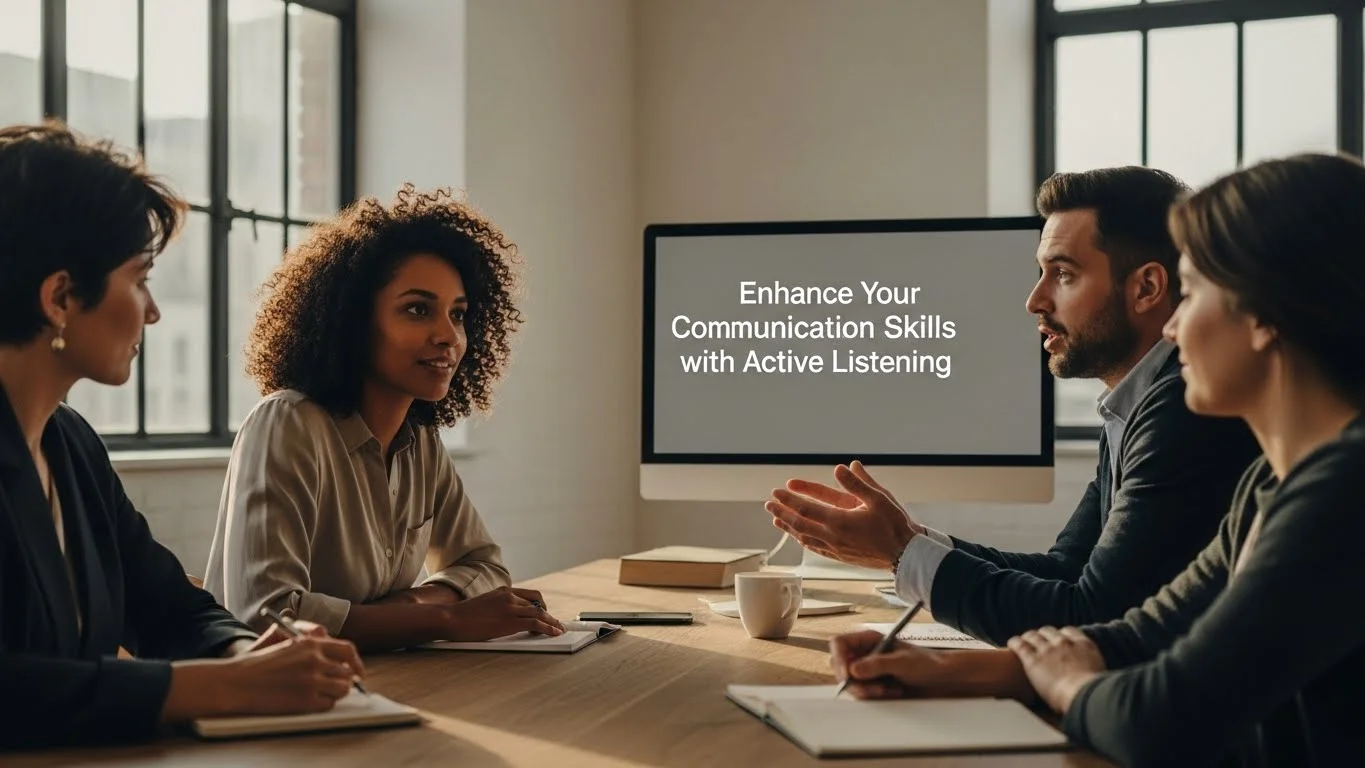
Understanding Active Listening
Definition of Active Listening
Active listening goes beyond simply hearing what someone says. It’s a conscious effort to really comprehend the message being communicated. When I first learned about active listening, I realized it involves focusing not just on words but also on the emotions and intentions behind them. This means being fully present in conversations, showing interest, and making an effort to understand the speaker’s point of view. It’s like tuning into a radio station with perfect clarity, where every word resonates. I think that’s what makes active listening so powerful—it creates a deeper connection.
Importance of Active Listening in Communication
Active listening is crucial in our daily interactions. I often find that when I practice it, conversations become more meaningful. It fosters respect and trust between people. In my experience, when I genuinely listen to others, they feel valued and understood. This not only strengthens personal relationships but also enhances professional ones. Leaders who practice active listening can build stronger teams, as employees feel heard and appreciated. I’ve seen how this can lead to open discussions, innovation, and a sense of belonging within a group. Read Interesting article: Master Active Listening: Tips for Effective Communication
Differences Between Active Listening and Passive Listening
It’s essential to distinguish active listening from passive listening. When I think of passive listening, I imagine those moments when I’m physically present but my mind is elsewhere—maybe distracted by my phone or a to-do list. In contrast, active listening demands my full attention. I learned that in passive listening, we might nod our heads and make brief acknowledgments, but we aren’t truly engaging with the speaker. This can lead to misunderstandings and frustration. For me, recognizing this difference was a turning point in how I approached conversations.
Core Components of Active Listening
Paying Attention
The first step in active listening is paying attention. I realized that this means more than just looking at the person speaking; it involves eliminating distractions and being mentally present. I often make a conscious effort to put my phone away and focus entirely on the speaker. This signals to them that they have my undivided attention, which I believe is crucial for effective communication. When I do this, I can pick up on nonverbal cues like body language and tone of voice, which enrich the conversation.
Providing Feedback
Feedback is another vital component of active listening. I’ve learned that reflecting on what the speaker says—whether through nodding, summarizing, or asking clarifying questions—shows engagement. For instance, when someone shares a concern with me, I often paraphrase what they’ve said to ensure I understand correctly. This not only helps clarify any misunderstandings but also demonstrates that I value their input. It’s amazing how a simple “So what you’re saying is…” can deepen the conversation and foster trust.
Deferring Judgment
Deferring judgment is perhaps one of the most challenging aspects of active listening. I used to find myself jumping to conclusions or formulating a response before the other person finished speaking. I realized that doing so not only undermined my listening skills but also hindered the quality of the conversation. Now, I make a conscious effort to set aside my biases and judgments while someone is talking. This allows me to fully immerse myself in their perspective and respond more thoughtfully.
Responding Appropriately
How we respond after listening is crucial. I’ve learned that a thoughtful response can validate the speaker’s feelings and encourage further conversation. I try to avoid one-word answers or dismissive phrases. Instead, I aim for responses that show empathy and understanding. For example, when a friend shares a difficult experience, I might say, “That sounds really tough. I can see why you’d feel that way.” This not only acknowledges their feelings but also opens the door for deeper discussion.
Benefits of Active Listening
Improved Relationships
One of the most significant benefits of active listening is the improvement in relationships. I’ve noticed that when I actively listen, my connections with friends, family, and colleagues become stronger. They feel understood, appreciated, and valued, which deepens our bond. I remember a time when a friend was going through a rough patch, and by simply being there to listen, I helped strengthen our friendship. It was a reminder that sometimes, all someone needs is to be heard.
Enhanced Understanding
Active listening enhances understanding, too. I’ve found that when I truly listen, I gain insights that I might have missed otherwise. This has been especially important in professional settings, where nuances can make a big difference in projects. I recall a team meeting where an idea was presented, and by actively listening and asking questions, I was able to clarify points that led to a more successful outcome. It’s amazing how much we can learn from others when we take the time to truly listen.
Conflict Resolution
Conflict resolution is another area where active listening shines. I’ve seen how effective listening can diffuse tense situations. When disagreements arise, being willing to listen to the other person’s point of view can lead to solutions that satisfy everyone involved. In my experience, approaching conflicts with an open mind and an active listening attitude often results in better understanding and collaboration.
Boosted Empathy
Lastly, active listening boosts empathy. The more we listen, the more we can relate to others’ feelings and experiences. I remember a time when a colleague shared their personal struggles with work-life balance. By actively listening, I could empathize with their situation and offer support. This not only strengthened our relationship but also helped me grow as an individual. Active listening fosters a culture of empathy, allowing us to connect on a deeper level.
Techniques to Improve Active Listening Skills
Practicing Mindfulness
I’ve always found that practicing mindfulness is a powerful way to enhance my active listening skills. When I consciously focus on being present in the moment, it transforms how I engage with others. This means putting aside my thoughts about the past or future and zeroing in on the conversation at hand. I remember attending a workshop where we practiced mindfulness exercises, and I was surprised by how much more engaged I felt afterward. I tried deep breathing techniques before conversations to calm my mind, which helped me listen better. I feel that being mindful not only helps me absorb what others are saying but also makes them feel respected and valued.
Using Open-Ended Questions
One technique I’ve adopted is using open-ended questions during conversations. Instead of asking questions that can be answered with a simple “yes” or “no,” I try to encourage elaboration. For instance, instead of saying, “Did you like the movie?” I might ask, “What did you think about the movie?” This invites the speaker to share their thoughts more fully. I’ve found that by asking open-ended questions, I not only gain deeper insights but also show that I’m genuinely interested in their perspective. It’s amazing how these small changes in questioning can lead to richer discussions.
Paraphrasing and Summarizing
Paraphrasing and summarizing are two skills I practice regularly. When someone shares their thoughts, I often repeat back what I’ve heard in my own words. This not only confirms my understanding but also shows the speaker that I’m paying attention. For example, if a colleague explains a project detail, I might say, “So, you’re saying that we need to focus on the timeline for the next phase, right?” This gives them a chance to clarify if I misunderstood something. I think this technique really fosters trust and makes people feel valued, which enhances overall communication.
Nonverbal Communication Cues
Nonverbal communication has always fascinated me, and I’ve learned that it plays a crucial role in active listening. Body language, eye contact, and facial expressions can speak volumes about our engagement in a conversation. I consciously try to maintain eye contact and nod at appropriate times to show I’m engaged. I’ve noticed that when I do this, the speaker feels more encouraged to share. Similarly, being aware of the other person’s nonverbal cues helps me understand their feelings and reactions better. For instance, if I notice someone crossing their arms, I might adjust my approach to make them feel more comfortable. This attention to nonverbal signals has deepened my connections with others.
Active Listening in Different Contexts
Active Listening in Personal Relationships
In my personal relationships, I’ve realized that active listening can significantly enhance the quality of my interactions. With family and friends, making an effort to listen attentively has led to more meaningful conversations. I remember a time when I was having a heart-to-heart talk with my sibling. By practicing active listening, I could sense their emotions and respond with empathy, which strengthened our bond. It made me realize that being a good listener is just as important as being a good talker. I think active listening fosters a safe space where loved ones feel comfortable sharing their thoughts and feelings.
Active Listening in Professional Settings
Active listening in the workplace has been a game-changer for me. I’ve noticed it can lead to improved collaboration and innovation. In meetings, I try to listen carefully to my colleagues’ ideas and give them the space to express themselves fully. I recall a brainstorming session where one team member felt hesitant to share their thoughts, but by actively encouraging them to speak up, we unearthed a fantastic idea that benefited the entire project. This experience taught me that when we listen actively, we not only empower others but also create a more inclusive environment for everyone. Read Interesting article: Essential Social Skills for Young Travelers: A Guide
Active Listening in Educational Environments
In educational settings, active listening becomes even more important. I’ve found that being an active listener in classrooms or workshops allows me to absorb new information more effectively. When I engage with teachers or fellow students, I notice that it leads to richer discussions and a better learning atmosphere. I remember a group project where we had to collaborate closely. By actively listening to each other’s input, we were able to combine our ideas and produce a cohesive presentation. It reminded me that active listening isn’t just about hearing; it’s about creating an environment that encourages everyone to contribute.
Common Barriers to Active Listening
Distractions and Multitasking
One of the biggest barriers to active listening that I’ve encountered is distractions. In our fast-paced world, it’s easy to get sidetracked by notifications on our phones or even our own thoughts. I’ve experienced moments where I tried to listen to someone while simultaneously checking my emails, and it only resulted in misunderstandings. To combat this, I’ve made it a habit to put my phone away and minimize distractions when I’m having important conversations. This simple change has made a world of difference in how I listen and engage with others.
Preconceived Notions and Bias
Preconceived notions can really hinder active listening. I’ve caught myself jumping to conclusions based on my assumptions about what someone will say. This not only limits my understanding but can also lead to frustrating interactions. I’ve learned to remind myself to approach conversations with an open mind. When I consciously set aside my biases, I find that I’m more receptive to new ideas and perspectives, which enriches my conversations.
Emotional Reactions
Emotional reactions can also be a significant barrier. I’ve noticed that when someone says something that triggers a strong emotion in me, it can be difficult to focus on what they’re saying. I’ve had to train myself to recognize my feelings and take a moment to breathe before responding. By doing this, I allow myself to listen more objectively and engage in a more constructive conversation. It’s a valuable skill that has improved my interactions, especially during sensitive discussions.
Language and Cultural Differences
Language and cultural differences can present challenges in active listening too. I’ve encountered situations where idioms or cultural references led to misunderstandings. In instances like these, I remind myself to be patient and ask for clarification. I’ve found that showing a willingness to understand different perspectives enriches my conversations and broadens my horizons. It’s a beautiful reminder that active listening can bridge gaps, fostering understanding among diverse groups.
Measuring Your Active Listening Skills
Self-Assessment Techniques
Measuring my active listening skills has been enlightening. I often engage in self-assessment techniques after conversations. Reflecting on how well I listened, what I could improve, and whether I responded appropriately has helped me identify areas for growth. Sometimes, I jot down notes about specific interactions to see patterns in my listening habits. This practice has made me more aware of my strengths and weaknesses in communication.
Soliciting Feedback from Others
Soliciting feedback from others has also been incredibly valuable. I’ve started asking friends and colleagues for their honest opinions about my listening skills. Their insights have opened my eyes to aspects I might not have recognized. I remember a colleague once told me that while I was good at summarizing, I could work on asking more questions. This feedback motivated me to enhance my active listening techniques further.
Tracking Progress Over Time
Lastly, tracking my progress has been a rewarding experience. I’ve kept a journal to document my listening experiences and the improvements I’ve noticed. It’s satisfying to look back and see how far I’ve come. I’ve noticed that with practice, I’m not only more effective in conversations but also more confident in my abilities. This ongoing journey of self-improvement is one I cherish.
Resources for Enhancing Active Listening
Books on Communication Skills
There are some fantastic books on communication skills that have helped me enhance my active listening abilities. I remember picking up “The Lost Art of Listening” by Michael P. Nichols, which opened my eyes to the importance of truly hearing others. Each chapter offered practical tips and insights that I could immediately apply to my daily interactions. I also enjoyed “Nonviolent Communication” by Marshall Rosenberg, which emphasizes empathy in conversations. I believe these resources can be invaluable for anyone looking to improve their listening skills.
Online Courses and Workshops
Online courses and workshops have been another great way for me to develop my active listening skills. I’ve participated in several webinars that focused on communication strategies, and they provided me with useful techniques and real-world examples. Platforms like Coursera and Udemy offer courses that are often tailored to specific contexts, whether personal or professional. I found that engaging with a community of learners also motivated me to practice what I was learning.
Practice Exercises and Activities
Lastly, I recommend incorporating practice exercises into your routine. Simple activities like role-playing with friends or colleagues can be fun and educational. We’ve set aside time to simulate conversations where one person speaks while the others practice active listening techniques. These sessions have been eye-opening and have allowed us to learn from each other’s experiences. I’ve found that the more I practice, the more natural active listening becomes.
Frequently Asked Questions
What is active listening?
Active listening is a conscious effort to truly comprehend the message being communicated, focusing on both the words and the emotions and intentions behind them. It involves being fully present in conversations and making an effort to understand the speaker’s point of view.
Why is active listening important in communication?
Active listening is crucial as it fosters respect and trust between people, making conversations more meaningful. It strengthens personal and professional relationships, allowing individuals to feel valued and understood, which can lead to open discussions and innovation.
What are the differences between active listening and passive listening?
Active listening involves full attention and engagement with the speaker, while passive listening may include physical presence without mental engagement, often leading to misunderstandings. Active listening is characterized by a conscious effort to understand, whereas passive listening can be distracted and less effective.
What are the core components of active listening?
The core components of active listening include paying attention, providing feedback, deferring judgment, and responding appropriately. These components help ensure that the listener is engaged and that the speaker feels heard and valued.
How can active listening improve relationships?
Active listening improves relationships by making individuals feel understood, appreciated, and valued. This deepens connections with friends, family, and colleagues, leading to stronger bonds and enhanced communication.
What techniques can enhance active listening skills?
Techniques to improve active listening skills include practicing mindfulness, using open-ended questions, paraphrasing and summarizing, and being attentive to nonverbal communication cues. These methods help listeners engage more fully in conversations.
How does active listening contribute to conflict resolution?
Active listening contributes to conflict resolution by allowing individuals to understand different perspectives during disagreements. This openness can lead to solutions that satisfy everyone involved and promote better collaboration.
What barriers can hinder active listening?
Common barriers to active listening include distractions and multitasking, preconceived notions and biases, emotional reactions, and language or cultural differences. These factors can impede effective communication and understanding.
How can one measure their active listening skills?
Active listening skills can be measured through self-assessment techniques, soliciting feedback from others, and tracking progress over time. Reflecting on interactions and seeking insights from peers can provide valuable information for improvement.
What resources are available for enhancing active listening?
Resources for enhancing active listening include books on communication skills, online courses and workshops, and practice exercises or activities. These can provide valuable techniques and opportunities for practice to improve listening skills.