
Traveling on a budget while managing allergies can feel daunting, but it doesn’t have to be. With a little preparation and awareness, I found ways to enjoy my travels without sacrificing my health or finances. Read Interesting article: Top Tips to Prevent Allergies While Backpacking on a Budget
Understanding Allergies: Types and Triggers
Allergies can be tricky, especially when you’re on the go. I’ve learned that understanding the different types and triggers of allergies is essential for enjoying a stress-free trip. Allergies can vary widely from person to person, and knowing what sets them off can help us avoid potential problems while traveling.
Common Allergens for Travelers
During my travels, I’ve encountered numerous allergens that can easily affect anyone. The most common ones include pollen, dust mites, pet dander, mold, and certain foods. I remember a time I went hiking in a beautiful park, only to find myself sneezing uncontrollably because of pollen. That experience taught me to be aware of seasonal allergies in different destinations. If you’re traveling during spring or summer, be particularly cautious, as pollen counts can soar.
In addition to pollen, dust mites can be an issue, especially in accommodations that have been closed for a while or don’t have regular cleaning protocols. I’ve also learned that pet dander can sneak up on you, particularly if you’re staying in pet-friendly places. And let’s not forget mold, which can be prevalent in humid areas or older buildings. Knowing these common allergens can help us identify potential triggers before they cause a reaction.
Food Allergies vs. Environmental Allergies
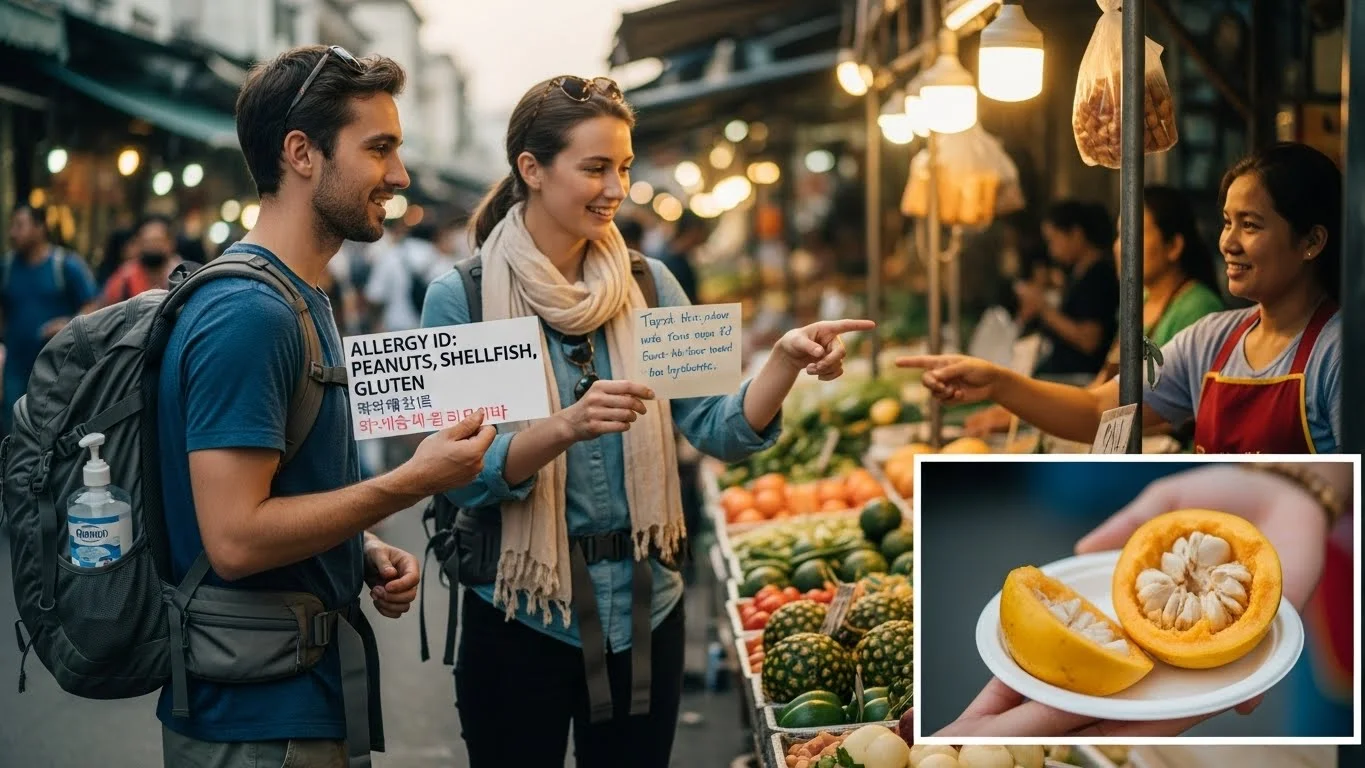
Food allergies and environmental allergies are two different beasts, and understanding the distinction is crucial. I have a friend who is allergic to shellfish, and whenever we travel together, we make it a point to check menus ahead of time. Environmental allergies are often more about seasonal changes and certain locations, while food allergies require a more proactive approach. I recall a trip where I had to navigate a local market filled with unfamiliar food items. I learned to always communicate my allergies clearly, whether I was at a restaurant or shopping for snacks. Read Interesting article: How to Manage Anaphylaxis in Children While Traveling
Pre-Travel Preparations
Preparation is key when dealing with allergies while traveling. From my experience, a little effort upfront can save us from potential allergic reactions later on. Here’s how I recommend you get ready for your trip.
Consulting with an Allergist
Before heading out, I always consult with an allergist. This step is crucial, especially if I’m traveling to a new area with different allergens. My allergist provides tailored advice on what to expect based on my destination. They also help me adjust my medications or suggest necessary precautions. For me, this consultation has become a non-negotiable part of my travel preparations.
Creating an Allergy Action Plan
Creating an allergy action plan is another important step. I made one that outlines my allergies, symptoms, and the steps I need to take if I have a reaction. This plan includes emergency contact information, what medications I carry, and how to access local medical help. It’s comforting to know that I have a clear strategy in place. I also recommend sharing this plan with a travel companion, just in case I need their help.
Researching Destinations for Allergen Risks
Researching destinations for allergen risks has become one of my essential travel habits. I check online resources or local forums to see if there are specific allergens that may be prevalent in the area I’m visiting. I remember planning a beach trip and discovering that a nearby area had high mold counts due to recent rain. This knowledge allowed me to adjust my plans and choose accommodations that were less likely to trigger my allergies.
Packing Essential Allergy Medications
Finally, packing essential allergy medications is a must. I always carry my antihistamines, an epinephrine auto-injector, and any other prescribed medications. I’ve learned to keep these essentials in my carry-on, just in case luggage gets lost. It’s also a good idea to have a list of medications and dosages written down, especially if traveling abroad. This way, I can easily communicate my needs to a local pharmacist if necessary.
With these preparations, I feel more confident and ready to tackle any situation that might arise during my travels. By understanding allergies, consulting professionals, and being proactive, we can find ways to enjoy our trips while keeping our well-being in check. I’m excited to dive deeper into other strategies for budget travelers with allergies in the next sections!
Choosing Budget-Friendly Accommodations
When it comes to traveling on a budget with allergies, selecting the right accommodations can make a world of difference. I’ve found that not all hotels or rentals are created equal, especially concerning allergens. Here’s what I’ve learned about finding allergy-friendly places without breaking the bank.
Identifying Allergy-Friendly Hotels
One of my go-to strategies is to look for hotels that specifically advertise themselves as allergy-friendly. I remember my last trip where I opted for a hotel chain known for its rigorous cleaning protocols and hypoallergenic rooms. These hotels often use air purifiers, have allergen-free bedding, and maintain strict no-pet policies. This made my stay much more comfortable, and I felt good knowing I was minimizing my exposure to allergens. I recommend checking reviews on travel sites or allergy forums to find places that have good reputations for cleanliness and guest health.
Another tip is to contact the hotel directly. I always call ahead to ask about their cleaning practices, pet policies, and whether they can accommodate my specific allergy needs. This proactive approach often leads to helpful tips and sometimes better room options that aren’t readily listed online.
Using Airbnb and Hostels Safely
Using platforms like Airbnb can also be a great way to find budget-friendly and allergy-conscious accommodations. When I book an Airbnb, I’m careful to read the descriptions thoroughly. I look for hosts who mention their cleaning processes and whether they have pets. I remember staying in a charming apartment that was advertised as pet-free, and I made sure to message the host to confirm. I’ve found that most hosts appreciate the inquiry and are happy to share information about their cleaning habits.
Hostels can be a bit trickier, but they can also offer great deals. I always check if they have private rooms available, which gives me more control over my environment. It’s a good idea to ask about their cleaning routines and whether they can accommodate any specific allergy-related requests. I personally have had mixed experiences with hostels, but when I found a clean, well-reviewed one, it turned out to be a highlight of my trip!
Communicating Allergies to Hosts
Communication is key when it comes to managing allergies while traveling. Whether I’m staying in a hotel, an Airbnb, or a hostel, I make it a point to communicate my allergies to my hosts. I’ve learned that being upfront can lead to adjustments that enhance my stay. For instance, I once stayed in an Airbnb where the host was willing to remove certain items from the room that could trigger my allergies. They were incredibly accommodating, which made my experience so much better!
When I communicate, I keep it simple and clear. I explain my allergies and any specific requests I have, like needing extra cleaning or avoiding certain products. Most hosts appreciate the heads-up and will do their best to accommodate. I’ve also found that if a host seems indifferent or dismissive about my allergies, it’s a red flag, and I prefer to look for another place.
In addition, I make sure to ask about the availability of essential items that might help me manage my allergies, like air purifiers or hypoallergenic laundry detergent. It’s these little details that can really enhance my comfort level while traveling.
Choosing the right accommodation can significantly impact my travel experience. By being proactive and communicating openly with hosts and hotel staff, I can ensure that my allergies are managed effectively, all while staying within budget. With these strategies in place, I feel more at ease when I arrive at my destination, which allows me to focus on the adventures that lie ahead!
Safe Eating on a Budget
Food is a huge part of travel; it’s how we connect with new cultures and experiences. However, when you have allergies, eating out can sometimes feel like walking a tightrope. I’ve been in situations where I had to be extra cautious about what I ate, and I’ve learned some valuable strategies to help us enjoy local cuisine while keeping our health in check.
Finding Allergy-Friendly Restaurants
One of my favorite parts of traveling is trying new foods, but finding allergy-friendly restaurants can be a challenge. I always start by researching restaurants online before I go. Websites and apps like Yelp and TripAdvisor often have reviews regarding allergy accommodations. I remember a trip to Italy where I found a fantastic restaurant that specialized in gluten-free options. A quick call to the restaurant helped me confirm their practices, and I ended up enjoying some delicious pasta without worry.
I also recommend looking for restaurants that are known for their transparency regarding ingredients. Many places now provide allergen menus or will gladly accommodate requests. I’ve found that chain restaurants often have more standardized procedures for handling allergies, which can be reassuring. However, don’t hesitate to ask staff specific questions about food preparation and cross-contamination; most are happy to help.
Local Cuisine: What to Watch Out For
When it comes to local cuisine, there are always certain ingredients to watch out for. In my travels, I’ve discovered that some countries use unique spices or ingredients that I didn’t initially think might trigger my allergies. For instance, in Thailand, I learned that certain sauces contain fish sauce, which I have an allergy to. I made it a point to ask about every ingredient in my dish to avoid any surprises!
Street food can be a delightful experience, but it also requires caution. I usually try to choose vendors that cook food fresh in front of you, as this often means fewer allergens are present. Plus, the food is typically more delicious! My advice is to trust your instincts; if something doesn’t look or smell right, it’s best to pass. Your health is far more important than a culinary adventure!
Grocery Shopping Tips for Allergic Travelers
Sometimes, the best way to manage allergies while traveling is to prepare your own meals. I’ve found that grocery shopping in local markets can be a fun and budget-friendly way to eat safely. When I travel, I often seek out local grocery stores or markets as they can offer fresh produce and local delicacies. This allows me to control what goes into my meals.
Before heading to the store, I make a list of foods I know I can eat based on my allergies. I always look for whole foods like fruits and vegetables, as they typically don’t contain allergens. When I’m in a foreign country, I try to learn a few key phrases in the local language to help me read labels or ask about ingredients. For instance, I once mastered the phrase for “does this contain nuts?” in Spanish, which saved me from a potential allergic reaction!
Another tip is to look for pre-packaged snacks that list allergens clearly. I’ve found that many brands cater to allergy-conscious consumers, providing clear labeling to help us make informed choices. Even in a different country, it’s comforting to find items that are familiar and safe. I usually stock up on snacks for day trips or excursions since they can be lifesavers when I’m on the go.
Eating safely on a budget while traveling with allergies doesn’t have to be a struggle. With a little research and preparation, I have enjoyed many delicious meals without sacrificing my health. The key is to be proactive, communicate your needs, and, most importantly, trust your instincts when it comes to food choices! Read Interesting article: Essential First Aid Tips for Kids with Allergies
Transportation Considerations
Getting from one place to another is a significant part of travel, and it can also bring its own set of challenges when dealing with allergies. I’ve learned that being mindful of transportation options can help us avoid potential allergic reactions while still keeping our travel plans on track.
Allergy Risks in Public Transport
Public transportation is convenient, but it can also expose us to various allergens. I remember taking a crowded subway in a new city and feeling overwhelmed by dust and pet dander from nearby passengers. To minimize risks, I always try to travel during off-peak hours when possible. It not only reduces the number of people around me but also makes for a more comfortable ride.
When using public transport, I also carry a small pack of disinfecting wipes. I’ve found that wiping down my seating area can help reduce exposure to allergens and germs. I try to avoid touching my face, especially around my nose and mouth, until I can wash my hands thoroughly. It’s a simple habit, but it can make a big difference in how I feel during my travels.
Choosing Allergy-Friendly Airlines
Flying can be particularly challenging with allergies. I always do my homework before booking flights to ensure I choose an airline that is responsive to allergy concerns. Some airlines allow passengers to request allergy-friendly meals or specify dietary restrictions when booking. I remember traveling with an airline that had a dedicated customer service line for allergy inquiries, which made me feel much more secure about my flight.
On the day of my flight, I make sure to inform the flight attendants about my allergies as soon as I board. They can often help accommodate my needs during the flight. If I have a specific meal request or need a menu with clear labeling, I don’t hesitate to ask. It’s worth the conversation to ensure I have a safe travel experience.
Managing Allergies During Road Trips
Road trips can be an exciting way to explore, but they also come with their own set of allergy challenges. I’ve learned to be strategic about my snacks and stops. Before hitting the road, I prepare a cooler with safe snacks and meals for the journey. This way, I know exactly what I’ll be eating, and I avoid the temptation of roadside fast food, which can often be risky.
Whenever I stop for gas or rest breaks, I always check for local restaurants or grocery stores nearby. I’ve found that many small towns offer unique dining options, and sometimes, those mom-and-pop places are more accommodating to special dietary needs. I recommend keeping a list of allergy-friendly eateries handy, just in case you’re in a new area and need something quick.
Traveling with allergies requires a bit of extra planning, but I’ve found that the rewards are well worth the effort. Whether I’m navigating public transport, flying to a new destination, or hitting the road, I prioritize my health while still enjoying the adventure of travel.
Frequently Asked Questions
What are some common allergens that travelers should be aware of?
Common allergens for travelers include pollen, dust mites, pet dander, mold, and certain foods. Being aware of these allergens can help avoid allergic reactions while traveling.
How can I prepare for allergies before traveling?
Preparation includes consulting with an allergist, creating an allergy action plan, researching destinations for allergen risks, and packing essential allergy medications.
What should I include in my allergy action plan?
Your allergy action plan should outline your allergies, symptoms, emergency contacts, the medications you carry, and how to access local medical help if needed.
How can I find allergy-friendly accommodations while traveling?
Look for hotels that advertise themselves as allergy-friendly, check reviews on travel sites, and contact hotels directly to inquire about their cleaning practices and pet policies.
What are some tips for communicating allergies to hosts?
When communicating allergies to hosts, keep it simple and clear. Explain your allergies and specific requests, and ask about available allergen management options in the accommodation.
How can I find allergy-friendly restaurants while traveling?
Research restaurants online before your trip using websites and apps like Yelp and TripAdvisor. Look for restaurants with allergen menus and don’t hesitate to ask staff about food preparation and ingredients.
What should I watch out for when trying local cuisine?
Be cautious of unique ingredients in local cuisine that may trigger allergies, such as certain sauces. Always ask about all ingredients in your dish and trust your instincts when it comes to food choices.
What are some grocery shopping tips for allergic travelers?
When grocery shopping, focus on whole foods like fruits and vegetables, learn key phrases in the local language to ask about ingredients, and look for pre-packaged snacks with clear allergen labeling.
How can I minimize allergy risks when using public transportation?
To minimize risks on public transport, travel during off-peak hours, carry disinfecting wipes to clean your seating area, and avoid touching your face until you can wash your hands thoroughly.
What should I do to manage allergies while flying?
Before flying, choose airlines that are responsive to allergy concerns, inform flight attendants about your allergies upon boarding, and request allergy-friendly meals if needed.