
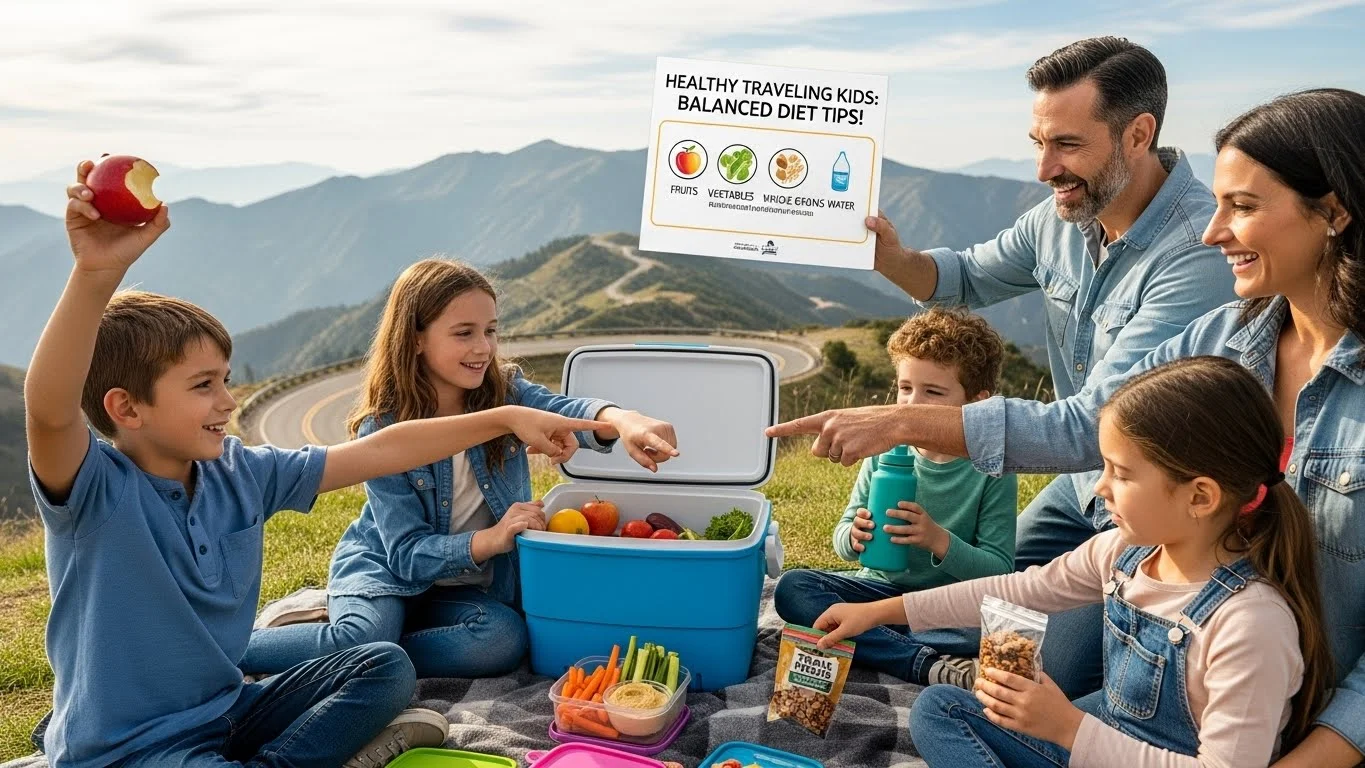
Traveling with kids can be a whirlwind of excitement and adventure, but it can also pose challenges when it comes to keeping their diets balanced. I’ve found that ensuring my kids eat healthy while on the go makes a world of difference in their energy levels and mood.
Understanding the Importance of a Balanced Diet for Kids
When I think about a balanced diet for kids, I remember all those times I packed lunches for school or planned meals for family trips. A balanced diet isn’t just about eating fruits and veggies; it’s about ensuring that kids get the right mix of nutrients their growing bodies need. This includes proteins, carbohydrates, fats, vitamins, and minerals. Each of these components plays a crucial role in their overall health and development. Essential Nutrients: Balanced Diet Tips for Kids can provide further insights into this topic.
What Constitutes a Balanced Diet?
A balanced diet generally includes a variety of foods from different food groups. I always aim to incorporate:
- Fruits and Vegetables: These are packed with vitamins, minerals, and fiber. They help support immune function and digestion.
- Proteins: Sources like lean meats, dairy, legumes, and nuts are essential for growth and development.
- Whole Grains: Foods such as brown rice, whole grain bread, and oats provide energy and keep kids feeling full longer.
- Healthy Fats: Avocados, nuts, and olive oil are great for brain health and energy.
Balancing these components makes every meal nutritious and satisfying. I remember creating colorful plates for my kids, which not only looked appealing but also made them more eager to eat. It’s all about setting a good foundation for their health.
Why Nutrition Matters for Traveling Children
When we travel, I notice my kids can become more susceptible to fatigue and mood swings. I realized that maintaining a balanced diet is even more crucial during these times. Nutrition plays a significant role in keeping their energy levels up, especially when we’re exploring new places. I’ve seen firsthand how a day full of travel can drain their energy if they haven’t eaten well. A nutritious meal can help them stay active and engaged instead of cranky and tired.
Additionally, traveling can expose kids to new foods and eating habits. While it’s exciting, it can also mean they might not get the nutrients they need if they indulge too much in junk food or sugary snacks. I’ve found that sticking to a balanced diet while on the go helps avoid those inevitable meltdowns and keeps our adventures enjoyable. For more tips on feeding your toddler on a budget, check out Top Tips for Balanced Diets: Feeding Your Toddler on a Budget.
Essential Nutrients for Growing Kids
Proteins: Building Blocks of Growth
Proteins are essential for growth, and I always try to include a source of protein in every meal for my kids. Whether it’s grilled chicken, fish, beans, or yogurt, protein helps repair tissues and build muscles. During our last family trip, I made sure to pack some protein-rich snacks like hard-boiled eggs and nut butter packets. They were perfect for keeping energy levels high during our long hikes.
Carbohydrates: Energy for Active Adventures
Carbohydrates provide quick energy, which my kids need when we’re out exploring. I prefer whole grains, as they keep our energy levels steady. On our last trip, I packed whole-grain wraps filled with turkey and veggies. Not only were they delicious, but they also kept the kids fueled up for the day. I learned that having a good mix of carbs helps avoid the dreaded “sugar crash” that sugary snacks can cause.
Healthy Fats: Brain Development and Energy
Healthy fats are vital for brain development, especially in growing kids. I often include avocados, nuts, or seeds in our meals. When we traveled to the beach last summer, I made sure to pack a trail mix with nuts and dried fruits. It was a great snack for the kids, keeping them energized and satisfied during our beach days. I’ve noticed that when they consume healthy fats, their mood seems to improve, and they can concentrate much better on our activities.
Vitamins and Minerals: Boosting Immunity
Traveling exposes kids to new environments and germs, so it’s essential to support their immune systems. I focus on incorporating a colorful array of fruits and vegetables to ensure they get enough vitamins and minerals. For example, during our road trips, I often pack berries and baby carrots for snacks. These not only taste great but also provide necessary nutrients. I remember a time when my kids were able to fend off a cold during a trip simply because they were getting the right vitamins. Additionally, for insights into supporting your child’s cognitive development, see Essential Tips for Supporting Your Child’s Cognitive Development.
Planning Healthy Meals on the Go
Creating Balanced Meal Plans for Trips
Whenever we set out on a trip, I find that having a meal plan really helps keep our eating habits on track. I like to sit down a few days before our departure and brainstorm what meals will work best during our travels. I try to consider where we’ll be going and what kinds of foods will be available. For instance, if we’re heading to the beach, I’ll plan for light, refreshing meals that won’t weigh us down in the heat.
One strategy that’s worked well for me is to prepare a mix of homemade meals and snacks that I can easily pack. I often make things like quinoa salad with veggies and chickpeas or wraps with lean protein and lots of colorful veggies. I also make sure to include some portable options like snack-sized containers of yogurt or hard-boiled eggs. This way, we have nutritious meals ready to go, and I don’t have to rely solely on whatever we can find on the road.
Another tip is to involve the kids in this planning process. I’ve noticed that when they help choose meals, they’re often more excited to eat healthy options. We discuss different recipes and let them pick their favorites, which not only empowers them but also makes them more likely to try new foods.
Snacks that Pack Nutritional Punch
Snacks are crucial for keeping our energy levels up while traveling, especially for my kids. I’ve learned the hard way that a day of sightseeing can quickly turn into a disaster if I don’t have healthy snacks on hand. I love preparing a variety of snacks that are not only nutritious but also fun to eat. Some of my go-to options include:
- Homemade Trail Mix: I mix nuts, seeds, dried fruits, and a bit of dark chocolate for a sweet touch. It’s perfect for giving my kids a quick energy boost without the sugar crash.
- Fruit Kabobs: I cut up different fruits and let the kids assemble their own kabobs. It’s a fun way to get them involved, and they love eating something they’ve created themselves.
- Veggie Sticks and Hummus: Carrot and cucumber sticks with a small container of hummus make for a crunchy, satisfying snack that’s packed with nutrients.
- Energy Bites: I whip up energy bites using oats, nut butter, and honey. They’re simple to make, and my kids can munch on them throughout the day.
Having these snacks readily available not only helps maintain their energy but also keeps them away from less healthy options that might be tempting when we stop at convenience stores or fast food places.
Incorporating Local Foods into Your Diet
One of the joys of traveling is experiencing local cuisines. I believe that introducing my kids to different foods can be a wonderful way to learn about cultures and traditions. However, I try to balance this with our goal of eating healthily. When we visit a new place, I make it a point to seek out local markets or restaurants that offer fresh, locally sourced meals.
For example, during our trip to Italy, we explored local farmers’ markets where we found amazing fresh fruits and vegetables. We bought some fresh mozzarella and basil, which we used to create a simple Caprese salad. The kids loved it, and it was a great way to enjoy the local flavors while keeping our meal balanced.
I also try to encourage my kids to be adventurous eaters. I remind them that trying new foods can be exciting, and I’ve noticed that they often surprise themselves with what they enjoy. We’ve tried everything from exotic fruits to local dishes in different regions, and it can be a fun experience to share together.
Healthy Eating Tips When Traveling
Making Smart Choices at Restaurants
Eating out is a big part of traveling, and I’ve learned that making smart choices at restaurants can significantly impact my kids’ nutrition. I remember our last trip when we stumbled upon a local diner. The kids were excited about the menu, which was filled with classic comfort foods. Instead of letting them order everything fried or smothered in cheese, I suggested we share a few different dishes. This way, we could enjoy a variety of flavors while keeping things balanced. I often look for places that offer healthier options, like salads or grilled items. When we order, I encourage my kids to choose a side of vegetables or a fruit cup instead of fries. I find that when they see me making thoughtful choices, they are more inclined to do the same. Plus, sharing meals can lead to fun conversations about what we like and don’t like, and it makes the whole dining experience feel more communal. One handy tip I’ve discovered is to check the restaurant’s menu online before we arrive. This helps all of us know what to expect and allows us to make decisions ahead of time. I try to highlight a few healthier options that we can choose from, so the pressure of making a quick decision while hungry doesn’t lead us down the wrong path.How to Read Nutrition Labels While Traveling
When we’re on the road, I find myself grabbing snacks from convenience stores or local markets. That’s when understanding how to read nutrition labels becomes important. I remember a time when I picked up a seemingly healthy snack bar for my kids, only to discover it was loaded with added sugars and preservatives. Since then, I’ve made it a point to teach my kids how to read labels. I focus on a few key areas: the serving size, the amount of added sugars, and the types of fats. I explain to my kids that if we see a long list of ingredients with hard-to-pronounce names, it’s usually better to put it back. Instead, I look for snacks that are high in fiber and protein while being low in sugar. When we’re at a store, we often make a game out of finding the best snack options. I’ll ask them to help me look for items that have whole grains or are minimally processed. This not only makes shopping more engaging but also teaches them valuable skills for making healthy choices in the future.Staying Hydrated: Importance of Water Intake
Staying hydrated while traveling is something I can’t emphasize enough. I’ve seen how dehydration can affect my kids’ energy levels and mood. To encourage them to drink enough water, I always carry reusable water bottles. This way, we can refill them throughout the day, whether we’re at a park or exploring a city. I’ve found that sometimes, kids aren’t always in tune with their thirst, especially when they’re busy having fun. I remind my kids to take regular water breaks, especially during hot days or after physical activities. We make it a routine to stop and drink water before we head out to our next adventure. I also like to mix things up by adding slices of fruits like lemons or berries to their water. It’s a simple trick that makes hydration feel a bit more exciting. I notice that when water has a little flavor, they’re more likely to drink it. On a few occasions, I’ve even tried coconut water or homemade fruit-infused water as a treat. It’s a fun way to keep them hydrated while providing some additional nutrients, too!Dealing with Picky Eaters While Traveling
Strategies to Encourage Healthy Eating
Traveling with picky eaters can be a challenge, and I’ve had my share of experiences with kids who aren’t always excited about trying new foods. One approach that has worked for me is to involve them in the decision-making process. I’ve found that when they feel included, they’re more willing to at least taste what’s on their plate. For instance, before a trip, I often sit down with my kids to discuss meals we might have. We look at different cuisines from the places we’ll visit, and I invite them to pick a few dishes they’d like to try. This not only helps them feel more invested but also opens up conversations about various ingredients. Another tactic I use is to create a “try-it” plate. This is where we put a small amount of new or unfamiliar foods alongside their favorites. It reduces the pressure to eat everything and makes trying something new feel less intimidating. I remember our visit to a taco stand; my kids were hesitant about trying fish tacos. So, I made a deal—if they tried a bite, they could choose a dessert afterward. They ended up loving the tacos and forgot all about the dessert!Involving Kids in Meal Choices and Preparation
I’ve discovered that involving my kids in meal preparation can significantly change their attitudes toward food. Even when we’re traveling, I try to find opportunities to let them help out in the kitchen. If we’re staying somewhere with a kitchen, I’ll ask them to assist in planning a meal or prepping ingredients. During our stay in a rental home, we decided to make homemade pizzas one night. I laid out a variety of toppings, from veggies to different cheeses. The kids loved creating their own personal pizzas, and I was amazed at how many vegetables they piled on! Cooking together not only reinforces healthy eating habits but also creates wonderful family memories. When we’re on the road, I also encourage them to help out by picking snacks or making simple sandwiches. It’s a great way to teach them about nutrition, portion sizes, and the importance of balance while eating. The more involved they are, the more likely they are to embrace healthier choices.Travel-Safe Foods: What to Pack
Non-Perishable Snacks for Road Trips
When it comes to packing snacks for our road trips, I’ve learned that having a stash of non-perishable options is key. These snacks not only keep well without refrigeration, but they’re also easy to access during long drives. I often fill my snack bag with items like whole grain crackers, nut butter packets, and popcorn. One of my favorites is packing some granola bars. I’ve found many brands that offer lower sugar options, which are great for keeping the energy levels steady without the sugar crash. Another go-to is dried fruit, like apricots or apple slices. They’re chewy and sweet, which my kids love, plus they give a nice boost of vitamins. I also like to bring along some trail mix, which I prepare in advance. Mixing nuts, seeds, and a small amount of dark chocolate makes for a delicious and satisfying snack. The kids can munch on it whenever they feel peckish, and it provides a good mix of protein and healthy fats to keep them energized.Safe Foods for Air Travel
Air travel can be a bit trickier when it comes to snacks. I remember our first family flight where I thought I could just buy snacks at the airport. What a mistake! I quickly realized that the options were limited and often unhealthy. Now, I’m much more prepared. I always pack easy-to-carry snacks like baby carrots, apple slices, and whole-grain crackers in small, resealable bags. These are not only healthy but also manageable for little hands. I also bring along cheese sticks or mini yogurt containers, as they hold up well during the flight. I’ve found that when packing snacks, it’s best to avoid anything that might make a mess or has strong odors. This means steering clear of foods like tuna salad or anything too crumbly. I also recommend packing an extra snack in your carry-on just in case there are delays or unexpected hunger pangs.Balancing Treats and Indulgences
Understanding Moderation
Traveling often means indulging in local treats, and I’ve learned that it’s all about balance. I remember a trip to a theme park where my kids were eager to try every sugary snack in sight. Instead of saying no outright, I decided to implement a rule about moderation. We’d pick one treat a day to share as a family. This approach not only allowed them to enjoy something special but also taught them about making choices. We would all decide together, which made it a fun family activity. Their excitement over a shared funnel cake or a scoop of local ice cream was so much more rewarding than if they had eaten those things every day.Making Healthier Choices During Treat Times
When we do indulge, I try to encourage healthier versions of treats. For example, if we’re at a fair, I’ll suggest the fruit stands or frozen yogurt instead of fried dough. Just because we’re traveling doesn’t mean we can’t look for healthier options. I also remind my kids that it’s okay to enjoy sweets, but they can also choose items that are less processed. I’ve found that offering them a choice between a delicious fruit smoothie or a candy bar often leads them to make a better choice. They’re more aware of the healthier alternatives, and it’s a great way to enjoy treats without going overboard.Engaging Kids in Healthy Eating Habits
Fun Ways to Explore Nutrition Together
Engaging my kids in learning about nutrition has been a joyful experience. I often turn grocery shopping into a mini-adventure, where we explore different fruits and vegetables. I’ll ask them to pick out one new item to try each week. This not only expands their palate but also sparks their curiosity about where food comes from. We’ve had fun experimenting with recipes at home, turning it into a game where they can create their own dishes. Whether it’s a smoothie challenge or a pizza-making night, involving them in the kitchen makes healthy eating exciting. They take pride in what they’ve helped prepare, and it encourages them to make healthier choices.Incorporating Physical Activity with Healthy Eating
I think one of the best ways to reinforce the importance of healthy eating is by pairing it with physical activities. During our trips, I make it a point to incorporate something active, like hiking or biking. I’ve noticed that when my kids are physically engaged, they’re more inclined to make healthier food choices. After a day of exploring, we often talk about how good it feels to be active and how nutritious meals fuel that energy. This connection helps them understand the relationship between what we eat and how we feel. I feel that it’s essential to foster a love for both good food and an active lifestyle, as it sets the stage for healthy habits in the future.Final Thoughts
From my experiences traveling with my kids, I’ve learned that maintaining a balanced diet on the go doesn’t have to be stressful. It’s all about planning, creativity, and involving the kids in the process. By focusing on nutritious options, making smart choices, and incorporating local foods, we can enjoy our journeys without sacrificing our health. I believe that fostering healthy eating habits now sets the foundation for a lifetime of wellness. Embracing the adventure of trying new foods and making mindful choices becomes a part of the journey itself. As our family continues to explore new places, I look forward to sharing more flavors, experiences, and memories together.Frequently Asked Questions
What is a balanced diet for kids while traveling?
A balanced diet for kids while traveling includes a variety of foods from different food groups, such as fruits and vegetables, proteins, whole grains, and healthy fats. This ensures they receive the right mix of nutrients necessary for their growth and development.
Why is nutrition important for kids during travel?
Nutrition is crucial for kids during travel because it helps maintain their energy levels and mood. A balanced diet can prevent fatigue and crankiness, making family adventures more enjoyable.
What are some essential nutrients for growing kids?
Essential nutrients for growing kids include proteins (for growth and muscle repair), carbohydrates (for energy), healthy fats (for brain development), and vitamins and minerals (to boost immunity).
How can I plan healthy meals for trips with kids?
Planning healthy meals for trips involves brainstorming meal options a few days before departure, preparing a mix of homemade meals and snacks, and involving kids in the process to increase their excitement about healthy eating.
What are some healthy snack ideas for traveling with kids?
Healthy snack ideas for traveling with kids include homemade trail mix, fruit kabobs, veggie sticks with hummus, and energy bites made with oats and nut butter. These snacks provide nutrition and help maintain energy levels.
How can I incorporate local foods into my kids’ diet while traveling?
You can incorporate local foods into your kids’ diet by seeking out local markets or restaurants that offer fresh, locally sourced meals. Encourage kids to try new foods and engage in the experience of exploring different cuisines.
What strategies can I use to encourage picky eaters to try new foods while traveling?
To encourage picky eaters to try new foods while traveling, involve them in meal planning, create a “try-it” plate with small portions of new foods alongside favorites, and offer incentives like choosing a dessert after trying a new dish.
How can I make smart choices at restaurants while traveling?
To make smart choices at restaurants while traveling, look for healthier options on the menu, share dishes to try a variety of flavors, and encourage kids to choose sides of vegetables or fruit instead of fries.
What are some tips for reading nutrition labels on snacks while traveling?
When reading nutrition labels on snacks while traveling, focus on serving size, added sugars, and types of fats. Look for snacks that are high in fiber and protein while being low in sugar, and avoid items with long ingredient lists of hard-to-pronounce names.
How can I ensure my kids stay hydrated while traveling?
To ensure kids stay hydrated while traveling, carry reusable water bottles, remind them to take regular water breaks, and add slices of fruits like lemons or berries to their water for a fun twist.