
Every parent wants to see their child thrive and grow. Understanding the essential behavioral milestones in child development can make this journey clearer and more fulfilling.
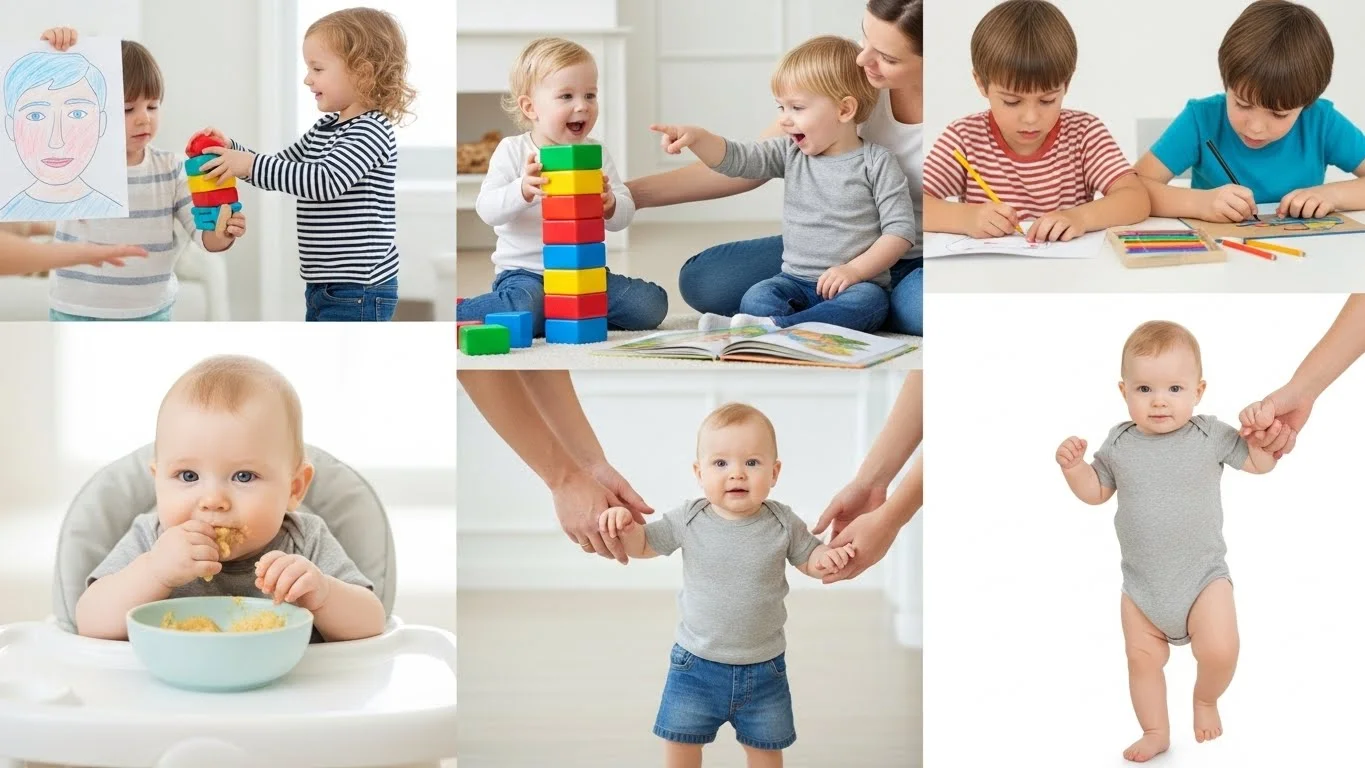
Understanding Behavioral Milestones
Definition of Behavioral Milestones
Behavioral milestones are specific skills and behaviors that children typically achieve within certain age ranges. These milestones are like markers on a developmental timeline, helping us understand how a child is growing socially, emotionally, and behaviorally. When I first learned about these milestones, it felt like I had been given a map for my child’s journey. I noticed how they provide a framework for what to expect as my child develops. It’s fascinating to see how these milestones can vary from one child to another, yet many follow a broad pattern.
Importance of Tracking Development
Tracking behavioral milestones is crucial for several reasons. First and foremost, it allows parents and caregivers to recognize typical development patterns. I remember the first time I realized my child was behind in speaking—it was concerning, but understanding the milestones helped me approach the situation constructively. It’s not just about worrying when a child isn’t meeting milestones; it’s about giving them the right support and encouragement to flourish. Monitoring these behaviors can also aid in identifying any potential developmental delays early on, which can lead to timely interventions. In our case, being aware of these markers made it easier to celebrate achievements and also to address any areas where we needed additional help. Essential Tips for Supporting Your Child’s Cognitive Development can provide further insights on how to effectively support your child’s growth.
Key Behavioral Milestones by Age Group
Milestones in Infancy (0-12 months)
During the first year of life, a child experiences rapid growth and development. In this period, I noticed that my baby began to exhibit key behaviors like responding to their name, smiling socially, and showing interest in their surroundings. By around three months, many infants start to engage in cooing and gurgling, which I found incredibly heartwarming. As they approach their first birthday, they often begin to imitate sounds and gestures, which not only reflects their growing communication skills but also their desire to connect with us. It was during this time that I learned how important it is to talk to my baby and encourage them to respond. Every little coo felt like a significant milestone, and I realized how each of these behaviors lays the groundwork for future social interactions.
Milestones in Toddlerhood (1-3 years)
As children transition into toddlerhood, their behavioral milestones start to shine in new ways. One of the most exciting moments for me was when my toddler began to walk. This physical milestone opened the door to so many more experiences. Around 15 months, toddlers typically start to develop a sense of independence. I noticed my child wanting to choose their clothes or snacks, which was a perfect opportunity for me to encourage decision-making skills. Language development also takes off, with toddlers picking up simple words and phrases. I remember feeling proud when my child could say “more” or “mommy.” This age is crucial for social interaction; toddlers learn to play alongside others, share, and even show their first signs of empathy. I found that engaging in playdates helped my child develop these skills, and it created a wonderful bonding experience for both of us.
Milestones in Early Childhood (3-6 years)
Early childhood is an exciting phase packed with exploration and learning. At this stage, children begin to engage more deeply with their environment. I’ve seen my child start to ask questions about the world, like “Why is the sky blue?” or “How does that work?” It’s amazing how their curiosity peaks as they develop cognitive skills alongside behavioral ones. Around age three, most children start to speak in simple sentences and express their feelings verbally. This was a big milestone for us, as it allowed for better communication and understanding between us. Children also learn to play cooperatively, which has been a joy to witness. I remember organizing playdates where my child played imaginative games, sharing toys, and even negotiating roles. It highlighted the importance of social skills, and I realized how vital these interactions are for future relationships.
Milestones in Middle Childhood (6-12 years)
Middle childhood is marked by significant growth in emotional and social development. At this age, I noticed my child becoming more independent and developing a sense of identity. They start to form friendships and develop social skills that are more complex than in earlier years. I remember how my child began to understand the importance of teamwork while playing sports or working on group projects at school. They also start to exhibit greater emotional regulation, which was a relief for me as a parent. It’s during this time that children learn to navigate their feelings and handle conflicts with peers, which is essential for building resilience. Watching my child tackle challenges in friendships and come out stronger has been one of the most rewarding experiences. This age is a time of exploration, where they seek to understand not just themselves but also the world around them.
Cognitive Development and Behavioral Milestones
Understanding Cognitive Skills
Cognitive skills are the mental processes that help us think, learn, and remember. I remember feeling a sense of wonder as I witnessed my child’s cognitive development unfold. From problem-solving to understanding cause and effect, these skills are crucial for everyday functioning. By the time my little one reached the age of two, I noticed they were starting to grasp simple concepts like size and shape. For instance, they could sort blocks by color or size, which was thrilling to see! This cognitive growth is intertwined with their ability to communicate, and I found that encouraging questions and exploration helped spark their curiosity even more. Activities like reading together and playing with puzzles not only entertained my child but also enriched their cognitive skills in a fun way. How to Foster Cognitive Skills in Young Children Effectively is a great resource for parents looking to enhance these important skills.
Link Between Cognitive and Behavioral Milestones
There’s a fascinating connection between cognitive development and behavioral milestones. I’ve seen firsthand how a child’s growing ability to think and understand the world influences their behavior. For example, when my child started to recognize patterns, I noticed they would exhibit patience while completing a task, like finishing a puzzle. I believe that as cognitive skills develop, children become more capable of managing their emotions and social interactions. When kids begin to understand concepts like sharing or taking turns, they often display more positive social behaviors. It’s a beautiful cycle: as cognitive skills enhance, so too do emotional and behavioral competencies. This realization has shaped how I approach learning in our home, emphasizing activities that boost both cognitive and behavioral growth. Understanding Cognitive Milestones in Early Childhood can provide additional insights into this important aspect of development.
Social and Emotional Development
Importance of Social Skills
Social skills are essential for navigating relationships and interactions throughout life. I’ve noticed how important these skills were as my child began preschool. They started to engage in more complex play scenarios with peers, which really highlighted their developing social abilities. Simple acts like greeting friends or asking to join in a game became significant milestones for my child. I always encouraged them to express themselves, whether it was sharing feelings or negotiating with friends. I remember one specific playdate where my child helped a friend who was upset, demonstrating empathy in a way that warmed my heart. It’s these moments that reinforced for me how crucial it is to nurture social skills during the early years.
Emotional Regulation Milestones
Emotional regulation is another critical aspect of child development. I felt a sense of pride when my child started to articulate their feelings instead of throwing a tantrum when frustrated. This change didn’t happen overnight; it was a gradual process that required patience and support. Around the age of four, I noticed my child beginning to understand the concept of “taking a deep breath” to calm down. We practiced this technique together, and it helped them manage overwhelming emotions. I learned that modeling emotional regulation—by talking about my own feelings—was equally important. It created a safe space for my child to express what they were experiencing, and I believe this has set the foundation for their emotional intelligence moving forward.
Building Relationships with Peers
As children grow, their ability to build relationships with peers becomes increasingly important. For me, it was fascinating to watch my child form friendships during playdates and school activities. I remember how my heart swelled when I saw them comforting a friend who had fallen down. These moments of connection are pivotal, helping children learn cooperation, conflict resolution, and empathy. I realized that arranging playdates and encouraging group activities were not just fun but essential for developing these skills. I also made it a point to discuss friendships openly with my child, encouraging them to articulate what they valued in a friend and how to handle conflicts. This approach helped them navigate their social world more confidently.
Physical Development’s Role in Behavioral Milestones
Gross Motor Skills and Behavior
Physical development plays a significant role in behavioral milestones, particularly through gross motor skills. I vividly remember the joy of watching my child learn to ride a bicycle. This milestone was not just about physical ability; it was also a confidence booster. As children develop gross motor skills, they become more adventurous and willing to explore their environment. I found that activities like running, jumping, and climbing help promote not only physical fitness but also social engagement and risk-taking behaviors. Each new skill learned, like throwing a ball or climbing a jungle gym, built my child’s confidence and encouraged them to interact more with others.
Fine Motor Skills and Their Impact on Development
Fine motor skills, which involve the small muscles in the hands and fingers, are equally important for behavioral milestones. I was thrilled when my child first mastered using scissors or began to draw recognizable shapes. Fine motor development significantly supports a child’s ability to engage in tasks that require precision, like writing or buttoning a shirt. I remember how proud I felt when my child could finally tie their shoelaces. It was more than just mastering a skill; it empowered them and fostered a sense of independence. Encouraging activities like drawing, crafting, and even simple chores helped refine these skills, laying the groundwork for future academic success.
Signs of Delayed Development
Common Warning Signs by Age
As parents, we want to ensure our children are developing healthily and happily. However, I’ve learned that sometimes, things don’t go as planned. Recognizing the signs of delayed development can be critical. For instance, during infancy, if a baby isn’t responding to sounds or isn’t making eye contact by six months, those could be early warning signs. I remember feeling a bit uneasy when I noticed my friend’s baby wasn’t babbling by their first birthday, which is typically expected. It’s essential to monitor these behaviors, as early intervention often leads to better outcomes.
In toddlerhood, if a child isn’t walking by 15 months or doesn’t use simple words by 18 months, it might be time to seek advice. I recall discussing my concerns with a pediatrician when my child wasn’t speaking as much as their peers. They reassured me that each child develops at their own pace, but they also emphasized that if certain milestones weren’t met, it was worth exploring further.
For preschool-aged children, signs of delay might include difficulty playing with others, lack of interest in social activities, or trouble following simple directions by age four. When my child wasn’t interested in joining group play, I started to wonder if we needed to intervene. By age six, if a child struggles with basic reading, writing, or math skills, it may indicate a delay that should be addressed. I learned that being proactive about these signs can significantly impact a child’s long-term success.
When to Seek Professional Help
Deciding when to seek professional help can be daunting, but trust me, it’s better to err on the side of caution. If you notice persistent signs of developmental delays, it’s vital to talk to your pediatrician. I remember the first time I reached out for help; it was nerve-wracking, but it turned out to be the right decision. Professionals can provide assessments and guide you on the next steps, whether that’s therapy, additional resources, or simply reassurance.
In my experience, if a child exhibits multiple warning signs or if their development seems to plateau, it’s crucial to get a second opinion. I found that getting involved in early intervention programs can be incredibly beneficial. These programs offer tailored support designed to help children reach their developmental milestones. I’ve seen children flourish in these environments, and it gives me hope every time I hear success stories from other parents.
Supporting Child Development at Home
Activities to Encourage Milestones
As parents, there’s so much we can do at home to support our child’s development. I discovered that incorporating fun and engaging activities can create an enriching environment for growth. For instance, reading together has always been a favorite in our house. I noticed how my child’s vocabulary expanded as we explored different stories. We turned reading into an adventure, discussing pictures, and making predictions about what would happen next. It was a wonderful way to promote cognitive development while bonding.
Additionally, I found that playing with building blocks helped enhance my child’s fine motor skills and problem-solving abilities. We’d challenge each other to build the tallest tower, which made learning enjoyable. Similarly, I included activities like sorting and matching games to help with cognitive skills as well. It was fascinating to watch my child learn while having fun!
The Role of Play in Development
Play is often referred to as the “work” of childhood, and I wholeheartedly believe that! Engaging in play not only fosters creativity but also encourages social and emotional growth. I remember organizing playdates where my child and their friends would engage in imaginative games. These experiences were perfect for teaching cooperation, sharing, and conflict resolution. I realized that structured play, like board games or team sports, also played a significant role in promoting teamwork and patience.
Outdoor play has been another vital aspect of development for my child. Whether it’s running around in the park or climbing on playground equipment, I’ve noticed how physical play enhances gross motor skills and builds confidence. I often join in the fun, and it brings us closer while providing opportunities for my child to explore their physical capabilities.
Positive Reinforcement Techniques
One of the most effective ways I’ve found to support my child’s development is through positive reinforcement. Celebrating achievements, big or small, can make a world of difference. For example, when my child learned to tie their shoelaces, we had a little celebration complete with stickers and high-fives. This approach not only motivated them but also built their self-esteem. I learned that recognizing efforts, even if the outcome isn’t perfect, can encourage children to keep trying.
Using specific praise has worked wonders in our household. Instead of just saying “good job,” I learned to be more descriptive, like saying, “I loved how you shared your toys with your friend today!” This kind of feedback helps children understand what behaviors to repeat. I’ve noticed that when we create a positive environment filled with encouragement, it fosters a love for learning and growth that lasts a lifetime.
Frequently Asked Questions
What are behavioral milestones in child development?
Behavioral milestones are specific skills and behaviors that children typically achieve within certain age ranges, serving as markers on a developmental timeline to understand a child’s growth socially, emotionally, and behaviorally.
Why is it important to track behavioral milestones?
Tracking behavioral milestones allows parents and caregivers to recognize typical development patterns, identify potential developmental delays early on, and provide the right support and encouragement for their child to flourish.
What are key behavioral milestones during infancy (0-12 months)?
During infancy, key milestones include responding to their name, smiling socially, cooing and gurgling by three months, and imitating sounds and gestures as they approach their first birthday.
What behavioral milestones can be expected during toddlerhood (1-3 years)?
In toddlerhood, milestones include walking, developing a sense of independence, language development with simple words and phrases, and learning to play alongside others, share, and show empathy.
What are the milestones for early childhood (3-6 years)?
In early childhood, children begin to ask questions, speak in simple sentences, express feelings verbally, and learn to play cooperatively, which enhances their social skills and interactions.
How do cognitive skills relate to behavioral milestones?
Cognitive skills are the mental processes that help children think, learn, and remember. As these skills develop, they enable better emotional management and positive social behaviors, linking cognitive growth closely with behavioral milestones.
What are some common signs of delayed development?
Signs of delayed development can include a baby not responding to sounds or making eye contact by six months, not walking by 15 months, not using simple words by 18 months, and difficulty playing with others or following directions by age four.
When should parents seek professional help for developmental concerns?
Parents should seek professional help if they notice persistent signs of developmental delays, if their child exhibits multiple warning signs, or if their development seems to plateau, as early intervention can lead to better outcomes.
What activities can help encourage a child’s developmental milestones at home?
Activities like reading together, playing with building blocks, sorting and matching games, and engaging in imaginative play can support a child’s cognitive and fine motor skills development.
What role does positive reinforcement play in child development?
Positive reinforcement, such as celebrating achievements and providing specific praise, can motivate children, build self-esteem, and create a positive environment that fosters a love for learning and growth.