
Traveling with children is an exciting adventure, but it also comes with its own set of challenges. Proper childproofing can make all the difference in ensuring a safe and enjoyable journey for everyone involved. For more insights on this topic, check out Childproofing 101: Safeguard Against Hazardous Materials.
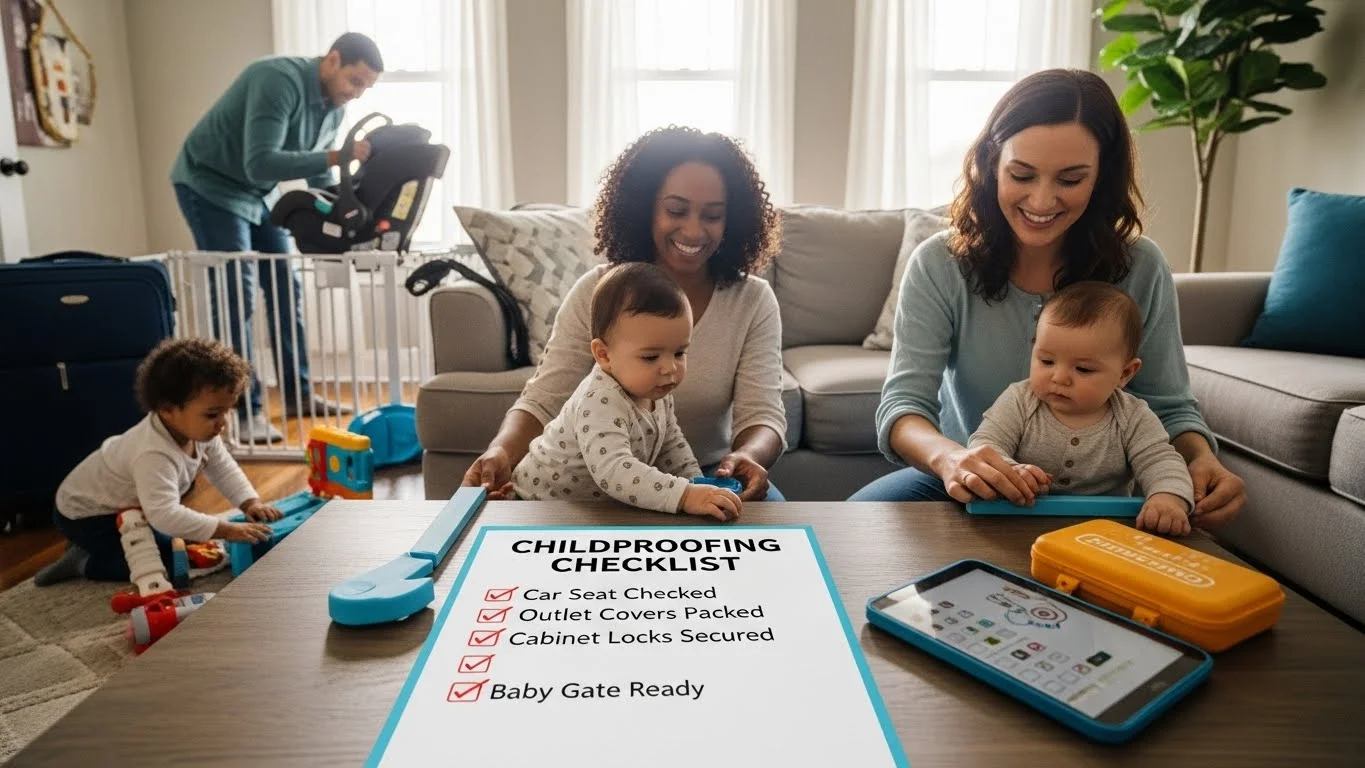
Understanding Childproofing for Travel
What is Childproofing?
Childproofing is the practice of making environments safer for young children. At home, it often involves securing furniture, covering outlets, and keeping hazardous items out of reach. When it comes to travel, childproofing means adapting these safety measures to unfamiliar environments. I’ve learned that every space can present unique risks, and being prepared can help mitigate those dangers. It’s about creating a safe haven wherever we go, whether it’s a hotel room or a beachside rental.
Why Childproofing is Essential for Travel
Traveling with kids adds a layer of unpredictability. As much as I love exploring new places, I’ve seen firsthand how children can be curious and adventurous, sometimes putting themselves in risky situations. Childproofing is essential because it helps prevent accidents and gives us peace of mind. I’ve found that when I take the time to prepare and childproof our travel setup, I can relax and enjoy our adventures without constantly worrying about what could go wrong. From my experience, taking these precautions allows us to focus on making memories instead of dealing with accidents or injuries.
Pre-Travel Preparations
Researching Your Destination
Before any trip, I take the time to research our destination thoroughly. I look for family-friendly accommodations, nearby parks, and attractions suitable for kids. Websites, travel blogs, and even social media can provide useful insights. For instance, I once discovered a fantastic local playground near our lodging, which became a favorite spot for my kids to burn off energy after long travel days. Additionally, I check for any safety concerns—like the presence of swimming pools, busy roads, or wildlife—to prepare myself for potential risks. Knowing what to expect helps me create a safer environment for my family.
Assessing Travel Accommodations
When booking accommodations, I always prioritize safety features. I opt for places that offer cribs or pack-and-plays instead of relying on my own portable options. I assess whether the accommodations have safety gates, secure balconies, and childproofed kitchen areas. I once stayed in a charming cottage that was perfect for a family getaway, but I quickly realized the stairs were unguarded. We made a quick trip to a local store to buy a temporary gate, which gave me peace of mind. Understanding what our lodging offers—and what it lacks—helps me be proactive about making it safe for my little ones. For more tips on stair safety, see Stair Safety: How to Childproof Your Home Effectively.
Essential Documents and Safety Information
Traveling with kids means carrying essential documents. I make sure to bring copies of our identification, medical information, and a list of emergency contacts, including pediatricians and local hospitals at our destination. It may seem excessive, but I’ve learned that having this information readily available can be a lifesaver. I even create a small travel folder for each child that includes their important details, allergies, and any specific needs they might have. This simple step gives me peace of mind and ensures that I’m prepared for anything that might come our way.
Childproofing Gear and Equipment
Travel Cribs and Portable Playpens
Having a safe sleeping environment for my kids while traveling is a top priority. Travel cribs and portable playpens are essential gear for our trips. I’ve tried several brands, and I recommend looking for ones that are lightweight and easy to set up. They provide a familiar space for my children to sleep, which helps them adjust to new environments. I remember the first time we traveled with a portable playpen; it felt like a game changer. Not only did it keep my toddler safe from wandering during nap time, but it also gave me a place to set up toys and create a little play area wherever we went.
Safety Gates for Temporary Spaces
If our travel accommodations don’t have built-in safety features, I consider bringing a portable safety gate. When my children were younger, I found it invaluable for blocking off stairways or keeping them away from potentially hazardous areas. There are great options available that fold up easily, making them perfect for travel. I remember using one in a vacation rental that had an open floor plan; it allowed me to relax while my little ones played safely in a defined area.
Child Safety Harnesses and Leashes
For parents on the go, child safety harnesses and leashes can be lifesavers. I know some may feel hesitant to use them, but in crowded places, they provide an extra layer of security. I remember a trip to a bustling theme park where my child darted ahead in excitement. Thankfully, I had a harness, which allowed me to keep him close while still giving him the freedom to explore. It’s all about finding the balance between safety and allowing them to enjoy their surroundings.
Outlet Covers and Cord Management
Electrical outlets can pose a significant risk for little explorers, so I always carry outlet covers when traveling. These simple devices can prevent curious fingers from exploring unsafe areas. Additionally, I pay attention to cord management in our travel accommodations. I always tuck away any loose cords or use cord organizers to eliminate tripping hazards. During one trip, I noticed a particularly dangerous setup with multiple cords in our rental; I took a few moments to organize them, which made a big difference in keeping the area safe for my children. For more on this topic, refer to Top Electrical Safety Measures for Traveling Families.
First Aid Kit Essentials for Travel
I can’t stress enough the importance of a well-stocked first aid kit when traveling with kids. I take the time to prepare a travel first aid kit that includes band-aids, antiseptic wipes, children’s pain relievers, and any medications my kids might need. There was a time when my daughter fell and scraped her knee at a park, and being able to quickly tend to her injury made a tough moment much easier. Having a first aid kit gives me confidence and ensures that I’m prepared for minor emergencies, allowing us to keep enjoying our travels.
Transportation Safety Measures
Car Seats for Air Travel
When it comes to air travel, I always make it a priority to ensure that my kids are safe and secure. Using a car seat for my child during air travel has made a huge difference in my peace of mind. I’ve learned that many airlines allow you to bring a car seat on board if you’ve purchased a separate ticket for your child. This way, they can stay secure in their familiar seat, which not only keeps them safe but also helps them feel more comfortable during the flight. I remember the first time we flew with a car seat; my child was so much calmer because it felt like home to him. Plus, having the car seat meant that we didn’t have to worry about the safety of our little one during turbulence.
Taxi and Rideshare Safety
Using taxis or rideshare services can be tricky when you have children, but I’ve found a few strategies that work well. For starters, I always check if the service provides car seats. Some rideshare apps allow you to request a car with a car seat for an additional fee. If they don’t, I bring a lightweight booster seat that’s easy to carry. I remember one trip where I forgot the booster, and it made getting around so much more stressful! Ensuring my child is secured in a proper seat gives me the confidence to focus on our adventures instead of worrying about their safety. It’s also a good idea to buckle up myself; I feel that leading by example reinforces the importance of seatbelt safety for my kids.
Safety on Public Transportation
When we travel to a new city, using public transportation can be an adventure in itself! I’ve had some great experiences, but I always keep safety in mind. I make sure to hold onto my children tightly, especially in crowded buses or trains. One trick I’ve learned is to let my kids wear bright, identifiable clothing. This way, it’s easier to spot them in a crowd. I also remind them about staying close and not wandering off. On one memorable trip, we took a subway, and I created a little game where they had to stay close to me while counting the number of stops. This kept them engaged and aware while also ensuring they felt secure.
Childproofing Activities During Travel
Managing Hotel Room Safety
Once we arrive at our hotel, I take a few moments to assess the room for safety hazards. It’s amazing how many little things can pose risks. I remember staying in a hotel with a beautiful balcony that had no guardrails. I quickly spoke to the front desk, and they moved us to a room without one. I always check for sharp corners on furniture, unsecured electrical cords, and small items that could be choking hazards. I also use the furniture to create safe boundaries, making a cozy play area for my kids. This has helped me create a safer environment and allowed them to explore without constant supervision.
Outdoor Safety: Parks and Beaches
Outdoor activities can be some of the most enjoyable parts of our travels, but they also come with their own challenges. Whether we’re at a park or a beach, I’ve learned to keep a close watch on my kids. I set clear boundaries for where they can play and what areas are off-limits. I remember a beach trip where my kids were so enthralled by the waves that I had to remind them about staying within sight. Bringing along a large beach umbrella not only provided us with shade but also created a visual boundary that helped keep them close. Sunscreen is another must-have; I apply it generously and often to protect their sensitive skin.
Dining Out with Children
Eating out can be a fun experience, but I know that it can also come with its own set of challenges. I usually pick family-friendly restaurants where they offer high chairs or booster seats. When dining, I try to keep my kids entertained with menus or coloring sheets. I’ve found that a little preparation goes a long way, such as bringing small toys or snacks to occupy them while we wait for our meals. One time, at a busy diner, I brought along a small travel game, and it turned our wait time into a fun bonding experience. Plus, I always keep a close eye on their utensils; I’ve learned that children can be surprisingly quick in grabbing things they shouldn’t!
Emergency Preparedness
Preparing for Medical Emergencies
Despite all the precautions we take, emergencies can still happen. I’ve learned that it’s essential to be prepared for medical situations, especially when traveling. I always research the nearest hospitals or urgent care facilities at our destination before we even pack our bags. Having a list of pediatricians who are available in the area can be a lifesaver. I remember when my son developed a sudden fever during a vacation; knowing where to go and having our first aid kit on hand helped us manage the situation smoothly. It’s all about being proactive so that we can enjoy our travels without unnecessary worry.
Establishing a Meeting Point
In crowded places, I always set up a meeting point with my kids in case we get separated. I make it a simple location that’s easy to remember, like a specific landmark or a particular store. We practice what to do if we can’t find each other. I remember one time at a busy amusement park; my daughter got distracted and wandered off. Thankfully, she remembered our meeting point and waited there until we found her. This kind of preparation helps me feel more at ease, knowing that my kids have a plan in place.
Emergency Contact Information
Lastly, I make sure to create emergency contact information cards for my kids. These cards include their names, my phone number, and any other essential information. I’ve learned that kids can be nervous in unfamiliar situations, and having this information can provide them with a sense of security. I tuck these cards into their pockets or backpacks, and I remind them to give it to a trusted adult if they ever feel lost or scared. This small step gives me peace of mind and helps my children feel more confident when we’re exploring new places.
Tips for Traveling with Young Children
Involving Children in the Travel Planning
One of the best ways to make travel more enjoyable for everyone is to involve my children in the planning process. I’ve found that when they have a say in where we go or what we do, they are much more excited about the trip. For example, we often sit down together and look at pictures of potential destinations. I let them pick out a few activities or sights that they find intriguing. On one trip, my son chose a dinosaur museum, and it became the highlight of our vacation. By giving them a sense of ownership over our travels, I’ve noticed that they’re more engaged and enthusiastic about the experience. Plus, it opens up opportunities for fun discussions and helps them learn about different cultures and places.
Creating a Travel Routine
Travel can disrupt our usual routines, but I’ve discovered that establishing a travel routine can help maintain a sense of normalcy for my kids. For example, I try to keep meal and sleep times consistent, even when we’re on the road. I remember a trip where we strayed too far from our usual schedule, and my kids became cranky and restless. Since then, I’ve made it a point to stick to our routine as much as possible, even if it means eating lunch a little earlier or putting them to bed before the sun goes down. This consistency makes them feel secure and helps reduce stress for all of us.
Managing Expectations and Stress
Traveling with young children can be unpredictable, and I’ve learned that managing expectations is key to a smoother experience. I talk to my kids about what to expect during our travels, whether it’s a long flight or a day of sightseeing. I explain that there will be times when we need to wait or stand in line, and I prepare them for the possibility of changes in our plans. I’ve found that using visual aids, like a simple schedule or a countdown to certain activities, can help them understand what’s coming next. This preparation minimizes meltdowns and helps us all stay calm during the journey.
Post-Travel Childproofing Check
Evaluating Travel Experiences
Once we return from a trip, I like to take some time to reflect on our experiences. I sit down with my family and discuss what went well and what could have been better. It’s a great opportunity for everyone to share their thoughts and feelings. After one particularly adventurous trip, my daughter pointed out that we had too many late nights, which made her tired and cranky. We decided to plan for more downtime in the future, and this feedback has been invaluable for our next adventures. Evaluating our experiences not only helps us learn but also strengthens our family bond as we navigate these journeys together.
Adjusting Childproofing Measures for Future Travels
After each trip, I take note of any childproofing measures that worked well and those that may need adjustment. For instance, if I noticed that a particular safety gate was cumbersome to set up, I might look for a more user-friendly option next time. Additionally, I keep a running list of essential items that were particularly helpful or anything new we might need for our next adventure. For example, after a trip where my kids struggled to find their shoes in a crowded space, I realized that having a designated spot for their belongings could make a big difference. These adjustments based on our travel experiences help me feel more prepared and confident for future trips.
Frequently Asked Questions
What is childproofing in the context of travel?
Childproofing is the practice of making environments safer for young children, and when traveling, it involves adapting safety measures to unfamiliar environments to mitigate unique risks.
Why is childproofing essential for families traveling with children?
Childproofing is essential because it helps prevent accidents and provides peace of mind, allowing parents to focus on making memories instead of worrying about potential dangers.
What steps should be taken when researching a travel destination?
Before traveling, it’s important to research family-friendly accommodations, nearby parks, attractions suitable for kids, and any safety concerns such as swimming pools or busy roads.
What childproofing gear is recommended for traveling with kids?
Recommended gear includes travel cribs or portable playpens, safety gates, child safety harnesses, outlet covers, and a well-stocked first aid kit.
How should parents handle transportation safety for children?
Parents should ensure children are secured in car seats during air travel, check if taxis or rideshare services provide car seats, and maintain tight control over children when using public transportation.
What should parents do to ensure safety in hotel rooms?
Upon arrival, parents should assess the hotel room for hazards like sharp furniture edges, unsecured cords, and create safe boundaries for play areas to keep children safe.
How can parents prepare for medical emergencies while traveling?
Parents should research the nearest hospitals or urgent care facilities, have a first aid kit ready, and keep emergency contact information handy to manage any medical situations effectively.
What strategies can parents use to involve children in travel planning?
Involving children in travel planning can be achieved by discussing potential destinations, allowing them to choose activities, and making them feel a sense of ownership over the trip.
How can parents create a travel routine for their children?
Parents can establish a travel routine by keeping meal and sleep times consistent, which helps maintain a sense of normalcy and reduces stress for everyone during the trip.
What should parents do after returning from a trip regarding childproofing?
After returning, parents should evaluate their travel experiences, discuss what worked well, and adjust childproofing measures based on their observations for future trips.