
Welcoming a newborn into the world is an exciting adventure, one filled with wonder and discovery. One of the most surprising aspects of this journey is understanding how newborns communicate right from the start. Read Interesting article: How Backpacking Enhances Your Baby’s Emotional Skills
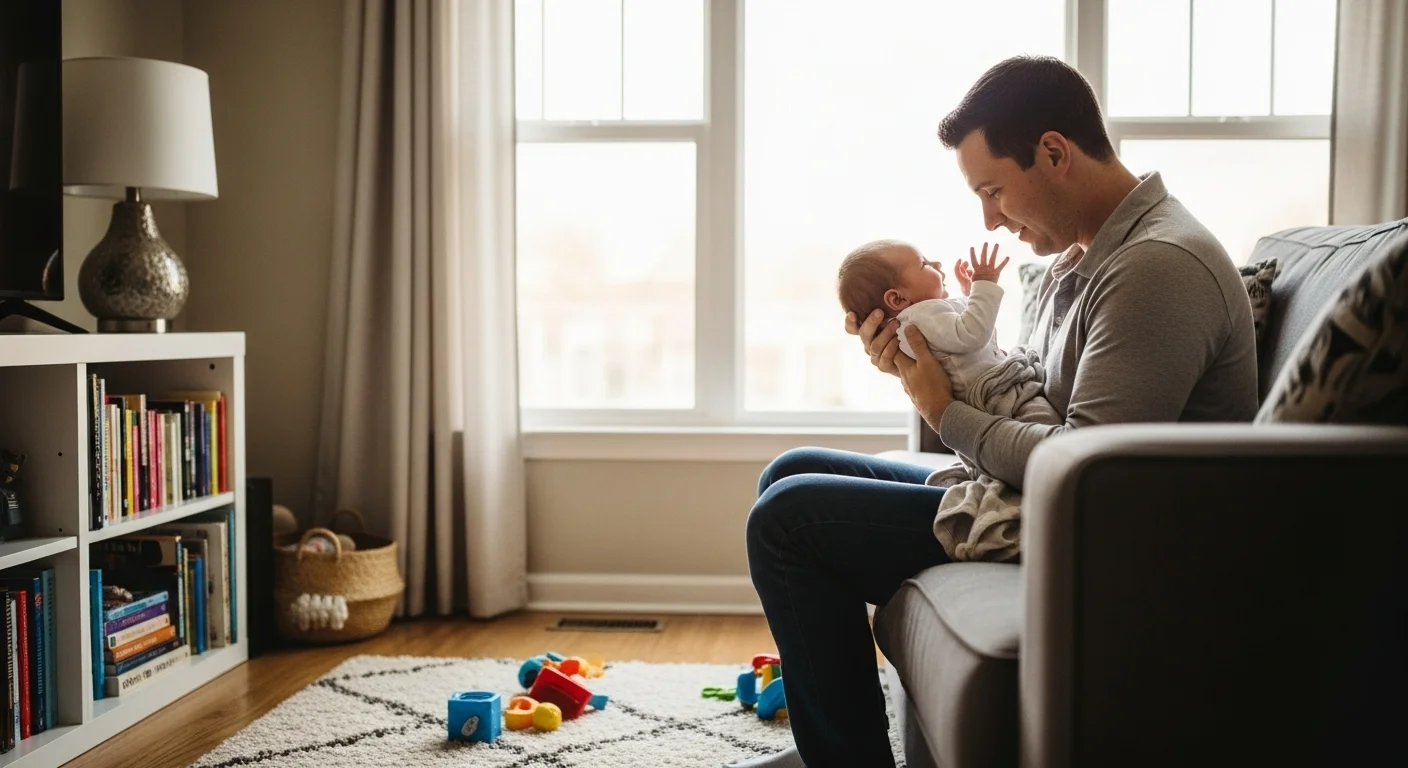
Understanding Newborn Communication
What is Newborn Communication?
When we think of communication, we often picture conversations filled with words. However, newborn communication is a different ballgame. It’s all about the subtle cues, sounds, and reactions that a baby uses to connect with their parents and caregivers. From my experience, I’ve learned that newborns begin communicating through their cries, movements, and even their facial expressions. These forms of communication may seem rudimentary, but they lay the groundwork for more complex interactions as your baby grows.
As new parents, we might feel overwhelmed trying to interpret our baby’s signals. I remember the first time my newborn let out a little whimper; I was both excited and nervous, wondering what it meant. Was she hungry, tired, or needed a cuddle? Each small sound was a message, a peek into her needs and feelings. Understanding that this early communication is essential helps ease some of that anxiety. It’s a beautiful dance of give and take, where we start to learn our baby’s unique language.
The Importance of Early Communication Skills
Why is it important to pay attention to these early communication skills? The truth is, the way we respond to our newborn’s communications significantly impacts their development. Research shows that babies thrive when they feel understood and responded to. I’ve seen firsthand how my attentive responses encouraged my little one to express herself more. It’s as if she began to realize that her sounds had power and that I was there to engage with her.
Moreover, early communication skills set the foundation for language development. I’ve read that when parents actively engage with their babies—through talking, cooing, and responding—the babies are more likely to develop strong language skills as they grow. It creates a secure environment for them to explore and express their thoughts and feelings. In essence, our interactions become stepping stones for their future communication abilities. Read Interesting article: Guide to Baby’s Social Development While Traveling
Key Communication Skills for Newborns
Nonverbal Communication
Newborns are masters of nonverbal communication. Their body language, facial expressions, and even the way they move their limbs can tell us a lot. I vividly remember noticing how my baby would arch her back when she was uncomfortable or how she’d stretch her arms wide open when she wanted to be held. These nonverbal cues are incredibly important as they help us understand what our baby is experiencing without them having to say a single word.
Paying attention to these signals can strengthen the bond between you and your newborn. When I recognized my baby’s cues and responded accordingly, I could see her relax and become more at ease. It’s a reward that comes from understanding and reacting to what your baby is telling you, even if it’s just through a slight movement or a tiny frown.
Vocalizations and Cooing
As your newborn grows, you’ll start to hear different sounds. Those adorable coos and gurgles are not just random noises; they are an essential part of communication. I remember the first time my baby cooed—it felt like she was trying to have a conversation with me! These vocalizations are the beginning of language development; they signal that your baby is starting to experiment with sounds and is eager to interact.
Encouraging these sounds is vital. I often found myself mimicking my baby’s coos, which made her giggle and respond even more. This back-and-forth exchange laid the groundwork for more complex conversations in the future. I believe that every time we engage in this playful vocalization, we’re nurturing their speech development and reinforcing our connection.
Eye Contact and Visual Engagement
Eye contact is another powerful tool in newborn communication. I’ll never forget those early moments when my baby would lock eyes with me; it felt as if we were having a silent conversation. Eye contact fosters emotional connection and helps infants learn to read social cues. Research has shown that babies who engage in eye contact are more likely to develop strong communication skills later on.
In my experience, I made it a point to hold my baby close during feedings or playtime, maintaining that eye contact. I noticed how she would respond by gazing back at me, smiling, and even mimicking my expressions. This mutual engagement was not only heartwarming but also crucial for her social and emotional development.
Facial Expressions
Facial expressions are another key aspect of how newborns communicate. From wide-eyed surprise to tiny frowns, your baby’s face can express a range of emotions. I learned to pay close attention to these expressions; they often revealed what my baby was feeling at that moment. For instance, a smile would usually mean she was happy and content, while a scrunched-up face could indicate discomfort or frustration.
Reacting to these expressions can help your baby feel understood. I found that making silly faces or responding with exaggerated expressions made my baby giggle, fostering a playful and light-hearted atmosphere. This interaction not only deepened our bond but also encouraged her to explore and experiment with her own facial expressions, which is a vital part of communication development.
How Parents Can Foster Communication
Talking to Your Newborn
One of the simplest yet most effective ways to foster communication with your newborn is through talking. I found that narrating my daily activities became second nature. Whether I was changing diapers or preparing a meal, I would describe what I was doing in a gentle tone. It felt a bit silly at first, but I quickly noticed how my baby would perk up at the sound of my voice. I believe that this verbal interaction helped her feel more engaged and secure in her environment.
Using a variety of tones and pitches can keep your baby’s attention. I loved using a sing-song voice when I talked to my little one; it always brought a smile to her face. By doing this, I was not only stimulating her auditory senses but also laying the groundwork for language comprehension. Each time I spoke to her, it felt like we were building a bridge of understanding, even if she couldn’t respond with words just yet.
Reading to Your Newborn
Reading to your newborn may seem like an activity best reserved for older children, but I can assure you it’s never too early to start. I remember picking out brightly colored board books and reading them aloud to my baby. Even at such a young age, I noticed how she would gaze at the pictures and listen intently to my voice. It was a special bonding time that not only encouraged her love for books but also helped with her listening skills and vocabulary development.
Choosing books with rhythmic patterns or repetitive phrases can be particularly engaging. I found that the more animated I was while reading, the more my baby reacted. It was delightful to see her eyes widen with excitement at familiar phrases. This early exposure to language and storytelling is an incredible gift we can give our little ones, fostering a lifelong love of reading. Read Interesting article: Essential Social Milestones for Your Baby’s First Trips
Encouraging Cooing and Babbling
As your baby begins to coo and babble, it’s essential to encourage this vocal experimentation. I loved how each new sound my baby made felt like a little victory. I made it a point to respond to her coos and babbles, turning it into a fun back-and-forth exchange. I would imitate her sounds, which often made her giggle and try to produce even more varied noises. This playful interaction not only encouraged her speech development but also reinforced our connection.
In my experience, creating an environment where your baby feels comfortable to explore vocalization can be so rewarding. I would often sing simple songs and make funny sounds just to see her reaction. This playful approach to communication transformed our everyday moments into engaging learning experiences.
Responding to Your Newborn’s Signals
Being attuned to your newborn’s signals is crucial in fostering communication. I learned that it’s not just about interpreting their cries but also recognizing their other cues. For example, when my baby would turn her head towards me or reach out with her tiny hands, it was her way of saying, “I want to connect!” Each time I responded promptly, whether it was with a cuddle or a smile, I could see her confidence grow.
It’s amazing how quickly babies learn to expect responses when they communicate. I remember thinking how each interaction was building a foundation for her to express her needs and feelings. The more I validated her attempts at communication, the more she seemed to thrive. It was like a beautiful loop of understanding, where our responses fueled her desire to engage more and more.
Understanding Developmental Milestones
Communication Milestones in the First Year
As parents, it’s helpful to understand the communication milestones your newborn will reach in their first year. I found that tracking these milestones gave me insight into my baby’s development. From around two months, my baby started cooing and making gurgling sounds. By six months, she was babbling, combining consonants and vowels in a way that felt like she was trying to have conversations with me. I remember celebrating every little sound she made; it was such an exciting time!
By the end of the first year, many babies can say simple words like “mama” or “dada,” and they often understand basic commands. Knowing these milestones made me more aware of how to support her development through our daily interactions. It felt rewarding to see her grow and thrive, knowing that my engagement played a significant part in that process.
Signs of Healthy Communication Development
Recognizing the signs of healthy communication development is essential. I learned to look for indicators that my baby was progressing well, such as maintaining eye contact, responding to her name, and babbling in a way that seemed conversational. I felt proud when she would try to mimic my sounds or gestures; it was a sign that she was learning how to communicate effectively.
Every baby is different, but I found it comforting to know that there is a general timeline for communication skills. If you notice your baby showing interest in sounds and responding to your voice, it’s a great indication that they are on the right track. Celebrating these little victories together can really strengthen your bond and encourage further communication.
When to Seek Help: Warning Signs
While it’s natural for each baby to develop at their own pace, there are certain warning signs that may indicate a need for additional support. If your baby is not making any sounds by six months or isn’t responding to sounds or voices, it may be worth discussing with your pediatrician. Trust your instincts; if you feel something isn’t right, reaching out for help is always a good idea.
I remember feeling anxious about my baby’s development at times, but I learned that seeking advice from professionals can provide reassurance and guidance. Early intervention can make a significant difference, so it’s important to stay informed and proactive when it comes to your baby’s communication journey.
Creating a Stimulating Environment
Choosing the Right Toys for Communication Skills
As I dove deeper into understanding communication with my newborn, I realized that the toys we choose play a significant role in fostering those early skills. I remember walking through aisles filled with colorful toys, trying to pick the ones that would not only entertain my baby but also encourage her to express herself. I discovered that toys that made sounds, had different textures, or produced bright colors were particularly engaging. For example, soft rattles and plush toys that made crinkly sounds captured her attention and encouraged her to explore and vocalize.
I found that interactive toys, like those with buttons that produce music or lights, were fantastic for promoting communication. It was enchanting to see how she would reach out, press buttons, and even coo in response to the sounds. This kind of play helped her connect actions with outcomes, an essential part of communication development. Each giggle or squeal felt like a mini celebration of her growing understanding of the world around her.
Using Music and Sounds to Encourage Communication
Music has a magic way of bringing us together, and I found it to be a powerful tool in encouraging my baby’s communication skills. From lullabies to playful nursery rhymes, I’d often play music during our quiet moments. I remember singing to her while I rocked her to sleep; it was soothing for both of us. The rhythm and melodies seemed to captivate her, and I noticed how she would respond with coos and gurgles, almost trying to join in the song.
Creating a musical environment can be as simple as incorporating different sounds throughout the day. I would play various genres of music, from classical to upbeat nursery tunes, and even added in sounds from nature. This varied exposure helped her develop an awareness of different pitches and tones, which are crucial for language comprehension. I believe that these early auditory experiences not only enriched her environment but also reinforced our bond as we shared those joyful moments together.
Interactive Play and Bonding Activities
Interactive play has been a cornerstone of my journey in fostering communication with my newborn. I remember how I’d lay on the floor with her, making silly faces while using toys to spark her interest. This playful interaction was not just about fun; it was a valuable opportunity for her to learn and express herself. I discovered that games like peek-a-boo or pat-a-cake were not only entertaining but also perfect for teaching her about turn-taking and anticipation—key elements of communication.
Reading together also became a cherished bonding activity. I’d choose books with colorful illustrations and rhythmic text, often pausing to let her gaze at the pictures or respond to the sounds I made. I felt it was essential to create an inviting atmosphere where she could express herself freely. Each smile or coo felt like a reward, signifying our connection and her engagement in the moment.
Another interactive activity I enjoyed was using puppets. I would put on little shows, using different voices and expressions. She would watch with wide eyes, and I could see her trying to mimic my gestures and sounds. This imaginative play not only stimulated her communication skills but also opened up a world of creativity and expression that I hope will continue as she grows.
The Role of Caregivers in Communication Development
The Impact of Consistent Caregiving
Consistency in caregiving is something I came to appreciate immensely through my experience as a parent. I realized early on that being a responsive and reliable caregiver played a vital role in my baby’s communication development. When I was consistently available to respond to her needs—whether it was through cuddles, playful interactions, or simply being present—she seemed more secure and confident in expressing herself.
This consistency helped her understand that her attempts to communicate would be met with interest and engagement. I felt proud every time I saw her trying to initiate interaction, knowing that my responses laid the groundwork for her to explore her voice and emotions. I believe our bond grew stronger as I learned to be attuned to her needs, creating a nurturing environment where she could flourish.
Involvement of Siblings and Family Members
If you have other children, including them in your newborn’s communication journey can be incredibly beneficial. I watched as my older child took on a nurturing role, often talking and singing to the baby. This dynamic not only helped my newborn hear more sounds and words but also encouraged her to engage with her sibling in a unique way. I found it heartwarming to see them bond through playful interactions, each coo and laugh enhancing their relationship.
Family members, too, can play a significant role in this development. I encouraged grandparents and extended family to spend time with my baby, talking and playing with her. The diversity of voices and interactions enriched her communication experiences. By fostering these relationships, I noticed how she became more adaptable and responsive to different people, which is essential for her social development.
Professional Support: Pediatricians and Speech Therapists
Sometimes, navigating the intricacies of communication development can feel overwhelming. I learned that seeking professional support from pediatricians or speech therapists can provide valuable guidance. Regular check-ups allowed me to discuss any concerns and receive reassurance about my baby’s progress. I found it comforting to know that professionals could help identify any potential challenges early on.
If you ever feel unsure about your baby’s communication development, don’t hesitate to reach out for help. I remember feeling a mix of relief and empowerment when I consulted with a speech therapist who provided practical strategies to enhance my interactions with my baby. This support not only helped me feel more confident but also equipped me with tools to foster a rich communication environment.
Frequently Asked Questions
What is newborn communication?
Newborn communication refers to the subtle cues, sounds, and reactions that a baby uses to connect with their parents and caregivers. This includes cries, movements, and facial expressions that indicate their needs and feelings.
Why are early communication skills important?
Early communication skills are essential because they significantly impact a baby’s development. Responding to a newborn’s communications helps them feel understood, encourages them to express themselves, and lays the foundation for future language development.
What are some key forms of nonverbal communication in newborns?
Newborns use body language, facial expressions, and movements to communicate. For example, they may arch their back when uncomfortable or stretch their arms to signify a desire to be held.
How can parents encourage vocalization in their newborns?
Parents can encourage vocalization by responding to their baby’s coos and babbles, engaging in playful vocal exchanges, and mimicking sounds made by the baby. This interaction nurtures speech development and strengthens the parent-child bond.
What role does eye contact play in newborn communication?
Eye contact is a powerful tool in newborn communication that fosters emotional connection and helps infants learn to read social cues. Engaging in eye contact can enhance a baby’s communication skills as they grow.
How can reading benefit a newborn’s communication development?
Reading to a newborn, even at a young age, can encourage listening skills and vocabulary development. Choosing books with rhythmic patterns and colorful illustrations can engage the baby and foster a love for reading.
What are some signs of healthy communication development in newborns?
Signs of healthy communication development include maintaining eye contact, responding to their name, and babbling in a conversational manner. These indicators suggest that the baby is learning to communicate effectively.
When should parents seek help regarding their newborn’s communication development?
Parents should consider seeking help if their baby is not making any sounds by six months or is not responding to sounds or voices. Trusting one’s instincts and reaching out for professional support is always advisable if concerns arise.
How can caregivers create a stimulating environment for communication?
Caregivers can create a stimulating environment by choosing appropriate toys that encourage expression, incorporating music and sounds, and engaging in interactive play. These activities help promote communication skills and deepen the parent-child bond.
What is the impact of consistent caregiving on a newborn’s communication development?
Consistent caregiving contributes significantly to a baby’s communication development by creating a secure environment where the baby feels confident in expressing themselves. Reliable responses to their needs encourage exploration and engagement.