
As parents, we always want to ensure the safety of our children. Knowing CPR can be a lifesaving skill that empowers us to act confidently in emergencies. For more comprehensive safety measures, consider learning basic first aid for kids.
Understanding CPR: A Lifesaving Skill for Parents
What is CPR?
Cardiopulmonary resuscitation, or CPR, is a critical emergency procedure used when someone’s breathing or heartbeat has stopped. It combines chest compressions and rescue breaths to maintain blood flow and oxygenation to the brain and other vital organs. I remember the first time I learned about CPR; it struck me how simple yet powerful this technique can be. In those moments when every second counts, knowing CPR could make the difference between life and death.
Importance of CPR for Parents
As parents, we face unique challenges and responsibilities. Our children are curious and adventurous, often leading them into risky situations. I’ve been in situations where my kids were playing rough, and the thought of them getting hurt sent chills down my spine. Understanding CPR gives us the knowledge to respond effectively if an emergency arises. Whether it’s a minor accident or a life-threatening event, being equipped with CPR skills boosts our confidence and prepares us to act swiftly.
Moreover, I believe that CPR is not just a skill for healthcare professionals; it’s essential for every parent. Knowing that I can help my child in a crisis brings a sense of peace. It’s about being proactive and prepared for the unexpected. By learning CPR, we are taking a significant step in safeguarding our families. The more parents who know these techniques, the safer our communities become. For more information on first aid techniques, check out essential first aid techniques.
When to Use CPR: Situational Awareness
Recognizing Cardiac Arrest in Children
Recognizing when to perform CPR is crucial. Cardiac arrest in children can happen due to various reasons, like a severe injury or a drowning incident. I’ve read stories of parents who were able to act quickly because they recognized the signs of cardiac arrest. Some signs to look for include unresponsiveness, absence of breathing, or abnormal breathing patterns like gasping. If you find your child unresponsive, always err on the side of caution—start CPR immediately.
Identifying Choking Hazards
Choking is another situation where knowing CPR can truly be a lifesaver. I recall a moment when my toddler suddenly started coughing and turning red at the dinner table. My heart raced as I realized he was choking on a piece of food. The ability to differentiate between normal coughing and a choking episode is vital. If someone can’t cough or speak, that’s a clear indication they’re in trouble. Being aware of common choking hazards, like small toys or certain foods, helps prevent these situations from occurring.
Signs of Drowning and Unresponsiveness
Drowning can happen quickly and silently. As a family that enjoys spending time at the pool, I can’t stress enough how important it is to be vigilant. Some signs of drowning include difficulty in staying above water, gasping for air, or a child who seems unusually quiet in the water. If you notice these signs, immediate action is necessary. Knowing how to respond can be the difference between life and death.
Basic CPR Techniques Every Parent Should Know
CPR for Infants (Under 1 Year)
When it comes to infants, the technique for administering CPR differs from that of older children and adults. If an infant is unresponsive and not breathing, I learned that the first step is to call for help. Then, using two fingers, you should perform compressions just below the nipple line at a depth of about 1.5 inches. It’s also essential to allow the chest to fully recoil between compressions to ensure effective blood flow. After every 30 compressions, give 2 rescue breaths using a gentle puff of air.
CPR for Children (Ages 1-8)
For children aged 1 to 8, the technique shifts slightly. I found that using one hand for compressions is often effective, pressing down about 2 inches deep. The compression-to-breath ratio remains the same at 30:2. I remember thinking how important it is to maintain a steady rhythm and to take deep breaths to provide adequate oxygen. Sometimes, it’s challenging to stay calm, but practicing CPR techniques helps me feel more prepared.
CPR for Older Children (Ages 8 and Up)
For older children, CPR techniques are similar to those used for adults. Using both hands, you can perform compressions at a depth of 2 to 2.5 inches. The rhythm should be quick and steady, around 100 to 120 compressions per minute. It’s a good idea to practice this regularly; it helps reinforce the technique, and I feel more confident knowing I can help my older child if needed.
The CPR Process: Step-by-Step Guide
Assessing the Situation and Calling for Help
When an emergency arises, the first thing I remind myself is to stay as calm as possible. It’s easy to panic, but keeping a clear head is essential. Assessing the situation means looking around to see if it’s safe to approach the person in need. I remember a time when I saw a child collapse at the park. My heart raced, but I took a moment to scan the area. I made sure there were no hazards before rushing over. Once I’m assured of safety, the next step is to call for help. If I’m alone, I would yell for someone nearby to call 911, or I would do it myself if I’m unable to find help. But if I have someone with me, I always instruct them to make the call while I begin CPR. This teamwork can be critical in emergencies.
Checking Responsiveness and Breathing
Once I’m by the person in need, I gently shake them and loudly ask if they are okay. I learned that this is how you check for responsiveness. If they don’t respond, I then check for breathing. I lean down to see if their chest is rising or listen for breaths. Sometimes I find myself holding my breath in these moments, hoping to see any sign of life. If I don’t see or hear anything, it’s time to start CPR. Remember, if there’s any doubt, it’s better to act. I’ve read that every second counts, so we must be ready to jump into action without hesitation.
Performing Chest Compressions
When it’s time to begin chest compressions, I remember to position my hands correctly. For adults and older children, I place one hand on top of the other in the center of the chest and push down hard and fast. I’m always conscious of the depth and rhythm—compressing at least 2 inches deep and at a rate of 100 to 120 compressions per minute. I often think of the song “Stayin’ Alive” because it sets the perfect rhythm! I find it helps me maintain the pace while making sure I’m applying enough force. Sometimes, it can be exhausting, but knowing that I’m doing this to save a life keeps me motivated.
Giving Rescue Breaths
After every 30 compressions, I give 2 rescue breaths. For me, this part can be a little nerve-wracking, but I know how vital it is to provide oxygen to the person. I tilt the head back slightly and pinch the nose shut, then take a deep breath and create a tight seal over their mouth. I blow gently into their mouth, watching for their chest to rise. I remind myself to give just enough air without over-inflating. I’ve practiced this so many times that it feels more natural now, but in a real emergency, it’s essential to stay focused and deliberate.
Using an AED (Automated External Defibrillator)
In my experience, if an AED is available, using it can significantly increase the chances of survival. I often see these devices in public spaces like gyms or schools, and knowing how to use one is invaluable. When I approach an AED, I remember to turn it on and follow the voice prompts. The device guides me through the process, which makes it less intimidating. I place the pads on the person’s bare chest as instructed and stand back while it analyzes the heart rhythm. If a shock is advised, I ensure no one is touching the person before pressing the shock button. I love that these devices are designed to be user-friendly, making it easier for everyday people like us to take charge in emergencies.
Choking Relief Techniques for Children
Back Blows and Abdominal Thrusts for Infants
Choking is a terrifying situation, especially with infants. I remember the first time I encountered this; my heart sank. The technique for infants is different from older children. If an infant is choking, I learned to hold them face down on my forearm, supporting their head with my hand. I give five firm back blows between their shoulder blades with the heel of my hand. I always count them out loud to keep track. If that doesn’t work, I turn them over and use two fingers to perform chest thrusts, similar to CPR but focused on the area just below the nipple line. Knowing these techniques gave me peace of mind that I could potentially save my little one in a crisis.
Heimlich Maneuver for Older Children
For older children, I utilize the Heimlich maneuver, which I find straightforward once you get the hang of it. I position myself behind the child, wrap my arms around their waist, and make a fist with one hand. I place my fist above their navel and grasp it with my other hand. With a quick, upward thrust, I can hopefully dislodge the object causing the choking. It’s critical to remain calm and encourage the child to cough if they can. I often remind myself that whether they’re my child or someone else’s, each moment counts, and knowing how to act swiftly could save a life.
Special Considerations for Parents
CPR for Special Needs Children
As a parent, I understand that every child is unique, especially when it comes to those with special needs. I’ve learned that children with certain health conditions may require tailored CPR techniques. For instance, a child with a complex medical history might have specific considerations regarding their airway management or the need for additional precautions during rescue breaths. It’s a good idea to talk to your pediatrician about your child’s individual risks and how to modify CPR techniques if needed. I remember discussing this with my child’s doctor, and it gave me insight into how to be more prepared. Knowing that I could confidently respond to emergencies, regardless of my child’s special needs, eases my worries significantly.
Common Myths About CPR
It’s interesting how many misconceptions surround CPR, and I’ve found it crucial to separate fact from fiction. One common myth I’ve encountered is the belief that you need to be a healthcare professional to perform CPR effectively. In my experience, anyone can learn and apply these life-saving skills with proper training. Another myth is that performing CPR can hurt the person in need. While it’s true that CPR can cause some injuries, I think it’s essential to realize that the alternative—doing nothing—can be far worse. Understanding these myths helps me approach CPR training with a clear mindset. I feel empowered knowing that my actions could save a life, regardless of what I’ve heard in passing.
Resources for Learning CPR
CPR Certification Courses
Finding the right resources for CPR training has been a game-changer for me as a parent. I decided to enroll in a local CPR certification course after realizing how beneficial it could be. Many organizations, like the American Heart Association and the Red Cross, offer structured courses that cover both CPR and choking relief techniques. These hands-on classes provide a supportive environment to practice skills with instructors who can answer any questions. I remember feeling a mix of excitement and nervousness before my first class, but the experience left me feeling capable and prepared. Plus, obtaining a certification gives me a sense of accomplishment and reassurance that I know what to do in an emergency.
Online Training and Videos
Not everyone has the time to attend in-person classes, and that’s perfectly okay. I’ve found that online training resources can be incredibly helpful. Websites like YouTube have countless instructional videos that provide visual demonstrations of CPR techniques. While I believe hands-on practice is essential, these videos are a great way to refresh my memory or learn new techniques at my own pace. I often watch these videos with my partner or older child to reinforce learning together. It’s a simple yet effective way to ensure that we’re all on the same page when it comes to responding to emergencies.
Mobile Apps for CPR Guidance
In our tech-savvy world, I love that there are mobile apps dedicated to CPR guidance. I downloaded a few that offer step-by-step instructions and even have videos demonstrating techniques. What I find particularly useful is that many of these apps also include emergency contact information and AED locations nearby. It gives me peace of mind knowing that I have essential tools right at my fingertips. During family outings, I often remind my kids to check the app if they see something concerning. It’s a fun way to engage them in learning about safety while also keeping them aware of their surroundings.
Tips for Staying Calm in Emergencies
Practicing CPR Techniques Regularly
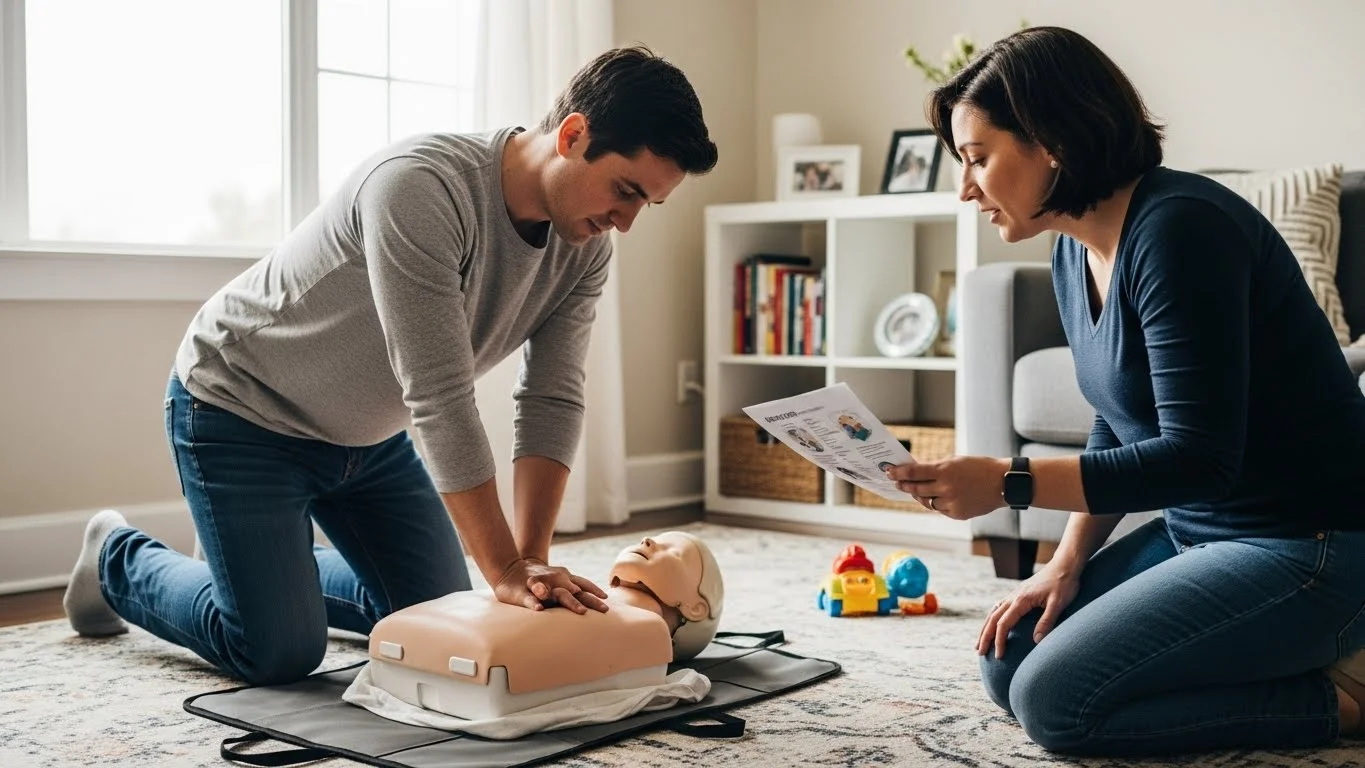
One of the best pieces of advice I received was to practice CPR regularly. I took this to heart and made it a point to review techniques every few months. My partner and I even set aside time to role-play different emergency scenarios, which helps to reinforce our skills and boost our confidence. I often find myself thinking about how important muscle memory can be; the more I practice, the more automatic my responses become. It’s less about the fear of the situation and more about the confidence in my ability to help. Plus, practicing together has become a bonding experience for us as parents.
Creating an Emergency Plan for Your Family
Developing an emergency plan for our family has been incredibly valuable. We sat down together as a family to discuss what to do in various emergencies, including those requiring CPR. I let my kids know who to call for help, what to do if they see someone in distress, and how to stay safe during emergencies. We even created a simple cheat sheet outlining the steps to take during a cardiac arrest or choking incident and posted it on our fridge. It’s a comforting reminder for me and a great learning tool for the kids. Knowing that we have a plan helps ease my anxiety about potential emergencies. In moments of crisis, having a plan can be the difference between chaos and calm, which is what we all strive for as parents.
Final Thoughts
As I reflect on my journey of learning CPR, I realize how crucial this knowledge has become in my life as a parent. It’s not just about being prepared for emergencies; it’s about cultivating a sense of security and confidence in my ability to protect my children. I feel a strong connection to the idea that we can be the first line of defense when it comes to our kids’ safety.
One of the most empowering aspects of knowing CPR is the ability to share this knowledge with others. I’ve found myself discussing CPR techniques with fellow parents, friends, and family members. It’s comforting to know that I’m not alone in this journey; we can all learn and grow together. Whenever I see someone interested in learning, I encourage them to take that first step. There’s something incredibly rewarding about passing on these life-saving skills, and it strengthens our community ties.
In my experience, the more we talk about emergency preparedness, the more normalized it becomes. It’s okay to have these conversations with our children, too. Teaching them how to call for help, recognize emergencies, and understand basic first aid can empower them and make them feel more secure. I’ve noticed how my kids have started to express curiosity about safety; they often ask questions, and I welcome the opportunity to teach them. By fostering this dialogue, we create an environment where everyone feels responsible for safety, and we all play a role in looking out for one another.
Additionally, I believe that staying updated on CPR techniques and guidelines is essential. I regularly check in with organizations like the American Heart Association for any changes in recommendations or new training methods. This not only keeps my skills sharp but also helps me feel more prepared for any situation that may arise. I think of it as an ongoing commitment to my family’s safety.
Finally, I want to emphasize that while CPR is a critical skill, it’s just one part of a broader approach to safety. We can also take preventive measures, such as childproofing our homes, ensuring our kids wear proper safety gear while playing sports, and teaching them about safe behaviors. By combining proactive and reactive strategies, we can create a safer environment for our children.
Ultimately, every parent should feel empowered to learn CPR and other life-saving skills. With knowledge comes confidence, and with confidence comes the ability to act decisively in emergencies. As I continue to practice CPR and engage in safety discussions, I feel a sense of pride in knowing that I am taking active steps to protect my family. I encourage all parents to embrace this journey, to learn, practice, and share. Together, we can make a difference in our families and our communities.
Frequently Asked Questions
What is CPR?
Cardiopulmonary resuscitation (CPR) is a critical emergency procedure used when someone’s breathing or heartbeat has stopped. It combines chest compressions and rescue breaths to maintain blood flow and oxygenation to the brain and other vital organs.
Why is CPR important for parents?
CPR is essential for parents because it equips them with the knowledge to respond effectively in emergencies. Understanding CPR boosts confidence and prepares parents to act swiftly, potentially making a difference between life and death in critical situations involving their children.
What signs indicate that a child may need CPR?
Signs that a child may need CPR include unresponsiveness, absence of breathing, or abnormal breathing patterns such as gasping. Parents should always err on the side of caution and start CPR immediately if they find their child unresponsive.
How should CPR techniques differ for infants, children, and older children?
For infants (under 1 year), CPR involves compressions using two fingers just below the nipple line at a depth of about 1.5 inches, followed by rescue breaths. For children aged 1 to 8, use one hand for compressions at a depth of about 2 inches, maintaining a 30:2 compression-to-breath ratio. For older children (ages 8 and up), use both hands for compressions at a depth of 2 to 2.5 inches, still keeping the same compression-to-breath ratio.
What are the steps to take when performing CPR?
The steps to perform CPR include assessing the situation and calling for help, checking responsiveness and breathing, performing chest compressions, and giving rescue breaths. If an AED is available, it should be used as well.
What should I do if a child is choking?
If an infant is choking, hold them face down on your forearm and deliver five back blows between their shoulder blades. For older children, perform the Heimlich maneuver by positioning yourself behind them, making a fist above their navel, and delivering quick upward thrusts.
What resources are available for learning CPR?
Resources for learning CPR include local CPR certification courses offered by organizations like the American Heart Association and the Red Cross, online training videos, and mobile apps that provide CPR guidance and emergency contact information.
How can parents stay calm during emergencies?
Parents can stay calm during emergencies by practicing CPR techniques regularly and creating an emergency plan for their family. Role-playing various scenarios and having a cheat sheet available can help reinforce their skills and reduce anxiety during real situations.
What are some common myths about CPR?
A common myth about CPR is that only healthcare professionals can perform it effectively. In reality, anyone can learn and apply these life-saving skills with proper training. Another myth is that performing CPR can hurt the person in need, but doing nothing can be far worse.
Why is it important to regularly update CPR skills?
It is important to regularly update CPR skills to stay informed about changes in techniques and guidelines. Checking in with organizations like the American Heart Association ensures that parents are prepared for any situation that may arise and keeps their skills sharp.