
Discipline is essential in child development, shaping behavior and fostering growth. Understanding effective techniques can transform our parenting journey and strengthen our relationship with our children. For more insights, you can read about Unlocking Positive Discipline: 5 Key Reinforcement Techniques.
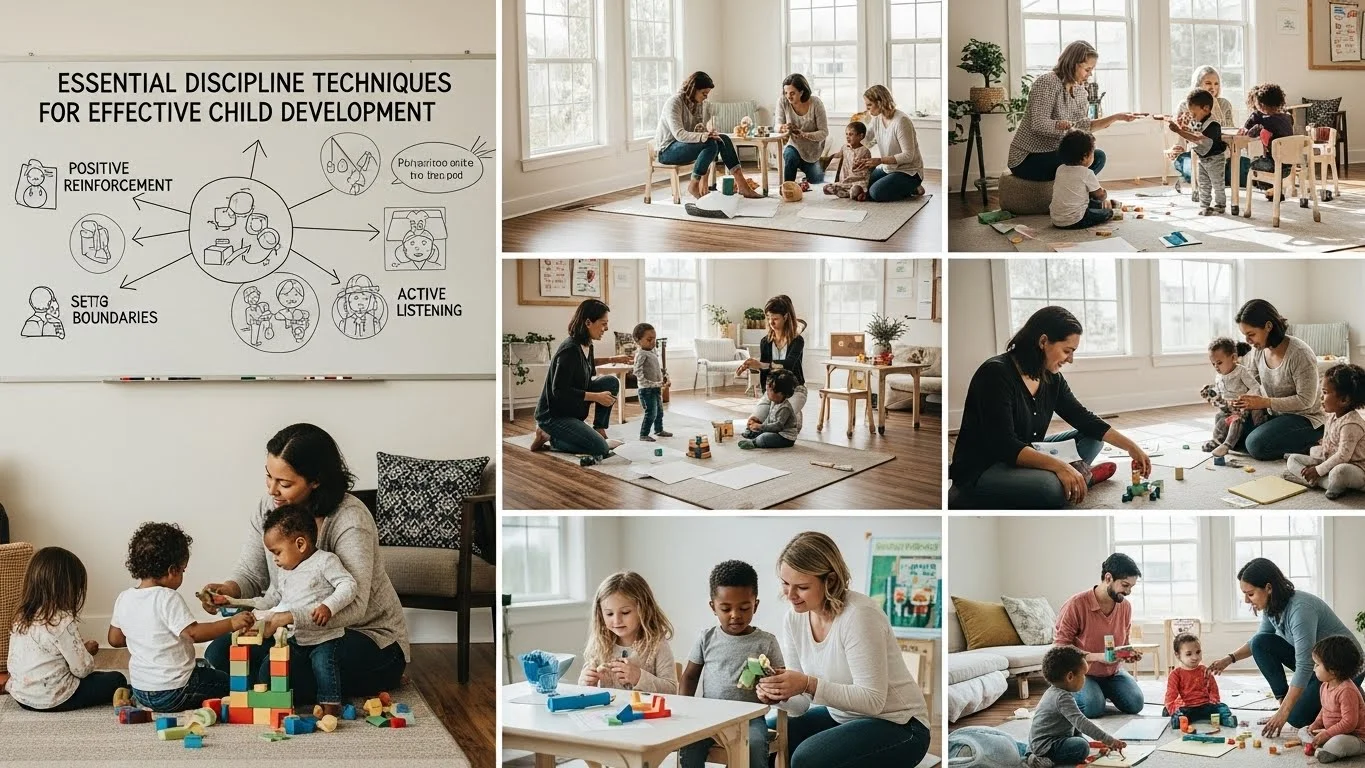
Understanding Child Discipline
The Purpose of Discipline in Child Development
Discipline isn’t just about punishment; it’s a fundamental part of child development. From my experience, I believe the core purpose of discipline is to guide children towards understanding consequences and making better choices. I remember when my child first tested boundaries. I felt overwhelmed at times, but then I realized that discipline can be a teaching tool rather than a punitive measure. It provides kids with the skills they need to navigate the world safely and responsibly.
When we set clear boundaries and expectations, we help our children learn self-control and responsibility. Discipline is about teaching them right from wrong and instilling values that will guide them throughout their lives. It’s about fostering a sense of security and stability in their environment, which I’ve learned is crucial for their emotional development. For more on this topic, check out Setting Boundaries: Achieving Consistency in Discipline Matters.
Common Misconceptions About Discipline
One common misconception I encountered is that discipline equates to being harsh or authoritarian. I used to think that being strict was the only way to ensure my child followed rules. However, I found that this often led to resistance and fear, rather than understanding. It’s essential to shift away from this idea and recognize that effective discipline fosters a supportive environment.
Another misconception is that discipline is solely the parent’s responsibility. In my experience, it involves collaboration with caregivers, teachers, and extended family. When everyone is on the same page, kids thrive. I realized that consistency from all sources is vital for reinforcing the lessons we teach. For more on maintaining consistency, refer to Consistency in Discipline: A Guide to Effective Parenting Strategies.
Types of Discipline Techniques
Positive Reinforcement
Positive reinforcement has been a game-changer for me. Instead of focusing on what my child did wrong, I started emphasizing good behavior. When my little one helps with chores or shares toys, I make sure to acknowledge and celebrate those moments. This approach builds confidence and encourages them to repeat those behaviors. I recommend using specific praise, like, “I loved how you shared your toys with your friend!” It makes a difference in their motivation and self-esteem.
Natural Consequences
Natural consequences can sometimes be the best teachers. When my child forgot their jacket on a chilly day, they felt the discomfort and learned to remember it next time. I’ve noticed that these real-life experiences stick with them much longer than anything I could say. It’s all about allowing them to experience the results of their choices while ensuring they are safe. Of course, this requires a delicate balance—safety first!
Logical Consequences
Logical consequences are another effective technique I’ve used. For example, if my child refuses to clean up their toys, I take them away for a short period. This helps them understand that their actions have consequences directly related to their behavior. It’s a way to foster responsibility without resorting to punishment. I find that discussing these consequences beforehand helps them grasp the concept better, reinforcing the idea that they have a choice in how they act.
Time-Outs and Reflection Techniques
Time-outs can sometimes feel like a controversial method, but I’ve found them beneficial when used correctly. When emotions run high, I’ve used time-outs as a chance for my child to calm down and reflect. It’s not about isolating them but rather giving them space to process their feelings. I remember one instance where my child was upset after a disagreement with a friend. After a brief time-out, they were able to articulate their feelings and apologize. It taught me the importance of reflection in the discipline process.
Modeling Appropriate Behavior
Modeling appropriate behavior is perhaps the most powerful technique I’ve embraced. Children are like sponges, soaking up everything around them. I’ve made a conscious effort to demonstrate the behaviors I want to see. For instance, when I show kindness to others, my child is more likely to mirror that behavior. I’ve learned that being a positive role model sets the tone for how they interact with others and manage their emotions.
Incorporating these discipline techniques has transformed my approach to parenting. I’ve seen firsthand how effective discipline fosters a loving environment where my child feels secure and understood. Each technique offers a different way to connect and guide our children as they grow and learn. As we continue this journey, I’m excited to explore more techniques and strategies that help us nurture our children’s development.
Effective Communication Strategies
Using Clear and Consistent Language
One of the most valuable lessons I’ve learned in parenting is the importance of using clear and consistent language when talking to my child about discipline. When I first started, I noticed how easily my little one could misinterpret my words if I wasn’t precise. For instance, saying, “Don’t run!” could lead to confusion about whether running indoors or outdoors was acceptable. So, I shifted to using more specific phrases, like “Please walk inside the house.” I found that this not only made it easier for them to understand expectations but also reduced the chances of misbehavior.
Consistency is key. I’ve realized that if I say one thing one day and something different the next, it creates confusion and frustration. For example, I decided that screen time should only be allowed after chores are done. If I occasionally let it slide, my child naturally tried to negotiate for exceptions. By sticking to my word and using the same phrases consistently, I feel we create a more structured environment where my child knows exactly what to expect.
The Importance of Active Listening
Active listening is another strategy I’ve come to value deeply in our communication. I remember a time when my child was upset about a small incident at school. Instead of jumping in with solutions, I paused, made eye contact, and listened. I felt their frustration and realized that sometimes they just needed to vent. By acknowledging their feelings and reflecting back what I heard, like “It sounds like you felt left out,” I showed them that their emotions mattered. This connection not only helped them process their feelings but also opened the door for deeper conversations about handling social situations in the future.
Active listening also teaches my child that their voice is important. When they see me genuinely engaged, it encourages them to express themselves more freely, which I believe is crucial for their emotional growth. I’ve noticed that when they feel heard, they are more likely to be receptive to the lessons I want to teach them about discipline and behavior.
Setting Clear Expectations and Boundaries
Setting clear expectations and boundaries has been a game-changer in our home. I remember when my child was at an age where they started exploring independence. I realized I needed to establish clear rules to guide their behavior. We sat down together and discussed what the expectations were for different situations—like mealtimes, playdates, and homework. It wasn’t just about laying down the law; it was about involving them in the process.
I found that when my child helped create these rules, they felt a sense of ownership and responsibility. For example, we agreed together that screen time would only be allowed after homework was completed. Having them participate in this decision-making made them more likely to adhere to the rules. I believe this approach fosters a sense of accountability and helps them become more mindful of their actions.
Additionally, I’ve realized that it’s essential to revisit these boundaries regularly. As my child grows, their needs and understanding of the world change. By having open discussions about whether certain rules still make sense, we maintain flexibility while ensuring they understand that some boundaries are non-negotiable.
Age-Appropriate Discipline Techniques
Discipline Techniques for Toddlers
When it comes to toddlers, I learned that simplicity is key. At this age, children are just starting to explore their surroundings, so I focused on two main techniques: redirection and consistent routines. I remember when my toddler would throw toys in frustration. Instead of reacting with anger, I would gently redirect their attention to a different activity, like coloring or building blocks. This not only distracted them but also taught them that there are other ways to express their feelings.
Establishing daily routines helped my child feel secure and understand expectations. For instance, we created a bedtime routine that included reading a story and brushing teeth. This structure made transitions smoother and reduced meltdowns. I found that when toddlers know what to expect, they feel more in control, which significantly reduces challenging behaviors.
Discipline Techniques for Preschoolers
As my child entered preschool, I noticed their social interactions increased, which brought new challenges. At this stage, I focused on encouraging empathy and understanding consequences. I found that discussing feelings became more effective during conflicts with playmates. I’d ask questions like, “How do you think your friend felt when you took the toy?” This helped them connect their actions with others’ emotions, fostering their ability to empathize.
At this age, I also introduced more logical consequences. For instance, if my child refused to share a toy, I’d explain that they might miss out on playing with friends. By linking their actions to real-life outcomes, they began to understand the importance of cooperation and sharing.
Discipline Techniques for School-Aged Children
For school-aged children, I shifted my focus to fostering independence and responsibility. I encouraged my child to take ownership of their choices, which often involved setting up a reward system for completing chores or homework. This technique motivated them to stay on track, as they loved seeing their progress and earning small rewards.
I also emphasized the importance of open dialogue. I remember having regular check-ins where we talked about their day, school, and any challenges they faced. This not only strengthened our relationship but also provided an opportunity for me to guide them through issues they encountered, helping them learn problem-solving skills.
Discipline Techniques for Teenagers
As my child reached their teenage years, I learned that the approach to discipline had to evolve again. Adolescents require a blend of guidance and independence. I found that involving them in discussions about rules was essential. I would outline expectations but also be open to hearing their perspectives. This mutual respect fostered trust and allowed them to feel heard.
Additionally, I focused on teaching them about natural consequences. If they chose to neglect their studies, I would allow them to experience the resulting lower grades, while still being there to support and discuss ways to improve. This helped them understand that their choices directly impact their lives, promoting personal responsibility.
Emotional Intelligence in Discipline
The Role of Empathy in Effective Discipline
One of the most powerful tools I’ve discovered in my parenting journey is empathy. I realized that when I approach discipline with empathy, it transforms the way my child responds. Instead of simply enforcing rules, I try to understand the feelings behind their behavior. For instance, if my child acts out because they’re frustrated, I’ve learned to pause and ask open-ended questions like, “Can you tell me what’s bothering you?” This not only helps me connect with them on a deeper level but also teaches them that their feelings are valid and important.
When I acknowledge their emotions, I’ve found they’re more willing to listen and cooperate. I believe this approach creates a more compassionate environment where they learn to express their feelings rather than suppress them. By modeling empathy, I hope to instill the importance of understanding others’ perspectives, which is essential for their emotional development and social interactions.
Teaching Emotional Regulation
Teaching my child how to manage their emotions has been a significant focus for me. I’ve seen that children often struggle to express themselves appropriately, especially when overwhelmed. To help, I started introducing simple techniques for emotional regulation. One practice that worked wonders is teaching them deep breathing exercises. Whenever my child feels anxious or frustrated, we take a moment to breathe deeply together, counting to four on the inhale and exhale. It’s amazing to see how just a few breaths can help calm racing thoughts and emotions.
Additionally, I’ve found that using visual aids, like feelings charts, can be incredibly helpful. We created a chart together that illustrates various emotions, and my child refers to it when they’re struggling to express how they feel. This exercise not only empowers them to identify their emotions but also opens the door for conversations about appropriate ways to express those feelings. Over time, I’ve witnessed their ability to communicate their emotions improve significantly.
Recognizing Triggers and Responding Appropriately
Understanding my child’s triggers has been a transformative experience. I found that certain situations led to challenging behaviors, whether it was tiredness, hunger, or overstimulation. By paying close attention to these patterns, I began to anticipate when my child might be on edge. For example, I noticed that after a long day at school, they would often struggle with transitions at home. To address this, I started building in some downtime when we got home, allowing them space to unwind before jumping into homework or chores.
Being proactive about potential triggers has made a significant difference in our household. I’ve learned to respond with patience and understanding rather than frustration. When I can recognize when my child is struggling, I can offer support rather than discipline, which reinforces our bond. Instead of reacting to the behavior, I focus on addressing the root cause, and this shift has led to a more harmonious environment.
Creating a Positive Discipline Environment
Establishing Routines and Structure
Creating a routine has been incredibly beneficial for our family. I remember feeling overwhelmed with chaos during busy mornings or hectic evenings. To combat this, we established a structured daily routine that includes set times for meals, homework, and bedtime. I’ve found that having a predictable schedule gives my child a sense of security and helps them manage their time effectively.
For instance, we created a visual schedule that outlines daily activities, which my child loves to check off as we go along. This simple tool not only keeps us organized but also allows them to take ownership of their day. I’ve noticed that when routines are consistent, my child feels more in control, leading to fewer meltdowns and misunderstandings.
Promoting a Growth Mindset
Encouraging a growth mindset has been a fundamental shift in our household. I’ve learned that praising effort rather than just outcome fosters resilience and a willingness to tackle challenges. For example, when my child faces a difficult task, I remind them that it’s okay not to get it right the first time. We celebrate the effort they put in, no matter the result. I often say, “I’m proud of you for trying, and you can keep improving!” This focus on growth has helped my child develop a more positive attitude toward setbacks.
By framing challenges as opportunities to learn, I’ve seen my child become more motivated to engage in new activities without the fear of failure. This mindset encourages them to take risks and explore their interests, which I believe is essential for their development.
Encouraging Responsibility and Independence
Encouraging my child to take responsibility for their actions has been an enlightening process. I started by giving them age-appropriate tasks that promote independence, like choosing their clothes or helping with meal prep. These small responsibilities empower them to make decisions and understand the consequences of those choices.
I’ve also found that it’s essential to allow my child to experience the natural outcomes of their actions. For instance, if they forget their homework, rather than rushing to help, I let them face the consequences at school. This approach has taught them accountability and the importance of preparation. Over time, I’ve noticed they become more mindful about their responsibilities, which makes me feel like we’re moving in the right direction as a team.
Frequently Asked Questions
What is the core purpose of discipline in child development?
The core purpose of discipline is to guide children towards understanding consequences and making better choices. It serves as a teaching tool that helps children learn self-control, responsibility, and the difference between right and wrong.
What are some common misconceptions about discipline?
One common misconception is that discipline equates to being harsh or authoritarian. Another misconception is that discipline is solely the responsibility of the parent; in reality, it involves collaboration with caregivers, teachers, and extended family for consistency.
What is positive reinforcement in the context of discipline?
Positive reinforcement involves emphasizing good behavior rather than focusing on what a child did wrong. Acknowledging and celebrating positive actions helps build a child’s confidence and encourages them to repeat those behaviors.
How do natural consequences work as a discipline technique?
Natural consequences allow children to experience the results of their actions in a safe manner. For example, if a child forgets their jacket, they will feel cold and learn to remember it next time, reinforcing the lesson through real-life experience.
What are logical consequences?
Logical consequences are directly related to a child’s behavior. For instance, if a child refuses to clean up their toys, taking them away for a short period helps them understand that their actions have direct consequences.
How can time-outs be used effectively in discipline?
Time-outs can be beneficial when used as a chance for a child to calm down and reflect on their feelings. It is not about isolation but providing space to process emotions, which can lead to better communication and understanding.
What role does modeling appropriate behavior play in discipline?
Modeling appropriate behavior is crucial because children learn by observing adults. By demonstrating positive behaviors, parents can set the tone for how children interact with others and manage their emotions.
How can parents establish clear expectations and boundaries?
Parents can establish clear expectations by involving children in the rule-making process. Discussing and agreeing on rules together fosters a sense of ownership and accountability, making children more likely to adhere to them.
What is the importance of active listening in communication with children?
Active listening helps children feel heard and valued, encouraging them to express themselves freely. This connection can lead to deeper conversations about feelings and behaviors, which is essential for emotional growth.
How can parents encourage a growth mindset in their children?
Encouraging a growth mindset involves praising effort rather than just outcomes. By framing challenges as opportunities to learn, parents can help children develop resilience and a positive attitude towards setbacks.