
Traveling with family can be thrilling, but it also comes with its own set of challenges, especially when it comes to electrical safety. Here are essential tips to keep your loved ones safe on your next adventure.
Understanding Electrical Safety While Traveling
The Importance of Electrical Safety for Families
When I think about traveling with my family, I often focus on the fun experiences we’ll have—exploring new places, tasting different foods, and making memories. However, I’ve learned the hard way that overlooking electrical safety can turn a dream vacation into a nightmare. Electrical safety isn’t just a minor detail; it’s a crucial aspect of keeping our family safe while on the road. Whether we’re staying in hotels, camping, or road-tripping, understanding the potential hazards can make all the difference.
From my experience, being proactive about electrical safety allows us to enjoy our travels without the constant worry of potential dangers. I believe that every family should prioritize this aspect of their journey. By understanding electrical safety, we can create a safer environment for our children and ourselves, ensuring we can focus on the joy of our adventures instead of unforeseen problems. Read Interesting article: Keep Kids Safe: Hazardous Materials Childproofing Tips
Common Electrical Hazards During Travel
I’ve encountered a few common electrical hazards during our family trips, and each time, it served as a reminder of how essential it is to stay vigilant. One of the most significant hazards is faulty wiring or outdated outlets, which can lead to shocks or even fires. Whenever I enter a hotel room or rental property, I take a moment to inspect the outlets before plugging in any devices. I’ve noticed that some places have loose or damaged outlets that could pose risks, so it’s vital to be aware.
Another hazard to consider is the use of multi-plug adapters. While they can be lifesavers for charging multiple devices, they can also overload circuits if not used correctly. I’ve seen travelers, including myself, regretfully plug in too many devices into a single outlet, leading to tripped breakers. It’s crucial to understand the electrical capacity of the outlets you are using.
And let’s not forget about the potential dangers of water exposure. Whether it’s a beach vacation or a campsite, water and electricity do not mix. I always make it a point to keep electrical devices away from wet areas, especially when we’re outdoors. These are just a few experiences I’ve had that highlight the importance of being mindful of electrical safety while traveling.
Other common hazards include using appliances and gadgets that may not be suitable for the voltage of the country you’re visiting. When I traveled abroad, I quickly learned that using a device designed for 120 volts in a 220-volt outlet could ruin my favorite gadget or, worse, cause a fire hazard. Researching the electrical standards of our destination has become a vital part of my travel preparation.
In my opinion, understanding these hazards isn’t just about being cautious; it’s about empowering ourselves as travelers. The more we know, the better prepared we are to handle any situation that might arise. It’s all part of ensuring our family can enjoy traveling while minimizing risks.
Preparing for Travel: Essential Electrical Safety Checklist
Inspecting Electrical Devices Before You Go
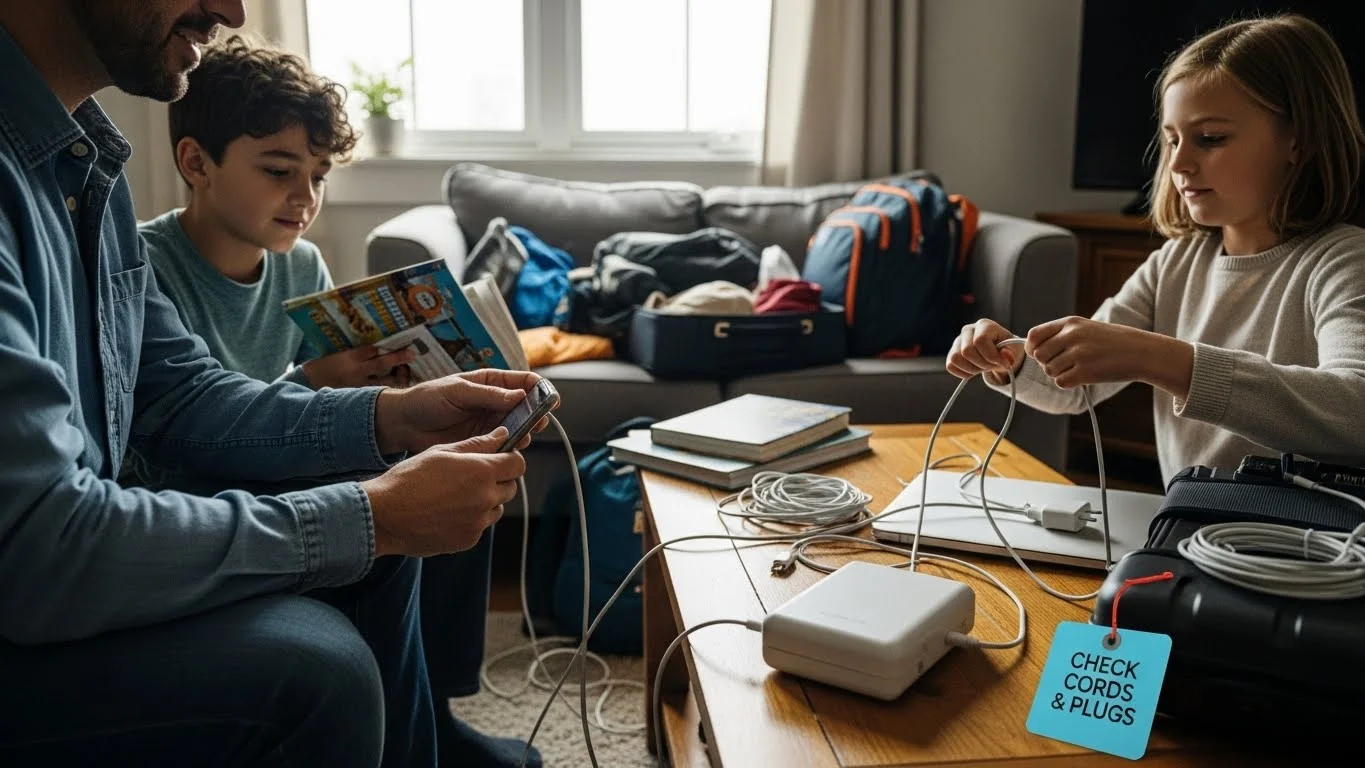
Before any trip, I make it a habit to thoroughly inspect all our electrical devices. This includes checking for any frayed wires, damaged plugs, or worn-out cords. I’ve learned that even minor issues can become significant problems when on the road. For instance, during a family trip last summer, I discovered a charger had a frayed wire just before we left. Thankfully, I noticed it in time to replace it, avoiding a potential electrical hazard. I recommend taking a few minutes to check each device and ensure they are in good working order before packing.
Choosing the Right Travel Adapters and Converters
Travel adapters and converters are essential tools for international travel. From my experience, not all adapters are created equal. Some are just basic plugs that allow you to connect to foreign outlets, while others convert voltage. I remember a trip to Europe where I didn’t have the right converter for my hairdryer, and I ended up with a broken appliance. That experience taught me to research and invest in high-quality adapters that are compatible with the voltage requirements of the countries we visit.
When selecting adapters, I look for ones that are compact and versatile, often featuring multiple plug types in one unit. This way, I can avoid carrying a bulky collection of adapters. In my opinion, having the right equipment can save time, money, and frustration during our travels. Read Interesting article: Master Basic First Aid for Kids: Safety Tips for Parents
Preparing Emergency Contact Information
Preparing for potential emergencies is another essential aspect of our travel planning. I always take the time to compile a list of emergency contacts, including local emergency services, nearby hospitals, and even our home contacts. I print this information and keep it in our travel documents. We also save this list on our phones, just in case.
Having this information readily available brings me peace of mind while traveling. If an electrical emergency arises, such as a shock or a short circuit, knowing who to call can make all the difference. We’ve even created a small family emergency plan that includes what to do and who to contact in case of an emergency. I recommend involving the whole family in this planning process, as it empowers everyone to know what steps to take if something goes wrong.
By taking these steps, I feel more confident and prepared for any situation that may arise during our travels. It’s all about ensuring our family stays safe and can focus on enjoying the journey ahead.
Staying Safe in Hotels and Accommodations
Checking Electrical Outlets and Appliances
When we check into a hotel or other accommodations, I find it essential to inspect the electrical outlets and appliances right away. It may sound excessive, but trust me, it can save us from a lot of trouble. I’ve walked into rooms where the outlets looked worn out or even burnt, and I always wonder how many travelers had used them without a second thought. I make it a point to plug in my phone charger to see if it fits snugly and works properly. If it doesn’t, I report it to the front desk immediately.
Additionally, I always look over available appliances, like hairdryers or coffee makers. I’ve noticed that some hotels provide older models that might not meet current safety standards. If an appliance looks damaged or smells odd, I won’t hesitate to call for a replacement. It’s better to be safe than sorry, especially when it comes to electrical equipment.
Using Surge Protectors in Hotel Rooms
One travel essential that has become a staple for our family is a surge protector. I learned the hard way that hotel room electrical systems can be unpredictable. On one trip, I plugged multiple devices into a single outlet, and the power surged, causing my laptop charger to fry. Since then, I’ve made it a habit to carry a compact surge protector. It’s an easy way to safeguard our devices from unexpected voltage spikes.
Using a surge protector also means I can plug in several devices at once without worrying about overloading the outlet. It gives me peace of mind, especially when we have kids with their tablets and phones needing charging after a long day of exploring.
Identifying Fire Safety Measures
Fire safety is another crucial aspect of electrical safety that I always consider when staying in accommodations. Upon arrival, I quickly check for smoke detectors and fire extinguishers. I’ve noticed that not all hotels maintain their safety equipment properly, so I make sure to inform the staff if something seems amiss.
In our family, we have a little routine where we discuss the fire escape plan for the room. I believe it’s essential for everyone to know the quickest way out in case of an emergency. Even if it seems unlikely, being prepared can make a significant difference. It’s about creating a sense of security, ensuring that we all feel safe during our stay.
Electrical Safety Tips for Road Trips
Keeping Your Vehicle’s Electrical System in Check
When we hit the road, I always prioritize checking our vehicle’s electrical system. I’ve learned from experience that the last thing I want is to get stranded due to a dead battery or faulty wiring. Before a road trip, I usually inspect the battery and connections to ensure everything is in good shape. I even keep jumper cables handy, just in case.
Additionally, I make it a point to check the power windows, lights, and dashboard indicators to ensure they’re functioning correctly. Having a checklist for our vehicle’s electrical system has become a part of our travel preparation. It might seem like a small detail, but it can really save us from potential headaches down the road.
Using Portable Chargers and Inverters Safely
Portable chargers have become our best friends on long road trips. They keep our devices powered up, allowing us to stay connected and entertained. However, I always remind myself to use them safely. I’ve learned to choose high-quality chargers from reputable brands. It’s easy to find cheaper options, but I’ve found that they can be unreliable and sometimes even dangerous.
When we need to use an inverter for larger devices, like a laptop, I’m careful to check the wattage rating. While it’s tempting to plug everything in at once, I’ve found that it’s safer to power one device at a time. This helps to prevent overloading the car’s electrical system, which could lead to some unpleasant surprises.
Managing Battery Life for Devices and Gadgets
Managing our devices’ battery life on the road is another thing I’ve become quite vigilant about. I’ve seen how quickly our phones and tablets can drain during long drives, especially with kids using them for games and movies. I encourage my family to use battery-saving modes and download content for offline use. It’s a great way to extend battery life and ensure we have enough juice for emergencies.
During our trips, we also discuss the importance of turning off devices when not in use. I’ve noticed that this simple habit can make a significant difference, keeping our devices charged longer. It has even become a fun family challenge to see who can keep their devices on power-saving mode the longest!
Camping and Outdoor Travel: Special Considerations
Using Electrical Appliances Safely in Nature
Camping is one of my family’s favorite ways to connect with nature and each other. However, I’ve come to realize that using electrical appliances in the great outdoors comes with its own set of challenges. I always make sure to use appliances designed specifically for camping. For instance, I love our portable grill, but I ensure it’s suitable for outdoor use and adheres to safety standards. I remember one camping trip where we accidentally used a regular extension cord to power our lights. It turned out to be a terrible idea when we discovered it wasn’t rated for outdoor conditions.
To keep my family safe, I also avoid using too many high-wattage appliances at once. I’ve found that balancing our needs—like lights, chargers, and cooking appliances—can help prevent overloads. It’s a good idea to create a schedule for when we use certain devices, so we don’t risk tripping any circuit breakers.
Understanding Solar Power Options for Camping
Solar power has become a game-changer for us while camping. I remember when we first tried solar panels during a trip to the mountains. We could charge our phones, lanterns, and even some small appliances without worrying about running out of battery. I’ve learned that investing in a reliable solar charger or portable solar panel can offer peace of mind and sustainability while we explore the outdoors.
When using solar power, I always make sure to place panels in a spot that receives ample sunlight throughout the day. It’s also essential to check the charging capacity and battery life to ensure we have enough power for our needs. I recommend getting a solar charger that comes with multiple USB ports, as this allows us to charge various devices simultaneously—perfect for our tech-savvy kids!
Storing Electrical Equipment During Outdoor Activities
One thing I’ve learned during our camping trips is the importance of storing electrical equipment properly. Keeping our devices safe from moisture and dirt is crucial. I often pack everything in waterproof bags or bins to protect them from unexpected weather changes. I remember a time when we got caught in the rain, and I was so relieved that I had stored our portable charger in a waterproof case.
Additionally, I try to create designated areas for charging and using our devices. This helps us keep track of which equipment is in use and reduces the risk of accidental damage. It’s also a good idea to educate my family about not leaving devices lying around, especially near water sources or during hikes. By being proactive, we ensure our electrical gear remains in good shape for our adventures.
Educating Children About Electrical Safety
Teaching Kids to Recognize Electrical Hazards
One of the most rewarding aspects of traveling with my family is teaching my kids about electrical safety. I believe it’s essential for them to recognize potential hazards, especially when we’re away from home. I often engage them in conversations about what looks safe or unsafe in our accommodations or camping areas. For example, when we check into a hotel, I ask them to help me look for worn-out outlets or broken appliances.
We also play games where we identify safe versus unsafe situations. This not only makes them aware of electrical hazards but also empowers them to make smart choices. It’s a great way to ensure that they feel involved in our family travel preparations.
Safe Practices for Kids with Electronic Devices
As a family that relies on electronic devices for entertainment and navigation, I think it’s important to teach my kids safe practices when using them. I emphasize the importance of not using devices in wet areas, like near pools or during rain. I remind them that charging devices too close to the water can lead to serious accidents.
Additionally, we talk about the importance of using quality chargers and avoiding cheap knock-offs. I’ve explained to them how using unreliable chargers can damage their devices and create potential hazards. I feel that giving them this knowledge not only keeps them safe but also helps them become responsible travelers.
Emergency Procedures: What Kids Should Know
Preparing my kids for emergencies is another vital aspect of our travel safety plan. I make it a point to discuss what to do if they ever face an electrical emergency, such as seeing smoke or experiencing a shock. We practice our emergency response, and I encourage them to stay calm and alert an adult immediately.
I also create a simple poster with emergency contacts and procedures that we keep with our travel documents. It’s an easy reference for them to remember what steps to take in case something goes wrong. Teaching my kids these procedures not only equips them with knowledge but also gives me peace of mind knowing they are prepared.
Frequently Asked Questions
What are the common electrical hazards to be aware of while traveling with family?
Common electrical hazards include faulty wiring or outdated outlets that can lead to shocks or fires, the misuse of multi-plug adapters that can overload circuits, and the potential dangers of water exposure to electrical devices. Additionally, using appliances not suited for the voltage of the country you’re visiting can also pose risks.
How can I prepare my electrical devices for travel?
Before traveling, it’s important to thoroughly inspect all electrical devices for frayed wires, damaged plugs, or worn-out cords. Ensuring that each device is in good working order can help avoid potential electrical hazards while on the road.
What should I consider when choosing travel adapters and converters?
When selecting travel adapters and converters, look for high-quality options that are compatible with the voltage requirements of the countries you are visiting. Adapters that are compact and versatile, featuring multiple plug types, can also be beneficial to avoid carrying a bulky collection of adapters.
What steps can I take to ensure electrical safety in hotels?
It’s essential to inspect electrical outlets and appliances upon checking into a hotel. Look for worn or damaged outlets and ensure available appliances are in good condition. Additionally, using a surge protector can help safeguard devices from unexpected voltage spikes.
How can I check my vehicle’s electrical system before a road trip?
Before a road trip, inspect the vehicle’s battery and connections for any issues. Check power windows, lights, and dashboard indicators to ensure they are functioning correctly, and keep jumper cables handy in case of emergencies.
What precautions should I take when using electrical devices while camping?
When using electrical devices while camping, choose appliances designed for outdoor use and avoid using high-wattage appliances simultaneously to prevent overloads. Additionally, always store electrical equipment in waterproof bags or bins to protect them from moisture and dirt.
How can solar power be utilized during camping trips?
Solar power can be utilized by investing in reliable solar chargers or portable solar panels to charge devices and small appliances. Place solar panels in areas that receive ample sunlight and check the charging capacity to ensure they meet your power needs.
What are some safe practices for kids when using electronic devices during travel?
Teach kids to avoid using devices in wet areas and emphasize the importance of using quality chargers to prevent hazards. Engaging them in conversations about safe practices can empower them to make responsible choices with their devices.
What emergency procedures should children be taught regarding electrical safety?
Children should be taught what to do in case of an electrical emergency, such as seeing smoke or experiencing a shock. Practicing emergency responses and having a simple poster with emergency contacts and procedures can help them remember the necessary steps to take.
How can families create a sense of security regarding electrical safety while traveling?
Families can create a sense of security by discussing and practicing fire escape plans, inspecting accommodations for safety equipment, and preparing emergency contact information. Involving the whole family in these preparations empowers everyone to respond appropriately in case of an emergency.