
Traveling with family can be an incredible adventure, but it also comes with its share of risks. Having the right emergency contacts at your fingertips can make all the difference when unexpected situations arise. Read Interesting article: Create an Emergency Contact List for Family Travel Safety
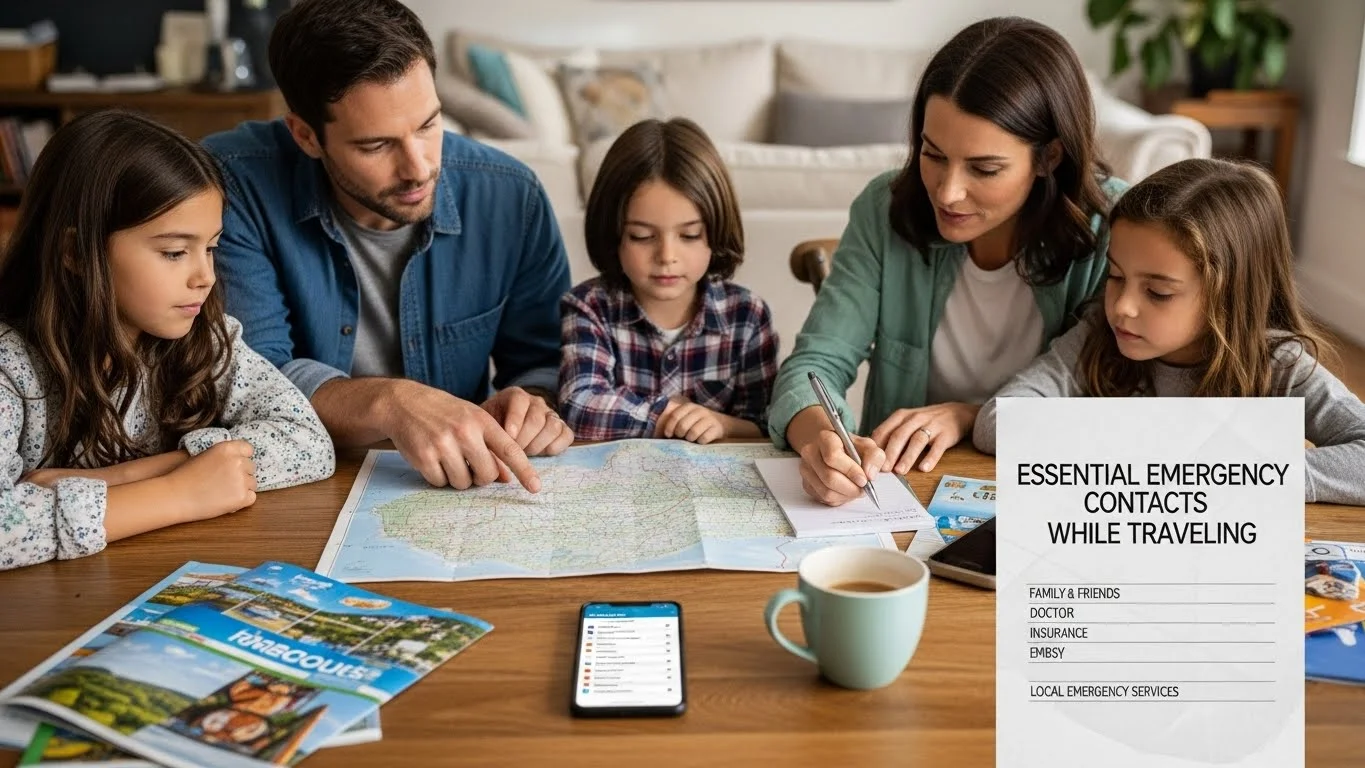
Why Emergency Contacts Are Crucial for Family Travel
The Role of Emergency Contacts in Travel Safety
When we travel, we often focus on the excitement of exploring new places, trying local cuisine, and creating unforgettable memories. However, emergencies can happen anywhere, and being prepared is essential. I learned this firsthand during a family trip to Europe a few years ago. While we were soaking up the sights in Paris, my daughter suddenly developed a high fever. Thankfully, we had our emergency contacts organized, which allowed us to quickly find a nearby hospital and get her the care she needed.
Emergency contacts serve as a safety net. They can provide immediate assistance, whether it’s contacting local authorities, healthcare providers, or even friends and family back home for support. In my experience, knowing who to reach out to can alleviate a lot of stress during trying times. Having a well-prepared list of emergency contacts ensures that you won’t feel lost or overwhelmed in the moment of crisis.
Common Travel Emergencies Families Face
Understanding the types of emergencies that can arise during travel can help families prepare better. Here are some common scenarios that I have encountered or heard about from fellow travelers:
- Medical Emergencies: Illnesses or injuries can occur unexpectedly, especially when traveling to places with different health standards.
- Lost or Stolen Belongings: Losing a wallet or passport can be a nightmare, but knowing whom to contact can ease the situation.
- Accidents: Car accidents or falls can happen anywhere, and having emergency contacts can help in getting immediate assistance.
- Natural Disasters: While we hope this never happens, being prepared for events like earthquakes or hurricanes is vital.
For example, while hiking in a national park, I overheard a family struggling to find a way to contact local ranger services after a minor injury. They didn’t have the necessary numbers on hand, which made the situation more stressful. This highlighted the importance of being prepared for various emergencies before setting off on our travels.
Essential Emergency Contacts to Have
Local Emergency Services
One of the first things I recommend is to familiarize yourself with the local emergency services before your trip. This includes knowing how to reach police, fire, and medical services in the area you are visiting. I always make a note of the emergency number for the country we are visiting. In many places, this is simply 911 or 112, but it can differ, and knowing the correct number ahead of time is crucial.
Additionally, I like to have a local map or a travel guide that lists these emergency numbers. It ensures that, in case of an emergency, I won’t waste precious time searching for the information.
Travel Insurance Provider
Travel insurance is often an overlooked aspect of travel planning, but I can’t stress enough how important it is to have a travel insurance provider’s contact information readily available. In our experience, travel insurance has saved us from significant headaches. During a trip to Southeast Asia, a friend of mine had her luggage lost, and having her insurance provider’s number helped her file a claim quickly. Always keep a copy of your insurance policy and the contact number handy, either on your phone or in a travel wallet.
Healthcare Facilities and Hospitals
Researching healthcare facilities at your destination can save valuable time in emergencies. Before I travel, I make a list of nearby hospitals or clinics and their contact information. I remember when we traveled to a remote area in Costa Rica. I had looked up the nearest medical facility before leaving, and when my son had an allergic reaction, I was grateful that I had that information on hand. Knowing where to go for medical help can provide peace of mind and ensure that you get care quickly. Read Interesting article: Essential Disaster Preparedness Plans for Traveling Families
Embassy or Consulate Contact Information
If you find yourself in a serious situation, having the contact information for your country’s embassy or consulate can be a lifesaver. We once had a friend who lost their passport while traveling in a foreign country, and they were able to get assistance from the local consulate. It’s beneficial to have the address and phone number saved in your phone, as well as printed out in case your phone dies or gets lost.
Family and Friends Back Home
Having a contact list that includes family or friends back home can be very helpful during emergencies. I typically share our itinerary and emergency contact list with a trusted family member. This way, they know where we are supposed to be and can help coordinate any assistance we might need in a crisis. It’s comforting to know that someone is looking out for you while you’re away.
Travel Agency or Tour Operator Contacts
If you’ve booked a trip through a travel agency or are using a tour operator, keep their contact information handy as well. They can provide assistance in case of cancellations, changes, or emergencies. When we traveled on a guided tour of Italy, having the tour operator’s number helped us navigate a last-minute change in our itinerary due to weather conditions. Read Interesting article: Top Tips for Family Emergency Plans While Backpacking
How to Organize Emergency Contact Information
Creating a Contact List
One of the first steps I take when planning a trip is to create a comprehensive emergency contact list. I find it helpful to write down all the essential numbers and information in one place. This list typically includes local emergency services, healthcare facilities, my travel insurance provider, and the contact information for my country’s embassy or consulate. I also add contacts for family or friends back home, as well as any tour providers I might be working with.
When I created this list for our recent trip to Japan, I used a simple format. I listed each contact, their phone number, and the address where they could be reached. I even included notes about what to do in specific scenarios, like where to go for medical help or how to reach my insurance provider. This way, if anything unexpected came up, I wouldn’t have to scramble for information. I highly recommend doing this as it can save time and reduce panic when you need help the most.
Using Mobile Apps for Emergency Contacts
In this digital age, I also love utilizing mobile apps to keep my emergency contacts organized. There are several apps available that allow you to store important information securely. I use an app that lets me create a dedicated emergency contact section on my phone. It’s convenient because I always have my phone with me, and I can quickly access the information if I need it.
Some apps even offer features like location tracking, which can be useful in emergencies. I’ve found that having everything in one app not only keeps me organized but also allows me to share this information easily with my family members. During our trip to Italy, this feature came in handy when I accidentally got separated from my family at a crowded tourist site. I was able to share my location with them instantly, which helped us reunite quickly.
Storing Information Offline
While I love technology, I also believe it’s crucial to have backup methods. I always print out a physical copy of my emergency contact list to keep with me when I travel. You never know when your phone might run out of battery or get lost, so having a hard copy is a lifesaver. I usually fold it up and keep it in my wallet or travel wallet where I store other important documents like my passport and travel insurance details.
Additionally, I like to give a copy to a trusted family member or friend who isn’t traveling with us. This ensures that if anything goes wrong, someone back home has access to our itinerary and emergency contacts as well. I remember during a trip to Thailand, we encountered a minor issue with our hotel booking. Thankfully, I had all our information printed out, which made it much easier to resolve the situation without having to dig through my phone.
Preparing for Specific Destinations
Emergency Numbers by Country
Each country has its own set of emergency numbers, and I’ve learned that it’s crucial to familiarize myself with these before traveling. For instance, while 911 is the emergency number in the United States, other countries have different systems. Before our family trip to Spain, I took the time to look up the emergency numbers for police, fire, and medical assistance. It’s a small detail, but knowing the right number can save valuable time when every second counts.
I also made a note of these numbers on my emergency contact list. I feel that having this information at my fingertips not only aids in emergencies but also boosts my overall confidence while traveling. It’s a simple step that can make a significant difference, especially when navigating a foreign environment.
Important Contacts for Popular Travel Destinations
When planning our travels, I like to dig a bit deeper into the specific contacts relevant to the destinations we’ll be visiting. For instance, in popular tourist spots like Paris or New York, knowing the contact numbers for local hospitals or tourist assistance centers can be invaluable. I often check forums or travel blogs for recommendations on reputable medical facilities, especially in areas that I might not be familiar with.
On our recent trip to London, I found a great resource that listed not only emergency numbers but also contact information for English-speaking medical services. Having that handy made me feel more secure, knowing we wouldn’t have to worry about language barriers in a healthcare situation.
Understanding Local Healthcare Systems
Understanding the local healthcare system in the countries we visit has become an essential part of my travel prep. I typically research how healthcare works in the destination, especially regarding costs and what to expect if we need medical attention. For instance, some countries require upfront payment for medical services, while others might bill your insurance directly.
I remember during our road trip through Canada, I learned that many healthcare services are covered under their universal healthcare system, but travelers might need to pay for services upfront if they don’t have proper insurance. Knowing this allowed us to be financially prepared in case of an emergency, which ultimately gave us peace of mind during our travels.
What to Do in Case of an Emergency
Steps to Take During a Medical Emergency
When a medical emergency hits, I believe staying calm is the first crucial step. I remember during our trip to Greece when my husband twisted his ankle while hiking. The immediate panic was overwhelming, but I took a deep breath and remembered our emergency contact list. I quickly located the nearest healthcare facility from my prepared list and called for directions. It’s important to evaluate the situation first: is it something that requires immediate medical attention, or can it wait for a while? If it’s the former, don’t hesitate to call for help or head to the nearest hospital.
Additionally, I always keep a small first aid kit with me while traveling. It’s filled with essentials like band-aids, antiseptic wipes, and pain relief medication. This kit can help address minor injuries right away and buy us some time until we can seek professional help. In our case in Greece, we managed to treat his ankle with ice packs until we could reach a clinic. Having that first aid kit made a huge difference, so I highly recommend preparing one before any trip.
Reporting a Crime While Traveling
Experiencing a crime while traveling can be shocking and unsettling. I know this firsthand from a trip to Brazil, where my phone was stolen at a crowded market. In that moment, I felt a whirlwind of emotions—fear, frustration, and vulnerability. However, I knew it was essential to report the crime as soon as possible. I immediately located the local police station using the emergency contact information I had saved. Reporting the theft is crucial for obtaining any necessary documentation for insurance claims and for the police to potentially track the thief.
When reporting a crime, I recommend writing down all the details as soon as you can. This includes the time, place, and description of the incident. The more detailed your account is, the better the authorities can assist you. After speaking with the police in Brazil, I also contacted my travel insurance provider to report the theft and find out how to proceed with filing a claim. Keeping a level head and following up with the right steps made the situation a little easier to handle.
Lost or Stolen Passport Procedures
I’ve always been a bit paranoid about losing my passport when I travel, so I take extra precautions to keep it safe. However, if the worst happens and you find yourself dealing with a lost or stolen passport, it’s vital to act quickly. I remember a friend who lost her passport while backpacking through Thailand. She felt completely panicked, but I was able to share some helpful steps with her.
The first thing to do is to report the loss to local authorities. This can often be done at a police station or through local tourist assistance centers. Getting a police report is essential for the next steps in the process. After that, it’s important to contact your country’s embassy or consulate. They can guide you through the process of getting a replacement passport. I always keep the contact information for the embassy saved on my phone and in my printed emergency contact list, just in case.
Additionally, I recommend having a photocopy of your passport, stored separately from the original. This can make obtaining a replacement much easier and quicker. Knowing what to do ahead of time and having the right contacts ready can help ease the anxiety that comes with losing something as important as your passport.
Additional Resources for Travelers
Mobile Apps for Safety and Assistance
In today’s digital age, there are countless mobile apps designed to enhance traveler safety. I’ve found several that have been incredibly useful. One of my favorites is a travel safety app that provides local emergency numbers, tips on what to do in various situations, and even alerts for potential dangers in the area. During our last trip, this app notified us of a nearby protest that could disrupt our plans, allowing us to make alternative arrangements.
Another app I use is for sharing my location with family members. This feature gives me peace of mind, especially when exploring unfamiliar areas. Having a safety app that others can access helps everyone feel more connected and secure during travel.
Travel Safety Websites and Hotlines
Before heading out, I always check reputable travel safety websites for any updates or warnings about my destination. Websites like the U.S. State Department or the equivalent for your country often provide valuable information about safety, health issues, and travel advisories. They also have hotlines available for travelers in need of assistance. I remember when we traveled to Mexico, I checked the local government’s travel advisory and discovered some areas we should avoid. This kind of research can be a game changer.
Local Government Resources
In addition to emergency contacts, I think it’s wise to familiarize myself with local government resources in the areas we visit. Many cities have tourist information centers that can offer guidance on what to do in case of emergencies, as well as provide maps and safety tips. During a recent trip to Amsterdam, we found a tourist assistance center that had helpful information about local hospitals and police stations. They even provided us with a list of English-speaking medical services, which gave us extra confidence.
Having these resources on hand can make any trip smoother and more enjoyable. It gives me a sense of security knowing that I’m prepared for any situation that may arise, and it allows my family and me to focus more on enjoying our travels rather than worrying about what could go wrong.
Frequently Asked Questions
Why are emergency contacts crucial for family travel?
Emergency contacts are essential for family travel as they provide immediate assistance in unexpected situations, such as medical emergencies, lost belongings, or accidents. Having a well-prepared list of emergency contacts can alleviate stress and ensure you know who to reach out to in a crisis.
What types of emergencies should families prepare for while traveling?
Families should prepare for several common travel emergencies, including medical emergencies, lost or stolen belongings, accidents, and natural disasters. Being aware of these scenarios can help families respond effectively when they arise.
What essential emergency contacts should I have while traveling?
Essential emergency contacts to have while traveling include local emergency services, your travel insurance provider, nearby healthcare facilities and hospitals, your country’s embassy or consulate, family and friends back home, and your travel agency or tour operator.
How can I organize my emergency contact information for travel?
You can organize your emergency contact information by creating a comprehensive contact list that includes all essential numbers, using mobile apps to store information securely, and keeping a printed copy readily available in case your phone is lost or runs out of battery.
What steps should I take in a medical emergency while traveling?
In a medical emergency, stay calm and evaluate the situation. If immediate medical attention is needed, call for help or head to the nearest healthcare facility using your emergency contact list. Additionally, having a small first aid kit can help manage minor injuries until professional help is available.
What should I do if I experience a crime while traveling?
If you experience a crime while traveling, report it to local authorities as soon as possible. Document the incident by writing down details such as the time and place, and contact your travel insurance provider to report the crime and understand how to proceed with any claims.
What should I do if my passport is lost or stolen while traveling?
If your passport is lost or stolen, report the loss to local authorities first and obtain a police report. After that, contact your country’s embassy or consulate for guidance on getting a replacement passport. Keeping a photocopy of your passport can also help expedite the replacement process.
How can mobile apps assist with travel safety?
Mobile apps can enhance travel safety by providing local emergency numbers, tips on what to do in various situations, and alerts for potential dangers in the area. Some apps also allow you to share your location with family members for added security.
What resources should I check before traveling?
Before traveling, check reputable travel safety websites for updates or warnings about your destination, such as those from the U.S. State Department. Local government resources, such as tourist information centers, can also offer guidance on emergencies and provide safety tips.
Why is it important to understand local healthcare systems when traveling?
Understanding local healthcare systems is important because it helps you know what to expect regarding medical costs and procedures in case of an emergency. Some countries may require upfront payment for services, while others bill your insurance directly, which can significantly impact your preparedness during travel.