
Backpacking with a newborn is an adventure like no other. It’s a chance to explore the great outdoors while nurturing your little one, but it comes with its own unique challenges, especially when it comes to feeding. To make your journey smoother, consider checking out our list of Top 10 Essential Baby Gear Items for Travel.
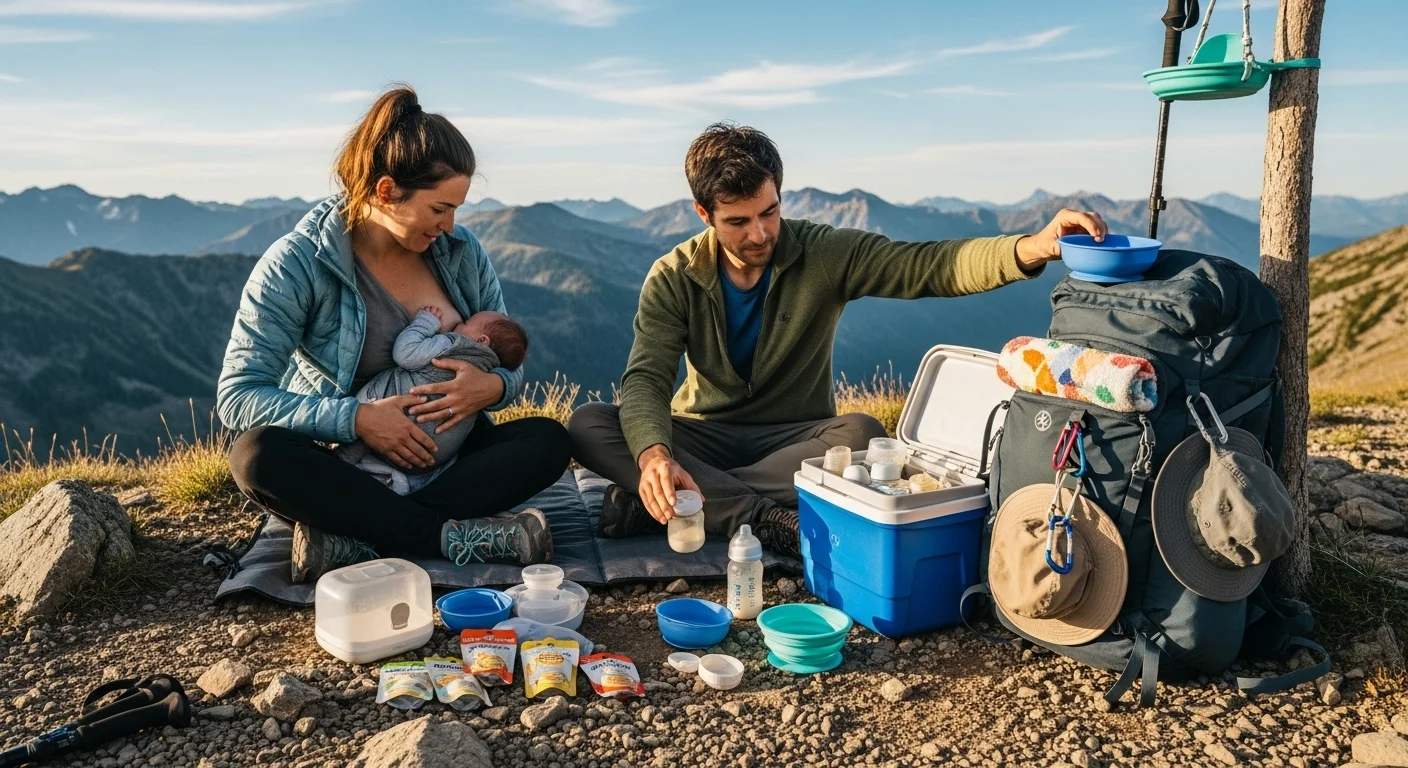
Understanding the Basics of Backpacking with a Newborn
When I first decided to take my newborn on a backpacking trip, I was filled with excitement and a bit of anxiety. It’s one thing to hike with friends or family, but carrying a tiny human adds a whole new layer of complexity. In my experience, understanding the basics of backpacking with a newborn is crucial for a successful trip. There are health and safety considerations, as well as practical gear choices that can make all the difference.
Health and Safety Considerations
Health and safety are paramount when you’re out in the wild with a little one. I remember reading countless articles and listening to podcasts about hiking with babies before our first trip. The first point that kept coming up was the importance of being prepared. Here are some key health and safety considerations I learned along the way:
- Consult Your Pediatrician: Before embarking on any adventure, I made sure to talk to our pediatrician. They provided invaluable advice on what age is safe for hiking and what to look out for regarding altitude and weather.
- Watch for Signs of Overheating: Newborns are particularly sensitive to temperature changes. I learned to dress my baby in layers and regularly check for signs of overheating or cold.
- Insect Protection: I never realized how many bugs there were until we hit the trails. I found using a lightweight, breathable baby blanket to cover my little one helped keep the bugs away.
- Hydration: Keeping myself hydrated was essential, not just for me but also for breastfeeding. I always packed extra water for myself.
Choosing the Right Backpack for Parents
Choosing the right backpack is something I underestimated. When I first thought about it, I assumed any backpack would do. However, I quickly learned that a specialized baby carrier backpack is a game-changer. Here are some features I found essential:
- Comfortable Fit: Look for a backpack with a comfortable, adjustable fit. I found that the more it felt like an extension of me, the easier it was to hike. Padded straps and a supportive frame can help distribute weight evenly, making long hikes more enjoyable.
- Storage Space: I needed enough room for all our supplies. A backpack with multiple compartments helped me stay organized. I could easily find feeding gear, diapers, and personal items without rummaging through everything.
- Weather Protection: A rain cover is a must. I can’t count how many times I’ve been caught in unexpected weather. A good pack with a rain cover kept my baby dry and comfortable.
As I set off on my first backpacking trip with my newborn in tow, I felt a mix of excitement and nervousness. However, I quickly discovered that with the right understanding and preparation, backpacking with a little one is not only doable but also incredibly rewarding. There’s something magical about sharing the beauty of nature with your child while creating memories that will last a lifetime. For some great tips on bonding during your trips, consider reading Budget Backpacking with Baby: Strengthening Your Bond.
Essential Feeding Gear for Newborns
When I was planning my backpacking trips with my newborn, I quickly realized that feeding gear was just as important as the right backpack. After all, a happy baby makes for a happy hike! I spent a lot of time figuring out what supplies I would need to ensure feeding was as smooth as possible. Here’s what I found essential.
Breastfeeding Supplies
If you’re breastfeeding, having the right supplies can make all the difference in your outdoor experience. I learned early on that being prepared is key.
Breast Pump Options
Depending on your feeding routine, a portable breast pump can be a lifesaver on the trail. I initially hesitated to use one because I thought it would be too cumbersome. But I found a compact, battery-operated breast pump that fit perfectly into my backpack. It allowed me to pump on-the-go, which was great for keeping my milk supply steady. I recommend looking for one that’s lightweight and easy to clean, as this can save you a lot of hassle.
Milk Storage Solutions
Once I had pumped milk, I needed a reliable way to store it. I discovered that insulated milk storage bags were a fantastic option. They kept the milk cool and secure while we were out hiking. I also made sure to pack a cooler bag with ice packs to maintain the milk’s freshness. Remember to label each bag with the date and time to keep track of how long it’s been stored. This way, I could easily ensure my little one was getting the best!
Formula Feeding Essentials
If you’re formula feeding, there are a few key items that will make your backpacking adventure smoother.
Portable Formula Dispensers
I found portable formula dispensers to be a game-changer. They allow you to pre-measure formula servings, which means you don’t have to deal with messy scooping while on the trail. I liked using the stackable ones that could hold multiple servings, making them easy to pack. With these on hand, I felt confident knowing I could quickly prepare a bottle whenever needed.
Travel-Friendly Bottles
Choosing the right bottles was also essential. I opted for lightweight, shatterproof bottles that fit well in my backpack. They were easy to clean and came with a wide mouth for simple filling and cleaning. I also made sure to pack some extra nipples and caps just in case. The last thing I wanted was to be stuck without an essential feeding item!
Feeding Accessories
In addition to the main feeding gear, I found that a few accessories made our trips much more manageable.
Compact High Chairs
A compact, portable high chair was a fantastic investment. I found one that folds flat and clips to picnic tables or regular tables at campsites, which made feeding time a breeze. It was sturdy enough to hold my baby safely and made it easier for me to feed her without needing to hold her on my lap. This helped create a pleasant eating environment, even in the great outdoors.
Universal Bibs and Wipes
Lastly, I can’t stress enough how useful universal bibs and wipes are when you’re out in nature. I found bibs that are easy to clean and that catch any mess during feeding. Wipes, on the other hand, became my best friend! They came in handy for quick clean-ups, whether it was a spilled bottle or a little face that needed wiping after a meal. Having a pack of biodegradable wipes was especially great since I could feel responsible about keeping the environment clean.
With all this essential feeding gear packed and ready, I felt prepared for our adventures. I can genuinely say that having the right supplies made feeding my newborn while backpacking not only feasible but enjoyable too. It allowed us to focus on what truly mattered—making memories in nature while keeping my little one happy and well-fed. Additionally, don’t forget to check out Backpacking with Baby: Social Growth Milestones to Watch for insights on developmental aspects during your travels.
Best Practices for Feeding a Newborn While Backpacking
As I embarked on my backpacking journey with my newborn, I quickly realized that feeding wasn’t just about having the right gear; it was also about strategy and planning. Over time, I developed a few best practices that made feeding my little one while hiking not only easier but also more enjoyable for both of us.
Creating a Feeding Schedule
One of the first things I learned was the importance of creating a feeding schedule that aligned with our hiking plans. Newborns thrive on routine, and I found that by sticking to a consistent feeding timeframe, my baby was generally happier and more content during our hikes. I tried to plan our outings around her feeding times, which helped us avoid meltdowns in the middle of a scenic overlook!
I also made my own adjustments based on her cues. For example, if I noticed she seemed hungrier than usual, I was flexible enough to accommodate that. I kept a small notebook in my backpack to jot down her feeding times, so I could identify patterns and adjust our schedule accordingly. This practice not only helped in keeping her well-fed but also gave me peace of mind, knowing that I was meeting her needs as best as I could.
Finding Suitable Feeding Locations
Finding the right spot to feed my newborn was another crucial aspect of our hiking experience. I learned that choosing a calm and comfortable location can make all the difference. Some trails have beautiful picnic areas or quiet spots near a stream, which provided the perfect backdrop for feeding. I always looked for a shady area, especially on warm days, to keep my baby cool and comfortable.
On one memorable hike, I stumbled upon a scenic overlook that had a lovely bench. As I settled down to nurse, I was also able to take in the breathtaking view, making it a special moment for both of us. Another tip I discovered was to bring along a lightweight blanket to create a cozy and clean surface for feeding, which made it easy to set up in any location.
Maintaining Hygiene on the Trail
Hygiene was always on my mind when feeding my newborn outdoors. I realized that keeping things clean was essential for both her health and my peace of mind. I made it a point to wash my hands whenever possible before handling feeding gear. When we were on longer hikes, I carried biodegradable wipes in my backpack. These came in handy not only for my hands but also for cleaning any surfaces where I might set down bottles or supplies.
I also learned to keep feeding gear organized and separate from other items in my backpack. Using small, zippered pouches for bottles and nipples helped ensure that everything stayed clean and easy to access. This little organization trick saved me a lot of hassle, especially when I was in a hurry to prepare a bottle. I felt relieved knowing that I could quickly retrieve what I needed without sifting through a mess!
Incorporating these best practices into our backpacking adventures transformed feeding time from a potential stressor into an enjoyable part of our trips. Creating a feeding schedule, finding suitable locations, and maintaining hygiene made the experience more pleasant and allowed me to focus on making memories in nature with my little one.
Recommended Brands and Products
As I navigated the world of feeding gear while backpacking, I discovered some brands and products that stood out for their quality and functionality. I wanted to share my favorites in case you’re looking for reliable options for your adventures with a newborn.
Top Breastfeeding Products
When it came to breastfeeding, I found a few products that made my life easier on the trail. One of my go-to brands was Medela. Their portable breast pump was a game-changer. I loved how lightweight it was and how easy it was to clean. Another favorite of mine was the Lansinoh milk storage bags. They were sturdy, and the double-seal feature gave me confidence that my milk would stay fresh during our hikes.
Best Formula Feeding Options
For formula feeding, I quickly became a fan of the Similac Ready to Feed bottles. They come in convenient, portable sizes that are perfect for hiking. I appreciated that there was no need for mixing or measuring; I could just grab a bottle and go. I also loved the Munchkin formula dispensers. They made pre-measuring a breeze, and I felt super organized having everything ready to go.
Durable and Lightweight Feeding Accessories
In the realm of feeding accessories, I can’t recommend the Fisher-Price portable high chair enough. It was lightweight and easy to stash in my backpack, and it provided a secure spot for my baby to eat while we were out. For bibs, I found the Bumkins silicone bibs to be fantastic; they’re easy to clean and catch all the messes. Plus, they roll up nicely for packing!
In my experience, having the right products and brands made a significant difference in our hiking and feeding adventures. I truly believe that being well-prepared with quality gear allowed us to enjoy our time outdoors without worry.
Tips for Hiking with Feeding Gear
Packing Efficiently
Packing efficiently is something I became very passionate about during our hiking adventures. The way you organize your backpack can really make or break the experience. I found that packing feeding gear in a systematic manner allowed me to access everything quickly when needed. I used small packing cubes and zippered pouches to categorize items like bottles, formula dispensers, and cleaning wipes. This not only kept everything organized but also saved me from the panic of searching for a bottle while my baby was crying. I made it a habit to pack the items I needed most frequently on the top or in easy-to-reach compartments, ensuring I could quickly grab what I needed without digging around.
One packing tip that worked wonders for me was to have a dedicated “feeding pouch.” This pouch included everything from bottles to wipes, and I could quickly pull it out when it was feeding time. By streamlining my packing, I felt more relaxed, knowing that I had everything under control and could focus on enjoying the moment with my little one.
Managing Weight and Space
Managing weight and space is essential when you’re hiking with a newborn. I learned that even the lightest gear can add up, so I made it a point to choose lightweight products whenever possible. For instance, I opted for collapsible bottles and compact storage solutions. I also carried only the amount of milk or formula I needed for the day, which helped prevent unnecessary bulk in my backpack.
Additionally, I realized that I didn’t need to pack every item I thought I might need. Instead, I focused on the essentials and left the extras behind. This approach made my backpack much lighter and easier to carry. I’ve seen parents overpack and struggle, and I wanted to avoid that scenario. I remember one hike where I assessed everything I was carrying and decided to leave behind an extra blanket and a few toys. It made a world of difference in my comfort level during the hike!
Staying Prepared for Feeding Emergencies
No matter how well you plan, feeding emergencies can happen. I learned that staying prepared for these situations is crucial. One of the best strategies I adopted was to pack extra supplies, just in case. I always made sure to have a couple of extra bottles, nipples, and a backup of powdered formula or breast milk on hand. This extra preparation saved me during moments when my baby was unexpectedly hungrier or when there was an accidental bottle spill.
When we were out on the trail, I kept a small emergency kit that included extra wipes, a spare bib, and even a backup snack for me. This way, I could quickly address any feeding hiccups without feeling overwhelmed. I also found that keeping my phone handy for quick reference to feeding guidelines or emergency contacts was helpful, especially during longer hikes.
Common Challenges and Solutions
Dealing with Feeding Disruptions
Feeding disruptions are bound to happen, especially when hiking. I found that the best way to deal with them is to stay calm and adaptable. There were times when my baby was too distracted by the beautiful scenery or too tired to eat, and I learned to adjust accordingly. I made it a point to have a few quiet moments during our breaks, which often encouraged her to eat better. I also discovered that simply changing my position or finding a new spot to feed could make a difference when she was fussy.
Adjusting to New Feeding Routines
Adjusting to new feeding routines while on the trail can be challenging. I remember feeling a bit anxious about how our usual feeding schedule would hold up against the unpredictability of hiking. However, I found that flexibility was key. I embraced the idea that not every day would go according to plan. Sometimes, we had to feed a little earlier or later than expected, and that was okay. I learned to listen to my baby’s cues and adapt my schedule based on her needs, rather than sticking rigidly to a plan.
Handling Weather-Related Issues
Weather can be a significant factor when feeding on the trail. I recall one hike where we encountered unexpected rain, and I had to think quickly to keep everything dry. Investing in weather-resistant bags helped protect our feeding gear from the elements. I also learned to check the forecast before heading out and plan accordingly, bringing extra layers to keep both of us comfortable. If it was too hot, I’d scout for shaded spots, and if it was too cold, I’d have a cozy blanket ready for our feeding time.
Final Thoughts
Backpacking with a newborn is undoubtedly a unique experience filled with its own set of challenges and joys. From ensuring proper feeding to navigating the trails, every moment is an opportunity to bond with your little one while enjoying the beauty of nature. With the right preparation, the right gear, and a flexible mindset, I believe we can create wonderful memories that will last a lifetime. Embrace the adventure, stay organized, and remember that every hike is a chance to explore the world together!
Frequently Asked Questions
What are the essential health and safety considerations when backpacking with a newborn?
Key health and safety considerations include consulting your pediatrician before the trip, watching for signs of overheating, using insect protection, and ensuring proper hydration for both the parent and the baby.
What features should I look for in a baby carrier backpack?
When choosing a baby carrier backpack, look for a comfortable fit with adjustable straps, adequate storage space with multiple compartments, and weather protection features like a rain cover.
What breastfeeding supplies are recommended for backpacking?
Recommended breastfeeding supplies include a portable breast pump, insulated milk storage bags, and a cooler bag with ice packs to keep pumped milk fresh.
What items are essential for formula feeding while backpacking?
Essential items for formula feeding include portable formula dispensers for pre-measured servings, lightweight travel-friendly bottles, and extra nipples and caps for convenience.
What are some best practices for feeding a newborn while hiking?
Best practices include creating a feeding schedule that aligns with hiking plans, finding suitable feeding locations that are calm and comfortable, and maintaining hygiene by using wipes and organizing feeding gear.
What are the benefits of using a portable high chair during hikes?
A portable high chair is beneficial because it provides a secure place for the baby to eat while being lightweight and easy to transport, making feeding time more manageable outdoors.
How can I pack efficiently for hiking with a newborn?
Packing efficiently involves using small packing cubes and zippered pouches to keep feeding gear organized, having a dedicated “feeding pouch” for quick access, and ensuring frequently used items are easily reachable.
What should I do in case of feeding emergencies while hiking?
To prepare for feeding emergencies, pack extra supplies such as bottles, nipples, and backup formula or breast milk, and keep an emergency kit with wipes and a spare bib handy.
How should I handle feeding disruptions during a hike?
To handle feeding disruptions, stay calm and adaptable, look for quiet moments to encourage feeding, and consider changing locations or feeding positions if the baby is distracted or fussy.
What factors should I consider regarding weather when feeding a newborn outdoors?
Consider weather conditions by investing in weather-resistant bags to protect feeding gear, checking the forecast before heading out, and planning for extra layers or shaded spots based on temperature.