
As parents, we want to keep our kids safe and healthy. One vital tool in that mission is a well-stocked first aid kit tailored for kids. Knowing what to include can make all the difference in an emergency. Read Interesting article: First Aid Basics for Kids: Keep Your Family Safe on Adventures
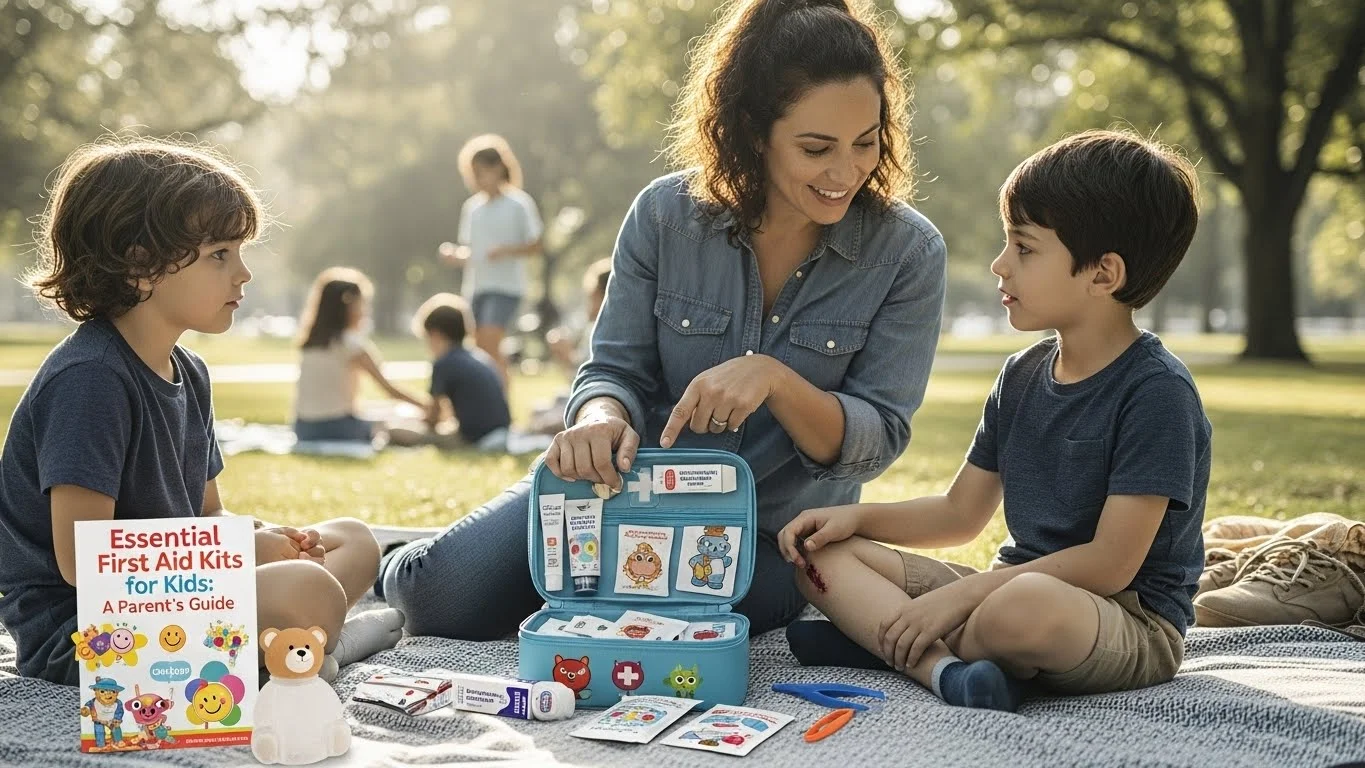
Understanding the Importance of First Aid Kits for Kids
Why Every Parent Needs a First Aid Kit
When I first became a parent, the thought of my child getting hurt was terrifying. However, I quickly learned that accidents happen, and being prepared is the best way to handle those moments. A first aid kit for kids isn’t just a nice-to-have; it’s essential. It provides reassurance, knowing that we can address minor injuries quickly and effectively. Plus, it empowers us to handle emergencies with confidence, instead of panic.
Every family can face different scenarios, whether it’s a scraped knee from a fall at the park or a bee sting during a picnic. Having a first aid kit readily available means we’re not scrambling for supplies in a moment of crisis. I always recommend keeping it stocked and easily accessible for those unexpected bumps in the road.
Common Injuries and Emergencies in Children
Through my experiences as a parent, I’ve encountered a variety of common injuries that kids tend to have. Understanding these helps us prepare our first aid kits appropriately. Some frequent occurrences include:
- Cuts and Scrapes: Kids are naturally curious and adventurous, which often leads to minor injuries. I’ve lost count of how many times I’ve had to clean up a scraped knee after a tumble.
- Burns: Whether from touching something hot in the kitchen or getting too close to a campfire, burns can happen quickly. I learned to be extra cautious during cookouts.
- Insect Bites and Stings: Summer brings out the bugs, and I’ve seen my kids get stung or bitten more times than I can count. Having an antihistamine is a must!
- Allergic Reactions: Kids can develop allergies to various things. In my case, having an EpiPen on hand for my child’s peanut allergy has been crucial.
- Fever: When my child gets sick, I often need to monitor their temperature and manage any fever that arises.
These are just a few examples, but they highlight the importance of having a first aid kit that’s tailored to our kids’ specific needs. I’ve learned that being prepared can help ease our worries when accidents happen.
Essential Components of a First Aid Kit for Kids
Adhesive Bandages and Gauze
One of the first things I always include in our first aid kit is a variety of adhesive bandages. Kids can be prone to scrapes and cuts, and having colorful band-aids can brighten their mood while providing protection. I also recommend including gauze pads for larger wounds. They’re essential for covering big scrapes and help stop bleeding.
Antiseptics and Antibiotic Ointments
After cleaning a wound, applying an antiseptic is crucial to prevent infection. I’ve always kept antiseptic wipes handy for quick cleaning on the go. Additionally, an antibiotic ointment can be a lifesaver for minor cuts; it helps speed up the healing process and keeps the area protected. I’ve found that having both in our kit has made a significant difference in how well we manage minor injuries.
Thermometers and Fever Management
Monitoring my child’s health is a top priority, especially when they’re feeling under the weather. Having a digital thermometer in our first aid kit has been indispensable. It allows us to track fevers accurately, ensuring we can respond appropriately. I also recommend including fever-reducing medications, like children’s acetaminophen or ibuprofen, to help manage discomfort when needed. Trust me; it’s a relief to have these on hand when my kids start feeling ill.
Cold Packs and Heat Packs
I’ve learned that cold packs are essential for treating bumps and bruises. They can reduce swelling and provide pain relief. I always keep a reusable cold pack in the freezer, ready to use. On the other hand, heat packs are excellent for soothing sore muscles after an active day. Having both ensures we’re ready for all sorts of minor injuries.
Scissors and Tweezers
While it might seem simple, having a pair of scissors and tweezers in our first aid kit has proven invaluable. I’ve used scissors to cut gauze or tape, making it much easier to treat a wound. Tweezers are essential for removing splinters or ticks, which can happen to adventurous kids. I’ve had my fair share of splinter removal sessions, and having the right tools has made all the difference!
Emergency Contact Information
No first aid kit is complete without important contact information. I’ve always included a list of emergency contacts, including our pediatrician’s number and nearby hospitals. It’s a good idea to have this information handy in case we need to make calls quickly. I also recommend keeping any medical information, like allergies or existing conditions, in the kit. This can be crucial during emergencies.
Age-Specific Considerations for First Aid Kits
First Aid Kits for Infants
When it comes to infants, the challenges are different. I remember the first time my baby had a cold; I felt so helpless. For infants, a first aid kit should be tailored to their unique needs. I always made sure to include items like infant acetaminophen or ibuprofen, which are crucial for managing fevers. It’s also essential to have a digital thermometer designed for infants, as they can be quite sensitive to temperature changes.
Another important addition is a nasal aspirator. Infants often struggle with congestion, and having a way to help clear their nasal passages can be a lifesaver. Additionally, I recommend including small-sized adhesive bandages, gentle antiseptic wipes, and possibly some soothing ointments for diaper rashes or minor skin irritations. Keeping these items organized and easily accessible helped me feel more prepared for any little emergencies that popped up.
First Aid Kits for Toddlers
Toddlers are a whirlwind of energy, and with that energy comes an increased risk of minor injuries. Our experience with our toddler taught us that having a well-equipped first aid kit can make all the difference. In addition to the essentials like adhesive bandages and antiseptics, I found it helpful to have items that would make the child feel comfortable, like fun band-aids featuring their favorite characters.
It’s also wise to include a small supply of antihistamines to address allergic reactions, especially since toddlers can be prone to food allergies. I remember the time my little one broke out in hives after trying a new snack; having the necessary medication on hand allowed us to handle the situation swiftly. I would also suggest adding teething gels and cooling pads for those tough teething days, which can be a little rough for our little ones.
First Aid Kits for School-Aged Children
As kids enter school, they encounter a whole new world of play and exploration. I quickly realized that the first aid kit for school-aged children needs to adapt to their growing independence. In addition to the basics, I always ensured that our kit contained items such as instant cold packs, which are perfect for those inevitable bumps during recess or sports.
Another item I recommend is a small first aid manual tailored for kids. It can help them understand what to do in case of minor injuries. I remember when my child got a scrape at school; having a basic understanding of first aid made her feel empowered and capable. It’s also crucial to include any medications that your child may need, especially if they have specific allergies or conditions. Ensuring they know where to find their medication in the kit is also a great idea.
First Aid Kits for Adolescents
As kids transition into their teenage years, their needs change yet again. They’re often more active and involved in various sports and activities, so our first aid kit for adolescents needs to be more comprehensive. I found it helpful to include items like elastic bandages for sprains or strains, as well as splints for more serious injuries. Having a small first aid manual that covers more complex injuries can also be beneficial.
Teens are more likely to encounter situations where they need to take charge of their own first aid. I think it’s essential to involve them in assembling their kit, letting them choose specific items they feel would be important. It empowers them and gives them a sense of responsibility. Also, adding some basic over-the-counter medications, like pain relievers, can be helpful for headaches or menstrual cramps. The goal is to create a kit that they feel comfortable using and can manage themselves.
How to Assemble a Personalized First Aid Kit
Choosing the Right Container
When I first started putting together our family’s first aid kit, I learned that choosing the right container is just as important as what goes inside. I prefer a sturdy, waterproof container that is easy to carry. It should have enough space to hold all the essentials without being too bulky. I found that a clear container allows me to see everything at a glance—no more digging around trying to find a specific item during an emergency.
Essential Items to Include
Along with the items we’ve already discussed, there are a few more essentials I always include. A flashlight with extra batteries can be incredibly useful in case of a power outage or if you need to check an injury in the dark. I also suggest keeping a small notepad and pen in the kit. It’s handy for jotting down important information or symptoms in case you need to relay them to a doctor later.
Customizing for Specific Needs (Allergies, Conditions)
Every family is unique, and that means our first aid kits should be too. I took time to customize our kit based on my children’s specific needs. For example, since one of my kids has a peanut allergy, I made sure to include an EpiPen and instructions for use. We also have a small supply of allergy medications, just in case. I recommend evaluating your family’s medical history and any specific conditions to ensure your kit is fully prepared for any situation that may arise.
Where to Store Your First Aid Kit
Accessibility and Safety Considerations
Storing our first aid kit may seem straightforward, but I’ve learned that accessibility and safety are critical factors. I want to ensure that I can reach the kit quickly if an emergency arises, but I also need to keep it out of reach of little hands. I remember a time when my toddler was curious and got into our cabinet, so I realized I needed to be more mindful about where we kept it. I recommend placing the kit in a high, secure location that adults can access easily but children cannot. This way, we’re prepared without putting our kids at risk of getting into the supplies.
Locations Around the Home
In our home, we have a few key spots where we store our first aid kit. The main kit resides in the kitchen, as it’s often the hub of activity and where most accidents happen. Having it close by means I can grab it quickly while I tend to a scraped knee or a fever. Additionally, I keep a smaller kit in the bathroom. It’s become incredibly useful for managing minor injuries and ailments that occur during bath time or while getting ready in the morning.
Another great spot is the family car. I learned that keeping a travel-sized first aid kit in the car is invaluable during outings. Whether we’re on a day trip or just driving around town, we’re always prepared for minor bumps or scrapes. I suggest checking the car kit regularly to ensure that it’s stocked and ready to go. Having these kits in strategic locations has made me feel much more secure knowing I’m ready for anything that comes our way.
On-the-Go Kits for Travel and Outings
Whenever we go on trips or outdoor adventures, I always pack a portable first aid kit. I’ve found that it’s essential to have supplies handy, especially when we’re away from home. I usually include travel-sized versions of our essentials, like adhesive bandages, antiseptic wipes, and any necessary medications. I also make sure to add items specifically suited for our activities, such as insect bite relief when we head to the beach or hiking trails.
One of my favorite tips is to use a small, zippered pouch to keep the travel kit organized. This way, I can easily toss it into our backpack or luggage without worrying about items spilling everywhere. Plus, the convenience of having a well-prepared kit on hand gives me peace of mind, knowing we’re ready to tackle any minor injuries or discomforts that may arise during our adventures.
Teaching Kids About First Aid
How to Explain First Aid Concepts to Children
As my kids have grown, I’ve realized the importance of teaching them about first aid. I want them to feel empowered and knowledgeable in case they ever need to help themselves or others. I began by explaining the basics in a way that was easy for them to understand. I remember using simple language and examples from our experiences, like how to clean a scrape or why we need to put a bandage on a cut.
We often role-play scenarios, which not only makes it fun but helps reinforce their learning. For instance, I might pretend to get a scratch while we’re playing, and they’ll take charge by retrieving a band-aid and applying it correctly. This hands-on approach has worked wonders; I’m always amazed at how quickly they pick things up. Involving them in discussions about what to do in case of an emergency has also helped to ease their fears about getting hurt.
Basic First Aid Skills Every Child Should Know
There are a few essential skills every child should have, and I’ve made it a point to teach these to my kids. First, they should understand how to clean a wound properly and apply a bandage. I’ve shown them how to use antiseptic wipes and the importance of keeping the area clean to avoid infection.
Another crucial skill is recognizing when to ask for help. I encourage my kids to speak up if they’re hurt or if someone else is injured so they can seek assistance from an adult. Additionally, teaching them how to identify signs of serious issues, like difficulty breathing or excessive bleeding, is vital. I believe that by equipping them with these skills, they’ll feel more confident and capable in emergency situations.
Finally, I make sure they know how to contact emergency services. Teaching them how to use a phone to call for help has been a game-changer. I think it’s important for them to practice this, so they know exactly what to do if they ever find themselves in a situation where they need help.
Maintaining Your First Aid Kit
Regular Checks and Updates
Keeping our first aid kit stocked and current is something I take seriously. I’ve learned that regularly checking the contents is essential to ensure we’re fully prepared. Every few months, I make it a habit to go through the kit, checking for any items that may be running low or have expired. I found that setting a reminder on my phone helps me keep track of this task, so it doesn’t slip my mind.
Expiration Dates of Medications
Speaking of expiration dates, I’ve realized that it’s crucial to pay attention to the medications we include in our first aid kit. Many medications, like pain relievers or ointments, have specific shelf lives. I always recommend keeping a list of expiration dates next to the kit for quick reference. It’s a small step, but it can make a huge difference in ensuring we’re using effective products when we need them most.
Restocking After Use
After an incident where we used some supplies from our kit, I learned the importance of restocking right away. It’s easy to forget until the next emergency arises, but I try to replenish any used items immediately. This way, I know we’re always prepared for the unexpected. I’ve found that keeping a checklist of items helps me stay organized and ensures nothing gets overlooked.
When to Seek Professional Medical Help
Recognizing Serious Injuries and Symptoms
While our first aid kit can handle many situations, I’ve learned that some injuries require professional medical attention. It’s crucial to recognize the signs that indicate when to seek help. For instance, if my child has a deep cut that won’t stop bleeding or shows any signs of infection, I know it’s time to head to the doctor. I also keep an eye on symptoms like high fever, persistent vomiting, or difficulty breathing, as these can signal a more serious issue.
Understanding When Home Care Isn’t Enough
There have been times when I initially thought I could manage an injury at home, only to realize it needed more attention. I’ve learned to trust my instincts; if something feels off or if my child isn’t improving, it’s better to err on the side of caution. I always remind myself that it’s okay to seek help, and I encourage other parents to do the same. Our kids’ well-being is always the priority, and being proactive about their health is essential.
Recommended First Aid Kits for Kids
Top Pre-Made First Aid Kits on the Market
Finding the right first aid kit can feel overwhelming, but I’ve discovered some excellent pre-made options that cater to families with kids. I’ve personally tried a few of them, and they’ve proven to be well-stocked and comprehensive. Some popular choices include the Adventure Medical Kits for Kids, which include age-appropriate supplies, and the Johnson & Johnson All-Purpose First Aid Kit, known for its quality and reliability. These kits save me time and offer peace of mind, knowing I have the essentials covered.
Budget-Friendly Options
Not everyone wants to break the bank on a first aid kit, and I completely understand that. There are budget-friendly options that still contain the essentials. I’ve found that many stores offer generic first aid kits that include the basics—band-aids, antiseptics, and gauze—at a fraction of the cost. I suggest looking for deals or discounts when stocking up on supplies, as it can significantly help keep costs down without sacrificing quality.
Best Kits for Outdoor Activities
If your family enjoys outdoor adventures like hiking or camping, having a specialized first aid kit is a wise choice. I recommend looking for kits that include items tailored for outdoor activities, such as insect bite relief, blister treatment, and even sunburn relief gels. One of my favorites is the Lifeline Trail First Aid Kit, which has everything we need for a day in the great outdoors. Having the right supplies ensures we can enjoy our adventures without worrying too much about the “what-ifs.” Read Interesting article: Master Basic First Aid for Kids: Safety Tips for Parents
Frequently Asked Questions
Why is a first aid kit essential for kids?
A first aid kit for kids is essential because it provides reassurance and allows parents to address minor injuries quickly and effectively. It empowers parents to handle emergencies with confidence instead of panic.
What common injuries should a first aid kit for kids be prepared for?
A first aid kit for kids should be prepared for common injuries such as cuts and scrapes, burns, insect bites and stings, allergic reactions, and fever.
What are the essential components of a first aid kit for kids?
Essential components include adhesive bandages, gauze, antiseptics, antibiotic ointments, thermometers, fever-reducing medications, cold packs, heat packs, scissors, tweezers, and emergency contact information.
How should a first aid kit be customized for different age groups?
A first aid kit should be customized for age groups by including specific items like infant acetaminophen for infants, fun band-aids for toddlers, instant cold packs for school-aged children, and elastic bandages for adolescents.
Where is the best place to store a first aid kit at home?
The best place to store a first aid kit at home is in a high, secure location that is easily accessible to adults but out of reach of children. Common locations include the kitchen, bathroom, and family car.
What should be included in a travel first aid kit?
A travel first aid kit should include travel-sized versions of essentials like adhesive bandages, antiseptic wipes, necessary medications, and items suited for specific activities, such as insect bite relief for outdoor trips.
What basic first aid skills should every child know?
Every child should know how to clean a wound properly and apply a bandage, recognize when to ask for help, identify signs of serious issues, and contact emergency services if needed.
How often should a first aid kit be checked and updated?
A first aid kit should be checked and updated regularly, ideally every few months, to ensure all items are stocked, current, and effective, including managing expiration dates of medications.
When should parents seek professional medical help for their child?
Parents should seek professional medical help if a child has a deep cut that won’t stop bleeding, shows signs of infection, has a high fever, persistent vomiting, or difficulty breathing.
What are some recommended pre-made first aid kits for kids?
Some recommended pre-made first aid kits for kids include the Adventure Medical Kits for Kids and the Johnson & Johnson All-Purpose First Aid Kit, both of which offer age-appropriate supplies and reliability. Read Interesting article: Quick First Aid Tips for Kids: A Parent’s Guide