
As a parent, knowing basic first aid can feel like a superhero skill. It gives us the confidence to handle emergencies, ensuring our little ones stay safe and healthy. Let’s explore essential first aid techniques every parent should know, along with some helpful resources like Master Positive Discipline Techniques for Happy Parenting.
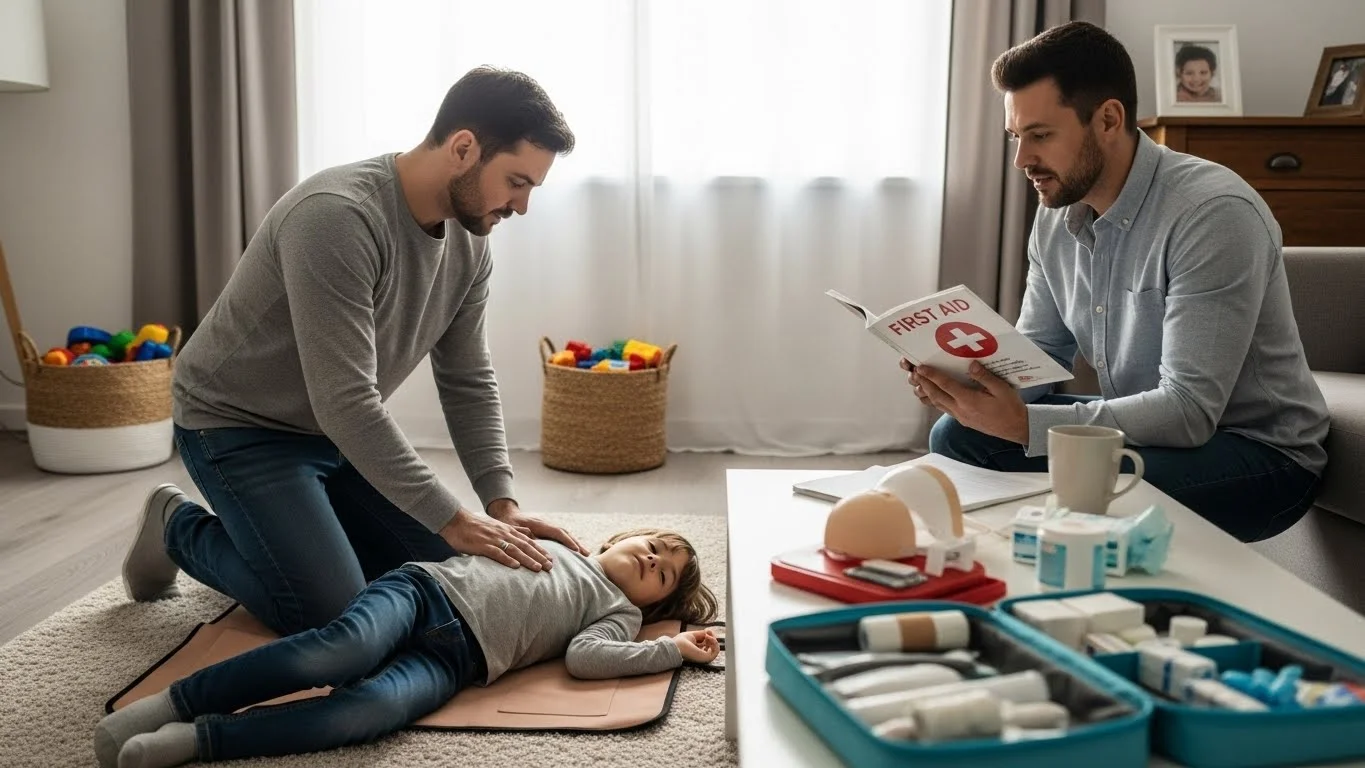
Understanding Basic First Aid
What is First Aid?
First aid is the initial assistance provided to someone who is injured or ill before professional medical help arrives. It includes simple, often life-saving techniques that can be performed with minimal equipment. The beauty of first aid lies in its accessibility; anyone can learn it, and sometimes, those few minutes of care can make all the difference. I remember the first time I faced a small emergency involving my child. It was a moment of panic, but knowing the basics helped me stay calm and act quickly.
The Importance of First Aid for Parents
As parents, we wish to shield our children from harm and nurture their growth. However, accidents happen, and it’s crucial to be prepared. The importance of first aid for parents cannot be overstated; it empowers us to respond effectively to common childhood injuries or emergencies. I’ll never forget when my toddler took a tumble and scraped his knee. Because I knew how to assess the wound and clean it properly, I was able to ease his pain and prevent infection. This kind of knowledge not only helps in emergencies but also builds our confidence as caregivers.
Essential First Aid Techniques
CPR (Cardiopulmonary Resuscitation)
CPR is a vital skill every parent should learn. It can be the difference between life and death in cases of cardiac arrest. For infants and children, CPR techniques differ slightly from those used for adults. I remember taking a CPR class, and it was eye-opening to learn how to perform chest compressions and rescue breaths properly. Here’s a quick breakdown:
- For infants, use two fingers to press down in the center of the chest, about 1.5 inches deep, at a rate of 100-120 compressions per minute.
- For children aged 1-8, use one hand for compressions at a depth of about 2 inches, maintaining the same rate.
- For older children and adults, use both hands and press down at least 2 inches deep.
Learning CPR not only prepares you for emergencies but also provides peace of mind. I feel more secure knowing I can help my children in a crisis. For more parenting strategies, you can check out Unlock Better Conversations with Active Listening Techniques.
Choking Relief for Children
Choking is a scary situation for any parent. I’ve seen firsthand how quickly a child can choke on food or toys, and it can be terrifying. It’s important to know how to respond. For infants, use the back blows and chest thrusts method: hold the baby face down on your forearm, supporting the head, and deliver five gentle back blows between the shoulder blades. If that doesn’t work, flip the baby over and give five chest thrusts, using two fingers in the center of the chest. For older children, the Heimlich maneuver can be used. Stand behind them and wrap your arms around their waist. Make a fist with one hand and place it above the navel, then thrust inward and upward until the object is dislodged. I practiced this technique with my partner so we could both feel prepared.
Wound Care and Bandaging
Accidents happen, and knowing how to care for wounds is essential. When my daughter fell off her bike and scraped her elbow, I was grateful for my wound care knowledge. Here’s what I learned:
- First, wash your hands to avoid infection.
- Clean the wound gently with soap and water to remove dirt and debris.
- Apply an antiseptic and cover it with a bandage to keep it clean. I keep a variety of bandages on hand for different sizes and types of wounds.
It’s helpful to explain the process to your child, as it can make them feel more comfortable. I always try to keep it light and encourage my kids to choose their favorite band-aid to make it a little less scary.
Managing Burns and Scalds
Burns and scalds can happen in an instant, especially in the kitchen. Knowing how to treat them is crucial. If my child burns themselves, I remember to do the following:
- Run cool (not cold) water over the burn for at least 10 minutes.
- Do not apply ice, butter, or ointments, as this can worsen the injury.
- Cover the burn with a clean, non-stick bandage.
In case of severe burns, I’ve learned to seek medical help right away. Even minor burns can be painful, and I find that comforting my child and reassuring them helps a lot. I also make it a point to keep hot liquids and sharp objects out of reach to prevent such accidents.
Recognizing and Treating Allergic Reactions
Allergic reactions can range from mild to life-threatening, and it’s important to recognize the signs. I’ve had moments where my child’s skin started to break out in hives after trying a new food. Knowing how to react helped me stay calm. For mild reactions:
- Remove the allergen immediately.
- Administer an antihistamine if available.
- Monitor for any worsening symptoms.
However, for severe reactions (anaphylaxis), I’ve learned to use an epinephrine auto-injector if prescribed and call for emergency help. It’s essential to have a plan in place, especially if you know your child has allergies.
Dealing with Sprains and Strains
Kids can be pretty adventurous, which sometimes leads to sprains and strains. When my son twisted his ankle during a game, I followed the R.I.C.E. method: Rest, Ice, Compression, and Elevation. I had him sit down, and I immediately applied ice wrapped in a cloth to reduce swelling. It’s important to keep the affected area elevated and to avoid putting weight on it for a while. I also made sure to check in with him regularly to see if he needed any pain relief.
Basic Treatment for Fractures
Fractures can be serious, and while I hope to never face one, I know what to do if it happens. If I suspect a fracture, I remember not to move the injured area. Instead, I immobilize it with a splint or a makeshift support until I can get to a medical professional. It’s important to remain calm and reassure my child that help is on the way. I always remind myself that children are often more resilient than we think.
Responding to Concussions and Head Injuries
Head injuries can be particularly concerning. If my child falls and hits their head, I look for signs of a concussion, such as confusion, dizziness, or nausea. If any of these symptoms occur, I ensure they see a doctor immediately. I also keep a close eye on them for a few hours afterward. It’s always better to err on the side of caution when it comes to head injuries. I’ve had conversations with my kids about being careful during play to prevent these kinds of accidents.
Common Childhood Injuries and How to Handle Them
Cuts and Scrapes
Cuts and scrapes are some of the most frequent injuries kids face, especially as they explore their surroundings. I remember when my daughter decided to climb a tree and ended up with a small cut on her arm. It was a minor injury, but I knew it was important to treat it properly. Here’s what I learned about handling cuts and scrapes:
- First, I gently clean the area with soap and water to prevent infection. It’s amazing how something as simple as washing can make such a big difference.
- Next, I apply an antiseptic ointment to help soothe the area and prevent bacterial growth. I often remind my kids that it’s just part of getting better.
- Finally, I cover the cut with a bandage. I like to let my kids choose their band-aids to make the process more fun, and it helps them feel like they play a part in their own healing.
Monitoring the cut for signs of infection, like increased redness or swelling, is key. I always tell my kids that if it doesn’t look right, we’ll visit the doctor together.
Insect Bites and Stings
Insect bites and stings can happen in the blink of an eye, especially during the warmer months. I remember a picnic where my son got stung by a bee. It was a bit of a panic moment, but I quickly remembered how to handle it. Here’s what I do:
- If it’s a bee sting, I carefully remove the stinger if it’s still in the skin. I use a pair of tweezers to avoid squeezing the venom sac.
- Next, I apply a cold pack to reduce swelling and soothe the pain. My kids love it when I let them pick their favorite ice pack—little things make a difference!
- If they’re feeling itchy, I administer an antihistamine. For mild reactions, topical creams can help alleviate itching and swelling.
For severe allergic reactions, like anaphylaxis, I’ve learned to be prepared with an epinephrine auto-injector. It’s a lifesaver to have a plan in place, and I make sure to educate my family about the signs to watch for.
Animal Bites
Animal bites, whether from pets or wild animals, can be alarming. We have a friendly dog at home, and I always teach my kids to respect animal boundaries. If a bite does occur, here’s how I handle it:
- First, I wash the bite area thoroughly with soap and water to minimize the risk of infection.
- Then, I apply an antiseptic and cover it with a clean bandage.
- If the bite is deep or bleeding heavily, I apply pressure to stop the bleeding. In such cases, I remind myself to seek medical help.
It’s crucial to monitor for signs of infection or unusual swelling. I always explain to my kids the importance of reporting bites right away, no matter how small they might seem.
Sunburn and Heat Exhaustion
As summer approaches, sunburns and heat exhaustion become real concerns. I’ve seen my kids come back from playing outside a little too long in the sun, and it has made me more vigilant. Here’s how I address these issues:
- For sunburn, I apply aloe vera gel to soothe the skin. I also keep my kids hydrated with plenty of water. Staying cool helps them feel better.
- If I notice they’re getting too hot, I take them indoors to rest in a cool place. I always keep an eye out for symptoms of heat exhaustion, such as dizziness or excessive sweating.
The sun can be deceptive, so I’ve made it a habit to apply sunscreen regularly, and I encourage my kids to wear hats when playing outside. Prevention is key!
Fever Management
Fever can be a common occurrence in children, and knowing how to manage it is essential. I remember the first time my child had a fever; I felt a wave of worry. Here’s my approach:
- I check their temperature using a digital thermometer. I’ve learned to remain calm, as most fevers are not dangerous.
- If the fever is high or causing discomfort, I give them appropriate doses of fever-reducing medication like acetaminophen or ibuprofen. I always follow the dosage instructions carefully.
- I ensure they stay hydrated by encouraging them to drink plenty of fluids. Water, electrolyte solutions, and clear broths are great options.
Keeping them comfortable, with light clothing and a cool cloth on their forehead, has been helpful. I also keep an eye out for other symptoms that might require medical attention, like persistent high fever or unusual behavior.
First Aid Kit Essentials for Parents
Must-Have Items for a Home First Aid Kit
Having a well-stocked first aid kit at home is something every parent should prioritize. I’ve found that having the right supplies on hand saves time and reduces stress when minor emergencies arise. Here’s a list of must-have items that I consider essential for our family’s first aid kit:
- Adhesive bandages: I always keep a variety of sizes to cover cuts and scrapes. My kids love choosing their favorite designs!
- Antiseptic wipes or solution: These help clean wounds and prevent infections, which is crucial after a scrape or cut.
- Gauze pads and tape: For larger wounds, I’ve found that gauze pads paired with medical tape are invaluable.
- Antibiotic ointment: This has been a lifesaver for preventing infections, especially when my kids have minor injuries.
- Thermometer: Having a reliable digital thermometer is key for checking fevers and assessing health.
- Ice pack: A reusable ice pack is great for reducing swelling from bumps and bruises.
- Pain relievers: I keep age-appropriate options like acetaminophen and ibuprofen for relief from pain and fever.
- Elastic bandage: This is perfect for sprains or strains, as it provides the right support while allowing some flexibility.
- Scissors and tweezers: I can’t tell you how many times I’ve needed scissors to cut tape or gauze, and tweezers are essential for removing splinters.
- First aid manual: Having a guide on hand can help jog my memory in a moment of panic.
Every time I check our first aid kit, I feel a sense of relief knowing I’m prepared for various situations. It’s part of being a responsible parent.
Traveling with a First Aid Kit
When we go on family trips, I make sure to take a portable first aid kit with us. I’ve learned the hard way that minor injuries can happen anywhere! Here’s what I include in our travel kit:
- SMALLER SIZE: I usually opt for a compact version that’s easy to fit in our luggage or the car.
- Basic supplies: The essentials like adhesive bandages, antiseptic wipes, and pain relievers are a must.
- Motion sickness medication: This has come in handy during long car rides or flights!
- Sunblock and aloe vera: Protecting our skin is crucial, especially on sunny vacations.
- Bug repellent: I try to keep my kids bite-free, especially when we’re outdoors.
Having these items while traveling gives me peace of mind, knowing that I can handle small emergencies while away from home. I encourage other parents to customize their travel kits based on their family’s needs.
How to Maintain and Update Your First Aid Kit
Keeping a first aid kit up-to-date is just as important as having one in the first place. I make it a habit to check our kit regularly and replace any used or expired items. Here are a few tips I follow:
- Regular checks: I set a reminder every few months to go through our kit. This helps me ensure everything is in good condition and stocked up.
- Replace used items: After any incident, I replace what we’ve used immediately. It keeps us prepared for the next time.
- Review expiration dates: I pay attention to the expiration dates on medications and ointments. If anything is expired, I discard it and replace it.
- Adapt to our needs: As my kids grow, their first aid needs change. I adjust the contents of our kit to reflect their current activities and potential risks.
By keeping our first aid kit well-maintained, I feel more confident in handling emergencies. Creating that peace of mind is worth the effort! For effective discipline techniques, check out Transform Tantrums: Effective Discipline Techniques for Kids.
Frequently Asked Questions
What is first aid?
First aid is the initial assistance provided to someone who is injured or ill before professional medical help arrives. It includes simple, often life-saving techniques that can be performed with minimal equipment.
Why is first aid important for parents?
The importance of first aid for parents cannot be overstated; it empowers them to respond effectively to common childhood injuries or emergencies, ensuring their children stay safe and healthy.
What are the CPR techniques for infants and children?
For infants, use two fingers to press down in the center of the chest about 1.5 inches deep, at a rate of 100-120 compressions per minute. For children aged 1-8, use one hand for compressions at a depth of about 2 inches, maintaining the same rate. For older children and adults, use both hands and press down at least 2 inches deep.
How should parents respond to choking in children?
For infants, hold the baby face down on your forearm and deliver five gentle back blows between the shoulder blades. If that doesn’t work, flip the baby over and give five chest thrusts. For older children, use the Heimlich maneuver by standing behind them, wrapping your arms around their waist, making a fist above the navel, and thrusting inward and upward until the object is dislodged.
What steps should be taken for wound care and bandaging?
First, wash your hands to avoid infection. Clean the wound gently with soap and water, apply an antiseptic, and cover it with a bandage to keep it clean.
How should burns and scalds be treated?
Run cool (not cold) water over the burn for at least 10 minutes. Do not apply ice, butter, or ointments. Cover the burn with a clean, non-stick bandage and seek medical help for severe burns.
What should parents do in case of allergic reactions?
For mild allergic reactions, remove the allergen immediately, administer an antihistamine if available, and monitor for any worsening symptoms. For severe reactions (anaphylaxis), use an epinephrine auto-injector if prescribed and call for emergency help.
What is the R.I.C.E. method for managing sprains and strains?
The R.I.C.E. method stands for Rest, Ice, Compression, and Elevation. Rest the affected area, apply ice wrapped in a cloth, compress it, and keep it elevated to reduce swelling.
What are the must-have items for a home first aid kit?
Essential items include adhesive bandages, antiseptic wipes, gauze pads and tape, antibiotic ointment, a digital thermometer, an ice pack, pain relievers, an elastic bandage, scissors, tweezers, and a first aid manual.
How can parents maintain and update their first aid kit?
Parents should regularly check their kit, replace used items immediately, review expiration dates, and adapt the contents to reflect their children’s current activities and potential risks.